



Your school’s chess team just won the state championship—a prestigious academic accomplishment requiring strategic thinking, discipline, and countless hours of preparation. Yet as you search for display space in the trophy case, you discover every shelf occupied by athletic trophies, leaving no room to properly celebrate this intellectual achievement that represents your institution’s academic excellence just as powerfully as any sports championship.
This scenario plays out in schools nationwide, where traditional trophy cases create artificial hierarchies suggesting athletic accomplishments deserve prominent recognition while academic competition victories receive minimal acknowledgment or get relegated to hallway bulletin boards and forgotten corners. This imbalance sends problematic messages about institutional priorities, potentially discouraging student participation in intellectually demanding competitions that build critical thinking, problem-solving abilities, and transferable skills benefiting students throughout academic and professional careers.
This comprehensive guide explores chess team championship display strategies ensuring academic competition achievements receive recognition equal to athletic victories—covering display approaches, space management solutions, recognition program design, and modern systems eliminating physical limitations while celebrating the full spectrum of student excellence across intellectual and athletic domains.
Effective chess team recognition creates visible celebration of intellectual achievement, establishing institutional cultures where academic competition excellence receives acknowledgment, display prominence, and community celebration comparable to athletic championships, inspiring broader student participation in competitions developing cognitive capabilities essential for college readiness and career success.

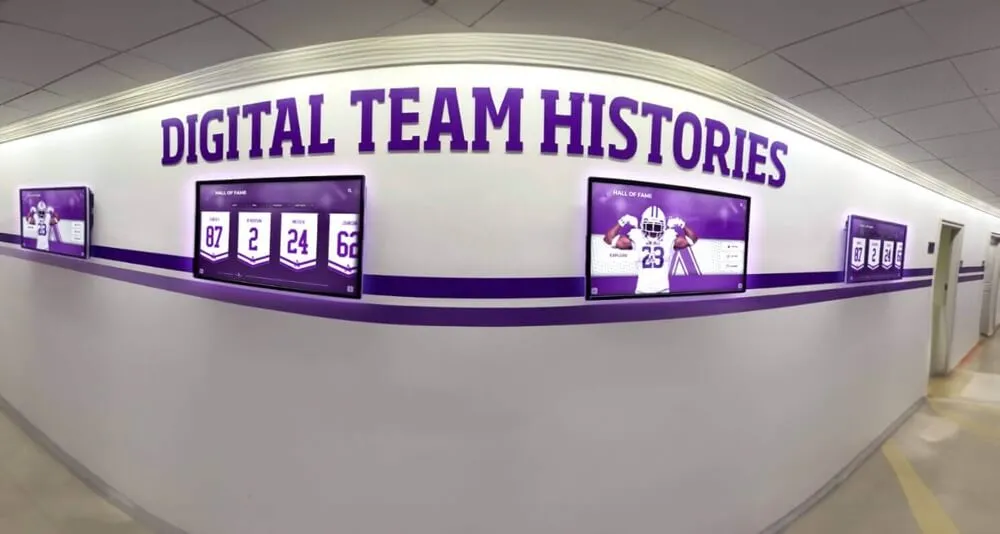
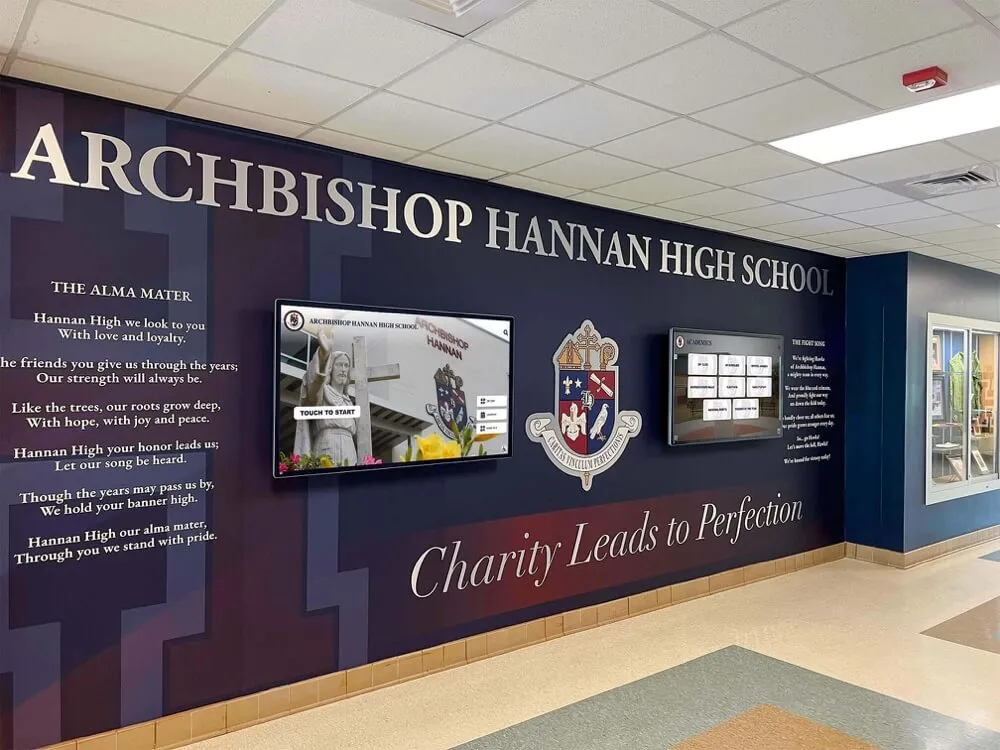
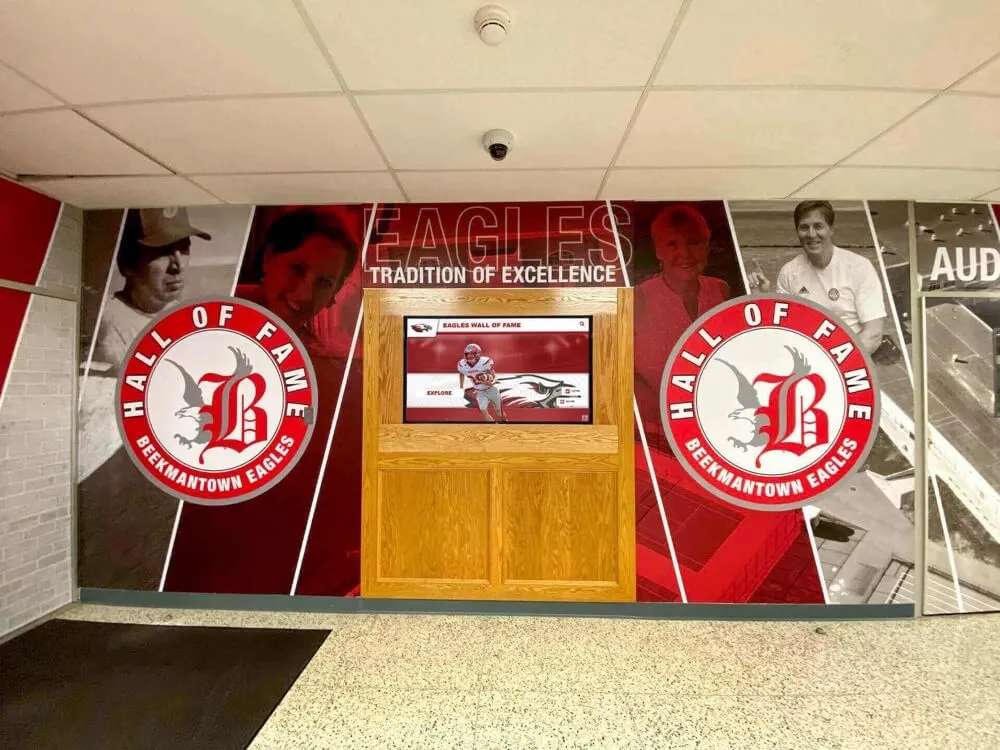
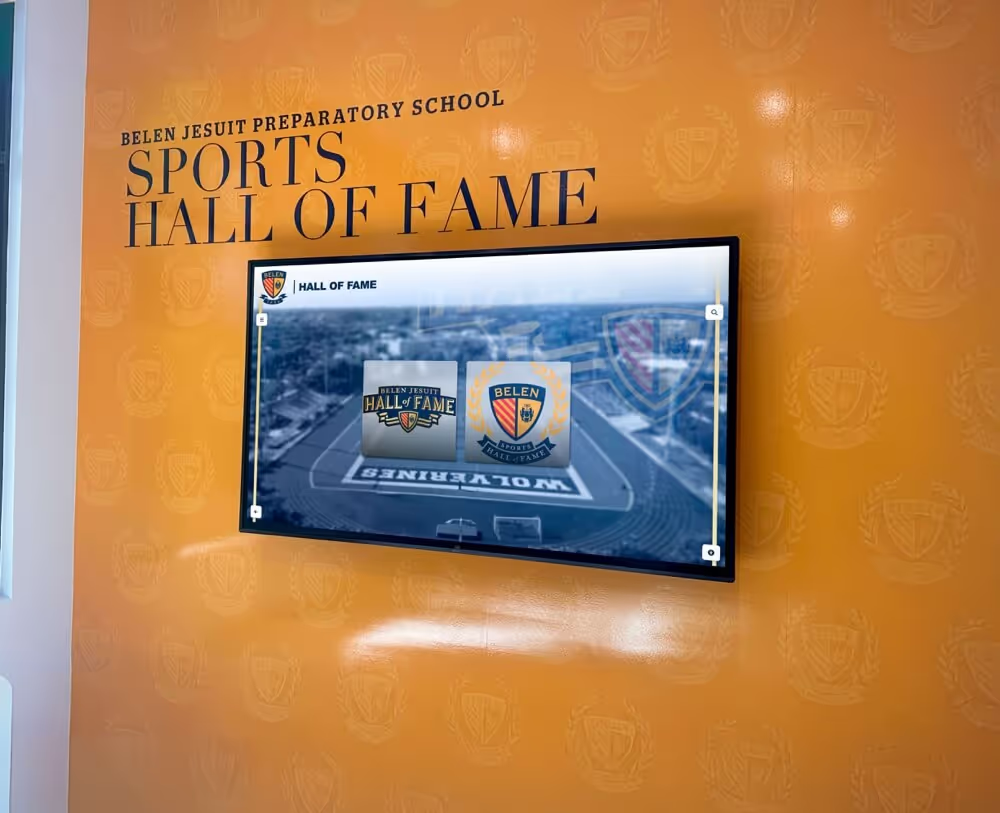
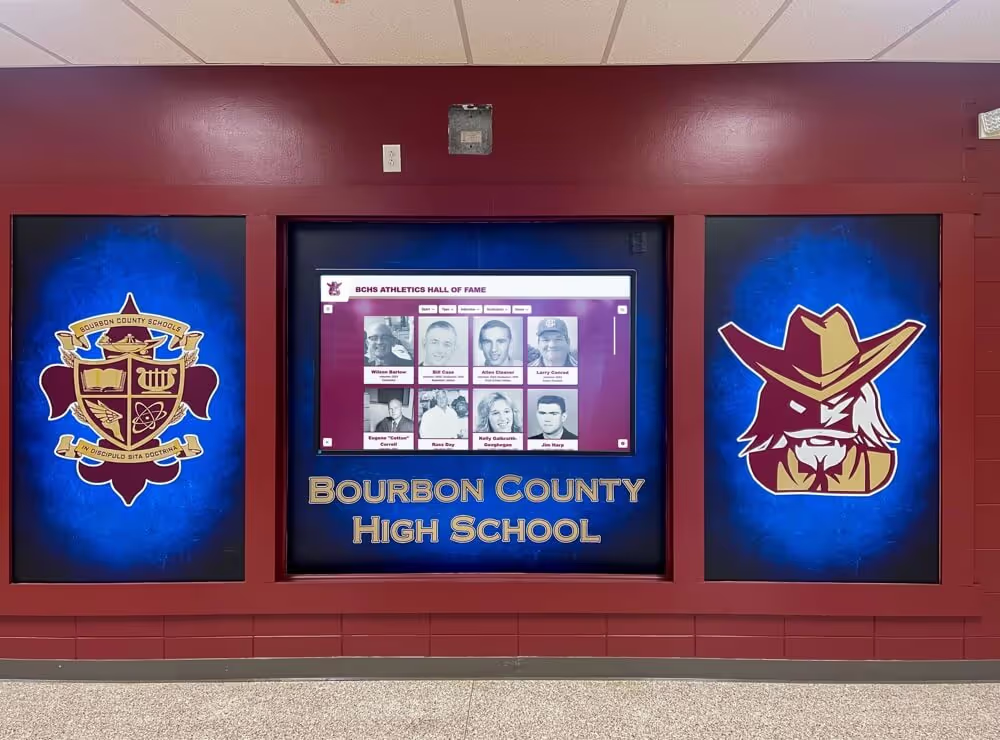
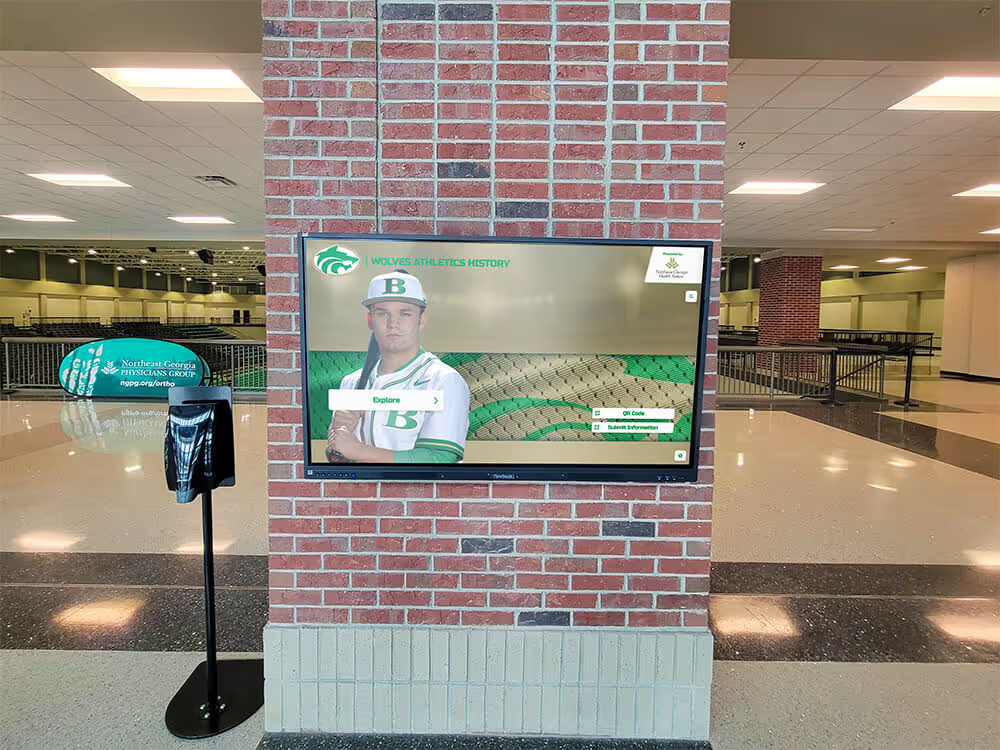
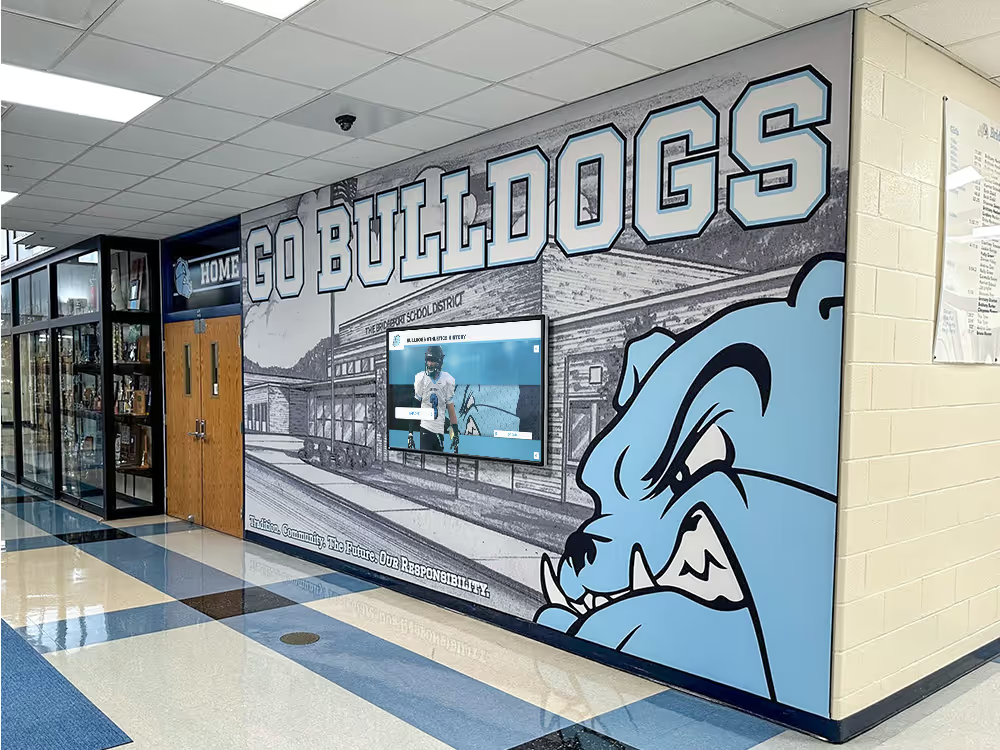
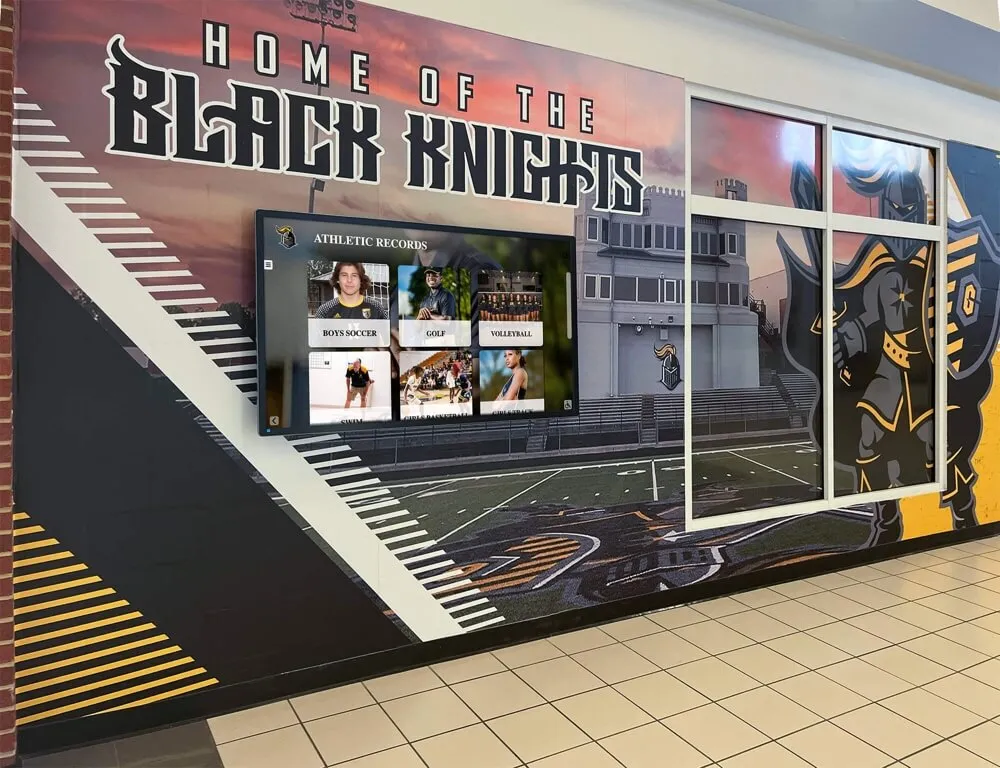
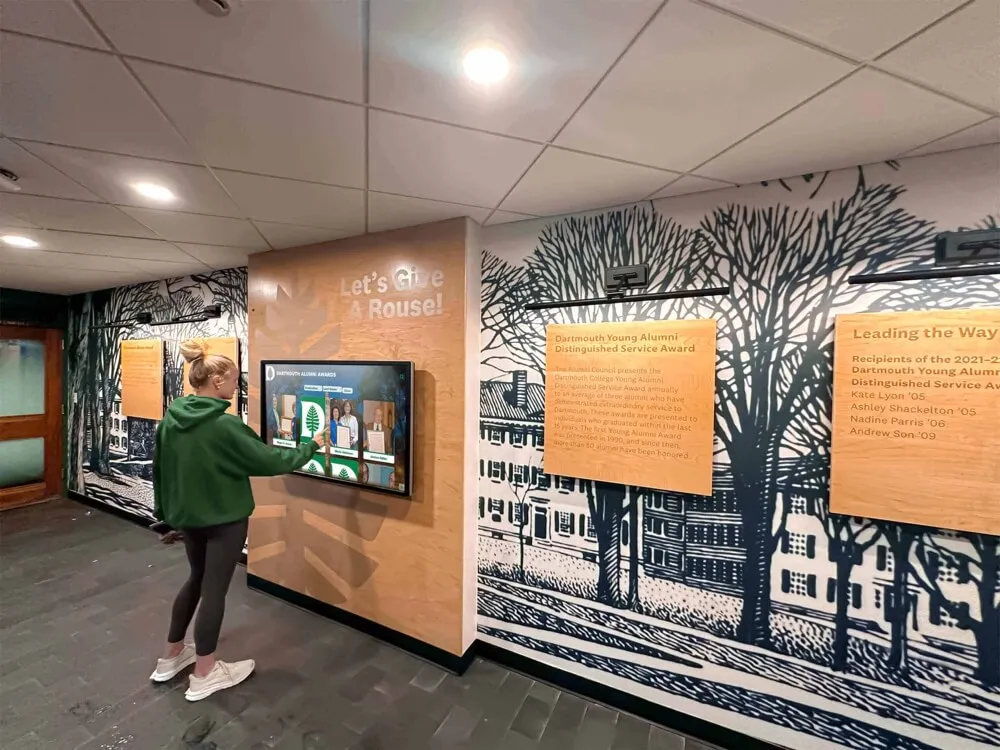
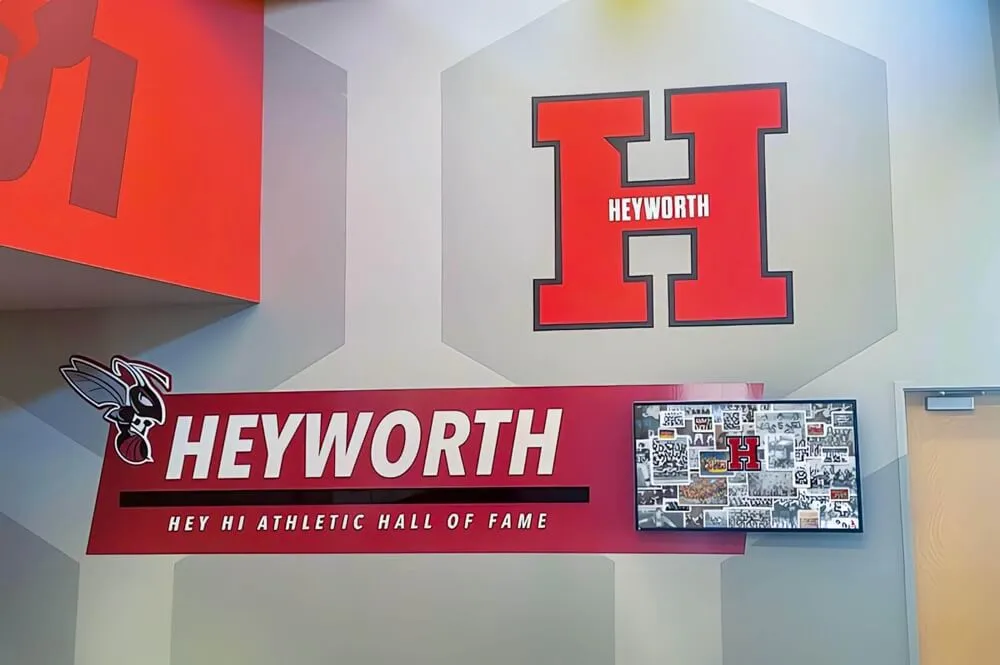
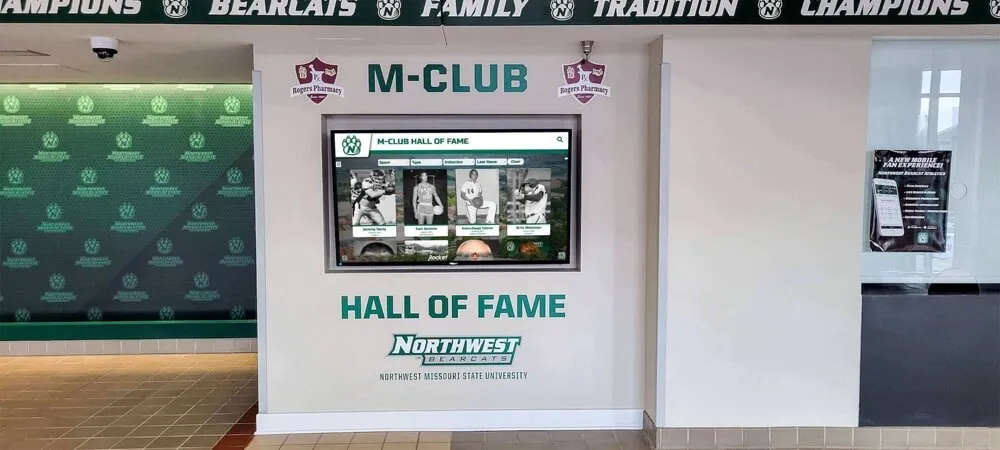
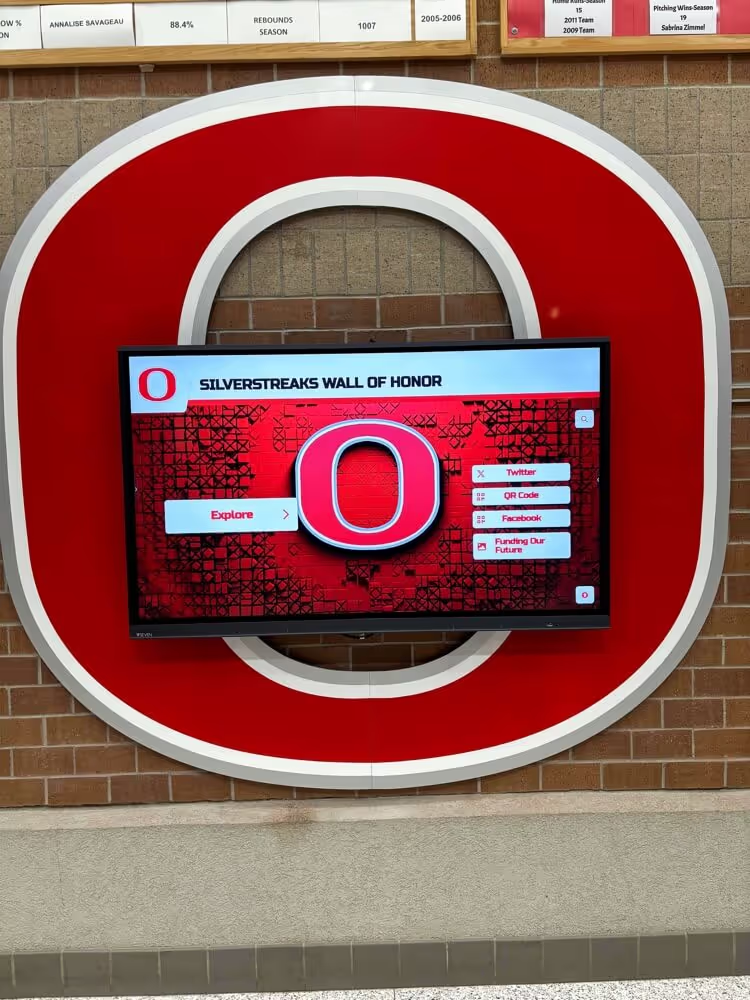
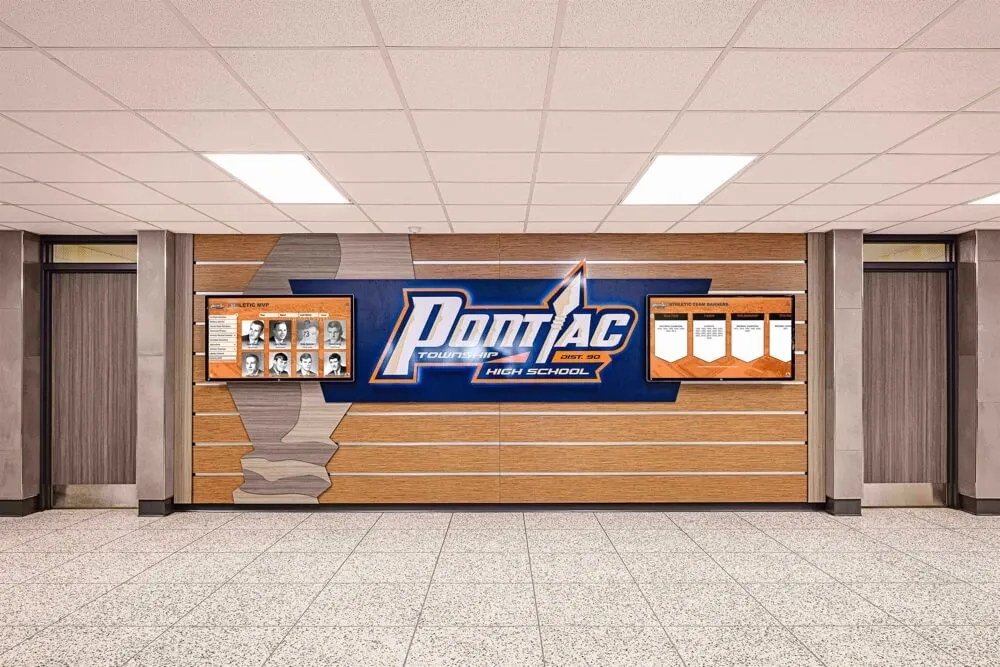
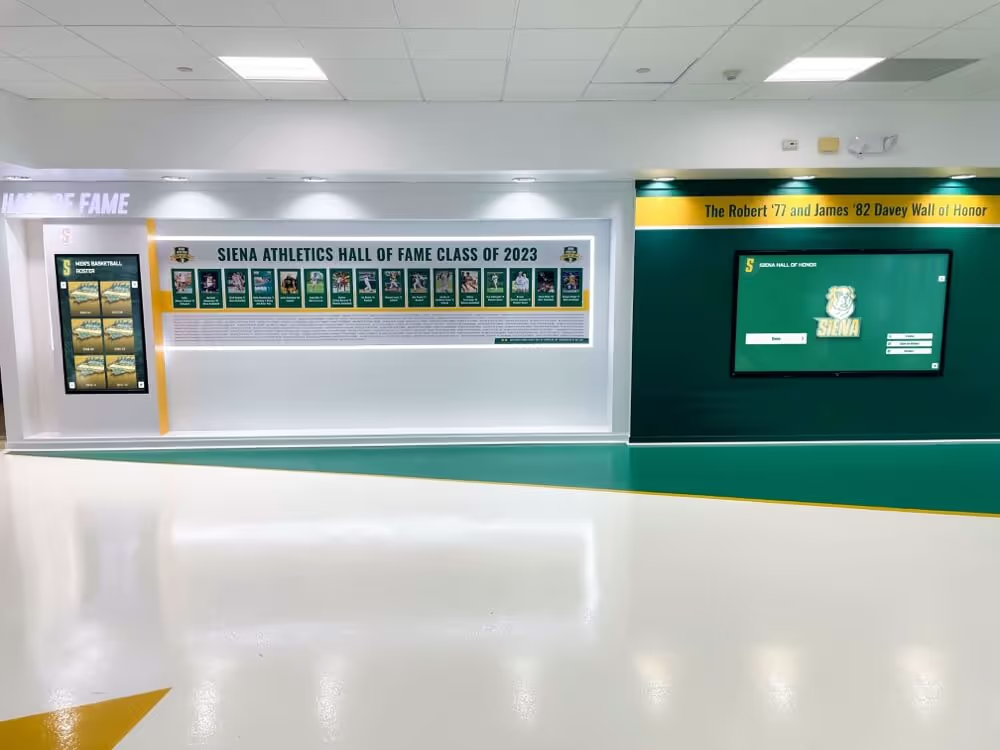
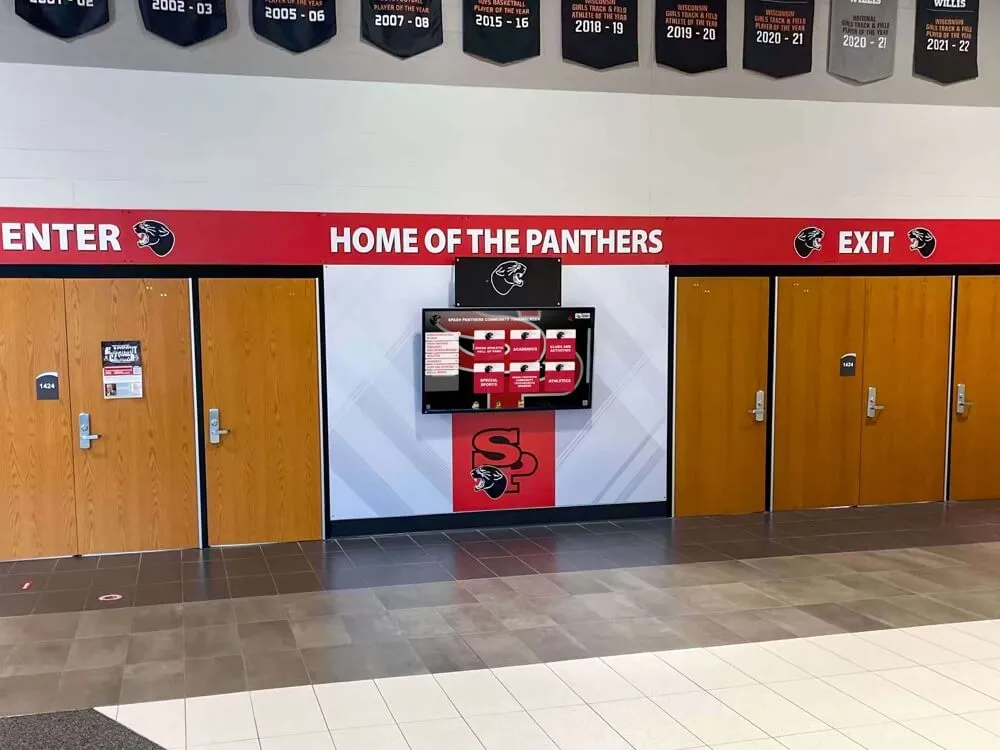
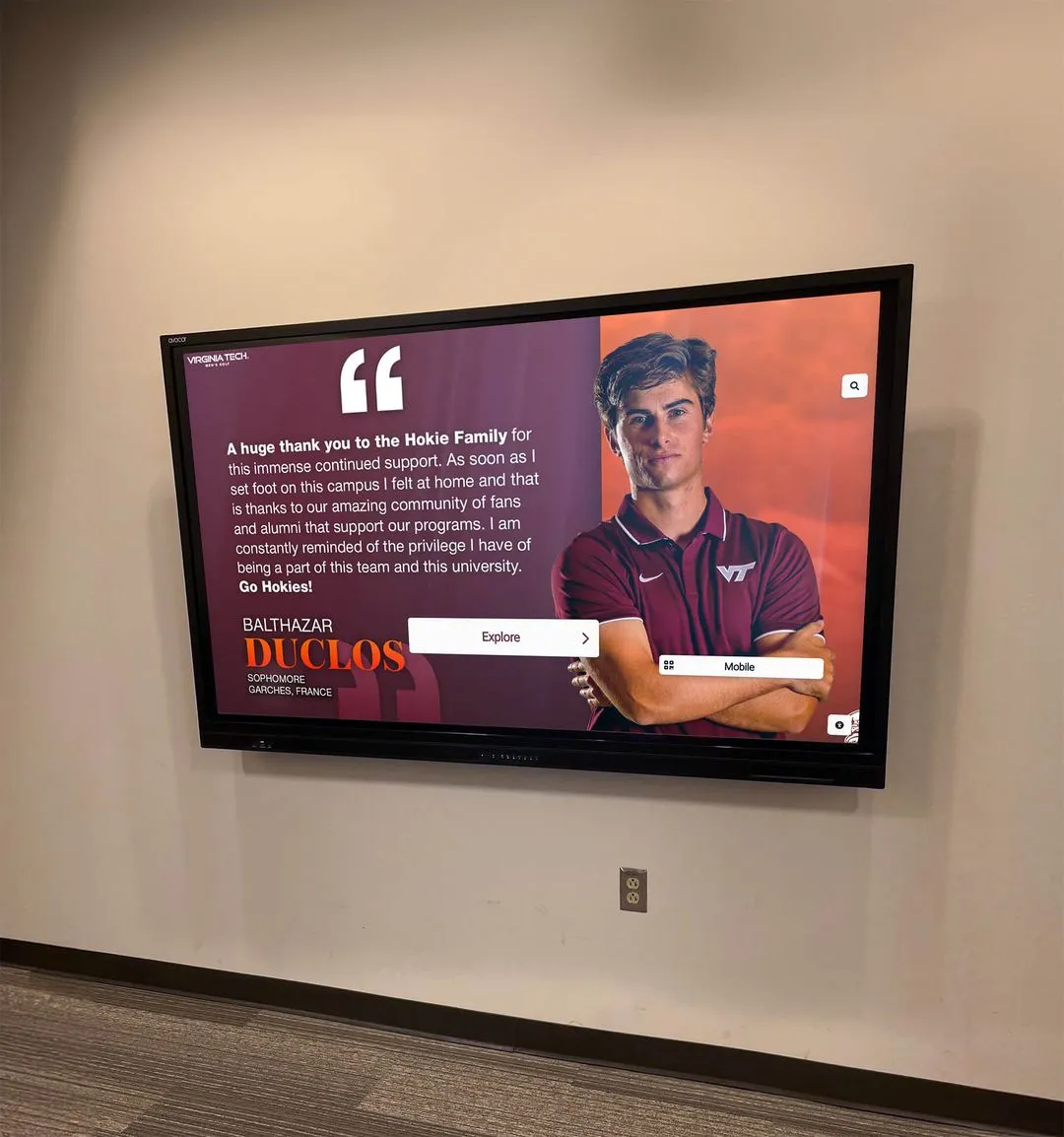
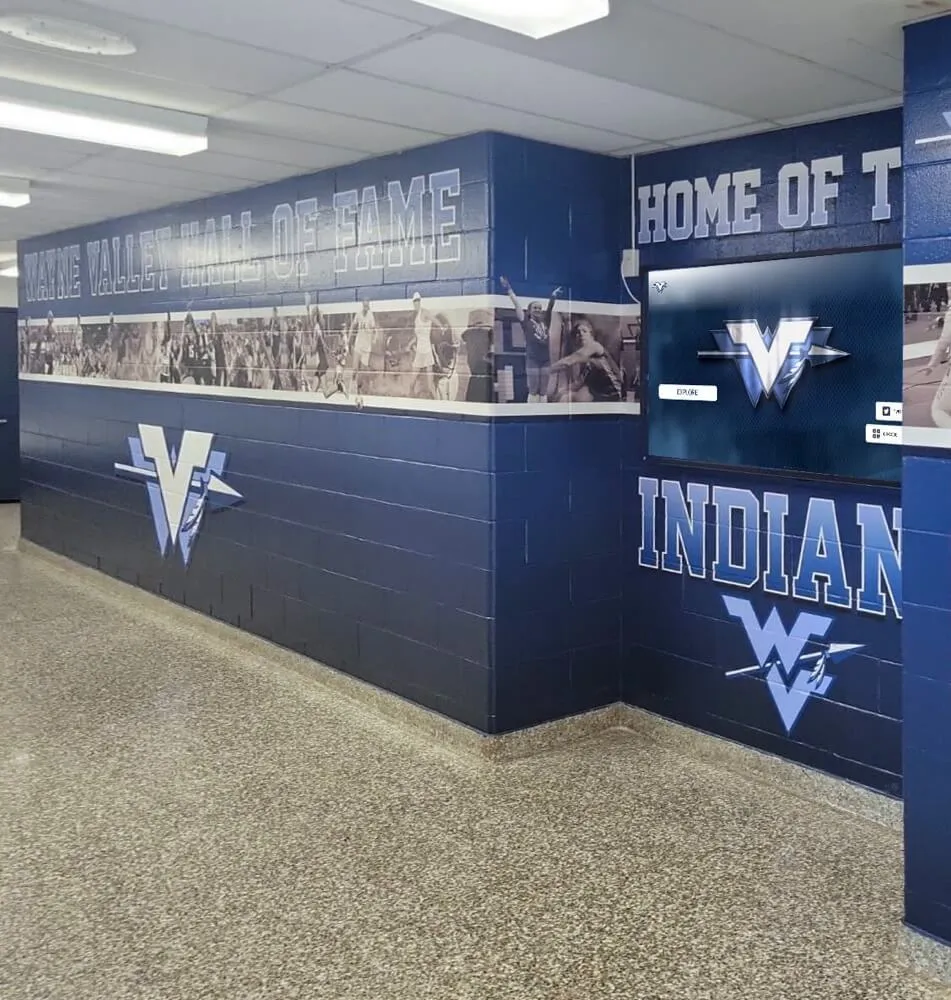
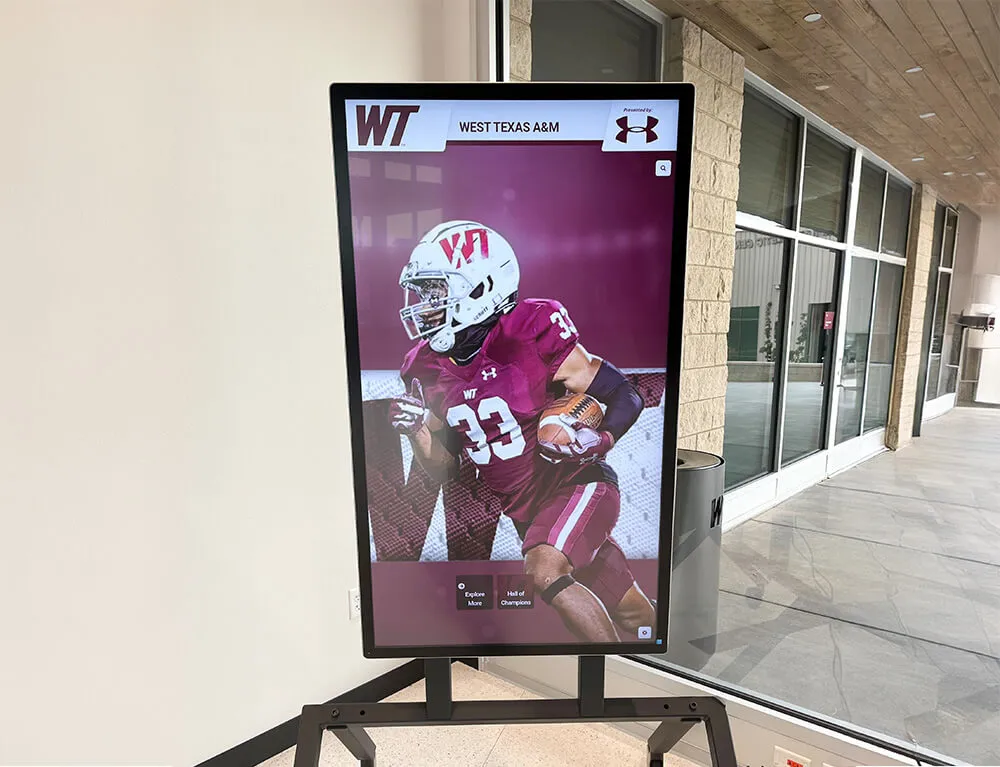
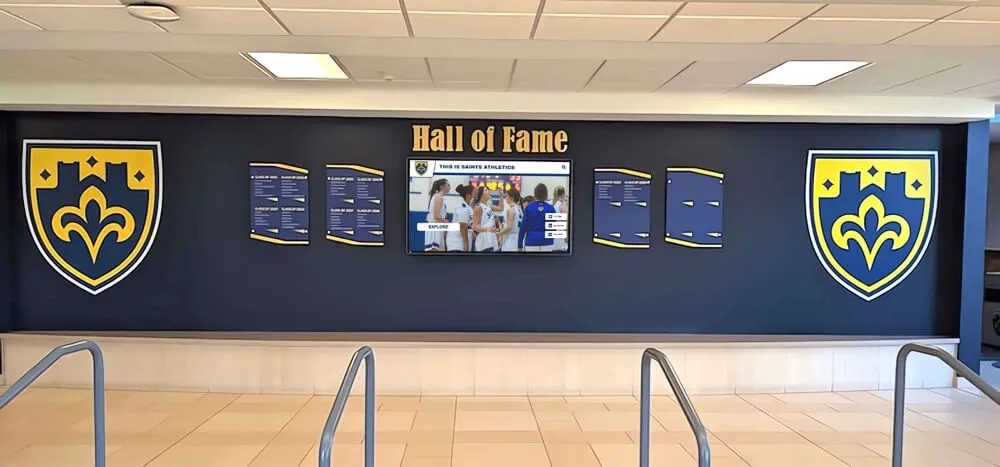
Modern recognition displays integrate traditional elements with digital systems, creating space for both athletic and academic championship celebration
Why Chess Championship Recognition Matters for School Culture
Before exploring specific display strategies, understanding the broader impact of chess team recognition helps frame why these intellectual achievements deserve prominent celebration alongside athletic victories.
Academic Competition as Championship Achievement
Chess team victories represent accomplishments comparable to athletic championships in multiple dimensions:
Competitive Rigor and Preparation Chess competitions demand intensive training paralleling athletic programs:
- Daily practice sessions developing strategic skills and tactical awareness
- Coach-led instruction teaching opening theory, endgame technique, and positional understanding
- Individual study requiring hundreds of hours mastering principles and patterns
- Tournament experience building competitive mental toughness and pressure management
- Team coordination combining individual preparation into collective success
Schools recognizing that chess preparation intensity matches athletic training communicate respect for diverse forms of competitive excellence, encouraging students to pursue intellectual challenges with commitment equal to sports participation.
Measurable Achievement and Rankings Chess provides objective performance metrics similar to athletic statistics:
- United States Chess Federation (USCF) ratings quantifying individual skill levels
- Team standings and tournament placements documenting competitive success
- Individual game records tracking wins, losses, and draws across competitive careers
- National and state championship titles representing pinnacle achievements
- Improvement progression measurable through rating gains and tournament results
These quantifiable accomplishments deserve documentation and celebration through comprehensive recognition displays showcasing achievement details rather than simple participation acknowledgment.
Skills Development and Transferable Abilities Chess competition develops capabilities benefiting academic and professional success:
- Strategic thinking and long-term planning applicable across disciplines
- Pattern recognition enhancing problem-solving in mathematics and sciences
- Decision-making under pressure preparing students for high-stakes situations
- Analytical reasoning strengthening critical thinking capabilities
- Concentration and focus extending attention spans in academic contexts
- Resilience through managing losses and learning from mistakes
Educational research consistently demonstrates chess participation correlates with improved academic performance, particularly in mathematics and reading comprehension, making championship recognition celebration of broader cognitive development beyond the competition itself.
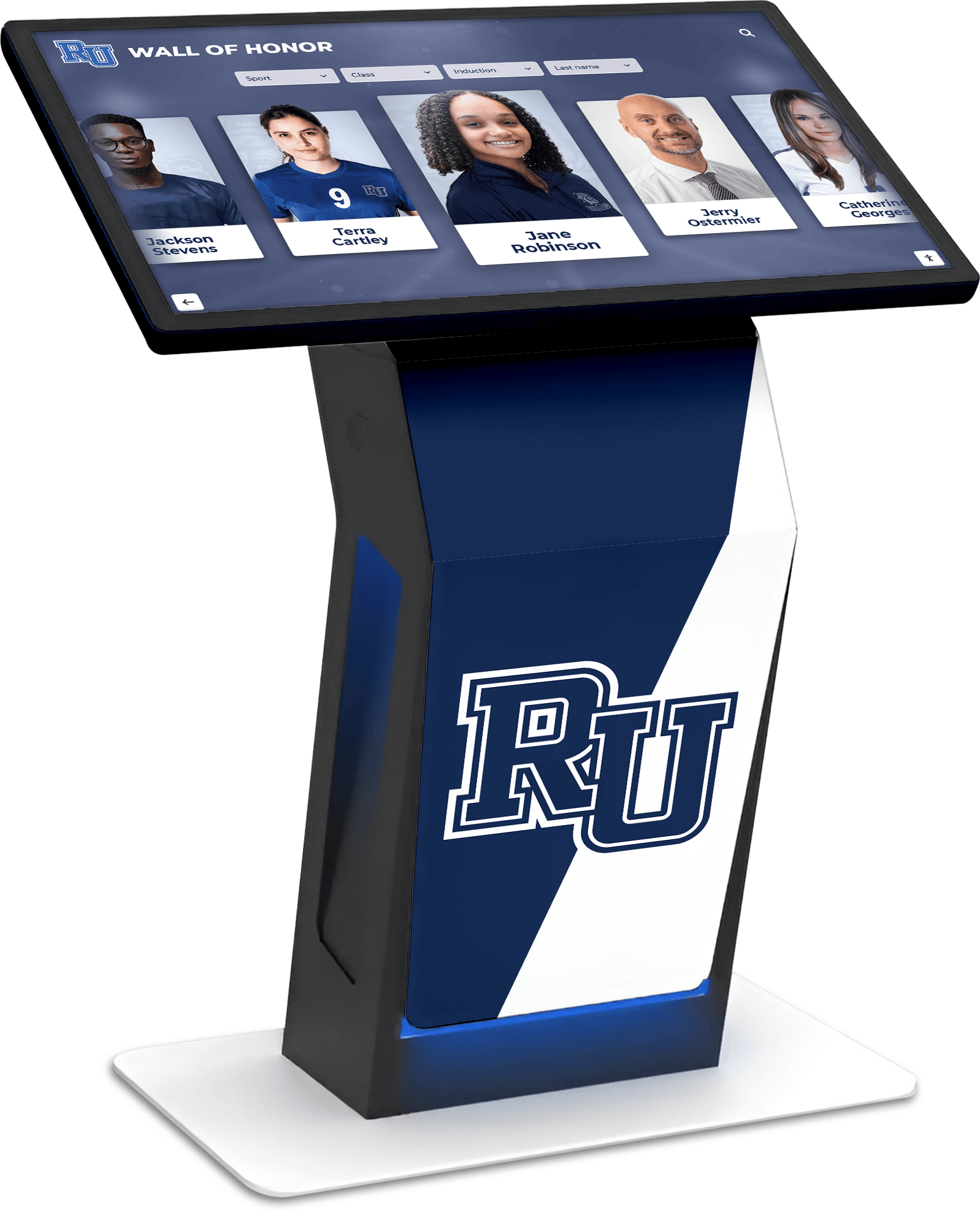
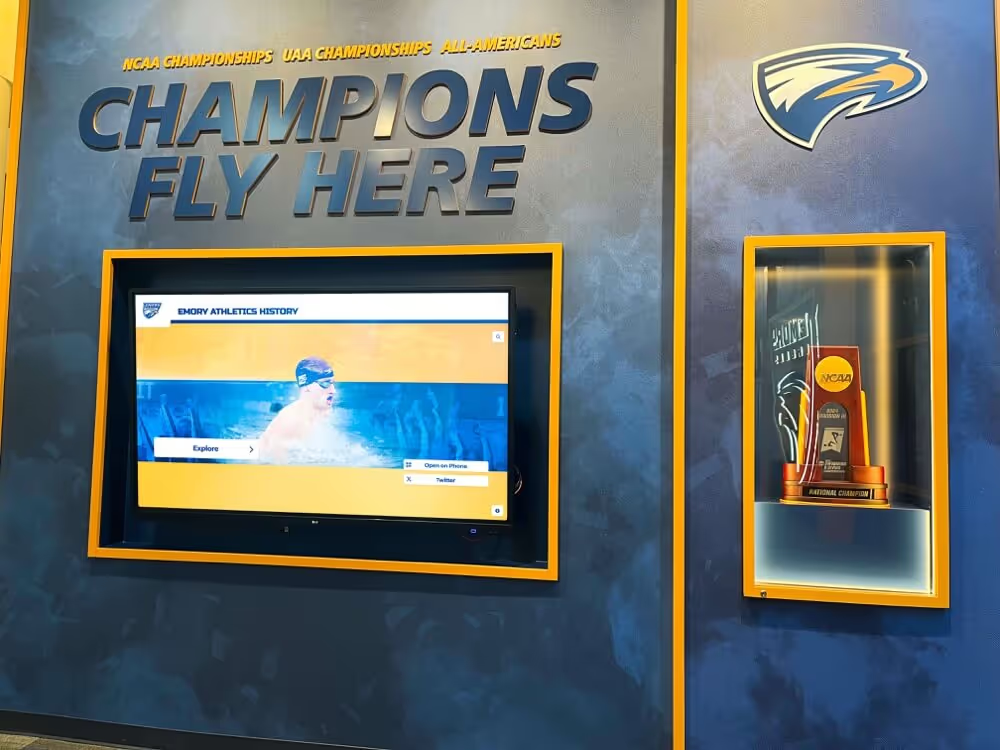
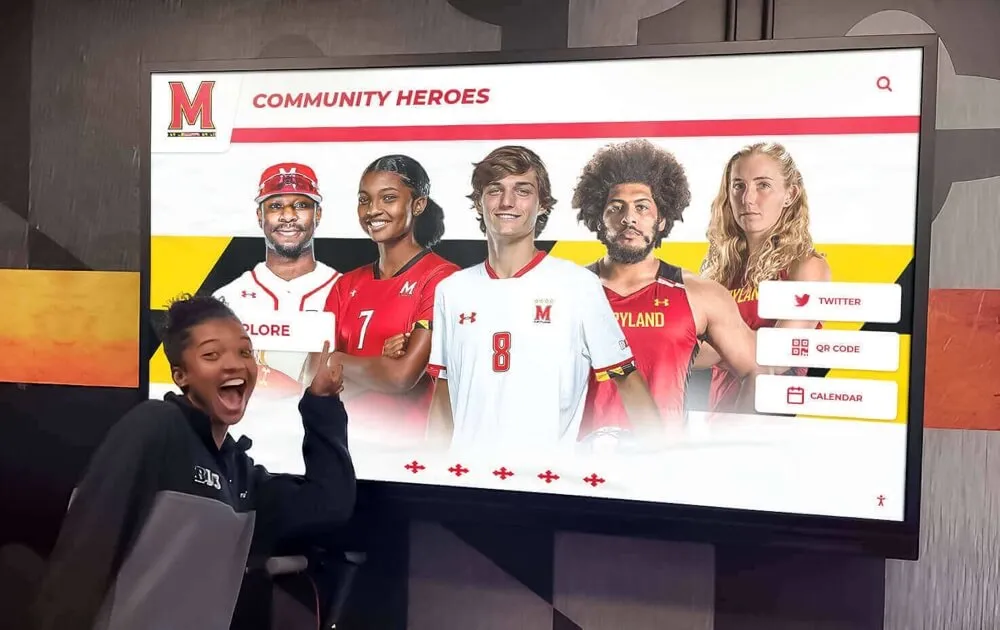
Interactive displays enable comprehensive documentation of chess achievements including tournament results, individual ratings, and championship histories
Institutional Message and Cultural Impact
Trophy case contents communicate powerful messages about what schools value and celebrate:
Balancing Recognition Sends Clear Signals Display space allocation reflects institutional priorities:
- Equal prominence suggests academic and athletic excellence receive comparable value
- Athletic-only displays imply physical achievements matter more than intellectual ones
- Minimal academic recognition discourages participation in competitions developing cognitive skills
- Balanced celebration attracts diverse student talents to competitive programs
- Visible chess recognition normalizes intellectual competition as prestigious pursuit
Schools committed to comprehensive excellence ensure display systems accommodate diverse achievement forms, creating environments where students pursuing intellectual challenges see their potential accomplishments celebrated as prominently as athletic stars.
Designing Effective Chess Championship Display Programs
Creating recognition systems celebrating chess team victories requires thoughtful design considering what information to display, how to present achievements engagingly, and how to maintain relevance as new accomplishments accumulate.
Essential Information Components
Comprehensive chess championship displays include multiple data elements telling complete achievement stories:
Team Championship Recognition Document collective victories and tournament success:
- State championship titles with year won and tournament location
- Regional and national tournament placements and advancement levels
- School record compilations showing all-time team achievement history
- Season records including match wins, draws, and losses
- Conference championships and league titles across competition levels
- Consecutive championship streaks highlighting sustained program excellence
Many schools create digital recognition systems enabling detailed team history documentation impossible within physical trophy case space constraints.
Individual Achievement Highlights Recognize personal excellence alongside team success:
- Individual state championship winners and division placements
- Highest USCF rating achieved by school students historically
- All-state and all-conference team selections honoring top performers
- Most valuable player awards and coach’s awards from each season
- Individual tournament victories and notable performance highlights
- Career win totals and longest winning streaks for school records
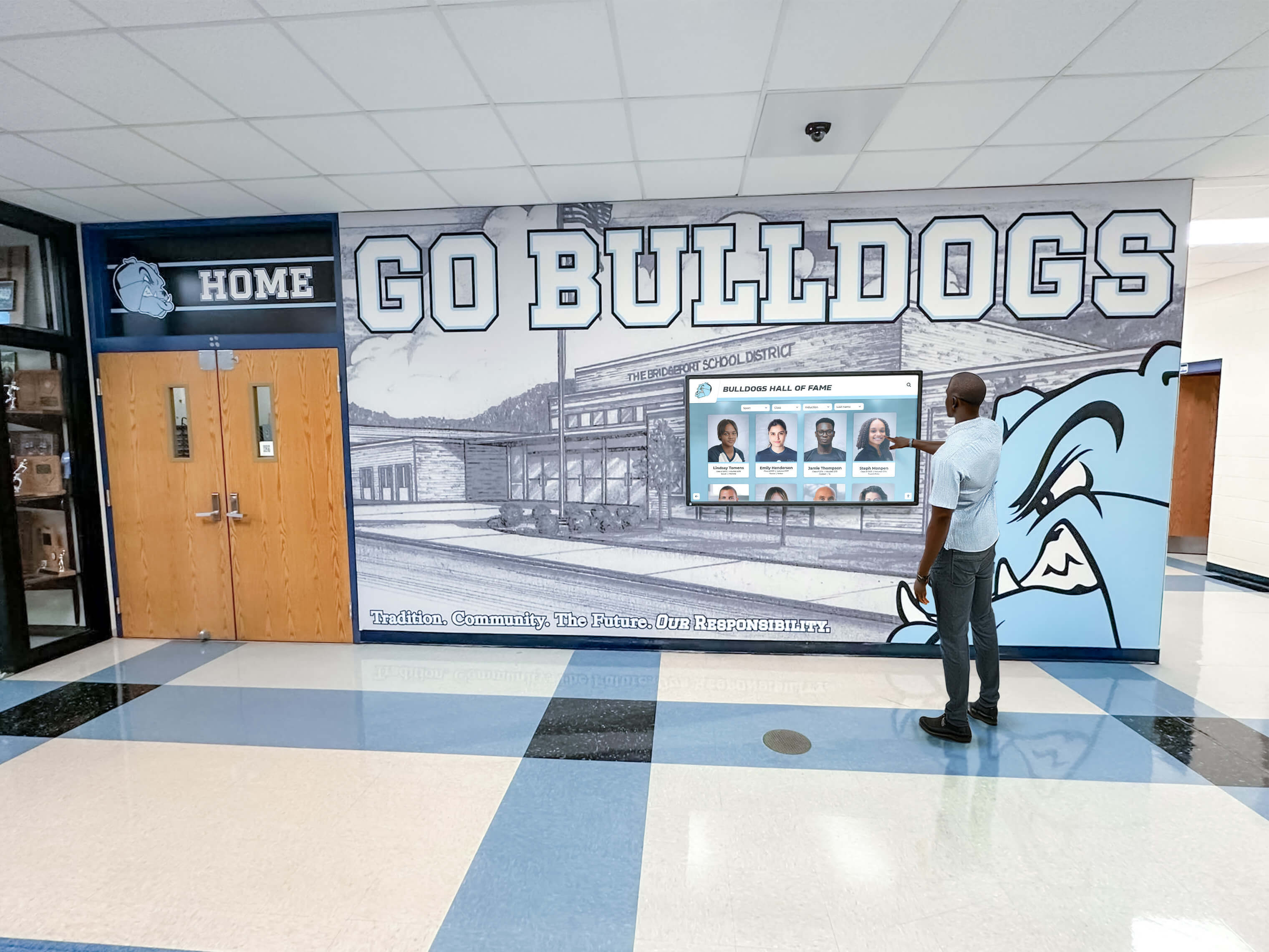
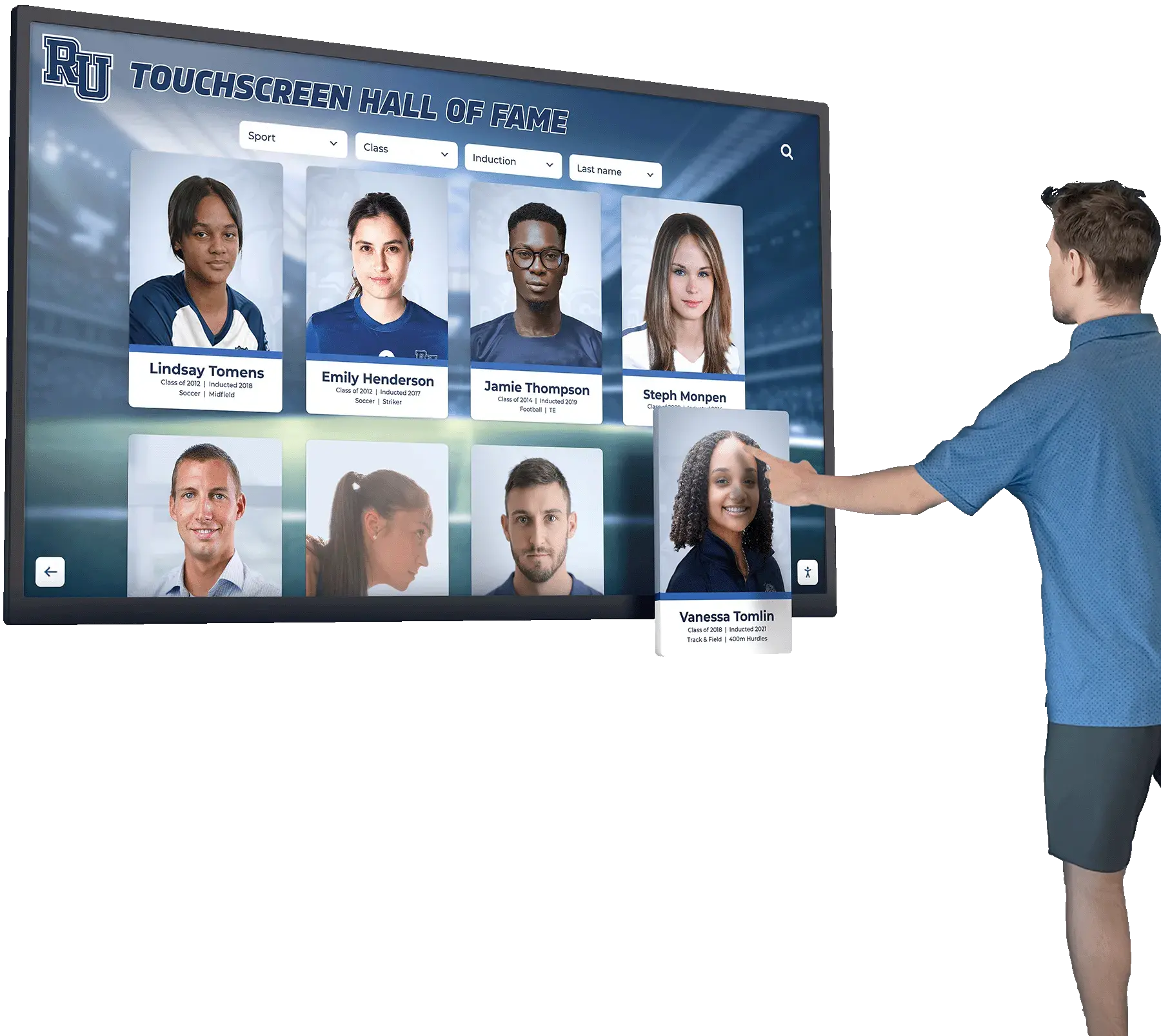
Touchscreen displays enable exploration of individual chess player profiles, tournament results, and achievement progressions over competitive careers
Contextual Information and Program History Provide background helping viewers understand accomplishment significance:
- Program founding year and historical milestones establishing legacy context
- Notable alumni chess players who achieved subsequent success in academics or professional chess
- Coach recognition honoring leadership building championship programs
- Memorable match descriptions and defining program moments
- Tournament difficulty levels explaining championship achievement context
- Opponent information highlighting competitive fields and victory significance
This contextual information transforms simple trophy displays into educational narratives celebrating program development and individual growth journeys.
Display Format Options and Approaches
Schools employ various strategies accommodating chess recognition within existing systems or creating dedicated celebration spaces:
Integrated Multi-Sport Trophy Cases Combining athletic and academic achievements in shared displays:
- Dedicated sections within trophy cases reserved for academic competition trophies
- Rotation systems ensuring chess championships appear during certain periods
- Tiered placement giving equal positioning to comparable achievements regardless of type
- Unified recognition standards applying consistent display quality across achievement categories
- Clear labeling distinguishing athletic and academic championships while presenting equally
This integration approach works well for schools with limited display infrastructure, ensuring chess achievements appear alongside athletic trophies in highly visible common areas.
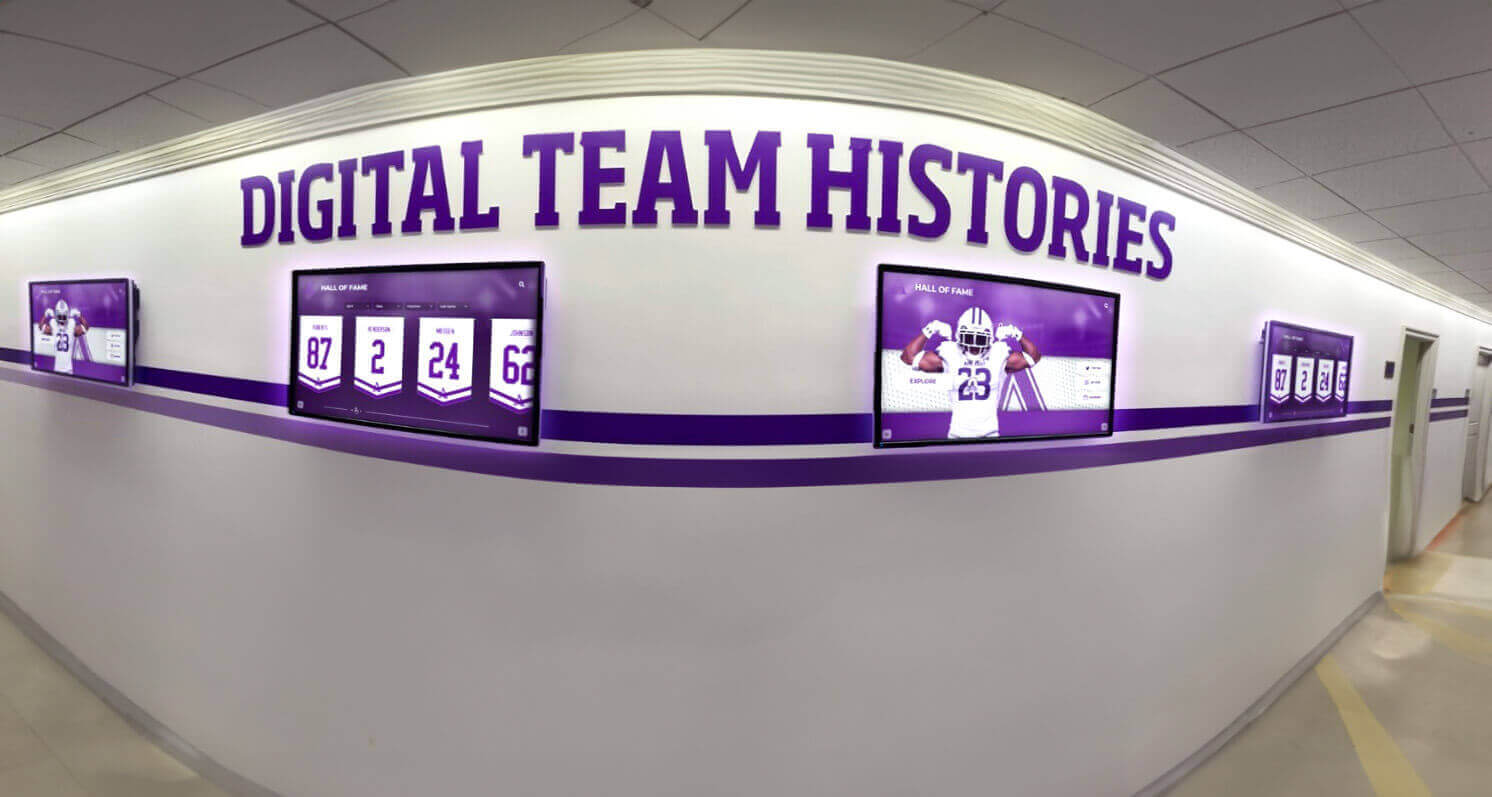
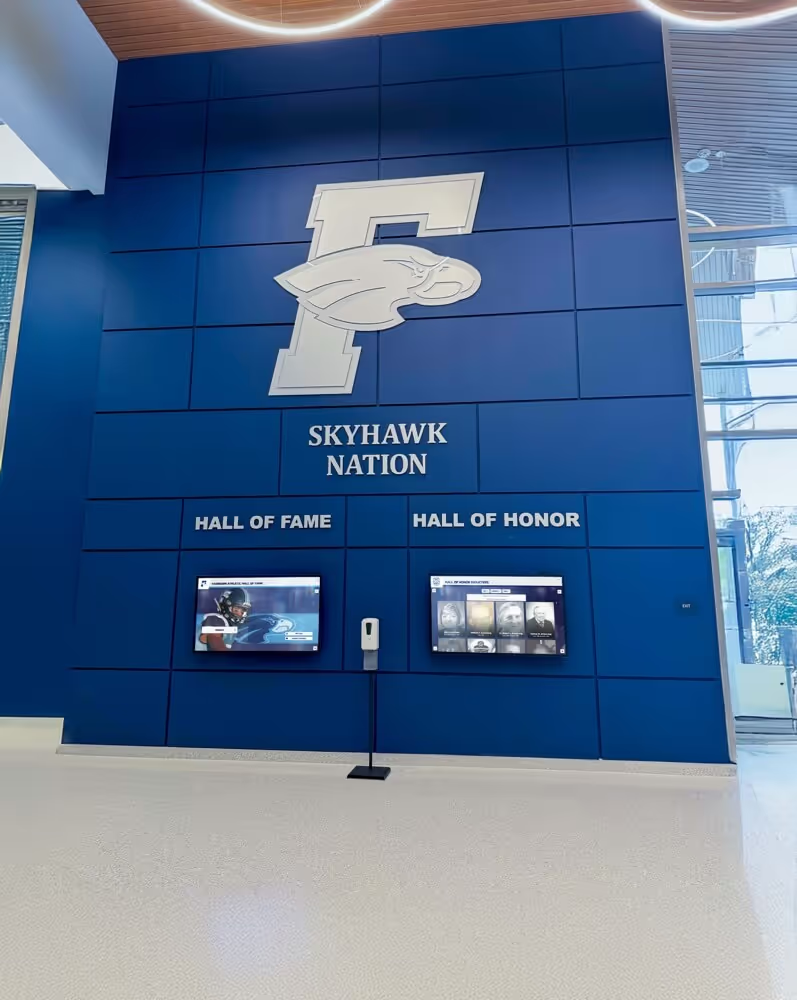
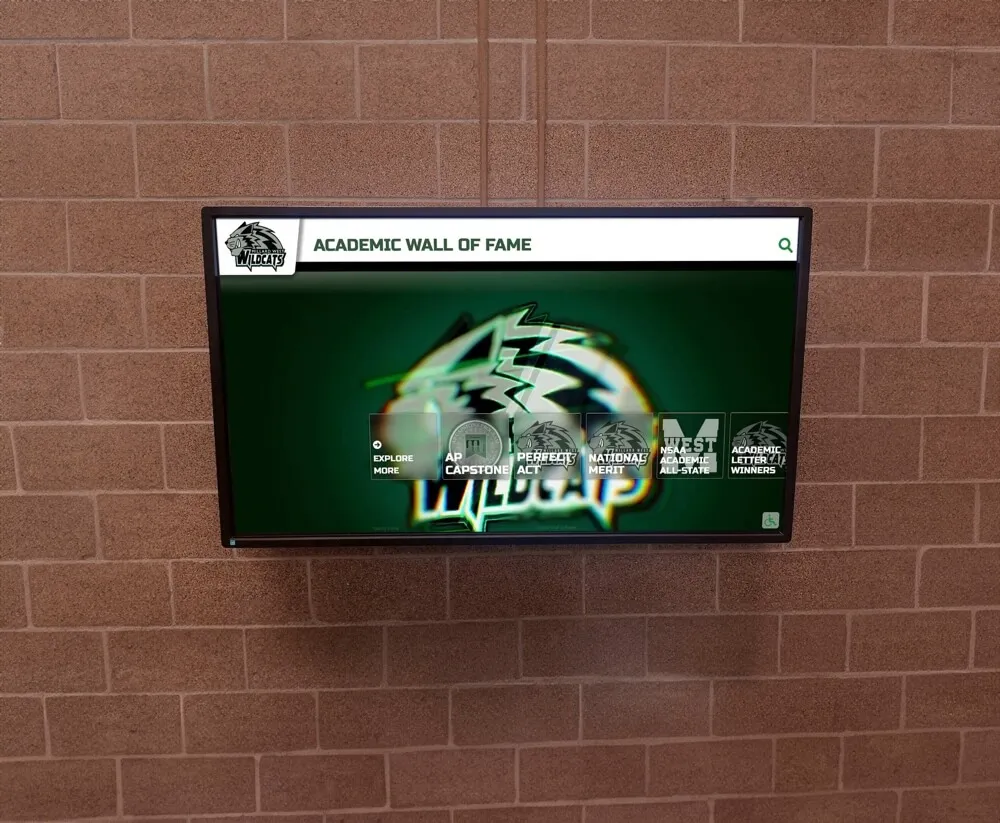
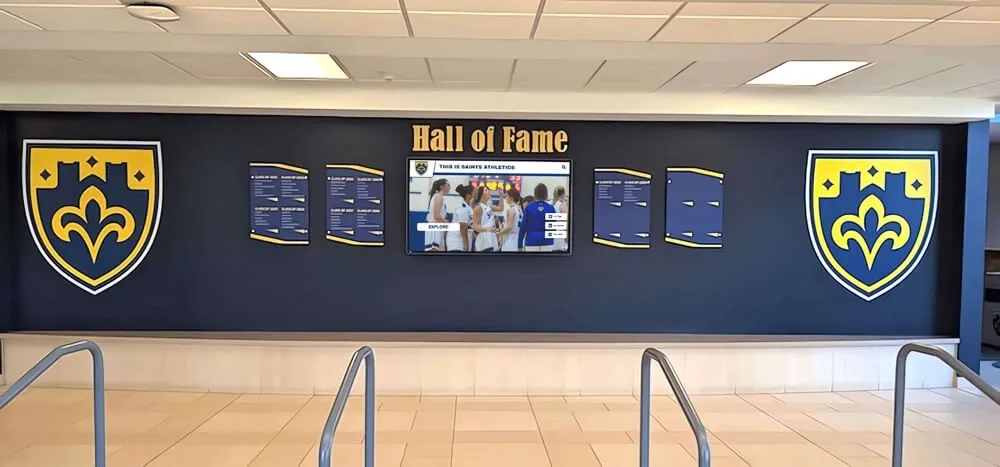
Dedicated digital displays provide unlimited space for comprehensive chess team histories without competing for physical trophy case room
Dedicated Academic Competition Display Areas Creating separate recognition zones for intellectual achievements:
- Academic trophy cases positioned near libraries or academic department hallways
- Dedicated wall space featuring chess championship banners and recognition plaques
- Glass display cases in administration offices or academic wings showcasing chess trophies
- Classroom displays within math or humanities departments celebrating student achievements
- Tournament board displays showing notable games from championship matches
These dedicated spaces celebrate academic achievement while acknowledging that some community members specifically seek chess program information, creating gathering points for program supporters and prospective participants.
Digital Recognition Systems Modern solutions eliminating physical space limitations entirely:
- Touchscreen displays presenting unlimited chess achievement content without space constraints
- Rotating digital slideshows featuring both current season highlights and historical achievements
- Interactive databases enabling searches by student name, year, or achievement type
- QR code access allowing mobile viewing of chess recognition content from anywhere
- Remote content updates ensuring championship recognition appears immediately after victories
Schools implementing comprehensive event celebration systems find digital platforms particularly effective for chess programs where achievements accumulate across many tournaments throughout seasons.
Overcoming Common Chess Recognition Challenges
Schools frequently encounter specific obstacles when attempting to provide chess championships with recognition comparable to athletic achievements.
Physical Space Limitations
Traditional trophy cases create zero-sum competition for limited display real estate:
The Capacity Crisis
- Athletic programs accumulating decades of trophies fill available case space
- Adding chess trophies requires removing existing athletic recognition
- Administrators face complaints from athletic departments about reduced display space
- Physical cases cannot expand to accommodate growing achievement totals
- Budget constraints prevent purchasing additional trophy cases
Strategic Solutions Digital recognition systems eliminate capacity constraints entirely:
- Unlimited content capacity accommodating infinite achievement additions without removing anything
- Cloud-based platforms enabling continuous updates without physical installation
- Expansion capability growing seamlessly as programs achieve new victories
- Content organization systems making extensive achievement databases navigable
- Search functionality allowing specific achievement location regardless of total content volume
Modern schools recognize that recognition display infrastructure must scale beyond physical limitations, implementing systems supporting comprehensive celebration regardless of achievement accumulation.
Making Chess Achievement Accessible and Engaging
Chess accomplishments sometimes feel less immediately understandable to general audiences than athletic victories:
The Comprehension Challenge General audiences may not fully grasp chess achievement significance:
- USCF rating systems unfamiliar to community members without chess background
- Tournament formats and competitive structures unclear to casual observers
- Strategic accomplishment difficulty invisible compared to physical athletic feats
- Championship significance varying across different competitive levels and divisions
- Individual and team achievement relationship sometimes confusing
Engagement Strategies Effective displays provide context making achievements meaningful to all viewers:
- Brief explanations of rating systems and competitive structures
- Comparison frameworks (e.g., “1800+ rating represents top 10% of competitive players”)
- Notable game moments with board position images showing critical moves
- Student testimonials describing competitive experience and achievement significance
- Video content showing tournament settings and competitive atmosphere
- Links to game databases allowing interested viewers to replay championship matches

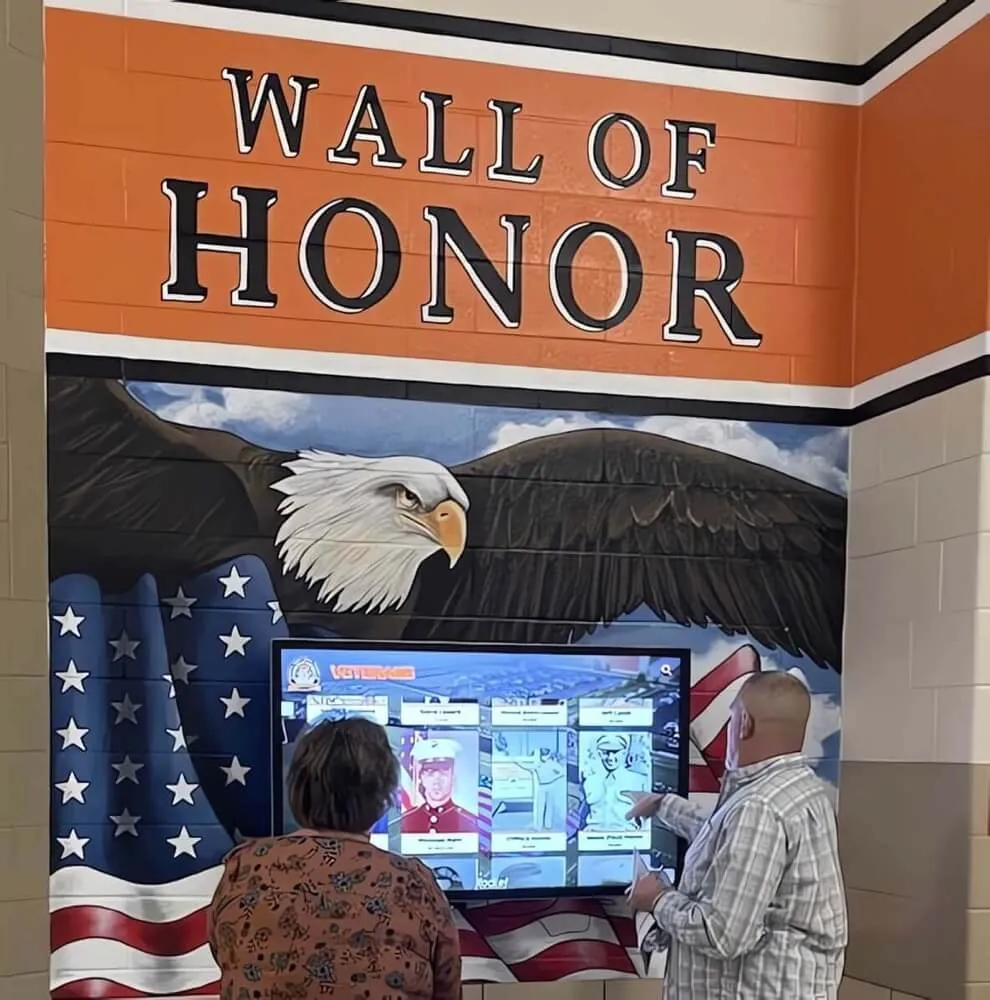
Recognition displays featuring student profiles with achievement context help community members understand chess accomplishment significance
These contextual elements transform chess recognition from insider celebration into community-wide achievement appreciation.
Maintaining Recognition Currency and Relevance
Unlike athletic trophies that remain in cases indefinitely, chess programs generate ongoing achievements requiring display updates:
The Update Challenge
- Traditional cases require physical access and manual arrangement changes
- Glass removal, content rearrangement, and relocking creates maintenance burdens
- Display updates often delayed until convenient for facilities staff
- Recent achievements remain uncelebrated during update delays
- Historical content becomes outdated as programs evolve
Digital Update Advantages Modern platforms enable instant recognition updates without physical access:
- Remote content management allowing updates from any internet-connected device
- Immediate championship recognition appearing within minutes of tournament completion
- Scheduled publishing enabling automatic display on preset dates
- Content version control maintaining historical records while showing current achievements
- Collaborative editing allowing coaches to submit achievements and administrators to approve
Schools implementing these systems ensure chess champions receive timely celebration comparable to athletes whose achievements appear immediately in media and announcements.
Building Comprehensive Chess Recognition Culture
Effective championship celebration extends beyond trophy displays into broader institutional recognition patterns.
Multi-Channel Recognition Approaches
Comprehensive programs celebrate chess achievements through diverse visibility channels:
Visibility Integration
- Morning announcements highlighting tournament results and championship victories
- Social media posts celebrating team and individual achievements with same enthusiasm as athletic wins
- School newsletter features profiling chess team members and competitive experiences
- Awards ceremony inclusion providing public recognition at school-wide events
- Website prominence giving chess team pages equal navigation accessibility as athletic teams
- Local media outreach securing newspaper coverage of championship victories
This multi-channel approach ensures chess achievements reach diverse audience segments, building community awareness and program prestige.
Symbolic Equal Treatment Matching athletic program recognition patterns:
- Team photographs displayed in same locations as athletic team photos
- Letter awards and varsity recognition for chess team members meeting criteria
- Championship banners hung in gymnasiums alongside athletic championship banners
- End-of-season recognition events comparable to athletic awards ceremonies
- Coach acknowledgment at school board meetings and community events
- Student profile features in yearbooks and school publications
These parallel recognition patterns communicate institutional commitment to celebrating intellectual achievement equally with athletic excellence.
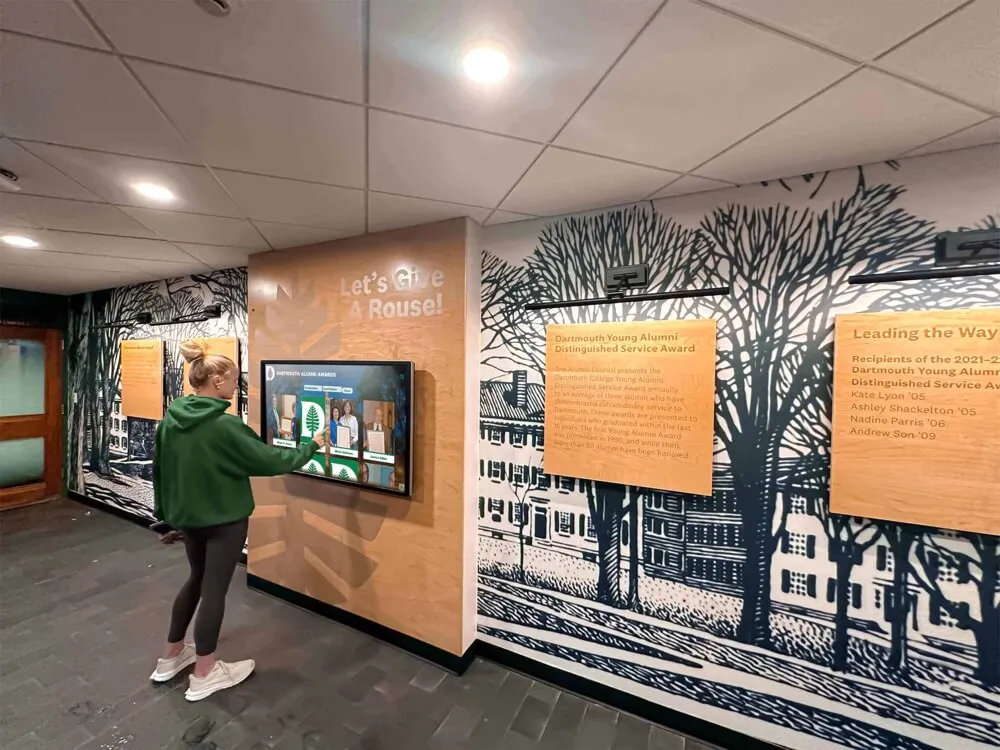
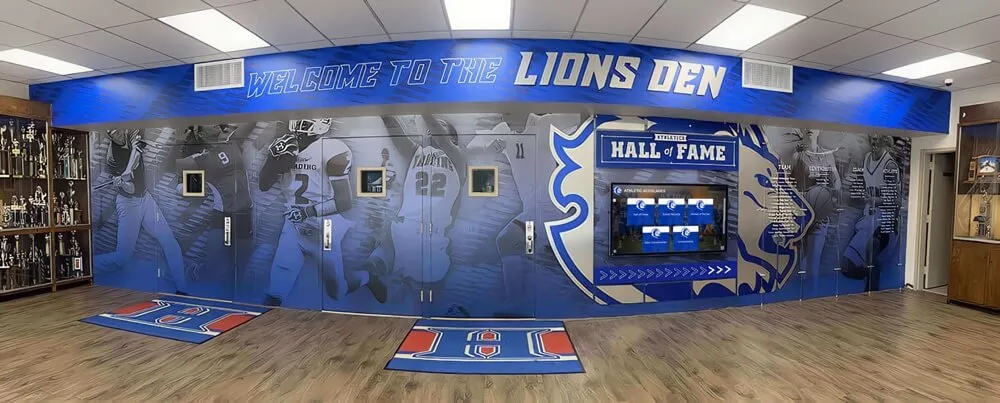
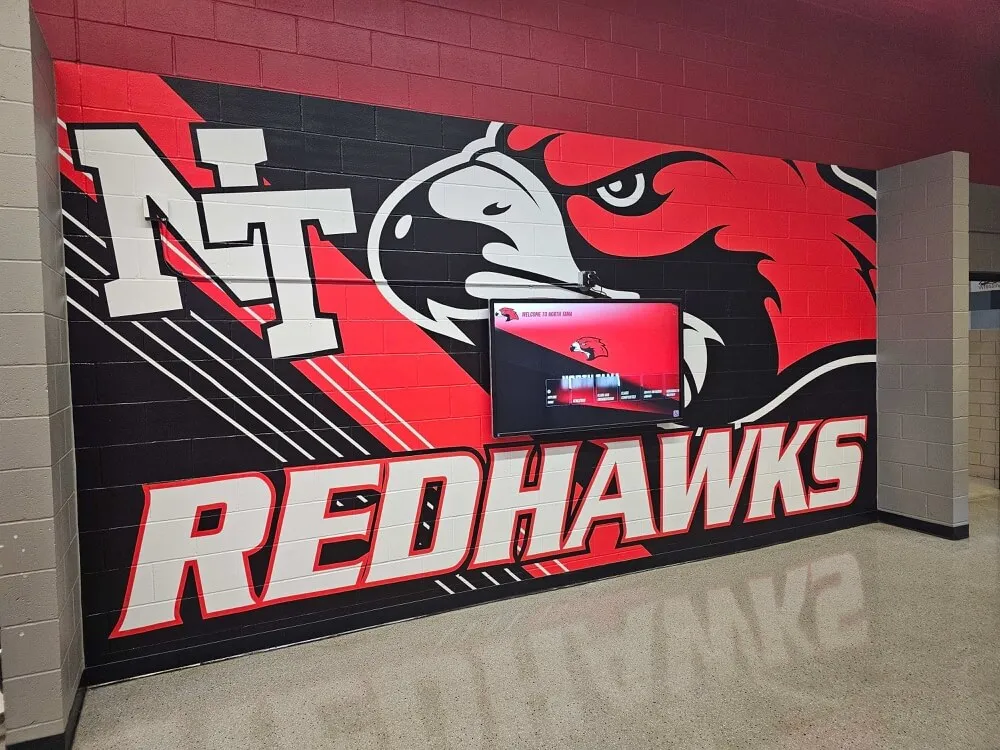
Comprehensive recognition systems document chess achievements as part of broader student excellence celebration spanning academic and athletic accomplishments
Long-Term Program Development Through Recognition
Strategic championship celebration supports ongoing program growth and competitive success:
Recruitment and Participation Visible recognition attracts new participants and competitive talent:
- Prospective students see chess as valued school activity during campus visits
- Current students recognize competitive excellence pathway beyond athletics
- Parents appreciate intellectual competition opportunities for non-athletic children
- Elementary and middle school chess players identify high school programs celebrating achievements
- Competitive chess players select schools based partially on program prestige visible through recognition
Schools documenting chess excellence create self-reinforcing cycles where recognition drives participation, increasing competitive success that generates additional achievements deserving celebration.
Alumni Connection and Support Championship recognition strengthens former chess team member engagement:
- Alumni see their historical achievements documented and preserved
- Former players maintain connection to programs celebrating their contributions
- Nostalgia and pride drive alumni attendance at school events and reunions
- Recognition visibility during campus visits triggers alumni engagement conversations
- Digital platforms enable remote access allowing alumni to share their displayed achievements
This ongoing connection transforms chess participants into lifelong program supporters potentially contributing coaching assistance, financial support, or mentorship for current team members.
Implementing Modern Chess Championship Display Systems
Schools ready to elevate chess recognition can follow systematic implementation approaches ensuring successful deployment.
Assessment and Planning
Begin with comprehensive evaluation of current recognition state and desired outcomes:
Current State Analysis
- Inventory existing chess achievement documentation and display locations
- Survey trophy case capacity and current athletic/academic balance
- Evaluate community awareness of chess program accomplishments and history
- Assess coach and participant satisfaction with current recognition approaches
- Document championship achievements deserving but lacking adequate celebration
Goal Definition Establish specific recognition objectives:
- Target balance between athletic and academic achievement display prominence
- Desired comprehensiveness of achievement documentation (team vs. individual, historical vs. current)
- Accessibility requirements for diverse audience viewing (height, interactive capability)
- Update frequency expectations and content management responsibility
- Budget parameters and implementation timeline
This foundation ensures recognition solutions align with institutional priorities and resource constraints.
Technology Selection and Configuration
Modern digital displays offer capabilities specifically valuable for chess championship recognition:
Essential Features for Chess Recognition
- Unlimited content capacity eliminating space constraints
- Rich media support enabling photographs, videos, and tournament board positions
- Search and filtering capabilities allowing achievement location by name, year, or type
- Remote content management enabling coach or administrator updates without technical assistance
- Mobile access through QR codes allowing broader community viewing beyond physical location
- Accessibility compliance ensuring all community members can engage with achievements
Digital trophy case solutions designed for educational institutions provide these capabilities while maintaining professional appearance and institutional brand consistency.
Content Development Strategy
- Digitize historical achievement records including past championship trophies and team photographs
- Develop templates for consistent achievement presentation across years and categories
- Create contextual content explaining rating systems and competitive structures
- Gather student testimonials and coach commentary providing personal perspectives
- Establish ongoing content pipeline ensuring new achievements receive prompt documentation
- Plan content refresh cycles keeping recognition current while preserving historical achievements
Systematic content development transforms recognition from simple trophy listing into engaging narrative celebrating program excellence and participant growth.
Celebrating Chess Excellence Alongside Athletic Achievement
Schools committed to comprehensive student recognition find that modern display systems eliminate false choices between athletic and academic achievement celebration, enabling institutions to honor diverse excellence forms without space constraints or recognition competition.
By implementing thoughtful chess championship display programs, schools communicate powerful messages about institutional values, inspire broader participation in intellectually demanding competitions, and create cultures celebrating the full spectrum of student achievement—building communities where championship victories in strategic thinking receive celebration equal to victories in athletic competition.
Digital recognition platforms provide the infrastructure making this comprehensive celebration practical, offering unlimited capacity, immediate updates, engaging presentation, and accessible viewing that transforms trophy case limitations into opportunities for expanded recognition honoring every form of competitive excellence that builds student capabilities and represents institutional pride.
Ready to create chess team championship displays that celebrate academic competition excellence alongside athletic achievements? Modern digital trophy case solutions eliminate space constraints while providing engaging, accessible recognition for all forms of student competitive success. Schedule a demo to explore how interactive display platforms can transform your school’s recognition program, ensuring intellectual achievements receive celebration equal to athletic victories.