Stepping onto a competition floor for the first time—whether at a regional qualifier or prestigious national championship—can feel overwhelming for cheerleaders and coaches unfamiliar with the competitive cheer environment. The bright lights, professional sound systems, complex judging panels, and intense pressure differ dramatically from sideline performances or pep rally demonstrations. Yet understanding what happens at these events transforms anxiety into confident preparation.
Competitive cheerleading has evolved into a sophisticated athletic discipline where teams spend months perfecting two-and-a-half-minute routines combining elite tumbling, intricate stunting, synchronized jumps, and dynamic choreography. Regional and national competitions showcase these skills through structured formats where judges evaluate technical execution, creativity, performance quality, and safety adherence. Success requires not just physical ability but strategic preparation, mental toughness, and comprehensive understanding of competition expectations.
This guide provides cheerleaders, coaches, and school administrators with everything needed to approach regional and national competitions confidently. From registration processes and division structures through performance day expectations and post-competition recognition strategies, you’ll understand how competitive cheerleading events work while learning how to maximize your team’s preparation and celebrate achievements appropriately.
Competitive cheer events represent significant milestones in athletic programs, demanding months of dedicated training while creating achievement moments that define team legacies. Schools supporting competitive cheerleading understand these competitions provide valuable athletic development opportunities, teaching discipline, teamwork, resilience, and performance excellence transferable throughout students’ lives.
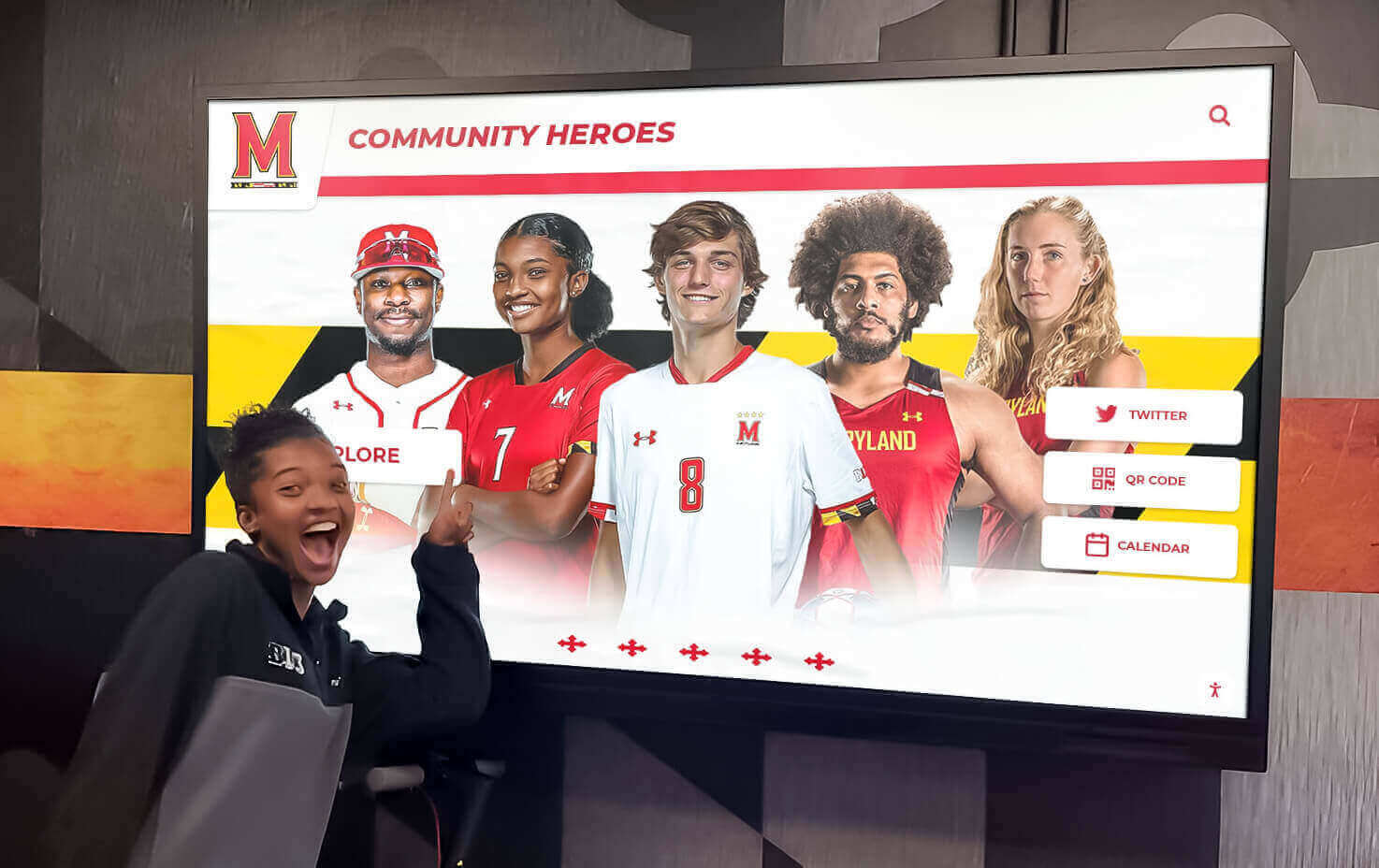
Schools preserve competitive cheerleading achievements through permanent recognition displays, ensuring these athletic accomplishments receive visibility alongside traditional sports
Understanding Competitive Cheerleading Events
Regional and national cheerleading competitions follow structured formats designed to create fair evaluation environments while showcasing team skills and creativity.
Competition Organization Landscape
Major Cheerleading Competition Companies
Several organizations host regional and national competitions, each with distinct philosophies and formats:
Varsity Spirit Competitions: The largest competition company operates numerous regional events feeding into prestigious national championships like UCA and UDA Nationals held at ESPN Wide World of Sports Complex in Orlando. Varsity events emphasize traditional cheerleading elements alongside competitive athleticism.
JAM Brands Competitions: JAMZ, JAM Fest, and other JAM Brands events provide competition opportunities across multiple skill levels and divisions. These competitions focus on creating positive environments celebrating achievement at all competitive tiers while maintaining rigorous judging standards.
American Cheer Power: ACP hosts competitions emphasizing technical precision, innovative choreography, and comprehensive safety protocols. Their events attract teams seeking detailed score sheets and constructive feedback supporting continuous improvement.
National Cheerleaders Association: NCA competitions combine traditional cheerleading philosophy with modern competitive elements, hosting both regional qualifiers and championship events in Dallas, Texas. NCA emphasizes crowd-leading skills alongside competitive performance elements.
Spirit Sports Championships: Regional competition series providing accessible entry points for developing programs while maintaining professional event production quality. Spirit Sports events create supportive environments where newer competitive teams gain experience before advancing to larger national championships.
Each organization maintains specific rules, scoring systems, and event cultures. Programs typically select primary competition affiliations based on geographic convenience, coaching familiarity, qualification pathways to desired national championships, and philosophical alignment with organizational values.

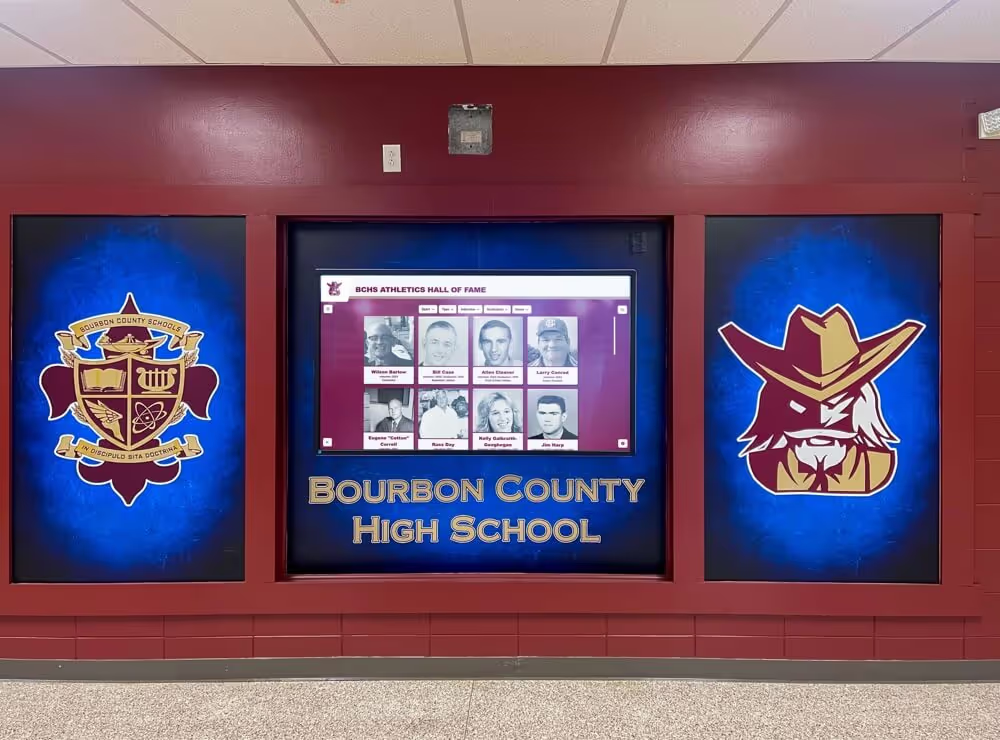
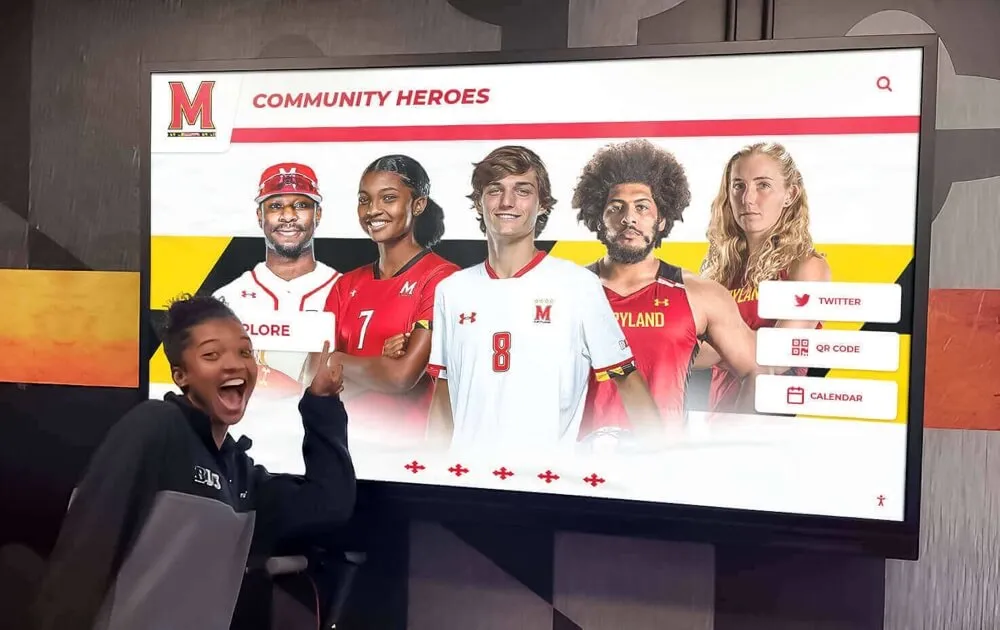
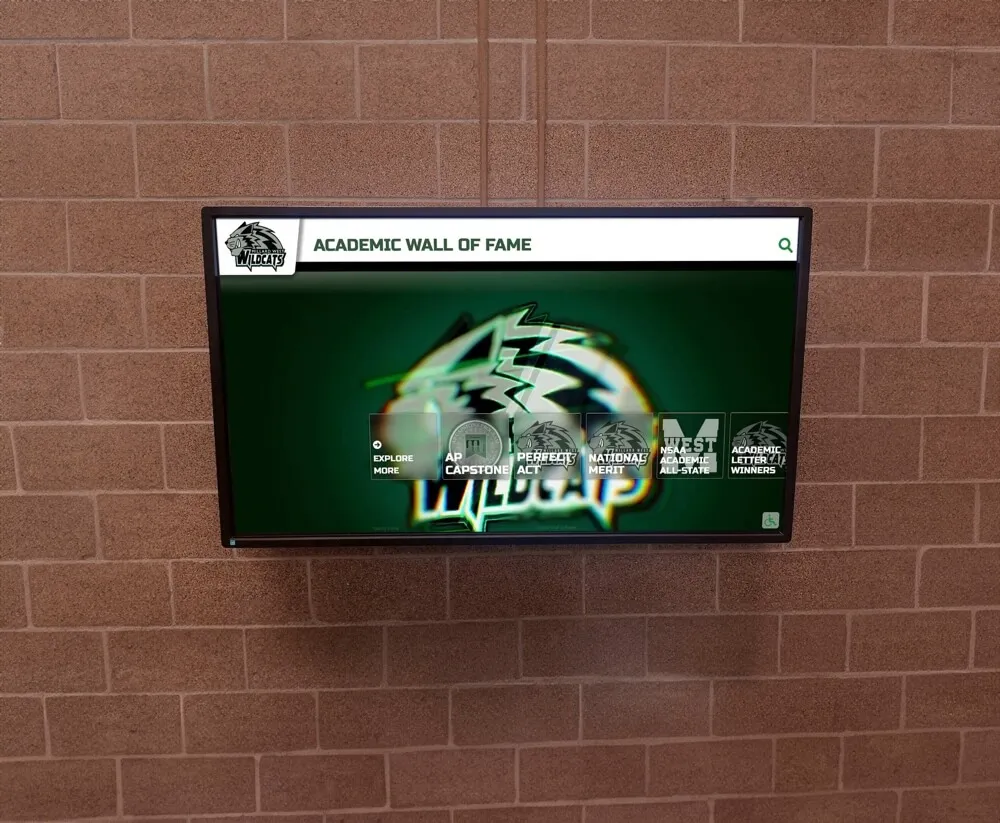
Digital recognition platforms enable schools to showcase individual cheerleader achievements and team competition results through interactive displays
Regional Competition Structure
Qualification Events and Local Competitions
Regional competitions serve multiple purposes within competitive cheerleading:
Entry-Level Experience: Smaller regional events provide low-pressure environments where teams debut routines, identify weaknesses, and build confidence before higher-stakes competitions. These “practice competitions” prove invaluable for rookie competitive programs or teams incorporating significant roster changes.
National Championship Qualifiers: Many regional competitions award bids to national championships based on scores and placement. Teams must navigate these events strategically, understanding bid requirements and qualification pathways toward championship goals.
Rankings and Recognition: Regional competition results establish season rankings used for seeding at larger events. Consistent strong performances build program reputations while demonstrating sustained excellence rather than single-event success.
Skill Development Opportunities: Frequent regional competition participation accelerates team improvement through repeated performance under pressure, exposure to diverse competition styles, and regular feedback from different judging panels.
Schools implementing comprehensive athletic recognition programs ensure cheerleading competition achievements receive visibility equal to traditional sports championships.
Competition Divisions and Categories
Understanding division structures ensures teams compete against appropriate opponents while maximizing scoring potential.
Age and Skill Level Divisions
Youth Through Senior Divisions
Competitions organize teams by athlete age groupings:
- Tiny/Mini Divisions: Elementary-age athletes (typically 5-8 years)
- Youth Divisions: Middle school age (typically 9-12 years)
- Junior Divisions: High school underclassmen (typically 13-15 years)
- Senior Divisions: High school upperclassmen and recent graduates (typically 15-18 years)
Age divisions ensure physical development, skill progression, and competitive experience align appropriately. High school programs typically compete in junior or senior divisions depending on roster composition and program structure.
Skill Level Categories
Within age divisions, teams compete at skill levels reflecting technical capability:
Novice/Beginner Levels: Teams developing fundamental skills with restricted tumbling (typically standing tumbling only), limited stunt heights, and simplified routine requirements. Novice divisions provide entry points for new competitive programs building foundational skills.
Intermediate Levels: Teams demonstrating competency across skill categories with moderate tumbling progression (running tumbling through layouts), multi-level stunting, and increased routine complexity. Intermediate categories suit established programs refining competitive capabilities.
Advanced/Elite Levels: Teams showcasing exceptional skills including advanced tumbling (fulls, doubles), complex multi-level pyramids, intricate transitions, and championship-caliber execution. Elite divisions host the highest level of high school competitive cheerleading.
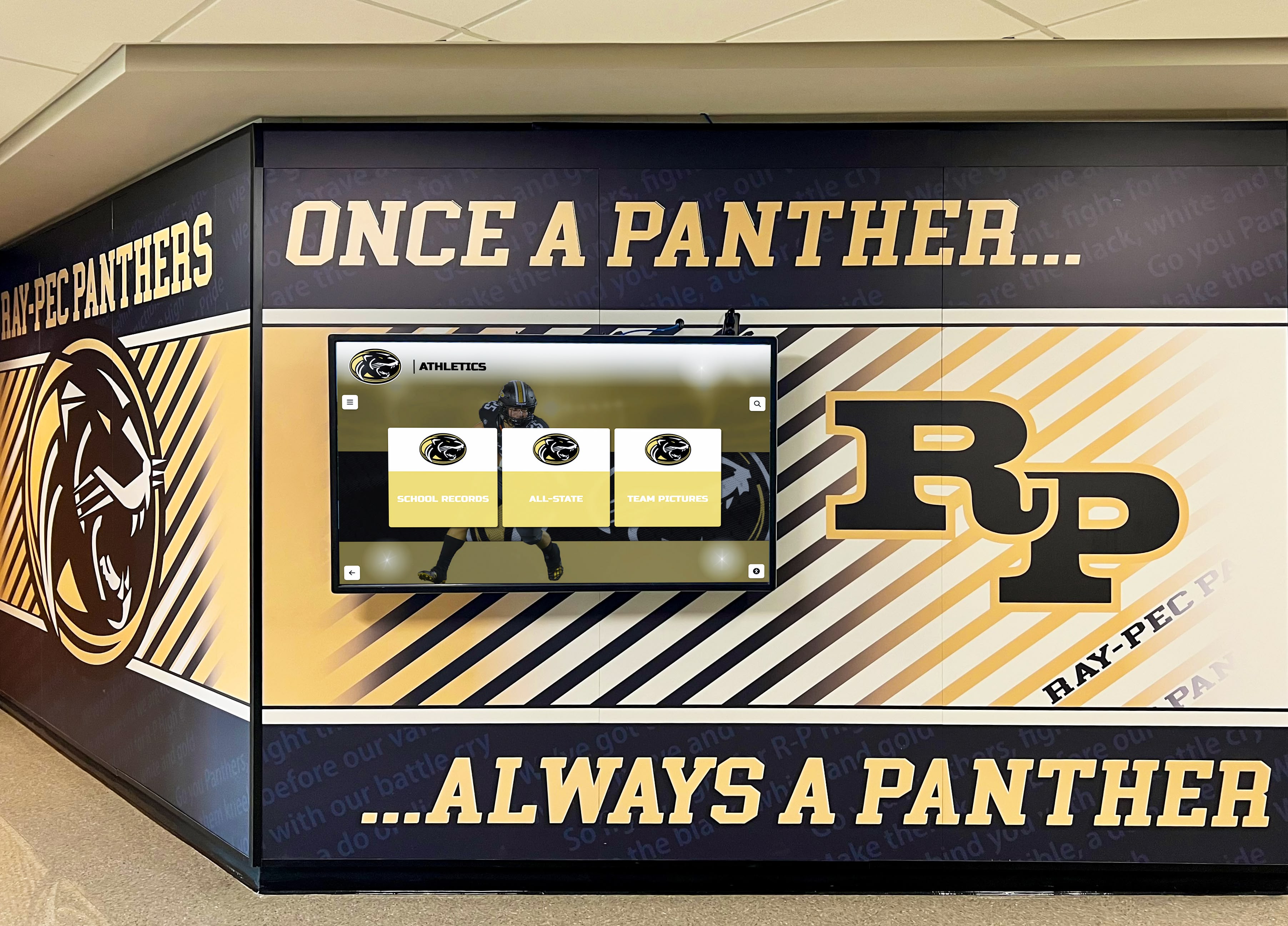
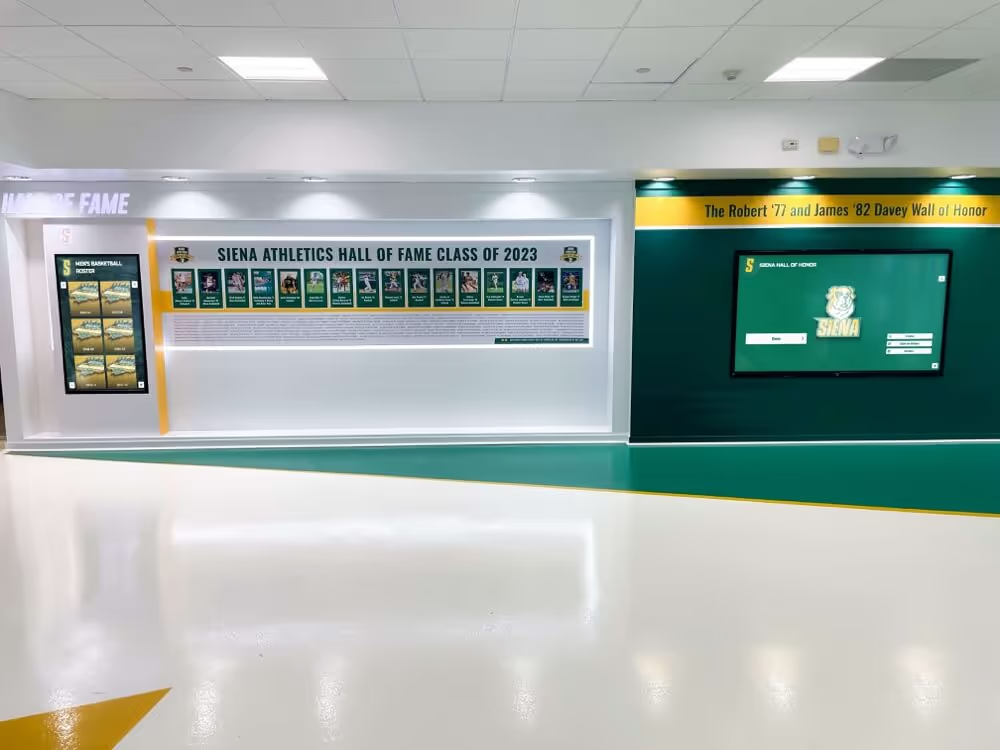
Hallway displays celebrate competitive cheerleading alongside other athletics, demonstrating institutional commitment to recognizing diverse athletic achievements
Team Composition Categories
All-Girl Teams
All-female squads represent the traditional and most populated competition divisions. All-girl teams showcase synchronized tumbling, complex pyramids, creative choreography, and high-energy performance without the height advantages coed teams possess for certain stunts.
Coed Teams
Squads including male athletes leverage strength and height for more elaborate partner stunts, basket tosses, and pyramid construction. Coed divisions typically feature the most spectacular aerial elements and require advanced technical skills given mixed-gender stunting complexity.
Non-Tumbling Divisions
Some competitions offer divisions restricting or eliminating tumbling requirements, allowing teams without extensive gymnastics backgrounds to compete focusing on stunting, jumps, dance, and performance elements. Non-tumbling categories make competitive cheerleading accessible to broader athlete populations.
Game Day/Sideline Divisions
Specialized divisions evaluate traditional sideline cheerleading skills including crowd-leading, fight songs, situational cheers, band chants, and incorporation of traditional cheer elements alongside limited competitive skills. Game day divisions recognize cheerleading’s dual identity as both competitive sport and school spirit activity.
Team Size Categories
Competitions frequently subdivide divisions by roster size:
- Small Teams: Typically 5-16 athletes
- Medium Teams: Usually 17-24 athletes
- Large Teams: Generally 25-36 athletes
Size categories prevent small programs from disadvantaging when competing against squads with 30+ athletes creating fuller floor coverage, deeper talent pools, and more elaborate formation options. Divisions ensure fair competition regardless of program size.
Schools planning competition participation should carefully evaluate division options, selecting categories maximizing competitive opportunities while appropriately challenging athletes’ skill development.
Registration and Preparation Process
Successful competition participation begins months before event days through strategic planning and systematic preparation.
Entry and Registration Requirements
Competition Registration Steps
Event Selection: Research competition dates, locations, divisions offered, costs, and qualification value. Select events aligning with team goals, budget parameters, and travel logistics.
Division Declaration: Specify age division, skill level, team composition (all-girl/coed), and size category. Division selections significantly impact competitive experience and scoring expectations.
Registration Submission: Complete online registration typically requiring team roster, coach certifications, music submission, and entry fee payment. Early registration often receives discounted pricing.
Music Upload: Submit performance music meeting technical specifications (format, length, content guidelines). Music must comply with copyright licensing requirements and competition organization policies.
Confirmation Receipt: Receive performance time, schedule information, venue details, and final event instructions typically 1-2 weeks before competition.
Registration Costs and Budgeting
Competition expenses extend beyond entry fees:
- Entry Fees: $150-400 per team depending on event prestige and division
- Coach Credentials: $50-150 for required safety certifications
- Music Licensing: $50-150 for copyright compliance
- Travel Expenses: Transportation, lodging, meals for teams and coaches
- Uniform Requirements: Competition-specific uniform regulations
- Optional Costs: Professional photography, video services, awards upgrades
Total competition costs typically range $3,000-8,000 per event for high school programs including all travel and associated expenses. Schools should plan comprehensive budgets accounting for full participation costs beyond registration fees alone.
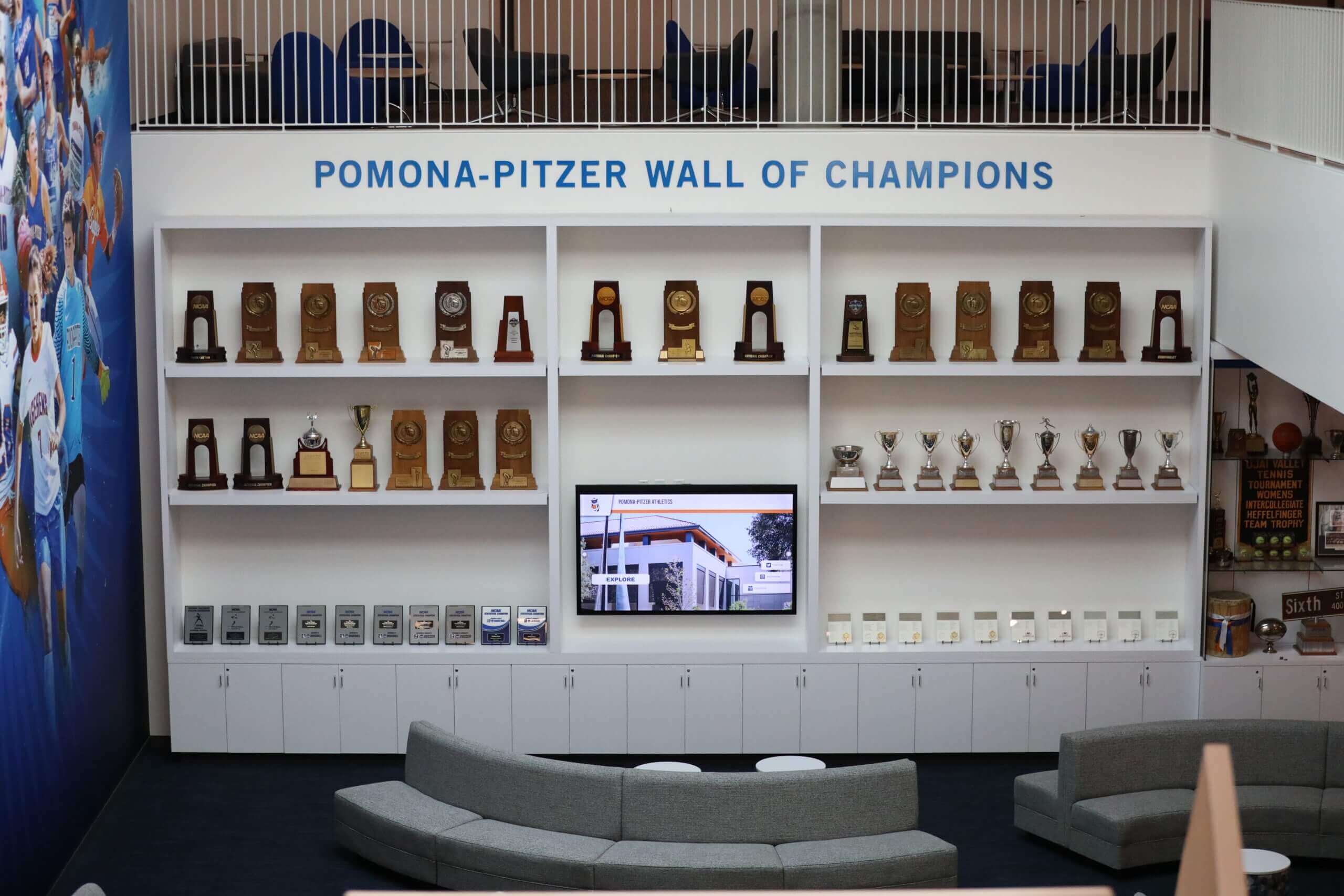
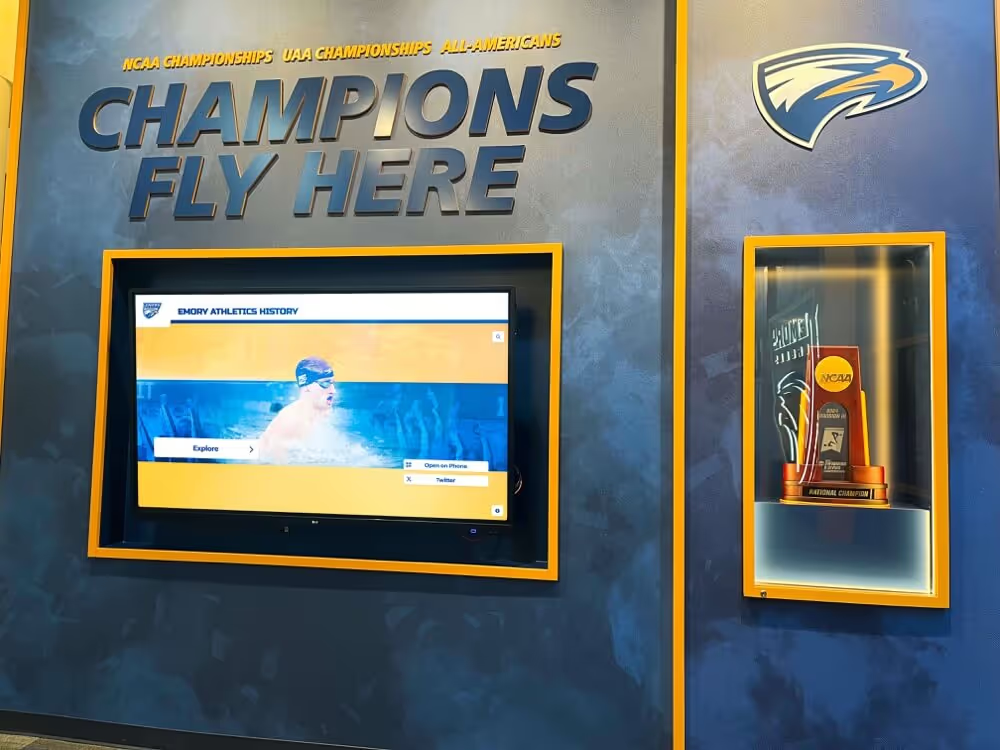
Athletic facilities showcase competition trophies and recognition, preserving competitive achievements prominently within school environments
Routine Development and Choreography
Choreography Timeline and Process
Professional routine development follows structured progressions:
Summer/Early Fall - Skill Assessment:
- Evaluate individual athlete capabilities across tumbling, stunting, jumps
- Determine routine difficulty appropriate for team skill level
- Select competition division and skill level based on team composition
- Engage choreographer or begin internal creative process
Late Fall - Routine Creation:
- Develop choreography incorporating required elements and skill showcases
- Create music edit matching routine pacing and team personality
- Design formations maximizing floor space and visual impact
- Plan transitions creating flow between routine sections
Winter - Routine Cleaning:
- Drill routine repetitions building muscle memory and consistency
- Refine execution through detailed corrections and technique improvement
- Practice performance elements including facials, energy, and crowd engagement
- Simulate competition conditions through timed performances under pressure
Programs investing in professional choreography services typically pay $1,500-5,000 for custom routines, music editing, and consultation throughout the season. Many high school programs utilize experienced coaches developing routines internally while incorporating choreography workshop learnings.
Music Requirements and Copyright
Competition Music Guidelines
Routine music must comply with specific technical and legal requirements:
Technical Specifications:
- Length limits (typically 2:30 maximum for most divisions)
- File format requirements (MP3, WAV specifications)
- Audio quality standards (minimum bitrate, no distortion)
- Volume consistency without excessive compression
- Clear starts and stops without extended lead-in
Copyright Compliance:
- Licensing fees for commercial music usage
- Pre-cleared music libraries designed for competitive cheerleading
- Original composition options avoiding licensing complexity
- Voice-over and sound effect integration following competition rules
- Attribution requirements for certain music sources
Music violations result in disqualification or significant deductions, making compliance verification essential during preparation phases.
Competition Day Experience
Understanding event-day procedures and expectations reduces anxiety while ensuring smooth team execution.
Arrival and Check-In Procedures
Competition Morning Timeline
Venue Arrival (2-3 Hours Before Performance):
- Team check-in at registration desk
- Coach credential verification
- Music submission confirmation
- Uniform compliance review
- Safety equipment inspection
- Warm-up area assignment
Pre-Performance Preparation:
- Team warm-up in designated practice areas
- Light stretching and skill review (not full routine runs)
- Mental preparation and team bonding activities
- Uniform final checks and makeup application
- Review of performance order and timing
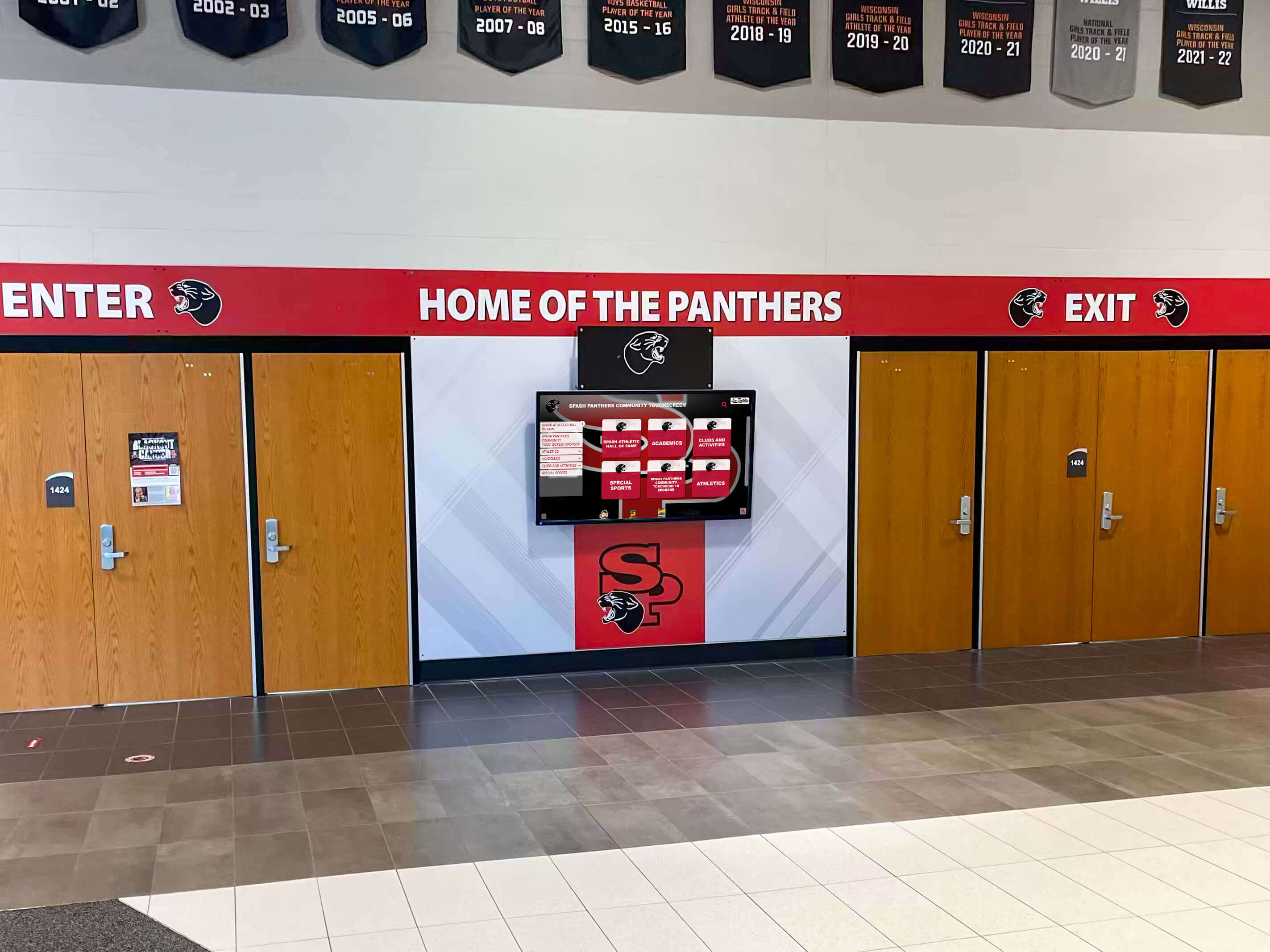
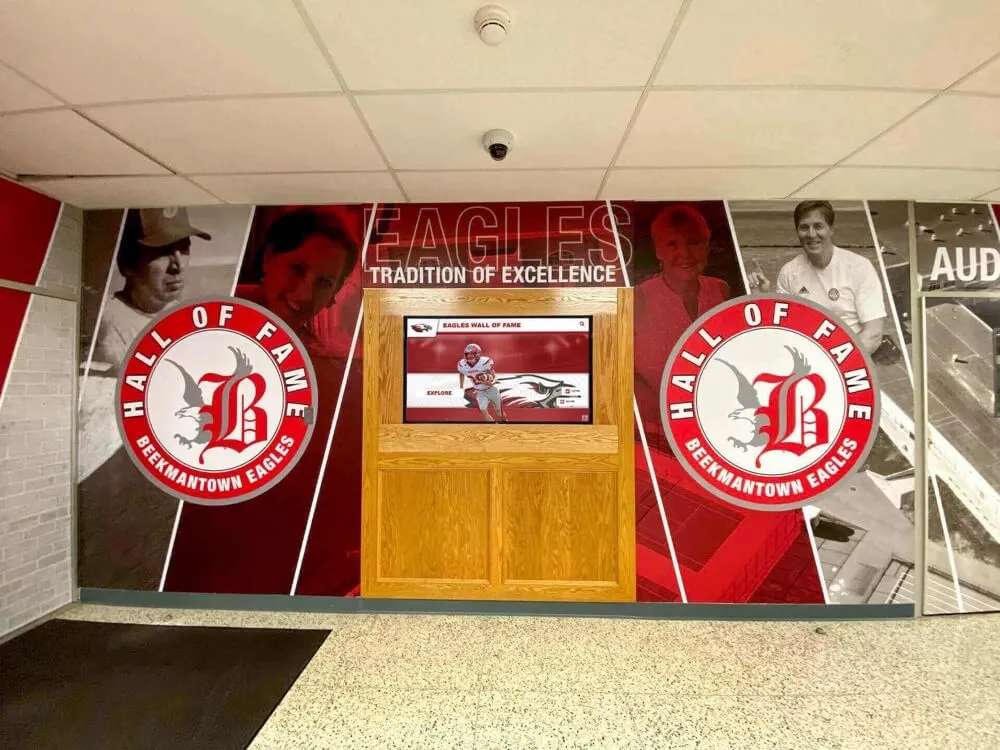
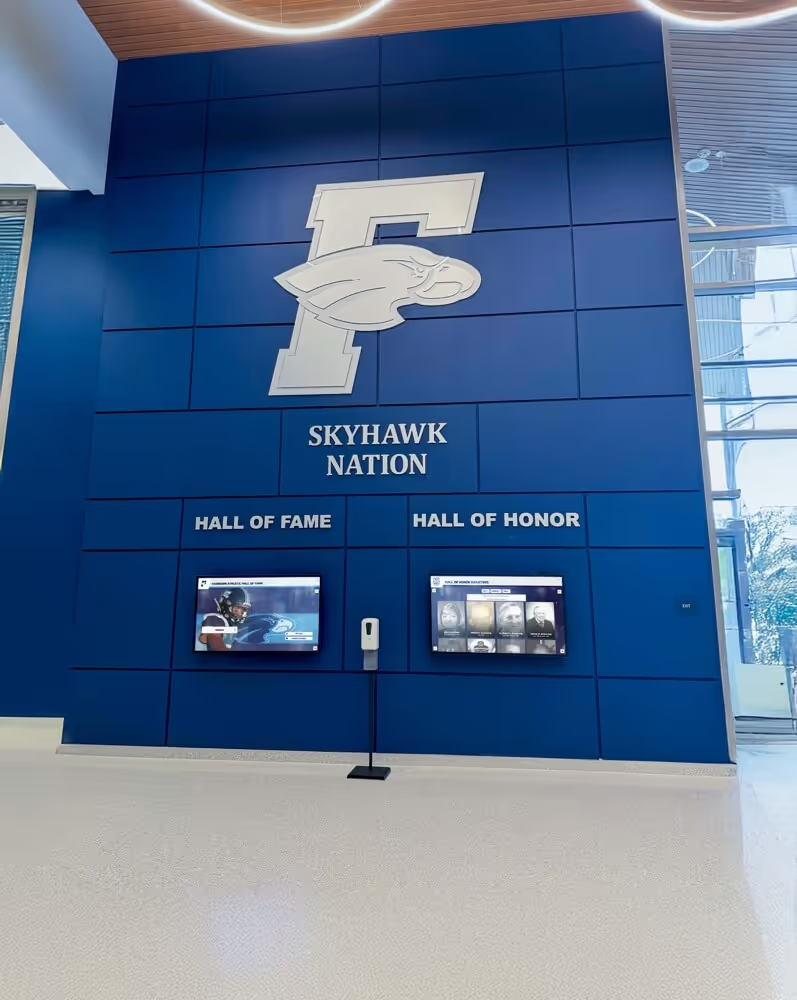
School entrance displays welcome visitors while showcasing competitive cheerleading achievements and program pride
Competition Floor Staging:
Most competitions provide brief on-deck warm-up periods immediately before performance:
- 2-3 minutes on performance surface for familiarization
- Light tumbling and stunt touches (not full execution)
- Formation spacing checks and orientation
- Final team huddle and motivation
Strict time limits govern warm-ups, requiring teams to maximize efficiency while maintaining focus and preventing injury through over-exertion immediately before competing.
On-Floor Competition Format
Entrance and Setup (30-60 seconds):
Teams enter performance floor from designated staging areas, taking positions quickly and professionally. First impressions matter—judges begin evaluation from entrance moment through exit, assessing team presentation and professionalism throughout entire floor presence.
Performance Window (2:30 Maximum):
Routine execution begins with music start and continues without pause through choreographed routine. Teams must complete performances within strict time limits:
- Under-time violations (routines under 2:00) receive deductions
- Over-time violations (exceeding 2:30) incur substantial penalties
- Music cuts or stops require rapid decision-making about continuing versus restarting
Exit and Departure:
Routines conclude with final formation hold and team exit. Professional departures maintain positive impressions while teams transition to decompression areas processing performance experiences.
Performance Atmosphere Considerations
Competition environments differ substantially from practice settings:
- Large audiences creating noise and distraction
- Bright stage lighting affecting depth perception
- Unfamiliar floor surfaces requiring adjustment
- Adjacent warm-up activities visible in peripheral vision
- Judges positioned near performance area observing closely
- Professional sound systems amplifying music differently than practice spaces
Mental preparation addressing these environmental factors proves as important as physical readiness, helping athletes maintain focus despite novel stressors.
Judging and Scoring Systems
Understanding evaluation criteria enables strategic routine design and realistic performance expectations.
Scoring Categories and Weightings
Technical Execution Scoring
Judges evaluate specific skill categories with defined point allocations:
Stunts and Pyramids (30-40% of Total Score):
- Difficulty level and skill progression
- Synchronization across multiple stunt groups
- Technique quality and proper execution form
- Controlled dismounts and transitions
- Creativity and innovative choreography
- Height and visual impact
- Safety and stability throughout sequences
Elite routines showcase baskets, multi-level pyramids, innovative transitions, and synchronized elite-level stunts demonstrating exceptional training and execution consistency.
Tumbling (15-25% of Total Score):
- Standing tumbling difficulty and execution
- Running tumbling skill level and technique
- Synchronization in group tumbling passes
- Landing control and proper form
- Skill variety across routine
- Incorporation strategy and pacing
Competitive teams typically feature multiple athletes with advanced tumbling including fulls, layouts, aerials, and synchronized group passes demonstrating program depth.
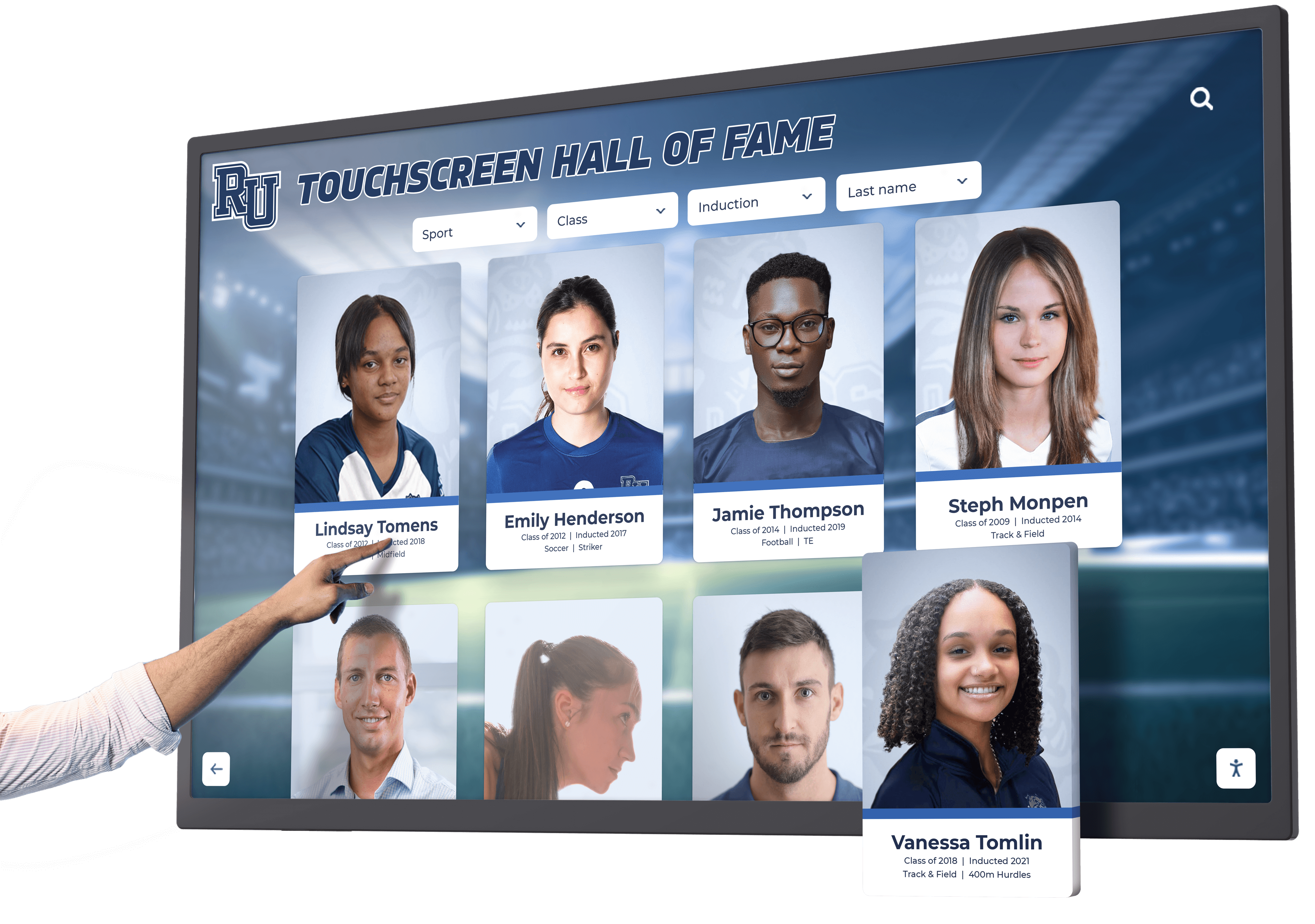
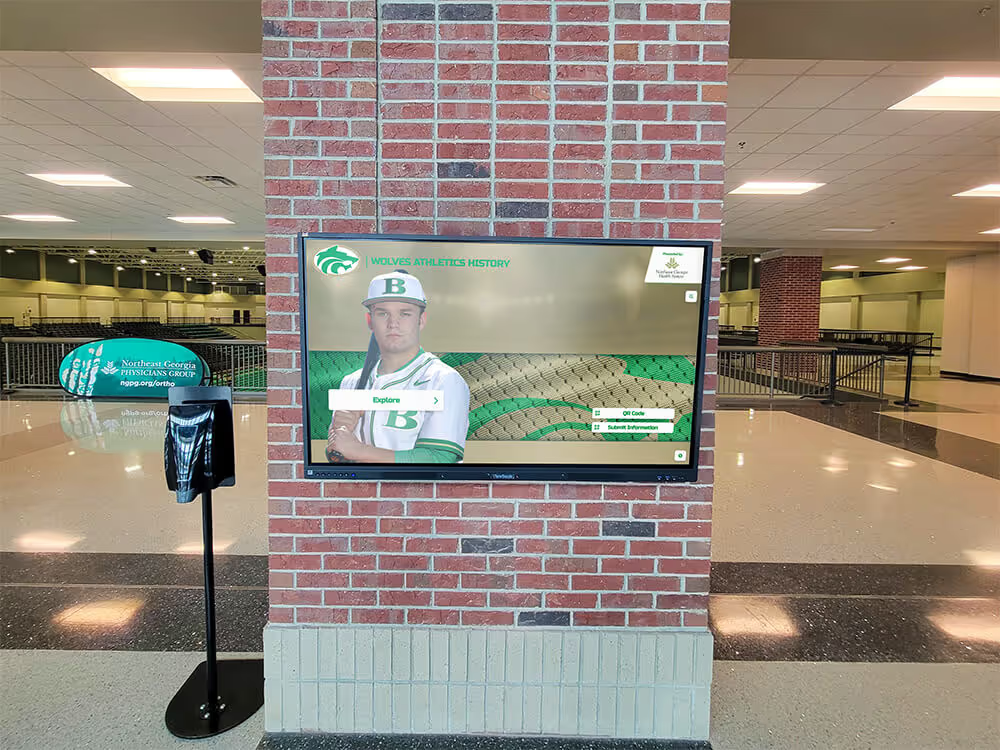
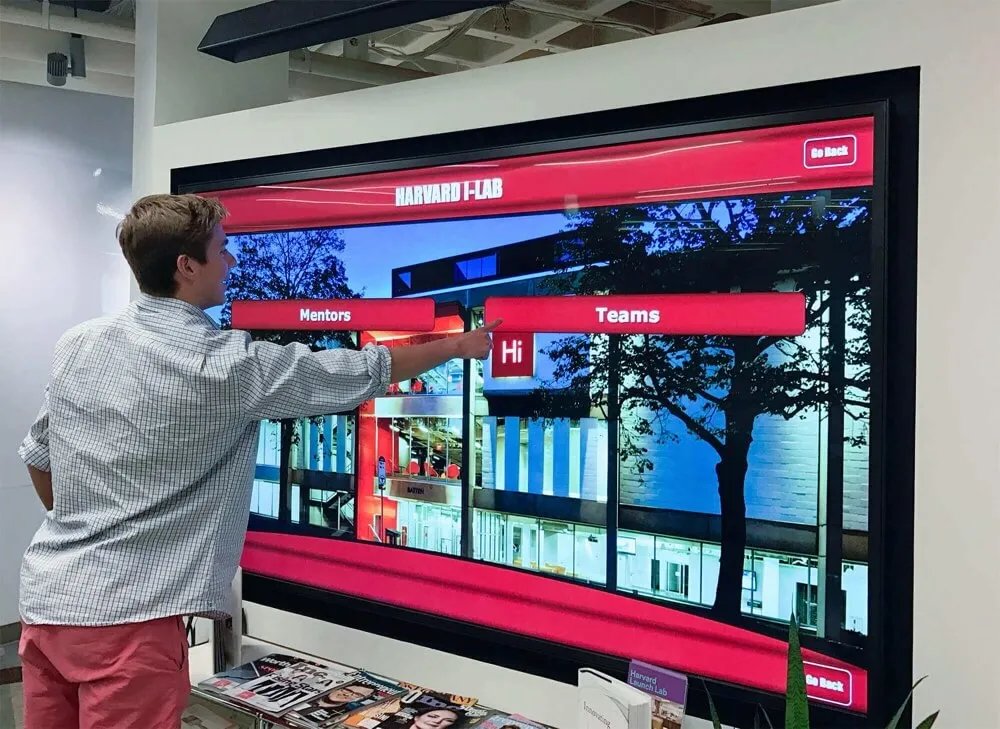
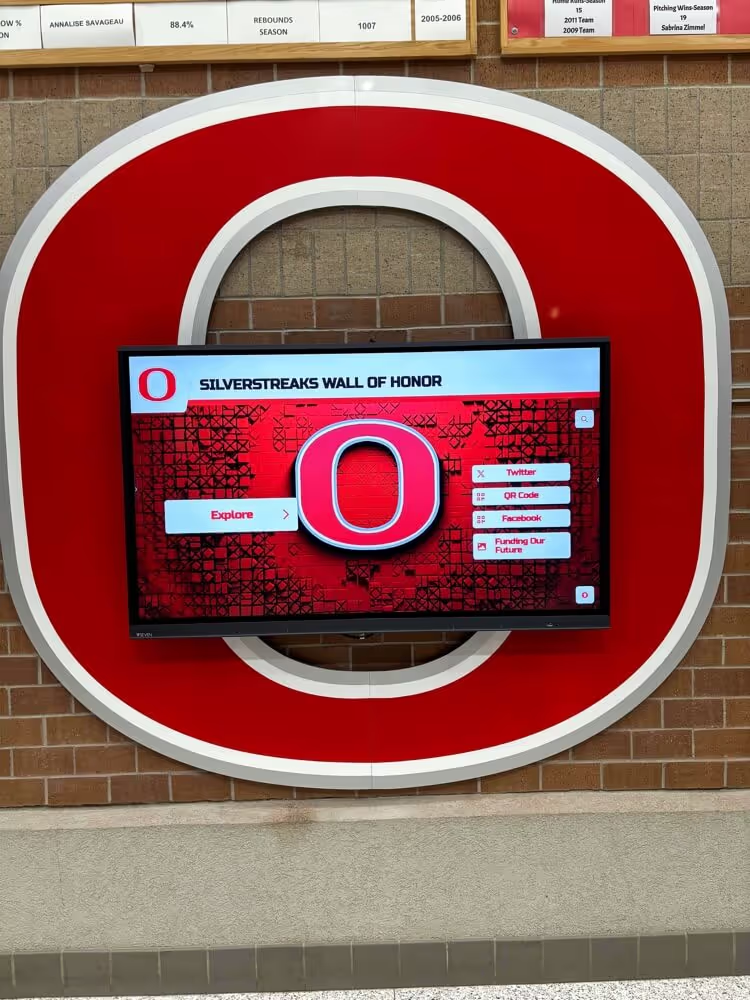
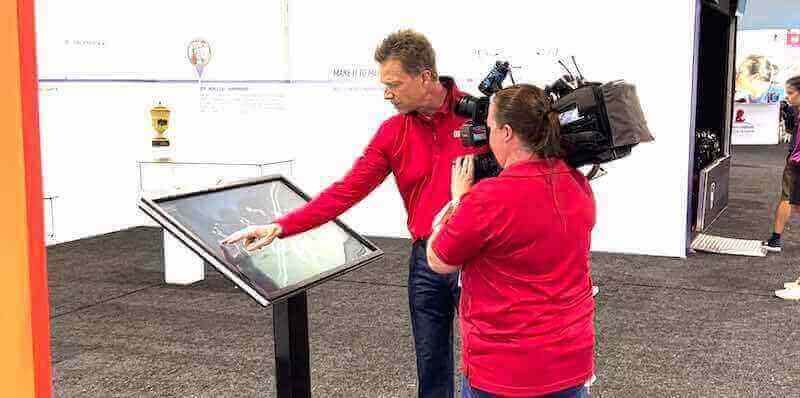
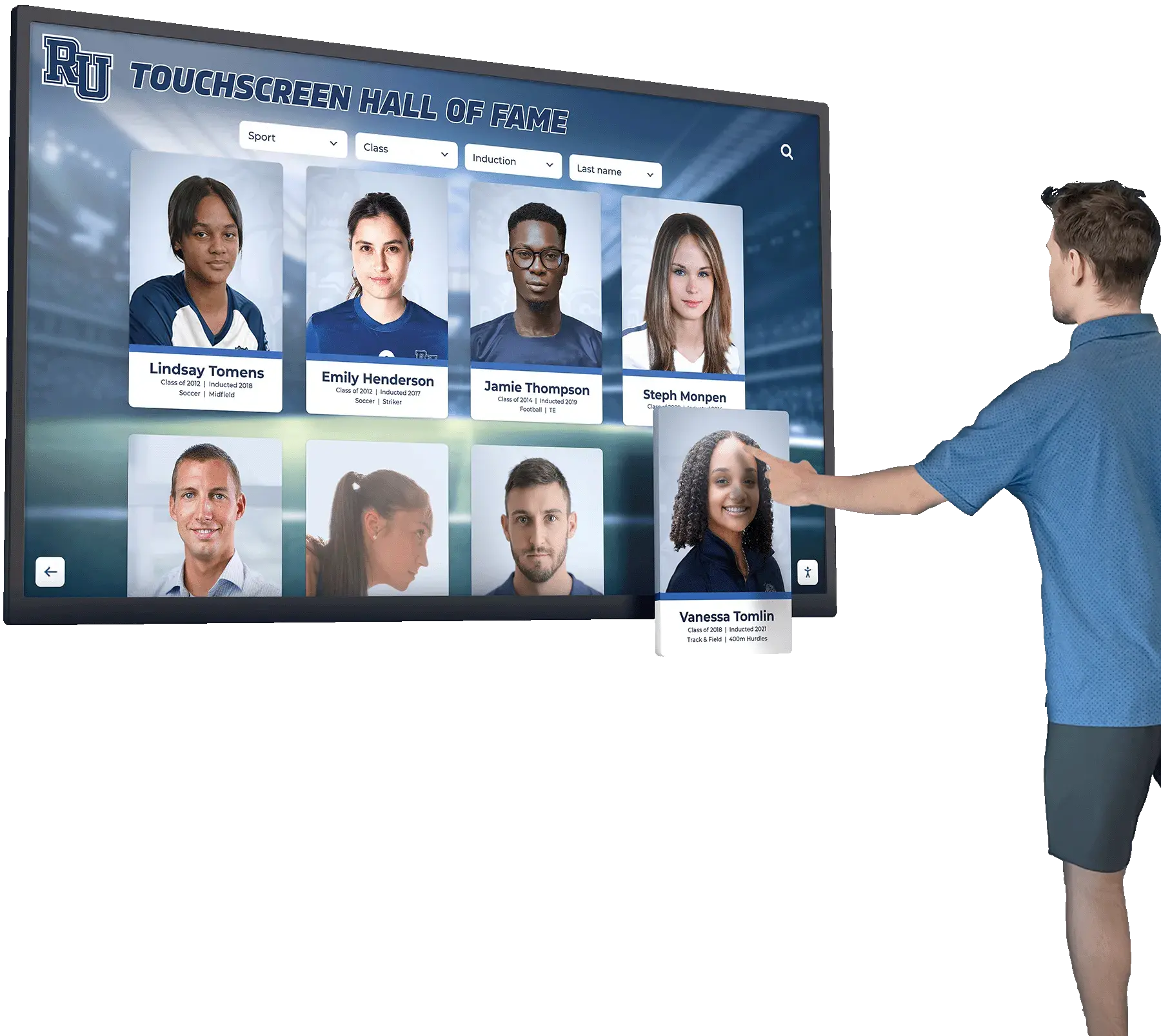
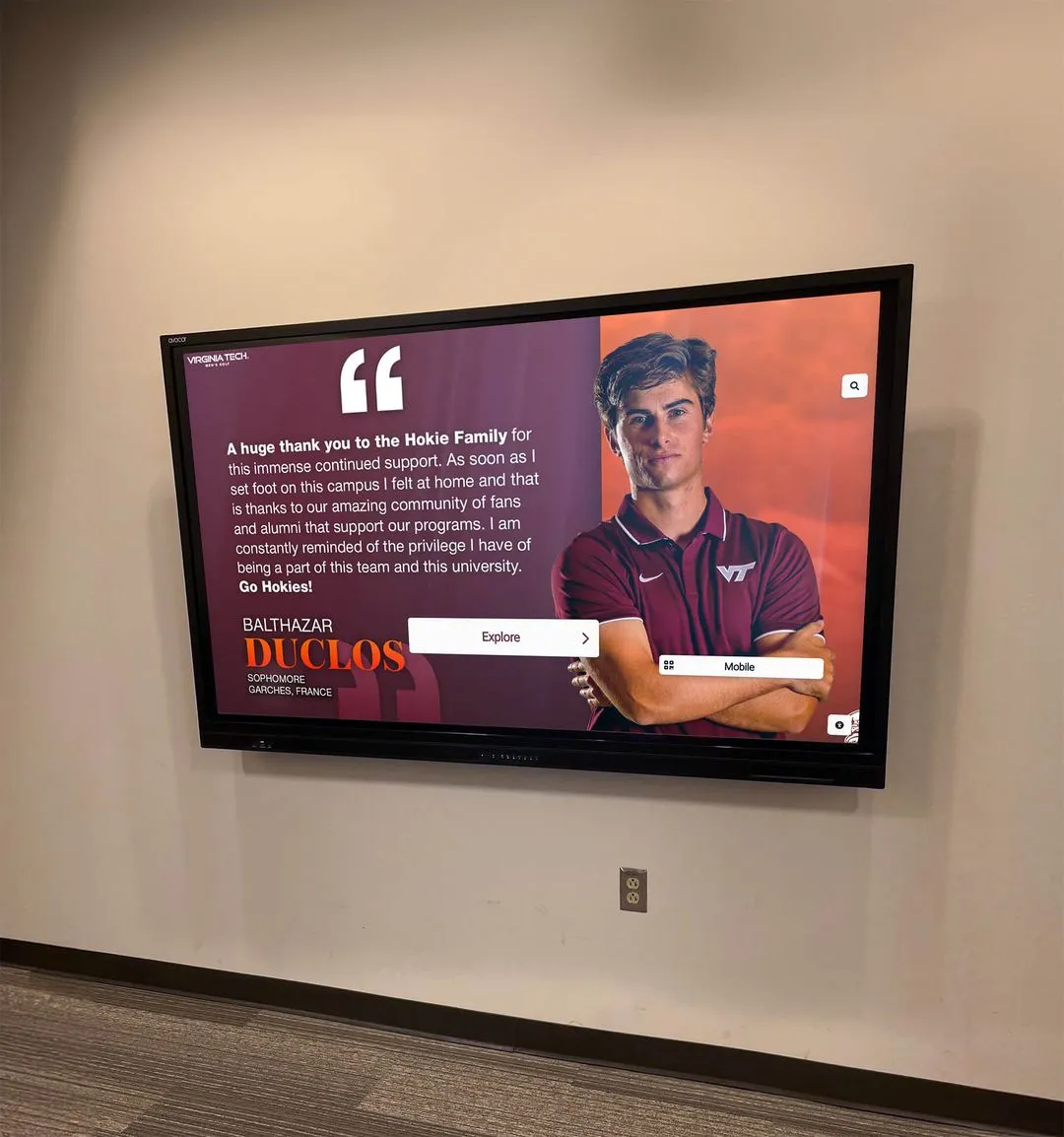
Touchscreen displays enable detailed exploration of cheerleading accomplishments, providing comprehensive athlete profiles and competition achievements
Jumps (10-15% of Total Score):
- Technical execution and proper form
- Height and amplitude
- Synchronization across squad
- Jump variety and placement
- Integration within routine choreography
National-caliber teams demonstrate toe-touches, pikes, hurdlers, and combination jumps with exceptional height, tight form, and perfect timing.
Dance and Choreography (15-20% of Total Score):
- Movement quality and technical execution
- Creativity and originality
- Formation transitions and floor utilization
- Musical interpretation and timing
- Visual impact and entertainment value
Creative choreography distinguishes memorable routines from merely technically competent performances, showcasing team personality while maintaining continuous energy and visual interest.
Intangible Evaluation Elements
Beyond technical skills, judges assess performance qualities difficult to quantify objectively:
Overall Impression (10-15% of Total Score):
- Team synchronization and unity
- Energy level and enthusiasm
- Facial expressions and crowd engagement
- Confidence and stage presence
- Professionalism and sportsmanship
- Routine difficulty versus execution balance
Performance elements often determine outcomes between technically equivalent teams—squads demonstrating genuine joy, confidence, and connection with performances earn crucial additional points in competitive divisions.
Adherence to Rules and Safety:
- Illegal skill violations result in deductions or disqualification
- Safety violations receive significant penalties
- Uniform violations reduce overall scores
- Music violations incur specific deductions
- Time violations penalize under/over performances
At competitive events where scores often span less than one point between first and fifth place, single deductions dramatically affect placement outcomes.
Deduction Systems
Major Penalties:
- Drops or falls from stunts: 2-5 points
- Safety violations: 5-10 points
- Time violations: 3-5 points
- Music violations: 2-3 points
- Illegal skills: 5-10 points or disqualification
Minor Penalties:
- Bobbles or near-falls: 0.5-1 point
- Formation errors: 0.25-0.5 points
- Execution errors: 0.25-1 point per occurrence
- Uniform non-compliance: 0.5-1 point
Teams competing at regional and national levels practice routines hundreds of times ensuring muscle memory and consistency under pressure, minimizing deduction opportunities that determine competitive outcomes.
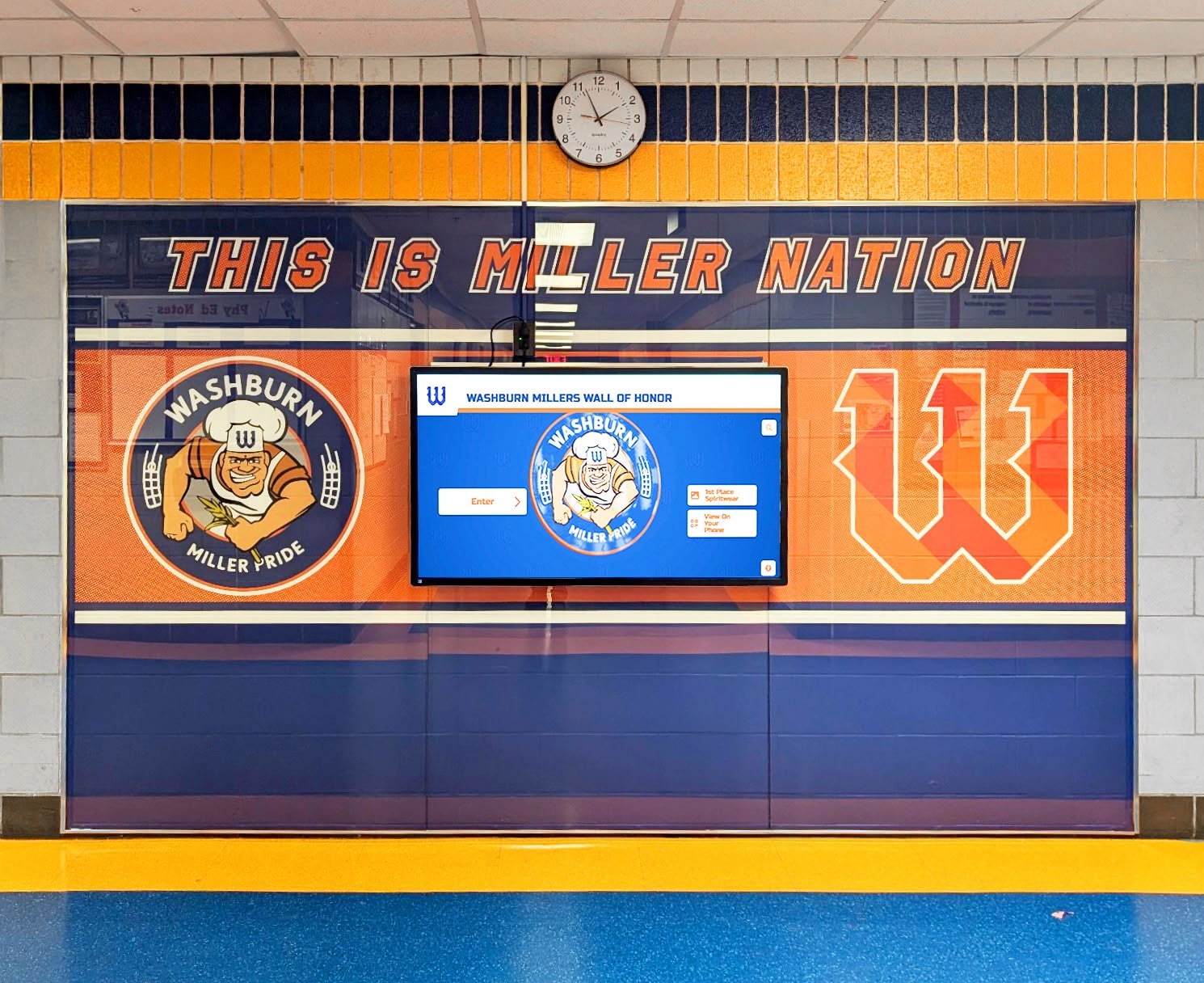
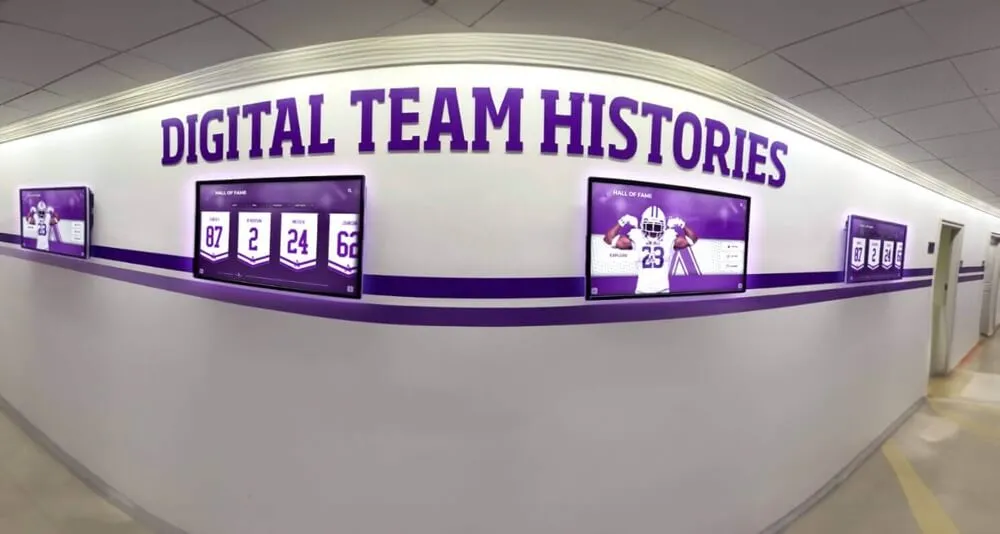
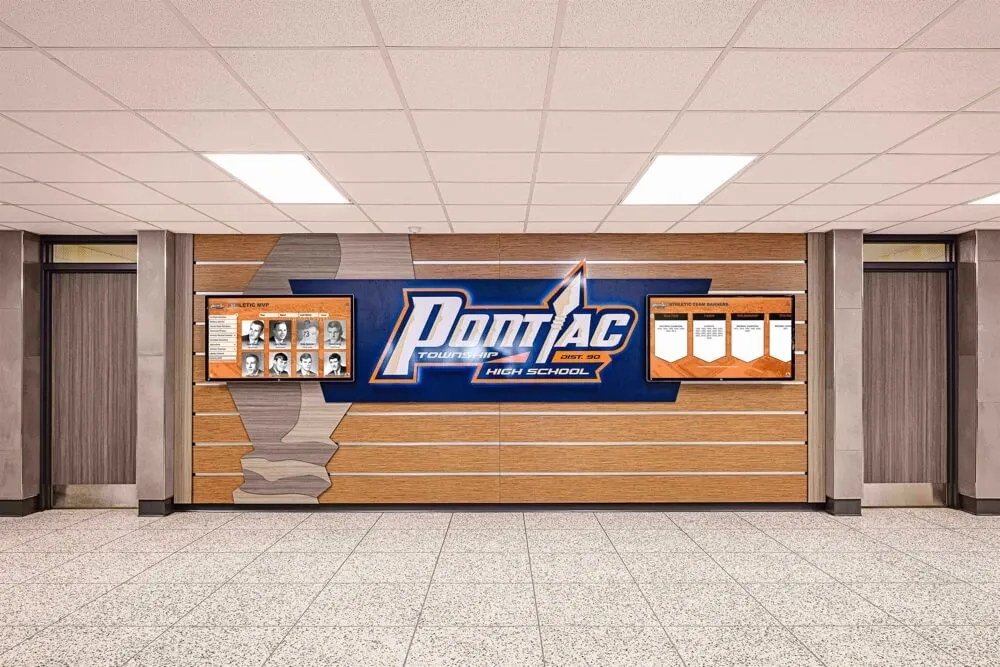
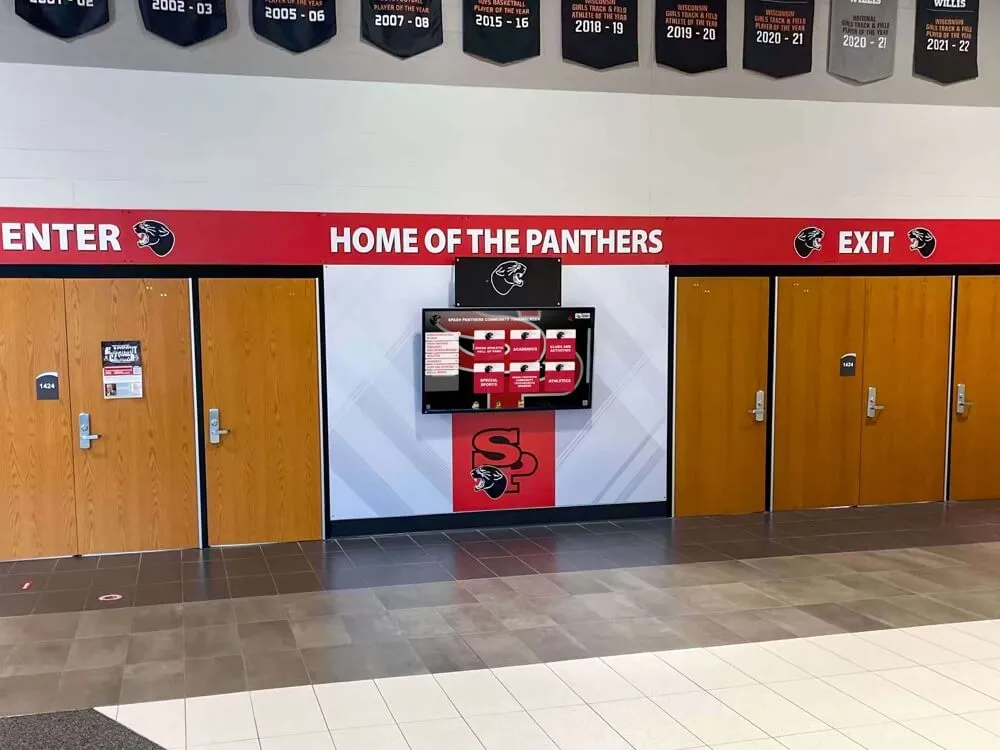
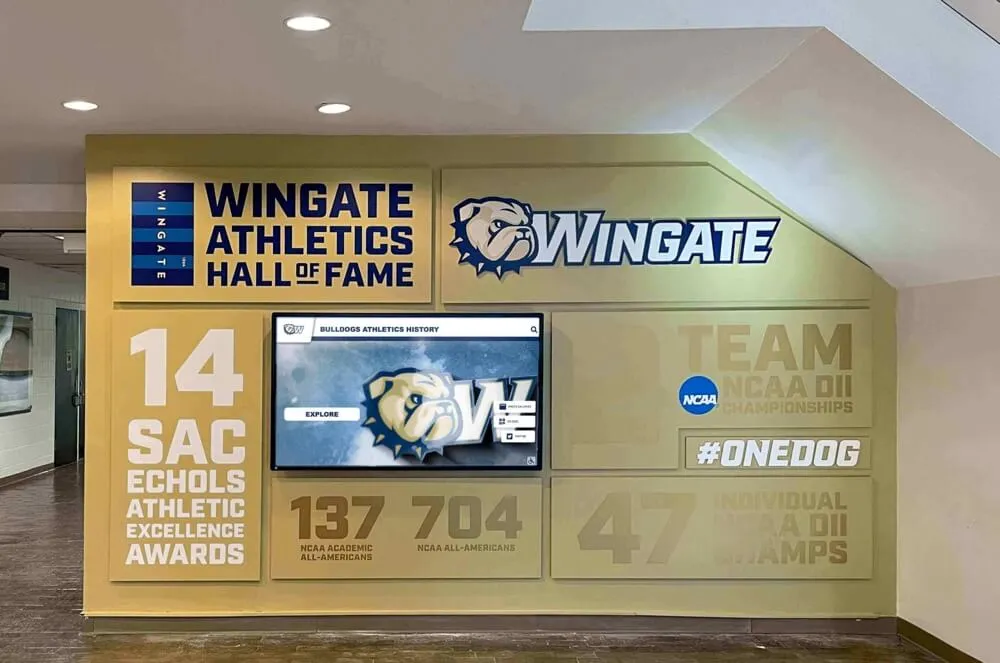
Hallway recognition displays showcase cheerleading achievements year-round, ensuring competition successes maintain visibility throughout school environments
Training and Preparation Strategies
Success at competitive events requires comprehensive preparation extending beyond routine practice.
Physical Conditioning Requirements
Strength and Conditioning Programs
Competitive cheerleading demands elite-level fitness across multiple athletic domains:
Strength Training:
- Core stability for balance and control
- Upper body development for stunting and tumbling
- Leg power for jumps and tumbling
- Grip strength for bases and spotters
- Overall functional strength supporting athletic demands
Flexibility Development:
- Splits and jump flexibility requirements
- Back flexibility for tumbling and stunting
- Shoulder mobility supporting stunt positions
- Hip flexibility for various skills
- Injury prevention through comprehensive mobility
Cardiovascular Endurance:
- 2:30 routine intensity demands exceptional stamina
- Multiple performance rounds at competitions
- Training volume throughout season
- Recovery capacity between repetitions
Programs implementing comprehensive athletic training treat cheerleading as legitimate varsity sport deserving conditioning resources equivalent to traditional athletics.
Pressure Management Strategies
Competition environments create significant psychological demands:
Visualization Techniques:
- Mental rehearsal of successful routine execution
- Sensory incorporation (sounds, lights, feelings)
- Positive outcome imagery building confidence
- Error recovery visualization preparing contingency responses
Pressure Simulation:
- Practice performances with invited audiences
- Timed runs creating urgency similar to competition
- Mock competitions simulating event-day experiences
- Performance under deliberately difficult conditions
Team Building and Cohesion:
- Trust development through challenging activities
- Communication skill refinement
- Conflict resolution before competition pressure
- Shared goal alignment and commitment
Anxiety Management:
- Breathing exercises and relaxation techniques
- Pre-performance routine development
- Positive self-talk and affirmation practices
- Focus strategies maintaining present-moment awareness
Mental preparation proves as important as physical readiness at competitive events where psychological factors frequently determine performance quality under pressure.
Regional vs. National Competition Differences
Understanding distinctions between regional qualifiers and national championships helps teams prepare appropriately for each environment.
Scale and Production Value
Regional Competition Characteristics
Smaller-scale events typically feature:
- Local venues (high school gyms, community centers, small arenas)
- 20-100 competing teams
- Basic sound and lighting systems
- Minimal spectator seating
- Informal atmosphere with supportive audiences
- Lower overall pressure and expectations
- Abbreviated awards ceremonies
- Quick score posting and results
Regional competitions provide valuable experience and qualification opportunities within more accessible, less intimidating environments suitable for developing competitive programs.
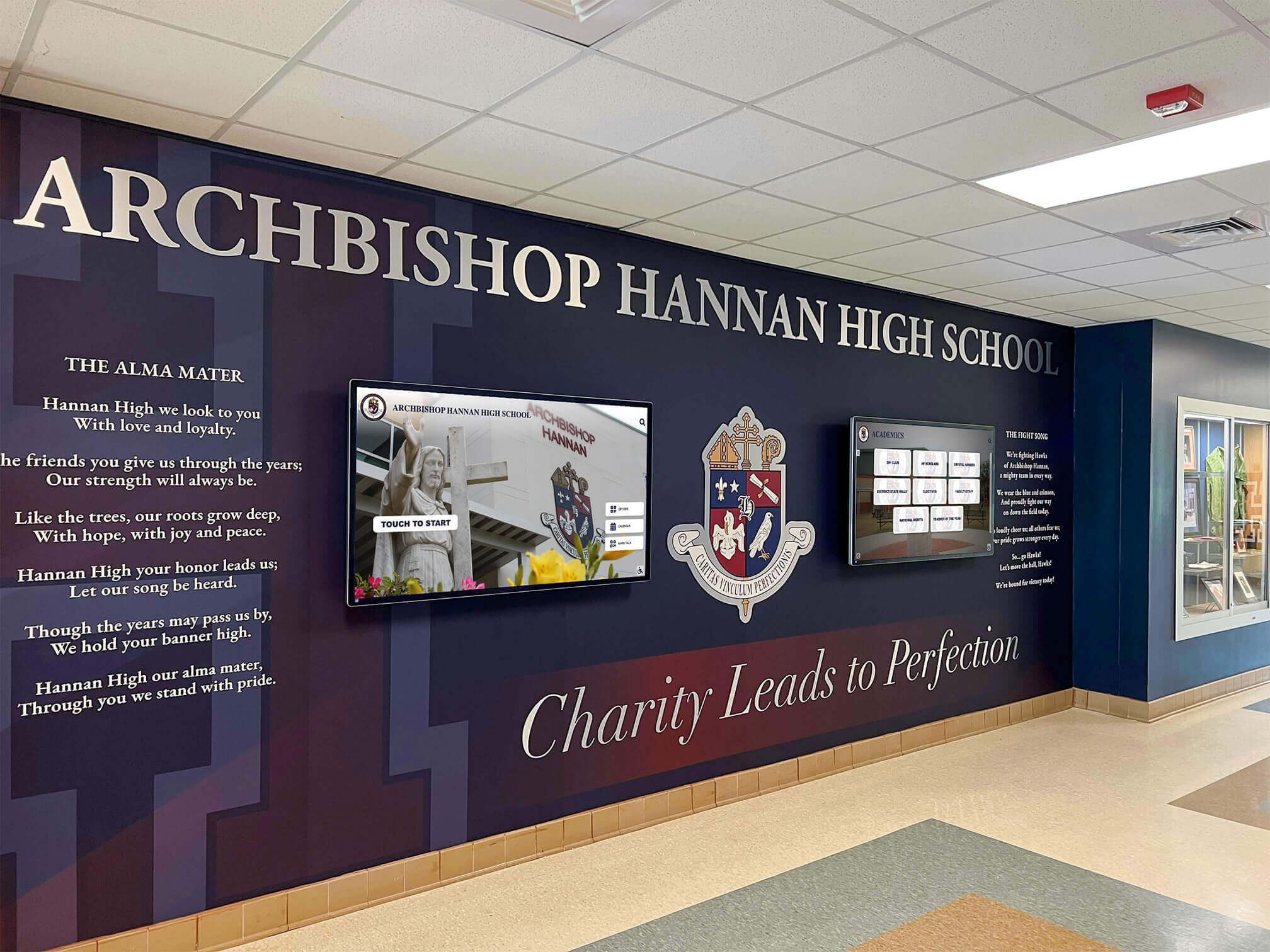
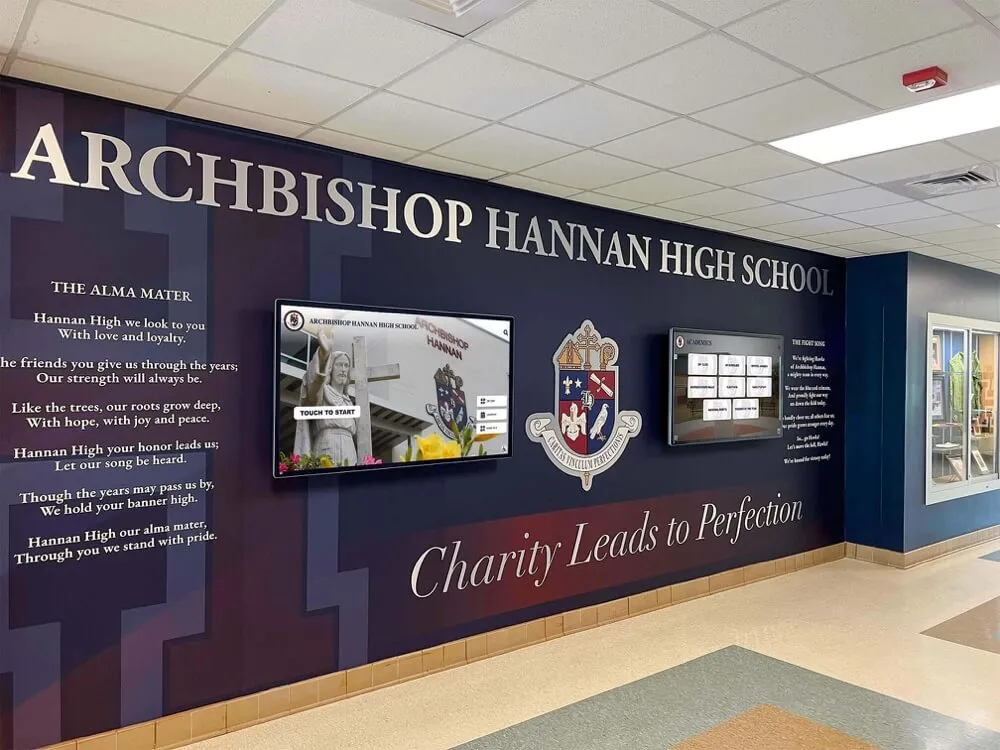
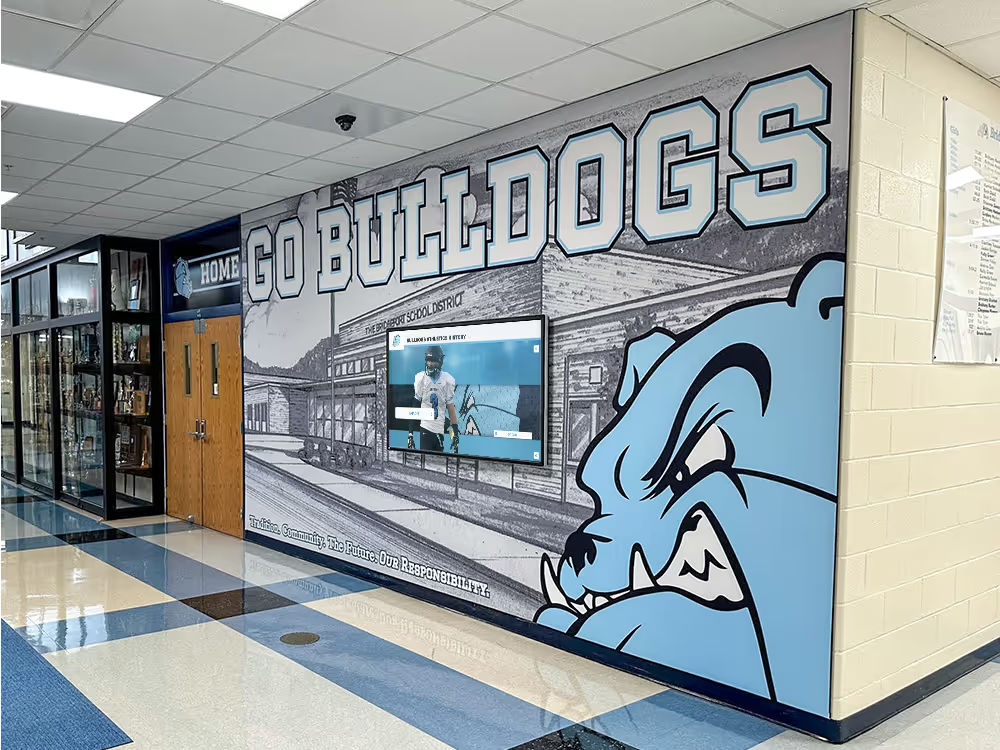
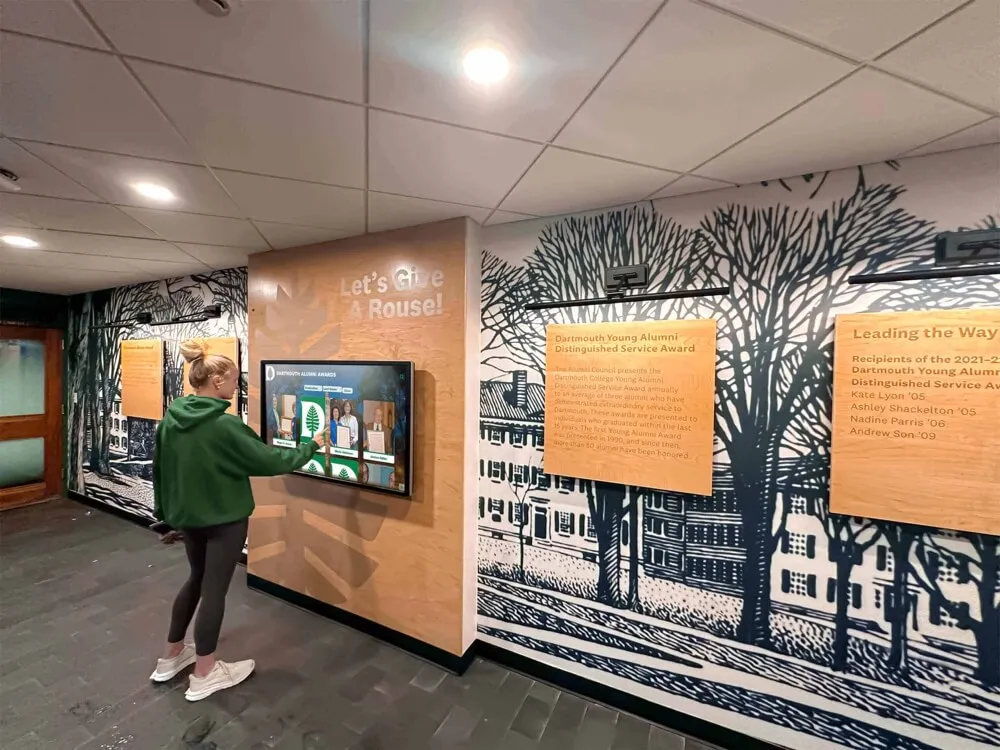
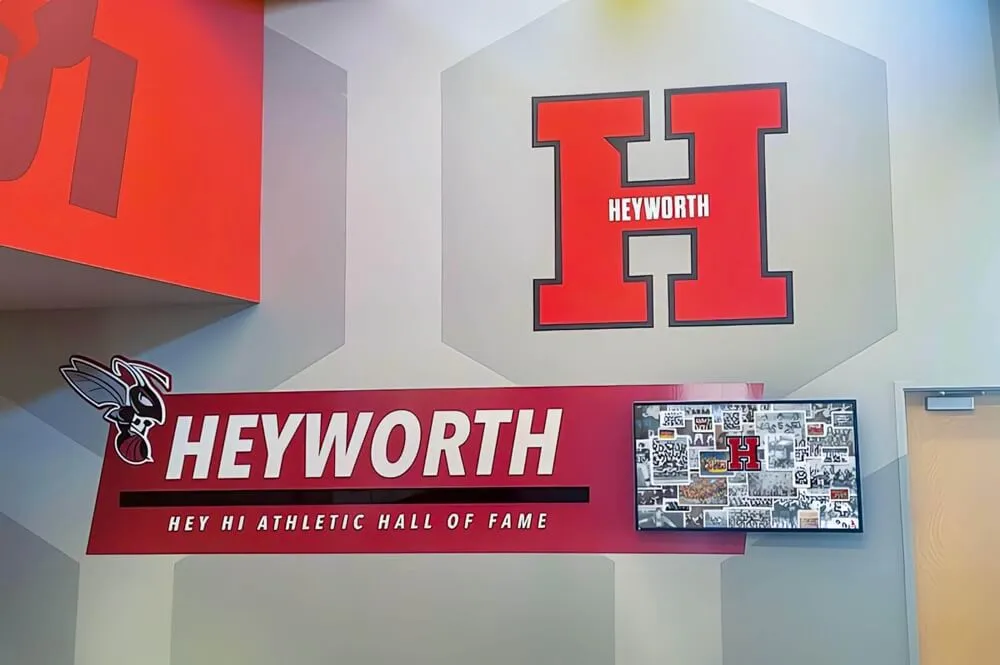
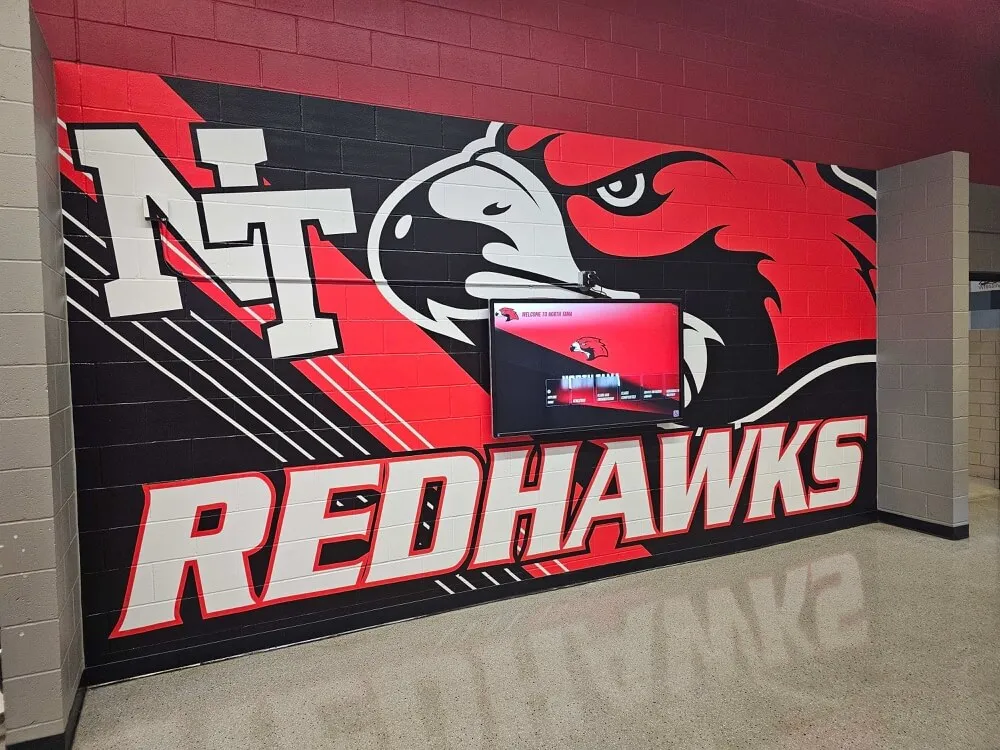
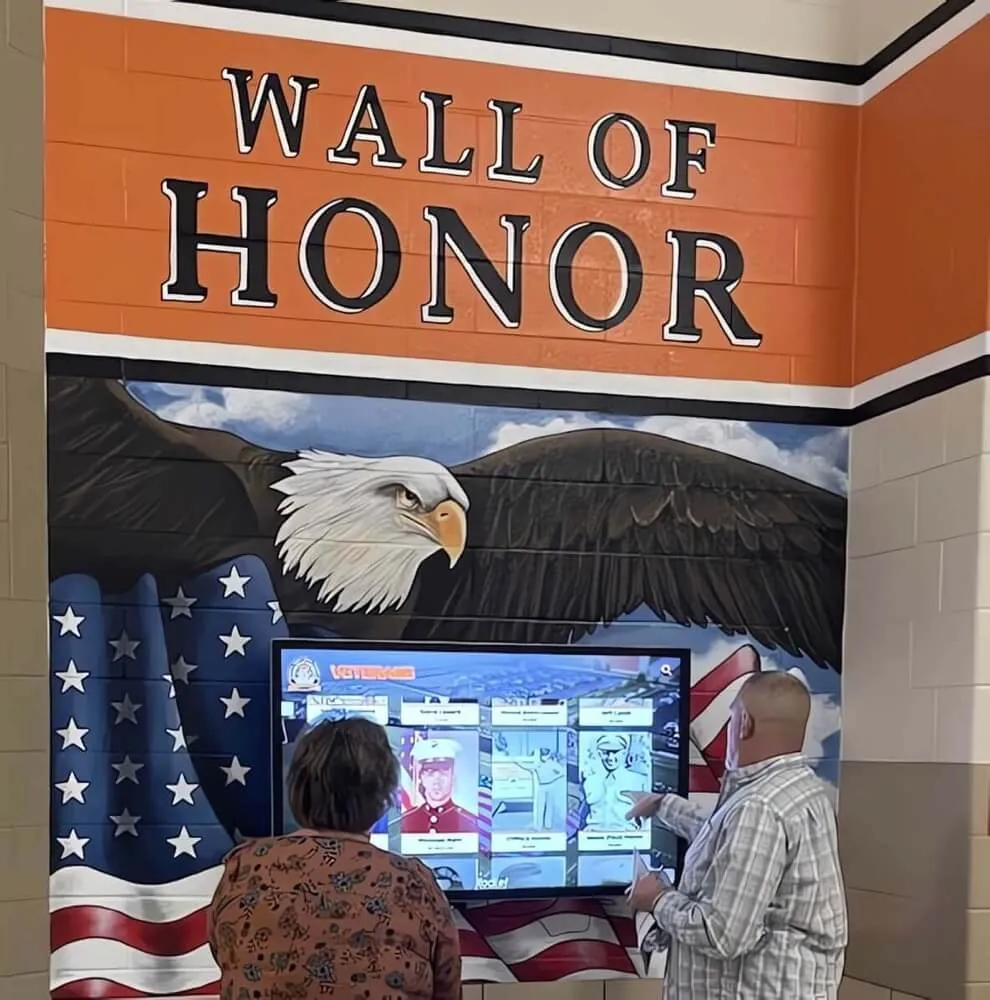
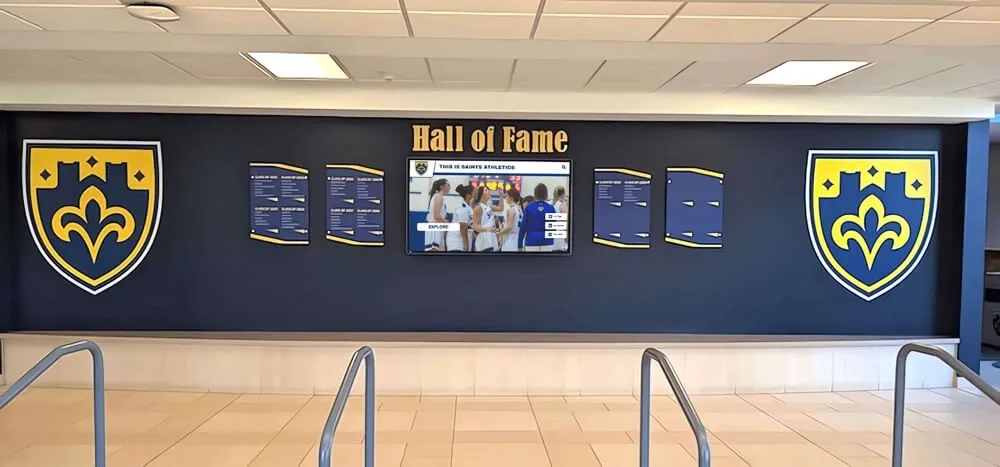
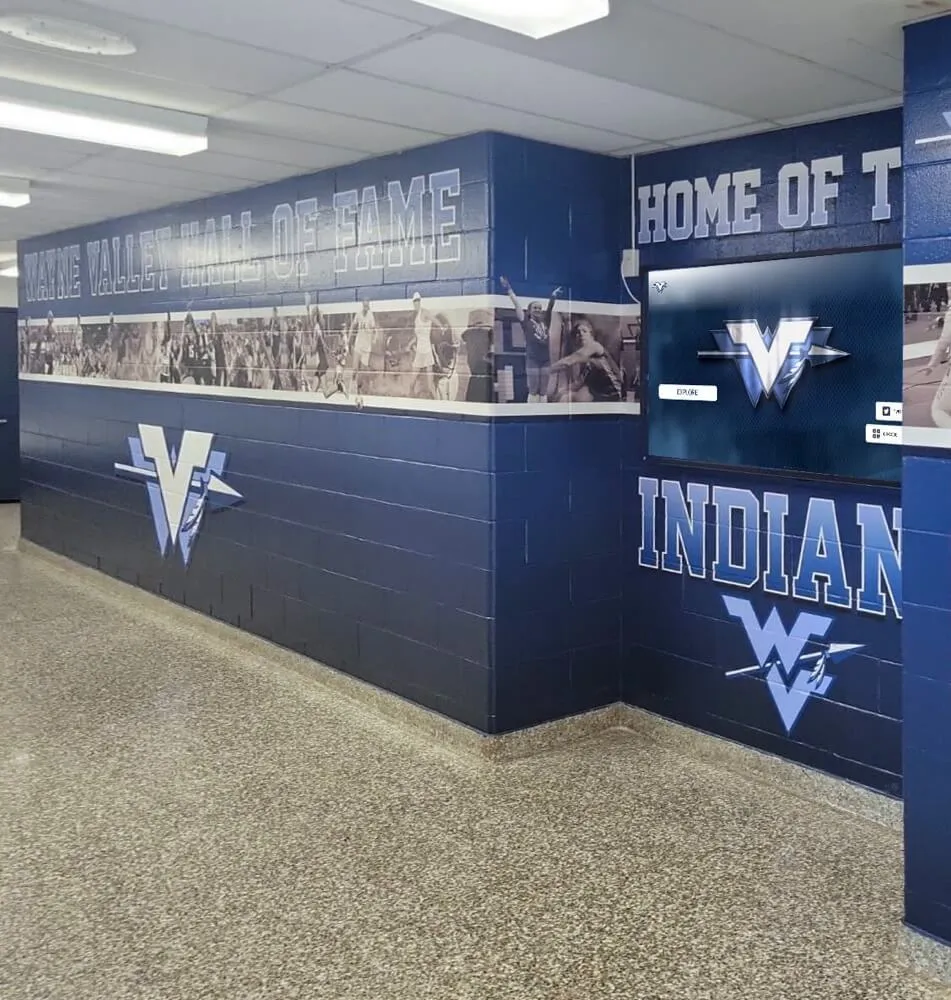
School lobbies combine traditional murals with digital displays, creating comprehensive recognition showcasing competitive cheerleading achievements
National Championship Environments
Prestigious national events feature dramatically elevated production:
- Professional venues (ESPN Wide World of Sports, major convention centers)
- 200-500+ competing teams from across the country
- Professional lighting, sound, and video systems
- Extensive spectator seating accommodating thousands
- High-pressure atmosphere with national stakes
- Live streaming or television coverage
- Elaborate awards ceremonies and championship presentations
- National ranking implications and college recruiting visibility
National championships represent pinnacle competitive experiences requiring exceptional preparation, mental toughness, and competitive maturity handling intense pressure environments.
Regional Event Formats
Most regional competitions use straightforward structures:
- Single performance determining final placement
- Preliminary scores establish final rankings
- Awards presented shortly after division completion
- Same-day results and recognition
National Championship Formats
Major national events typically implement multi-round structures:
Day 1 - Preliminary Rounds:
All teams perform, with scores determining advancement to finals or establishing preliminary seeding for subsequent rounds.
Day 2 - Semi-Finals (If Applicable):
Top teams from preliminaries perform again, narrowing fields to championship finalists.
Final Day - Championship Finals:
Elite finalists perform with preliminary scores zeroed or partially weighted, determining national champions through final-round performances.
Multi-round formats create additional pressure while providing multiple performance opportunities for teams to improve, correct errors, or overcome preliminary setbacks.
Post-Competition Recognition and Celebration
Teams investing months preparing for competitions deserve recognition extending beyond trophy presentations.
Competition Weekend Celebration
Regardless of placement outcomes, acknowledge team effort and dedication:
- Post-performance team gathering for support and decompression
- Celebrating specific routine successes and achievements
- Coach feedback emphasizing growth and improvement
- Team meal or social activity building unity
- Photo opportunities capturing competition memories
- Social media posts celebrating participation and effort
Even teams not achieving desired placement outcomes benefit from recognition validating months of commitment, highlighting improvement, and reinforcing team bonds strengthened through shared challenges.
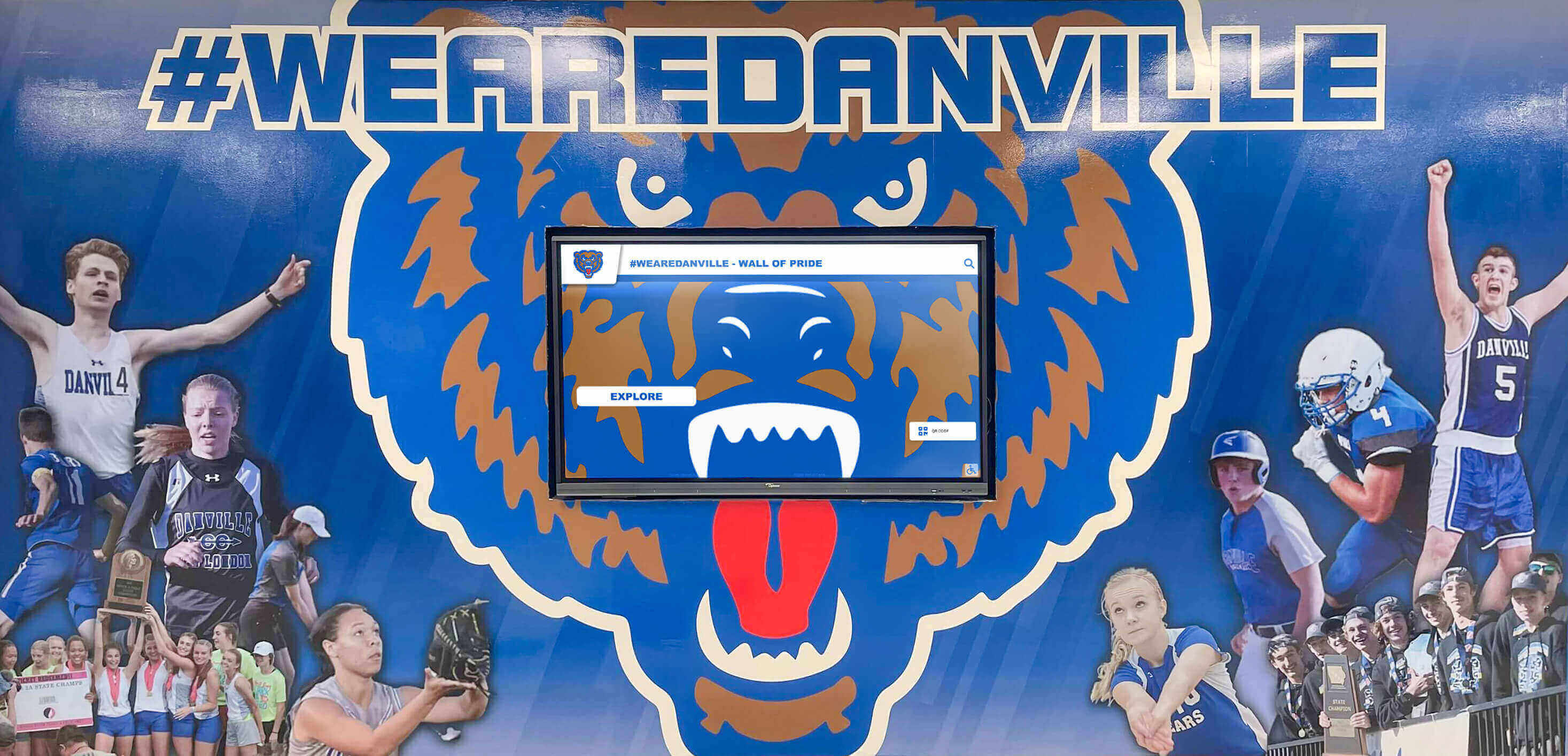
Athletic corridor displays celebrate competitive cheerleading prominently alongside traditional sports, demonstrating equitable recognition across programs
School and Community Recognition
Return-Home Celebration Strategies
Successful competition teams deserve school-wide acknowledgment:
- School-wide announcements celebrating achievements
- Social media recognition across school channels
- Display of trophies and awards in prominent locations
- Pep rally or assembly recognition when appropriate
- Local media coverage and press releases
- Community organization acknowledgment
- Family celebration events and recognition ceremonies
Schools implementing comprehensive recognition programs ensure competitive cheerleading receives visibility equal to traditional sports championships.
Permanent Achievement Recognition
Beyond Temporary Celebration
Competition achievements deserve lasting institutional recognition:
Traditional Recognition Methods:
- Trophy case displays showcasing championship hardware
- Team photos in athletic facilities
- Championship banners in gymnasiums
- Yearbook documentation and recognition
- Hall of fame consideration for exceptional achievements
Digital Recognition Solutions:
Modern schools increasingly implement comprehensive digital recognition platforms addressing traditional display limitations:
Solutions like Rocket Alumni Solutions enable unlimited capacity for showcasing competitive cheerleading achievements including:
- Individual athlete profiles with competition highlights
- Routine videos and performance documentation
- Season records and achievement details
- Coach recognition and program milestones
- Historical competition archives spanning years
- Searchable databases accessible to students, families, and alumni
Digital platforms preserve competition achievements permanently while providing engaging, interactive exploration impossible with static trophy cases.
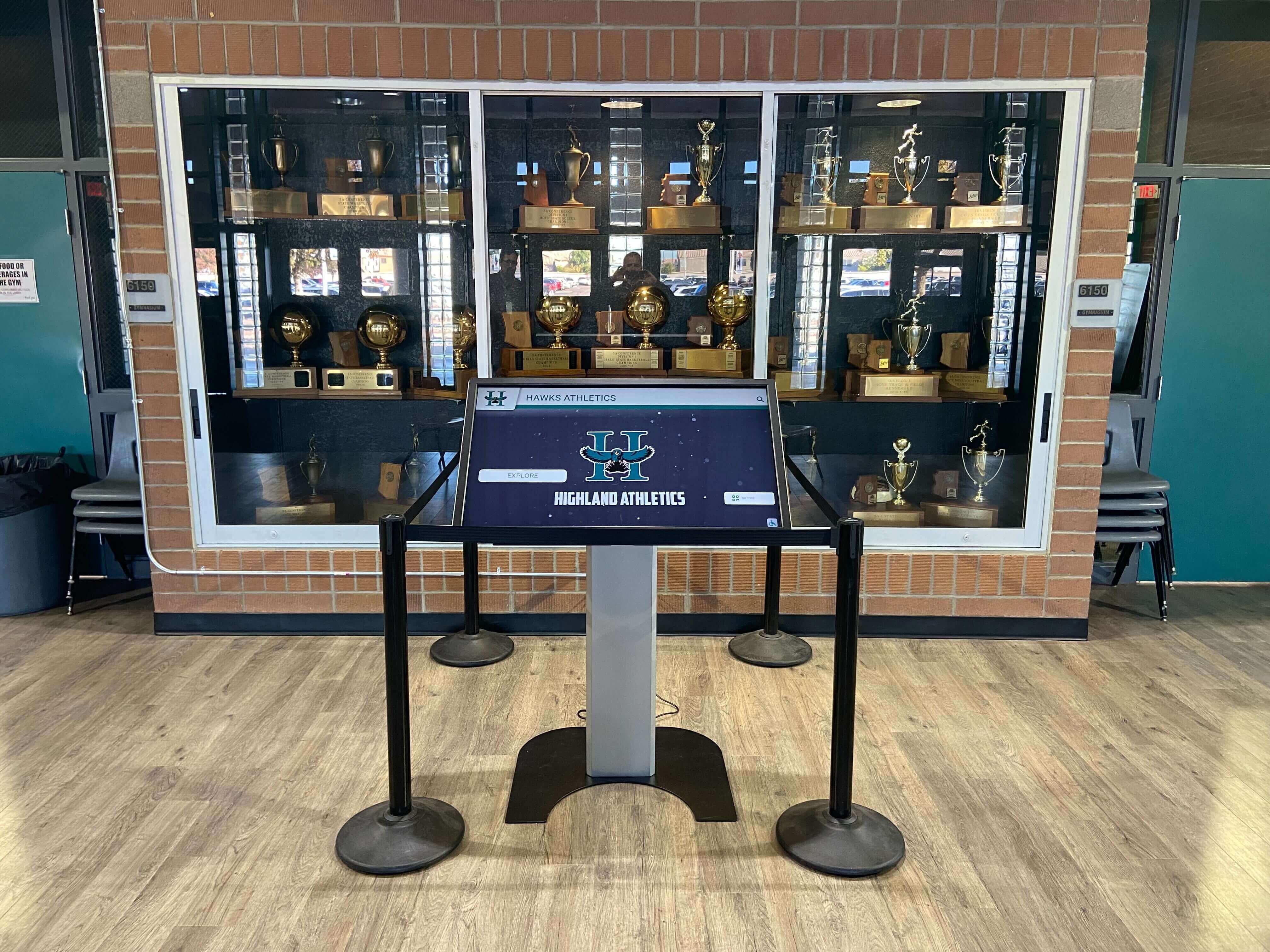
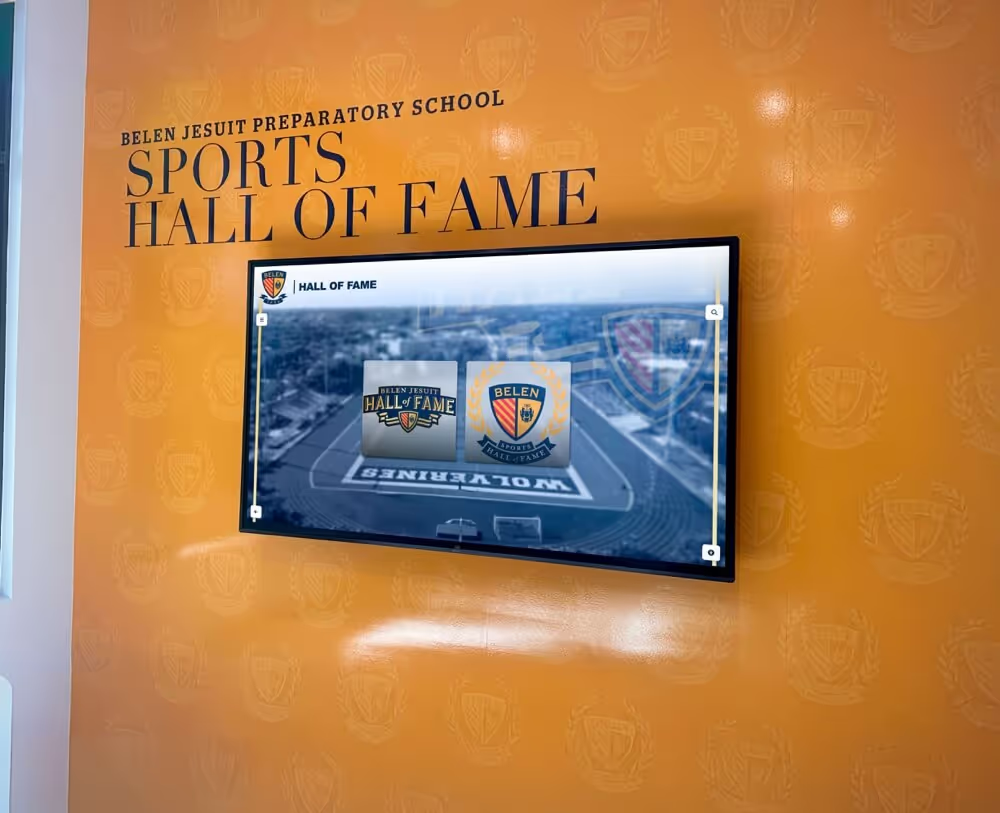
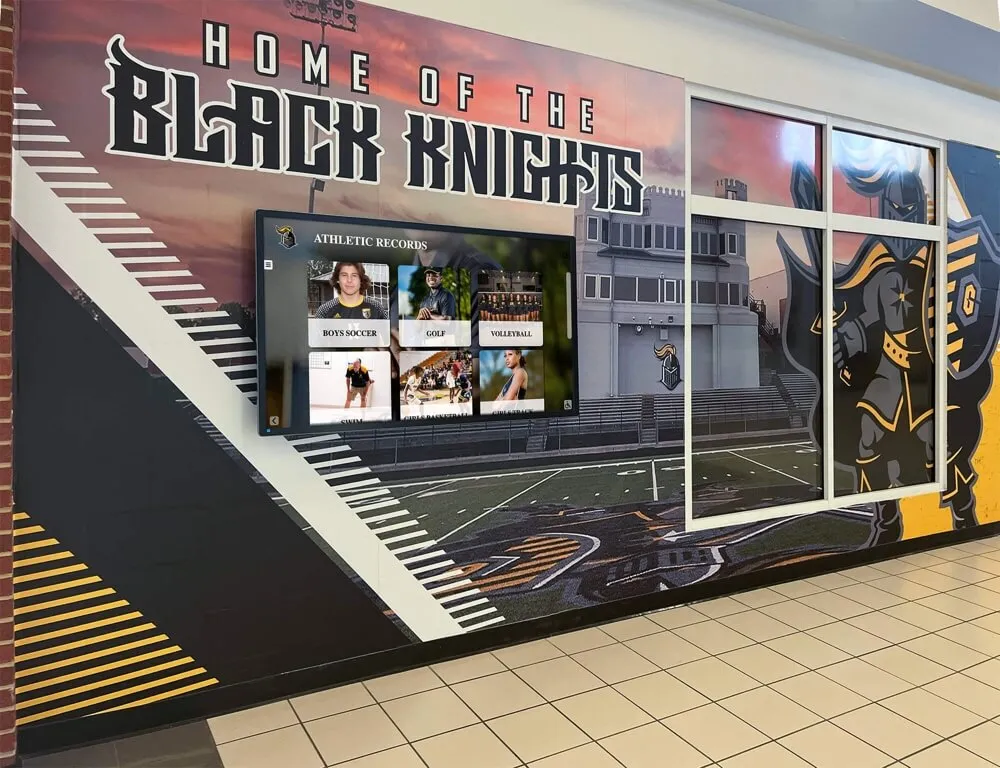
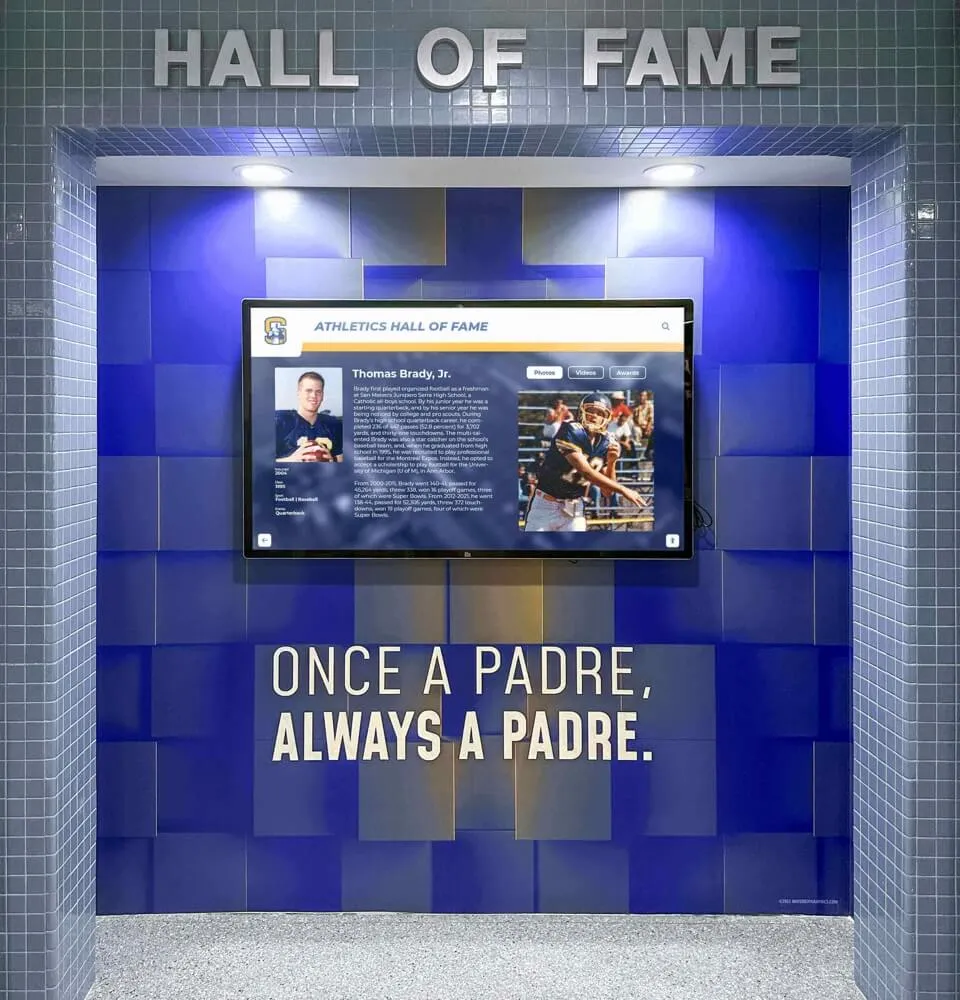
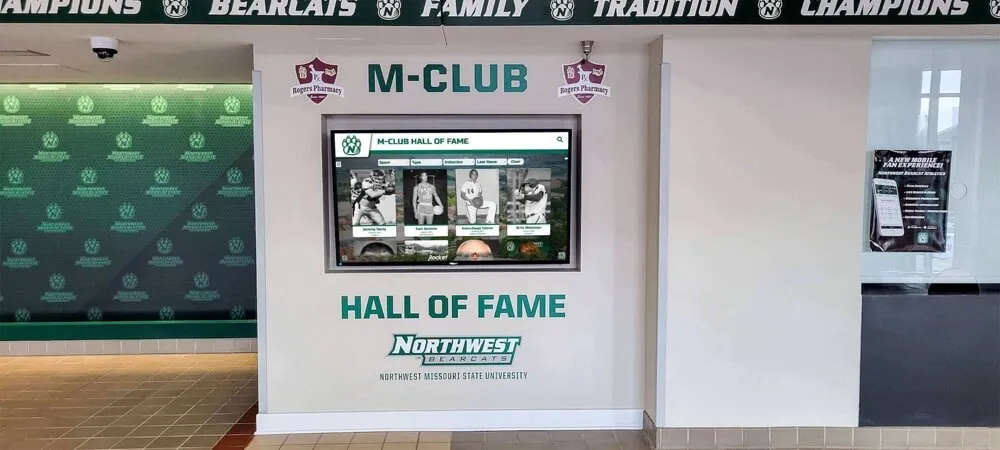
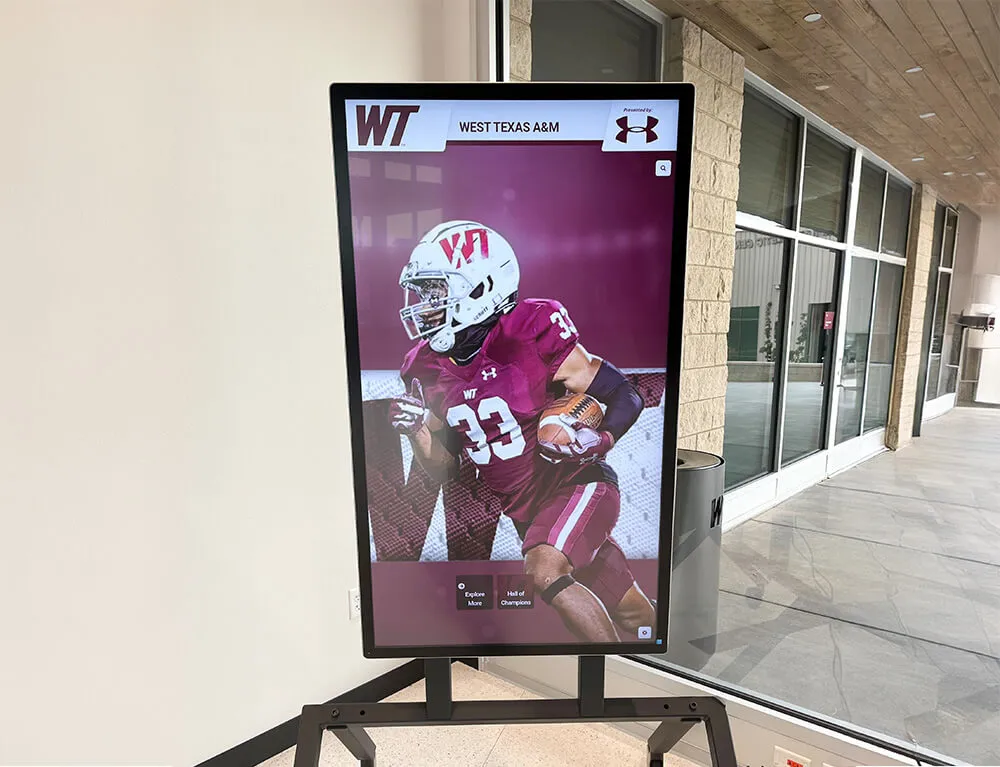
Digital kiosks complement traditional trophy displays, providing unlimited recognition capacity for competitive cheerleading alongside all athletic achievements
Schools implementing comprehensive digital recognition report significantly higher student engagement while solving space constraints limiting traditional trophy case capacity.
Common Competition Challenges and Solutions
Anticipating potential difficulties enables proactive problem-solving and resilience when issues arise.
Handling Mistakes During Routines
Even highly prepared teams encounter performance challenges:
Stunt Drops or Bobbles:
- Continue routine maintaining energy and synchronization
- Do not stop or break character despite errors
- Focus on subsequent elements rather than dwelling on mistakes
- Remember judges reward recovery and resilience
Music Problems:
- Pre-plan music failure contingencies (continue without music, restart, etc.)
- Know competition-specific policies about music failures
- Stay focused if music cuts or experiences technical issues
- Maintain counts and timing regardless of audio problems
Athlete Injury During Performance:
- Prioritize athlete safety above placement concerns
- Exit injured athlete safely when possible
- Remaining team adapts continuing routine when appropriate
- Know competition policies regarding injury timeouts
Coaches should discuss contingency plans during preparation phases, ensuring athletes understand how to respond to various challenges maintaining safety while minimizing score impact.
Logistical and Travel Challenges
Competition Weekend Problem-Solving
Common issues requiring adaptive responses:
Travel Delays:
- Build schedule buffers accounting for potential delays
- Maintain communication with competition organizers
- Carry backup travel arrangements and contingency funds
- Pack essential items in carry-on bags preventing loss impacts
Uniform Emergencies:
- Bring backup uniform components for every athlete
- Pack emergency sewing kits and quick-fix supplies
- Maintain communication with other teams potentially offering assistance
- Know venue locations for emergency shopping if necessary
Athlete Illness or Absence:
- Prepare alternate formations for potential last-minute roster changes
- Cross-train athletes on multiple positions when possible
- Know competition substitution policies and procedures
- Maintain perspective prioritizing health over competitive outcomes
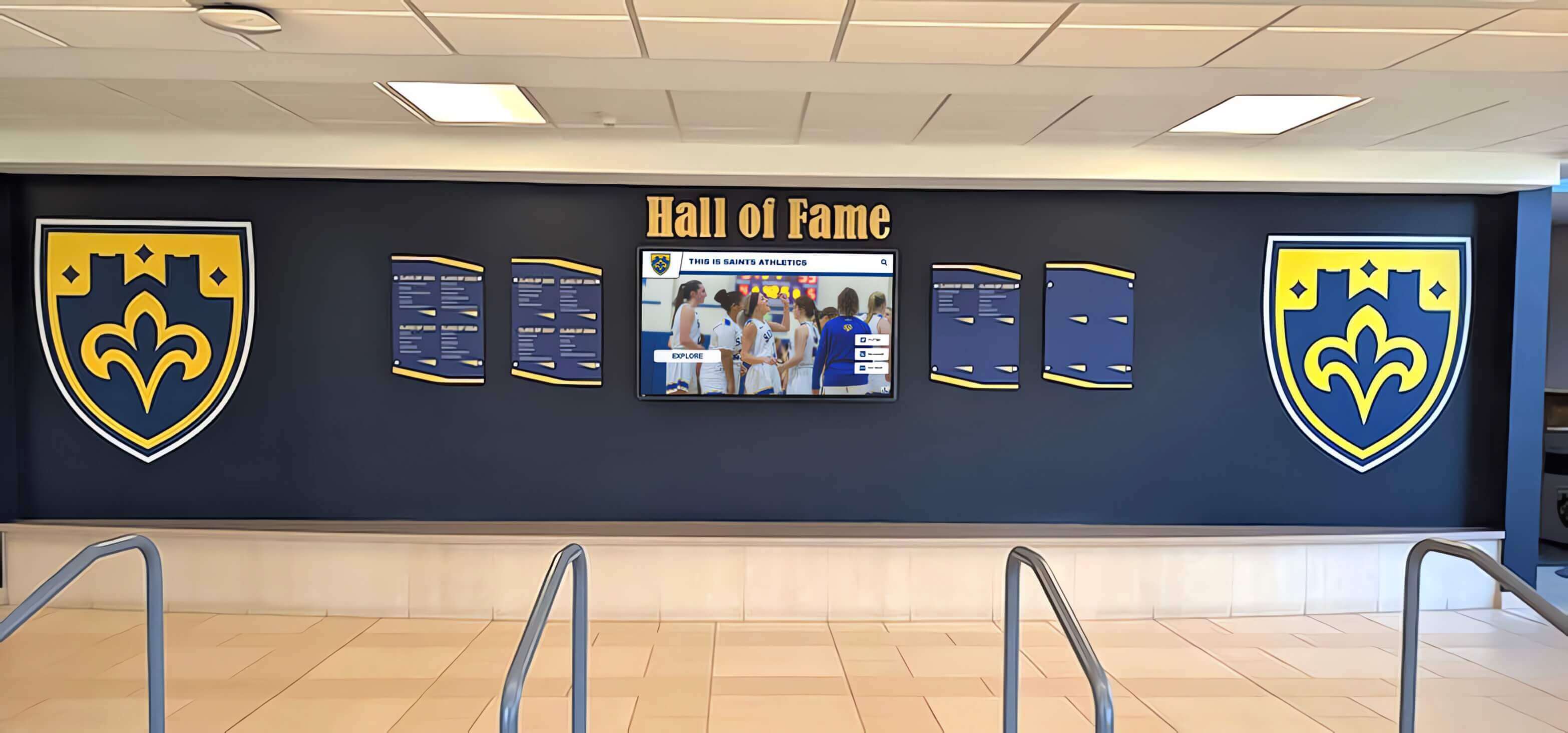
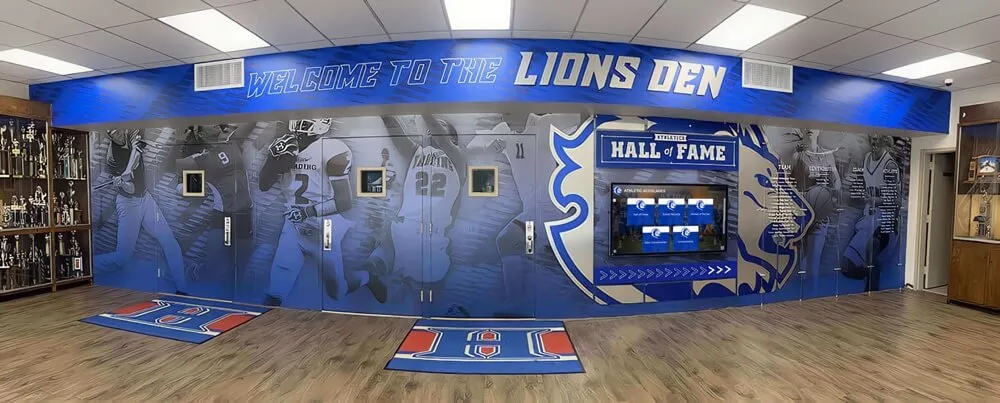
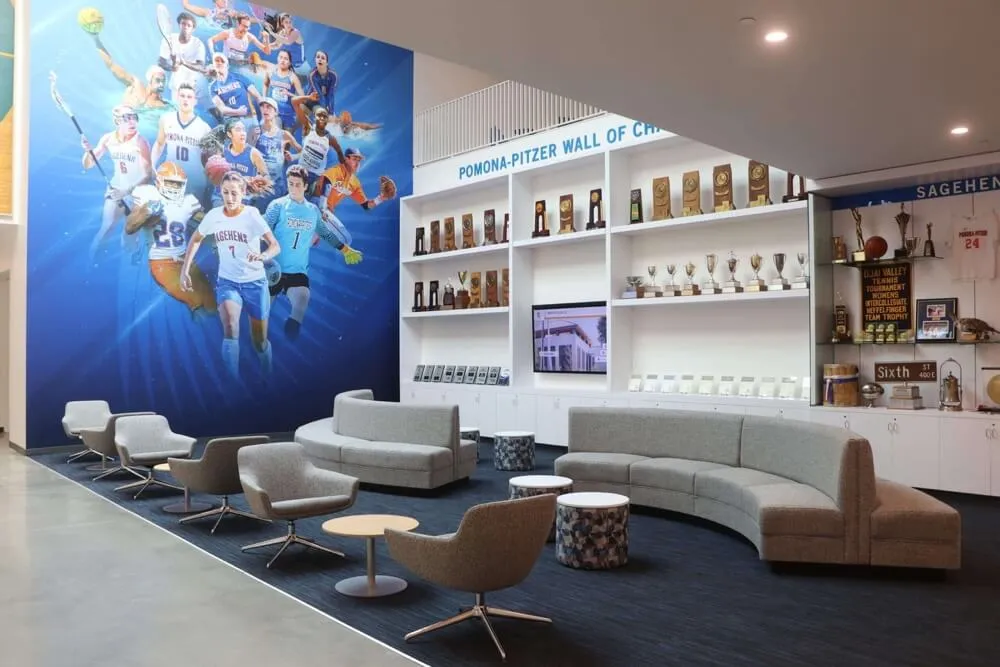
Lobby recognition areas provide natural spaces for showcasing competitive achievements while supporting team gatherings and celebrations
Experienced coaches develop comprehensive contingency plans addressing predictable challenges, reducing stress when inevitable complications arise during competition weekends.
Supporting Competitive Cheerleading Programs
Schools serious about competitive cheer success must provide infrastructure and resources comparable to other varsity athletics.
Facility and Equipment Requirements
Practice Space Needs
Competitive cheerleading demands appropriate training environments:
- Dedicated practice facilities with adequate ceiling height (14+ feet)
- Spring floors enabling safe tumbling skill development
- Quality mats and landing pads (8-12 inch spring mats)
- Adequate space for full routine execution and formation work
- Storage for equipment, uniforms, and supplies
- Sound system for routine practice
Many programs struggle without proper facilities, forcing rental of off-campus gymnastics facilities or limiting skill progression due to inadequate training surfaces creating safety concerns.
Coaching and Professional Development
Qualified Coaching Requirements
Championship-caliber programs employ properly certified coaches:
- USASF safety certifications (required by most competitions)
- CPR and First Aid training
- Background checks and safety screening
- Continuing education and skill development
- Experience coaching competitive cheerleading
- Understanding of current rules and safety guidelines
Schools should compensate competitive cheer coaches comparably to other varsity sport coaches, recognizing time commitment, expertise requirements, and responsibility levels involved in developing competitive programs.
Administrative and Financial Support
Varsity Athletics Status
Competitive cheerleading deserves recognition equivalent to traditional sports:
- Varsity letters for competitive participants
- Athletic department inclusion and funding
- Facility scheduling priority
- Academic eligibility monitoring
- Athletic training and medical support access
- Equitable budgeting relative to other sports
Schools treating competitive cheerleading as auxiliary activity rather than legitimate varsity athletics undermine programs attempting to compete successfully while diminishing athlete accomplishments and program importance.
Programs can reference guidance on comprehensive athletic recognition ensuring cheerleaders receive support and acknowledgment equivalent to other varsity athletes.
Preserve Your Competitive Cheerleading Achievements
Discover how digital recognition displays provide unlimited capacity for showcasing cheerleading competition results, individual athlete profiles, routine videos, and comprehensive season documentation. See how schools nationwide celebrate competitive cheer alongside all athletic achievements through engaging touchscreen displays accessible to students, families, and alumni.
Explore Recognition SolutionsFuture of Competitive Cheerleading
The competitive cheer landscape continues evolving, creating expanding opportunities for high school programs.
Growing Recognition and Opportunities
Expanding Competitive Landscape
Cheerleading experiences significant growth in recognition and participation:
- Increasing state high school association sanctioning
- Growing college scholarship opportunities
- Improved television and streaming coverage
- Social media visibility expanding audience reach
- Enhanced safety standards and coaching requirements
- Professional training facilities and resources
This momentum benefits high school programs as improved infrastructure, coaching quality, and mainstream recognition enable more teams to pursue competitive goals with adequate support.
Technology and Innovation
Enhanced Competition Experiences
Technology continues improving competitive cheerleading:
- Live streaming enabling remote viewing by families and supporters
- Advanced scoring systems with real-time feedback
- Video review capabilities for close evaluations
- Social media integration expanding event visibility
- Mobile apps enhancing spectator experience
- Virtual training tools improving skill development
These advances make competitions more accessible, transparent, and engaging while supporting athlete development through innovative training methodologies.

Mobile-accessible recognition extends competitive cheerleading achievement visibility beyond campus, enabling families and alumni to explore accomplishments remotely
College Recruitment Connections
Athletic Scholarship Pathways
Competitive cheerleading success enhances college opportunities:
- Direct exposure to college coaches at major competitions
- Video footage demonstrating elite-level skills
- Resume credentials validating commitment and achievement
- Network connections within collegiate cheerleading
- Scholarship negotiation leverage based on competitive experience
Athletes competing at regional and national levels gain substantial advantages in college recruitment, accessing opportunities unavailable to athletes without competitive experience regardless of individual skill levels.
Conclusion: Embracing the Competitive Cheerleading Journey
Regional and national cheerleading competitions represent significant athletic undertakings requiring months of dedicated preparation, comprehensive resource investment, and unwavering commitment from athletes, coaches, and school administrators. Understanding competition structures, division options, judging criteria, and event-day expectations transforms these potentially overwhelming experiences into strategic opportunities for athletic development, team building, and achievement recognition.
Successful competitive cheerleading programs treat competitions as milestones within comprehensive athletic journeys rather than isolated events. The discipline, perseverance, teamwork, and resilience developed through competitive preparation transfer throughout students’ lives, providing valuable life lessons extending well beyond trophy accumulation. Schools supporting competitive cheer recognize these developmental benefits justify resource investments regardless of specific competitive outcomes.
Most importantly, competitive achievements deserve recognition extending beyond competition weekends. Whether through traditional trophy displays, championship banners, or modern digital recognition platforms providing unlimited showcase capacity, schools must preserve these athletic accomplishments appropriately. Digital solutions like Rocket Alumni Solutions enable comprehensive documentation of competitive journeys including individual athlete profiles, routine videos, season records, and program milestones—creating permanent recognition impossible with physical displays alone.
Your competitive cheerleading team’s journey represents remarkable athletic commitment deserving comprehensive celebration and lasting recognition. With proper preparation addressing both physical and mental demands, strategic competition selection aligning with program goals and capabilities, and appropriate post-competition recognition ensuring achievements receive deserved visibility, you create competitive experiences that enrich student-athlete development while building program traditions inspiring future generations.
Ready to showcase your competitive cheerleading achievements through professional recognition extending beyond physical trophy limitations? Explore how digital recognition displays help schools celebrate unlimited athletic accomplishments while creating engaging experiences strengthening program pride, motivating athlete development, and building lasting connections throughout school communities.