



When a school dedicates a new building, renovates a facility, or honors a major contributor, the dedication plaque becomes the permanent voice of institutional gratitude. Yet many organizations struggle with these lasting tributes—choosing the right words, selecting materials that endure, and creating designs that balance formality with warmth. A poorly executed building dedication plaque can feel stiff and impersonal, while a thoughtful one becomes a cherished piece of institutional history.
Traditional brass or bronze plaques have served this purpose for generations, but they present real challenges. Space limitations force organizations to choose between detailed storytelling and essential information. Fixed text means errors live forever. Physical mounting damages walls and creates permanent commitments that can’t adapt when buildings change purpose or naming rights evolve.
This comprehensive guide explores building dedication plaque wording that resonates, materials that balance durability with aesthetics, design principles that honor both donors and institutions, and modern alternatives that solve the limitations of traditional approaches.
Understanding Building Dedication Plaques
A building dedication plaque serves multiple purposes simultaneously. It formally recognizes the individuals, families, or organizations whose contributions made construction or renovation possible. It preserves institutional history for future generations. It demonstrates organizational values around gratitude and stewardship. Most importantly, it creates a tangible connection between physical space and the people who made that space possible.
Schools, universities, nonprofit organizations, and civic institutions rely on these dedications to strengthen donor relationships and inspire future giving. When done well, dedication plaques become points of pride that families visit during campus tours, alumni reunions, and special events. They tell stories that outlast the original dedication ceremony.
Yet the permanence that makes plaques meaningful also creates challenges. Organizations must commit to wording, design, and placement without knowing how needs might evolve. Donor families may request changes years later. Buildings may be renamed or repurposed. What seemed like the perfect dedication message in one era can feel dated or incomplete in another.
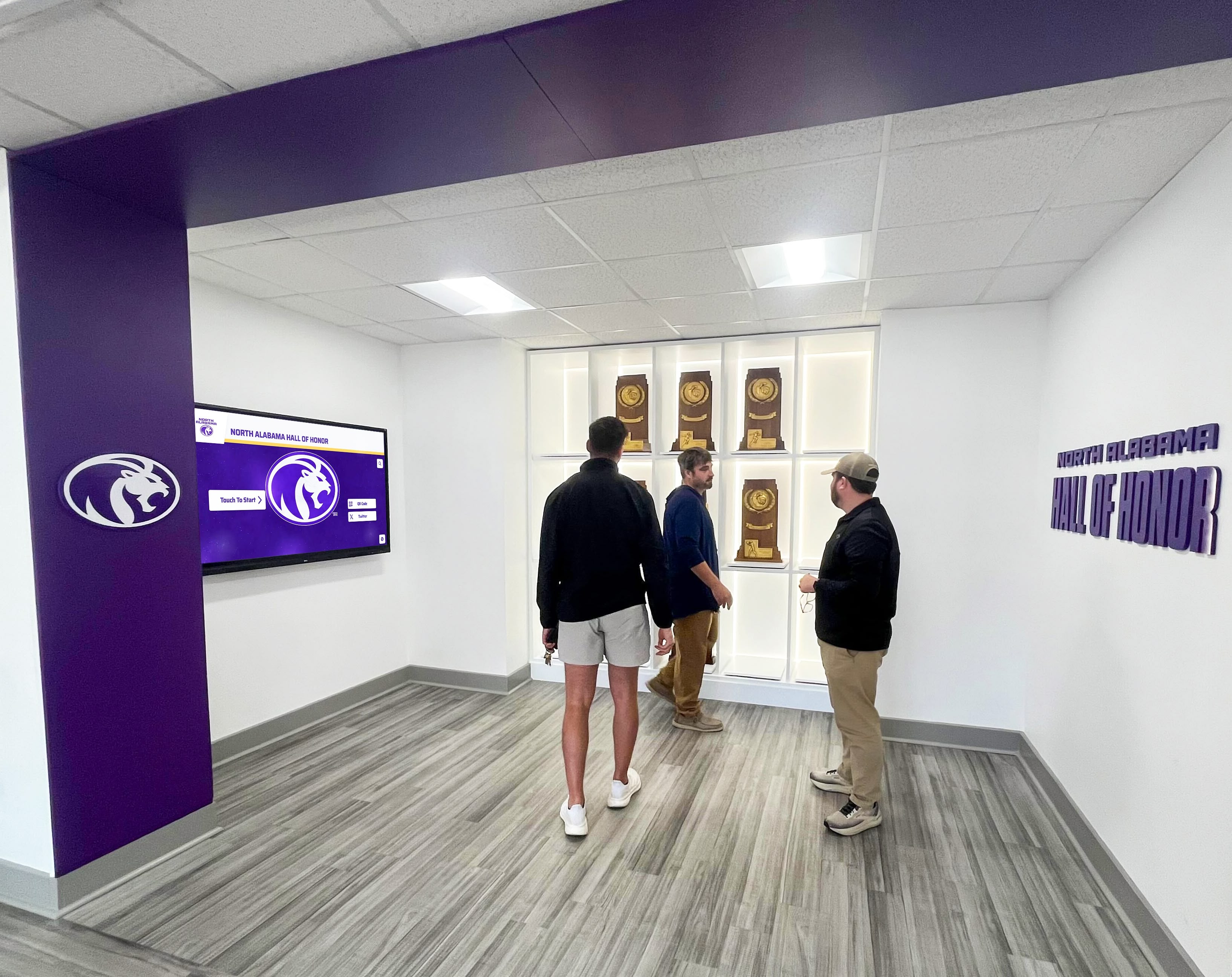
Building Dedication Plaque Wording Examples
The words you choose for a building dedication plaque set the tone for how future visitors understand the contribution. Effective wording balances formality with warmth, provides context without overwhelming readers, and honors donors in ways that feel genuine rather than transactional.
Traditional Dedication Wording
Classic dedication language emphasizes formality and permanence:
“This building is dedicated to [Name], whose generosity and vision made this facility possible. Dedicated [Date].”
"[Building Name] — In honor of [Name/Family], whose commitment to excellence in education inspires generations of students. [Date]"
“Dedicated in grateful recognition of [Name], whose transformative gift created spaces where learning, innovation, and community thrive.”
Traditional wording works well for formal institutional contexts—university buildings, hospital wings, civic facilities where gravitas matches the setting. The straightforward approach ensures clarity and dignity.
Storytelling Dedication Approaches
More contemporary dedications incorporate narrative elements that connect donors to institutional mission:
“The [Name] Family believed that every student deserves spaces where curiosity becomes discovery. This building stands as testament to their commitment to transformative learning experiences. Dedicated with gratitude, [Date].”
“In memory of [Name], educator, mentor, and champion for student success. This facility continues [his/her] legacy of creating welcoming spaces where all students can excel.”
“Built through the generosity of [Name/Organization], this building represents our shared belief that excellent facilities enable excellent outcomes. May every person who enters these doors find inspiration and opportunity.”
Storytelling approaches create emotional connections while maintaining appropriate formality. They work particularly well for schools and community organizations where personal narratives strengthen institutional identity.
Memorial Building Dedications
When buildings honor individuals who have passed, wording should balance celebration with remembrance:
“In loving memory of [Name], [Dates]. This building celebrates [his/her] passion for [relevant field/mission] and commitment to building stronger communities through [specific contribution].”
“Dedicated to the memory of [Name], whose vision, leadership, and generosity continue to impact lives through this space. [His/Her] legacy of [specific value] inspires all who gather here.”
Memorial dedications benefit from consultation with family members to ensure language reflects how they wish their loved one remembered. Including specific accomplishments or values creates more meaningful tributes than generic memorial language.
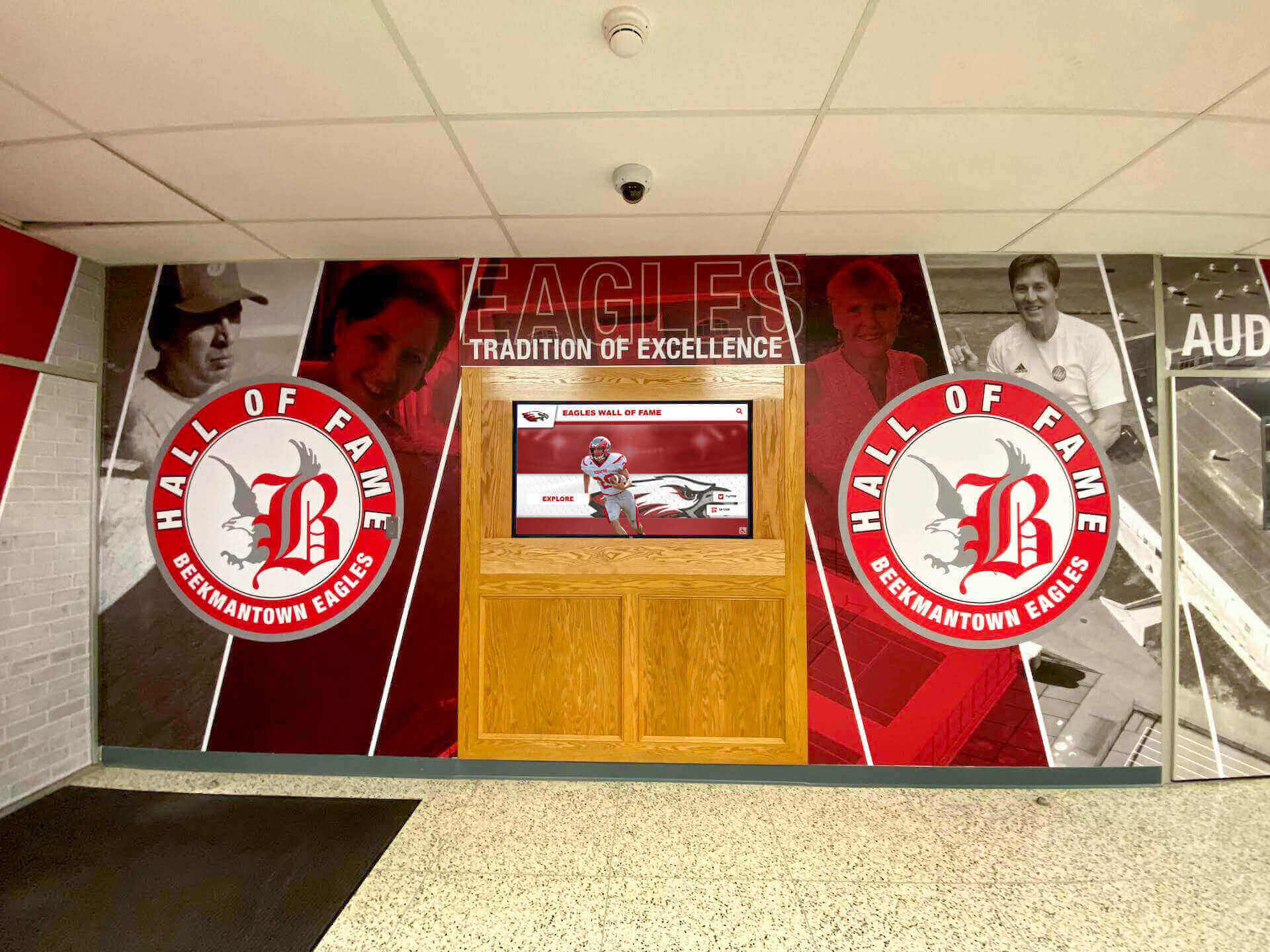
Materials for Building Dedication Plaques
The materials you select for a building dedication plaque impact both appearance and longevity. Each material option offers distinct advantages for different contexts, budgets, and aesthetic goals.
Bronze and Brass Plaques
Bronze remains the most traditional choice for building dedications. It offers exceptional durability, developing a patina over time that many find aesthetically appealing. Cast bronze plaques can incorporate detailed text, logos, and imagery. They communicate permanence and institutional seriousness.
Brass provides similar benefits with a brighter finish that some organizations prefer for modern facilities. Both metals resist weathering for outdoor installations and maintain appearance for decades indoors.
The primary limitations are cost—quality bronze and brass plaques require significant investment—and inflexibility. Once cast, these plaques cannot be changed. Errors in spelling, dates, or donor names become permanent unless the entire plaque is replaced.
Aluminum and Stainless Steel
For organizations seeking durability at lower costs, aluminum offers excellent weather resistance and modern aesthetics. Anodized aluminum accepts various colors and finishes, allowing customization that matches building materials or institutional branding.
Stainless steel provides contemporary appearance with exceptional longevity. It works particularly well for modern facilities, science buildings, and athletic complexes where sleek design complements architecture.
Both materials can be laser-engraved, etched, or mounted with dimensional letters. They’re lighter than bronze or brass, simplifying installation on various wall types.
Acrylic and Glass
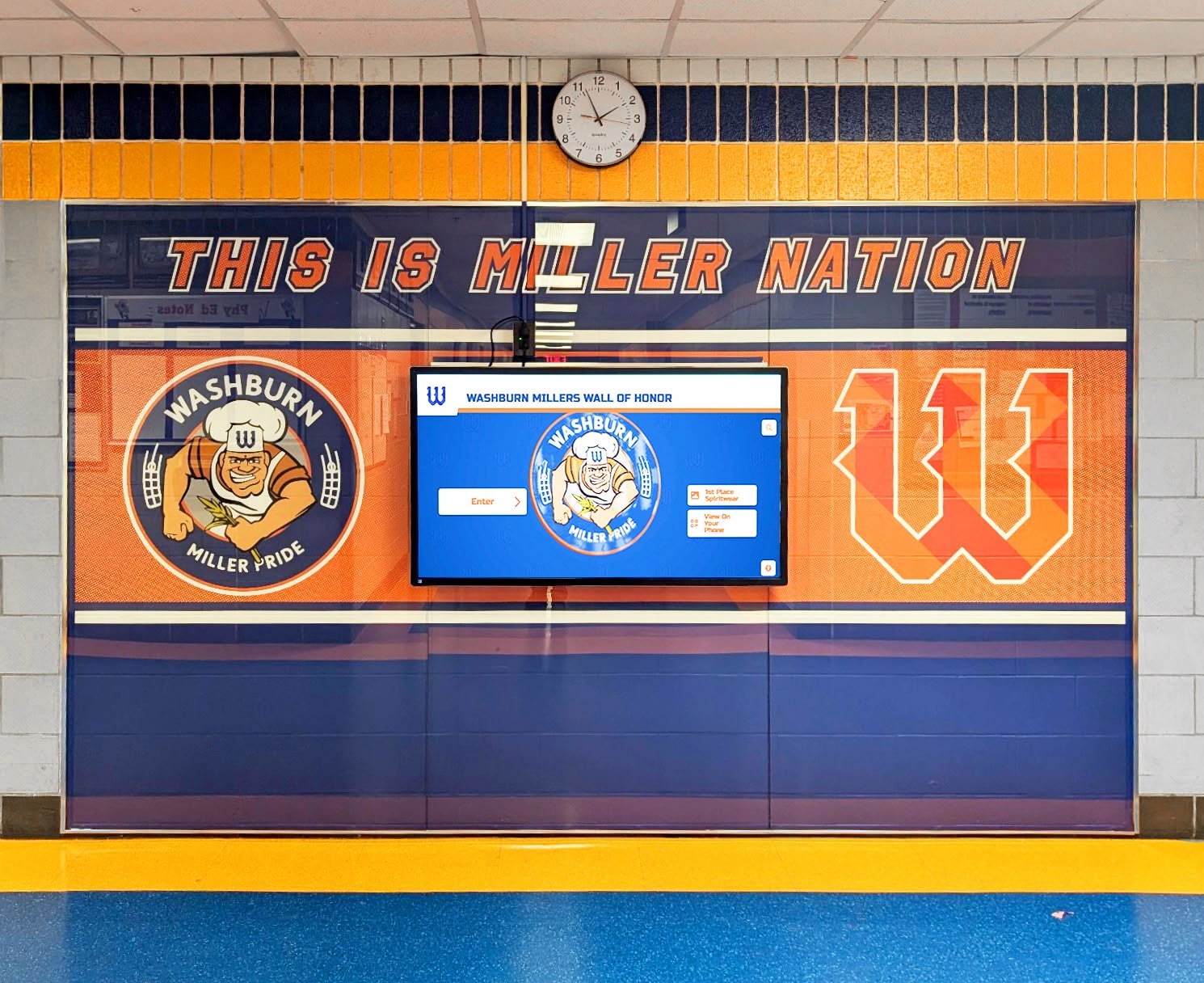
Contemporary facilities increasingly use acrylic or glass for dedication displays. These materials enable backlit presentations, layered designs, and integration with architectural features. Frosted acrylic with engraved text creates elegant, modern aesthetics particularly suited to interactive spaces and lobbies.
Glass offers exceptional clarity and can incorporate sandblasting, etching, or printed graphics. It pairs well with stainless steel mounting systems for minimalist presentations.
The trade-off is fragility compared to metal options. Acrylic and glass dedications work best for interior locations protected from impact or vandalism.
Stone and Granite
For outdoor dedications or buildings where permanence is paramount, stone and granite offer unmatched durability and visual weight. Granite accepts detailed engraving and maintains crisp lettering for generations. It communicates institutional longevity and serious commitment to honoring donors.
Stone dedications work particularly well for building cornerstones, outdoor plaza installations, and garden areas. They integrate naturally with brick or stone architecture.
The primary consideration is weight—stone dedications require appropriate structural support and professional installation. They also represent significant investment in both materials and mounting.
Design Principles for Effective Dedication Plaques
Beyond wording and materials, effective building dedication plaque design considers visual hierarchy, readability, and contextual appropriateness.
Typography and Readability
Choose typefaces that remain legible at typical viewing distances. Serif fonts often communicate tradition and formality, while sans-serif options offer contemporary clarity. Avoid overly decorative fonts that sacrifice readability for aesthetic appeal.
Letter size matters significantly. For plaques mounted at eye level, 1-2 inch lettering works for primary dedication text, with smaller sizes acceptable for dates, additional contributors, or institutional information. Plaques mounted higher require larger letters to maintain readability.
Consider contrast between text and background. Dark letters on light backgrounds or vice versa ensure visibility across lighting conditions. Avoid combinations that create reading strain.
Visual Hierarchy
Organize information to guide readers through the dedication message naturally. Donor names or building designations typically receive visual prominence through larger lettering or positioning. Supporting text—dedication dates, additional context, institutional information—appears in smaller type.
Create clear separation between different information elements through spacing, line breaks, or design elements like borders or decorative elements. Readers should never struggle to determine which information is primary.
Incorporating Logos and Imagery
Many building dedications incorporate organizational logos, family crests, or imagery related to the building’s purpose. These elements add visual interest and create stronger connections to institutional identity.
When including graphics, ensure they scale appropriately without overwhelming text. A common approach places organizational logos at the top or bottom of the plaque, with donor information and dedication text occupying the central area.
For buildings supporting specific programs—athletics facilities, performing arts centers, academic recognition spaces—consider imagery that reflects the building’s purpose while maintaining appropriate formality.
Placement Considerations for Building Dedication Plaques
Where you position a dedication plaque impacts how many people see it and the message it communicates about organizational values.
Primary Entrance Locations
The most common placement positions dedications near primary entrances where building users and visitors naturally pass. This ensures maximum visibility while creating immediate context about the building’s history and purpose.
Mounting plaques at comfortable reading height—typically 60-66 inches from floor to plaque center—ensures accessibility for all visitors. Consider sight lines from multiple approach angles to prevent columns, doorways, or other architectural features from obstructing views.
Interior Lobby Plaques
For facilities with prominent lobbies or gathering spaces, interior dedication plaques become focal points that tell institutional stories. These locations often allow larger, more detailed dedications that include extended donor recognition, building history, or mission statements.
Interior placements also enable more creative materials and designs since weather exposure isn’t a concern. Some organizations create entire recognition walls that combine building dedications with broader donor recognition or institutional history.
Outdoor Cornerstone Dedications
Traditional cornerstone dedications place plaques directly on building exteriors, often near cornerstones that may contain time capsules or construction-date markers. This approach connects dedication to the physical structure in literal ways.
Outdoor plaques require weather-resistant materials and careful attention to mounting systems that prevent water infiltration behind the plaque. Consider how sun angles, rain exposure, and temperature fluctuations affect long-term appearance.
Multiple Donor Recognition
Many building projects involve contributions from multiple donors at various levels. Creating dedications that honor all contributors while maintaining hierarchy and readability requires thoughtful planning.
Tiered Recognition Approaches
For campaigns with multiple donor levels, consider hierarchical presentation that gives appropriate prominence to lead donors while recognizing all contributors. This might involve:
- Primary plaque honoring the naming donor or largest contributor
- Secondary plaques recognizing major donors by name
- Collective recognition for donors at lower contribution levels
Some organizations use donor wall approaches that integrate building dedications with comprehensive campaign recognition, creating cohesive displays that tell the complete story of how the facility came to be.
Committee and Foundation Recognition
Building campaigns often involve organizing committees, foundations, or community groups who deserve acknowledgment alongside individual donors. Design approaches that distinguish between financial contributors and organizational supporters ensure all receive appropriate recognition without creating visual confusion.
Modern Alternatives to Traditional Plaques
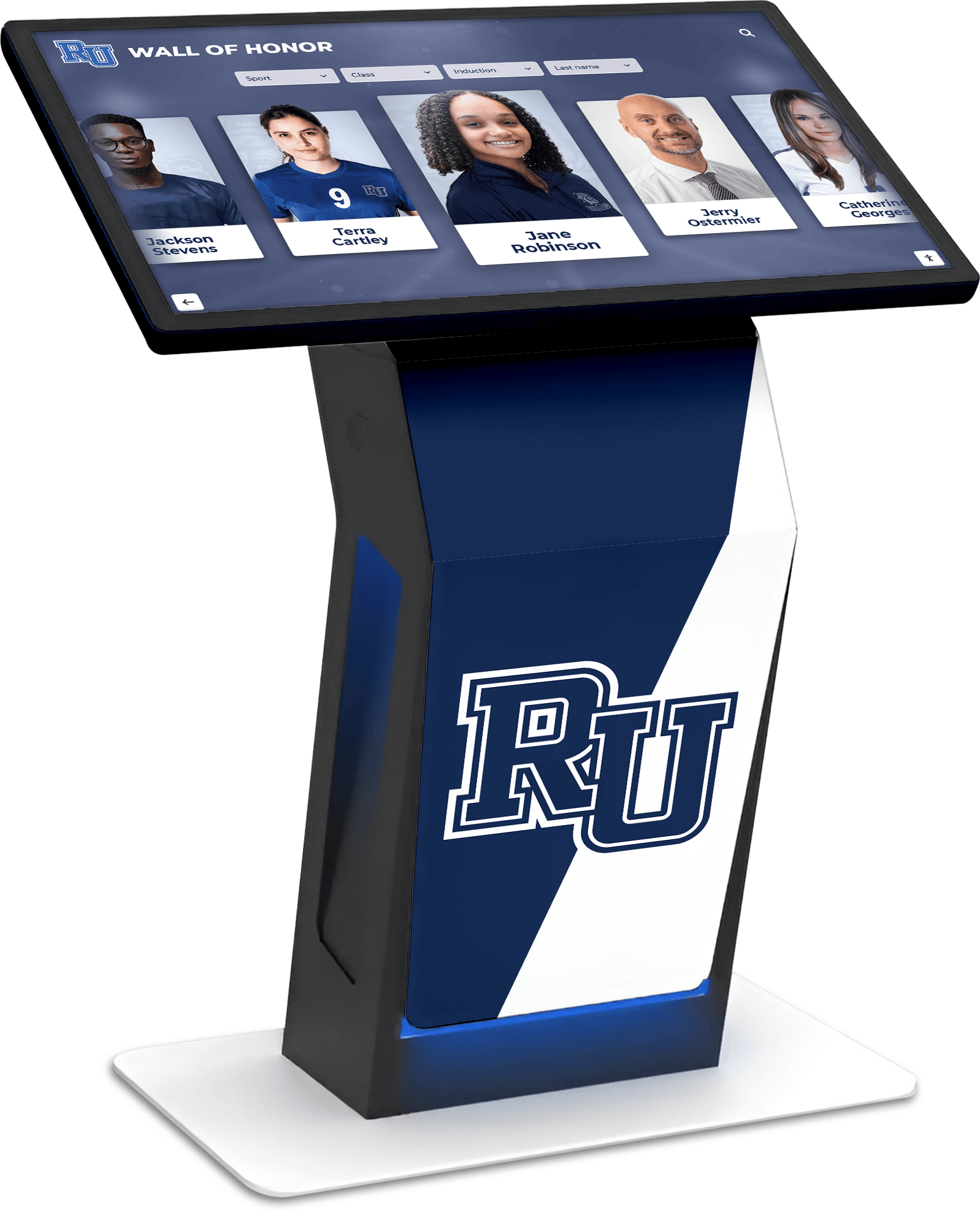
While traditional metal or stone plaques remain appropriate for many contexts, modern recognition technology offers compelling alternatives that solve common dedication challenges.
Digital Dedication Displays
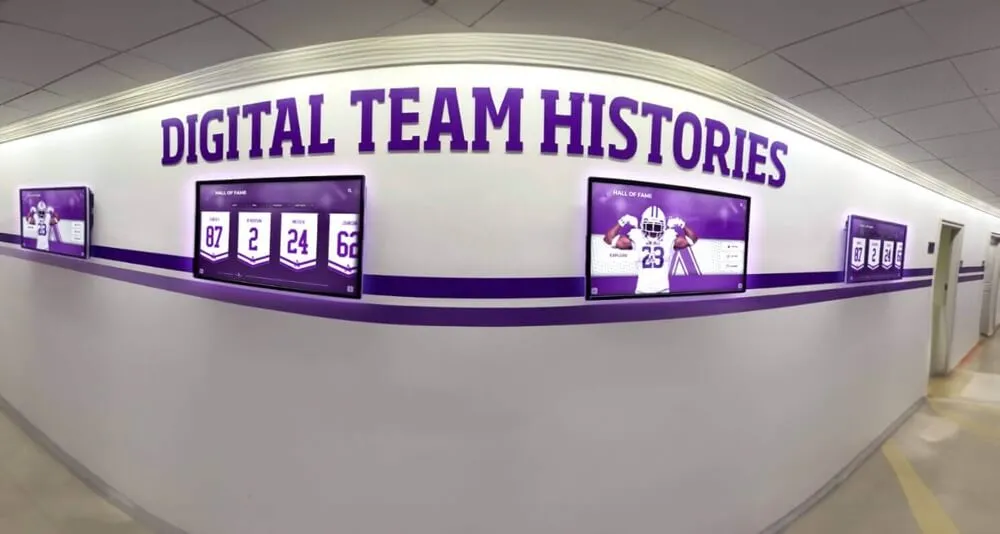
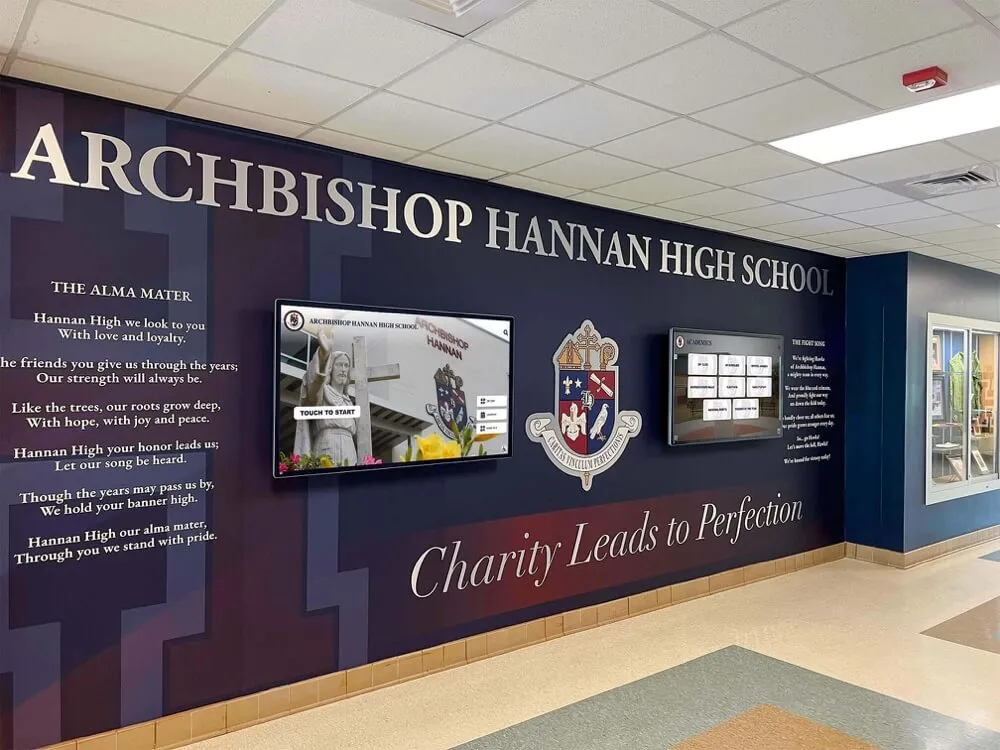
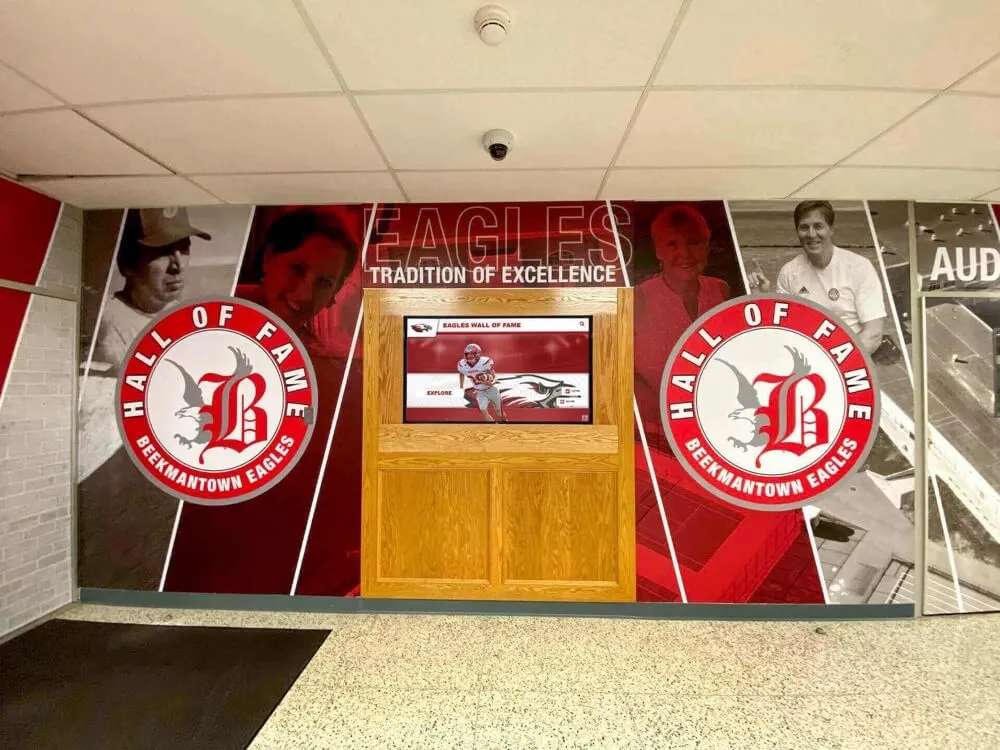
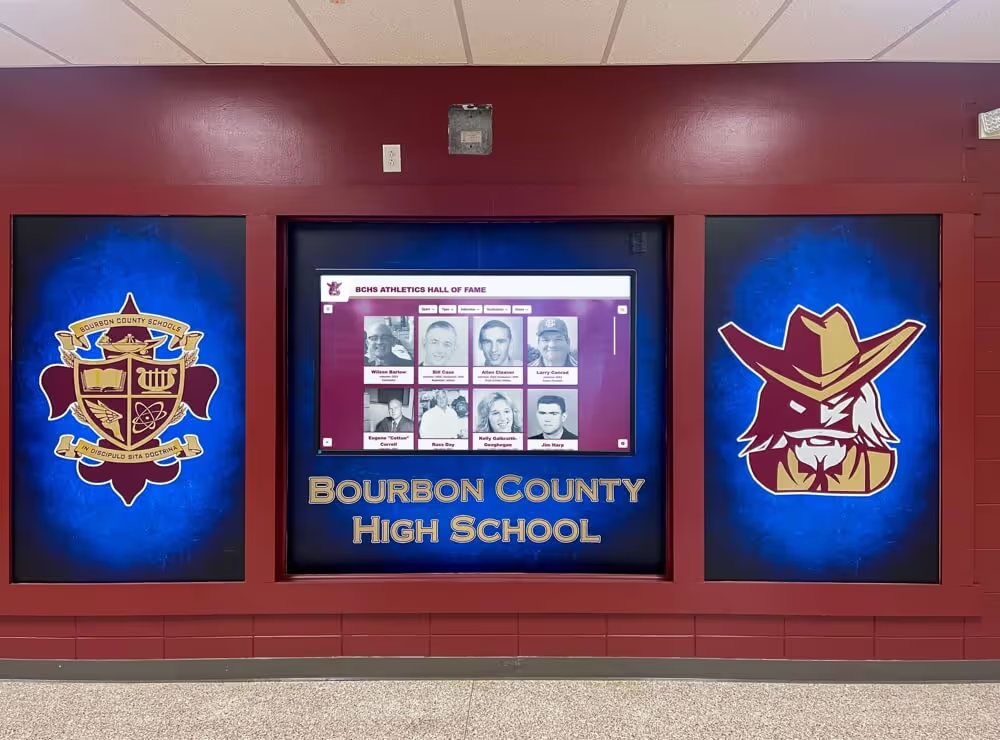
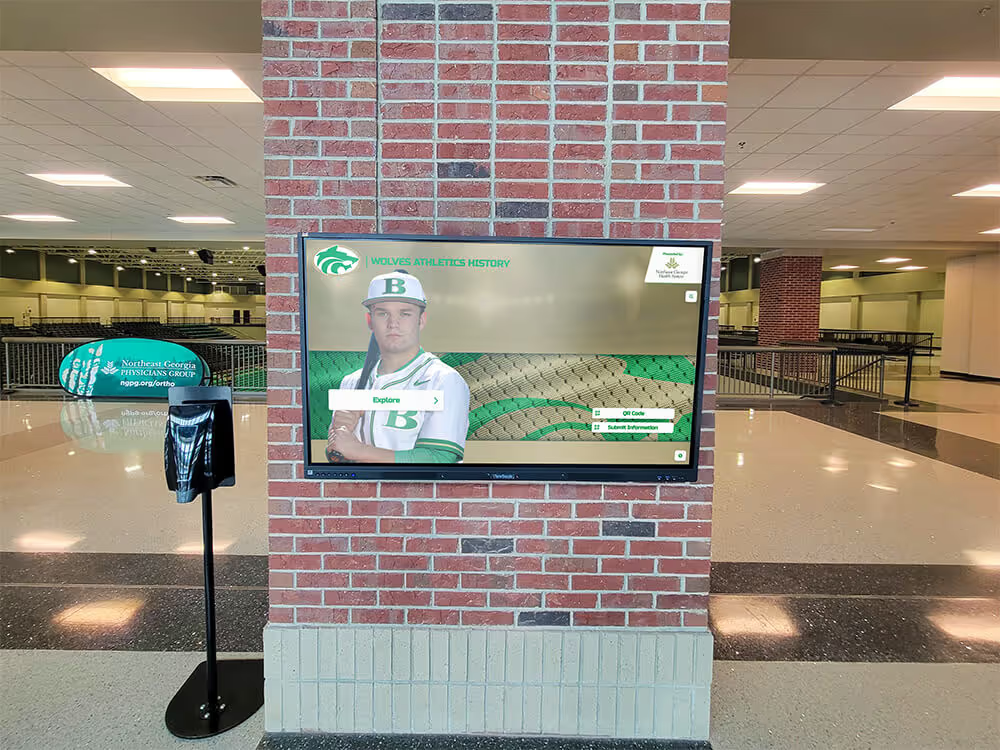
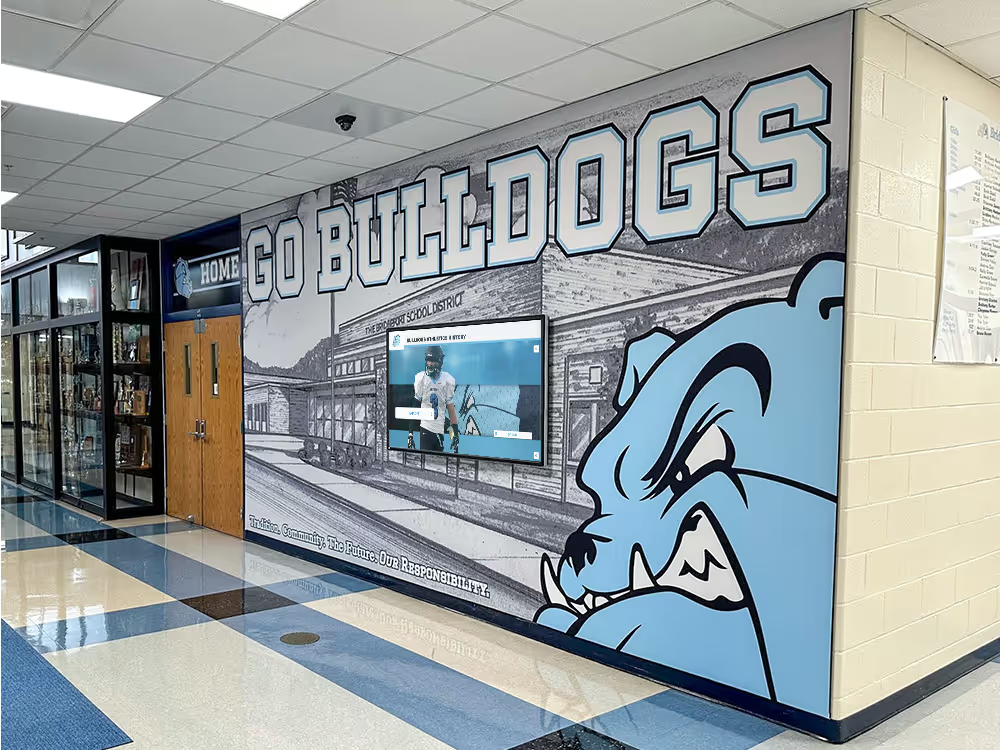
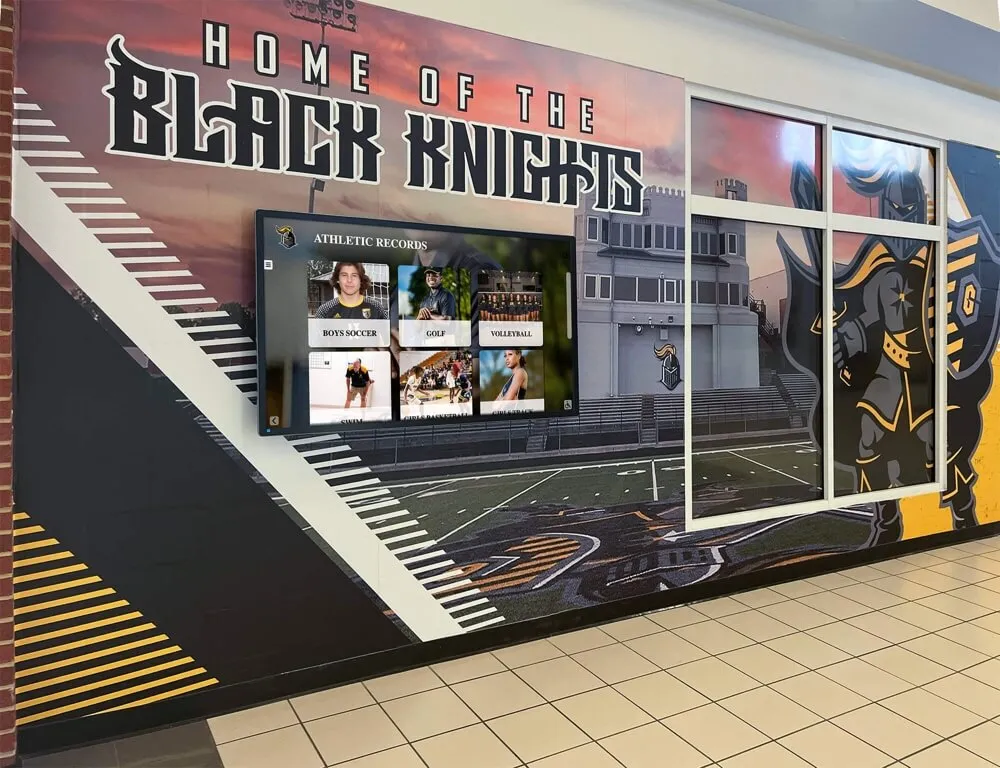
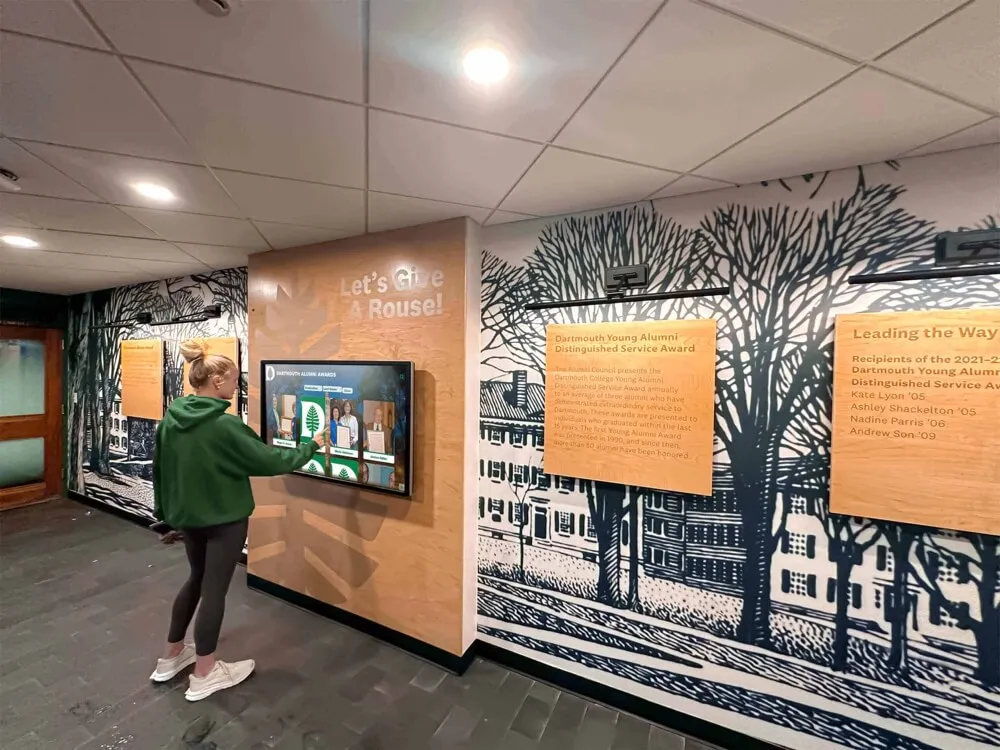
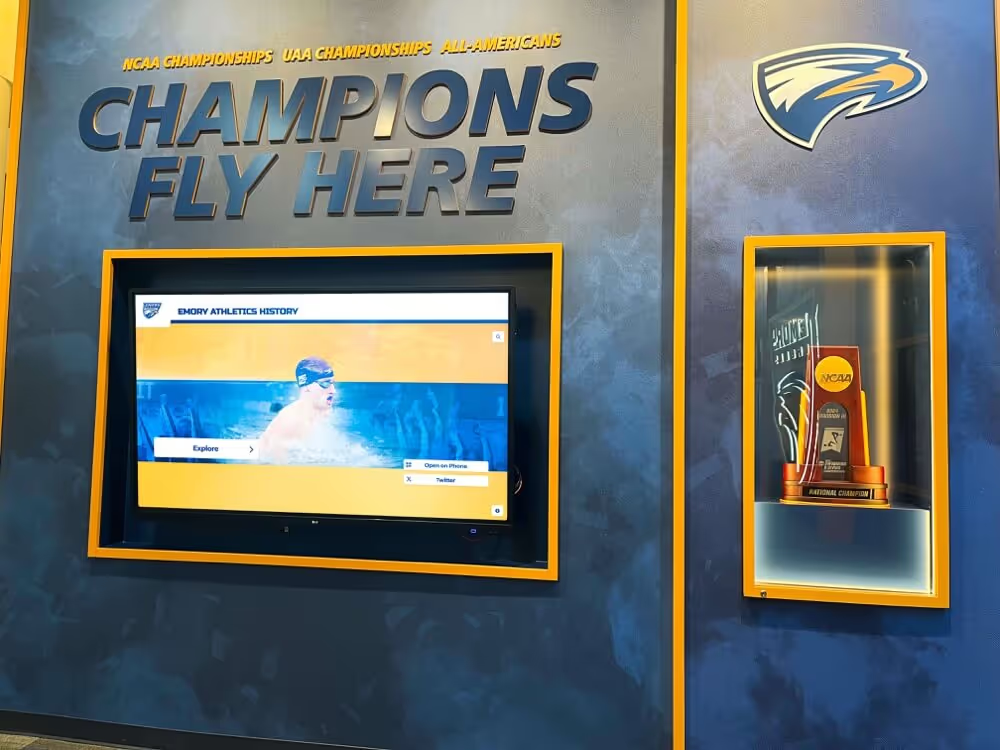
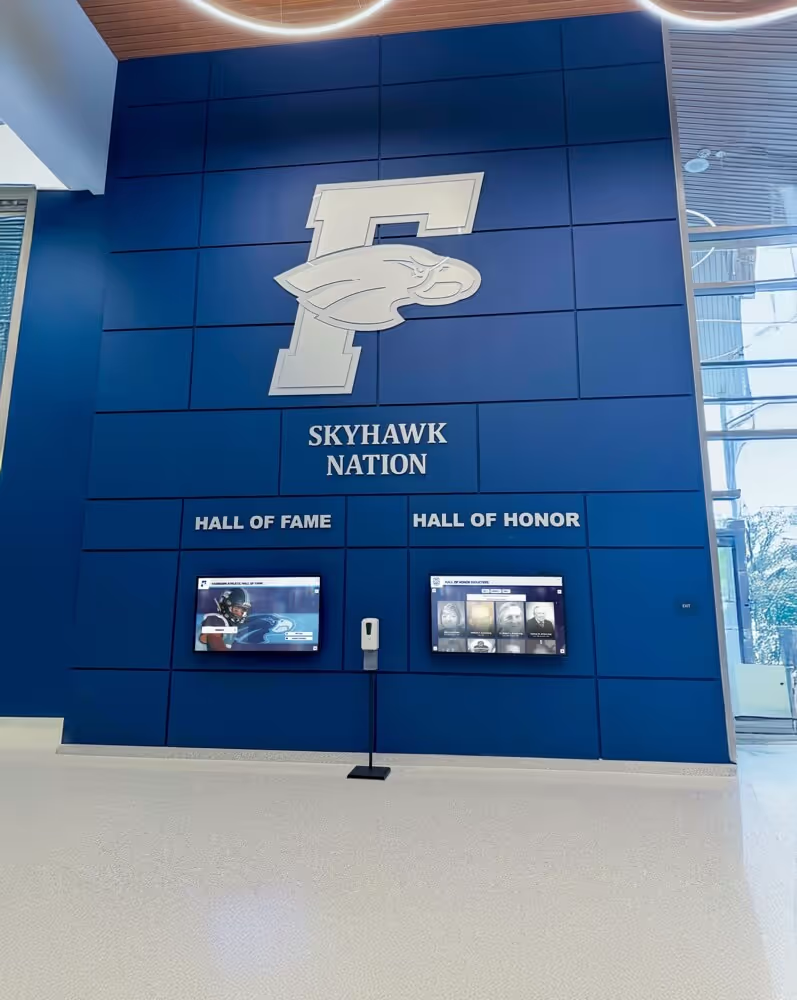
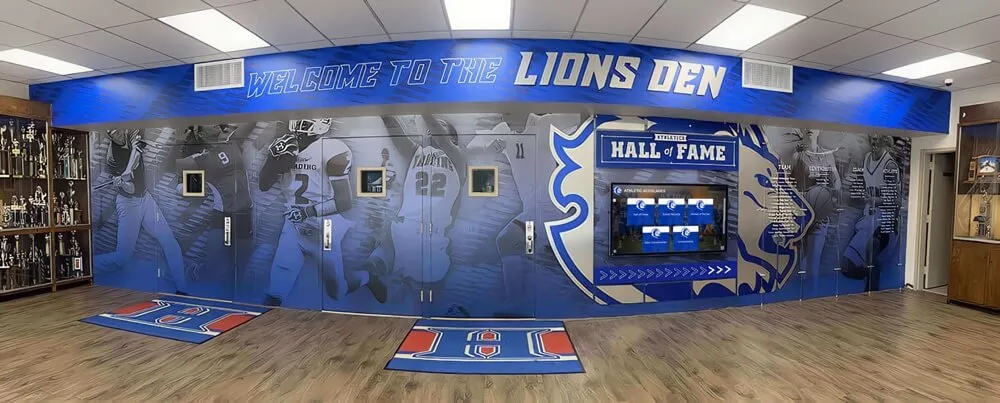
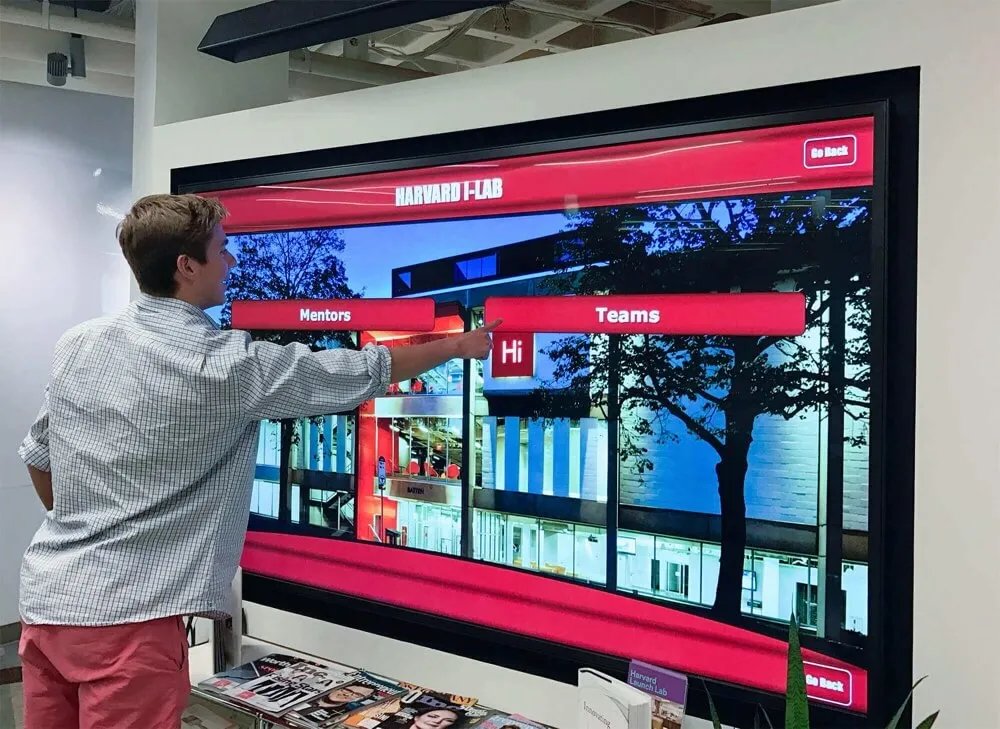
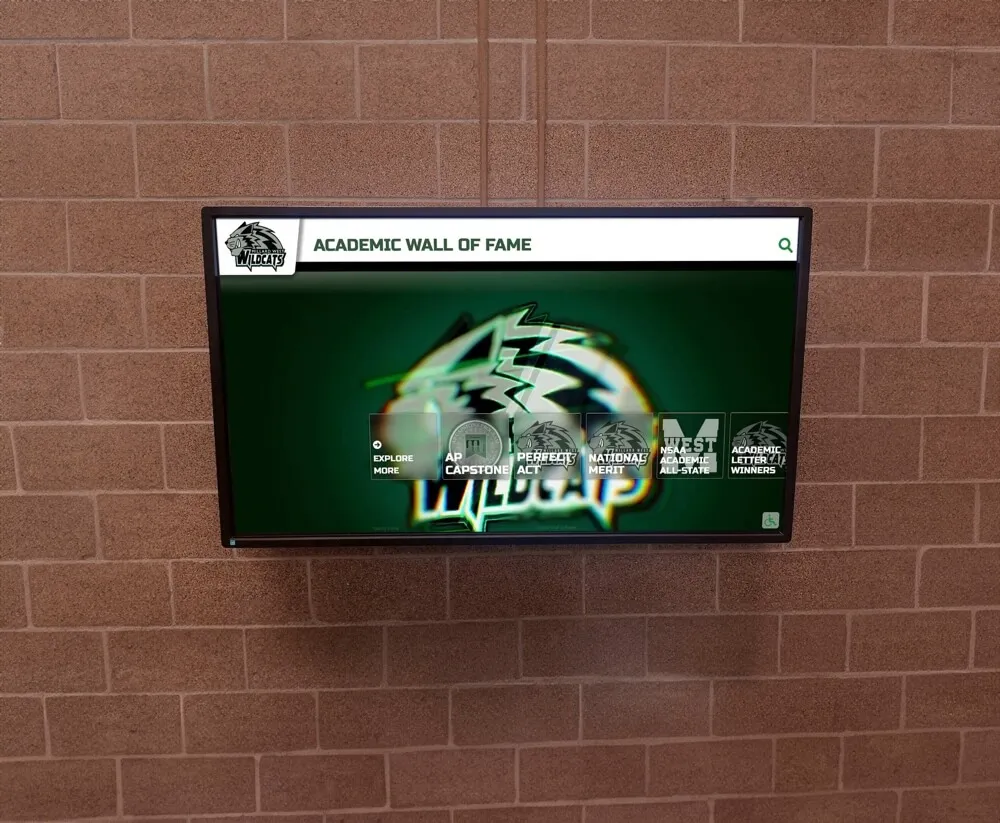
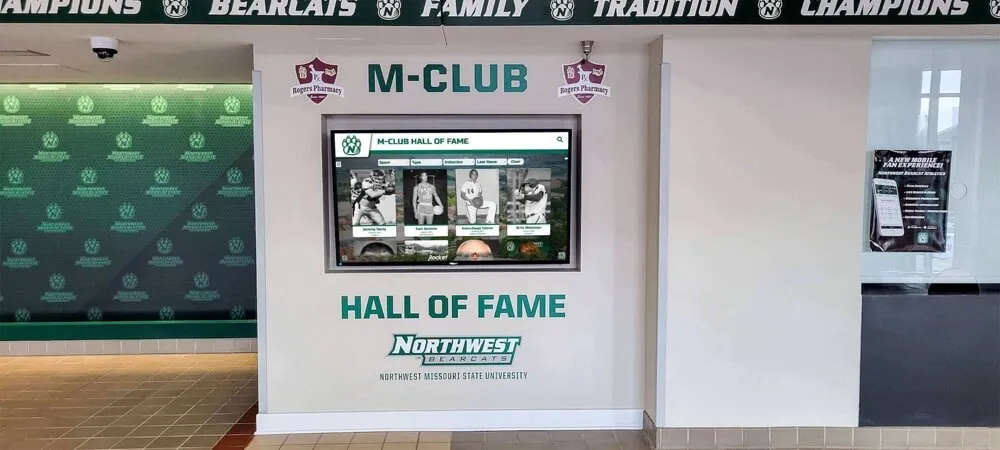
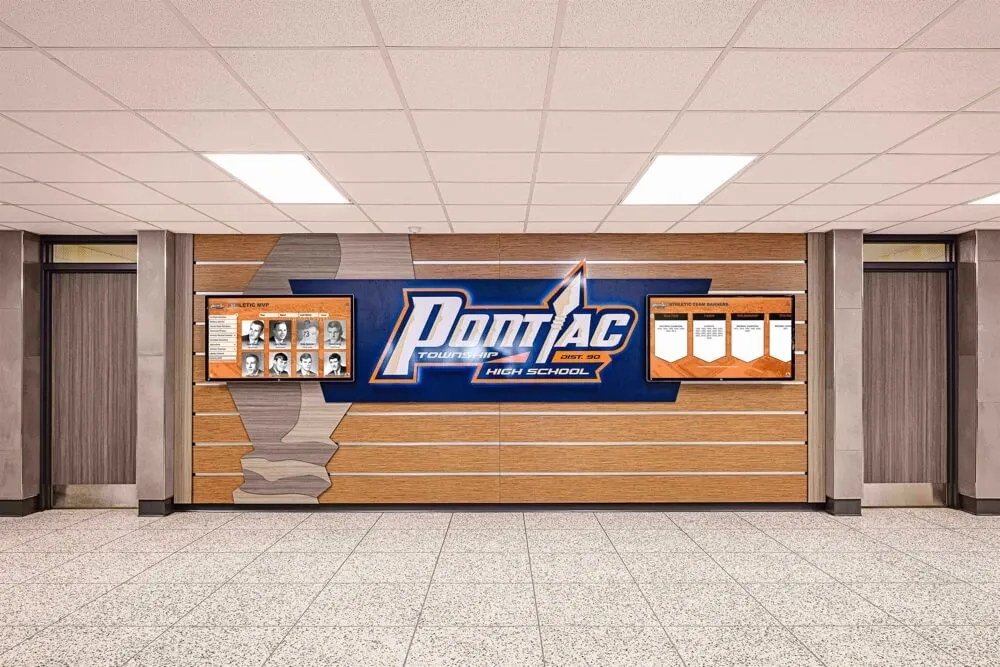
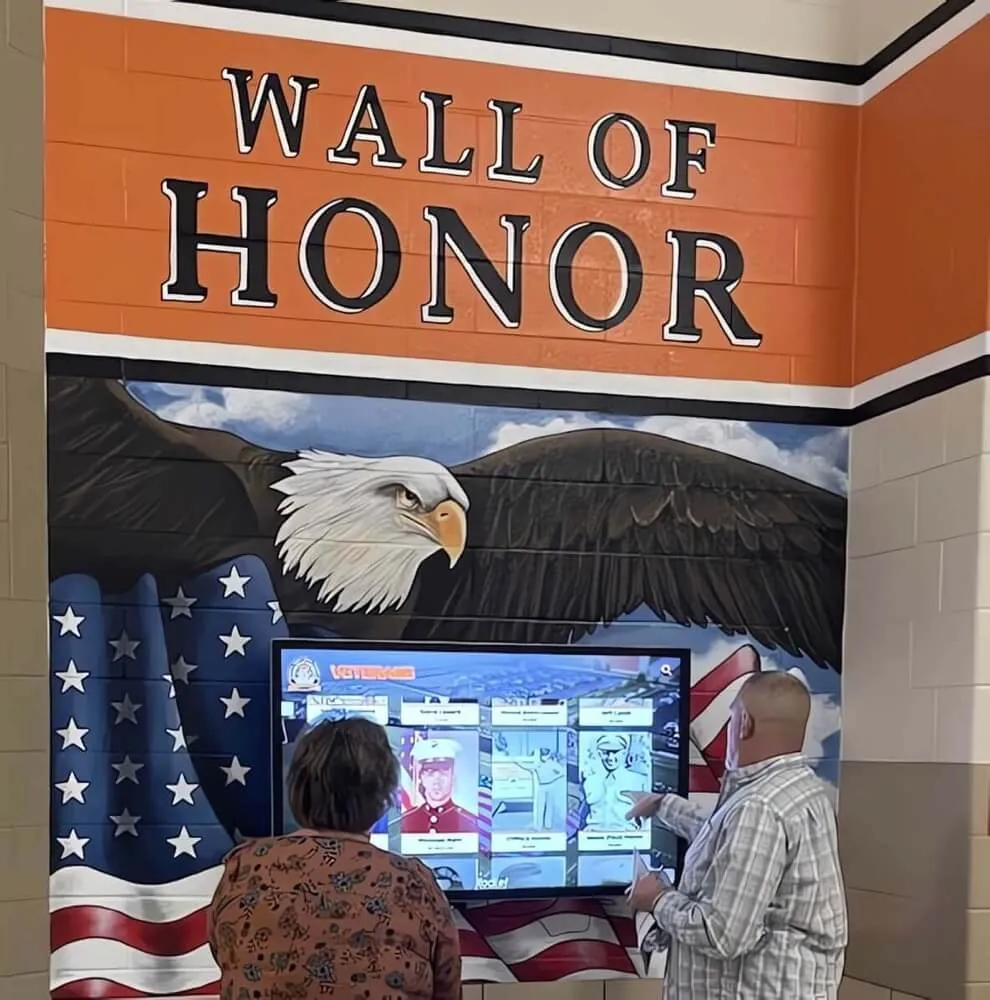
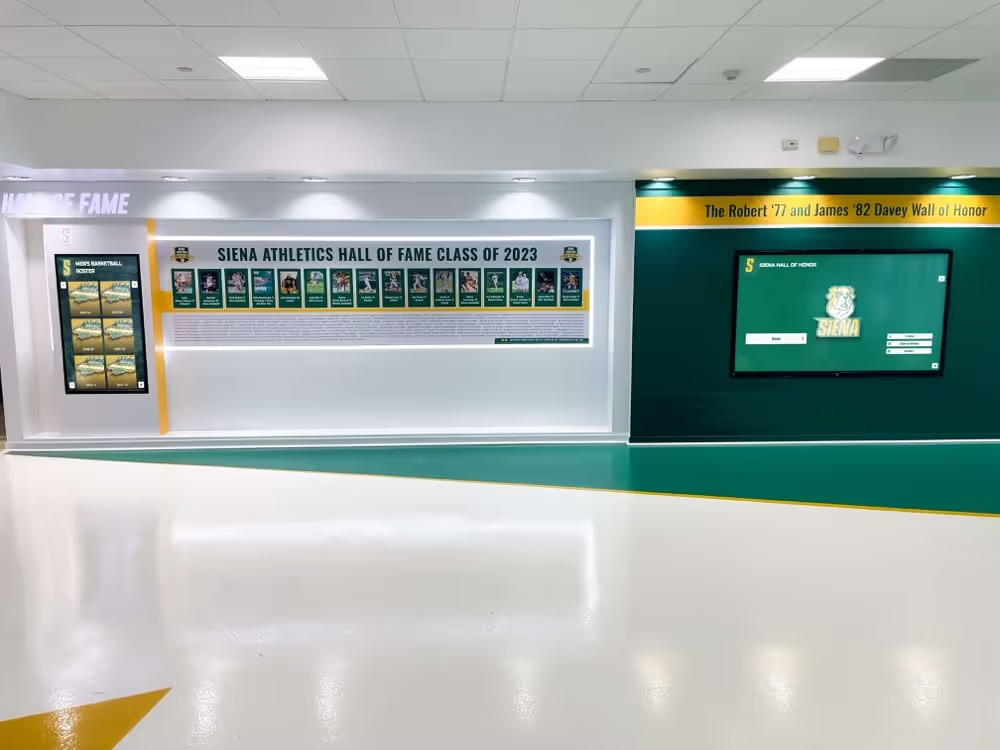
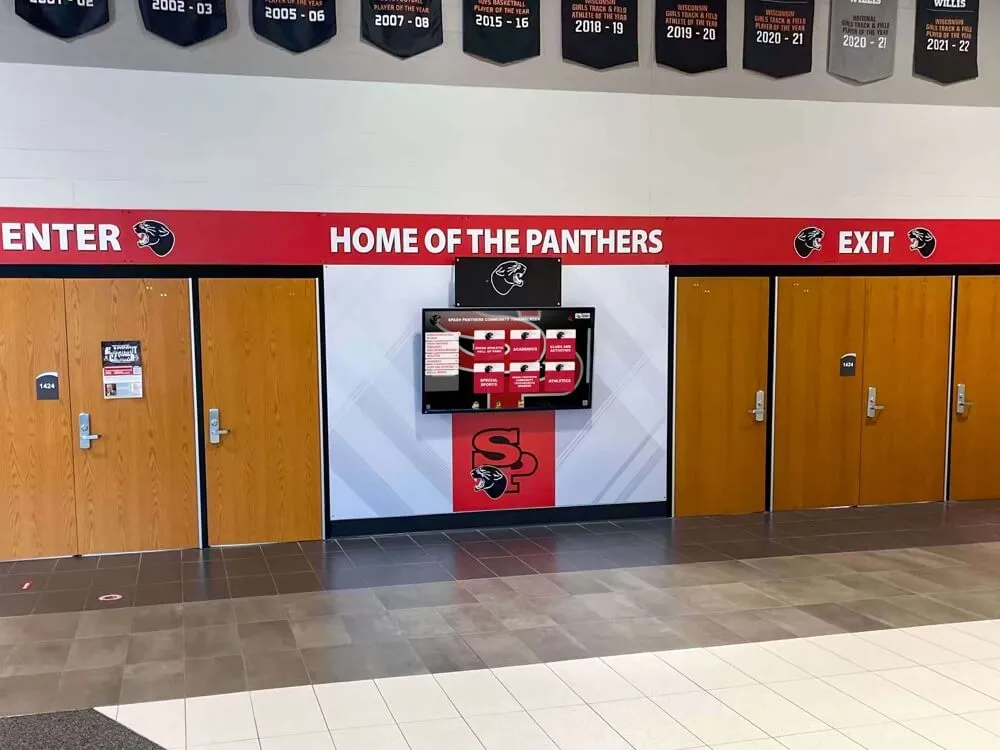
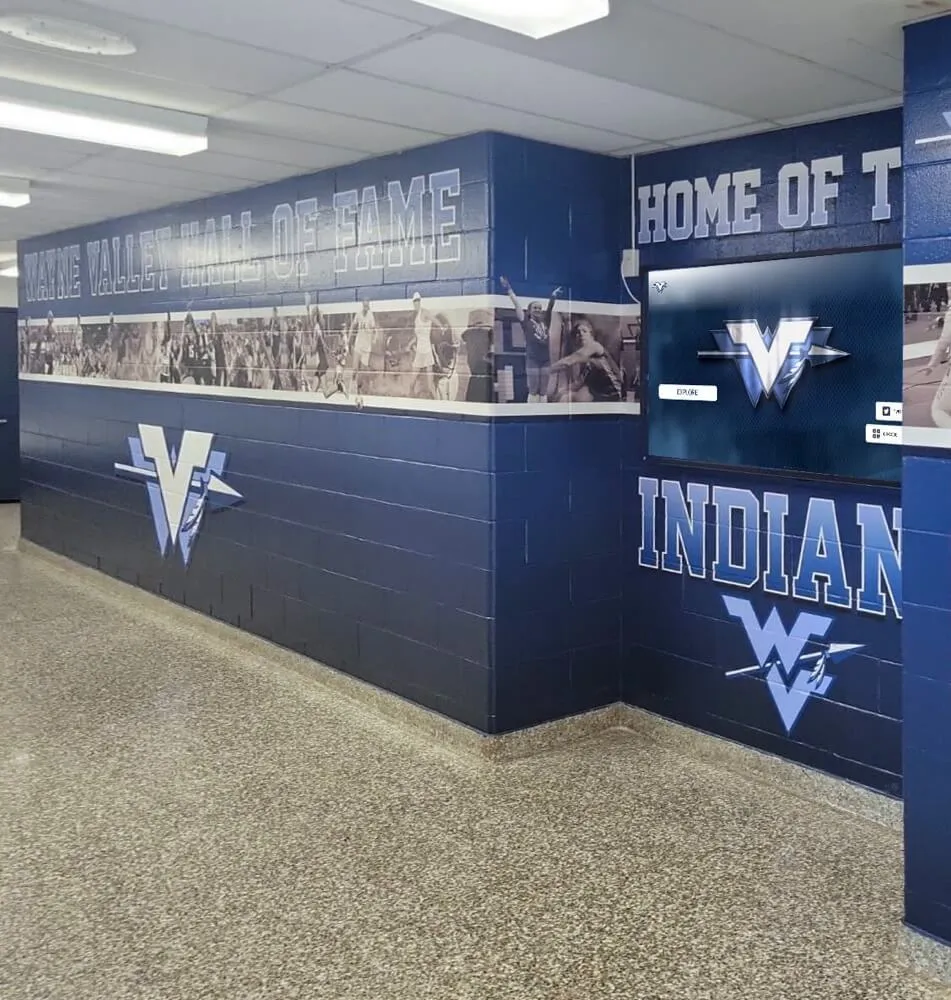
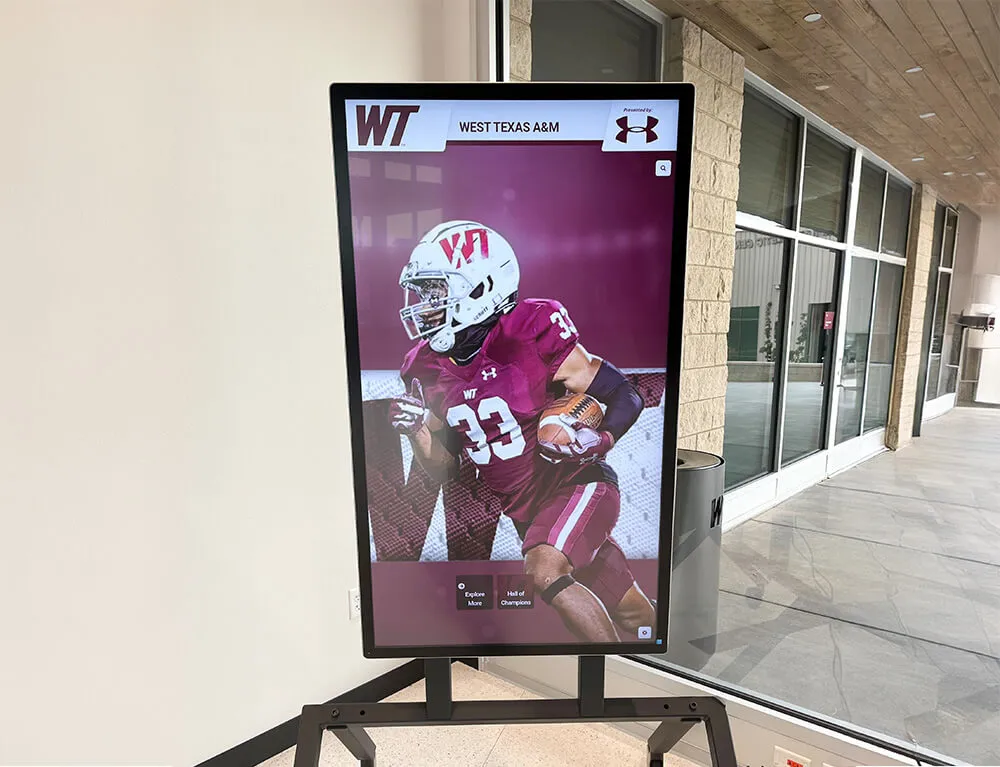
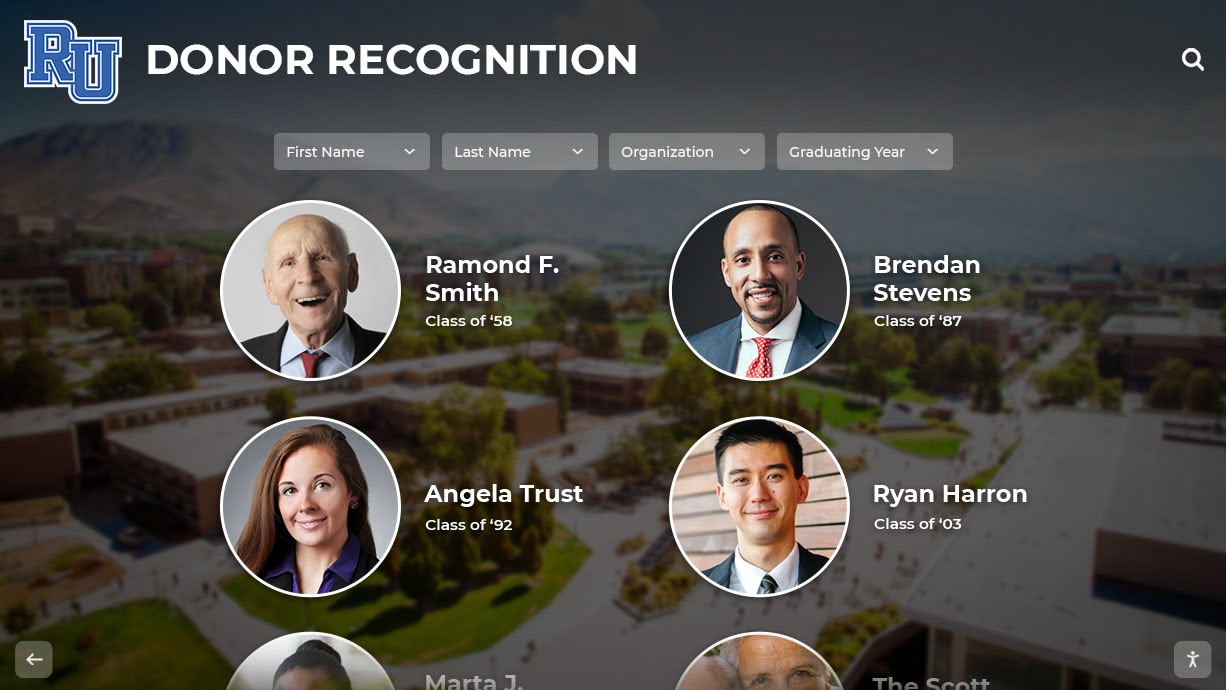
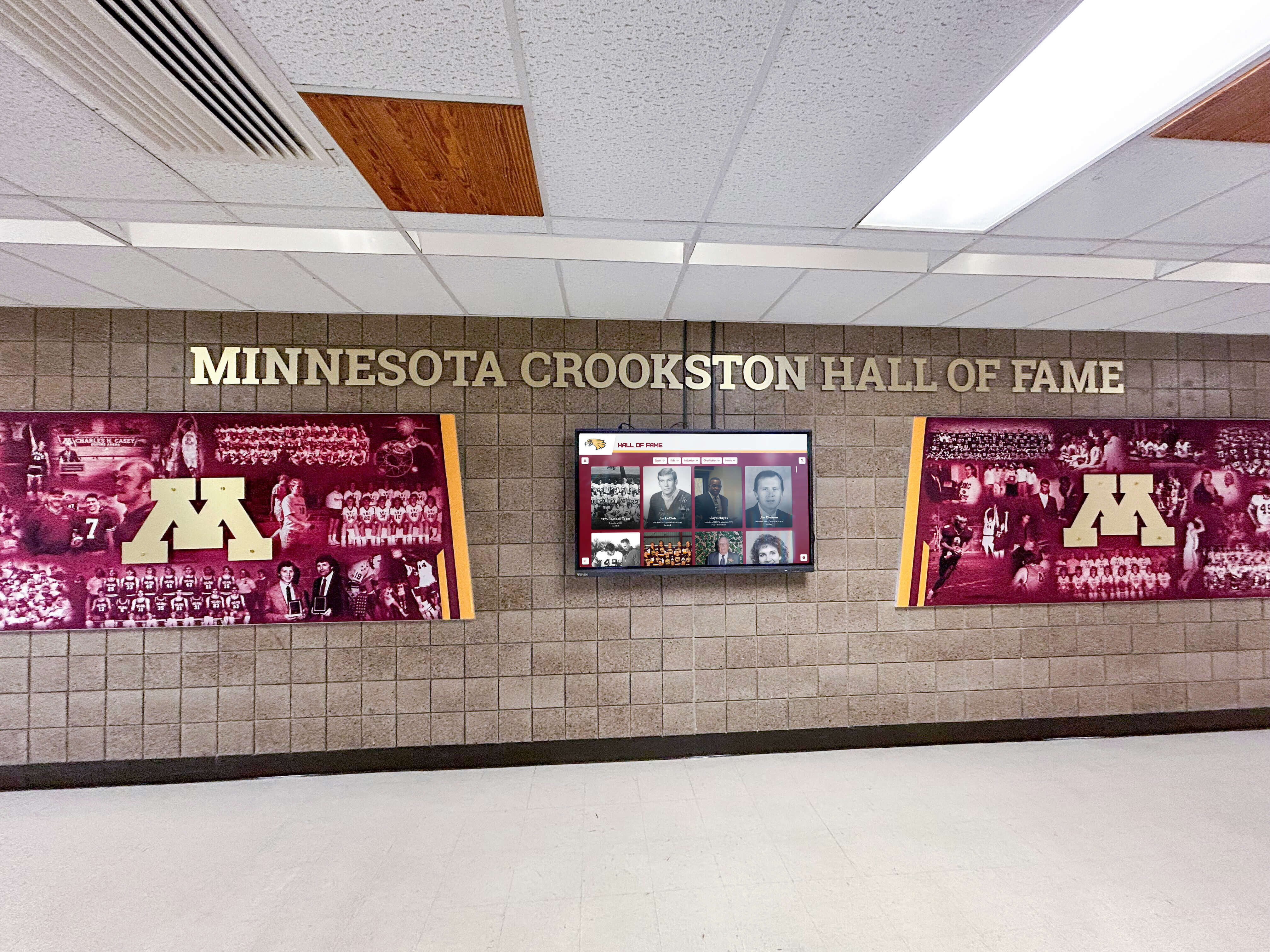
Interactive digital displays enable organizations to share far more comprehensive dedication stories than traditional plaques allow. Instead of limiting recognition to names and dates, digital approaches can include:
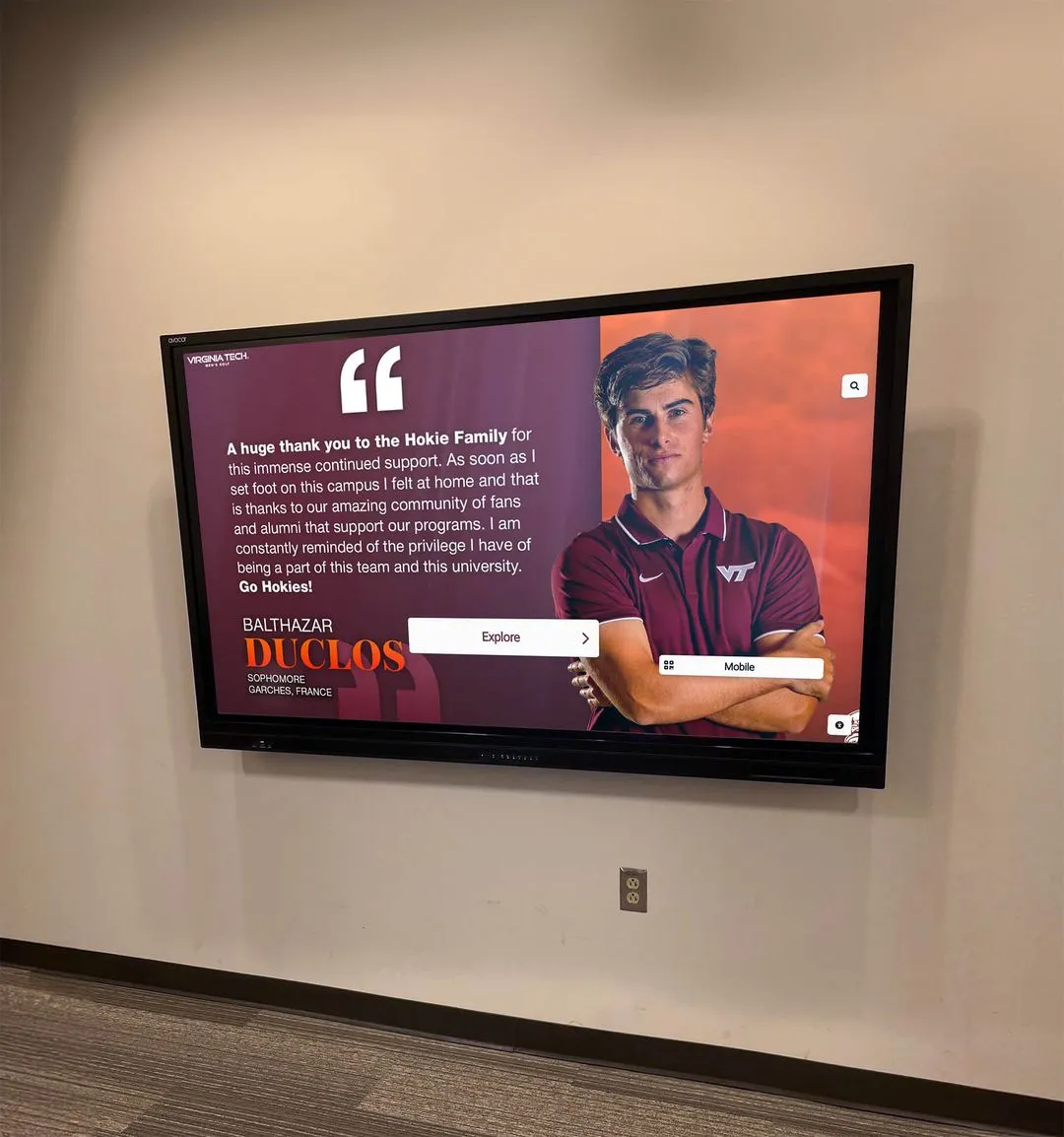
- Donor photographs and biographical information
- Video messages from contributors explaining their motivation
- Historical context about building campaigns and construction
- Searchable directories honoring all contributors regardless of gift level
- Updates and additions without physical replacement
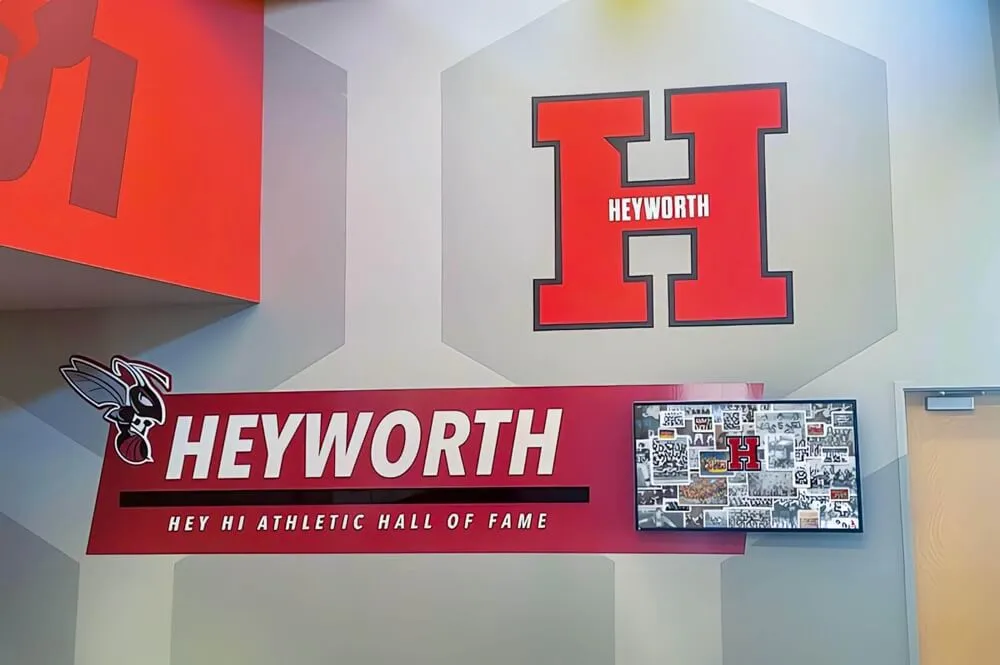
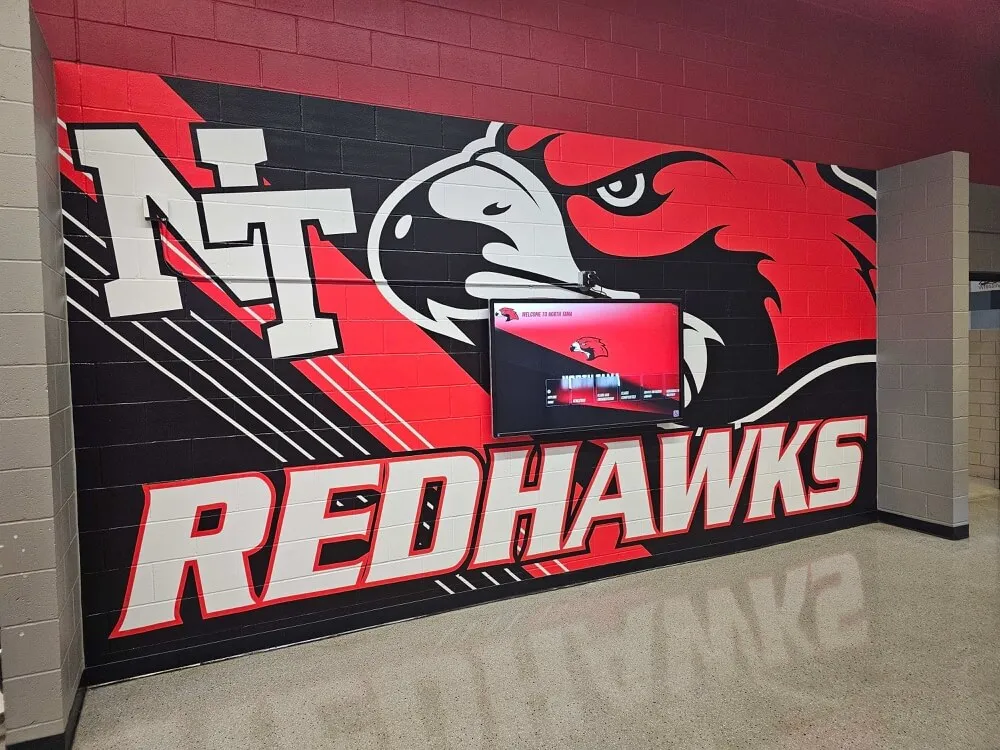
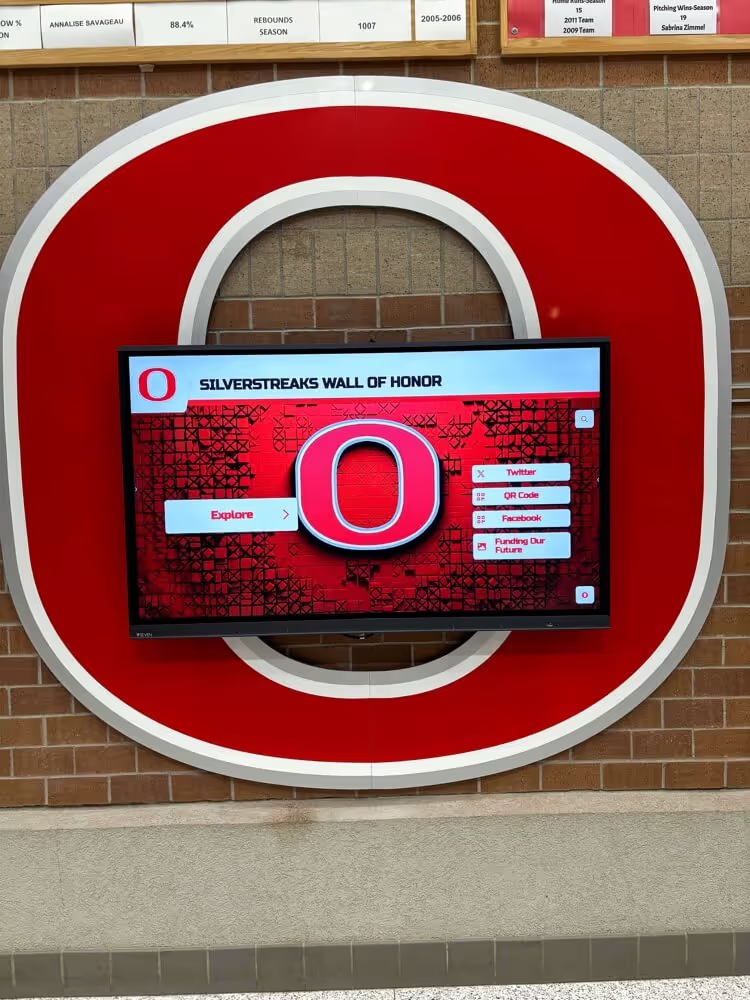
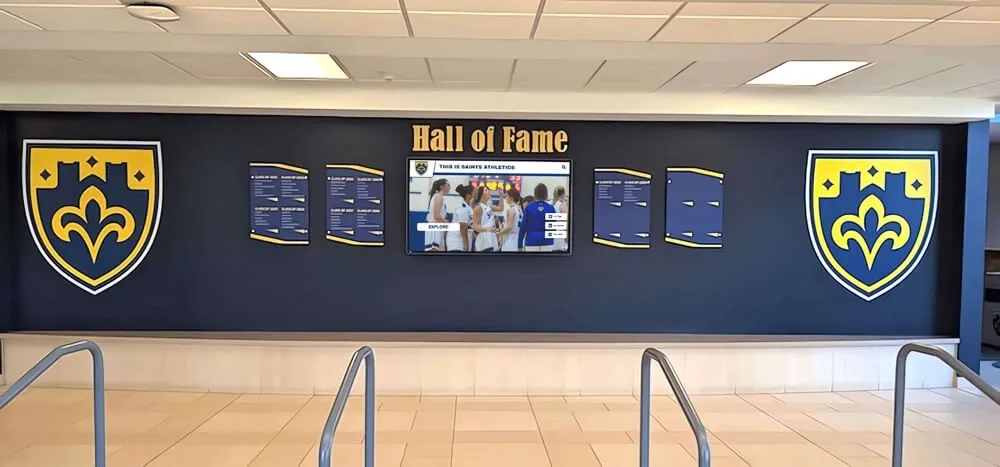
Solutions like Rocket Alumni Solutions provide touchscreen platforms specifically designed for donor recognition and building dedications. These systems allow unlimited entries, regular content updates via cloud-based management, and engaging presentations that traditional plaques cannot match.
Digital dedications particularly benefit organizations with complex donor structures, buildings honoring multiple contributors, or institutions wanting to preserve detailed historical context alongside formal recognition.
Hybrid Approaches
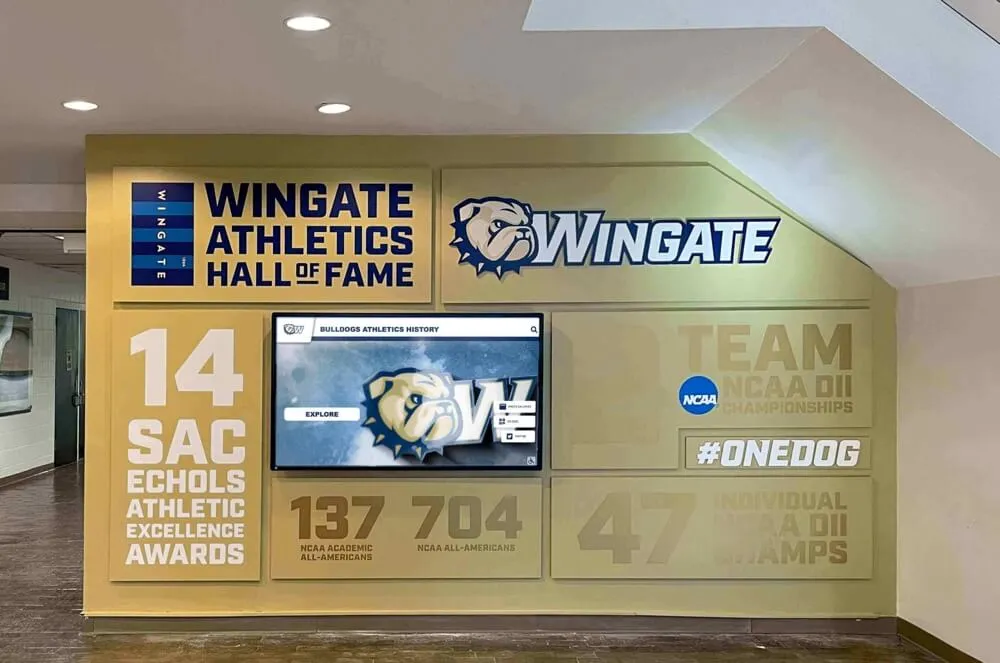
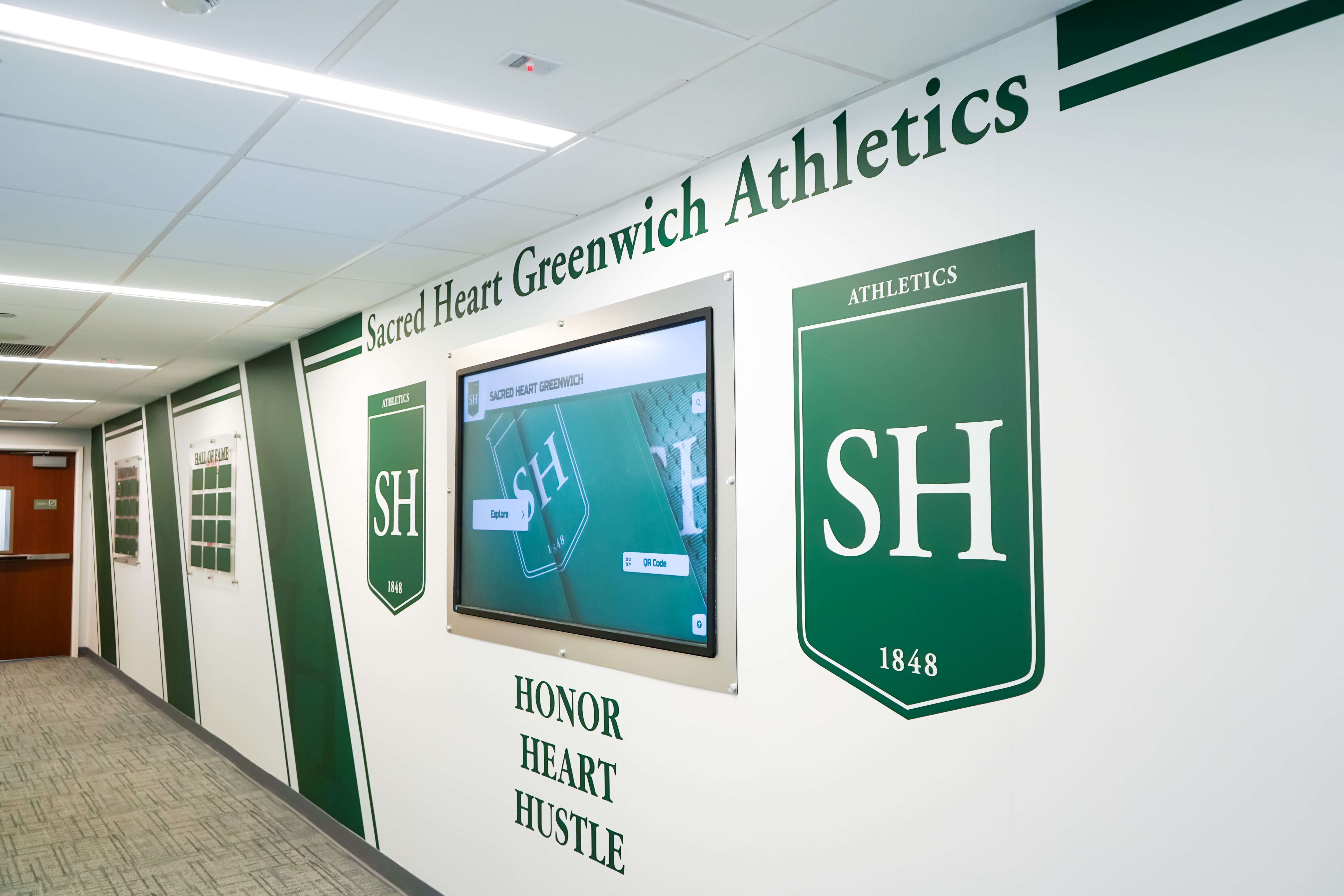
Some organizations blend traditional and digital elements, using classic plaques for primary dedications while incorporating digital displays for expanded storytelling, additional donor recognition, or historical context. This approach honors tradition while embracing modern engagement capabilities.
For example, a bronze plaque might recognize the naming donor with traditional formality, while a nearby interactive display shares the building’s complete campaign story, recognizes all contributors, and provides historical photographs and documentation.
Updating and Maintaining Recognition
Traditional plaques create challenges when donor families request wording changes, errors need correction, or recognition needs expansion. Physical plaques cannot be edited—organizations must order replacements and remount, creating expense and visual inconsistency.
Digital recognition systems eliminate these limitations. Content updates happen remotely through cloud-based content management systems. Organizations can correct errors immediately, add new donors as campaigns continue, and refresh design elements to maintain contemporary appearance.
This flexibility proves particularly valuable for campus buildings that may evolve over time. As facilities are renovated, repurposed, or expanded, digital dedications can reflect these changes while preserving historical recognition.
Special Considerations for Different Building Types
The type of facility being dedicated influences appropriate dedication approaches, materials, and messaging.
Academic Buildings
Classroom buildings, libraries, and research facilities benefit from dedications that emphasize educational mission and learning outcomes. Wording might reference how spaces enable student success, support specific academic programs, or advance institutional research goals.
Consider incorporating discipline-specific imagery or design elements. A science building dedication might include subtle references to discovery and innovation, while a performing arts center could use design elements reflecting creativity and artistic expression.
Athletic Facilities
Gyms, field houses, and stadium dedications often celebrate competitive spirit, team achievement, and community pride. These spaces welcome more dynamic design approaches than formal academic buildings might.
Athletic dedications work well with championship displays and historical recognition that connect the facility to team traditions and achievements. Digital displays can showcase game footage, championship celebrations, and athlete recognition alongside facility dedication.
Student Centers and Commons
Buildings designed for student gathering and campus life benefit from dedications that emphasize community, connection, and student experience. Wording should reflect how the space serves as a hub for campus activity and relationship building.
These facilities often host prospective student tours, making dedications valuable opportunities to communicate donor impact and institutional values to visiting families.
Specialized Facilities
Research centers, medical facilities, religious buildings, and other specialized structures require dedications tailored to their unique purposes. Work with stakeholders to ensure dedication language reflects the facility’s mission while honoring donor intent.
Working with Donors on Dedication Planning
Successful building dedications result from collaborative planning between institutions and donors or their families.
Early Conversations
Begin dedication discussions early in the campaign process. Include preliminary dedication wording in gift agreements to ensure donor expectations align with institutional capabilities. Address questions about:
- Preferred wording and naming conventions
- Material and design preferences
- Placement locations
- Timeline for dedication ceremonies
- Recognition of co-donors or family members
Clear communication prevents misunderstandings that might emerge after construction is complete.
Review and Approval Processes
Establish formal review processes that allow donors to approve dedication wording, design mockups, and placement before fabrication. Build sufficient timeline for multiple review rounds, recognizing that donors may request revisions based on family input or evolving preferences.
For memorial dedications honoring deceased individuals, work with family members to ensure wording honors their loved one appropriately. Offer examples of similar dedications and be prepared to accommodate special requests that reflect family traditions or values.
Dedication Ceremonies
Plan dedication ceremonies that create meaningful experiences for donors, families, and communities. The physical plaque or digital display becomes a focal point during these events, making thoughtful design and placement essential to ceremony success.
Coordinate dedication unveiling with facility ribbon cuttings or grand openings to maximize impact and attendance. Photograph dedications during ceremonies to document the moment and provide donors with lasting memories.
Budget Considerations for Building Dedications
Building dedication costs vary significantly based on materials, size, design complexity, and installation requirements.
Traditional Plaque Costs
Bronze and brass plaques typically range from $800 to $5,000+ depending on size, design complexity, and foundry quality. Standard sizes with straightforward text cost less than large installations with detailed imagery or complex layouts.
Factor in installation costs, which may require specialized mounting systems, wall preparation, or professional installation services. Total project costs often exceed plaque costs alone by 20-50%.
Digital Display Investment
Digital dedication displays involve different cost structures. Initial hardware investment—touchscreen displays, mounting systems, computers—ranges from $3,000 to $15,000 depending on screen size and capabilities. However, these systems provide unlimited recognition capacity rather than single dedications.
Monthly or annual software subscriptions typically range from $50 to $300 depending on features and support levels. This ongoing investment enables regular updates, unlimited content changes, and technical support.
For organizations planning comprehensive recognition programs beyond single building dedications, digital systems often provide superior value by consolidating multiple recognition needs into unified platforms.
Conclusion: Creating Lasting Building Dedications
Building dedication plaques serve essential purposes in institutional life. They honor the generosity that makes facilities possible, preserve history for future generations, and demonstrate organizational values around gratitude and stewardship. Whether you choose traditional bronze plaques, contemporary materials, or modern digital recognition, the most effective dedications share common elements: thoughtful wording that balances formality with warmth, materials appropriate to context and budget, design that ensures readability and visual appeal, and placement that maximizes visibility and impact.
As recognition technology evolves, organizations gain options that traditional approaches couldn’t provide—unlimited space for comprehensive donor recognition, engaging multimedia storytelling, and flexibility to update content as needs change. These capabilities don’t diminish the importance of building dedications; they enhance the ways institutions can honor contributions and preserve institutional memory.
Ready to explore modern building dedication options that combine the dignity of traditional recognition with the flexibility of digital displays? Discover how Rocket Alumni Solutions creates engaging, updatable recognition experiences that honor your donors while telling your institution’s complete story.