



Intent: Demonstrate how the biggest upsets in sports history provide powerful motivation for athletic programs seeking to build championship culture and inspire current student-athletes facing seemingly impossible challenges.
When 1,000-to-1 underdogs Leicester City lifted the Premier League trophy in 2016, or when the U.S. Olympic hockey team defeated the seemingly invincible Soviet Union in 1980’s “Miracle on Ice,” these moments transcended sports statistics to become cultural touchstones celebrating perseverance, teamwork, and the audacity to believe in victory against overwhelming odds.
For athletic directors and coaches, these legendary upset victories offer more than entertaining sports history—they provide concrete proof that dedication, strategy, and mental toughness can overcome superior talent and resources. When schools showcase these inspiring underdog stories alongside their own athletic achievements, they create environments where current student-athletes develop the competitive mindset necessary to challenge stronger opponents and exceed expectations.
This comprehensive guide explores the biggest upsets in sports history across multiple disciplines, examines why these stories resonate so powerfully with athletes and communities, and demonstrates how modern recognition displays help athletic programs leverage these inspirational narratives to build championship culture and motivate teams toward their own improbable victories.
The biggest upsets in sports history share common characteristics that make them particularly valuable for athletic program culture: they demonstrate that mental preparation can overcome physical advantages, they show how teamwork defeats individual talent, and they prove that belief and preparation create opportunities for extraordinary achievement. Schools that effectively showcase these stories alongside local athletic accomplishments create powerful connections between legendary victories and current team challenges.

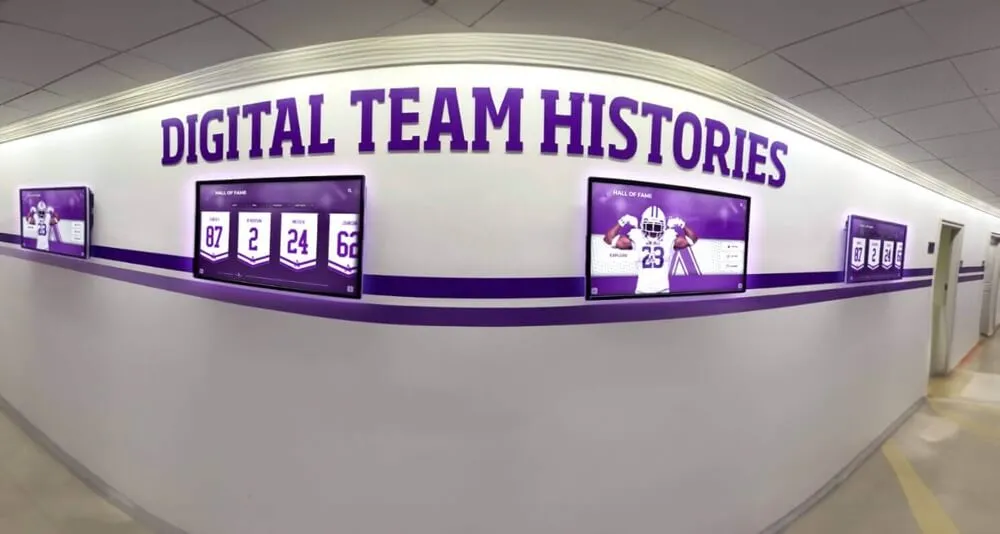
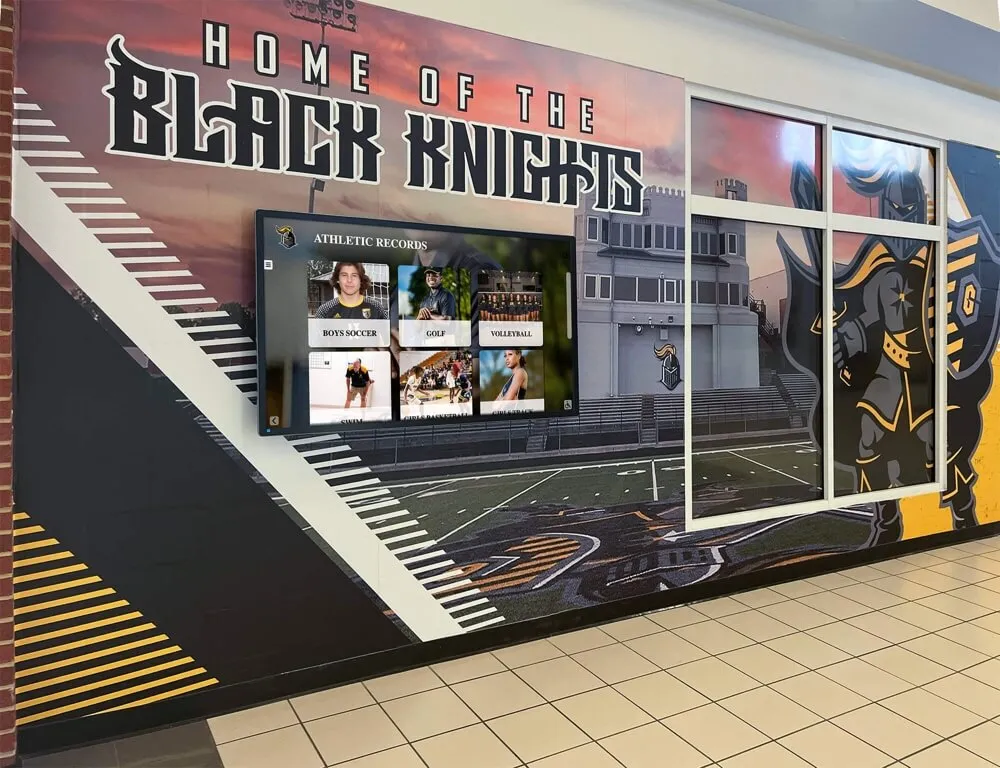
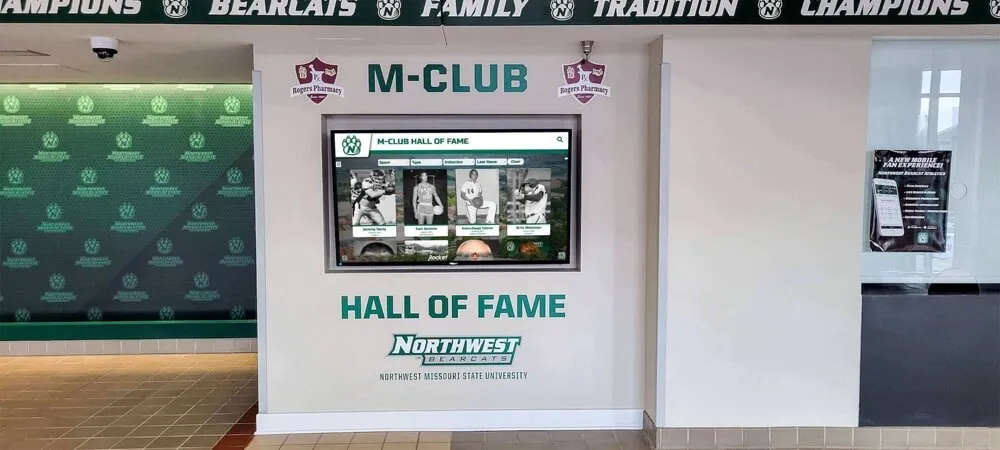
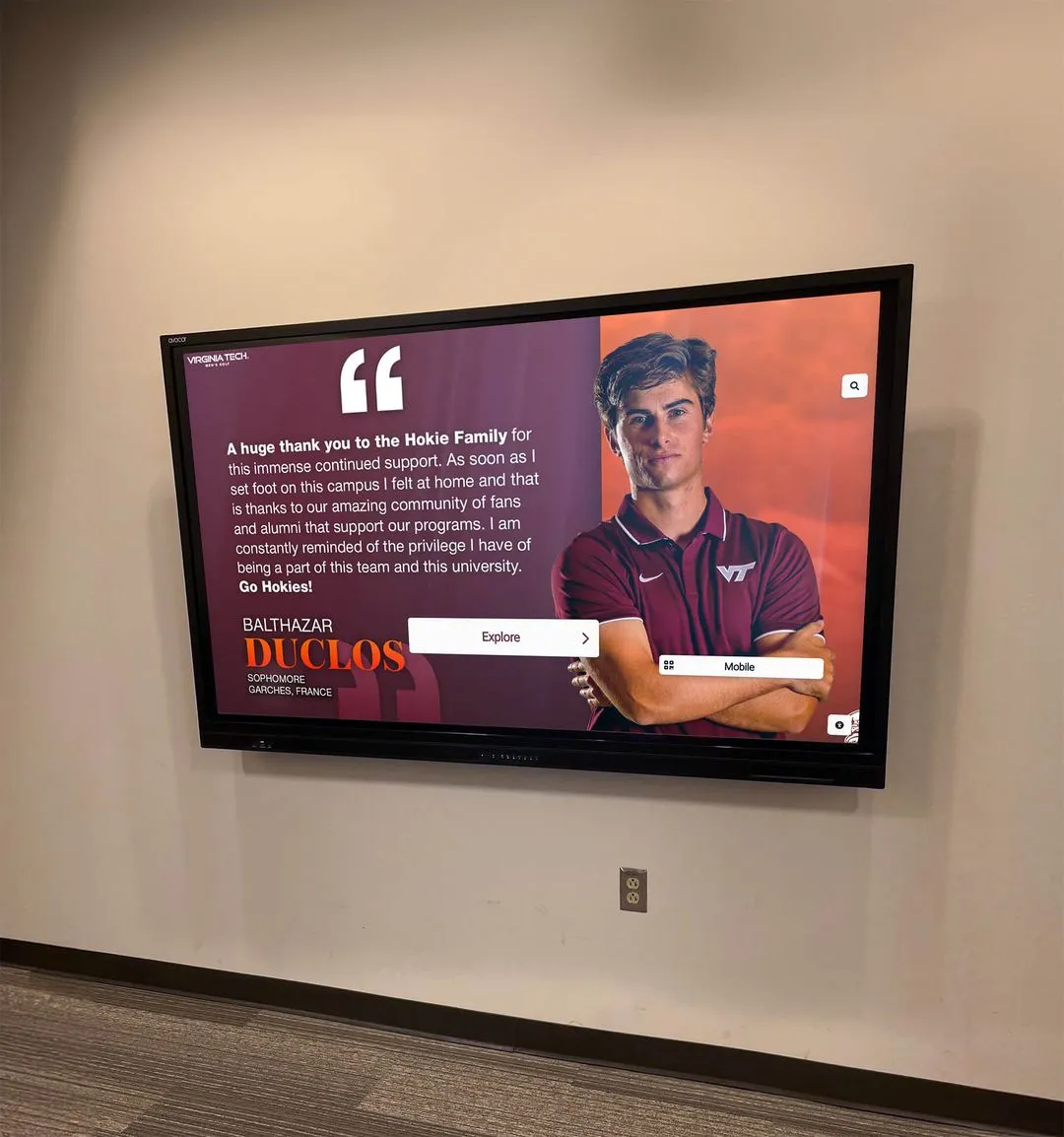
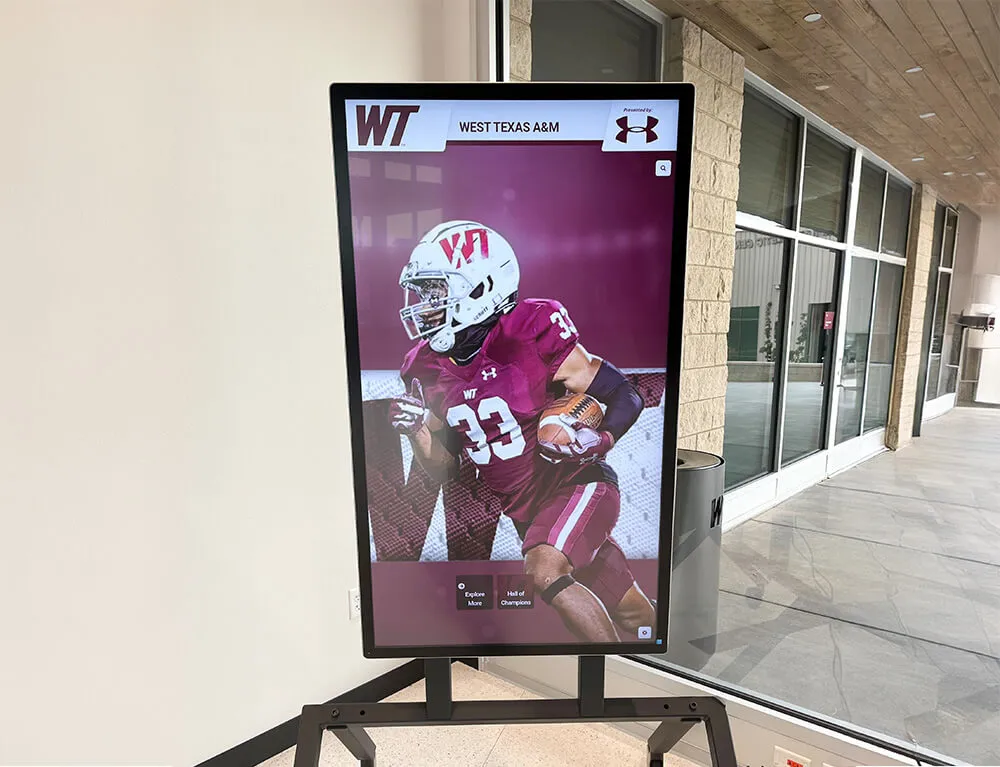
Modern displays bring sports history to life, allowing athletes to explore legendary upset victories and draw inspiration from underdog stories
Why Upset Stories Matter for Athletic Programs
Understanding the psychological and cultural impact of underdog victories helps athletic directors leverage these narratives effectively within their programs.
Building Championship Mindset Through Historical Examples
Upset victories provide concrete evidence that challenges traditional assumptions about athletic competition:
Mental Game Development
- Legendary upsets demonstrate that belief systems directly influence performance outcomes
- Historical examples show how proper preparation neutralizes talent advantages
- Underdog victories reveal the power of team cohesion over individual skill
- Upset stories illustrate how strategic innovation defeats conventional approaches
- Unexpected winners prove that momentum and confidence create real competitive advantages
Athletic programs that regularly reference historical upsets during team meetings and motivational sessions help athletes internalize these lessons. When student-athletes understand that countless teams have defeated “superior” opponents through preparation, unity, and strategic execution, they develop the mental frameworks necessary for their own competitive breakthroughs.
Research from the National Federation of State High School Associations indicates that teams exposed to detailed underdog narratives demonstrate significantly higher resilience during adversity and maintain competitive intensity against favored opponents longer than teams lacking these reference points.
Creating Cultural Identity Around Underdog Values
Many school athletic programs, particularly those without extensive championship histories or abundant resources, connect strongly with underdog narratives:
Program Identity Development
- Smaller schools competing against better-funded opponents identify with upset stories
- Programs building traditions reference historical underdogs as aspirational examples
- Teams facing challenging seasons use upset narratives to maintain competitive belief
- Athletic departments with limited resources showcase how preparation defeats spending
- Communities rally around underdog identity that honors effort over advantages
Schools implementing comprehensive athletic recognition systems often dedicate sections to inspirational sports moments alongside local achievements, creating connections between legendary performances and current program goals.

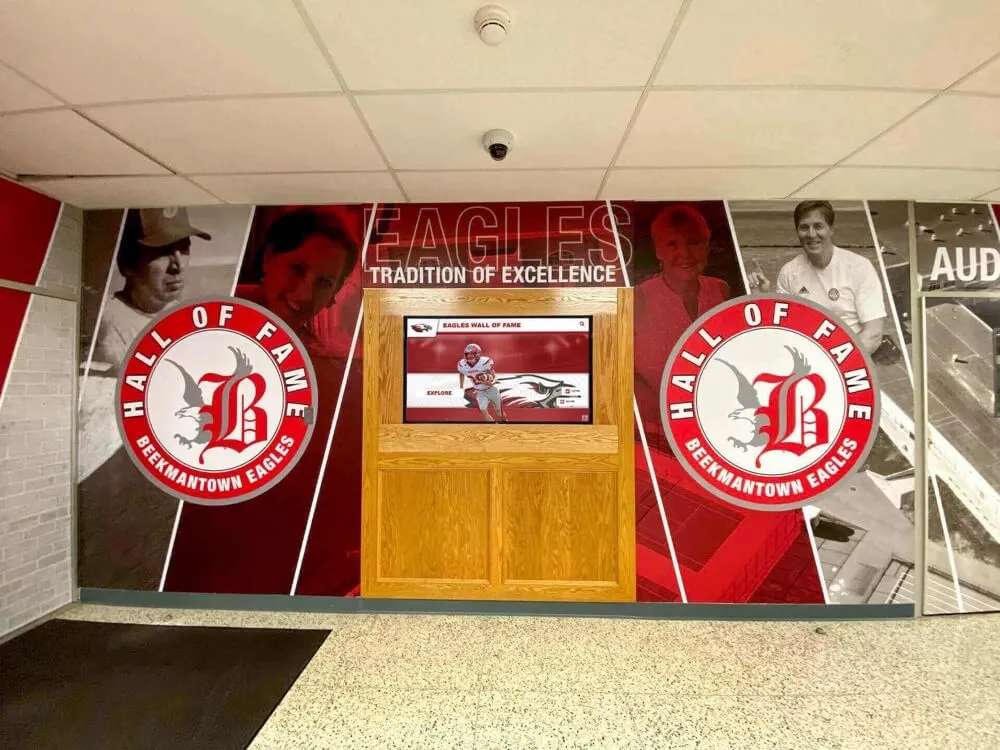
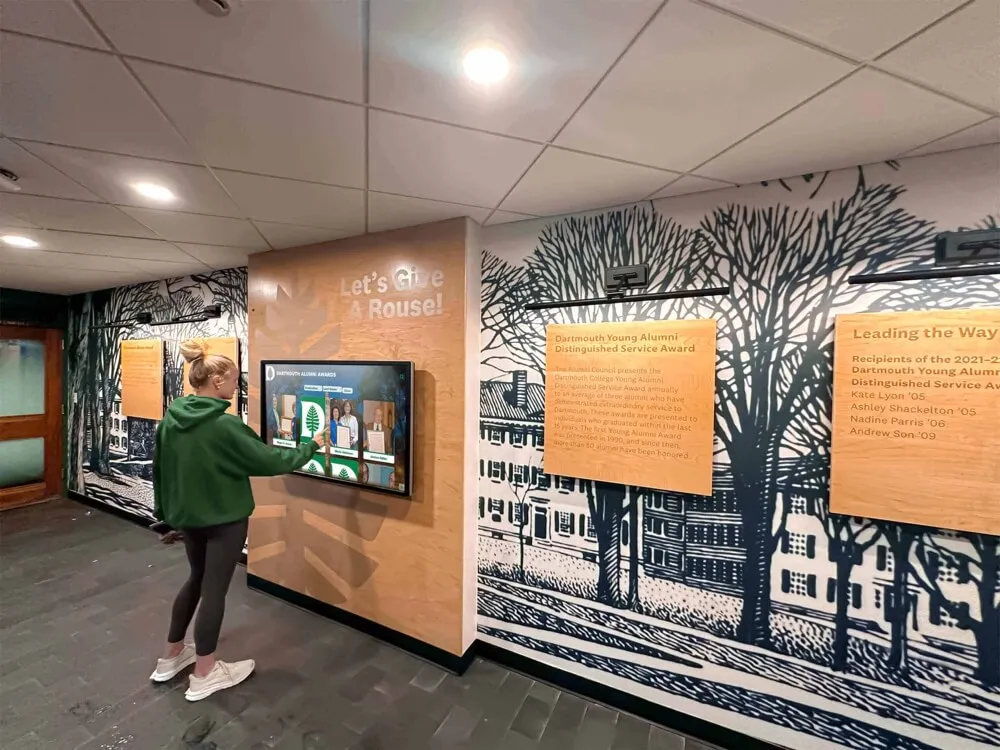
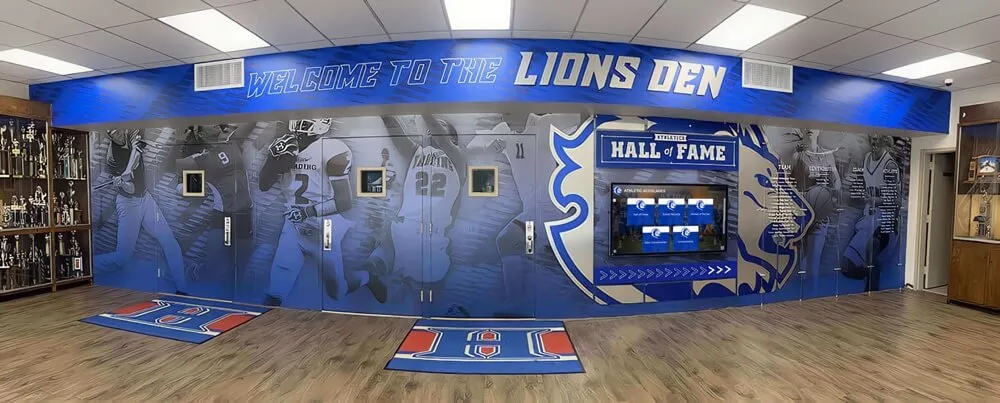
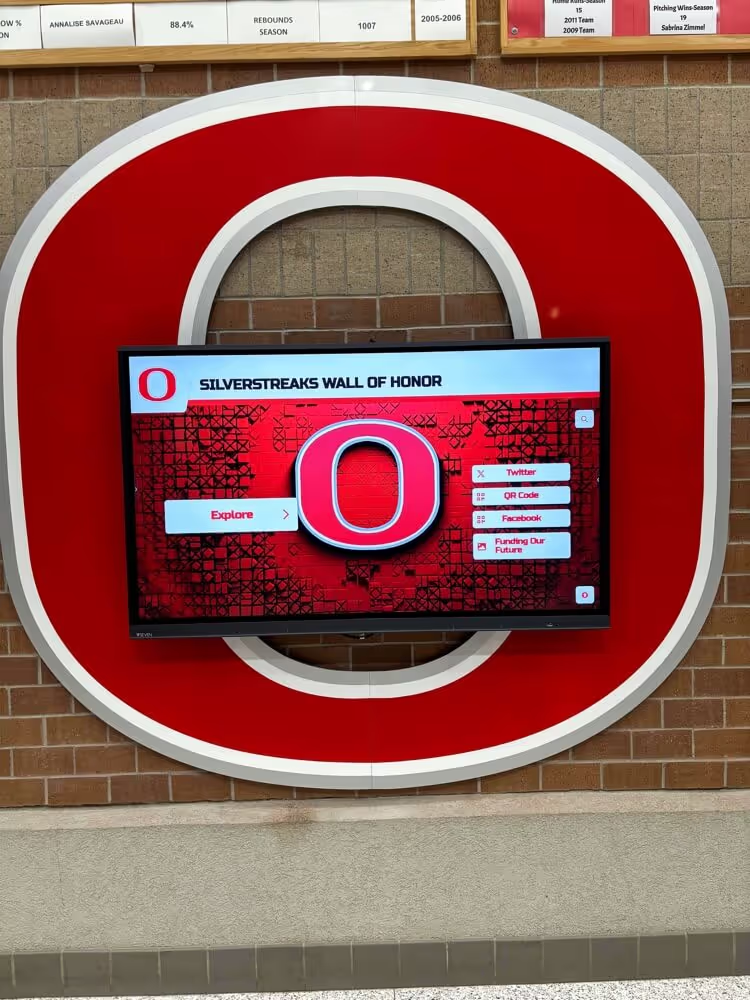
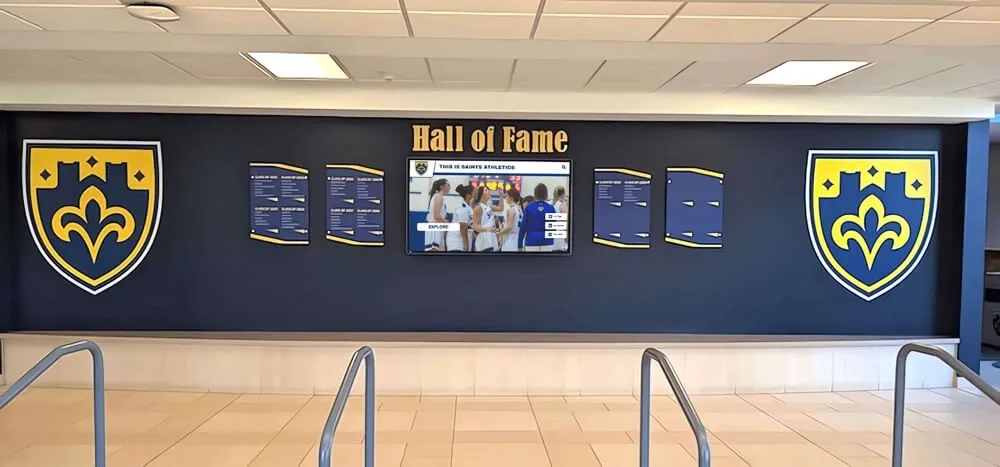
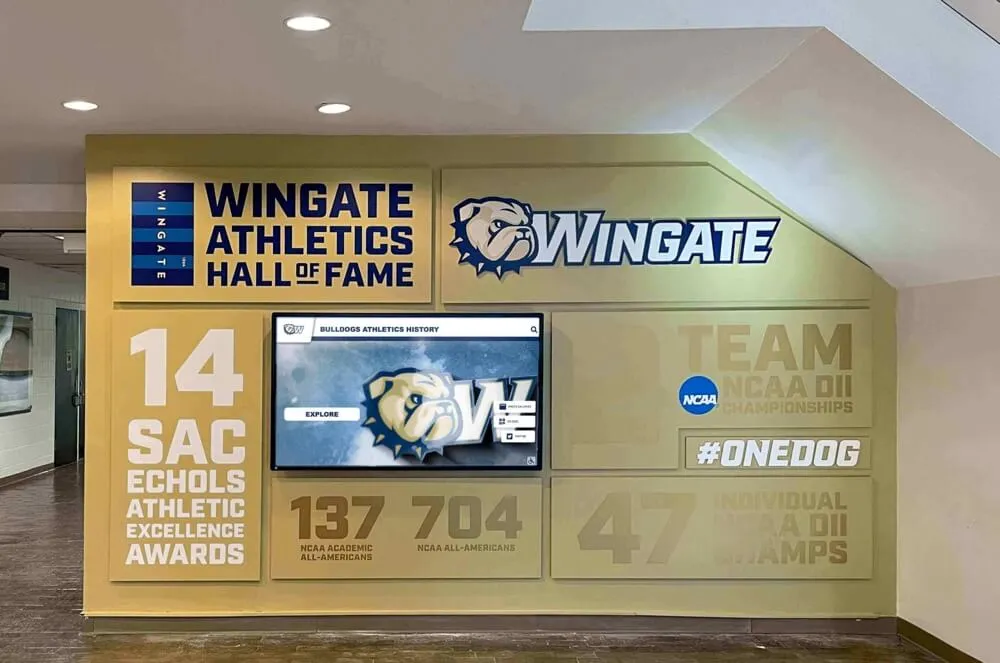
Athletic recognition displays showcase both legendary sports moments and local achievements, connecting student-athletes to broader sports history
Motivating Student-Athletes Through Concrete Examples
Abstract motivational speeches have limited impact compared to specific historical examples demonstrating desired principles:
Evidence-Based Motivation
- Specific upset stories provide concrete reference points for abstract concepts
- Historical details reveal the preparation and sacrifices behind unlikely victories
- Statistical underdog victories prove that probability doesn’t determine outcomes
- Documentary footage makes legendary moments tangible for current athletes
- Post-victory interviews reveal mindsets and preparation strategies
Athletic programs discussing fall sports strategies often reference relevant upset victories from specific sports, helping teams understand how previous underdogs approached similar competitive challenges.
Legendary Upsets in Team Sports
Team sport upsets demonstrate how collective effort, strategic execution, and unified belief systems overcome individual talent disparities.
Football’s Greatest Underdog Victories
Football history provides countless examples of preparation and execution defeating superior talent:
Super Bowl III: New York Jets Defeat Baltimore Colts (1969) The Baltimore Colts entered as 18-point favorites, considered one of the greatest teams ever assembled. Jets quarterback Joe Namath’s famous guarantee of victory seemed like hubris against overwhelming odds. Yet thorough game planning that exploited Colts’ defensive tendencies, combined with disciplined execution, delivered the upset that legitimized the AFL-NFL merger.
Lessons for Athletic Programs:
- Confidence backed by preparation creates competitive advantages
- Detailed opponent analysis reveals exploitable weaknesses regardless of talent gaps
- Team belief systems directly influence performance outcomes
- Bold goals stated publicly create accountability that drives preparation
Appalachian State Defeats Michigan (2007) When FCS program Appalachian State traveled to face fifth-ranked Michigan at the Big House, the outcome seemed predetermined. Yet superior conditioning, innovative blocking schemes, and absolute belief in their game plan produced a stunning victory that remains college football’s most shocking upset.
Program Development Principles:
- Smaller programs can compete through innovation and preparation intensity
- Physical conditioning creates late-game advantages when opponents expect dominance
- Strategic creativity compensates for talent disparities
- Confidence built through rigorous preparation enables peak performance under pressure
Basketball Upsets That Defined March Madness
Basketball’s tournament format creates ideal conditions for underdog victories that captivate sports fans:
UMBC Defeats Virginia (2018) No 16-seed had ever defeated a 1-seed in NCAA Tournament history across 135 attempts. When UMBC faced Virginia—the nation’s top overall seed—expectations of a first-round blowout seemed reasonable. Instead, UMBC’s aggressive defense, confident three-point shooting, and complete belief in their game plan produced a 20-point victory that rewrote basketball history.
Strategic Lessons:
- Historical patterns don’t determine individual outcomes
- Aggressive approaches that pressure favored opponents create uncertainty
- Belief systems enable execution under enormous pressure
- Perfect preparation allows teams to seize unexpected opportunities
Athletic programs showcasing basketball recognition and tournament achievements often highlight legendary upset victories alongside local tournament successes, connecting current players to basketball’s rich underdog tradition.
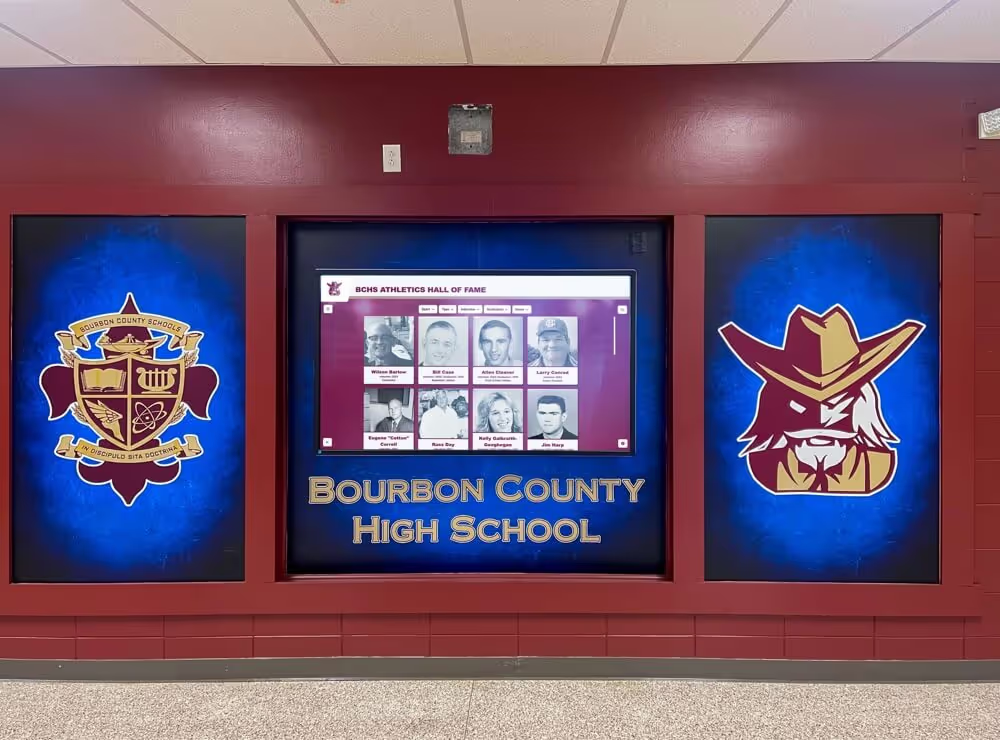
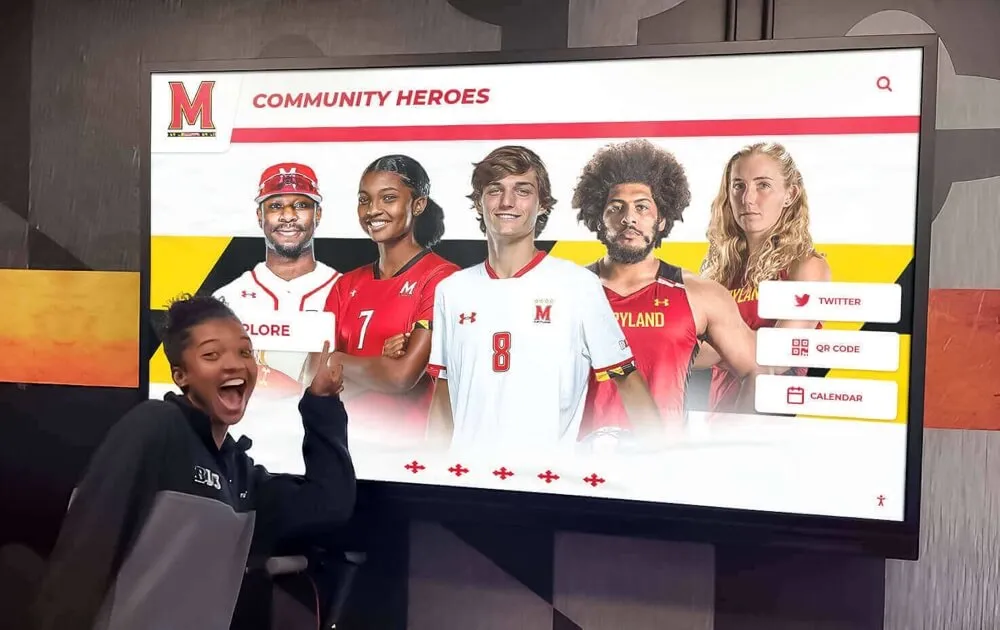
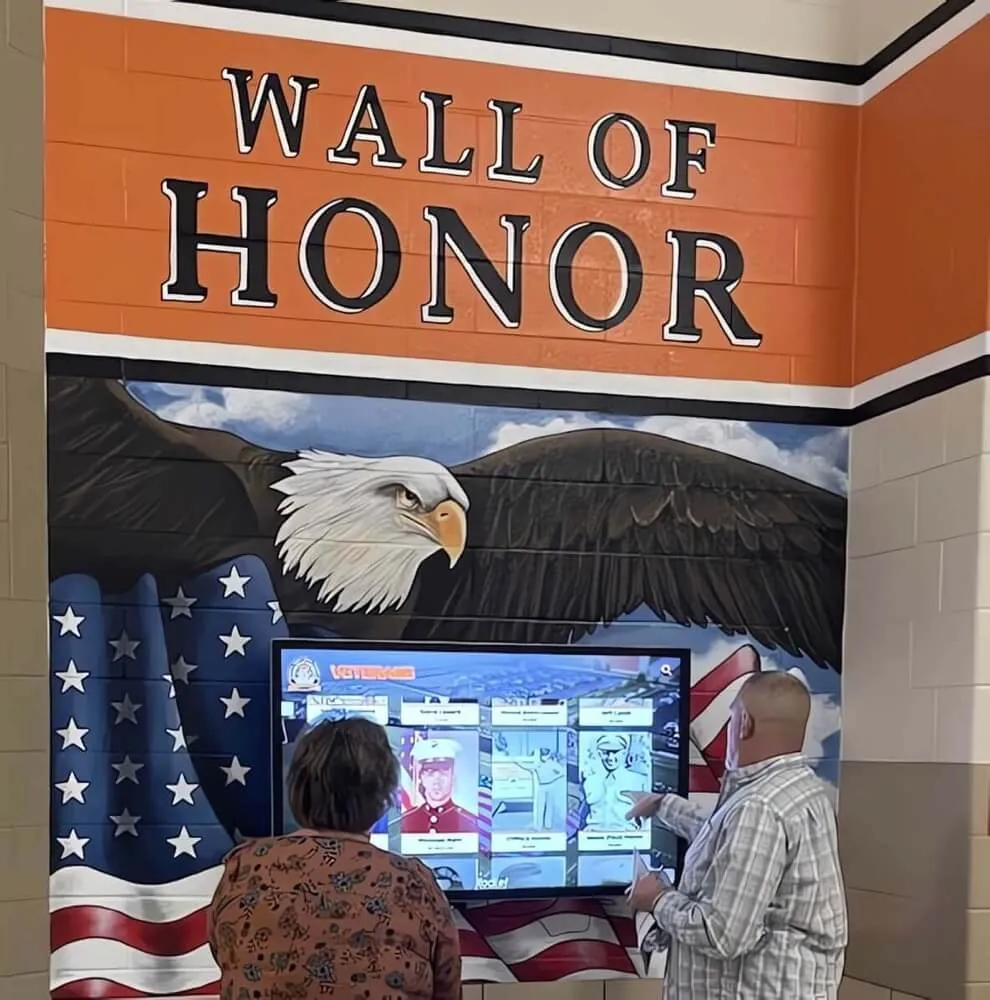
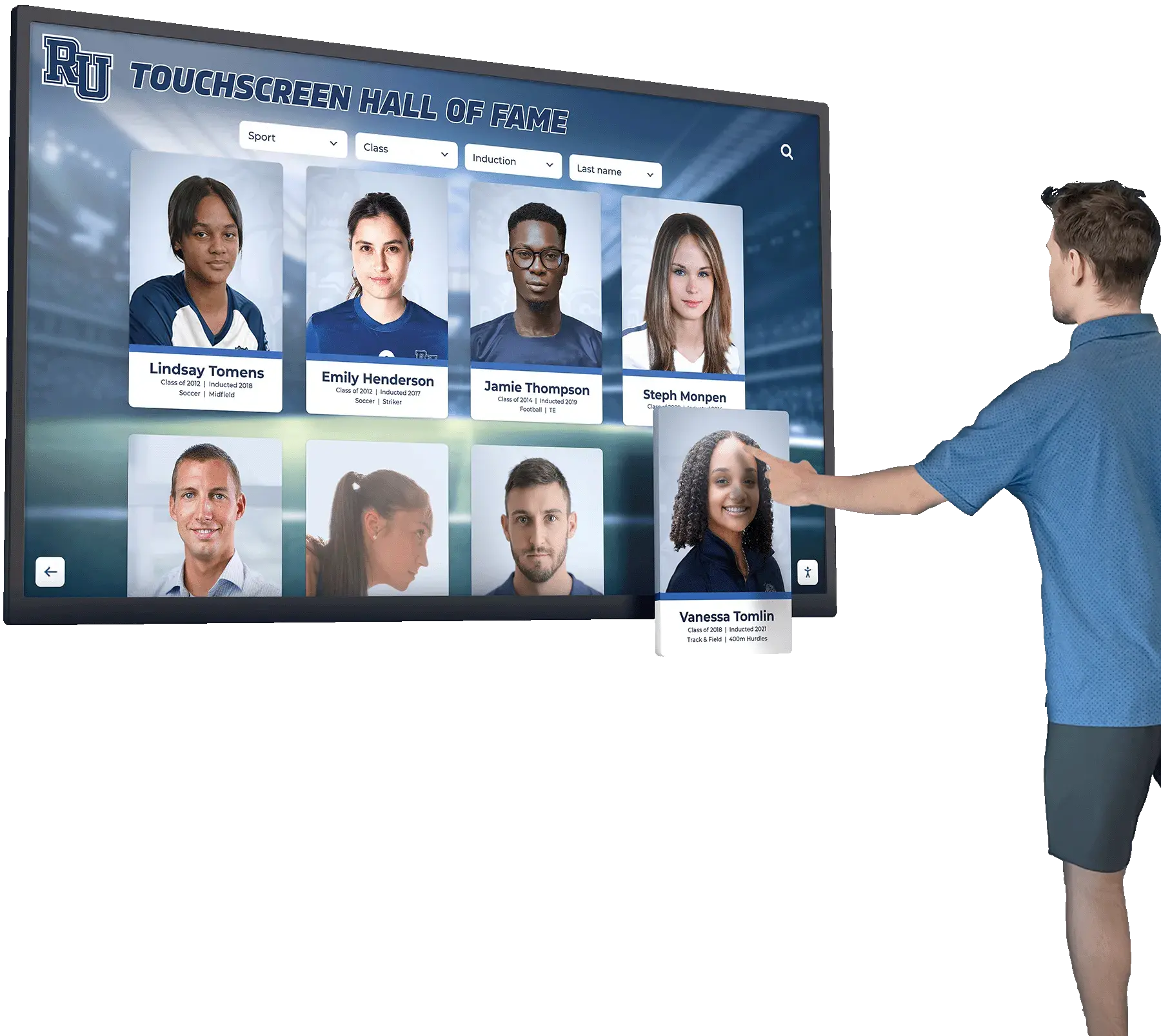
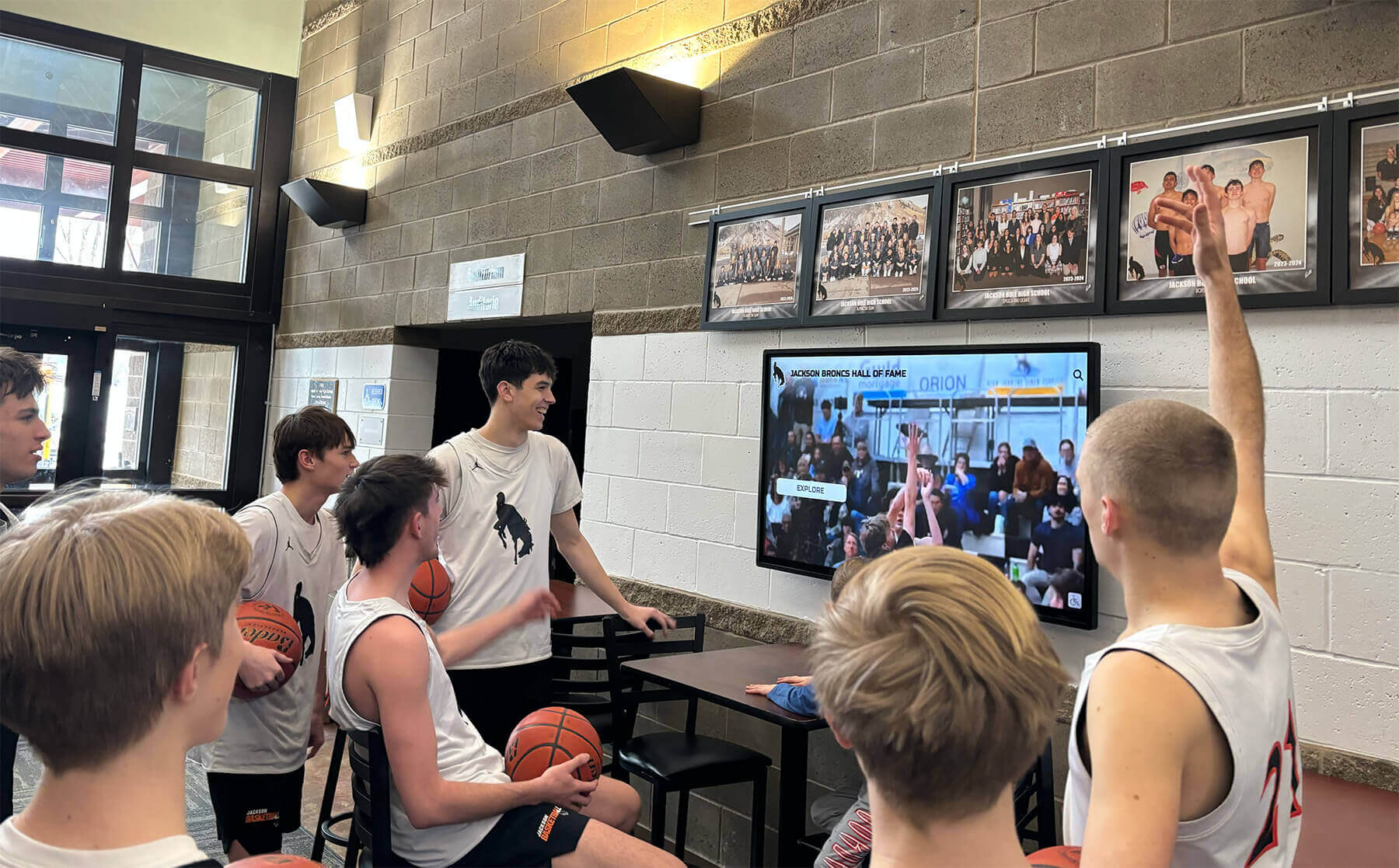
Interactive displays allow athletes to explore detailed upset stories, understanding the preparation and mindsets behind legendary underdog victories
NC State’s Championship Run (1983) Jim Valvano’s NC State Wolfpack entered the NCAA Tournament with a 17-10 record, requiring multiple upset victories to advance. Their championship game victory over heavily favored Houston—featuring Hakeem Olajuwon and Clyde Drexler—remains one of tournament history’s most iconic moments, demonstrating how belief and momentum can defeat superior talent.
Motivational Principles:
- Season-long struggles don’t predict tournament performance
- Momentum and confidence compound across consecutive victories
- Teams peaking at the right time overcome regular season limitations
- Collective belief in possibility enables extraordinary achievements
Soccer’s Most Improbable Triumphs
Soccer’s global reach provides upset stories that resonate across diverse communities and cultural backgrounds:
Leicester City Wins Premier League (2015-16) Perhaps modern sports’ most statistically improbable upset saw Leicester City—5,000-to-1 preseason underdogs who nearly relegated the previous year—win England’s Premier League against teams with exponentially larger budgets. Their triumph demonstrated how team chemistry, tactical discipline, and unwavering belief can overcome massive resource disparities.
Program-Building Lessons:
- Limited budgets don’t prevent championship achievement
- Team cohesion and chemistry outperform expensive individual talent
- Tactical discipline and strategic clarity maximize modest resources
- Long-term program building creates unexpected championship opportunities
- Community support and belief systems contribute to competitive success
Greece Wins UEFA Euro 2004 Greece entered the European Championship with minimal expectations but deployed defensive discipline and counter-attacking precision to defeat host nation Portugal twice—in the opening match and championship final. Their upset demonstrated how strategic clarity and complete tactical commitment can neutralize more talented opponents.
Tactical Applications:
- Clear game plans executed consistently produce competitive advantages
- Defensive excellence and transition opportunities create upset pathways
- Team discipline overcomes individual skill disadvantages
- Strategic innovation surprises opponents expecting conventional approaches
Schools showcasing soccer achievement and recognition programs connect international upset stories with local program accomplishments, demonstrating universal principles of competitive excellence.
Individual Sport Upsets and Underdog Victories
Individual sports provide equally compelling upset narratives demonstrating mental toughness and strategic preparation:
Tennis Upsets at Grand Slam Events
Goran Ivanisevic Wins Wimbledon (2001) Entering Wimbledon ranked 125th in the world and requiring a wild card entry, Ivanisevic faced overwhelming odds. His emotional journey through the draw, culminating in a Monday final victory, demonstrated how belief and supportive communities can fuel improbable achievements.
Mental Game Lessons:
- Career setbacks don’t prevent future breakthrough performances
- External support systems strengthen competitive resilience
- Emotional investment and desire create performance advantages
- Perseverance through disappointment leads to eventual success
Track and Field’s Greatest Surprises
Billy Mills Wins Olympic 10,000 Meters (1964) Mills entered the Tokyo Olympics final as a complete unknown, having never broken 29 minutes for 10,000 meters. His stunning victory over heavily favored runners demonstrated how perfect race execution and absolute belief enable impossible achievements.
Competitive Principles:
- Preparation for moment-specific peak performance overcomes season-long disadvantages
- Tactical awareness and strategic positioning create winning opportunities
- Belief in possibility enables athletes to seize unexpected chances
- Underdog mentality removes pressure and enables aggressive racing
Programs recognizing diverse athletic achievements across multiple sports often highlight individual sport upsets that demonstrate principles applicable across all athletic competition.
The Greatest Upset: Miracle on Ice
The 1980 U.S. Olympic hockey team’s victory over the Soviet Union transcends sports to represent cultural and psychological triumph:
Historical Context and Overwhelming Odds
The Soviet Union hockey program dominated international competition for decades, featuring professional players against American college students. When the teams met in the 1980 Olympics, the Soviets had defeated the U.S. 10-3 in a pre-Olympic exhibition, establishing seemingly insurmountable superiority.
Factors Creating Impossible Odds:
- Soviet players were essentially professionals competing against amateurs
- The USSR had won gold medals in six of the previous seven Olympics
- Recent head-to-head results showed massive talent disparities
- International experts considered American victory statistically impossible
- Political tensions heightened pressure and seemed to favor experienced Soviets
Coach Herb Brooks’ Preparation Strategy
Brooks understood that talent deficits required perfect preparation, innovative strategy, and absolute team unity:
Strategic Preparation Elements:
- Conditioning program created fitness advantages in third periods
- Hybrid playing style combined North American and European approaches
- Team chemistry development through shared adversity and common goals
- Mental preparation emphasized belief despite overwhelming odds
- Tactical adjustments exploited specific Soviet defensive tendencies
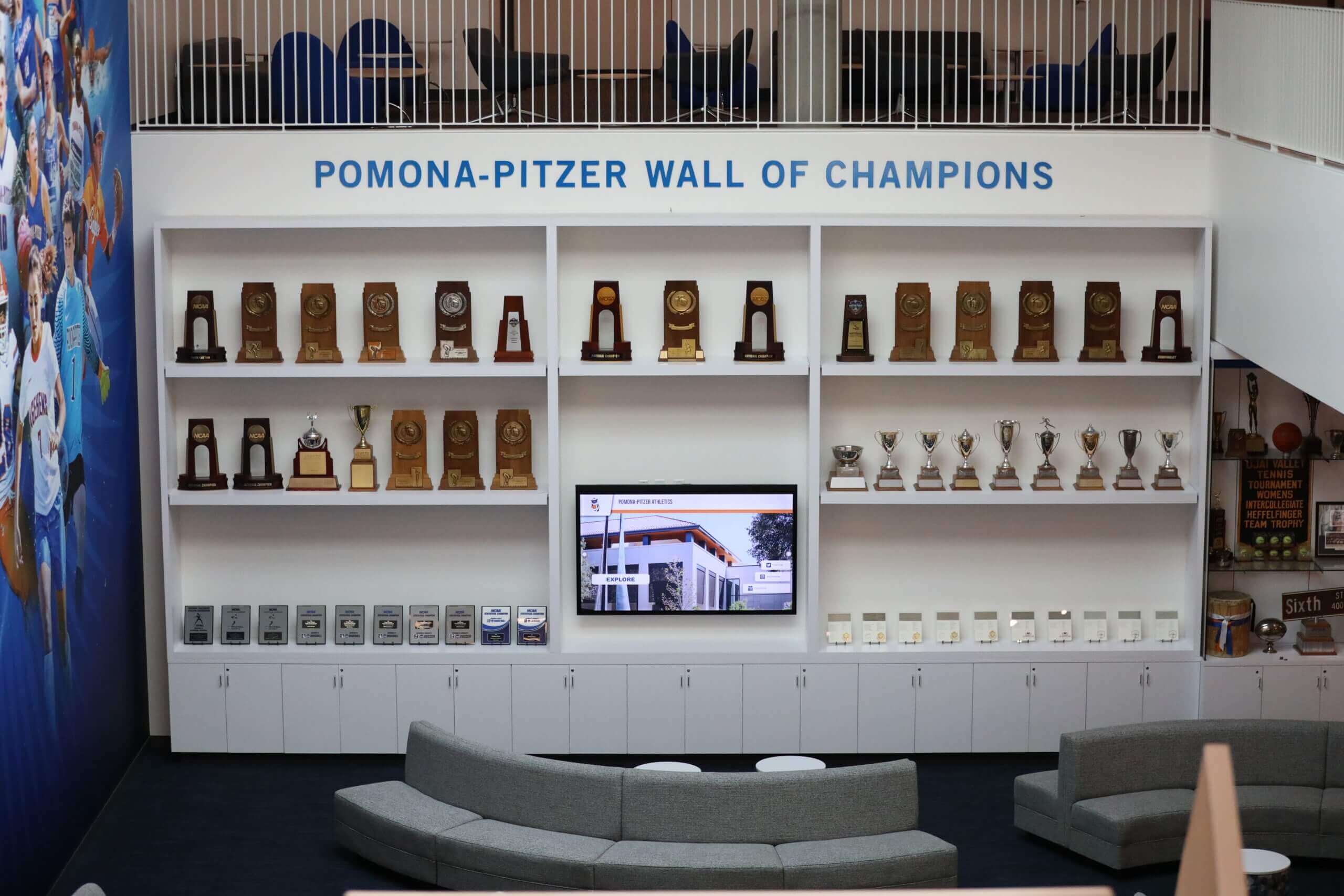
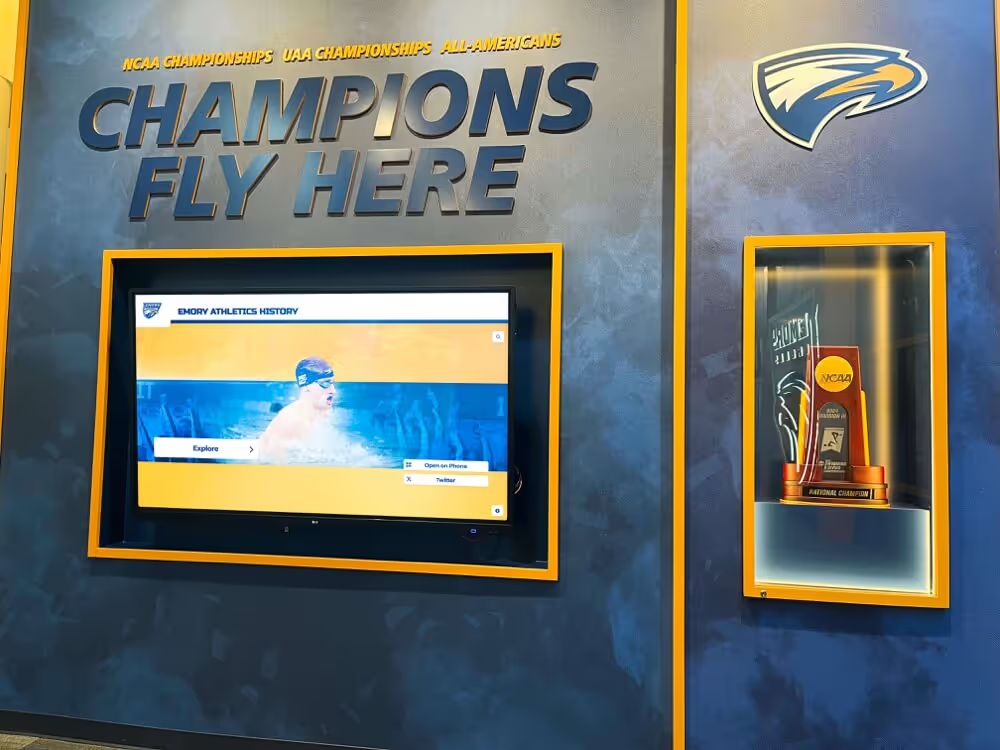
Championship trophy displays preserve both legendary sports moments and local upset victories, inspiring current athletes toward their own improbable achievements
Lasting Impact on Athletic Culture
The Miracle on Ice provides enduring lessons applicable to all competitive athletics:
Universal Principles Demonstrated:
- Superior preparation intensity compensates for talent disadvantages
- Team cohesion and shared sacrifice outperform individual excellence
- Strategic innovation creates competitive advantages against stronger opponents
- Belief systems directly influence performance under extreme pressure
- Perfect game planning and execution enable seemingly impossible victories
Athletic programs discussing senior athlete recognition and career achievements often reference how underdog mindsets help athletes maximize their final seasons regardless of external expectations.
Modern Upsets Inspiring Current Athletes
Recent underdog victories demonstrate that upset principles remain relevant in contemporary sports:
Buster Douglas Defeats Mike Tyson (1990)
James “Buster” Douglas entered as a 42-to-1 underdog against seemingly invincible heavyweight champion Mike Tyson. His preparation, strategic execution, and refusal to be intimidated produced one of boxing’s most stunning upsets.
Motivational Elements:
- Individual dedication to preparation can overcome intimidating reputations
- Strategic game plans neutralize opponent strengths
- Belief in personal capability enables peak performance
- Mental preparation creates composure under extreme pressure
Villanova Defeats Georgetown (1985)
Villanova shot 78.6% from the field—the highest championship game percentage in NCAA history—to upset heavily favored Georgetown. Their near-perfect execution demonstrated how flawless preparation and performance can defeat superior talent.
Performance Lessons:
- Perfect execution in critical moments overcomes talent disparities
- Pressure situations reveal the value of thorough preparation
- Confidence enables athletes to perform at their absolute best
- Strategic clarity allows consistent execution throughout competition
Recent High School and Amateur Upsets
Local upset victories often provide the most powerful motivation for current student-athletes:
Community Underdog Stories:
- Small schools defeating larger programs in state championships
- Programs with limited resources overcoming well-funded opponents
- Teams with losing records producing playoff upset victories
- Individual athletes exceeding scholarship offers and external expectations
- Defensive-focused teams defeating high-scoring offensive powerhouses
Schools implementing comprehensive sports recognition displays often create dedicated sections highlighting local upset victories alongside legendary national stories, demonstrating that underdog principles operate at all competitive levels.
Showcasing Upset Stories Through Modern Digital Displays
Contemporary recognition technology enables athletic programs to leverage inspirational upset narratives effectively:
Interactive Storytelling Capabilities
Digital displays transform static motivational posters into engaging historical exploration:
Multimedia Presentation Features:
- Video segments showing game highlights and critical moments from legendary upsets
- Audio interviews with coaches and athletes explaining preparation strategies
- Statistical comparisons demonstrating the magnitude of betting odds and talent gaps
- Interactive timelines connecting multiple upset victories across sports history
- Searchable databases allowing athletes to explore specific sports or underdog types
Solutions like Rocket Alumni Solutions provide platforms specifically designed for athletic recognition and motivational content, enabling schools to create professional presentations combining local achievements with legendary sports moments.
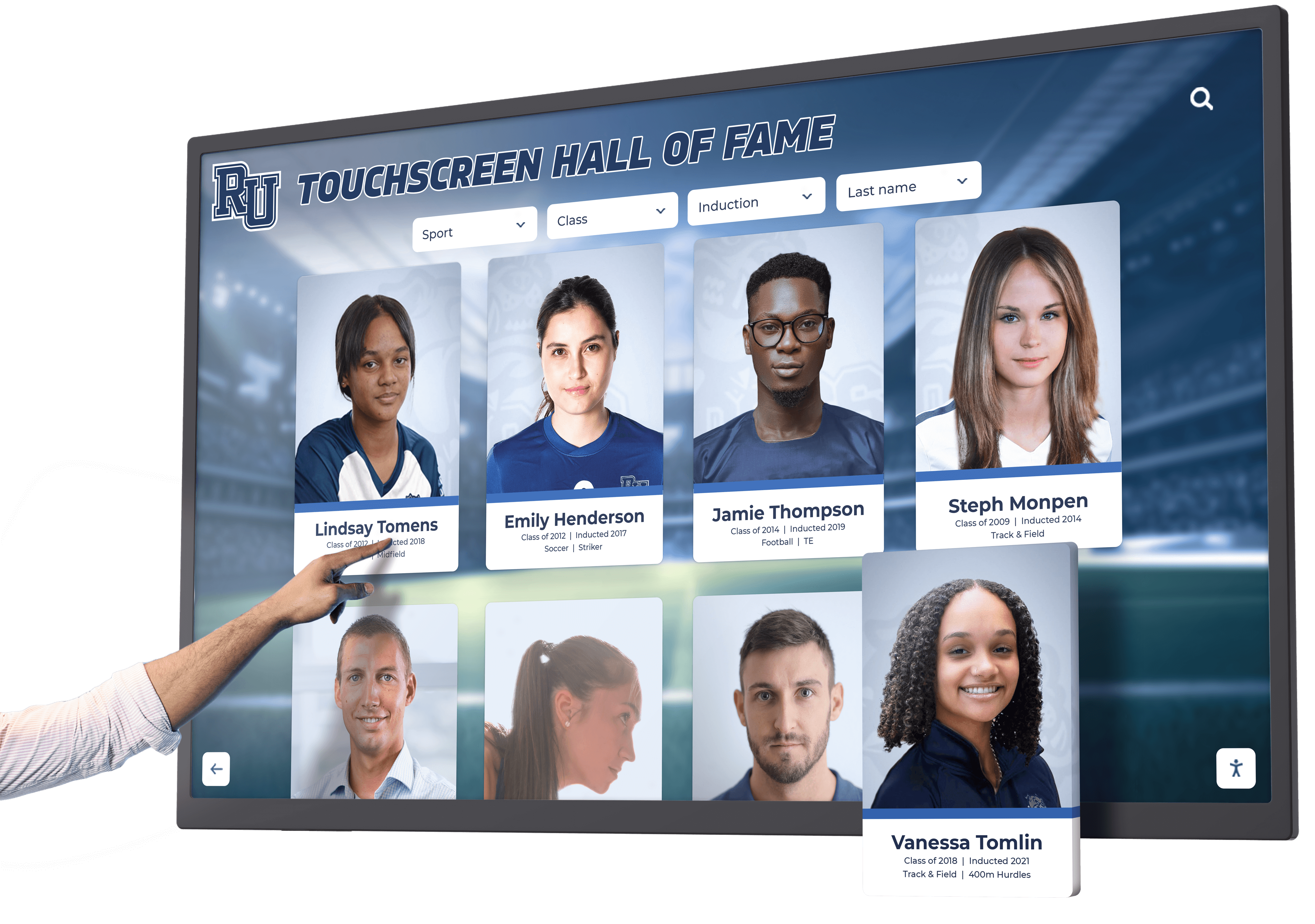
Programs implementing digital athletic recognition systems report significantly higher student engagement when displays include both local accomplishments and broader sports history that provides cultural context.
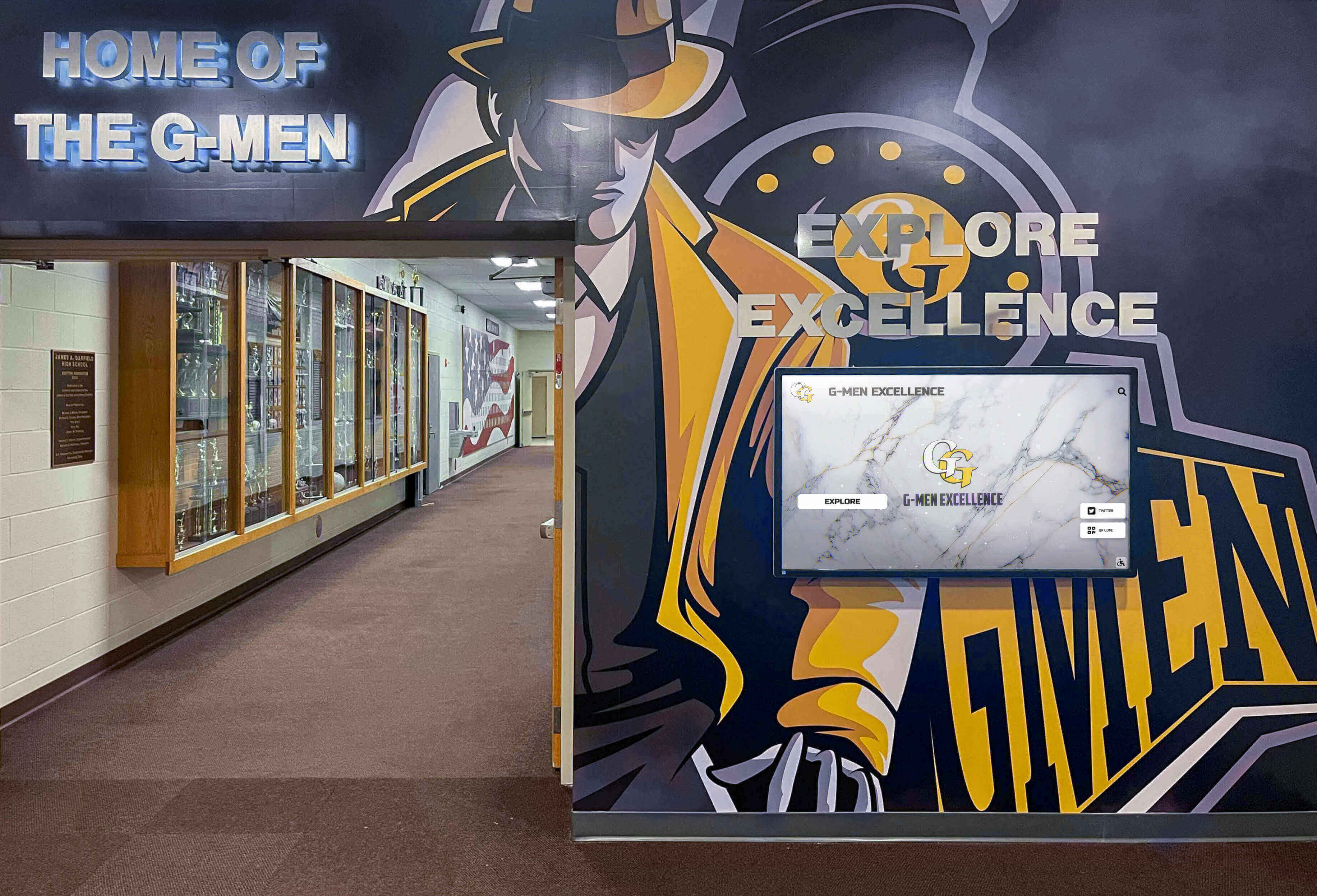
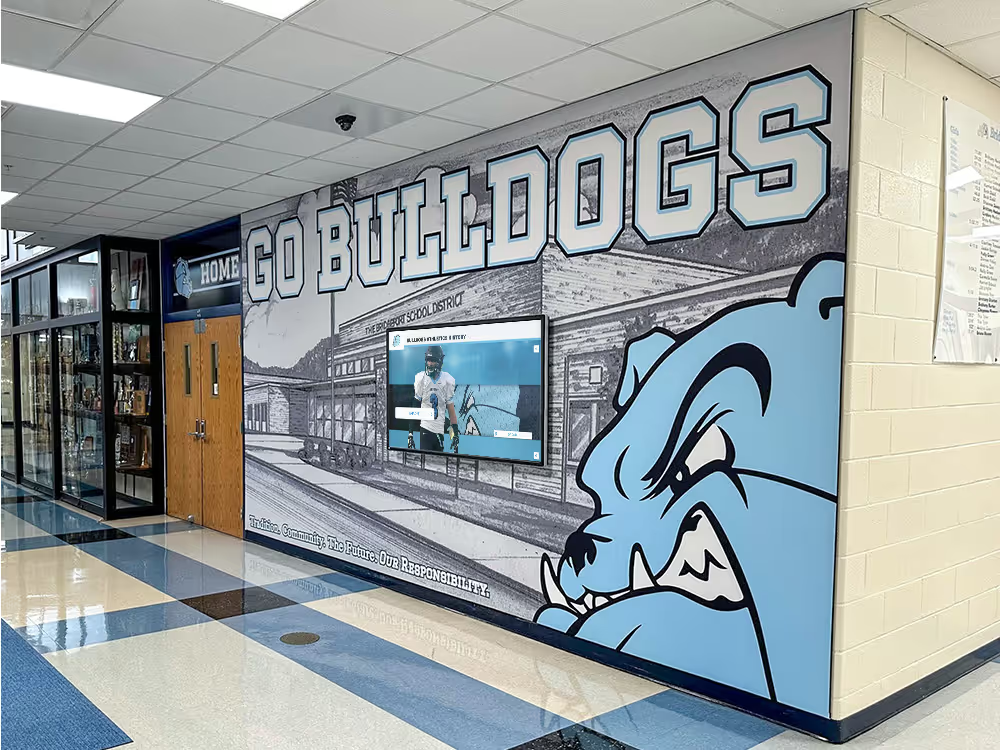
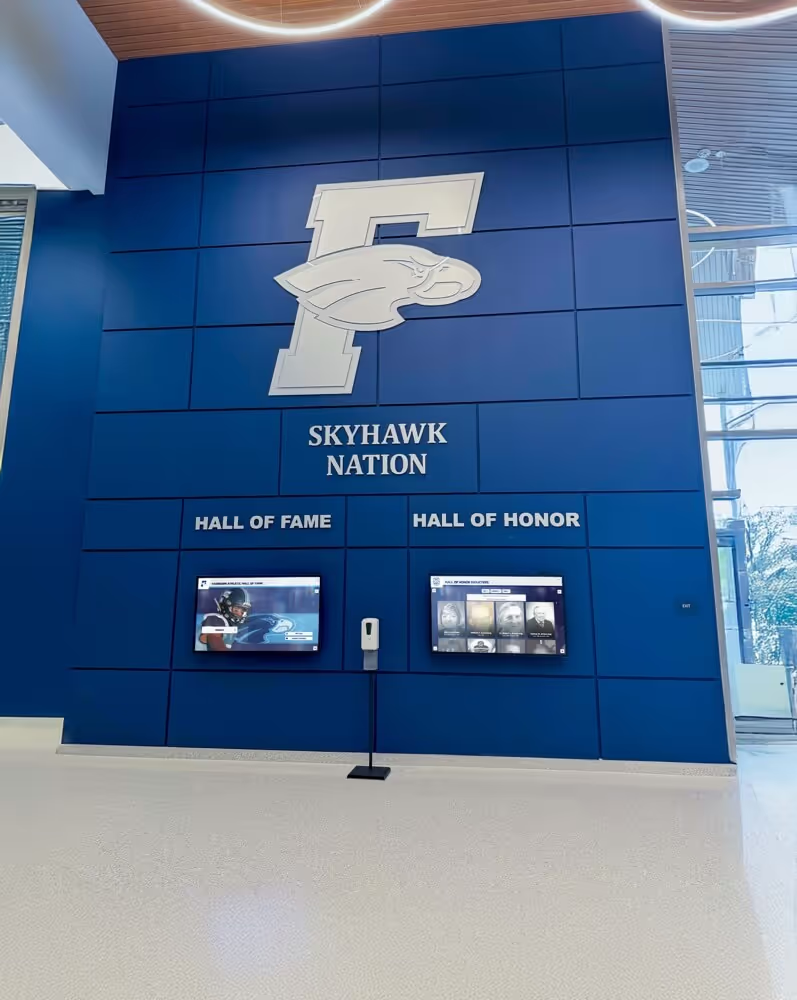
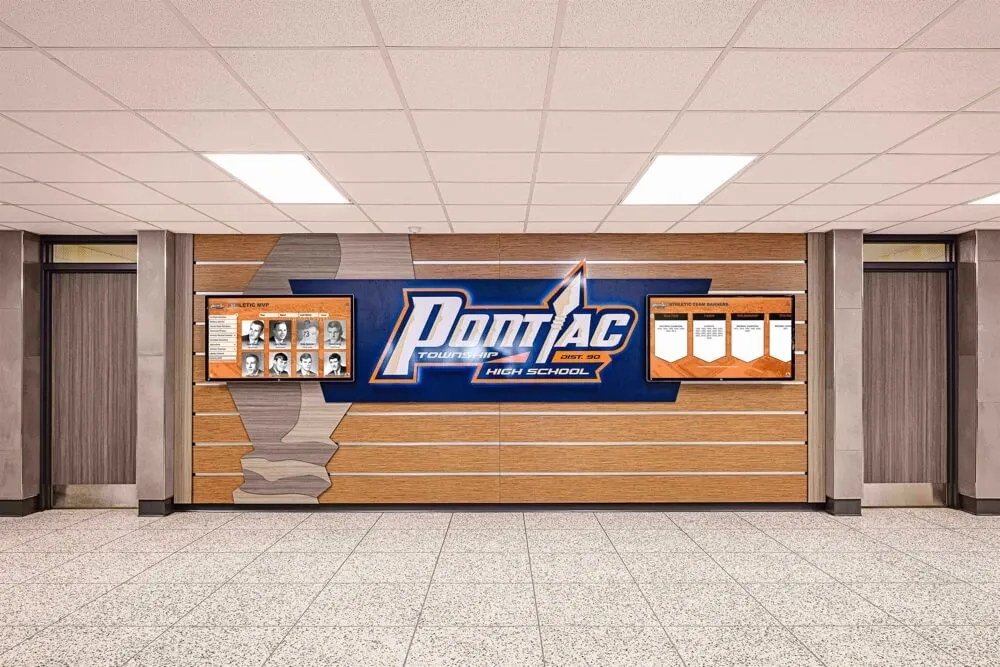
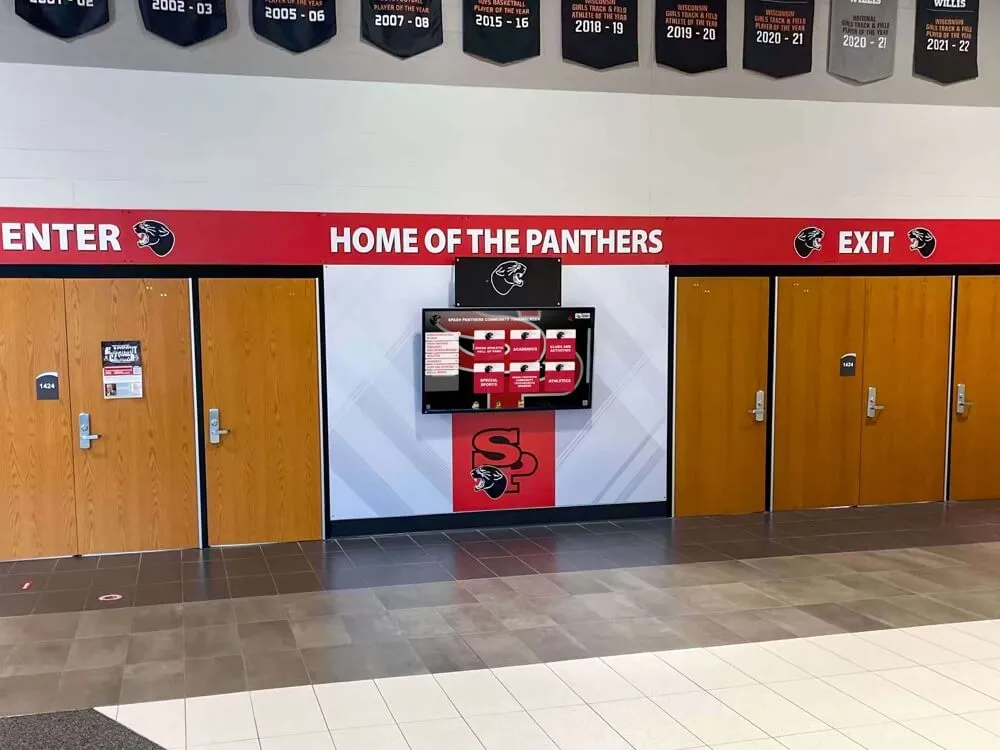
Hallway athletic displays combine traditional aesthetics with modern digital content, showcasing both legendary sports moments and local program achievements
Connecting Legendary Upsets to Local Achievements
Effective recognition displays create explicit connections between historical underdog stories and current team situations:
Strategic Content Pairing:
- Display legendary basketball upsets during basketball season alongside current team profiles
- Showcase football underdog victories during football playoffs connecting to current team challenges
- Highlight soccer upset stories when soccer teams face higher-ranked opponents
- Feature track and field surprise victories during championship meet preparations
- Present championship upset stories when teams face adversity or losing records
Contextual Motivation: Digital displays can automatically highlight relevant upset stories based on current team situations:
- Show underdog victories when teams face opponents with superior records
- Display comeback stories when teams struggle during challenging seasons
- Feature upset championships when teams enter playoff tournaments
- Highlight conditioning-focused victories before crucial late-season games
- Present team unity stories during periods emphasizing chemistry development
Cloud-Based Management for Timely Motivational Content
Modern digital platforms enable athletic directors and coaches to update motivational content instantly:
Administrative Flexibility:
- Remote content updates from any internet-connected device
- Scheduled publishing coordinating with specific games or events
- Quick content changes responding to team situations and competitive circumstances
- Template systems accelerating creation of upset story presentations
- No technical expertise required for routine motivational content updates
Athletic directors report that digital recognition platforms reduce time spent on motivational display updates by 75-85%, allowing more focus on coaching and athlete development while maintaining engaging, current recognition environments.
Extended Engagement Features:
- QR codes connecting physical displays to expanded online upset story collections
- Social media integration enabling athletes to share favorite underdog stories
- Mobile accessibility allowing athletes to explore motivational content anywhere
- Integration with team websites and communication platforms
- Email and text delivery of relevant upset stories before competitions
Digital platforms extend motivational content reach beyond physical campus, enabling athletes to access inspirational underdog narratives during travel, at home, or before competitions.
Creating Your School’s Upset Legacy
Every athletic program can build its own underdog tradition by documenting and celebrating local upset victories:
Documenting Local Underdog Achievements
Systematic documentation ensures school upset victories receive appropriate recognition:
Historical Research Approaches:
- Review historical records identifying seasons when teams exceeded expectations
- Interview alumni athletes and coaches about memorable upset victories
- Research local newspaper archives documenting surprising playoff victories
- Compile statistics showing instances when teams defeated higher-ranked opponents
- Document championship victories by teams with losing regular season records
Schools implementing digital recognition platforms gain unlimited capacity to showcase both legendary national upsets and comprehensive local underdog achievement histories without space constraints.
Building “Against the Odds” Recognition Programs
Dedicated recognition categories celebrating underdog victories strengthen program culture:
Upset Victory Recognition:
- “Giant Killer Award” for teams defeating significantly higher-ranked opponents
- “Underdog Season Excellence” recognizing teams exceeding preseason expectations
- “Comeback Team of the Year” honoring teams overcoming adversity
- “Upset Victory of the Decade” celebrating most surprising local wins
- “Overachiever Recognition” for individual athletes exceeding recruiting rankings
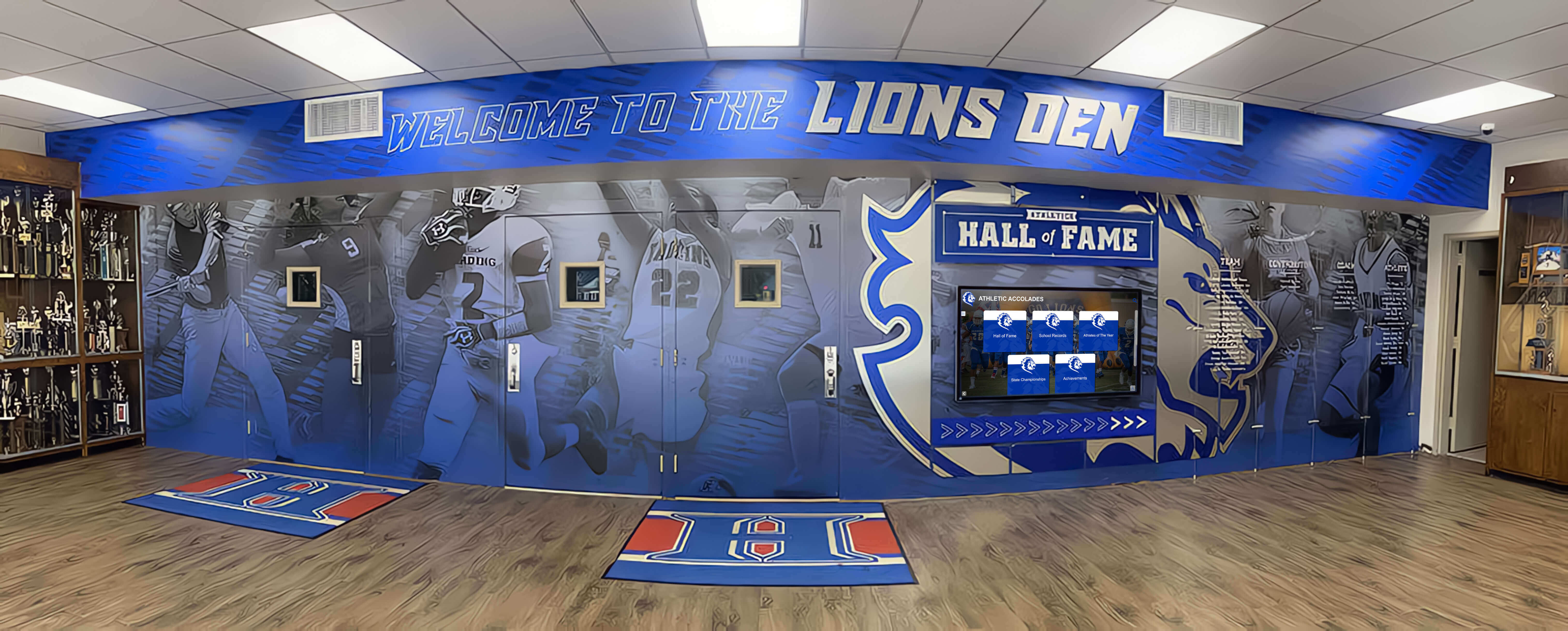
Athletic recognition spaces preserve upset victory stories alongside championship achievements, creating comprehensive program legacy displays
Integrating Upset Narratives Into Team Culture
Coaches can strategically use underdog stories to build competitive mindset and resilience:
Cultural Integration Strategies:
- Reference specific upset victories during team meetings addressing current challenges
- Display relevant underdog stories in locker rooms before games against favored opponents
- Include upset story analysis in film sessions examining strategic preparation
- Assign athletes to research and present upset victories demonstrating desired principles
- Create team mottos and identity elements connecting to underdog values
- Develop pre-game rituals acknowledging underdog mindset and preparation focus
Programs discussing athlete recognition across diverse achievement types often include upset victory categories that celebrate competitive mindset alongside statistical excellence and championship achievement.
Teaching Upset Principles to Student-Athletes
Effective athletic programs extract specific lessons from upset stories and teach them systematically:
Preparation Intensity as Competitive Advantage
Every legendary upset features preparation that exceeded opponent expectations:
Preparation Principles:
- Conditioning programs creating late-competition advantages
- Film study revealing exploitable weaknesses in superior opponents
- Tactical rehearsal enabling automatic execution under pressure
- Mental preparation building confidence despite external doubt
- Strategic innovation developing approaches opponents haven’t encountered
Coaches can reference specific upset examples demonstrating each principle, making abstract concepts concrete through historical evidence.
Team Unity Over Individual Talent
Upset victories consistently demonstrate cohesive teams defeating collections of superior individual athletes:
Unity Development:
- Shared adversity and challenge creating bonds stronger than talent advantages
- Communication systems enabling coordinated execution beyond individual capability
- Sacrifice culture where athletes prioritize team success over personal statistics
- Trust networks allowing risk-taking and aggressive competition
- Collective belief systems reinforcing confidence despite external skepticism
Athletic programs implementing team recognition systems often highlight how unity and chemistry contributed to legendary upset victories alongside local team achievement celebrations.
Strategic Innovation Defeating Conventional Approaches
Many upsets result from innovative tactics that exploit opponent assumptions and conventional wisdom:
Innovation Examples:
- Unconventional game plans exploiting expected strategic approaches
- Tempo manipulation creating uncomfortable competition conditions
- Formation innovations presenting unfamiliar challenges
- Risk-taking strategies that pressure favored opponents
- Psychological tactics disrupting opponent confidence and expectations
Belief Systems Enabling Peak Performance
Mental preparation and belief represent common threads across all legendary upsets:
Mindset Development:
- Visualization of victory despite overwhelming odds
- Positive self-talk combating external skepticism
- Process focus maintaining execution quality under pressure
- Outcome detachment enabling aggressive competition without fear
- Collective confidence creating team-wide belief in possibility
Programs can reference specific athlete and coach quotes from upset victories demonstrating these mental approaches, providing concrete examples of championship mindset in action.
Measuring Impact of Upset Story Integration
Athletic directors should assess whether inspirational content achieves intended cultural and competitive goals:
Quantitative Performance Indicators
Competitive Outcome Metrics:
- Win rates against higher-ranked opponents before and after upset story integration
- Competitive performance in underdog situations relative to betting lines or predictions
- Late-game and late-season performance suggesting improved mental toughness
- Comeback victories and resilience in adversity showing belief system improvements
- Tournament performance relative to regular season results indicating peak performance capability
Qualitative Cultural Indicators
Program Culture Assessment:
- Athlete surveys about belief systems and confidence against superior opponents
- Coach observations regarding mental preparation and competitive mindset
- Parent feedback about athlete discussions of underdog stories and motivation
- Alumni reflections on program culture and belief in possibility
- Community perception of program identity and competitive character
Programs that systematically integrate upset narratives typically report measurable improvements in competitive mindset, resilience during adversity, and performance against favored opponents within 1-2 seasons of implementation.
Conclusion: Building Championship Culture Through Underdog Stories
The biggest upsets in sports history provide powerful evidence that preparation, unity, strategy, and belief can overcome seemingly insurmountable advantages in talent and resources. For athletic programs seeking to build championship culture and competitive resilience, these inspirational stories offer concrete examples demonstrating abstract principles that coaches emphasize daily.
When schools effectively showcase legendary upset victories alongside local athletic achievements through modern recognition displays, they create environments where student-athletes develop the mental toughness, strategic thinking, and belief systems necessary for their own improbable victories. Digital platforms like Rocket Alumni Solutions enable this integration by providing unlimited capacity to present both national sports history and comprehensive local program accomplishments through engaging, interactive displays.
Inspire Your Athletes With Powerful Recognition Displays
Discover how modern digital recognition systems enable athletic programs to showcase legendary upset victories alongside local achievements, creating motivational environments that build championship culture. See how schools nationwide are using interactive displays to celebrate both sports history and current program success.
Explore Recognition SolutionsThe principles demonstrated by legendary underdogs—superior preparation intensity, tactical innovation, team unity, and unwavering belief—remain as relevant today as when Jim Valvano’s team rushed the court in celebration or when the U.S. hockey team achieved the impossible against the Soviet Union. Every athletic program, regardless of resources or competitive classification, can embrace these underdog values and create its own upset legacy.
Start by identifying relevant upset stories that resonate with your program’s specific challenges and competitive situation. Connect these narratives explicitly to current team goals and competitive circumstances. Then implement recognition displays that make these inspirational stories visible, accessible, and engaging for current student-athletes throughout their seasons.
Your athletes face their own versions of overwhelming odds every season—stronger opponents, resource disadvantages, recovery from losing streaks, or expectations of continued failure. By surrounding them with concrete evidence that countless teams have overcome similar challenges through preparation, unity, and belief, you create the cultural foundation necessary for competitive breakthrough and championship achievement.
Ready to transform your athletic recognition displays into powerful motivational tools that inspire championship culture? Discover how digital recognition platforms help schools celebrate both legendary sports moments and local program achievements, creating engaging experiences that motivate student-athletes toward their own improbable victories and lasting athletic excellence.