



The Big Ten Wrestling Tournament stands as one of college wrestling’s most prestigious conference championships, showcasing elite competition among programs that have shaped the sport’s history. Since its inception, this tournament has produced Olympic champions, NCAA titlists, and countless wrestlers who’ve defined excellence on the mat. From legendary rivalries to historic performances, the Big Ten tournament creates moments that athletic departments commemorate for generations.
Universities within the Big Ten Conference face the challenge of appropriately honoring tournament achievements spanning decades—from individual weight class champions to team titles, record-breaking performances to breakthrough victories. Traditional trophy cases quickly reach capacity, unable to adequately celebrate the depth of accomplishment this tournament generates season after season.
This comprehensive guide explores the championship history and traditions of the Big Ten Wrestling Tournament while examining how modern athletic programs preserve these achievements through interactive recognition displays that honor conference excellence, inspire current wrestlers, and engage the broader university community.
Conference tournament success represents a critical measure of wrestling program excellence, serving as both a stepping stone to NCAA Championships and a standalone achievement worthy of celebration. Big Ten tournament recognition creates visible program standards while connecting current athletes with the rich tradition of conference wrestling excellence.

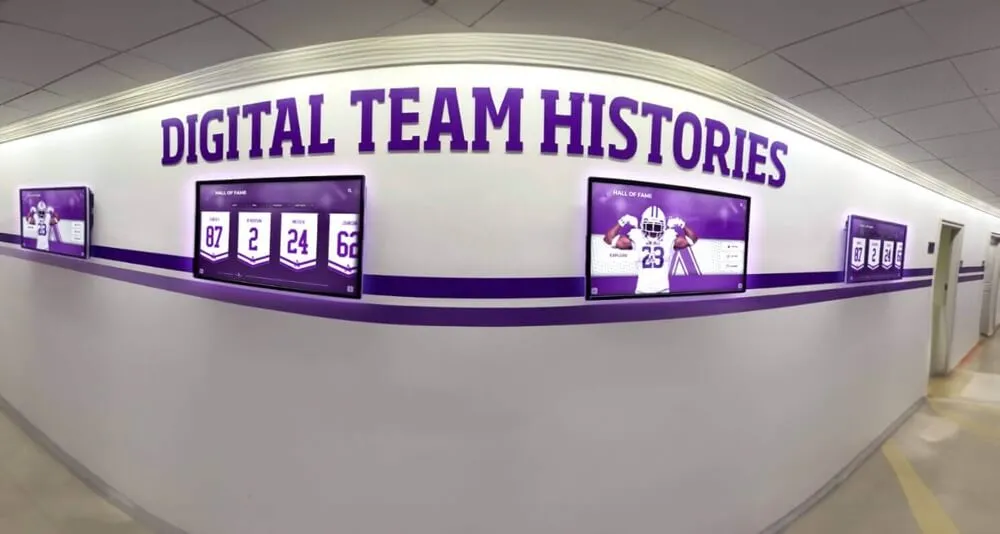
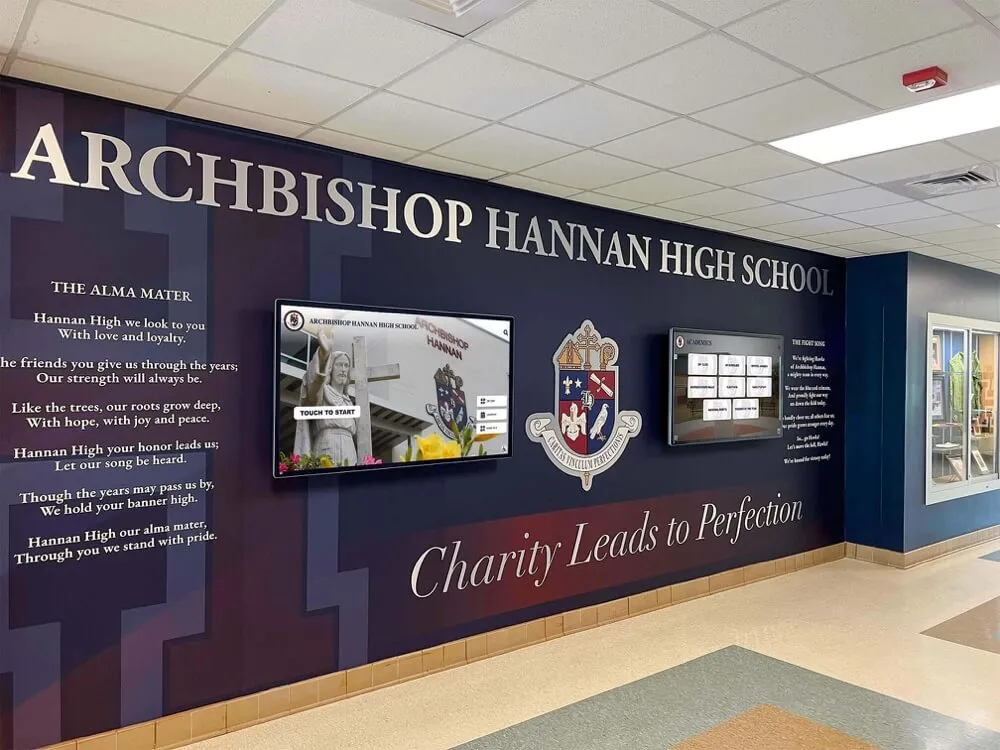
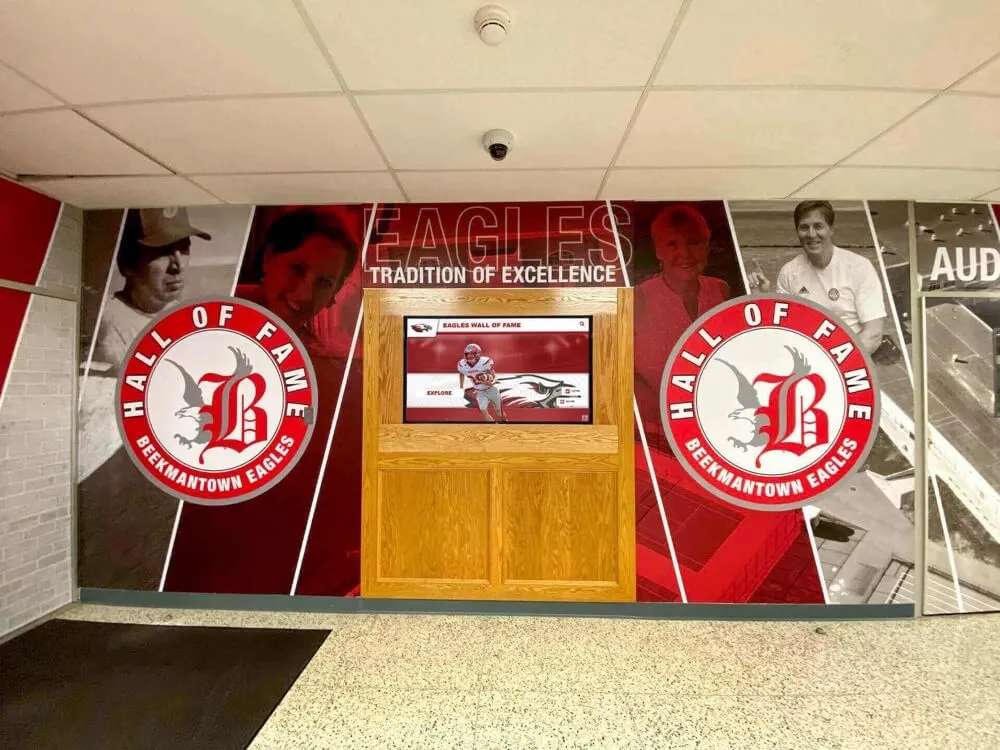
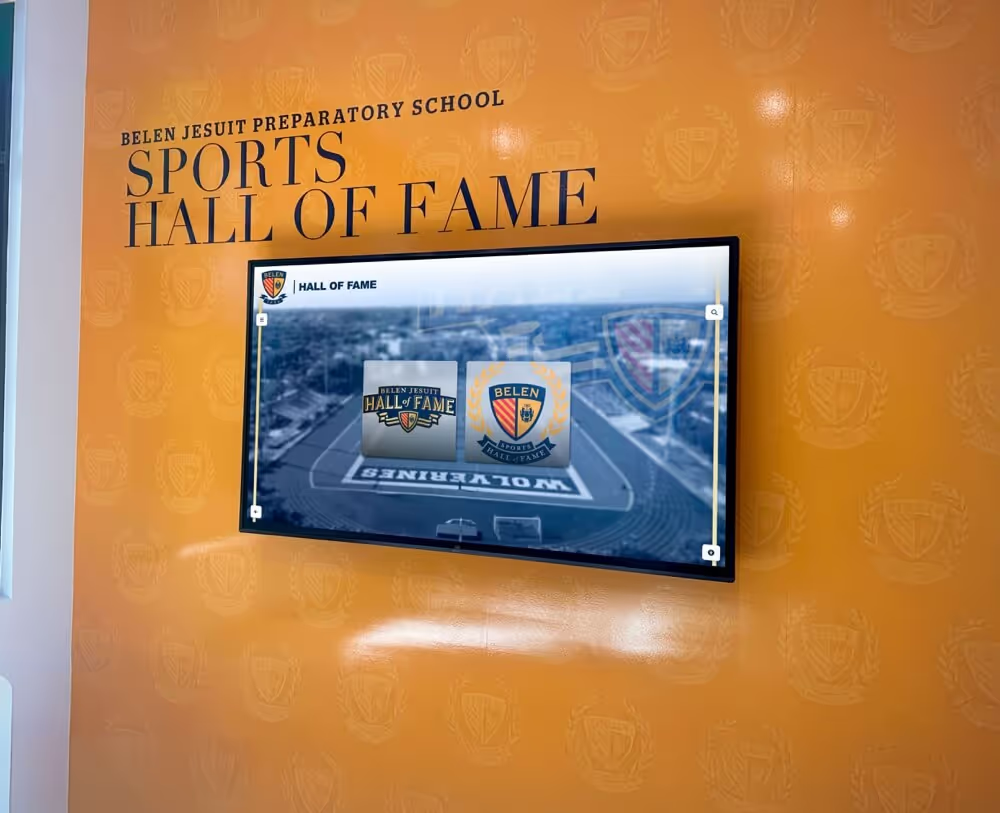
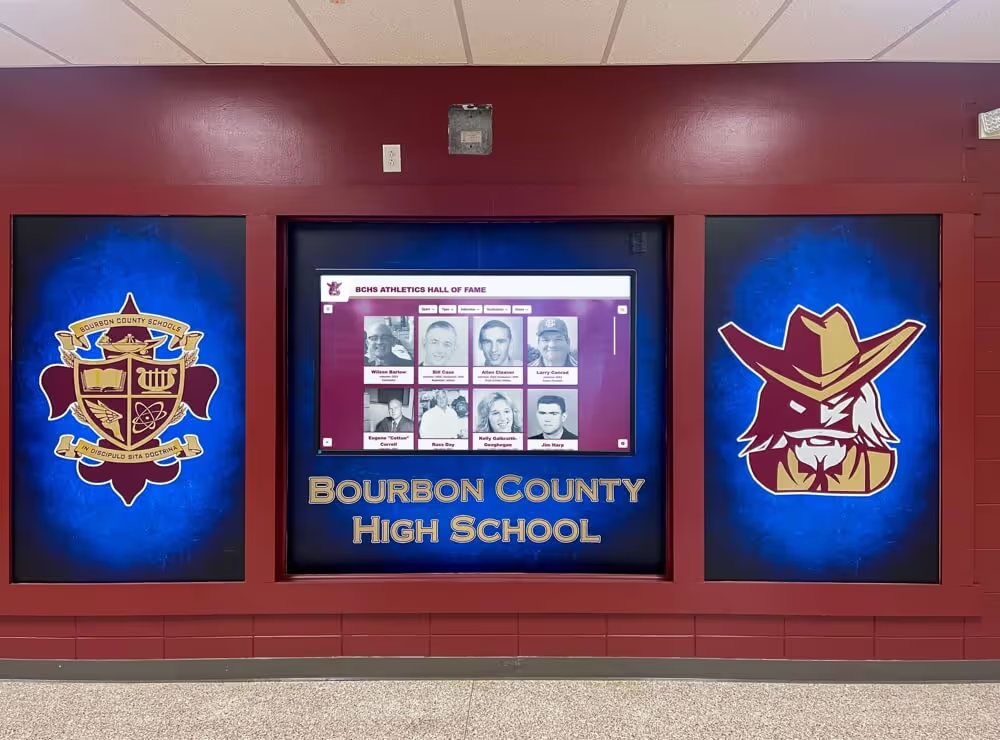
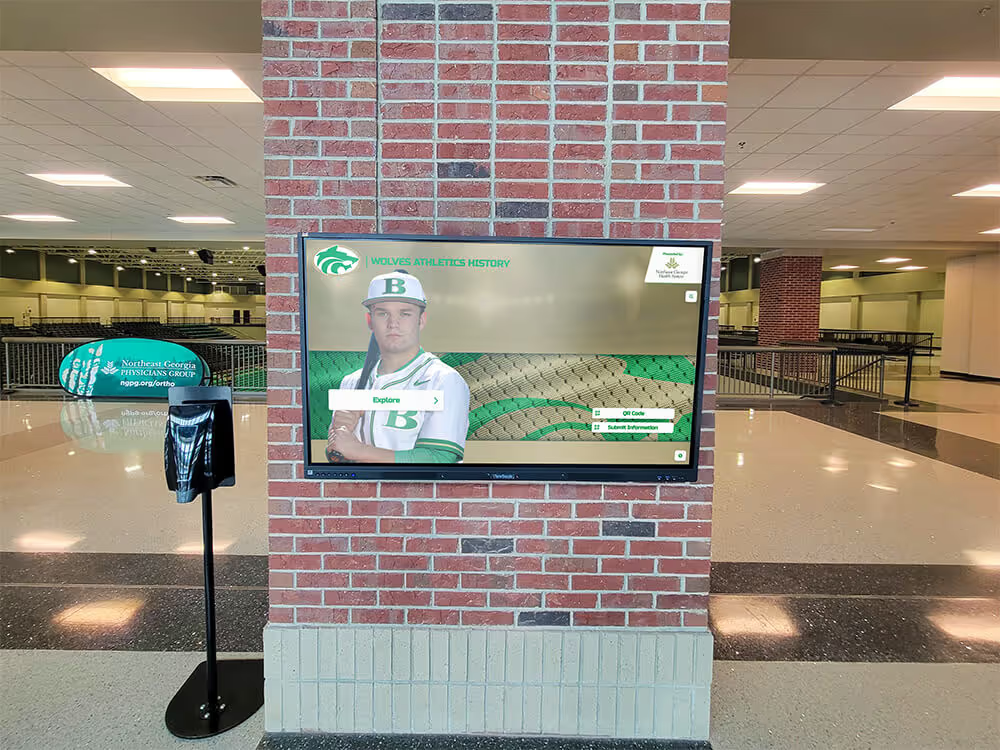
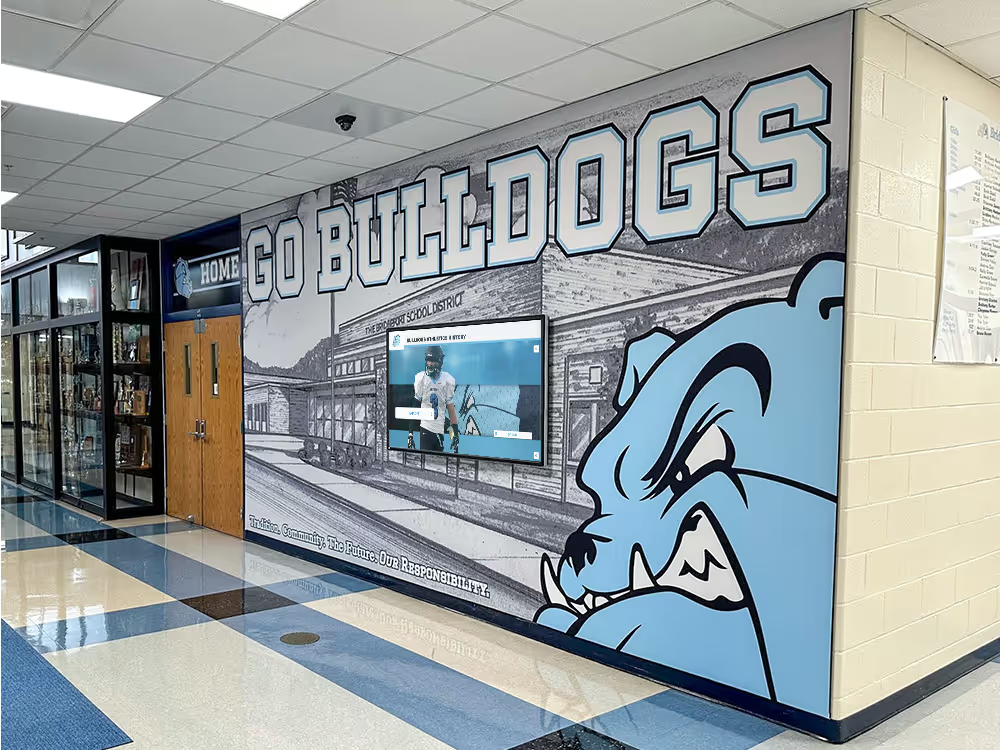
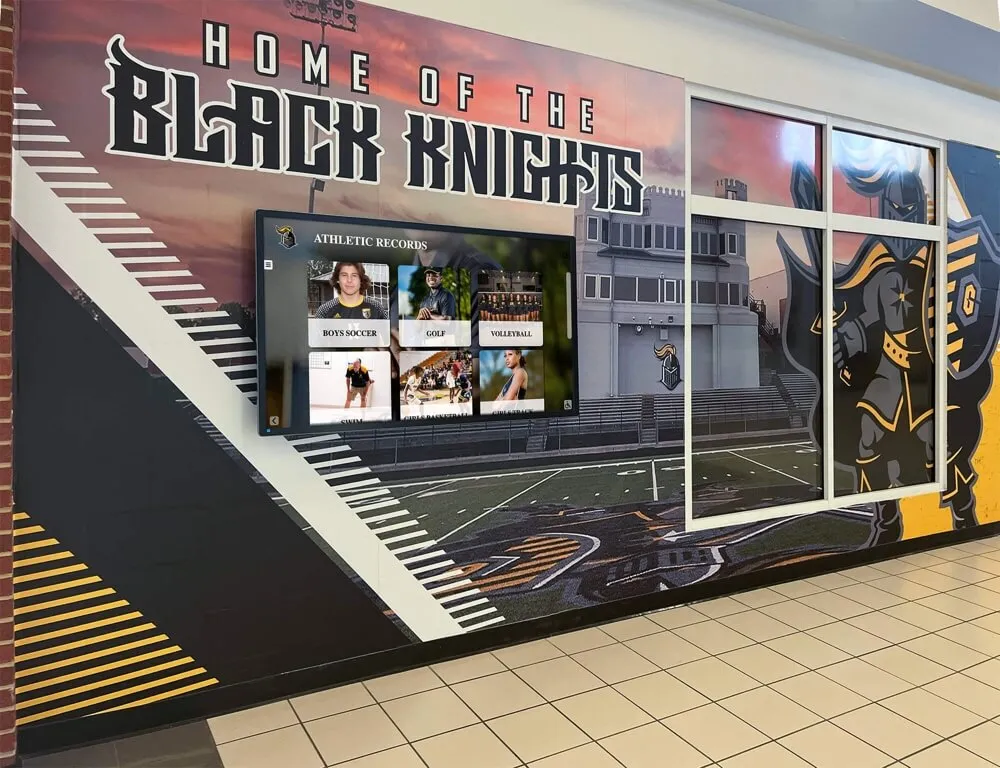
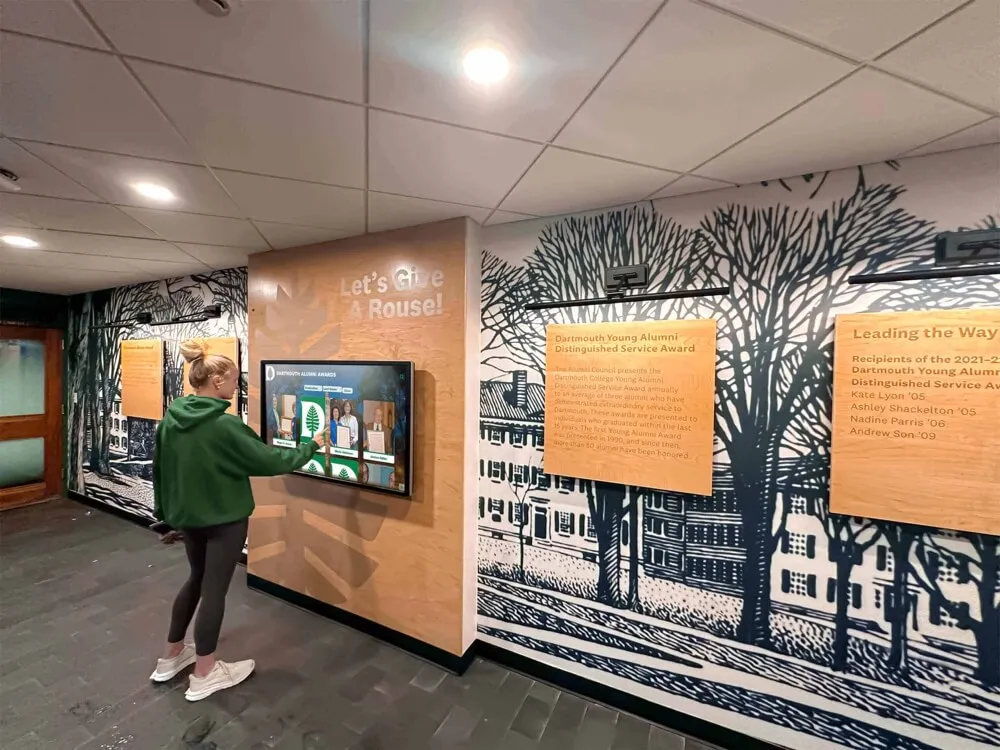
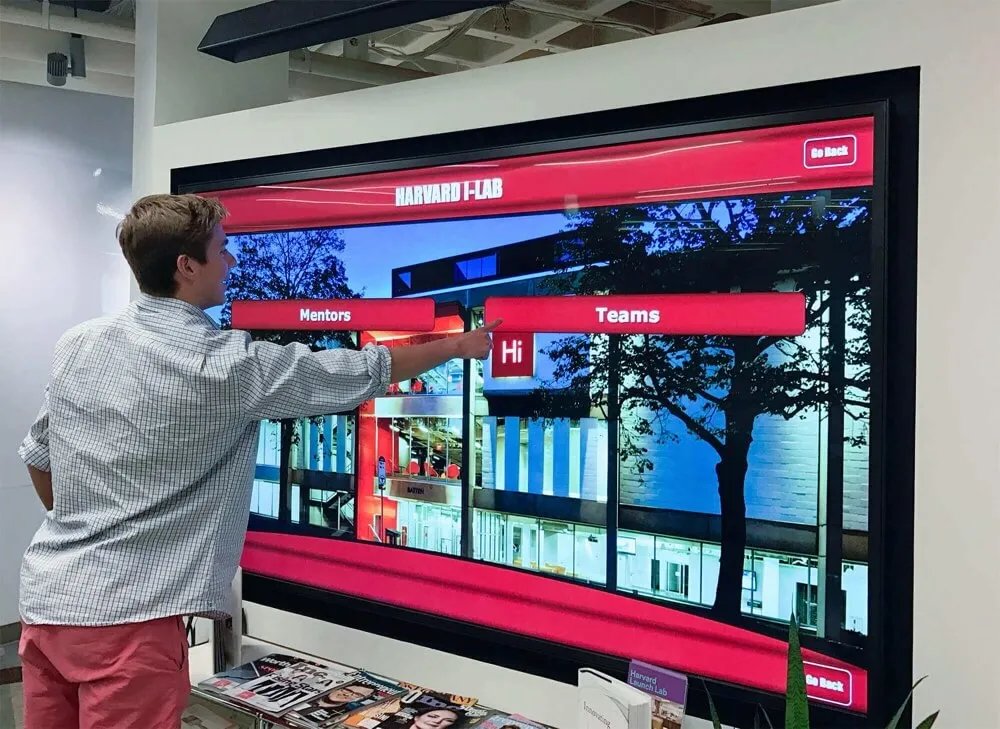
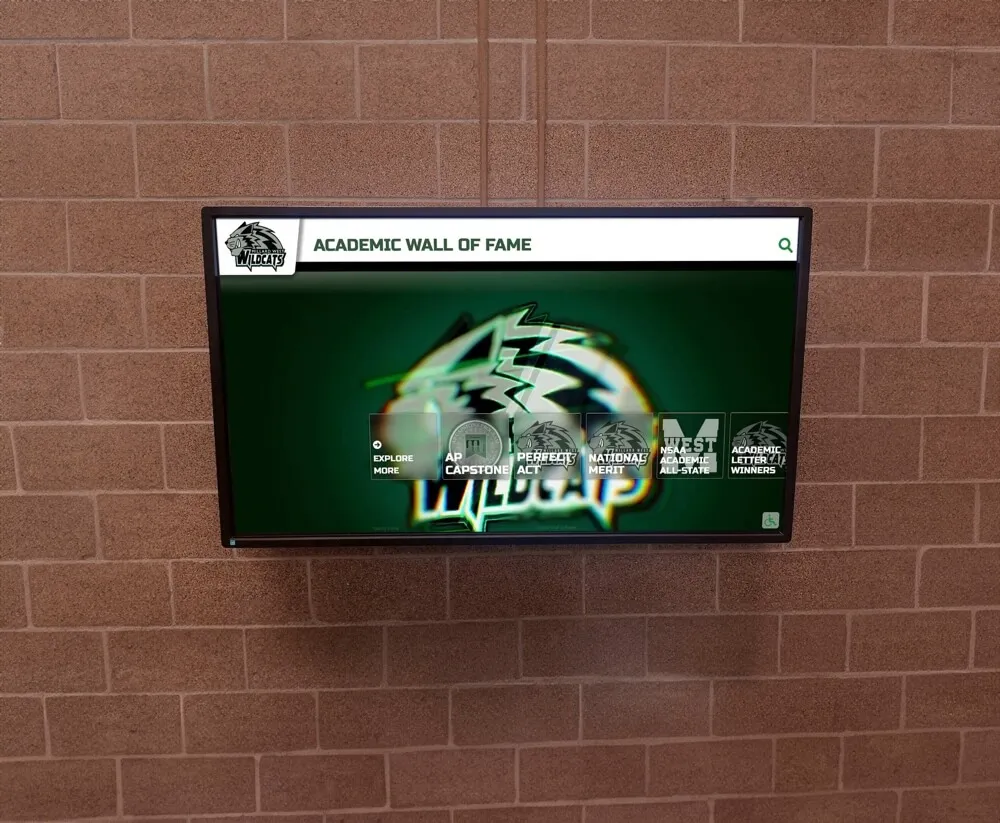
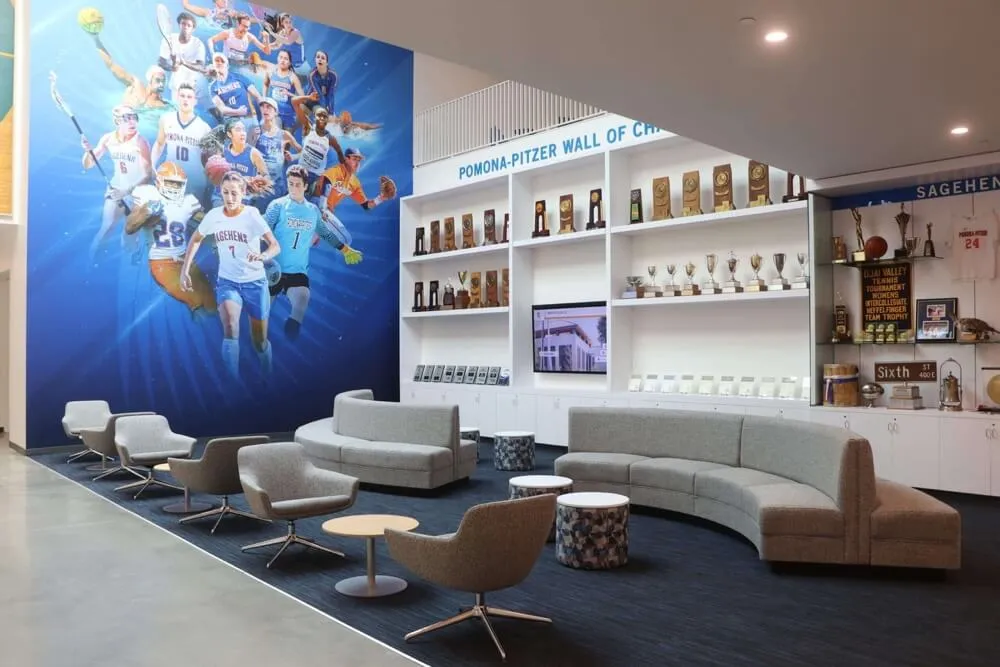
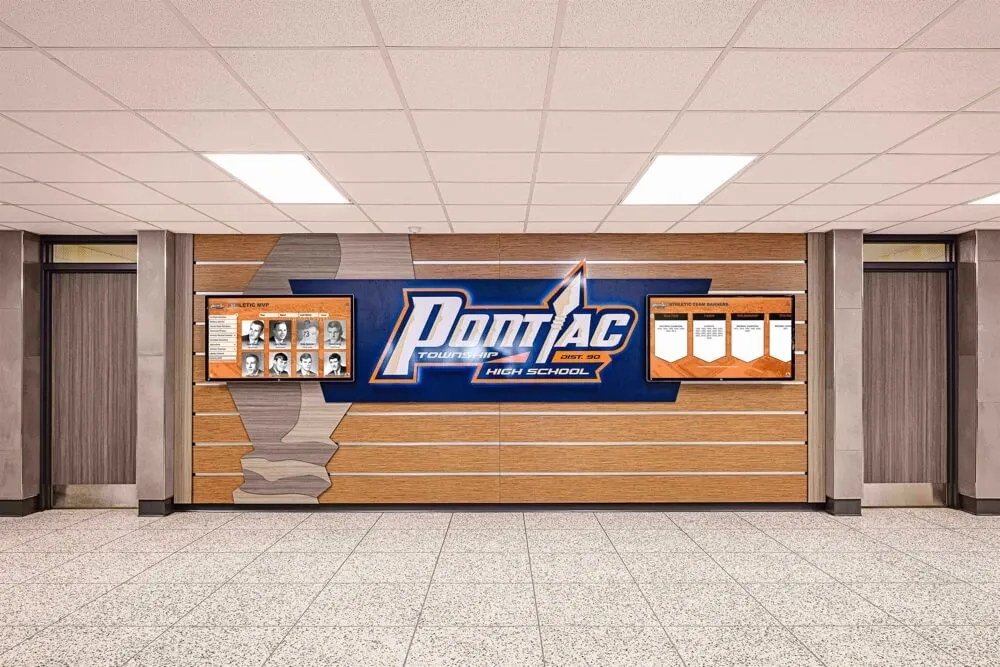
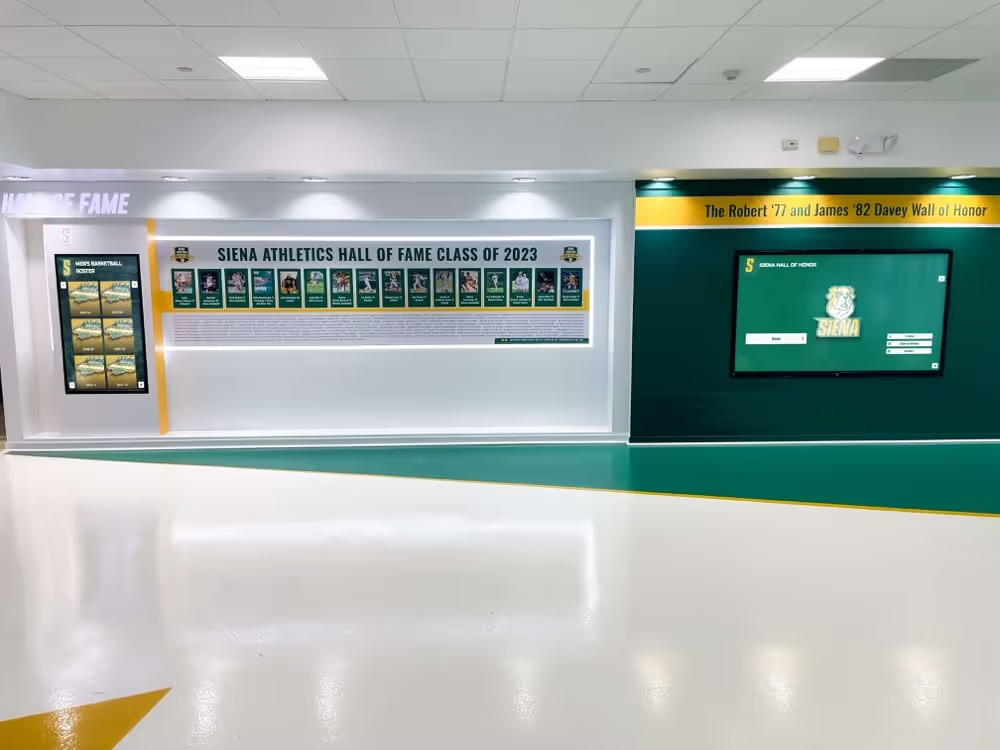
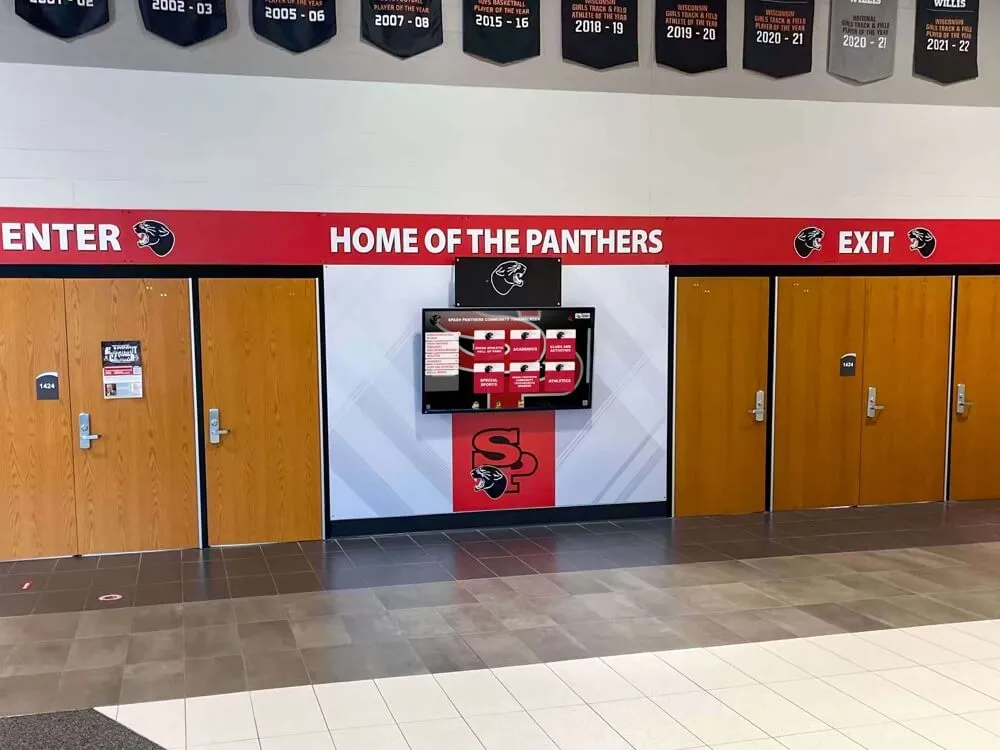
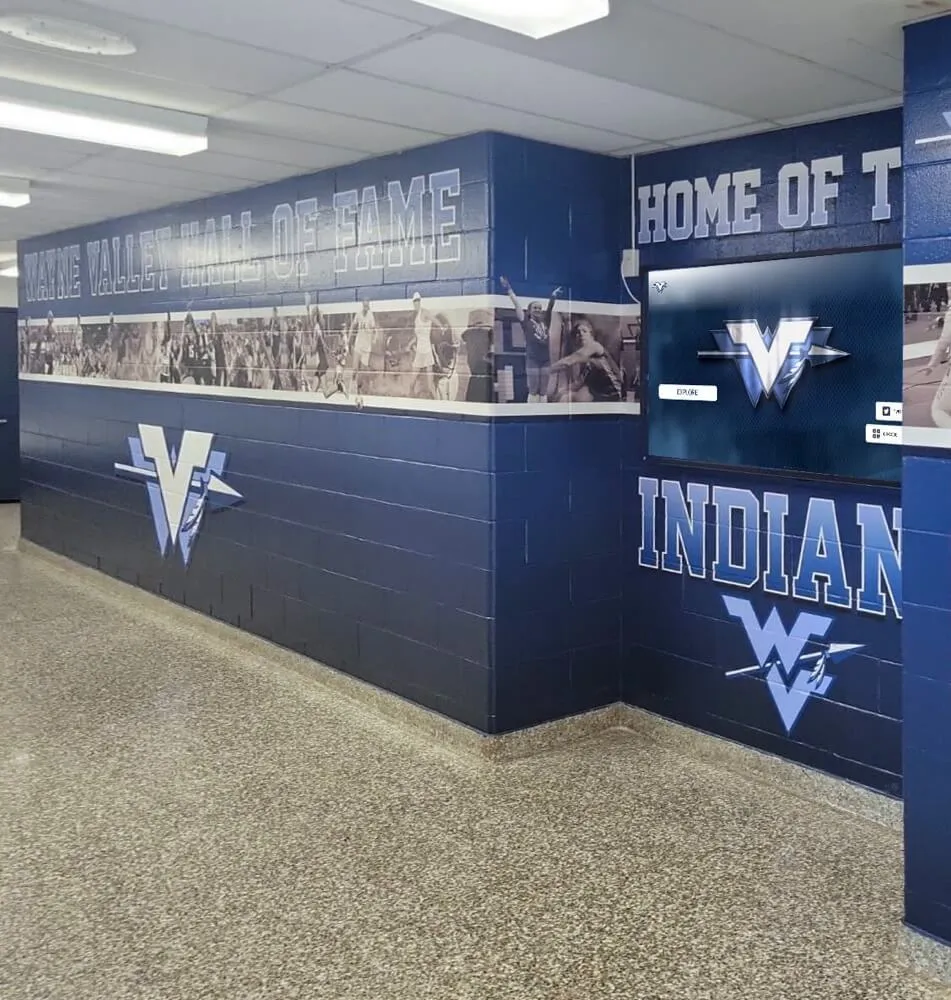
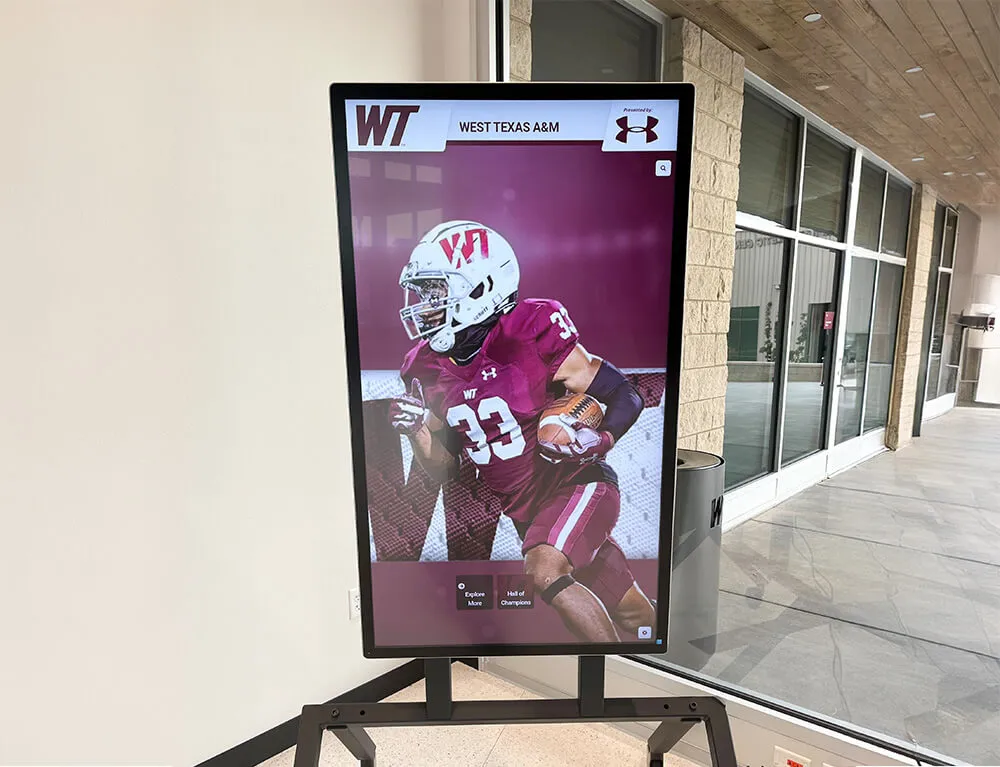
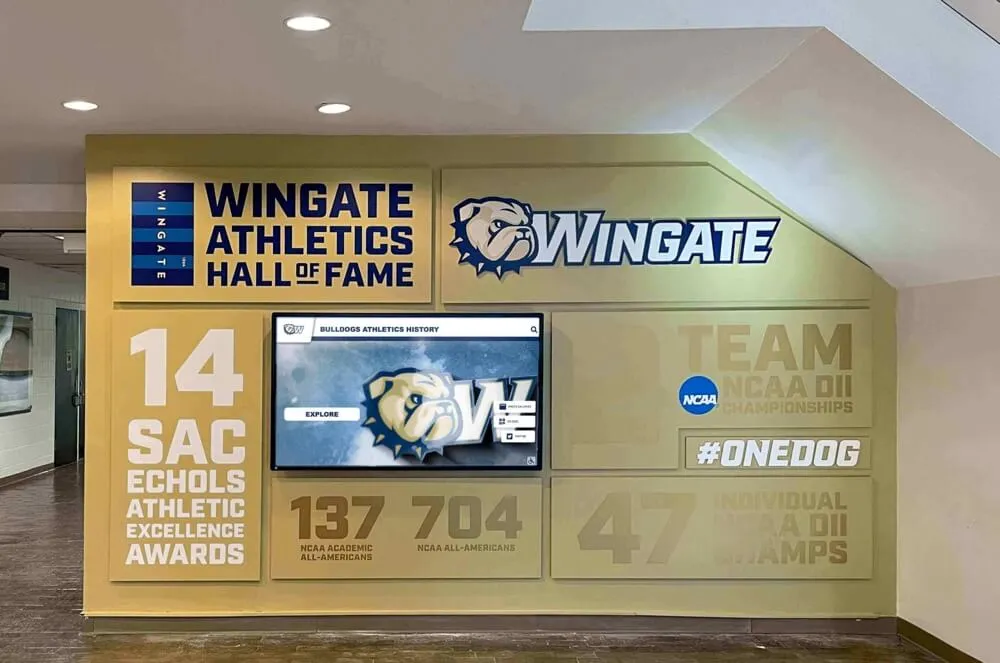
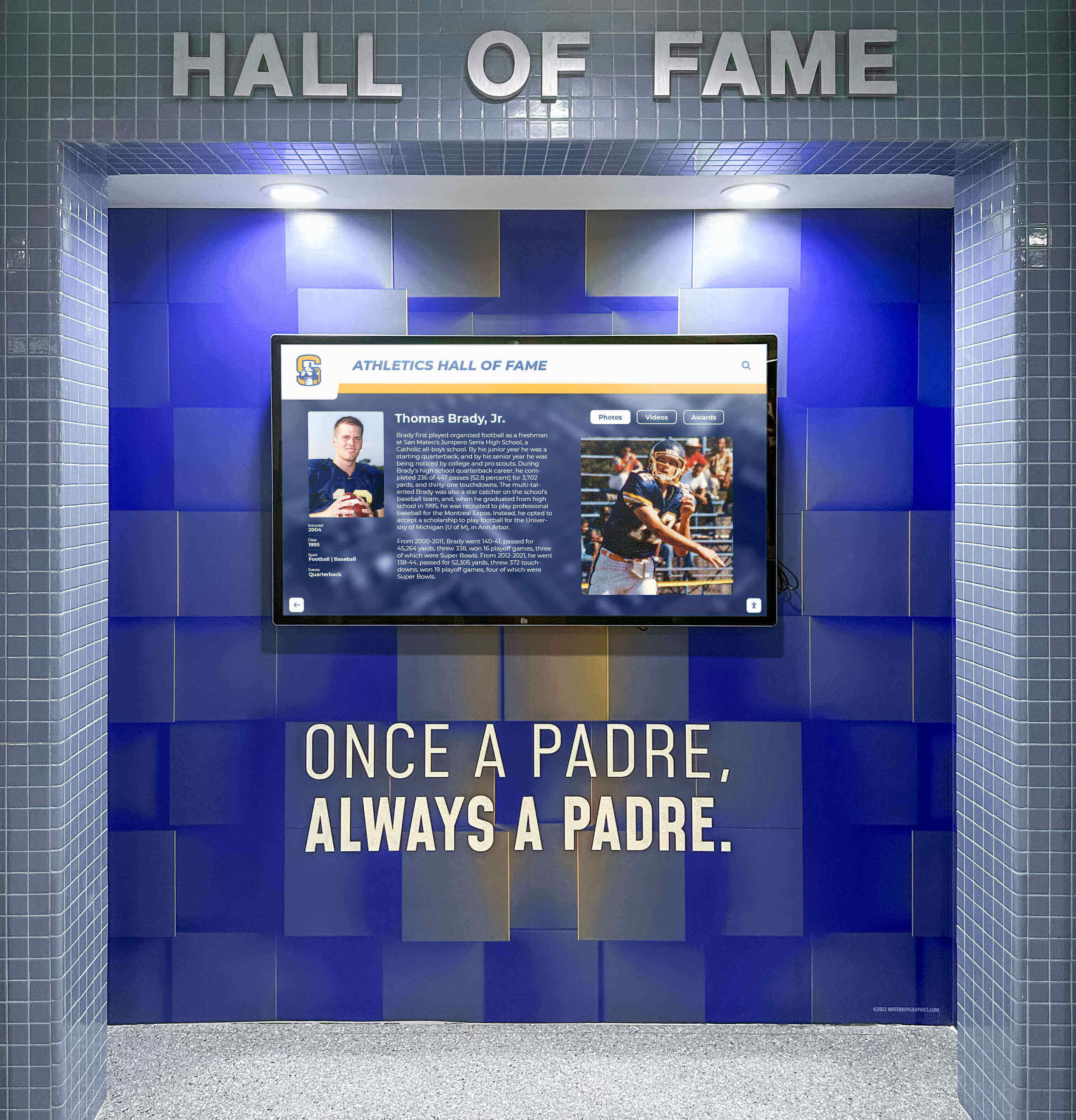
Modern athletic recognition displays showcase Big Ten tournament achievements, conference championships, and individual titlists with professional presentation quality
The History and Prestige of Big Ten Wrestling
The Big Ten Conference has established itself as the nation’s premier wrestling conference through sustained competitive excellence and consistent NCAA Championship success.
Conference Wrestling Origins
Wrestling emerged as a varsity sport across Big Ten institutions throughout the early 20th century, with conference competition formalizing as programs developed.
Early Conference Competition
The Big Ten Wrestling Tournament began in 1912, making it one of the oldest continuous conference championships in college sports. Early tournaments featured far fewer weight classes than today’s competition, with evolving rules reflecting wrestling’s development. Universities like Iowa, Minnesota, and Illinois established early dominance that created enduring rivalries.
These pioneering programs built traditions that athletic departments now celebrate through comprehensive athletic recognition systems honoring historical achievements alongside contemporary success.
Evolution of Weight Classes
Tournament structure evolved significantly over decades:
- Early tournaments featured as few as seven weight classes
- Expansion to ten weight classes by the 1960s created more championship opportunities
- Frequent weight class adjustments reflected evolving athlete physiology and competitive standards
- Weight classes standardized across NCAA competition ensuring conference champions competed at identical weights nationally
Understanding this evolution matters when universities develop historical recognition, as comparing achievements across eras requires contextualizing different competitive structures and weight class configurations.
The Tournament’s Role in NCAA Championship Preparation
Big Ten tournament performance directly impacts NCAA Championship seeding and team positioning, making conference success strategically critical.
Seeding Implications
Tournament results heavily influence NCAA tournament seeding:
- Conference champions typically receive favorable NCAA seedings
- Strong tournament performance can elevate borderline qualifiers into NCAA fields
- Head-to-head results during conference tournaments break ties in national rankings
- Team championship races often hinge on bonus point accumulation during conference competition
This high-stakes environment creates dramatic competition and memorable performances that universities preserve through recognition programs honoring breakthrough achievements and championship moments.
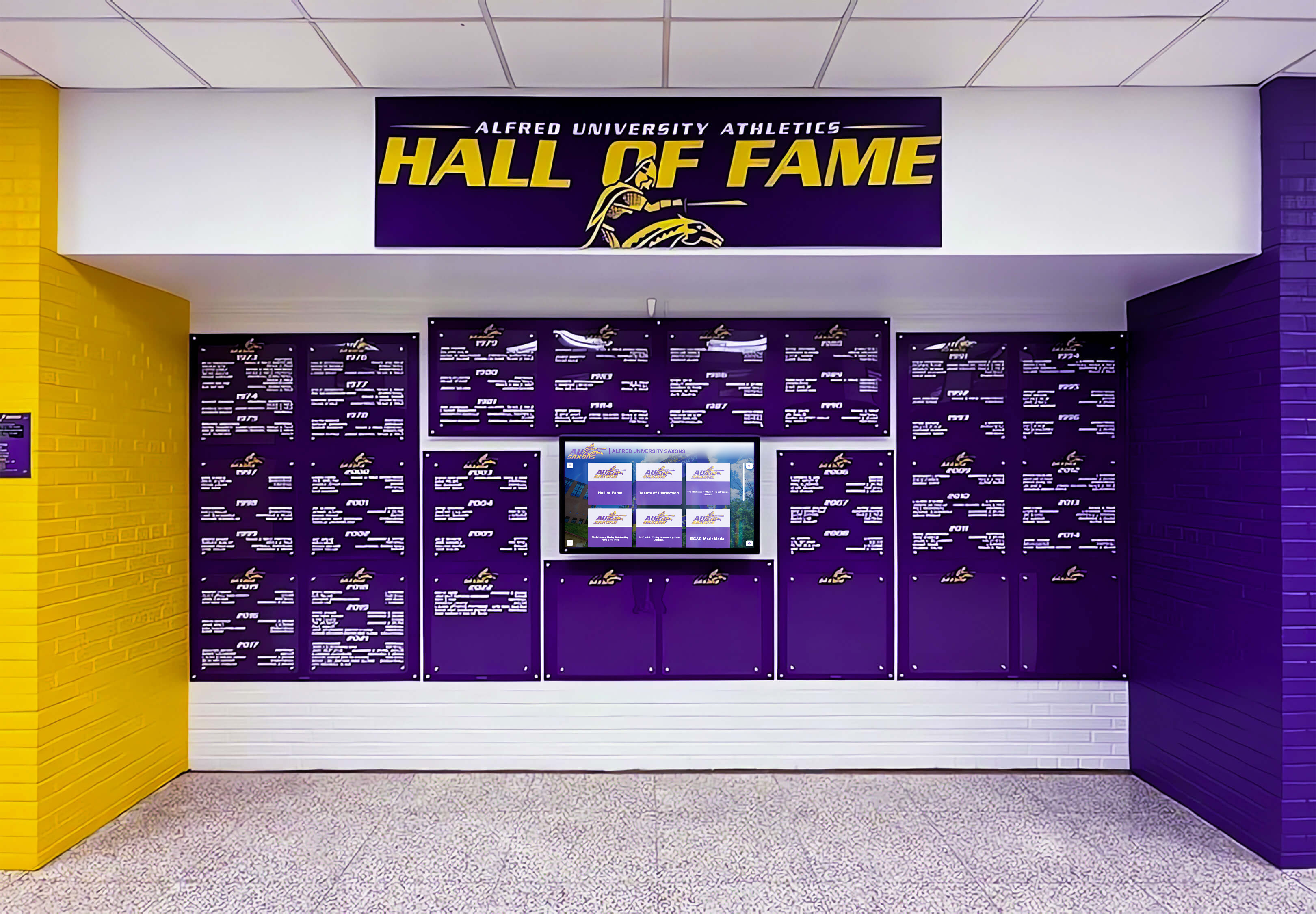
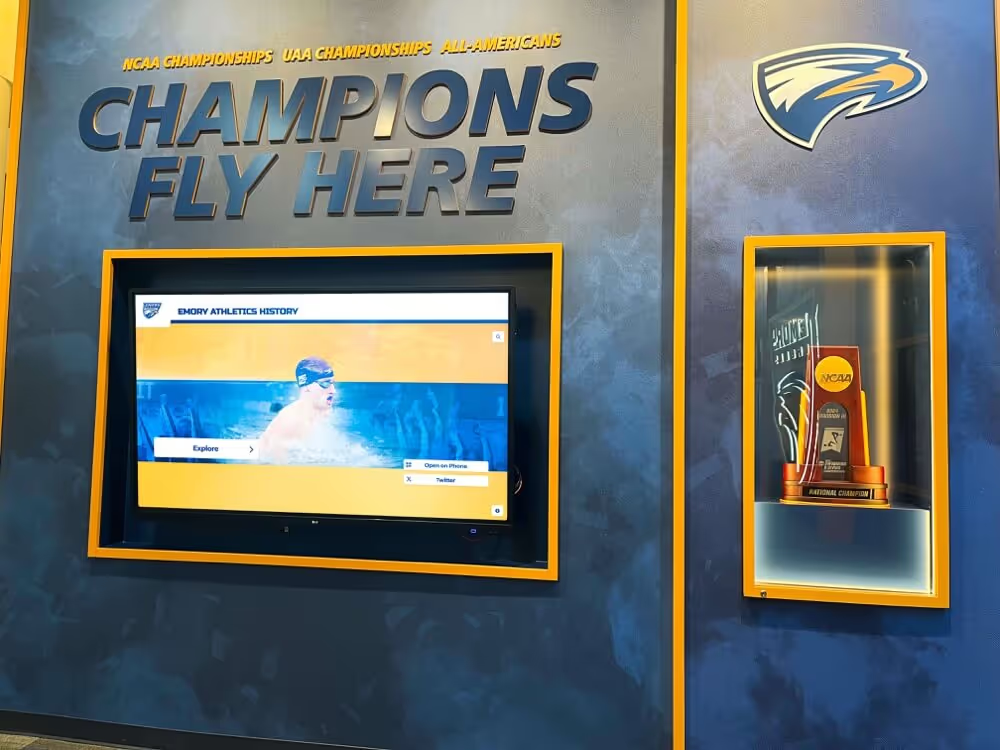
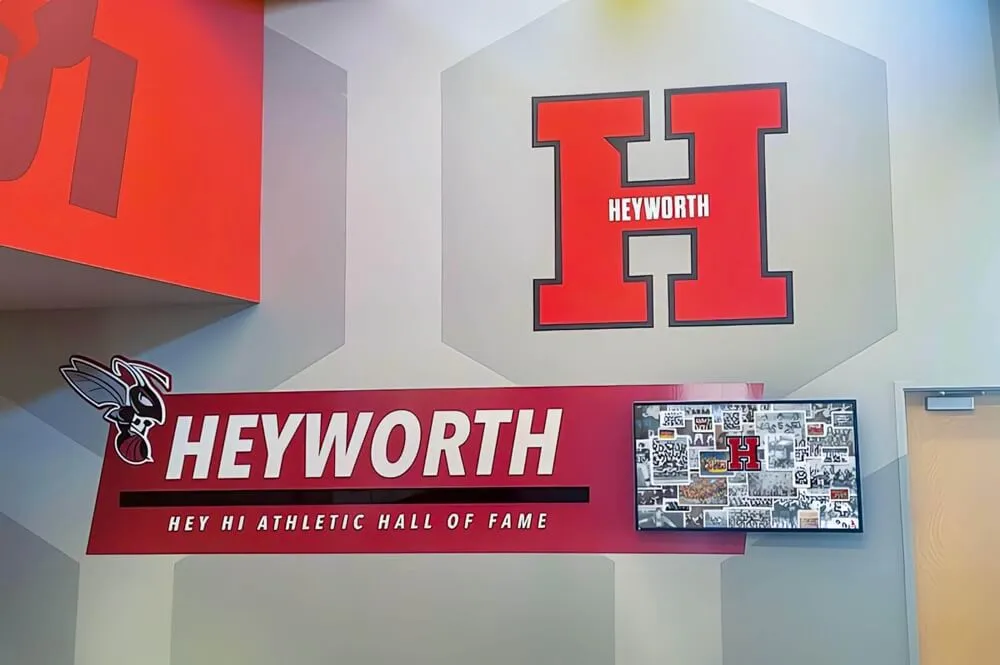
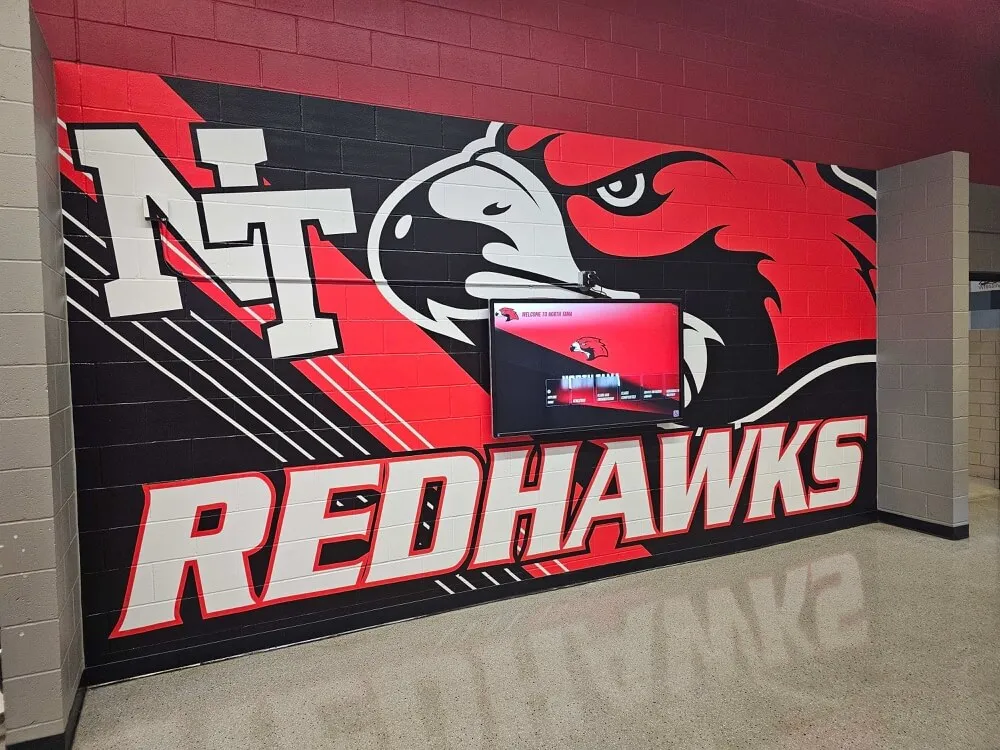
University athletic displays celebrate conference tournament achievements within comprehensive recognition systems honoring program history
Big Ten Wrestling Powerhouse Programs
Several Big Ten institutions have established dynasties through sustained tournament and NCAA Championship success.
Iowa’s Unprecedented Dominance
The University of Iowa wrestling program stands as college wrestling’s most successful program, with Big Ten tournament success forming the foundation of this achievement.
Hawkeye Tournament Legacy
Iowa’s Big Ten tournament record demonstrates remarkable consistency:
- 37 conference team championships (most in Big Ten history)
- 180+ individual conference champions
- Multiple seasons with five or more individual tournament champions
- Dominance across multiple eras under various head coaches
- Unprecedented streaks including consecutive team championships
Iowa’s athletic department recognizes this tournament excellence through comprehensive displays connecting current wrestlers with legendary predecessors who established program standards. Solutions like Rocket Alumni Solutions enable unlimited recognition capacity ensuring every conference champion receives appropriate acknowledgment.
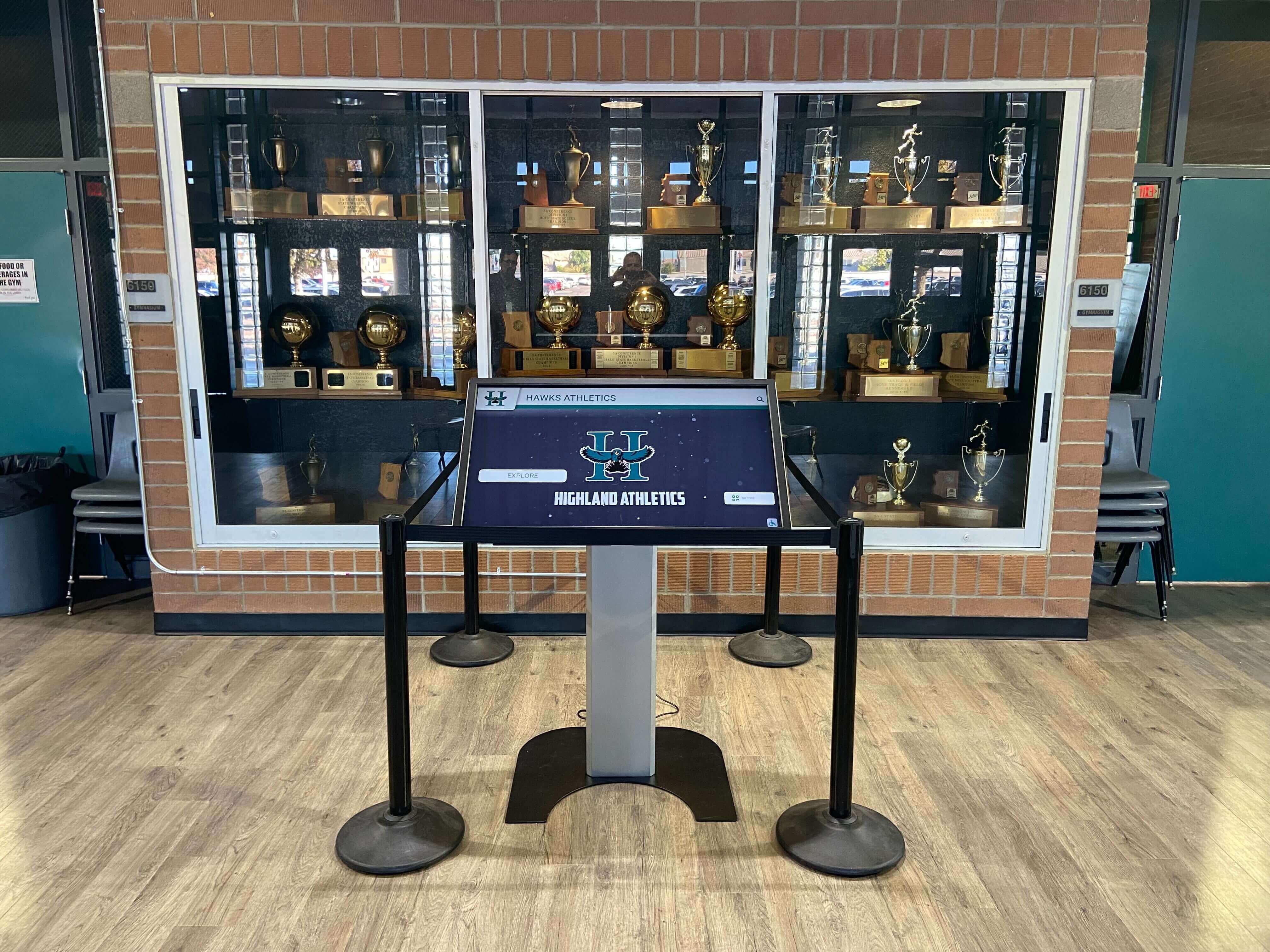
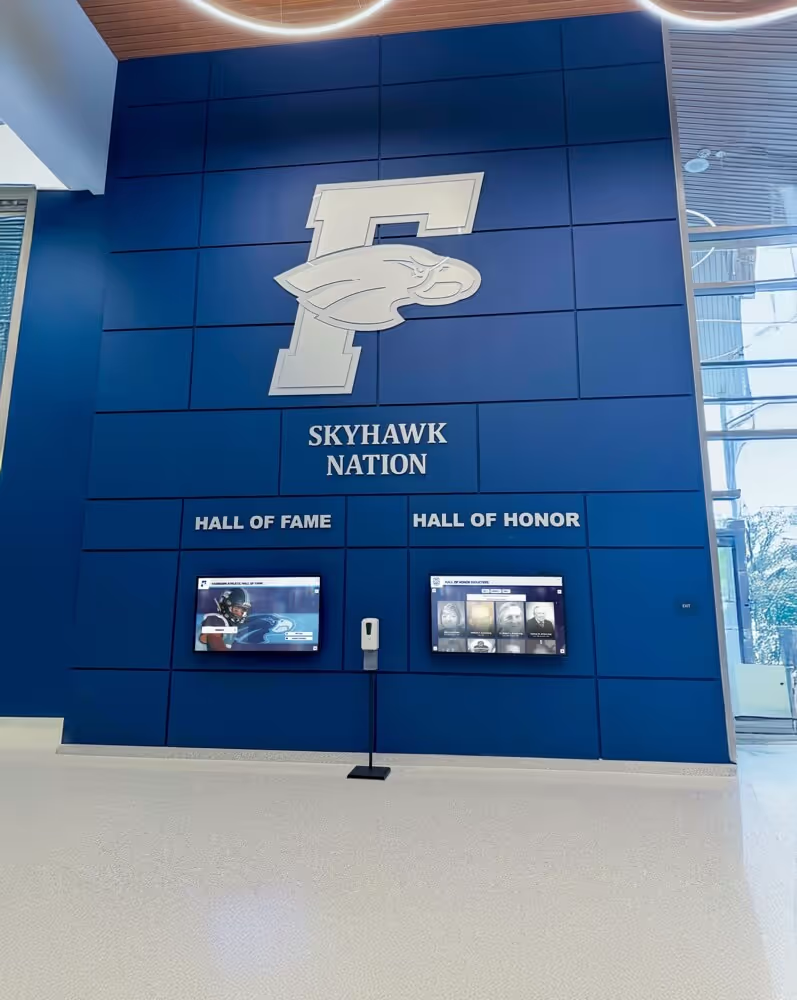
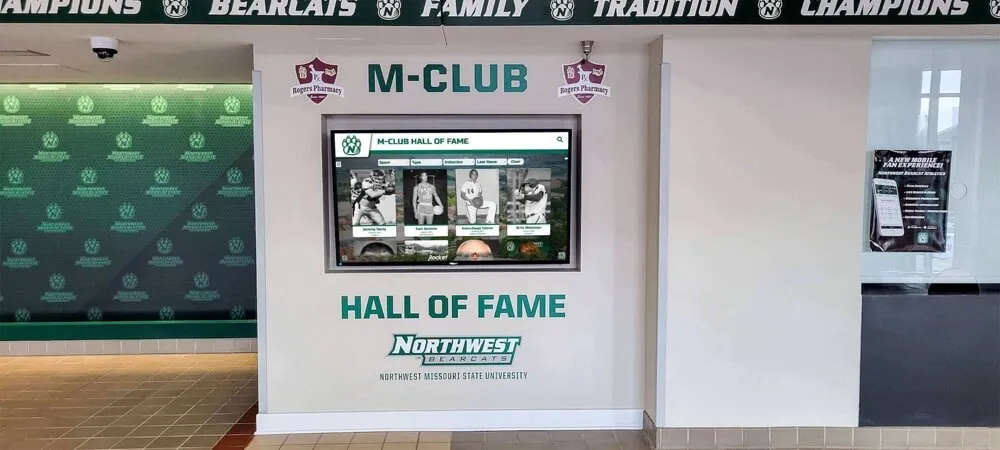
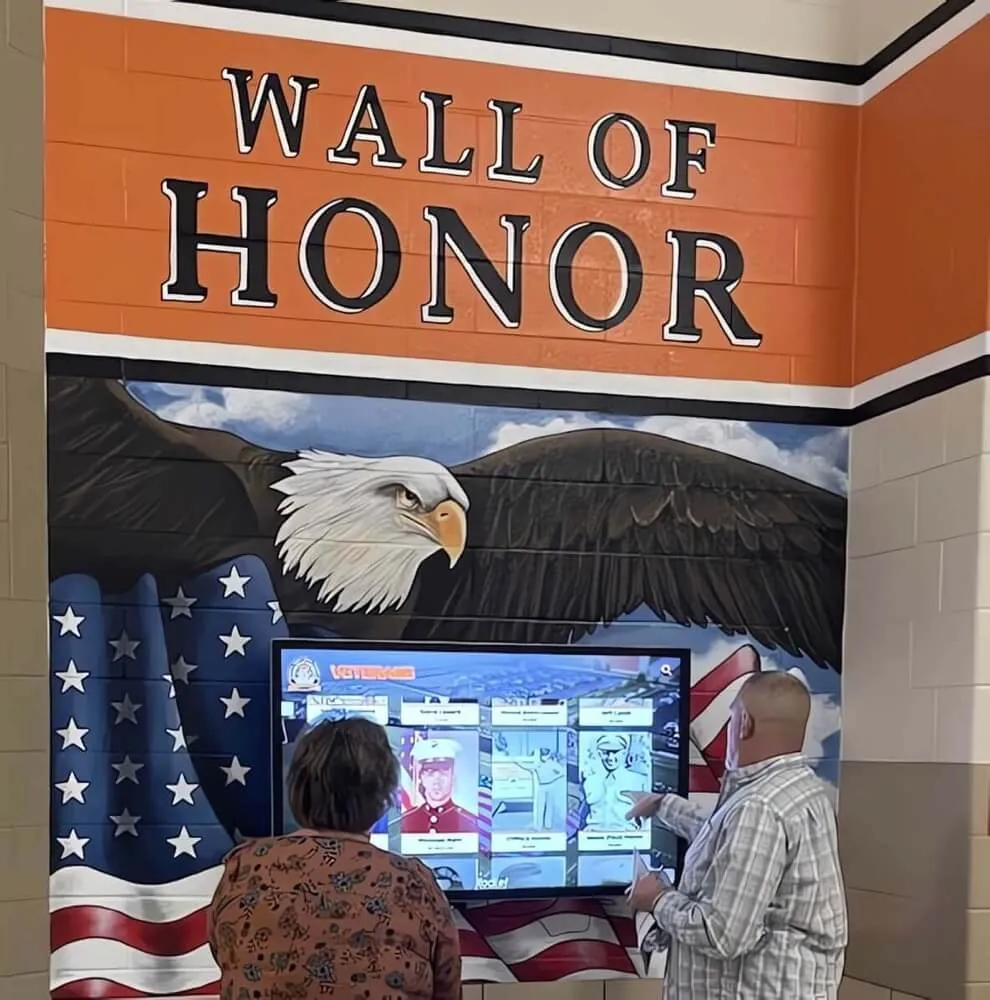
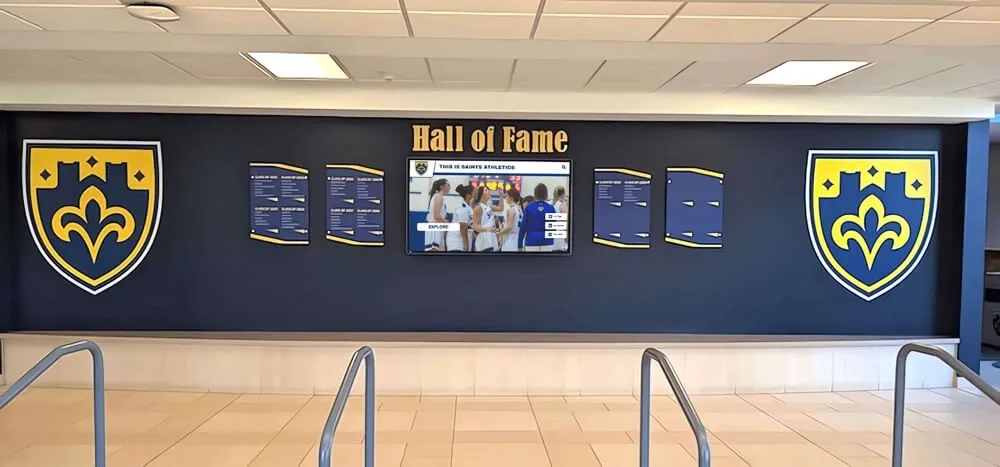
Interactive displays integrate with traditional trophy cases, expanding recognition capacity for extensive championship histories
Notable Iowa Conference Champions
Iowa has produced numerous Big Ten champions who became NCAA titlists and Olympic medalists:
- Dan Gable (conference champion before legendary coaching career)
- Tom and Terry Brands (multiple conference titles leading to Olympic gold)
- Brent Metcalf (three-time Big Ten champion, two-time NCAA champion)
- Spencer Lee (three conference titles, three NCAA championships)
Universities implementing wrestling awards recognition systems can showcase these progression pathways from conference success to national and international achievement.
Penn State’s Modern Dynasty
Penn State wrestling has dominated recent Big Ten tournaments through recruiting excellence and systematic development.
Nittany Lion Tournament Success
Penn State’s recent conference dominance includes:
- 12 Big Ten team titles since joining conference in 1991
- Consistent team championship contention annually
- Multiple bonus point records through dominant tournament performances
- Balance across weight classes with champions at multiple weights
- Development of high school recruits into conference champions
Penn State demonstrates how sustained conference tournament success builds program reputation attracting elite recruits who perpetuate excellence cycles. Athletic recognition displays help tell these program development stories through wrestler profiles spanning recruitment to championship success.
Ohio State’s Rich Wrestling Tradition
Ohio State wrestling combines historical success with contemporary competitiveness in Big Ten tournament competition.
Buckeye Conference Achievements
Ohio State’s tournament legacy features:
- Multiple Big Ten team championships across different eras
- Consistent production of individual conference champions
- Development of Olympic-level wrestlers through program
- Historic victories in tournament championship rounds
- Contribution to Big Ten’s national wrestling prominence
Universities recognize this balanced achievement through displays celebrating both team championships and individual titlists, showing program depth across weight classes and eras.
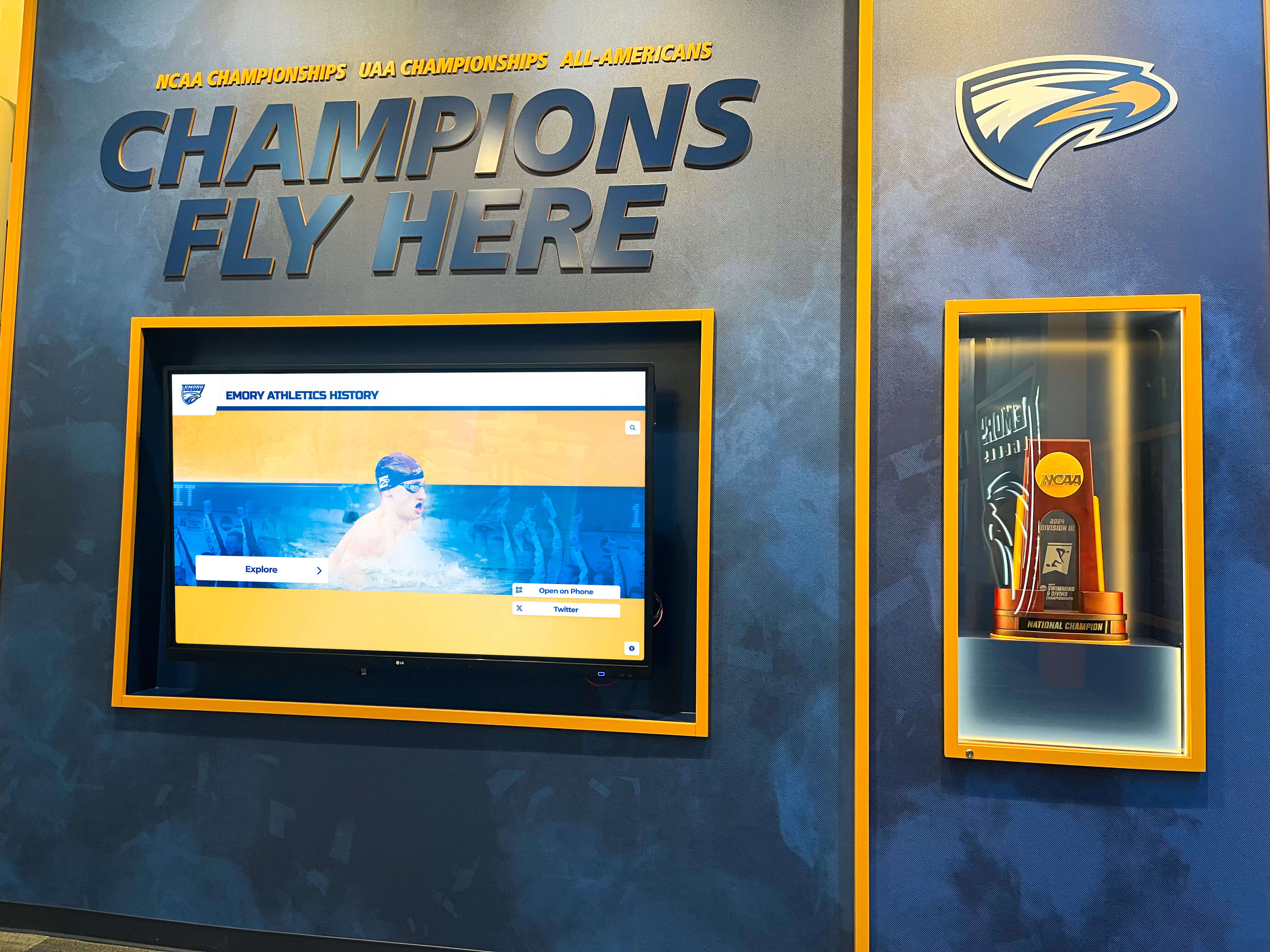
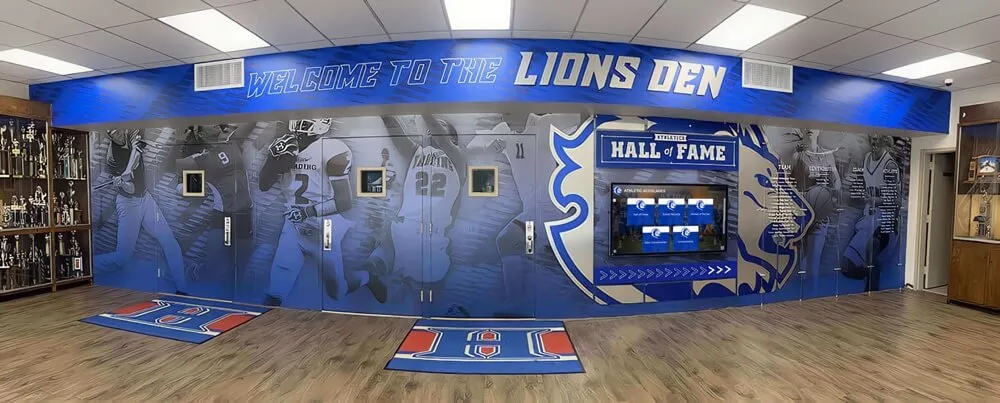
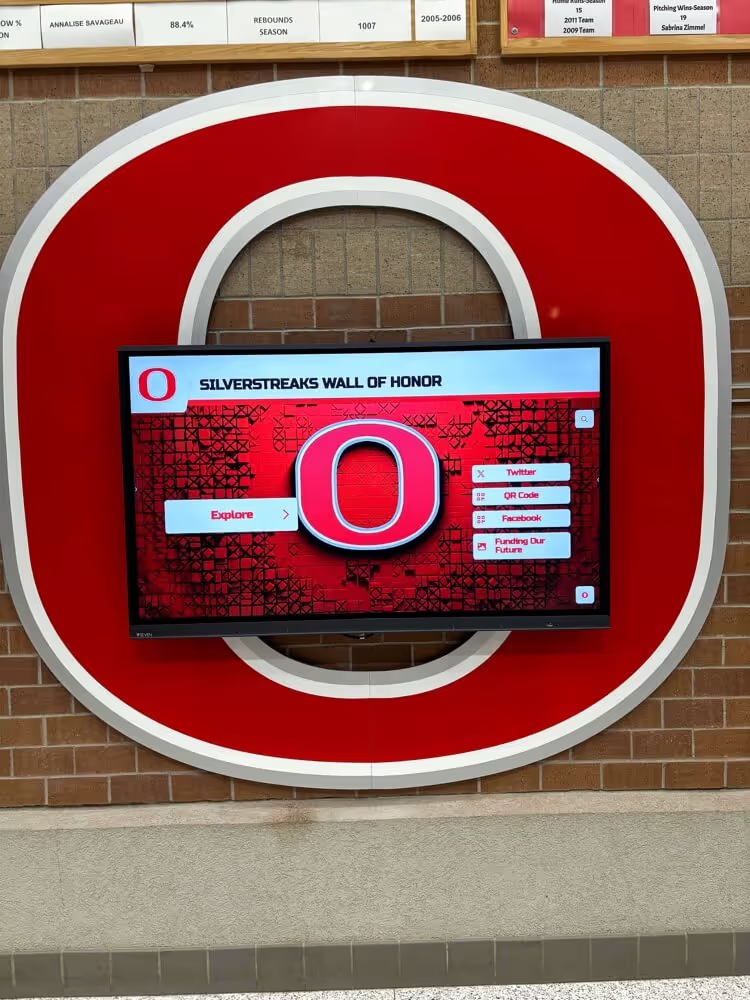
Championship displays effectively recognize conference tournament team titles alongside individual weight class victories
Other Conference Powerhouses
Multiple Big Ten institutions have contributed to the conference’s wrestling excellence through sustained competitive programs.
Minnesota’s Golden Gopher Legacy
Minnesota combines rich historical success with contemporary program building:
- Three NCAA team championships demonstrating national-level excellence
- Numerous Big Ten individual champions across program history
- Consistent conference tournament competitiveness
- Development of Olympic and World Championship medalists
- Strong in-state recruiting developing Minnesota talent
Michigan Wrestling Tradition
Michigan wrestling contributes significantly to Big Ten tournament competition:
- Multiple conference championship appearances and victories
- Production of numerous individual conference champions
- Historic tournament performances in critical team race situations
- Development of NCAA qualifiers and All-Americans through conference competition
Programs implementing college athletic recognition displays ensure all conference champions receive acknowledgment regardless of whether they achieved ultimate NCAA success.
Tournament Format and Competition Structure
Understanding Big Ten tournament structure helps appreciate the achievement conference championships represent.
Weight Classes and Brackets
The tournament follows standard NCAA weight class structure with conference-specific seeding protocols.
Current Weight Class Configuration
Big Ten tournament competition features ten weight classes:
- 125, 133, 141, 149, 157, 165, 174, 184, 197, and heavyweight (285 pounds)
- Each weight class features separate bracket competition
- Conference representatives seed brackets based on dual meet records and common opponents
- Championship finals determine individual conference champions
- Consolation rounds establish complete placement through eight positions
This structure creates 20 finals matches (men’s and women’s tournaments combined) annually, generating substantial championship opportunities that athletic departments recognize through comprehensive displays.
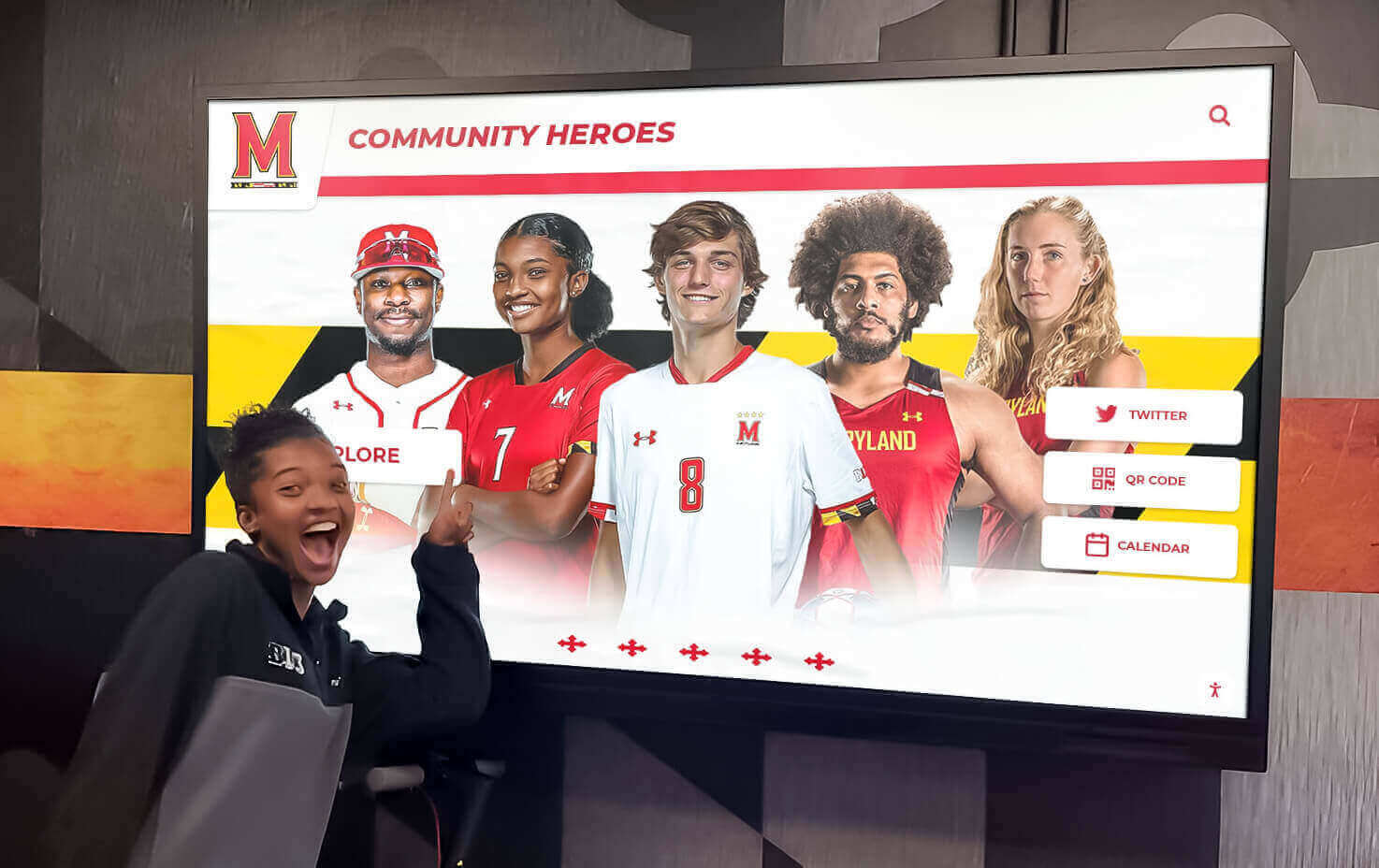
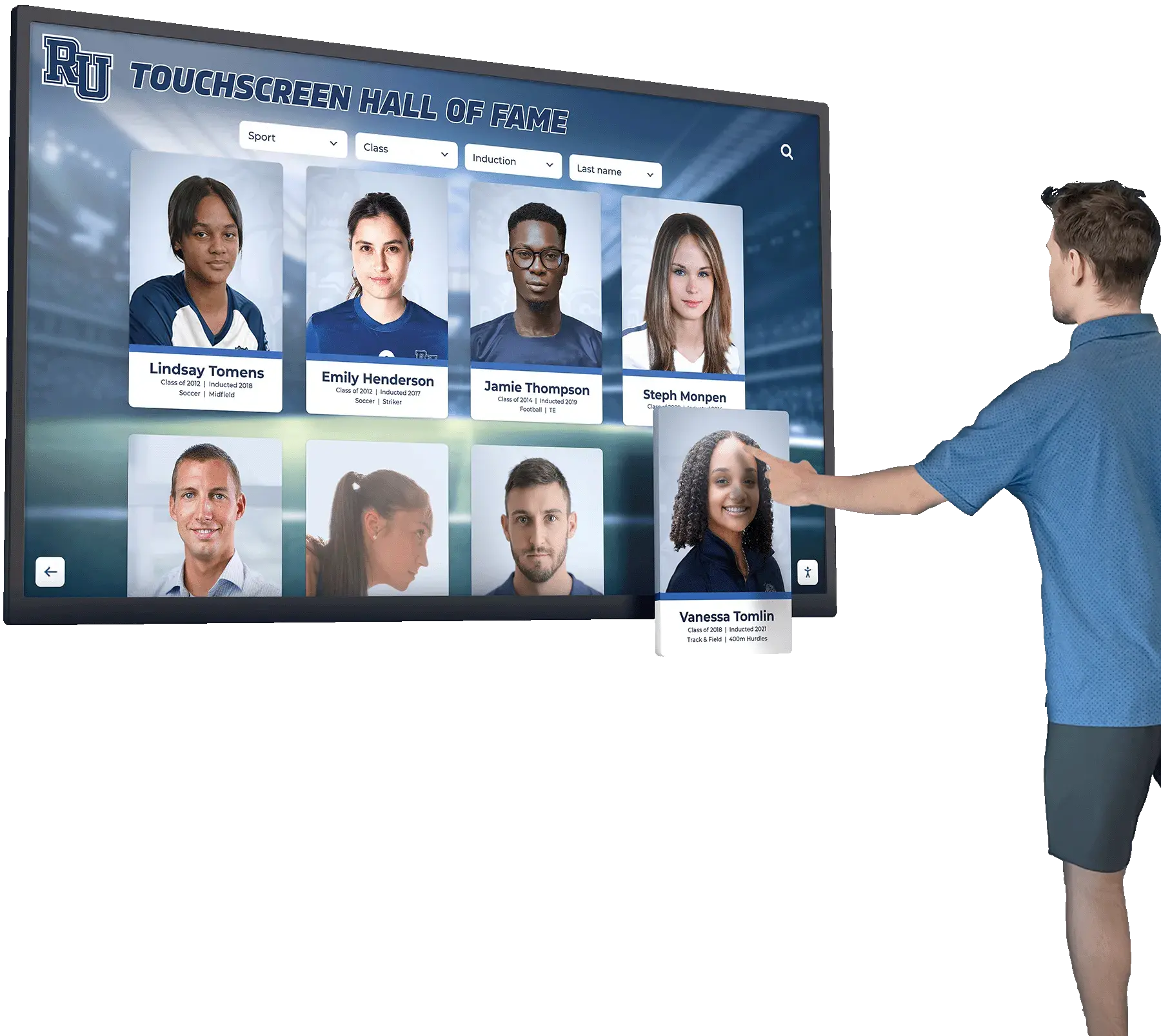
Engaging displays enable current student-athletes to explore conference tournament history and connect with program achievements
Scoring and Team Championship Determination
Team championships utilize advancement points rewarding tournament progression and placing bonuses.
Point Structure
Conference tournament team scoring awards points for:
- Advancement through bracket rounds (qualifying, quarterfinals, semifinals, finals)
- Final placement positions (champion, runner-up, third through eighth place)
- Bonus points for falls, technical falls, and major decisions
- No differentiation between weight classes—all positions score equally
This scoring system means team championships often remain undecided until final matches, creating dramatic finishes. Universities preserve these championship moments through recognition displays featuring photos, final scoring, and narrative descriptions of tournament-deciding matches.
Tournament Schedule and Format
The three-day tournament format creates intensive competition testing athlete depth and conditioning.
Weekend Competition Structure
Big Ten tournaments typically follow this format:
- Friday: First-round and second-round matches establishing brackets
- Saturday: Quarterfinals and semifinal rounds determining finalists
- Saturday evening: Championship and consolation finals crowning champions
- Sunday: Lower placement rounds completing tournament brackets (in some years)
Athletes may wrestle five or six matches over the weekend, making tournament survival as important as individual match excellence. This competitive intensity makes conference championships particularly meaningful achievements deserving comprehensive recognition.
Individual Tournament Records and Legendary Performances
Big Ten tournament history features remarkable individual achievements and performances that define conference wrestling excellence.
Multiple-Time Conference Champions
Wrestlers earning multiple Big Ten championships demonstrate sustained excellence over college careers.
Four-Time Conference Champions
The most elite accomplishment in conference tournament history is winning four consecutive weight class titles:
- Four-time champions represent consistency across weight class transitions and competitive field changes
- Requires maintaining championship form from freshman through senior seasons
- Only achieved by wrestling’s most accomplished athletes
- Often correlates with multiple NCAA championships and national prominence
Universities honor four-time conference champions with prominent recognition within broader athletic hall of fame programs, acknowledging this rare achievement’s significance.
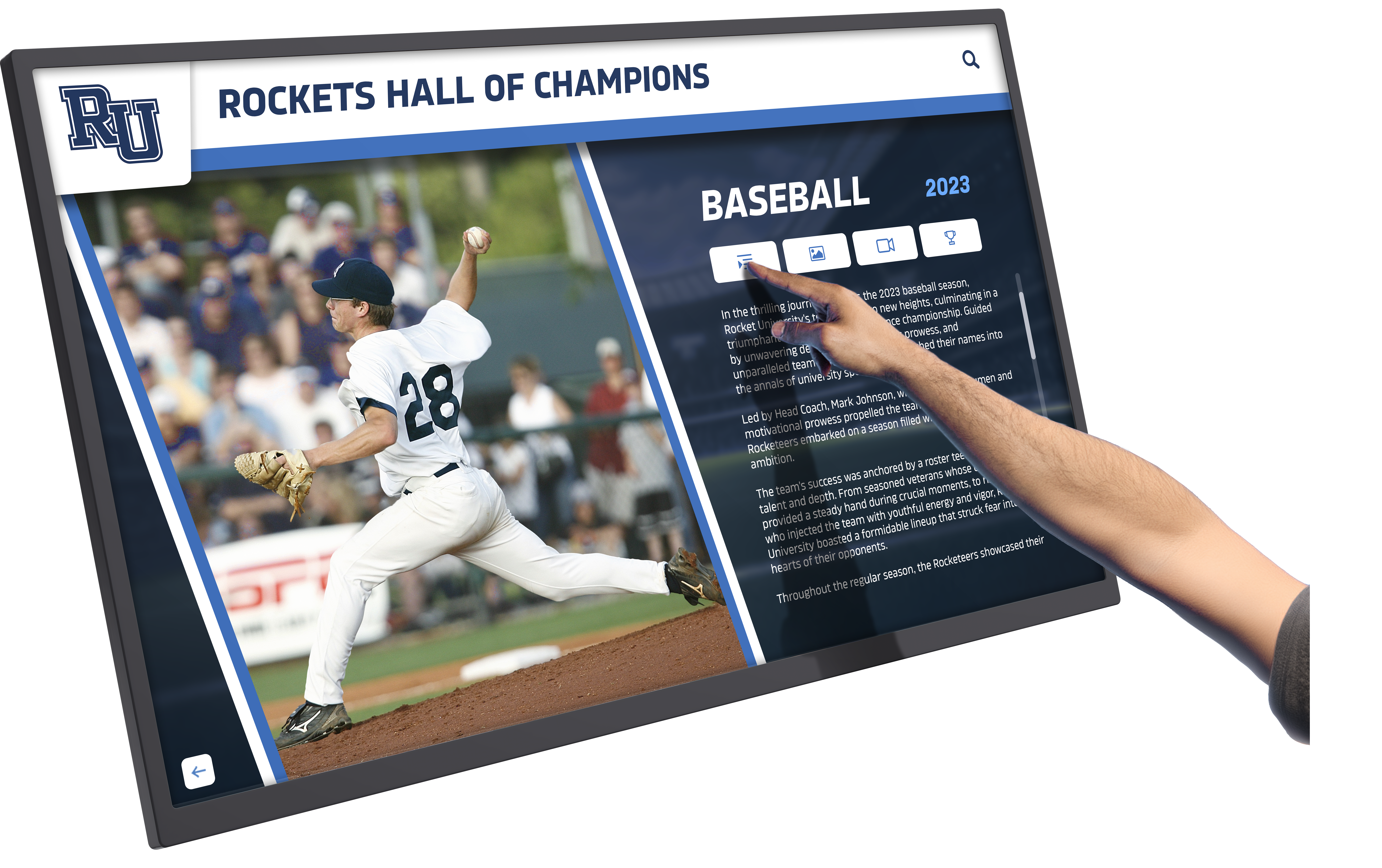
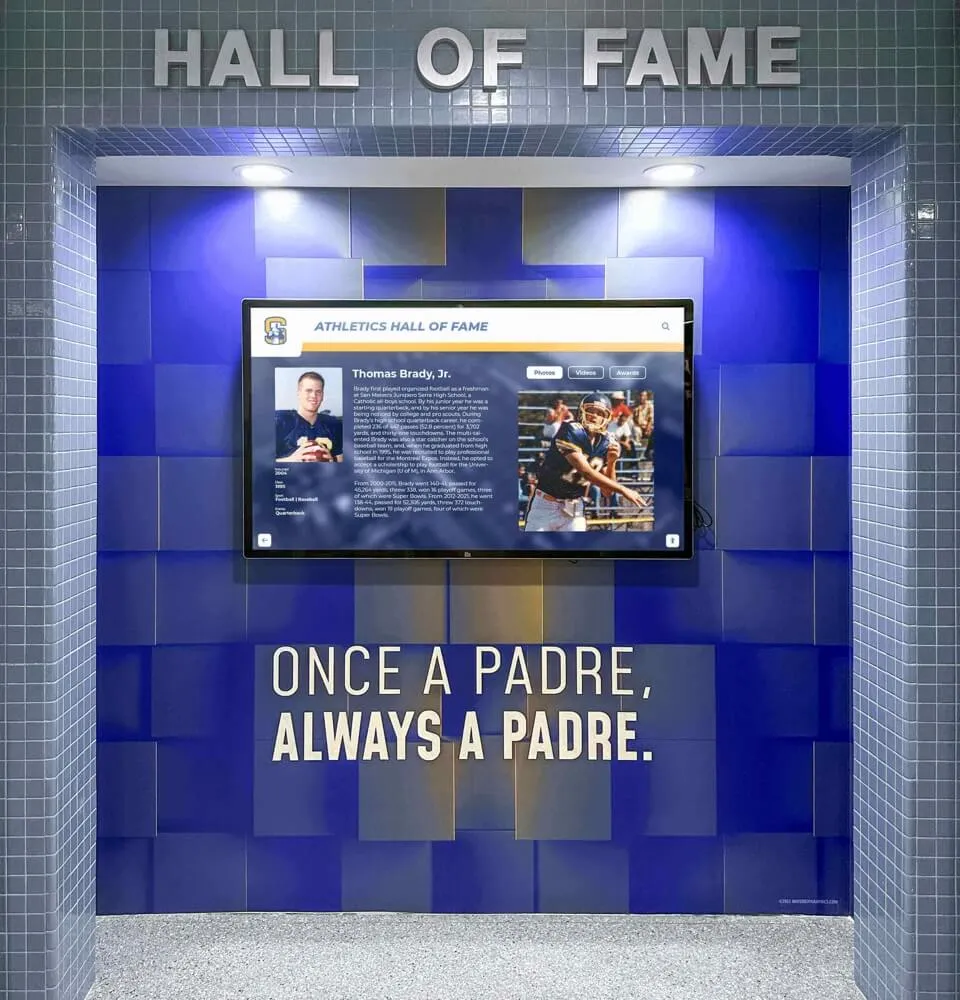
Touchscreen interfaces enable detailed wrestler profiles showcasing conference tournament victories, statistics, and career progression
Three-Time Champions
Three conference titles represent exceptional achievement:
- Demonstrates consistency across multiple years
- Requires navigating weight class decisions and competitive field changes
- Often accompanies NCAA All-American status and national recognition
- Creates leadership examples for younger program wrestlers
Athletic departments implementing digital wrestling recognition systems can filter championship displays showing multiple-time titlists, creating special recognition sections within comprehensive databases.
Tournament Outstanding Wrestler Awards
Big Ten tournament organizers recognize exceptional overall performance through outstanding wrestler selections.
Award Criteria and Selection
Outstanding wrestler awards typically consider:
- Championship victory at contested weight class
- Dominant performance style and bonus point accumulation
- Competition against highly-ranked opponents
- Impact on team championship race
- Exemplary sportsmanship and competitive character
These awards represent peer and coach recognition beyond individual championship achievement, warranting special acknowledgment in athletic recognition programs.
Record-Breaking Performances
Tournament history features performances establishing records for dominance, scoring, or competitive excellence.
Fastest Fall Records
Quick falls demonstrate technical superiority and create memorable tournament moments:
- Sub-30-second falls requiring perfect technique and opportunity exploitation
- Championship match falls showing dominance under highest pressure
- Multiple falls throughout tournament demonstrating consistent superiority
Scoring Differential Records
Wrestlers occasionally produce tournament performances featuring overwhelming point production:
- Large cumulative scoring margins across all tournament matches
- Multiple technical falls or major decisions throughout competition
- Bonus point contributions significantly impacting team scoring
Universities preserve these exceptional performances through recognition displays featuring match statistics, photographs, and contextual information explaining records’ significance.
Conference Tournament and NCAA Championship Connection
Big Ten tournament success strongly correlates with NCAA Championship performance, making conference achievement a reliable excellence indicator.
Qualification and Seeding Impact
Tournament performance directly affects NCAA Championship qualification and seeding for wrestlers near qualification bubbles.
Automatic Qualification Slots
Big Ten teams receive substantial NCAA qualification allocations based on conference strength:
- Conference typically receives multiple qualifiers per weight class
- Tournament placing determines which wrestlers qualify from each weight class
- Strong tournament performances by bubble wrestlers secure qualification
- Head-to-head tournament results break ranking ties
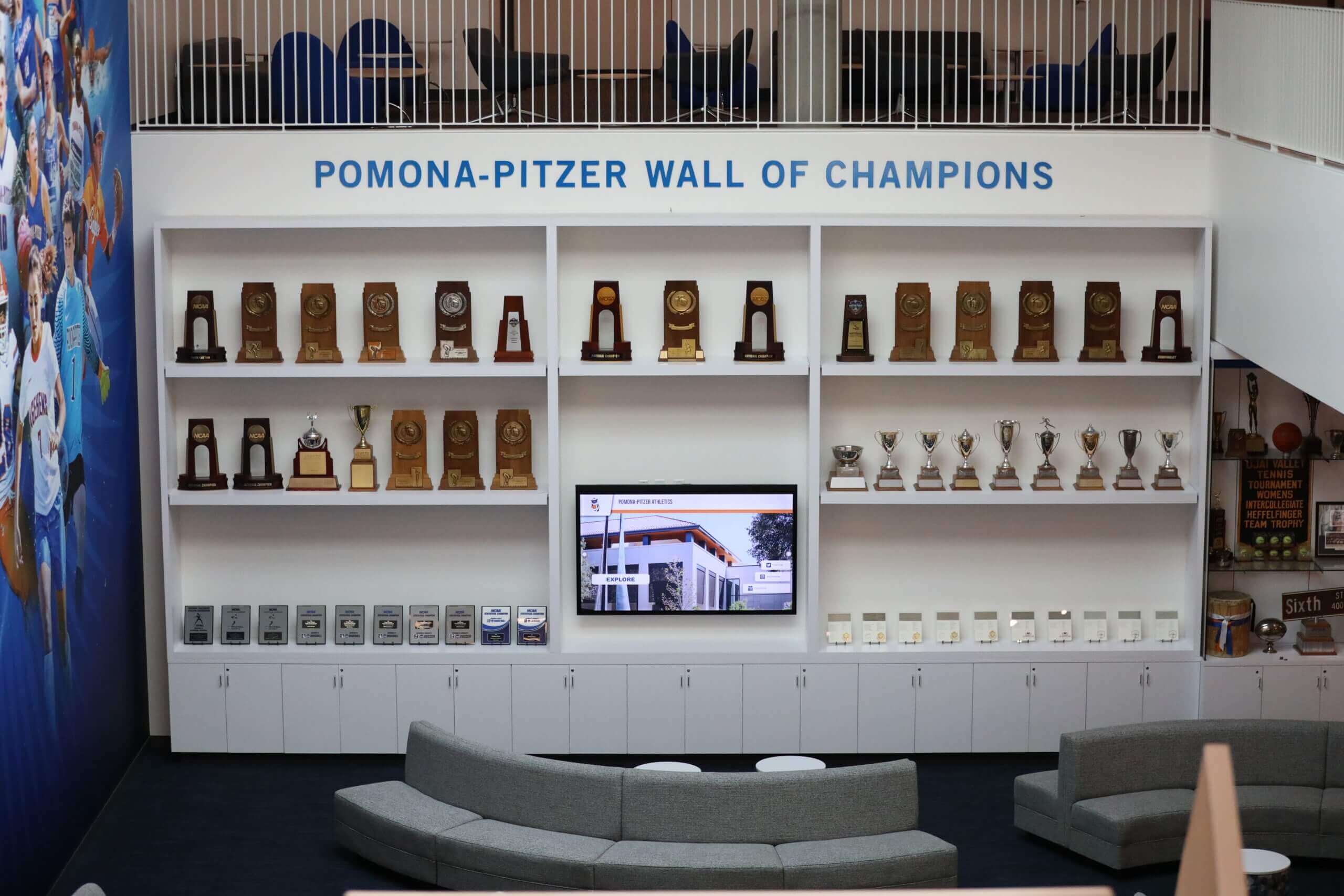
Athletic facility displays celebrate conference tournament achievements within environments where current wrestlers train daily
Seeding Advantages
Big Ten champions often receive favorable NCAA tournament seeds:
- Conference champions typically seed higher than non-champions with similar records
- Head-to-head conference tournament results influence seeding decisions
- Bonus point victories enhance résumés for seeding committees
- Tournament momentum carries into NCAA Championship preparation
Recognition programs should contextualize conference championships within broader NCAA achievement pathways, showing how conference success launched NCAA title runs.
Big Ten Champions as NCAA Champions
Big Ten tournament titles frequently precede NCAA championship victories at the same weight class, demonstrating conference competitive level.
Same-Season Double Championships
Wrestlers regularly complete Big Ten-NCAA championship doubles:
- Validates conference tournament competitive quality
- Demonstrates form maintenance from conference to national tournaments
- Creates natural narrative arc for season recognition displays
- Establishes wrestler legacies within program history
Athletic departments implementing championship recognition displays should highlight these double championship seasons prominently within wrestler profiles.
Legendary Big Ten Tournament Moments
Tournament history features dramatic matches and upsets that athletic programs commemorate as defining program moments.
Historic Upsets and Bracket Surprises
Conference tournaments regularly produce surprising results creating instant program legends.
Lower Seeds Defeating Favorites
Tournament upsets create memorable moments:
- Unseeded wrestlers defeating top-ranked conference opponents
- Freshmen or newcomers surprising established champions
- Wrestlers avenging regular-season losses in tournament settings
- Lower-ranked programs producing unexpected champions impacting team races
These breakthrough victories represent career-defining moments for wrestlers and programs, deserving prominent recognition even when individual wrestlers didn’t sustain championship-level success throughout careers.
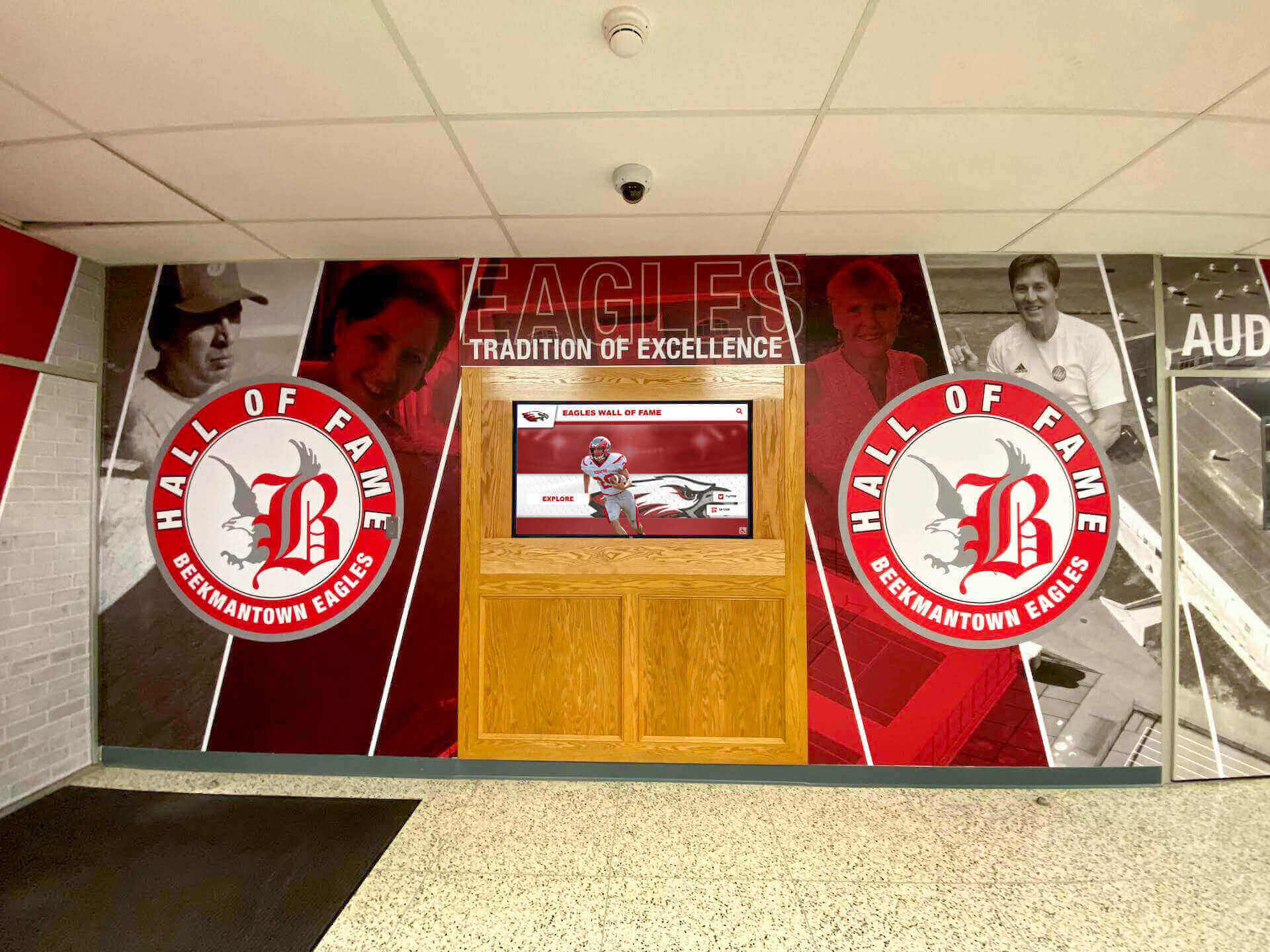
Athletic lobbies provide ideal locations for conference tournament recognition ensuring visibility for students, alumni, and visitors
Team Championship Deciding Matches
Close team championship races create tension-filled final sessions where individual matches determine conference titles.
Championship-Deciding Scenarios
Memorable team championship finishes include:
- Final matches determining team champions in tied or near-tied standings
- Bonus point victories providing margins of victory in team races
- Multiple schools entering finals with realistic championship aspirations
- Dramatic reversals where early leaders fall short in final sessions
Athletic recognition programs should preserve team championship stories comprehensively, showing how individual wrestler contributions combined to produce conference titles within narrative formats that communicate tournament drama.
Individual Match Drama
Specific matches become program legend through dramatic circumstances or exceptional performances.
Overtime Classics
Extended matches showcasing endurance and mental toughness:
- Multiple overtime periods determining conference champions
- Sudden victory scenarios creating instant championship moments
- Tiebreaker criteria determining champions after prolonged stalemates
- Championship match overtimes with NCAA seeding implications
Programs implementing digital recognition systems can feature video highlights of these matches, preserving full drama impossible through static photographs or text descriptions alone.
Modern Recognition for Big Ten Wrestling Success
Universities face decisions about appropriately commemorating conference tournament achievements within comprehensive athletic recognition programs.
Traditional Recognition Approaches
Physical recognition methods provide visible acknowledgment but face inherent limitations.
Championship Banners
Many wrestling programs display Big Ten championship banners:
- Team championship banners recognize conference title seasons
- Individual weight class championship banners (less common)
- Numerical tallies showing cumulative conference championships
- Banner space constraints as achievements accumulate over decades
While traditional and visible, banners provide minimal detail about specific achievements, wrestlers, or championship circumstances.
Trophy Cases and Physical Awards
Traditional trophy displays showcase conference championships:
- Team championship trophies in dedicated display cases
- Individual wrestler trophies from conference victories
- Space limitations requiring rotation or selective display
- Physical deterioration over time requiring preservation efforts
These physical artifacts remain important but benefit from supplementation with digital systems providing comprehensive context and unlimited recognition capacity.
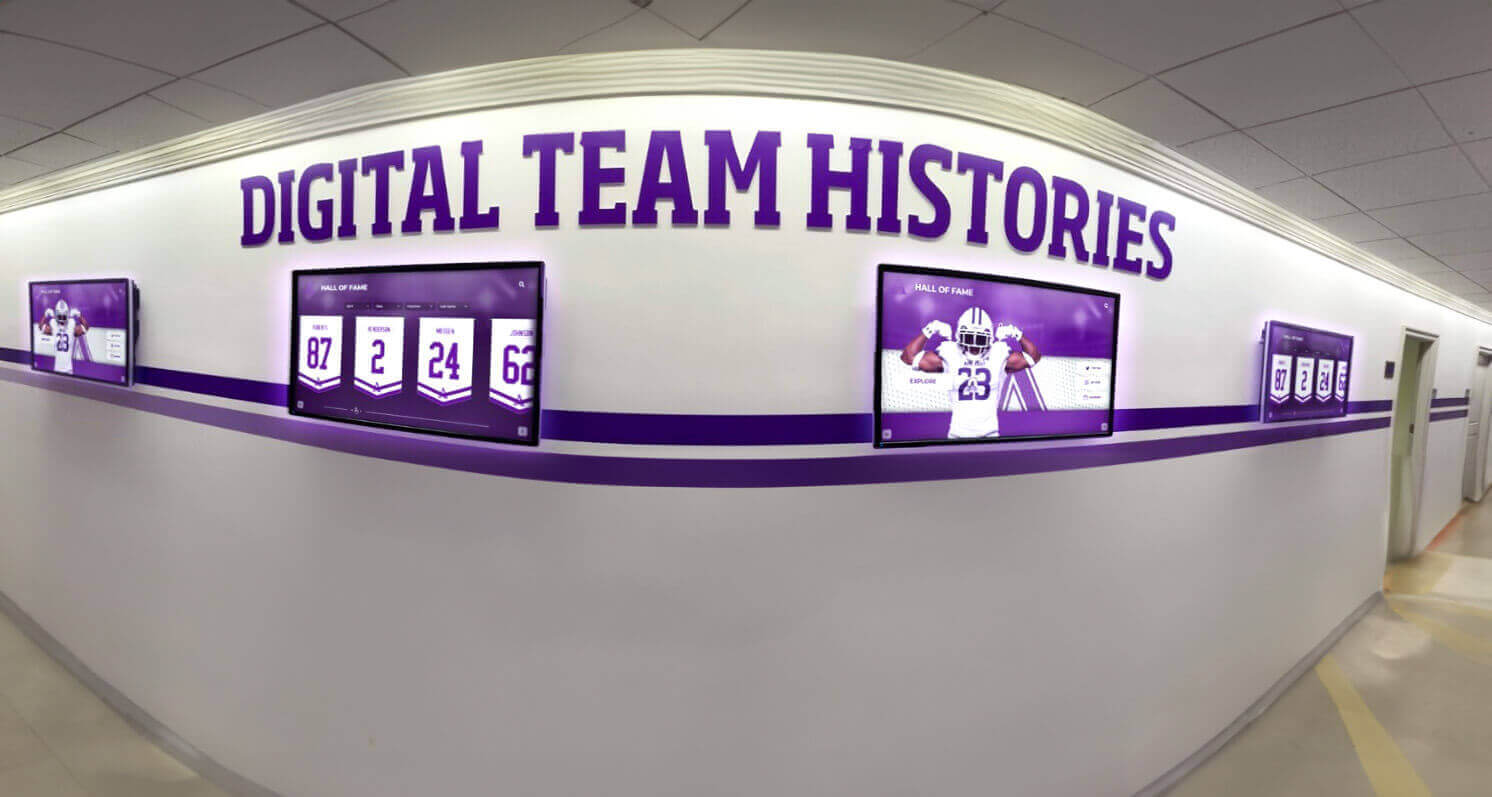
Digital displays enable comprehensive conference tournament history presentation with unlimited capacity for wrestler profiles and championship seasons
Digital Recognition Platforms for Wrestling Programs
Modern technology enables comprehensive recognition impossible through traditional physical approaches alone.
Unlimited Recognition Capacity
Solutions like Rocket Alumni Solutions provide wrestling programs with capability to recognize:
- Every conference tournament participant across all program history
- Individual wrestler profiles with conference tournament records and achievements
- Weight class record boards showing historical champions and placers
- Team championship seasons with complete rosters and tournament results
- Head-to-head matchup histories between program rivals
- Coach profiles documenting conference championship success
Digital platforms eliminate impossible choices physical space constraints impose, ensuring comprehensive recognition honoring all achievement levels from tournament qualifiers to multiple-time champions.
Interactive Exploration Features
Touchscreen displays create engaging experiences:
- Search functionality finding specific wrestlers, years, or weight classes instantly
- Filtering by achievement type (champions, All-Americans, qualifiers)
- Detailed wrestler profiles with statistics, photos, and career summaries
- Video integration showcasing championship matches and tournament highlights
- Timeline views presenting program conference success chronologically
- Comparison tools showing statistical leaders across different eras
These interactive capabilities transform recognition from passive viewing into active exploration building deeper connections with program tradition. Schools implementing digital trophy case solutions report significantly higher engagement compared to traditional static displays.
Content Management and Sustainability
Administrative efficiency determines recognition program long-term sustainability and content accuracy.
Cloud-Based Management
Modern recognition platforms provide remote content management:
- Updates from any internet-connected device without physical display access
- Add tournament results immediately following championship conclusion
- Schedule content publication automating annual recognition updates
- Multiple administrator access enabling responsibility sharing
- Automatic backup preventing data loss
Wrestling programs report 80-90% reduction in administrative time maintaining recognition after implementing cloud-managed systems compared to physical plaque coordination, engraving, and installation scheduling.
Sustainable Recognition Programs
Long-term program success requires:
- Intuitive interfaces requiring minimal training for new staff
- Template systems accelerating repetitive content creation
- Bulk import capabilities for historical data migration
- Role-based permissions enabling appropriate staff access
- Vendor support ensuring technical assistance availability
Universities implementing comprehensive digital recognition discover systems become increasingly valuable over time as historical content accumulates creating irreplaceable institutional archives.
Implementing Conference Wrestling Recognition
Athletic departments planning conference tournament recognition should consider strategic approaches ensuring appropriate achievement acknowledgment.
Defining Recognition Criteria
Clear criteria ensure consistent, fair recognition across program history.
Individual Achievement Levels
Programs typically recognize:
- Big Ten conference champions (individual weight class titles)
- Tournament runner-up finishers (second place)
- All-Tournament team selections or top-3 placers
- Conference tournament qualifiers representing program
- Academic All-Big Ten wrestling team members
- Sportsmanship award recipients
Criteria should reflect institutional values while maintaining recognition significance through appropriate selectivity. Some programs recognize only champions, while others acknowledge all tournament participants.
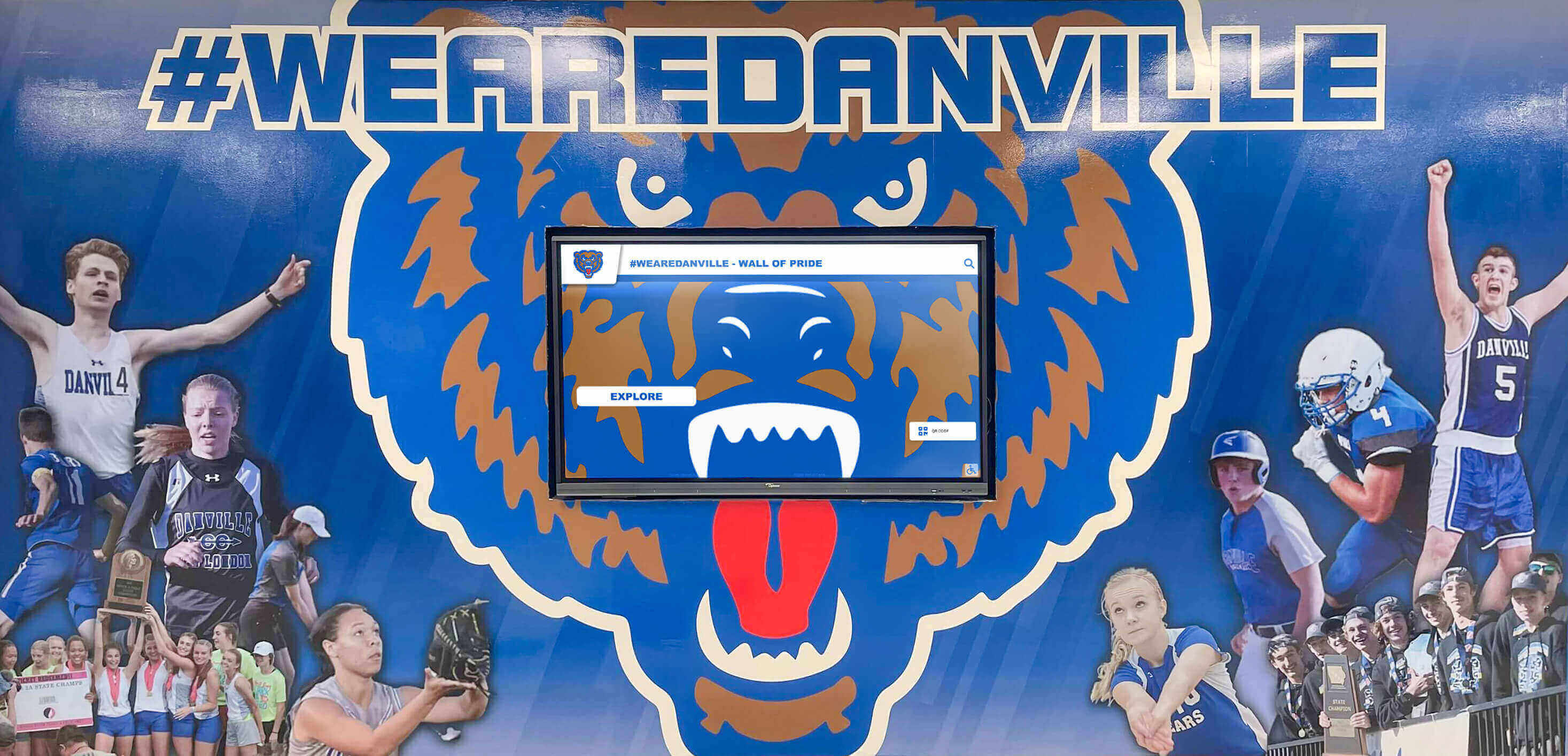
Athletic corridor placement ensures daily visibility for current wrestlers inspired by conference tournament tradition and championship standards
Team Recognition Standards
Conference team championships warrant comprehensive recognition:
- Team title seasons with complete rosters and tournament brackets
- Runner-up finishes demonstrating competitive excellence
- Individual wrestler contributions to team scoring
- Coach recognition for championship leadership
- Historic team championship streaks or notable achievements
Historical Research and Content Development
Comprehensive recognition requires substantial historical information gathering and verification.
Research Methodology
Effective historical content development includes:
- Conference records verification through Big Ten Archives
- University athletic department record reviews
- Media guide compilation and historical documentation
- Alumni interviews collecting achievement details and memories
- Photograph gathering from yearbooks, media guides, and personal collections
- Video footage identification for championship matches
- Statistical verification ensuring accuracy
Universities should allocate appropriate time for historical research, typically 3-6 months for comprehensive content development depending on program history depth and available documentation.
Content Organization
Systematic organization accelerates recognition implementation:
- Individual wrestler database with tournament records
- Season-by-season team performance documentation
- Weight class record boards showing historical champions
- Coaching records and championship achievements
- Timeline development presenting program evolution chronologically
- Cross-referencing connections between related wrestlers, teams, and achievements
Initial content development represents significant investment, but digital platforms preserve this work permanently while enabling continuous expansion as new achievements accumulate.
Budget Considerations and Funding
Strategic financial planning ensures sustainable recognition programs.
Digital Recognition Investment
Comprehensive digital systems typically involve:
- Commercial-grade touchscreen displays: $3,000-8,000 per unit depending on size
- Professional installation with mounting and connectivity: $1,000-3,000
- Software platform annual subscription: $2,500-8,000 for unlimited content
- Initial content development and historical data migration: $5,000-20,000
- Total initial investment: $10,000-40,000 for complete implementation
While substantial, this investment eliminates ongoing engraving costs, provides unlimited recognition capacity, and creates permanent infrastructure serving programs indefinitely. Universities implementing touchscreen recognition solutions find return on investment through administrative time savings, enhanced engagement, and space efficiency.
Funding Strategies
Athletic departments can pursue various funding approaches:
- Athletic department budget allocation or facility improvement funds
- Wrestling program booster club support or fundraising
- Alumni donation campaigns specifically for recognition systems
- Memorial or legacy gifts honoring distinguished program alumni
- Sponsorship opportunities with appropriate donor recognition
- Capital campaign integration during facility renovations
- Multi-sport cost sharing for comprehensive athletic recognition
Emerging Technologies in Wrestling Recognition
Recognition systems continue evolving with advancing technology creating enhanced engagement opportunities.
Video Integration Capabilities
Modern platforms enable comprehensive video content integration:
Match Footage Preservation
Digital recognition can incorporate:
- Championship match complete video archives
- Highlight packages showcasing key tournament moments
- Wrestler career compilation videos
- Coach interviews and championship retrospectives
- Training footage and technique demonstrations
- Alumni reflection videos discussing tournament experiences
Video capabilities transform recognition from static information presentation into engaging multimedia experiences preserving complete championship stories.
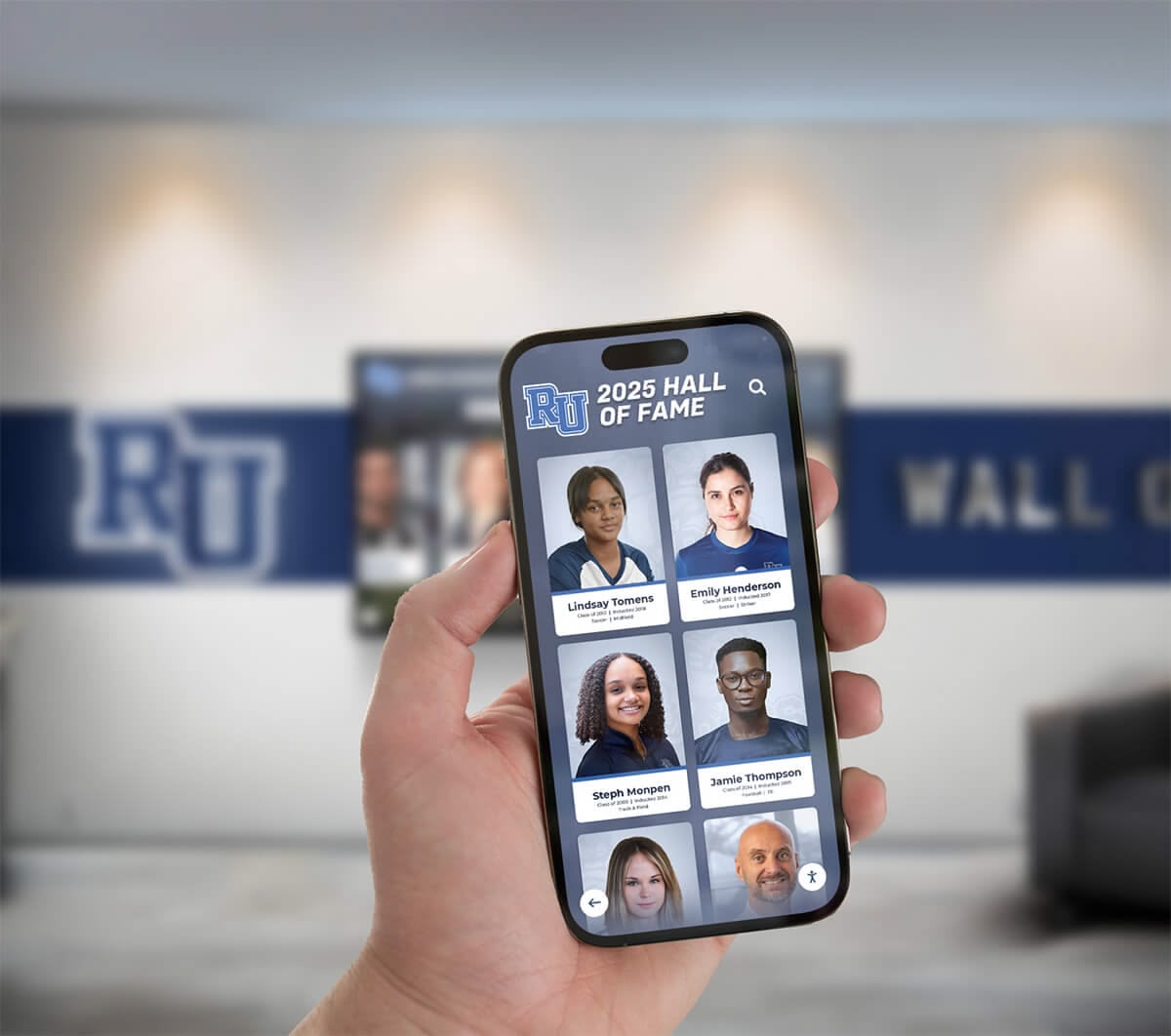
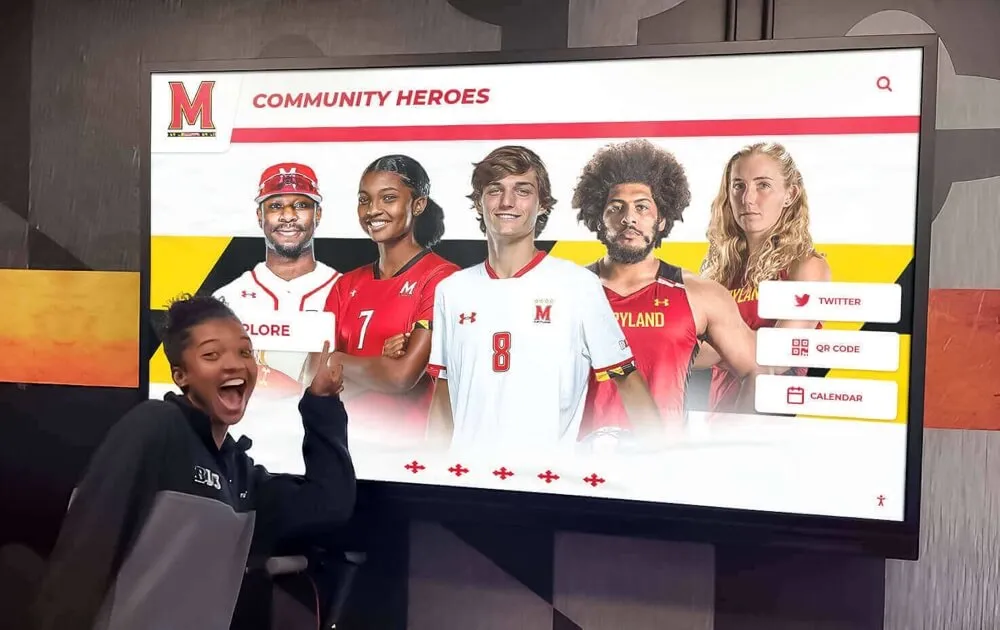
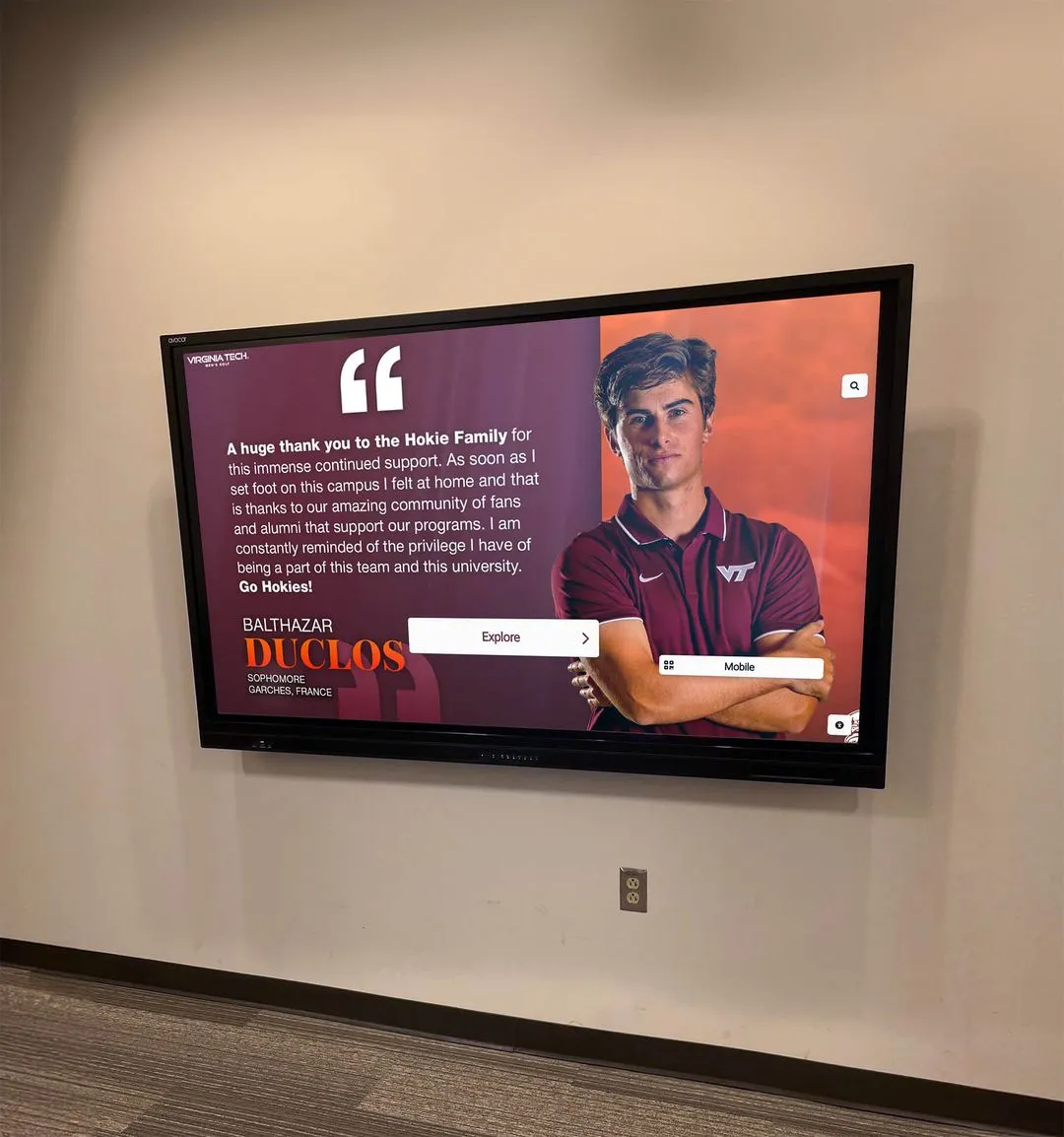
Mobile accessibility extends recognition beyond physical displays, enabling alumni and fans worldwide to explore conference tournament achievements
Mobile and Web-Based Access
Recognition extends beyond physical displays through mobile applications and web platforms:
Expanded Access Options
Contemporary systems provide:
- Mobile applications mirroring physical display content
- Web-based recognition accessible from anywhere
- Social media integration enabling achievement sharing
- QR codes on physical displays linking to expanded mobile content
- Alumni engagement through remote access capabilities
- Recruiting advantages showing prospective student-athletes program tradition
This expanded access increases recognition value by serving audiences unable to visit physical locations while maintaining engagement with distant alumni.
Analytics and Engagement Tracking
Sophisticated platforms provide insight into recognition usage patterns:
Usage Analytics
Systems can track:
- Most-viewed wrestler profiles and content
- Popular search queries indicating audience interests
- Interaction frequency and session duration
- Content gaps suggesting additional recognition opportunities
- Seasonal usage patterns around tournament timing
Analytics enable continuous recognition program improvement through data-driven decision making about content priorities and presentation approaches.
Building Championship Culture Through Recognition
Beyond commemorating achievements, effective recognition programs contribute to competitive cultures producing future conference success.
Motivating Current Student-Athletes
Visible conference tradition influences current wrestlers through established standards and role models.
Recognition’s Performance Impact
Championship recognition affects current athletes by:
- Establishing visible program standards and achievement expectations
- Creating role models demonstrating excellence pathways
- Building pride and desire contributing to institutional legacy
- Connecting current teams with historical success
- Demonstrating university commitment to wrestling excellence
- Attracting recruits seeking programs valuing achievement recognition
Wrestling programs implementing comprehensive recognition often observe improved recruitment, retention, and performance as athletic tradition becomes more visible and celebrated.
Engaging Alumni and Building Community
Conference tournament recognition strengthens connections between universities and broader wrestling communities.
Recognition as Engagement Tool
Athletic recognition serves multiple constituencies:
- Alumni return to campus to view tournament recognition and find themselves
- Families explore displays celebrating their wrestlers’ achievements
- Community members take pride in university wrestling success
- Prospective recruits evaluate program tradition during visits
- Donors see recognition validating investment in wrestling programs
This broad engagement justifies recognition investment beyond just athletic department benefits, as tournament tradition becomes institutional identity preserved and celebrated.
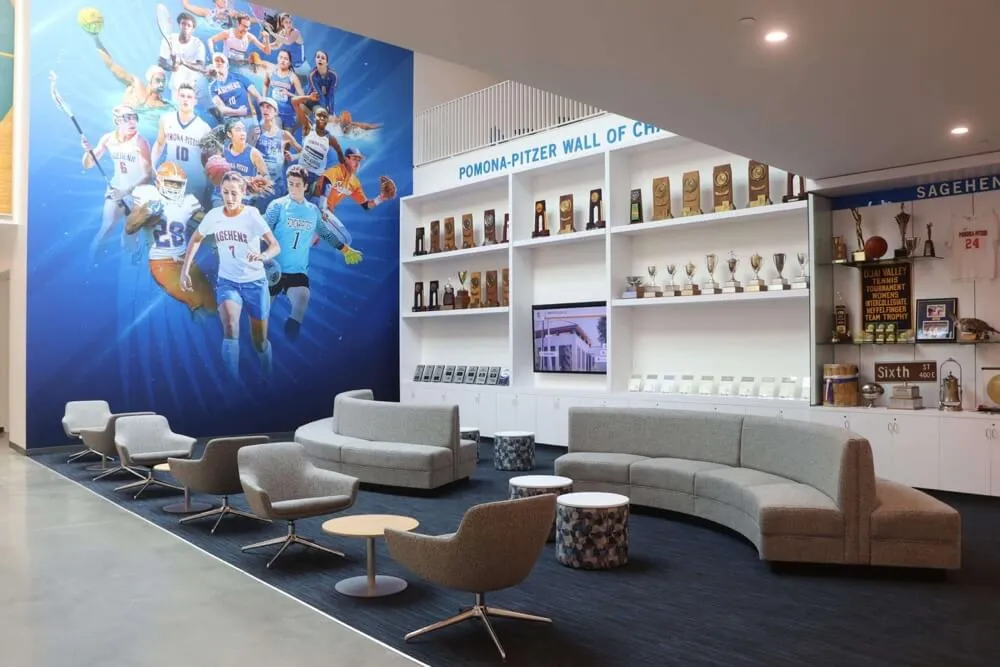
Athletic facility recognition spaces create environments celebrating conference tournament achievements while serving current team operations
Programs implementing digital recognition for athletic achievements report enhanced alumni engagement and increased financial support as recognition visibility increases.
Conclusion: Honoring Big Ten Wrestling Excellence
The Big Ten Wrestling Tournament represents the pinnacle of conference competition in college wrestling’s most elite conference. From Iowa’s unprecedented championship dynasty to Penn State’s modern dominance, from legendary individual performances to team championship drama, the tournament creates achievements deserving permanent recognition that inspires future generations while honoring past excellence.
Universities face recognition challenges as conference championship achievements accumulate across decades. Traditional approaches including banners and trophy cases remain important but encounter fundamental limitations—physical space constraints forcing selective recognition, minimal detail about achievement contexts, and administrative complexity maintaining displays across staff transitions.
Transform Your Wrestling Recognition Program
Discover how comprehensive digital recognition displays enable unlimited capacity to honor Big Ten tournament champions, team titles, and individual excellence—without physical space constraints or ongoing maintenance complexity. Create engaging touchscreen experiences that preserve wrestling legacy while inspiring current student-athletes.
Explore Recognition SolutionsModern digital recognition platforms like Rocket Alumni Solutions eliminate these limitations through unlimited recognition capacity, interactive exploration features enabling visitors finding specific wrestlers or achievements instantly, cloud-based management dramatically reducing administrative burden, and engaging multimedia experiences incorporating video, photos, and comprehensive statistical information impossible with traditional displays.
The strategies explored throughout this guide provide frameworks for Big Ten athletic departments creating recognition programs appropriately honoring conference tournament tradition. From understanding tournament history and competitive significance to implementing modern recognition technology and developing comprehensive content, these approaches enable universities making informed decisions serving wrestling programs for generations.
Your university’s Big Ten wrestling achievements—whether individual weight class championships, tournament Outstanding Wrestler awards, or team conference titles—represent elite competitive accomplishment within college wrestling’s premier conference. These achievements deserve recognition reflecting their significance within your institution and broader wrestling community.
Strategic recognition planning, appropriate technology implementation, and commitment to comprehensive achievement acknowledgment create systems honoring every conference champion while building championship cultures that inspire current wrestlers pursuing Big Ten tournament excellence. The conference tournament tradition continues evolving, but the competitive intensity, championship moments, and pursuit of excellence remain constant.
Ensure your athletic department celebrates this heritage through recognition that honors past achievements, inspires current student-athletes, and preserves Big Ten wrestling tradition for generations. Explore how modern athletic recognition systems transform how universities celebrate conference championship excellence and wrestling program tradition.