The Easiest Touchscreen Solution




Live Example: Rocket Alumni Solutions Touchscreen Display
Interact with a live example (16:9 scaled 1920x1080 display). All content is automatically responsive to all screen sizes and orientations.
The difference between a good basketball player and a great one often comes down to one fundamental skill: consistent, accurate shooting. While athleticism and court vision matter, the ability to convert scoring opportunities determines who earns playing time, who takes the last shot, and which teams advance in tournament play. Every elite shooter shares a common foundation—countless hours spent perfecting their form through deliberate, structured practice.
Yet many players approach shooting practice haphazardly, launching hundreds of shots without clear objectives or technical focus. They practice their mistakes, reinforcing poor mechanics with every repetition. Without proper structure, shooting sessions become endurance tests rather than skill development opportunities, and players wonder why their percentages don’t improve despite putting in the time.
This comprehensive guide presents 15 proven basketball shooting drills designed to build accuracy at every skill level. Whether you’re a youth player developing foundational mechanics, a high school athlete refining your technique, or a competitive player seeking game-speed consistency, these structured exercises provide the progressive framework for transforming your shooting from inconsistent to automatic.
Effective shooting development extends beyond simply taking more shots—it requires systematic practice that isolates specific techniques, builds proper muscle memory, incorporates game-realistic movement, and tracks measurable progress over time. Players who excel at shooting understand that quality repetitions with proper form always outperform high-volume practice without technical focus.

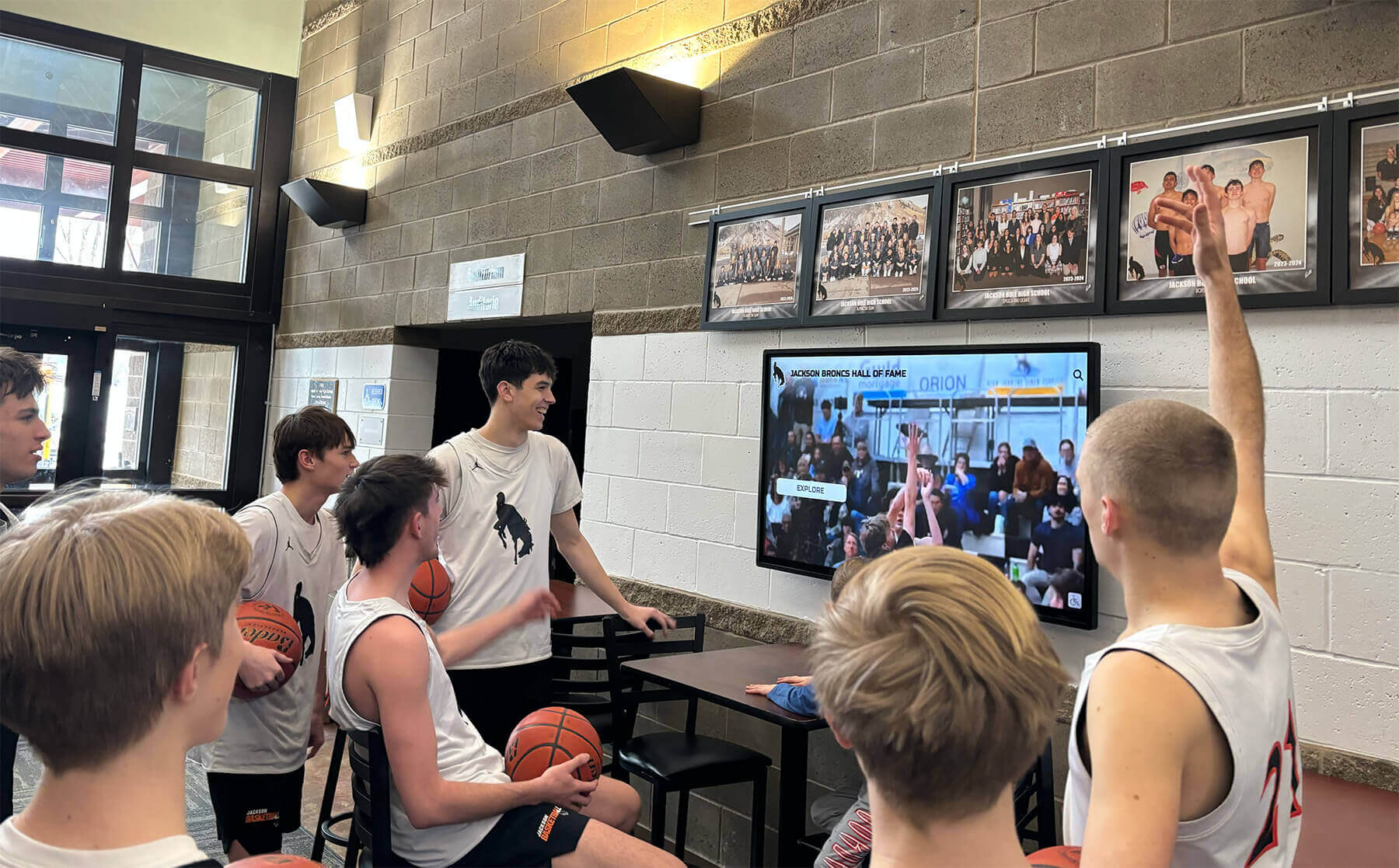
Modern basketball programs combine structured skill development with recognition systems that celebrate shooting achievement and statistical improvement
Understanding Shooting Mechanics Fundamentals
Before diving into specific drills, every player must understand the core mechanical principles that separate consistent shooters from streaky ones. Proper shooting form isn’t about copying someone else’s style—it’s about applying biomechanical principles that maximize accuracy and repeatability.
The Foundation: BEEF Principles
Basketball coaches have long used the BEEF acronym to teach shooting fundamentals:
Balance
- Feet shoulder-width apart with shooting-side foot slightly forward
- Weight distributed evenly, centered over the balls of your feet
- Knees bent, ready to generate upward force
- Core engaged, torso stable throughout the motion
- Head positioned directly over your center of gravity
Eyes
- Focus on your target before beginning the shooting motion
- Look at the back of the rim, not the front or the ball
- Maintain visual focus through the entire shot
- Track the ball’s trajectory only after release
- Develop consistent visual habits for every shot attempt
Elbow
- Shooting elbow positioned directly under the ball
- Elbow aligned toward the basket, not flared outward
- Create a consistent pocket position before each shot
- Follow-through keeps elbow high and extended
- Guide hand (non-shooting hand) supports without interfering
Follow-Through
- Wrist snaps forward, creating backspin on the ball
- Fingers point downward toward the floor after release
- Shooting arm fully extends toward the target
- Hold your follow-through position until the ball hits the rim
- “Reach into the cookie jar” visualization for proper wrist action
Shot Arc and Release Point
The optimal shot arc falls between 45 and 50 degrees for most players, creating a margin for error that allows shots to drop even when slightly off-target. Higher arcs increase the effective diameter of the basket from the ball’s perspective, while line-drive shots require perfect accuracy.
Release Point Considerations
- Release the ball at the peak of your jump for jump shots
- Release above your forehead to avoid blocking attempts
- Maintain a consistent release point regardless of defensive pressure
- One-motion shooting (flowing from gather to release) versus two-motion shooting
- Younger players may need lower release points initially, gradually raising as strength develops
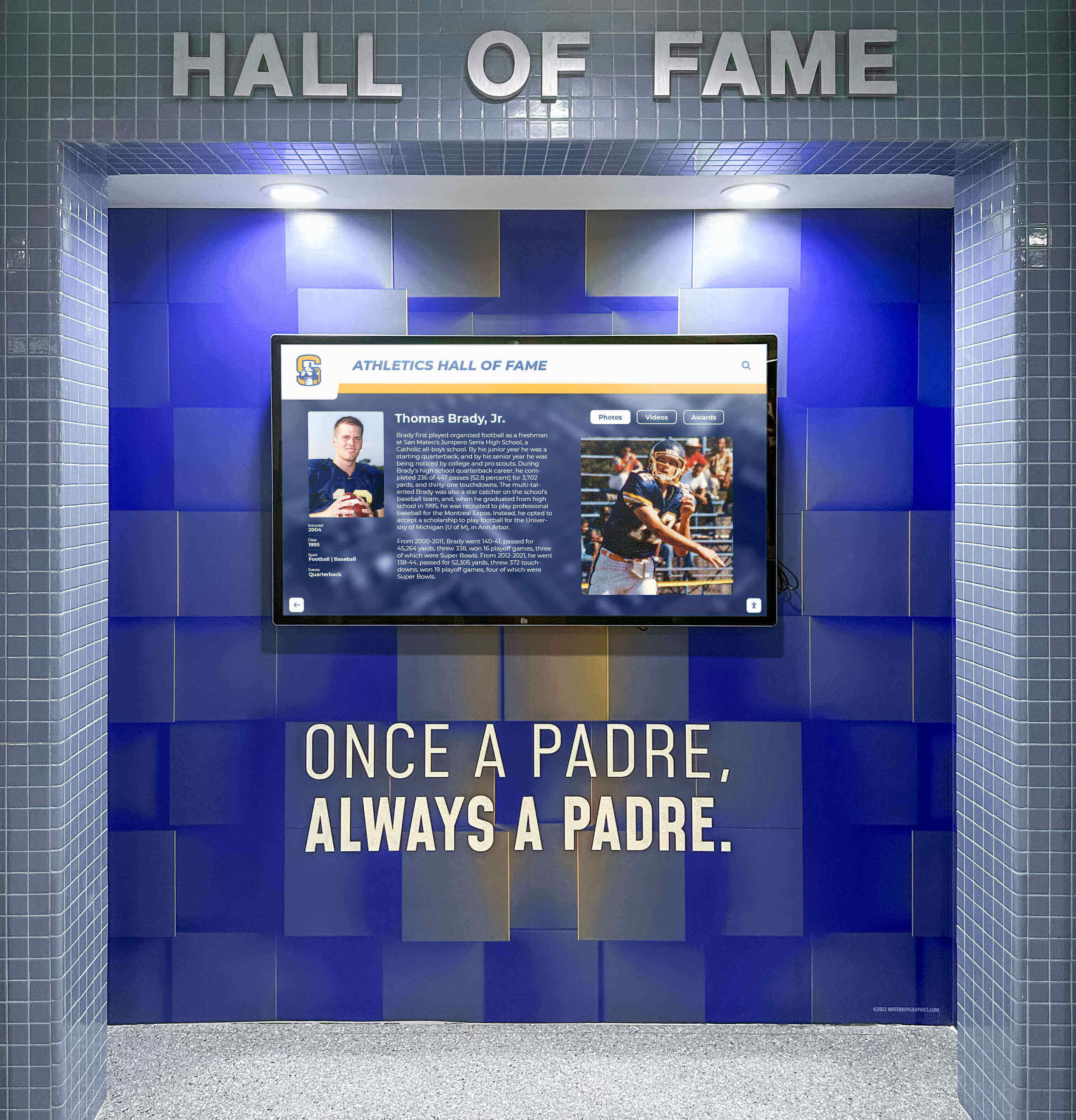
Basketball programs increasingly use digital displays to showcase shooting percentage leaders and statistical achievements alongside traditional recognition
Programs tracking shooting development benefit from recognizing both statistical achievement and measurable improvement. Many schools use digital recognition systems to celebrate athletic progress, creating motivation for players to track their practice session results over the season.
Beginner Basketball Shooting Drills
Foundational drills establish proper mechanics before introducing complexity, speed, or defensive pressure. These exercises prioritize form over volume, allowing players to build correct muscle memory from the beginning.
Drill 1: Form Shooting at Close Range
Purpose: Develop perfect shooting form without distance pressure
Setup:
- Position yourself 3-5 feet directly in front of the basket
- No dribble required, focus entirely on shooting mechanics
- Use a regulation basketball, not a smaller training ball
Execution:
- Start in proper shooting stance with the ball in your pocket position
- Execute your complete shooting motion with emphasis on BEEF principles
- Focus on releasing the ball with proper backspin and follow-through
- The ball should go through the net without touching the rim (swish)
- Make 10 consecutive shots before moving back one step
Key Teaching Points:
- Ball rotation: 1-1.5 rotations from release to basket indicates proper backspin
- Sound feedback: A swish confirms proper arc and soft touch
- Hold your follow-through until the ball passes through the net
- Reset completely between shots rather than rushing repetitions
- Gradually move back to free-throw distance as form solidifies
This drill works especially well for youth players establishing foundational mechanics before attempting longer-range shots. The close distance removes strength requirements, allowing complete focus on technique.
Drill 2: Wall Form Shooting
Purpose: Perfect shooting form mechanics without a basket
Setup:
- Stand 5-6 feet from a solid wall
- Mark a target spot at approximately 10 feet high
- Use proper basketball or weighted training ball
Execution:
- Assume your shooting stance facing the wall
- Execute your complete shooting motion, releasing the ball toward the target spot
- Catch the ball on the rebound and immediately return to shooting stance
- Focus on maintaining perfect elbow alignment and follow-through
- Complete sets of 25 repetitions, resting between sets
Key Teaching Points:
- The ball should return directly to you, indicating straight shooting alignment
- Backspin causes the ball to bounce back predictably
- Check that your guide hand isn’t pushing or twisting
- Film yourself from the side to evaluate elbow and wrist position
- This drill can be done at home, making it valuable for extra practice
Drill 3: Free Throw Routine Development
Purpose: Establish consistent pre-shot routine and free throw mechanics
Setup:
- Position at the free throw line
- Basketball and a method to track makes/attempts
- No defensive pressure or time constraints
Execution:
- Develop a personal pre-shot routine (number of dribbles, breathing pattern, visual focus)
- Execute the exact same routine before every free throw attempt
- Shoot 10 free throws, tracking makes and misses
- Take a brief break, then repeat for 5-10 sets
- Record your percentage to track improvement over weeks
Key Teaching Points:
- The routine should take 3-5 seconds consistently
- Muscle memory develops through exact repetition
- Free throws are the only completely undefended shot in basketball
- NBA players average 75% from the free throw line; develop your baseline
- Mental focus during free throws translates to clutch shooting in games
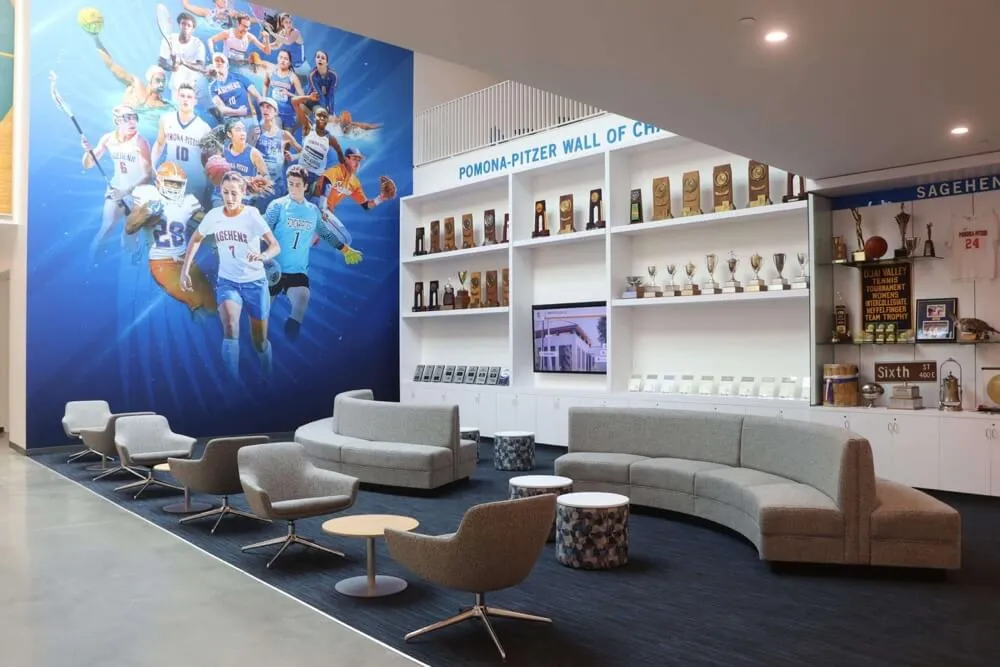
Basketball programs display both team achievements and individual statistical leaders, motivating players to track shooting improvement throughout the season
Many coaches recognize players who demonstrate measurable improvement in free throw percentage as part of end-of-season awards programs, celebrating development alongside traditional statistics-based recognition.
Drill 4: Partner Catch-and-Shoot
Purpose: Transition from self-shooting to receiving passes before shooting
Setup:
- Work with a partner positioned 8-10 feet away
- Start at elbow or wing position (45-degree angle from basket)
- Partner acts as passer, you as shooter
Execution:
- Show your hands as a target for the pass
- Receive the pass with hands ready in shooting position
- Catch and immediately shoot in one fluid motion
- Follow your shot for the rebound
- Pass back to your partner and return to starting position
- Alternate shooting positions after 10 attempts
Key Teaching Points:
- Your hands should already be in shooting pocket position when receiving the pass
- Minimize time from catch to release (but don’t rush mechanics)
- Feet should be set and pointing toward the basket on the catch
- Inside foot (foot closest to basket) slightly forward
- Most game shots come off passes, not self-created off the dribble
Drill 5: Baseline to Baseline Free Throws
Purpose: Practice free throws under increasing fatigue
Setup:
- Start at one baseline under the basket
- Sprint to opposite baseline and back
- Immediately shoot two free throws
Execution:
- Sprint baseline to baseline (full court sprint)
- Return to free throw line, establish your routine
- Shoot two free throws, tracking makes
- Repeat for 10 sets (20 total free throws)
- Calculate your percentage under fatigue conditions
Key Teaching Points:
- Simulates end-of-game free throw pressure and physical fatigue
- Breathing control becomes critical—exhale before shooting
- Routine consistency matters even more when tired
- Most missed free throws in games come during the final quarter
- This drill builds both shooting skill and conditioning simultaneously
Intermediate Basketball Shooting Drills
Once players establish consistent form, intermediate drills add movement, variety, and game-realistic elements while maintaining technical focus.
Drill 6: Mikan Drill
Purpose: Develop ambidextrous finishing and soft touch around the basket
Setup:
- Position yourself directly under the basket
- Start with ball in hands, no dribble required
- Focus on alternating left and right hand finishes
Execution:
- Shoot a right-handed layup off the right side of the basket
- Catch the ball before it hits the ground
- Immediately move to the left side and shoot left-handed
- Continue alternating for 30-60 seconds continuously
- Advanced variation: Add a power dribble before each shot
Key Teaching Points:
- Use the backboard, focusing on the upper corner of the square
- Soft touch—the ball should kiss off the glass gently
- Jump off the outside foot (right foot for right-hand shots)
- Extend your arm fully toward the basket
- Named after George Mikan, one of basketball’s early dominant big men
Drill 7: Around the World
Purpose: Shoot from multiple court positions, building range consistency
Setup:
- Identify 7-9 shooting spots around the three-point arc
- Start at one corner and progress sequentially
- Can be done individually or as a competitive group drill
Execution:
- Shoot from the first position (typically right corner)
- If you make it, advance to the next spot
- If you miss, choose: attempt again from the same spot (risk) or wait for next turn (safe)
- Missing the second attempt returns you to the start
- First player to complete all positions and return wins
Key Teaching Points:
- Each position requires slight form adjustments for angle and distance
- Corner three-pointers are statistically the highest percentage from deep
- Wing shots require different visual alignment than corner shots
- Top of the key shots are the longest three-point attempts
- This drill builds mental toughness under competitive pressure
Drill 8: Elbow Series
Purpose: Master the high-percentage mid-range shot from both elbows
Setup:
- Position at one elbow (free throw line extended)
- Partner or shooting machine provides passes
- Track makes from each position
Execution:
- Receive pass at the right elbow
- Catch and shoot in rhythm (no dribble)
- Make 5 shots before switching to left elbow
- Repeat catch-and-shoot from left elbow
- Advanced: Add one dribble (shot fake, then pull-up jumper)
Key Teaching Points:
- The elbow positions are among basketball’s highest-percentage shots
- Feet should be set before the catch (hop into shooting stance)
- These shots are crucial for big men stepping out
- In game situations, the elbow shot often comes off ball reversal
- Track your percentage from each elbow separately—most players favor one side
Drill 9: Five-Spot Shooting
Purpose: Shoot from five key court locations with volume tracking
Setup:
- Identify five shooting positions: corners (2), wings (2), top of key (1)
- Work with a rebounder/passer or use a shooting machine
- Track makes and attempts from each location
Execution:
- Shoot 10 attempts from right corner
- Move to right wing, shoot 10 attempts
- Continue to top, left wing, left corner
- Record makes out of 50 total attempts
- Rest, then repeat for multiple sets
Key Teaching Points:
- Maintain identical form regardless of court position
- Track your percentage from each spot to identify weaknesses
- Most players have a strongest and weakest shooting location
- Focus extra practice time on your weakest spots
- Advanced version: Reduce rest time between spots for conditioning
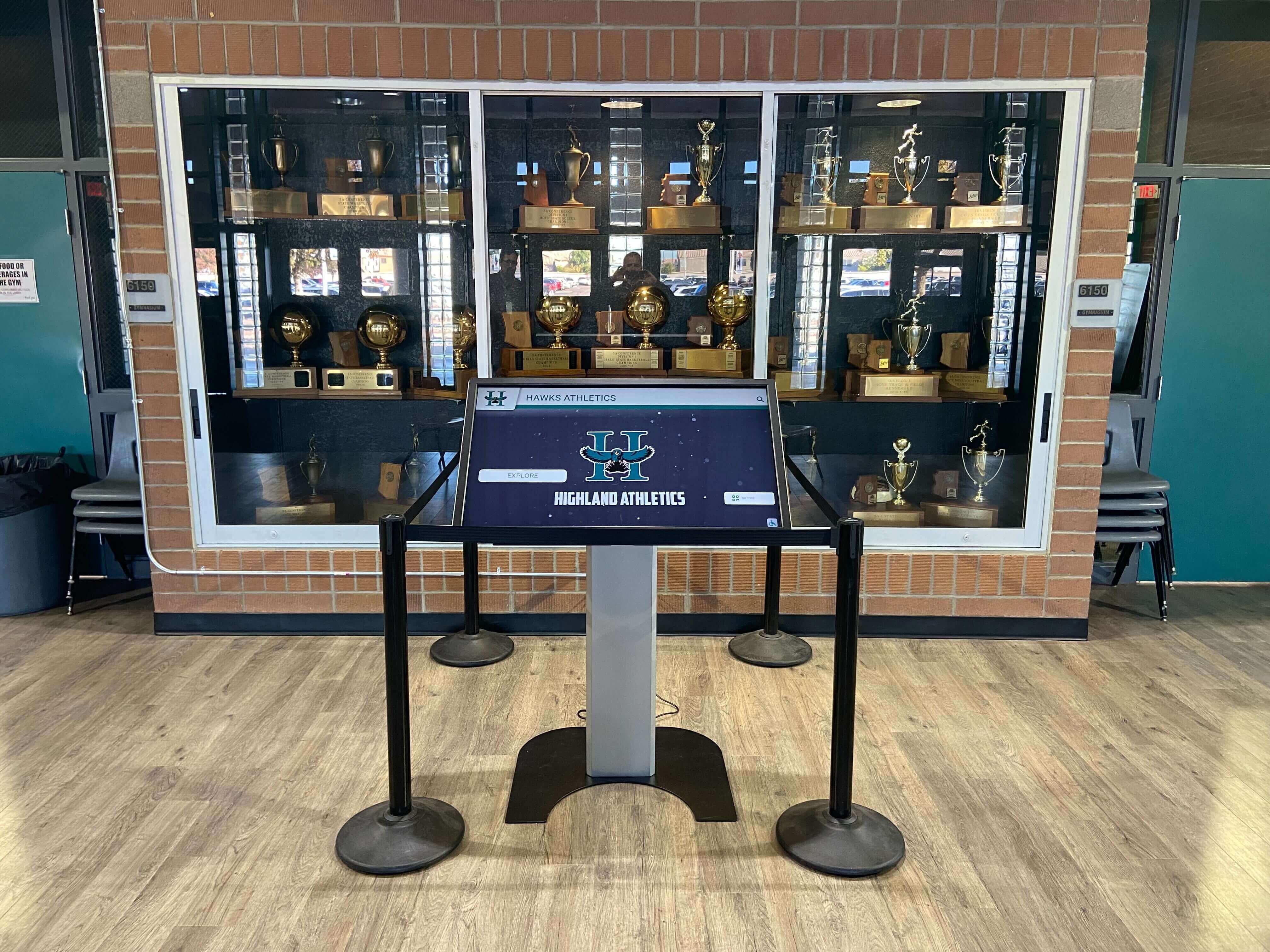
Schools track shooting statistics and player development milestones through interactive displays that engage teams and create accountability
Basketball programs benefit from tracking individual player shooting percentages by court position throughout the season. Many coaches use digital content systems that update regularly to display current shooting leaders and improvement metrics, creating friendly competition that drives practice intensity.
Drill 10: Beat the Pro
Purpose: Practice free throws under simulated pressure situations
Setup:
- Position at free throw line
- Compete against an imaginary “pro” who shoots 70-80%
- Track running score
Execution:
- You shoot one free throw
- The “pro” automatically makes 7-8 out of every 10 attempts
- First to make 10 free throws wins
- If you fall behind, pressure increases to catch up
- Restart if the pro wins
Key Teaching Points:
- Creates self-imposed pressure without requiring a defender
- Simulates trailing-situation free throw pressure
- Mental aspect: staying focused when behind
- Can adjust pro’s percentage based on your skill level
- Advanced: Add conditioning element (sprint after misses)
Advanced Basketball Shooting Drills
Elite-level drills incorporate game speed, defensive pressure, fatigue, and complex movement patterns that replicate actual competition situations.
Drill 11: Pull-Up Jump Shot Series
Purpose: Develop ability to shoot accurately off the dribble at game speed
Setup:
- Start at half court with a basketball
- Cone or marker at each shooting location
- Rebounder/partner or self-rebound
Execution:
- Dribble at game speed toward the first cone (right wing)
- Execute a controlled stop with feet pointing toward basket
- Pull up into your jump shot without traveling
- Make 3 shots before moving to next location
- Repeat from left wing, both elbows, and top of key
Key Teaching Points:
- The gather step is crucial—collect the ball legally before stopping
- Your final two steps should be: inside foot, outside foot (1-2 step) for proper alignment
- Jump straight up, not forward into your shot (avoids traveling)
- This is one of basketball’s most difficult shots to master
- NBA players like Stephen Curry and Damian Lillard excel at pull-up shooting
Drill 12: Transition Three-Pointers
Purpose: Shoot three-pointers in transition, simulating fast-break opportunities
Setup:
- Start at baseline with a basketball
- Sprint to three-point line at designated spot
- Self-rebound or work with a partner
Execution:
- Sprint from baseline to three-point line (simulating transition)
- Arrive under control with feet ready to shoot
- Immediately rise into your three-point shot
- Track makes, attempting 5 from each of three positions
- Advanced: Have a partner roll you the ball to catch and shoot
Key Teaching Points:
- Controlling your momentum is critical—arrive ready to shoot
- Many transition threes are missed because players aren’t set
- Practice the exact footwork you’ll use in games
- Communicate with teammates in games (“Trailer!” for this shot)
- Modern basketball includes more transition threes than ever before
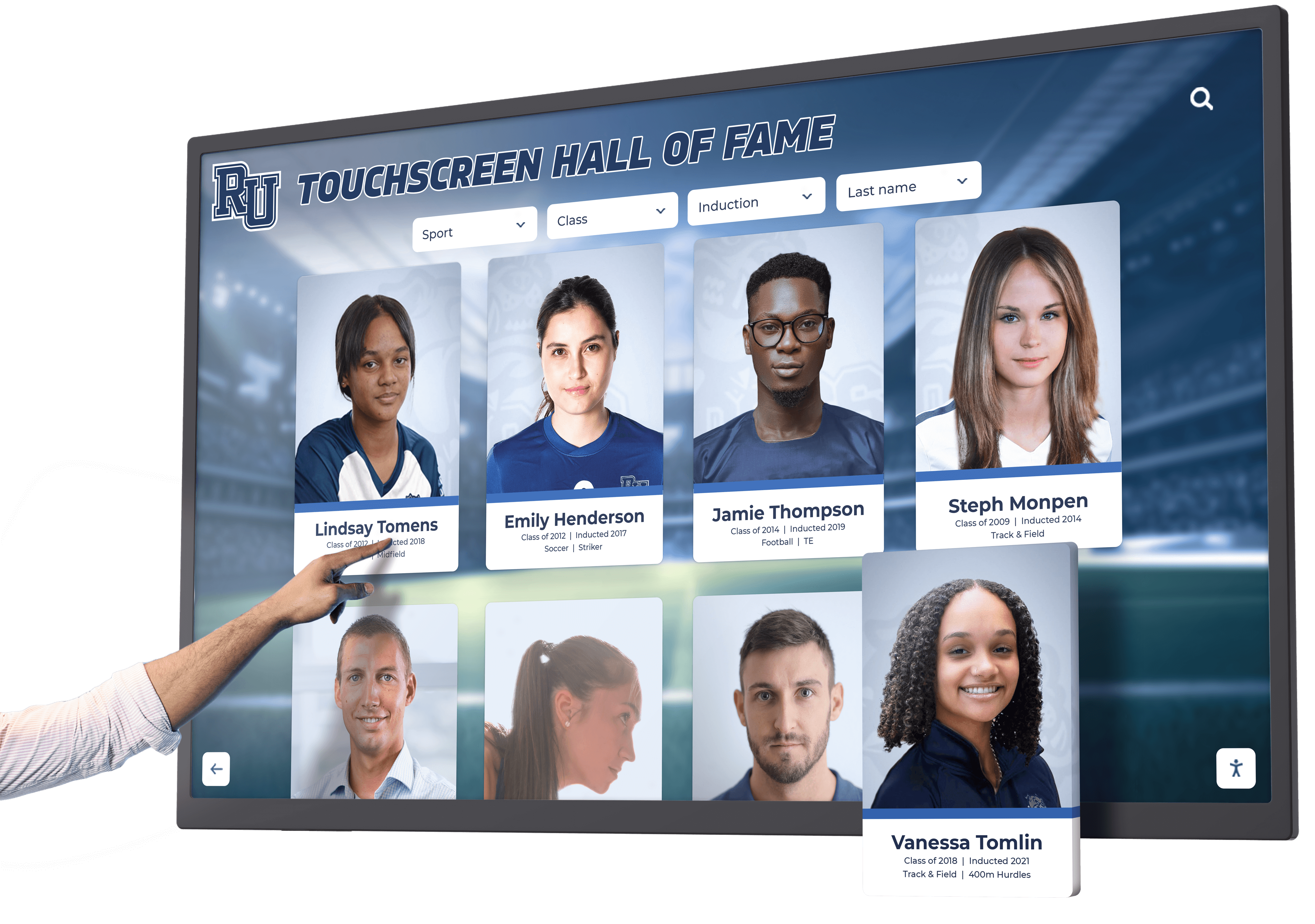
Interactive recognition systems allow basketball programs to showcase not just traditional awards but also detailed shooting statistics, career progression, and skill development achievements
Drill 13: Defensive Closeout Shooting
Purpose: Shoot under pressure with a defender closing out aggressively
Setup:
- Shooter starts at three-point line
- Defender starts near the basket
- Passer at top of key or opposite wing
Execution:
- Passer initiates the drill by passing to the shooter
- Defender sprints to closeout with hand up
- Shooter must decide: shoot immediately, shot fake and drive, or relocate
- Rotate positions after 5 defensive closeouts
- Track shooting percentage under defensive pressure
Key Teaching Points:
- Read the defender’s closeout speed and positioning
- Against aggressive closeouts, shot fake and drive
- Against soft closeouts, shoot immediately in rhythm
- Shooter’s eyes should track the defender peripherally while watching the ball
- This drill develops decision-making as much as shooting skill
Drill 14: Contested Shooting Series
Purpose: Maintain shooting form and accuracy with a hand in your face
Setup:
- Shooter at preferred shooting position
- Defender provides passive contest (hand up, no block attempt)
- Rebounder/passer feeds the shooter
Execution:
- Receive pass with defender already in position
- Shoot with hand in your face (defender not jumping)
- Focus on maintaining normal shooting form despite pressure
- Attempt 10 shots from each position
- Track contested percentage versus open percentage
Key Teaching Points:
- Most game shots include some defensive contest
- Maintain your normal release point despite the defender
- Focus on the rim, not the defender’s hand
- Confident shooters shoot the same with or without defense
- Work on shot fakes to create better shooting windows
Drill 15: Game Speed Conditioning Shooting
Purpose: Maintain shooting accuracy under extreme physical fatigue
Setup:
- Five shooting positions marked around the three-point arc
- Conditioning element (sprints, defensive slides, burpees) between shots
- Partner to track shooting percentage
Execution:
- Sprint baseline to baseline
- Receive pass and shoot from position #1
- Complete defensive slide baseline to baseline
- Receive pass and shoot from position #2
- Continue pattern through all five positions
Key Teaching Points:
- Fourth quarter shooting often determines game outcomes
- Fatigue reveals mechanical flaws—maintain form discipline
- Breathing control: exhale before catching the pass
- Mental toughness: shooting while exhausted builds confidence
- Track your “fresh” percentage versus “fatigued” percentage
Tracking Shooting Development Progress
Systematic improvement requires measurement. Elite shooters don’t just practice—they track specific metrics that reveal trends, identify weaknesses, and document progress over time.
Key Metrics to Monitor
Basic Shooting Statistics
- Overall field goal percentage (all attempts)
- Three-point percentage versus two-point percentage
- Free throw percentage across multiple sessions
- Makes and attempts by court position
- Left versus right side shooting percentages
Advanced Shooting Metrics
- Catch-and-shoot percentage versus off-dribble percentage
- Contested versus uncontested shooting percentages
- Shooting percentage by quarter (fatigue patterns)
- Shooting percentage by game situation (leading, trailing, tied)
- Monthly or weekly shooting percentage trends
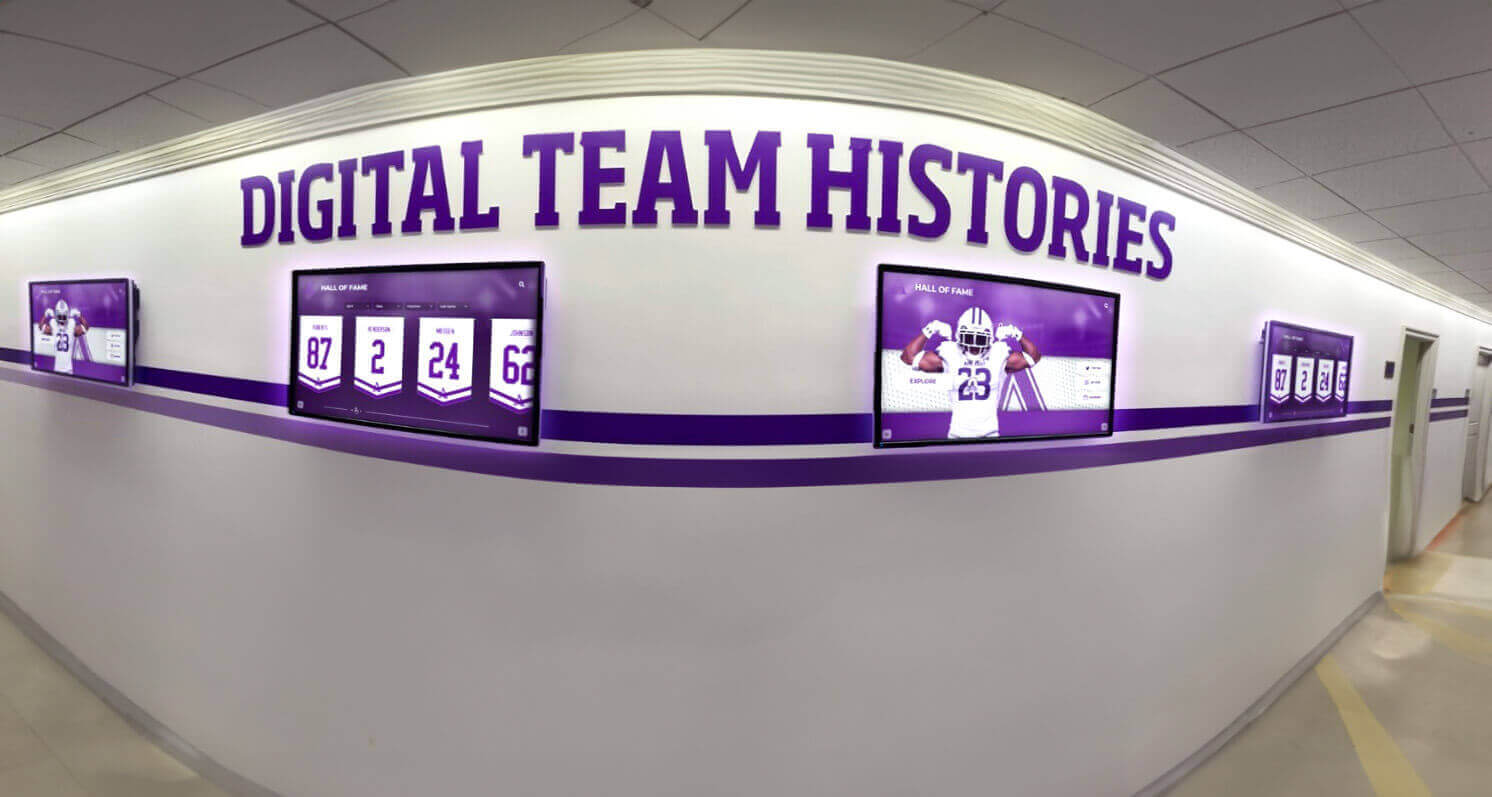
Basketball programs track and display shooting statistics over time, creating visual records of individual improvement and team shooting development
Many high school and college basketball programs now display individual and team shooting statistics through digital recognition systems in school entrances and gymnasium lobbies, creating accountability and motivation for players to improve their practice habits.
Creating an Effective Practice Log
Document every shooting practice session with structured data collection:
Session Information
- Date and time of practice
- Duration of shooting work
- Total attempts and makes
- Breakdown by drill type or court position
- Notes on form focus or technical adjustments
Progress Indicators
- Week-over-week percentage changes
- Identification of strongest and weakest shooting positions
- Correlation between practice volume and game performance
- Recognition of improvement plateaus requiring technique adjustments
- Long-term trends (comparing month 1 to month 3 to month 6)
Players who track their shooting development create data that coaches can reference when making lineup decisions or designing practice plans. Programs celebrating measurable improvement alongside traditional statistics recognize a broader range of player contributions and encourage consistent practice habits.
Building Team Shooting Culture
Individual shooting improvement accelerates within team cultures that prioritize, celebrate, and systematically develop shooting skills across the entire roster.
Establishing Shooting Standards
Successful programs define clear expectations for shooting development:
Minimum Skill Thresholds
- Free throw percentage expectations by grade level or team
- Required makes from specific court positions before ending practice
- Form checkpoints evaluated regularly by coaches
- Peer accountability systems where teammates monitor each other’s mechanics
- Recognition systems celebrating shooting improvement, not just high percentages
Practice Time Allocation
- Dedicated shooting time separate from team practice
- Individual shooting sessions with assistant coaches
- Peer-led shooting workouts using structured drills
- Summer and off-season shooting development programs
- Open gym access with shooting accountability partners
Programs that emphasize shooting development often display shooting percentage leaders and most-improved shooters through recognition systems that update throughout the season, creating visible motivation for players at every skill level.
Competitive Shooting Games
Transform shooting practice from monotonous repetition to engaging competition:
Individual Competition Formats
- “Lightning” free throw competition (speed shooting under pressure)
- “Horse” using increasingly difficult shots
- “Beat Your Best” where players compete against their personal records
- Timed shooting challenges (most makes in 60 seconds from various positions)
- Progressive shooting (must make from each position before advancing)
Team Competition Formats
- Partner shooting competitions with combined scores
- Grade level versus grade level shooting challenges
- Position groups (guards vs. forwards vs. centers) shooting competitions
- Shooting percentage improvement contests over defined periods
- Team shooting goals (combine for 100 makes before ending practice)
Many coaches incorporate team mottos and motivational themes focused on shooting excellence, creating cultural emphasis on skill development that extends beyond individual practice sessions.
Addressing Common Shooting Problems
Even dedicated players encounter persistent shooting issues that require targeted correction rather than simply more practice volume.
Diagnosis and Correction Guide
Problem: Inconsistent Shot Arc
- Cause: Varying release point or insufficient leg drive
- Correction: Film yourself shooting, analyze release height variation
- Drill focus: Form shooting at close range, focusing on identical release point
- Checkpoint: Use a partner to monitor whether your arc height stays consistent
Problem: Poor Balance on Jump Shots
- Cause: Jumping forward instead of straight up, poor landing mechanics
- Correction: Jump straight up, land in the same spot you left from
- Drill focus: Jump shots with eyes closed after release (forces balance)
- Checkpoint: Place a towel under your feet; land back on the towel
Problem: Low Shooting Percentages from Specific Court Areas
- Cause: Comfort level, repetition volume, angle adjustment needs
- Correction: Extra practice volume from weak areas
- Drill focus: Five-spot shooting with emphasis on weak positions
- Checkpoint: Track percentages by position until all areas are consistent
Problem: Missing Free Throws in Pressure Situations
- Cause: Mental pressure, routine inconsistency, lack of pressure practice
- Correction: Practice free throws exclusively under fatigue/pressure conditions
- Drill focus: Baseline to baseline free throws, Beat the Pro drill
- Checkpoint: Track practice free throw percentage under fatigue versus fresh
Problem: Shooting Slump (Extended Period of Poor Shooting)
- Cause: Mechanical drift, mental pressure, overthinking technique
- Correction: Return to foundational form shooting at close range
- Drill focus: Wall form shooting, close-range form work
- Checkpoint: Film current form, compare to earlier successful shooting video
Developing a Personal Shooting Workout Plan
Transform these 15 drills into structured, progressive workout plans tailored to your specific skill level and development goals.
Sample 30-Minute Shooting Workout
Beginner/Youth Level
- Warm-up: Form shooting (5 minutes, close range)
- Drill 1: Free throw routine development (5 minutes, 15-20 attempts)
- Drill 2: Partner catch-and-shoot from elbows (10 minutes, 30+ attempts)
- Drill 3: Around the world (8 minutes, competitive game)
- Cool-down: Form shooting (2 minutes)
- Total: 30 minutes, approximately 60-80 shot attempts
Intermediate Level
- Warm-up: Form shooting progression (3 minutes, moving from close range outward)
- Drill 1: Five-spot shooting (10 minutes, 50 attempts tracked by position)
- Drill 2: Elbow series with one-dribble pull-ups (8 minutes, 20 attempts)
- Drill 3: Mikan drill (4 minutes, continuous)
- Drill 4: Beat the Pro (5 minutes, pressure free throws)
- Total: 30 minutes, approximately 90-100 shot attempts
Advanced/Competitive Level
- Warm-up: Form shooting (2 minutes)
- Drill 1: Pull-up jump shot series (8 minutes, game speed)
- Drill 2: Transition three-pointers (7 minutes, 25 attempts)
- Drill 3: Defensive closeout shooting (8 minutes, contested shots)
- Drill 4: Game speed conditioning shooting (5 minutes, fatigue shooting)
- Total: 30 minutes, approximately 80-100 shot attempts with high intensity
Weekly Shooting Development Schedule
Structure your weekly practice to balance volume, intensity, recovery, and variety:
Monday: Form Focus
- Emphasis on technical perfection at moderate volume
- Form shooting, free throw routine, catch-and-shoot work
- Film shooting form for weekly review
- Lower intensity, perfect repetition
Tuesday: Volume Day
- High-repetition shooting from all court positions
- Five-spot shooting, around the world, competitive games
- Track total makes and attempts
- Build shooting endurance
Wednesday: Game Speed
- All drills executed at game-speed tempo
- Pull-ups, transition shooting, contested shooting
- Simulate game fatigue and pressure
- Lower volume, maximum intensity
Thursday: Weakness Work
- Identify and address specific shooting problems
- Extra repetitions from weakest court positions
- Form corrections for persistent mechanical issues
- Targeted improvement focus
Friday: Pre-Game Rhythm
- Light shooting to maintain rhythm without fatigue
- Favorite spots and comfortable range
- Confidence-building repetitions
- Mental preparation
Weekend: Game Application
- Apply practice work to actual game situations
- Post-game: Identify shooting situations to practice next week
- Recovery and mental reset
Celebrating Shooting Achievement
Basketball programs that recognize shooting development create cultures where players invest in skill improvement beyond what coaches require.
Recognition Ideas for Shooting Excellence
Programs celebrating shooting achievement might recognize:
Statistical Achievement Awards
- Highest free throw percentage (season or career)
- Highest three-point percentage (minimum attempts qualifier)
- Most three-pointers made in a season
- Highest field goal percentage by position
- Career shooting milestone achievements (100 three-pointers, etc.)
Improvement Recognition
- Most improved shooter (year-over-year percentage increase)
- Greatest in-season shooting development
- Largest improvement from specific court positions
- Free throw percentage improvement awards
- Shooting practice dedication recognition
Many basketball programs display shooting statistics and achievement recognition through digital systems that update throughout the season. These interactive displays create engaging connections between practice dedication and public recognition, motivating players to track their progress and celebrate both individual and team shooting development.
Transform Your Basketball Program’s Recognition System
While systematic shooting practice builds player skills, modern recognition systems transform how programs celebrate achievement and track development. Digital platforms allow coaches to showcase shooting statistics, improvement metrics, and skill development alongside traditional awards—creating comprehensive recognition that motivates players at every level.
Rocket Alumni Solutions provides touchscreen recognition systems designed specifically for athletic programs looking to celebrate both statistical achievement and measurable improvement. Our platforms allow you to display current shooting leaders, track season-long development, and recognize the dedication that drives individual and team success.
Conclusion
Shooting accuracy separates good basketball players from great ones, but improvement doesn’t happen accidentally. The 15 drills outlined in this guide provide structured, progressive frameworks for developing consistent shooting mechanics at every skill level—from youth players establishing foundational form to competitive athletes refining game-speed accuracy under defensive pressure.
The most successful shooters don’t just practice more; they practice smarter. They isolate specific techniques through focused drills, track measurable progress over time, identify and correct mechanical flaws before they become habits, and build mental toughness through pressure situations that replicate game conditions.
Your shooting development journey requires three commitments: consistent practice (regular shooting sessions using structured drills), measurement (tracking makes, attempts, and percentages by position), and patience (understanding that shooting improvement happens gradually through perfect repetition). Whether you dedicate 15 minutes daily to form work or structure hour-long shooting sessions multiple times weekly, systematic practice always outperforms random shooting.
Start with the beginner drills if you’re establishing fundamentals, progress to intermediate exercises as your form solidifies, and challenge yourself with advanced drills once you’ve built consistent mechanics. Most importantly, track your development—because improvement you can measure creates motivation that sustains long-term dedication to becoming the shooter your team needs you to be.
Live Example: Rocket Alumni Solutions Touchscreen Display
Interact with a live example (16:9 scaled 1920x1080 display). All content is automatically responsive to all screen sizes and orientations.