



Elite basketball players share one unmistakable characteristic: complete mastery over the basketball. While shooting draws attention and athleticism creates highlights, ball handling determines who controls tempo, who breaks down defenses, and who gets quality shots when games tighten. The difference between a player who dribbles and a player who dominates with the ball comes down to thousands of purposeful repetitions building instinctive control that survives defensive pressure.
Yet most players approach ball handling practice inefficiently, simply dribbling around aimlessly between drills or mindlessly completing two-ball routines without understanding the specific skills each exercise develops. They invest time without structure, wondering why their handles don’t improve despite hours spent with the basketball. Without systematic progression from fundamental techniques to game-speed application, ball handling sessions become wasted opportunities rather than skill-building investments.
This comprehensive guide presents 15 essential basketball ball handling drills designed to transform your dribbling at every skill level. Whether you’re a youth player establishing foundational control, a high school guard expanding your move arsenal, or a competitive player refining advanced combinations, these structured exercises provide the progressive framework for developing ball handling that translates from practice to game situations.
Effective ball handling development extends beyond simple dribbling—it requires systematic practice that builds hand strength and dexterity, develops ambidextrous control, incorporates change-of-pace variations, adds defensive pressure progressively, and trains decision-making under game-realistic conditions. Players who excel at ball handling understand that deliberate practice with specific technical focus always outperforms high-volume dribbling without clear objectives.

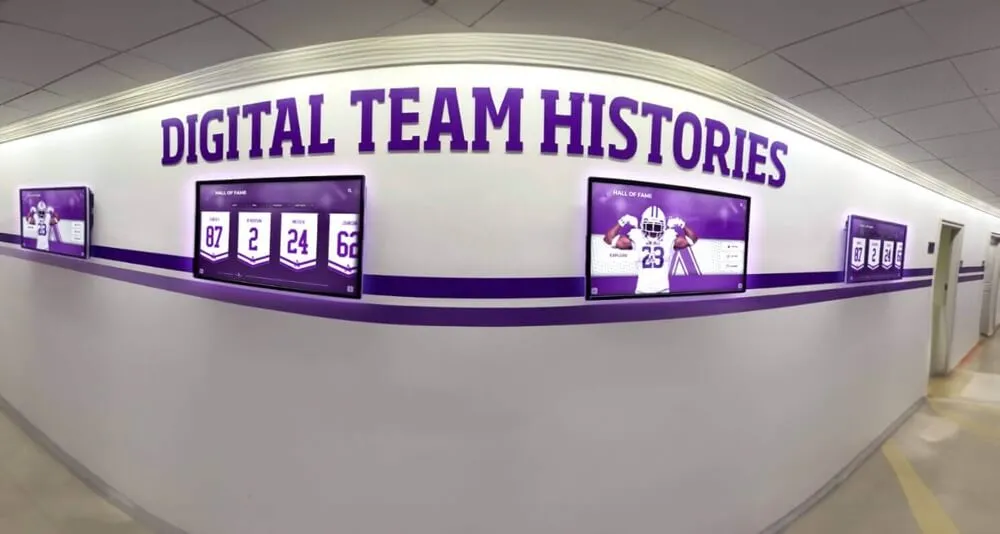
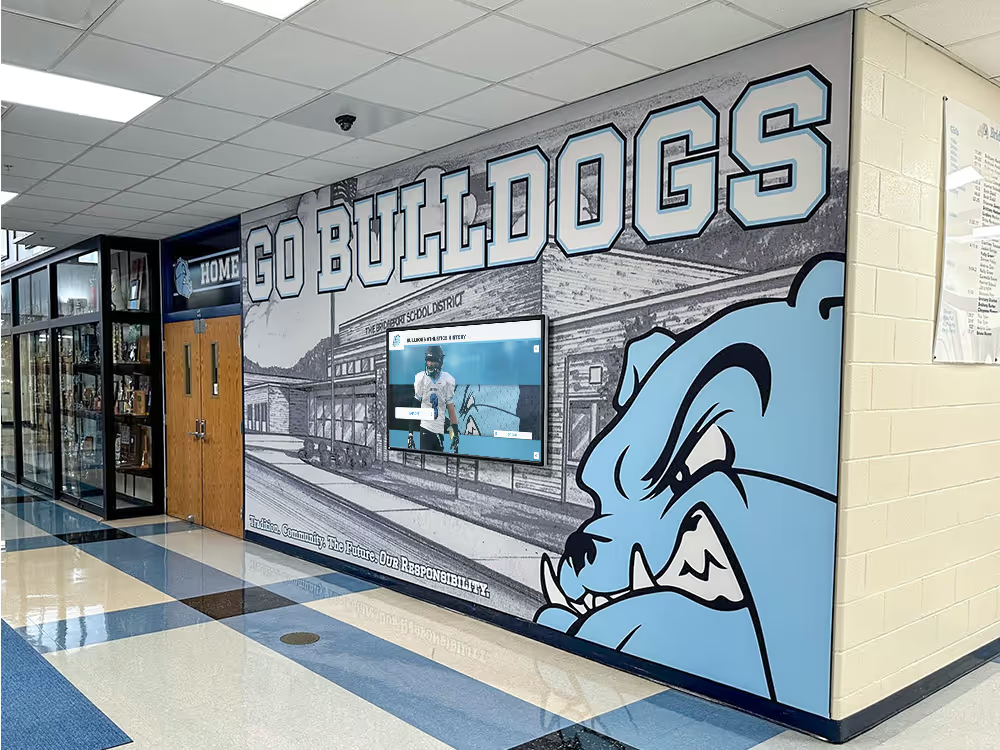
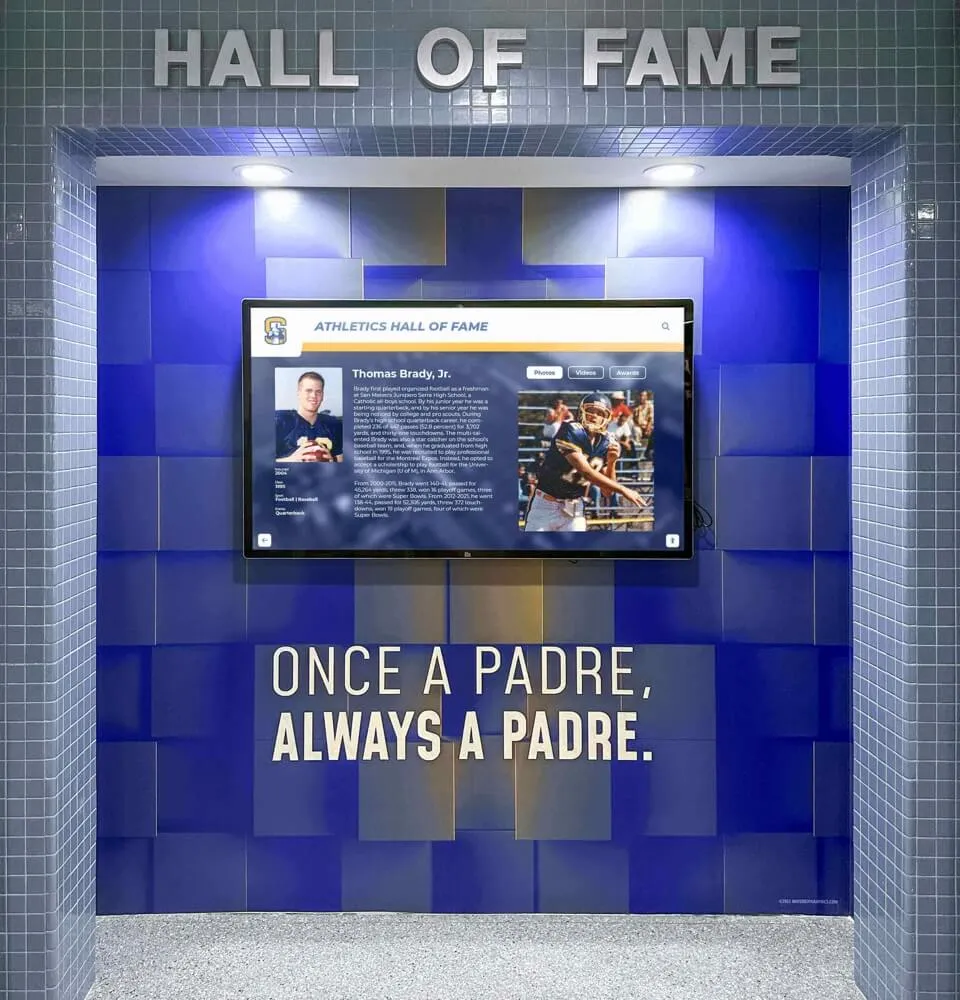
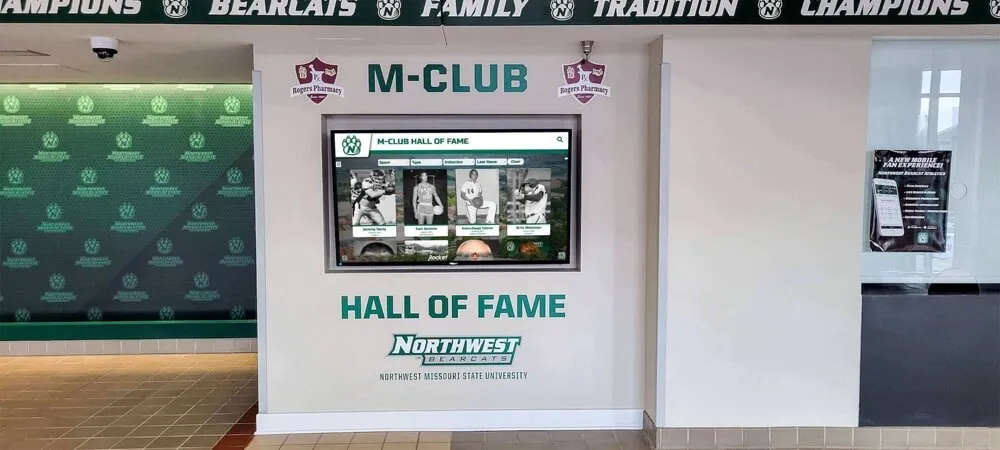
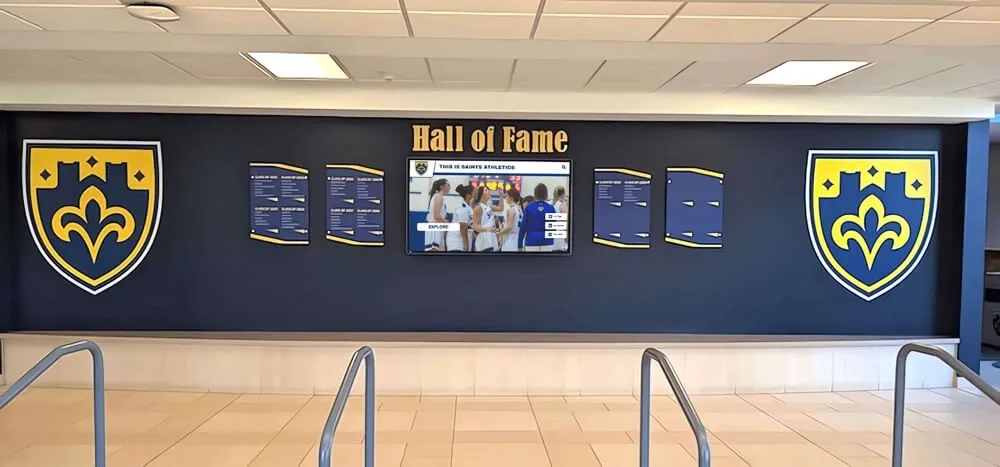
Modern basketball programs combine structured skill development with recognition systems celebrating ball handling improvement and guard play excellence
Understanding Ball Handling Fundamentals
Before diving into specific drills, every player must grasp the core principles that separate confident ball handlers from tentative dribblers. Proper ball handling isn’t about flashy moves—it’s about applying biomechanical principles that maximize control, speed, and the ability to protect the basketball under defensive pressure.
Hand Positioning and Contact Points
The foundation of elite ball handling starts with how your hands interact with the basketball:
Fingertip Control
- Use your fingertips and finger pads, never your palms
- Spread fingers wide for maximum ball contact and control
- Keep your wrist loose and flexible, not rigid
- Generate power from your forearm and wrist, not shoulder
- Maintain “soft hands” that cushion the ball’s return
Dribble Height and Positioning
- Below-waist dribbling for most game situations (harder to steal)
- Knee-high or lower when protecting the ball under pressure
- Hip-height for speed dribbling in transition or open court
- Ball should bounce back to your hand, not you chasing it
- Keep the ball on your side or slightly in front, never behind you
Body Position and Posture
- Athletic stance: knees bent, back straight, head up
- Low center of gravity improves balance and change of direction
- Eyes up and scanning the court, not watching the ball
- Non-dribbling arm protects the ball from defenders
- Weight balanced and ready to explode in any direction
Developing Feel and Touch
Ball handling mastery requires developing exceptional “feel” for the basketball—knowing exactly where it is and where it’s going without visual confirmation:
Building Instinctive Control
- Touch develops through volume: thousands of controlled dribbles
- Varied dribble heights and speeds create adaptability
- Two-ball dribbling forces your brain to process multiple stimuli
- Eyes-up dribbling builds trust in your touch without visual dependence
- Different ball types (heavy, small, reaction balls) enhance hand sensitivity
The Role of Repetition
- Elite guards complete 30,000+ dribbles weekly in structured practice
- Muscle memory develops only through perfect repetition
- Inconsistent form practice reinforces bad habits
- Progressive difficulty prevents plateau and maintains engagement
- Daily 15-minute sessions outperform weekly hour-long marathons
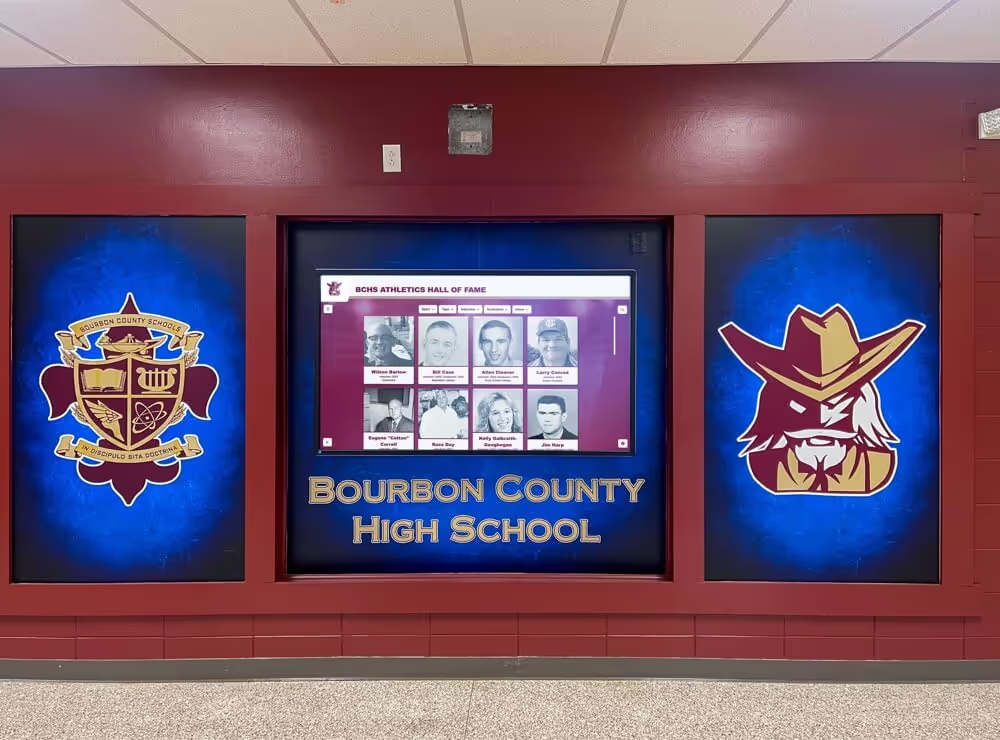
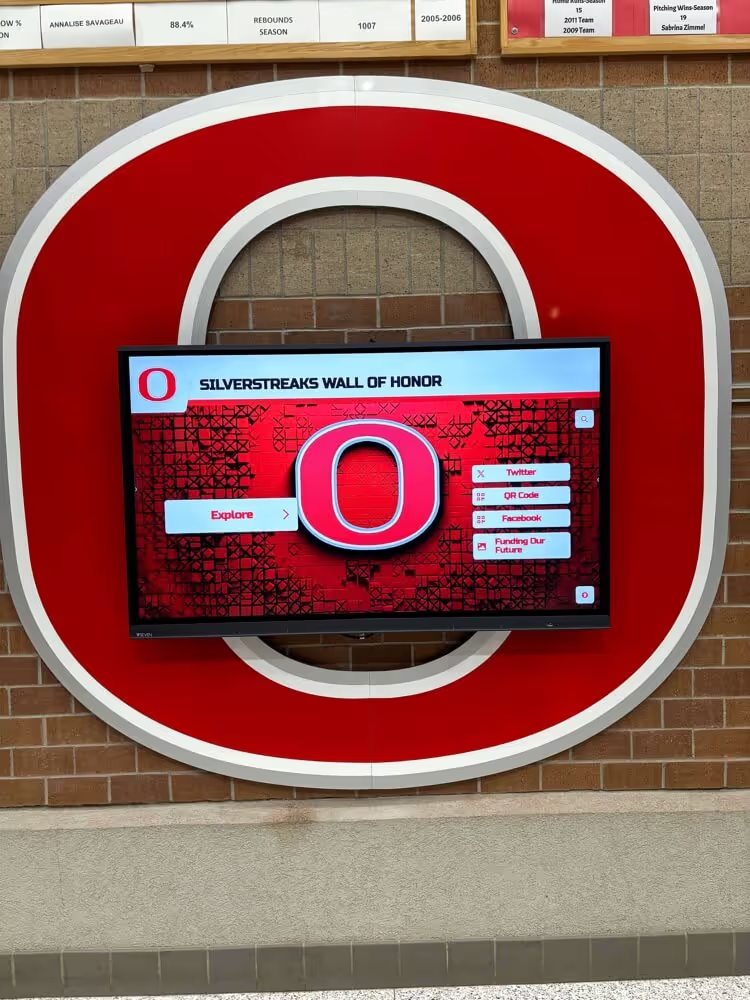
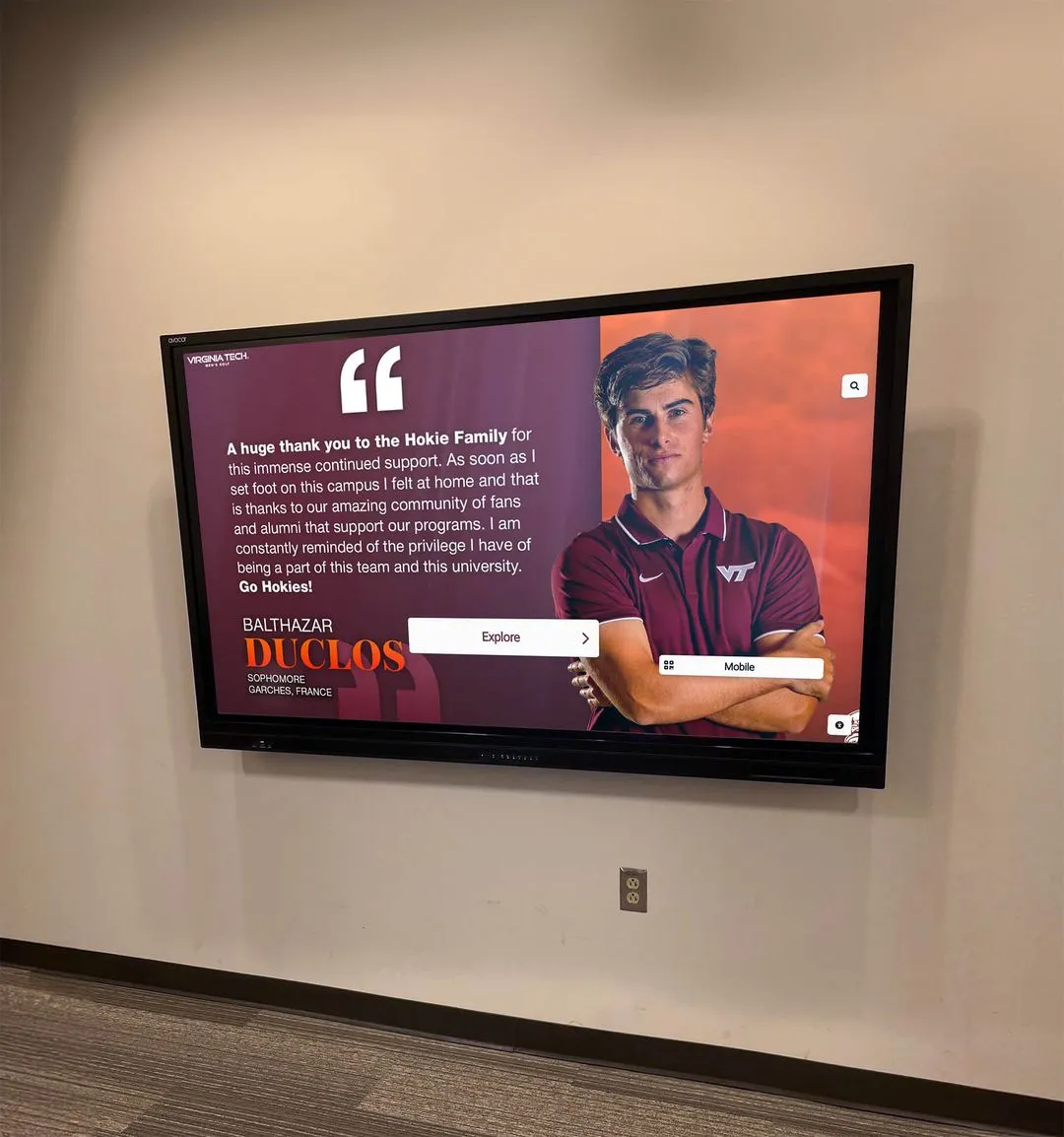
Basketball programs recognize both statistical achievement and skill development milestones like [ball handling improvement through digital displays](https://touchscreenwebsite.com/blog/basketball-box-out-drills-8-rebounding-workouts-win-possessions-build-toughness/?utm_source=organic&utm_medium=seo-auto&utm_content=digitaltrophycase&utm_campaign=basketball-ball-handling-drills&utm_term=seo)
Programs tracking player development benefit from documenting ball handling progression throughout the season. Many coaches use digital recognition systems that celebrate improvement in specific skill areas, creating motivation for guards to invest in systematic ball handling practice beyond team workouts.
Beginner Ball Handling Drills
Foundational drills establish proper technique and build basic control before introducing complexity, speed, or defensive pressure. These exercises prioritize form and consistency over flashiness.
Drill 1: Stationary Pound Dribble
Purpose: Develop hand strength and aggressive dribbling technique
Setup:
- Stand in athletic stance with feet shoulder-width apart
- One basketball, dribbling with your dominant hand first
- Focus on powerful, controlled dribbles
Execution:
- Dribble the ball forcefully at knee height for 30 seconds
- Focus on pushing the ball down hard rather than slapping it
- Keep your eyes up, looking straight ahead at an imaginary defender
- Switch to non-dominant hand for 30 seconds
- Complete 3 sets with each hand
Key Teaching Points:
- The ball should make a loud, crisp sound on each bounce
- Aggressive dribbling builds hand strength and confidence
- Finger pad contact, not palm slapping
- Maintain athletic stance throughout—don’t stand straight up
- This drill builds the foundation for protecting the ball under pressure
Drill 2: Side-to-Side Crossover Foundation
Purpose: Master the fundamental crossover dribble technique
Setup:
- Stand in athletic stance with legs wider than shoulder-width
- Start with ball in right hand
- Imagine a defender directly in front of you
Execution:
- Dribble once with your right hand on the right side
- Cross the ball low and hard to your left hand
- Dribble once with your left hand on the left side
- Cross back to your right hand
- Continue for 45 seconds, then rest
Key Teaching Points:
- Cross the ball in front of your body at or below knee height
- Push the ball hard—crossovers should be quick and decisive
- Stay low in athletic stance throughout the movement
- The ball should bounce once on each side before crossing
- Keep your head up and eyes forward, not watching the ball
Drill 3: Front V-Dribble
Purpose: Develop hand quickness and ball control in tight spaces
Setup:
- Stand in athletic stance, ball in dominant hand
- Keep feet stationary throughout the drill
- Focus on hand speed and control
Execution:
- Dribble the ball in a V-pattern in front of your body
- Push the ball from outside right to inside left with right hand
- Quickly push it back from inside left to outside right
- The ball never leaves your right hand—it’s all finger control
- Complete 30 seconds right hand, 30 seconds left hand
Key Teaching Points:
- The V should be sharp and quick, not slow and wide
- All control comes from your fingers and wrist
- Ball stays in front of you at knee height
- This drill builds the finger dexterity needed for advanced moves
- Increase speed as control improves, but never sacrifice technique
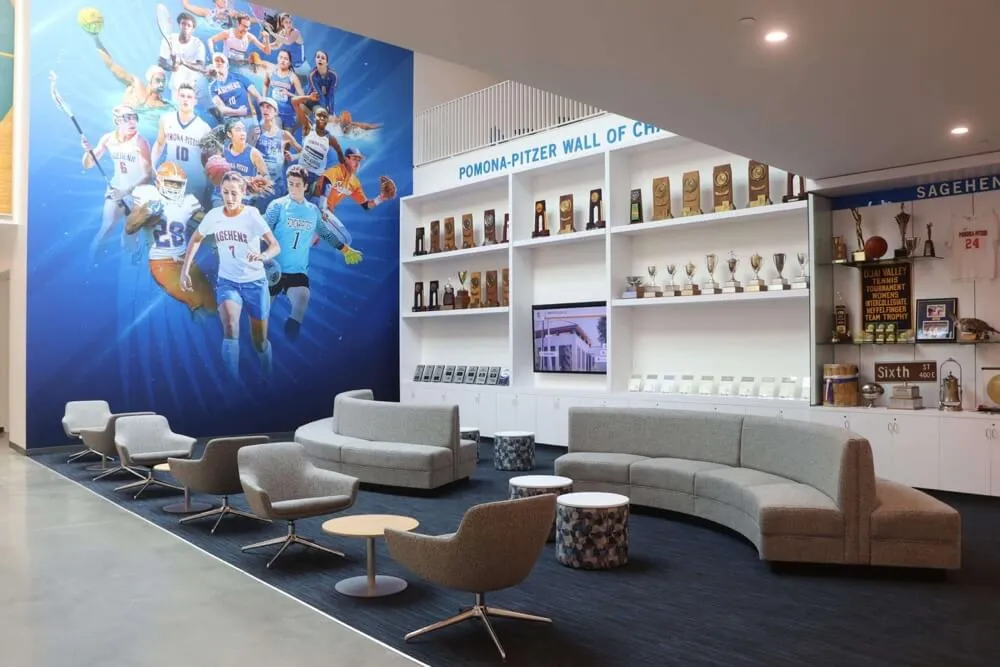
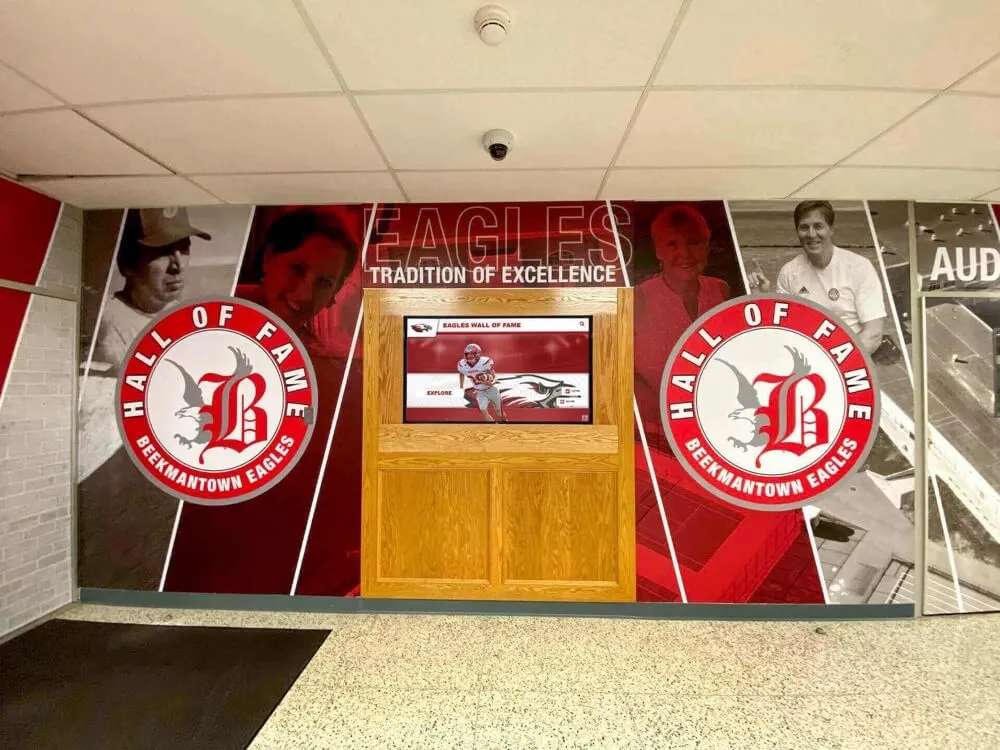
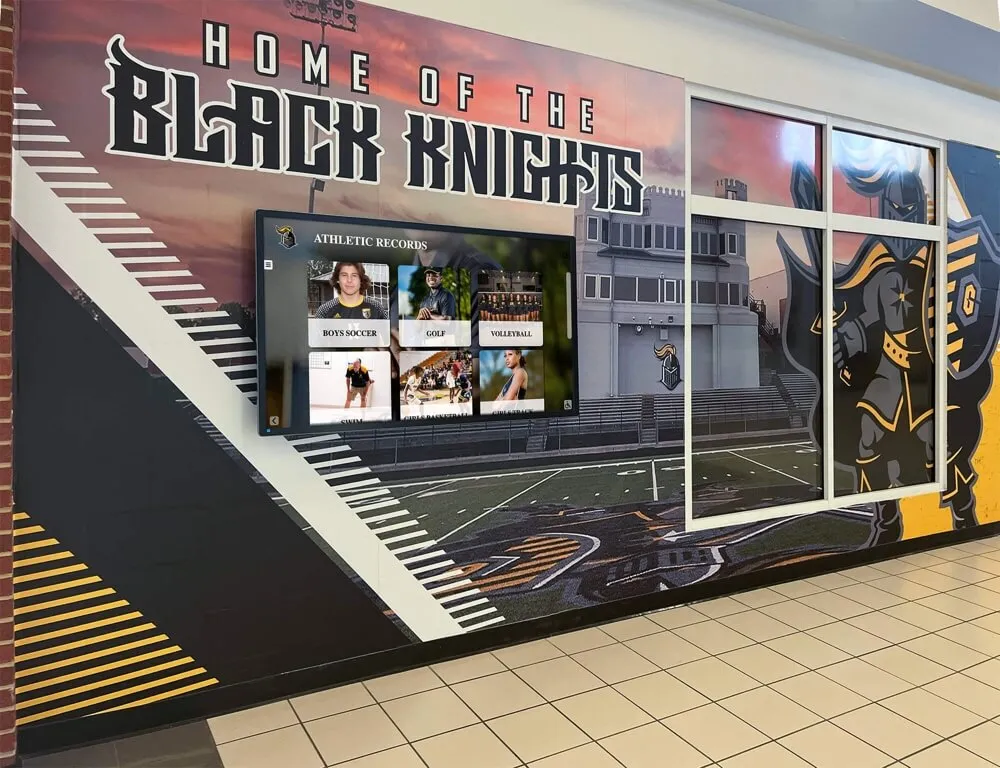
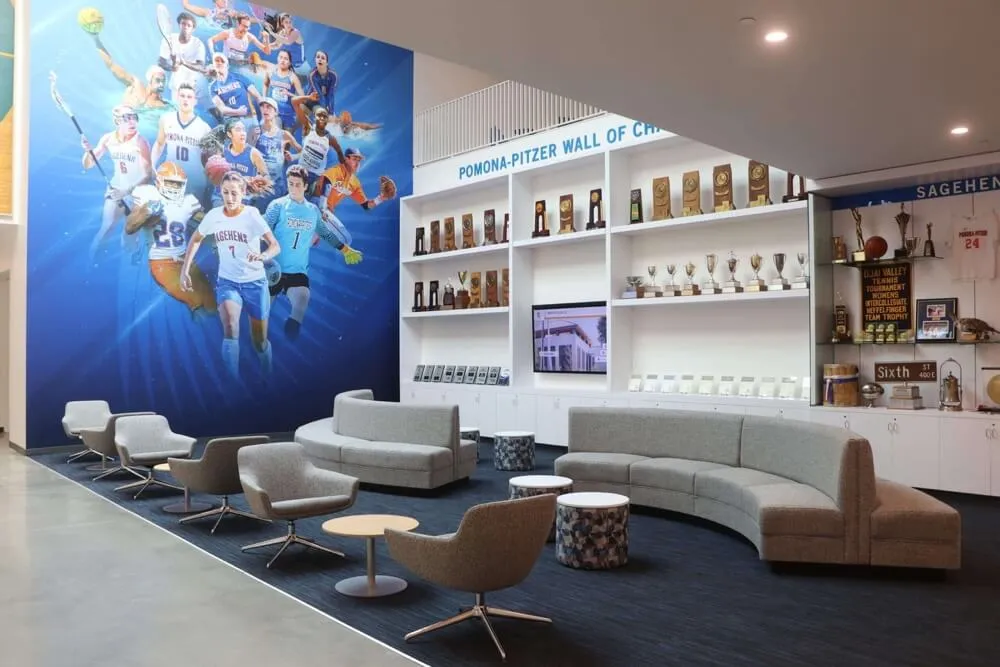
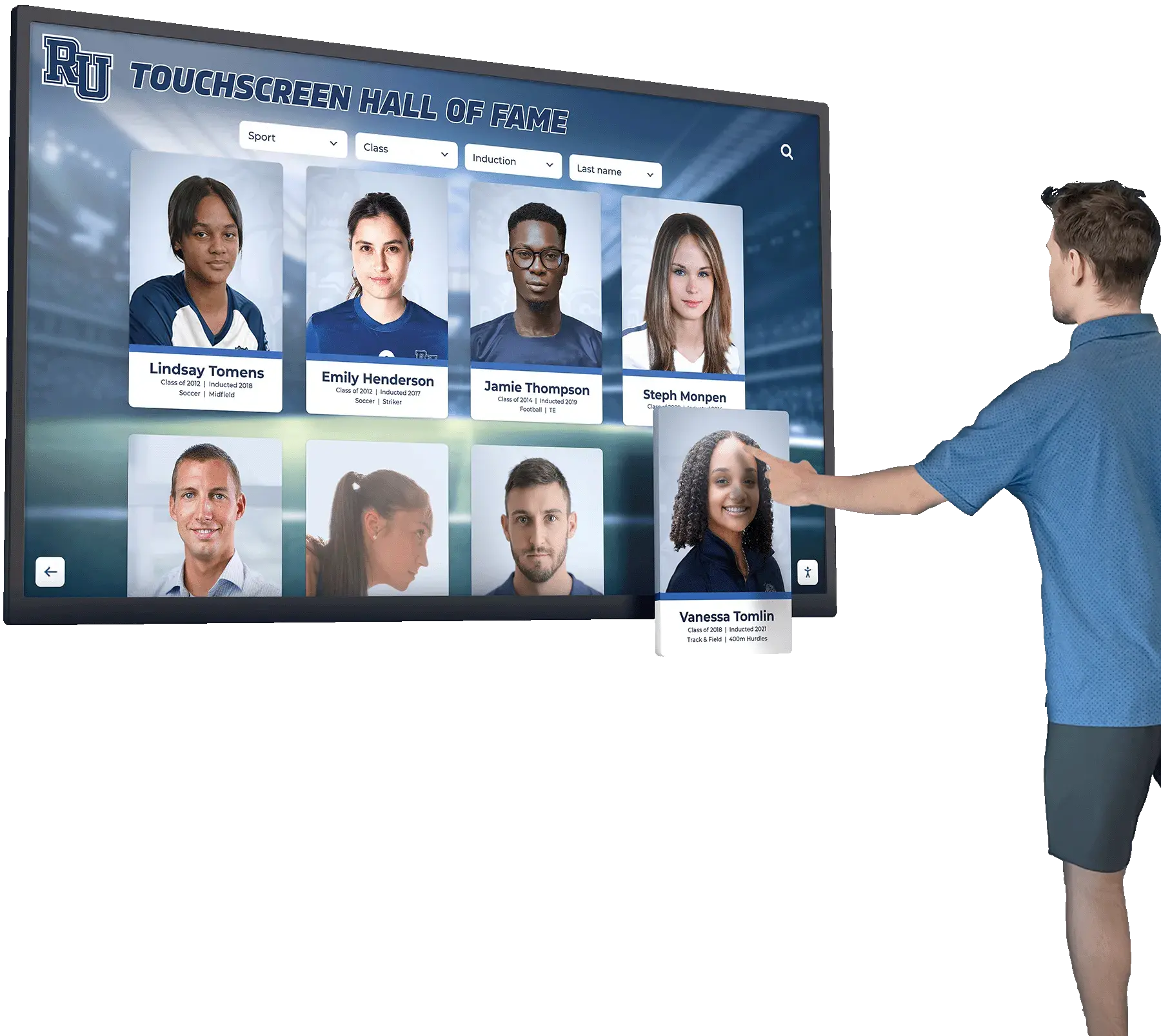
Basketball facilities showcase guard play excellence and ball handling achievements alongside traditional team recognition
Many programs recognize players who demonstrate exceptional ball handling improvement as part of comprehensive athletic recognition systems, celebrating skill development that makes teams more competitive.
Drill 4: Figure-Eight Dribbling
Purpose: Build ambidextrous control and coordination
Setup:
- Stand with feet slightly wider than shoulder-width
- Start with ball in right hand
- Keep your eyes up throughout the drill
Execution:
- Dribble the ball through your legs in a figure-eight pattern
- Right hand dribbles on the right side, passes through legs
- Left hand catches and continues the pattern on the left side
- Continue the flowing figure-eight motion for 45 seconds
- Reverse direction and repeat
Key Teaching Points:
- Smooth, continuous motion—no pauses or double dribbles
- Ball stays low throughout the pattern
- Bend at the knees, not the waist
- Each hand should dribble an equal amount
- This drill appears in nearly every elite guard’s practice routine
Drill 5: Around the World (Stationary)
Purpose: Develop ball control and body awareness
Setup:
- Stand with feet together
- One basketball, starting at head height
- Complete circles around different body parts
Execution:
- Circle the ball around your head 10 times (right direction)
- Circle around your waist 10 times
- Circle around your knees 10 times
- Circle around your ankles 10 times
- Reverse direction and repeat the entire sequence
Key Teaching Points:
- Hand-to-hand transfers should be quick and secure
- Keep the ball as close to your body as possible
- Increase speed while maintaining control
- If you drop the ball, restart that set
- This drill builds hand coordination crucial for catching and securing passes
Intermediate Ball Handling Drills
Once players establish consistent fundamental control, intermediate drills add movement, speed variation, and multiple dribble combinations that begin replicating game situations.
Drill 6: Two-Ball Dribbling
Purpose: Force both hands to develop simultaneously with equal skill
Setup:
- Two basketballs of equal size
- Stand in athletic stance
- Start with simultaneous dribbling
Execution:
- Dribble both balls simultaneously at the same height (30 seconds)
- Dribble alternating pattern: right-left-right-left (30 seconds)
- Dribble one high, one low simultaneously (15 seconds each hand high)
- Cross both balls simultaneously side to side (30 seconds)
- Rest and repeat for 3-4 sets
Key Teaching Points:
- This drill reveals your weak hand immediately
- Forces your brain to process independent hand movements
- Maintain athletic stance even when concentration increases
- Most players find alternating rhythm easier than simultaneous
- Two-ball work accelerates ball handling development dramatically
Drill 7: Cone Weave Speed Dribble
Purpose: Develop change-of-direction speed with ball control
Setup:
- Set up 5-6 cones in a straight line, 3-4 feet apart
- Start with ball in dominant hand
- Focus on quick changes while maintaining control
Execution:
- Speed dribble toward the first cone with right hand
- Crossover to left hand and change direction around the cone
- Speed dribble to the next cone with left hand
- Crossover to right hand and continue the pattern
- Complete down and back, then repeat with different moves
Key Teaching Points:
- Accelerate between cones, decelerate before the change
- Stay low when changing direction for better control
- Push off your outside foot when cutting
- Use various moves: crossover, between-legs, behind-back
- Track your time and work to improve speed while maintaining control
Drill 8: Between-the-Legs Series
Purpose: Master the between-the-legs dribble in motion
Setup:
- Start at baseline
- One basketball in dominant hand
- Focus on rhythm and timing
Execution:
- Take two dribbles with right hand while moving forward
- On the third dribble, push the ball through your legs from front to back
- Catch with left hand behind your body
- Take two dribbles with left hand while moving forward
- Between-the-legs back to right hand
- Continue to opposite baseline
Key Teaching Points:
- The between-legs dribble protects the ball from defenders
- Step forward with opposite foot as you push through
- Ball should bounce once through your legs—not double bounce
- Keep your head up and maintain forward momentum
- This move creates space when defenders cut off driving lanes
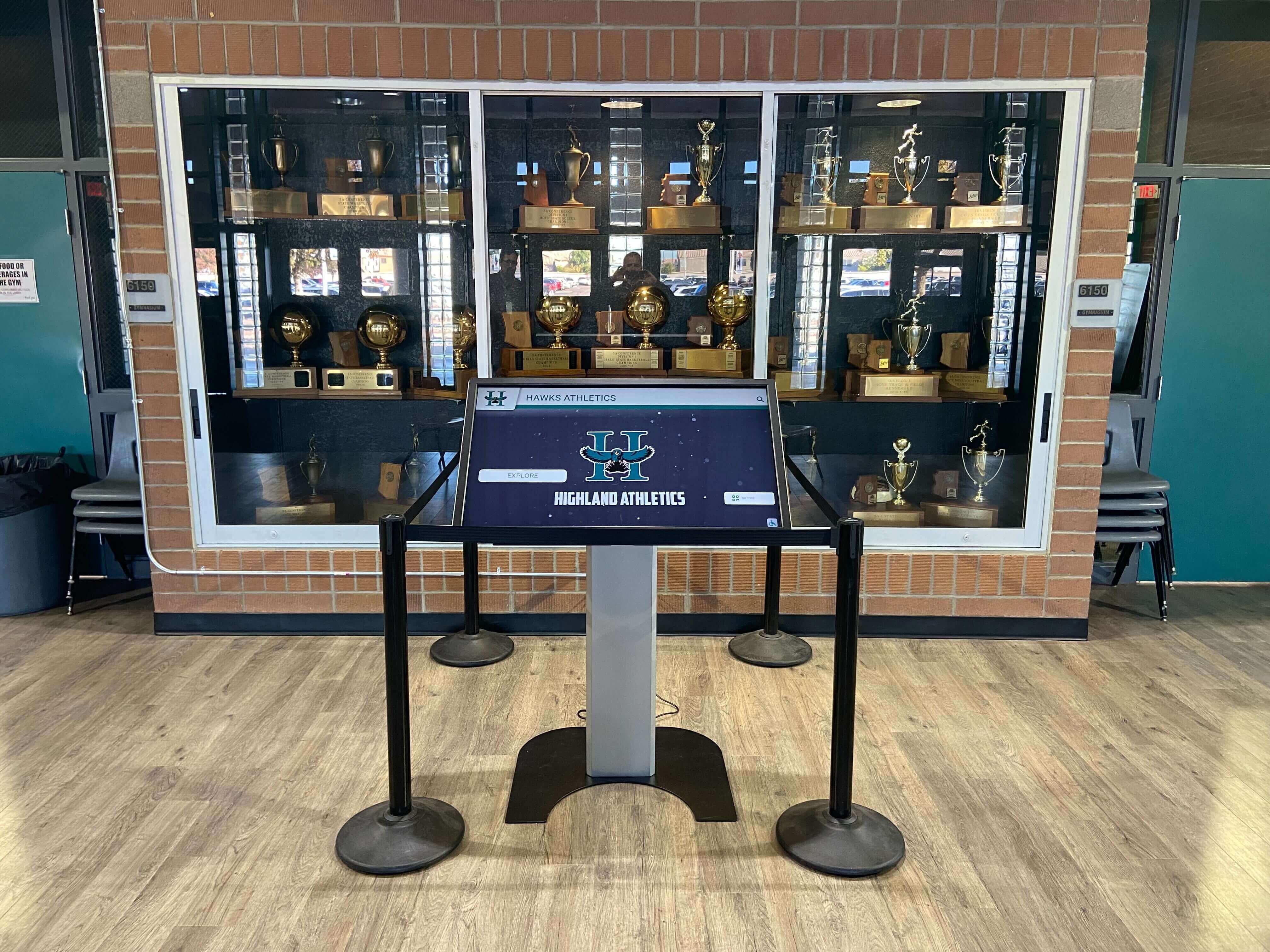
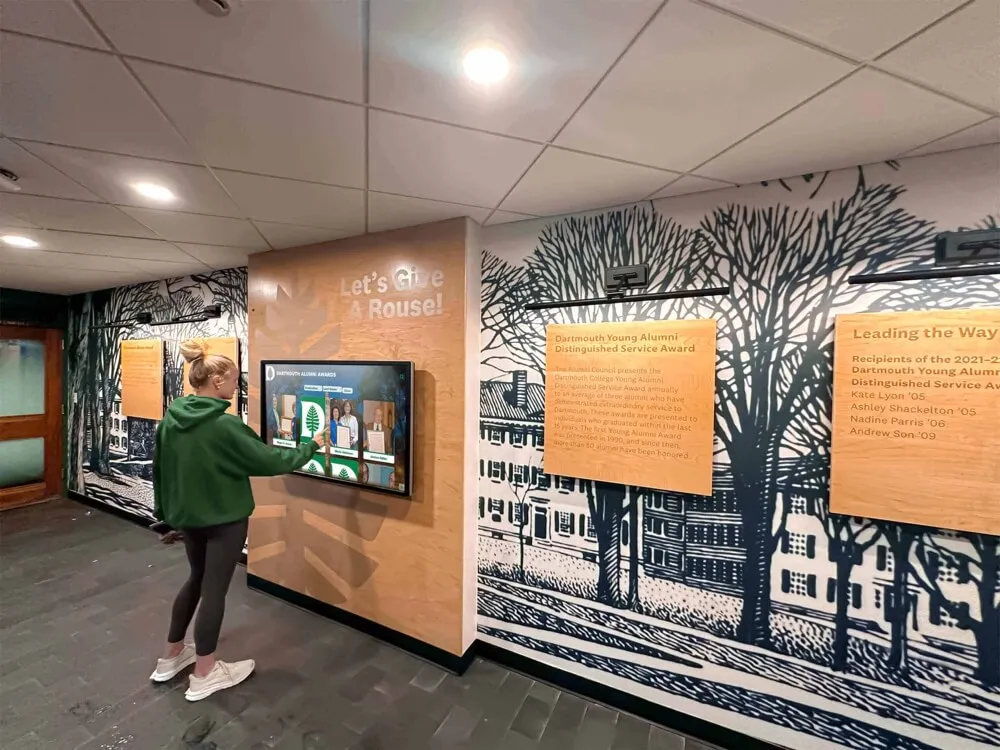
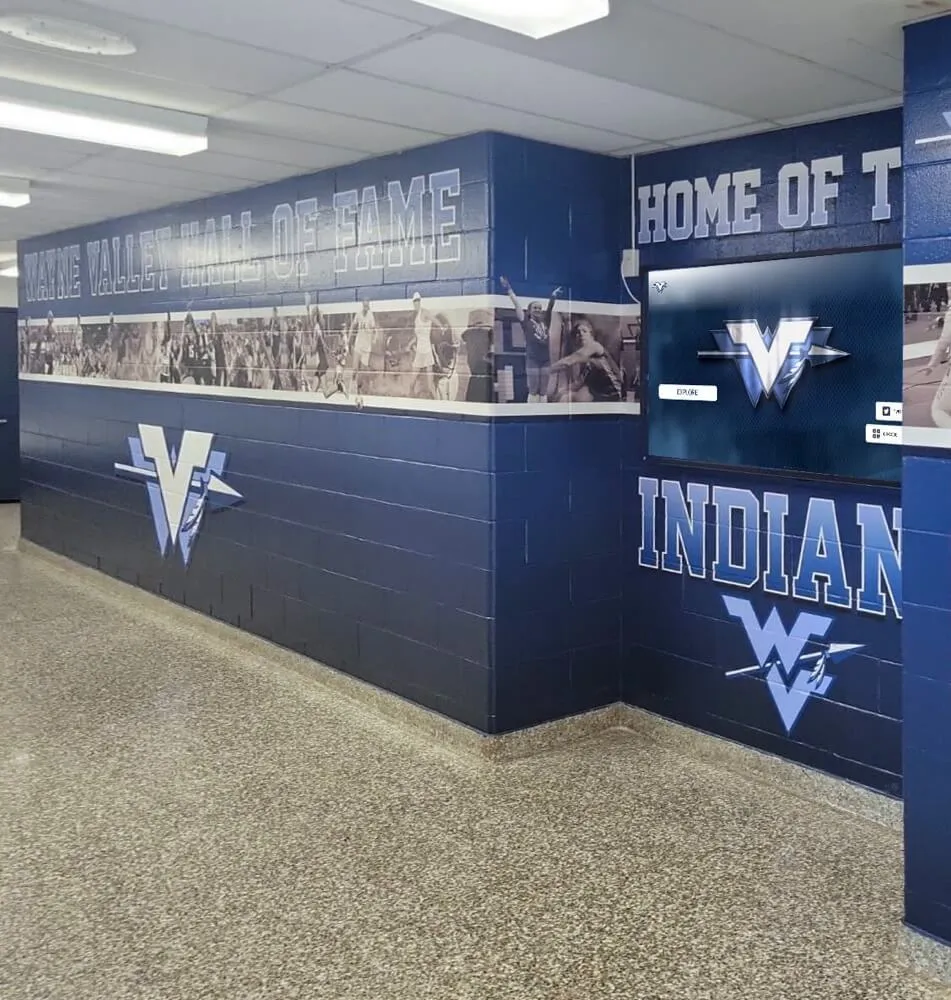
Schools track individual player skill development and ball handling progress through [interactive athletic displays](https://digitalrecordboard.com/blog/rise-digital-wall-of-fame-displays-interactive-screens/?utm_source=organic&utm_medium=seo-auto&utm_content=digitaltrophycase&utm_campaign=basketball-ball-handling-drills&utm_term=seo)
Basketball programs benefit from documenting guard development throughout the season. Many coaches display current leaders in assists, assist-to-turnover ratio, and other ball handling metrics, creating accountability that drives systematic practice habits.
Drill 9: Behind-the-Back Continuous
Purpose: Develop the behind-the-back dribble for change of direction
Setup:
- Stand in place initially to master the motion
- Progress to moving forward once comfortable
- One basketball starting in right hand
Execution:
- Dribble once with right hand on your right side
- Wrap the ball behind your back from right to left
- Catch with left hand on your left side
- Dribble once with left hand
- Wrap behind your back from left to right
- Continue for 45 seconds
Key Teaching Points:
- Cup your hand around the ball and guide it firmly behind your back
- The ball should wrap around your back at waist height
- Don’t slap at the ball—control it with your fingers
- Once mastered stationary, add forward movement
- This move protects the ball when defenders pressure from the side
Drill 10: Hesitation Move Development
Purpose: Learn to change pace to freeze defenders
Setup:
- Start at baseline with one ball
- Set up a cone or chair at free throw line as imaginary defender
- Focus on selling the hesitation
Execution:
- Speed dribble toward the cone at 75% speed
- Two feet from the cone, perform a sharp hesitation (slight pause and rise up)
- Immediately explode past the cone with a hard dribble
- Continue to opposite baseline
- Return using hesitation on opposite hand
Key Teaching Points:
- The hesitation should look like you’re stopping or pulling up for a shot
- Defenders freeze when they think you’re stopping
- The explosion after the hesitation must be immediate and powerful
- Your shoulders and head should sell the fake as much as the dribble
- NBA players like James Harden have mastered this pace-change technique
Advanced Ball Handling Drills
Elite-level drills incorporate game speed, defensive pressure, complex combinations, and decision-making elements that separate good ball handlers from elite playmakers.
Drill 11: Full-Court Ball Handling Circuit
Purpose: Develop ball handling stamina and variety at game speed
Setup:
- Start at baseline with one basketball
- Complete different moves each length of the court
- Focus on speed while maintaining control
Execution:
- Length 1: Right-hand speed dribble (full speed)
- Length 2: Left-hand speed dribble (full speed)
- Length 3: Crossover every 3-4 dribbles
- Length 4: Between-the-legs every 3-4 dribbles
- Length 5: Behind-the-back every 3-4 dribbles
- Length 6: Combination moves (player’s choice)
Key Teaching Points:
- Maintain game speed throughout—this isn’t a form drill
- Each length should challenge your control under speed
- Rest briefly between lengths if needed initially
- Track your time to measure conditioning improvement
- This drill simulates the ball handling demands of transition basketball
Drill 12: Chair Defender Reaction Drill
Purpose: Make quick decisions based on defensive positioning
Setup:
- Place a chair at the free throw line as a defender
- Start at the three-point line with ball
- Partner stands behind chair and points left or right
Execution:
- Dribble toward the chair at game speed
- Partner points left or right just before you reach the chair
- React by using appropriate move to go the direction indicated
- If pointed right, use left-to-right crossover or behind-back
- If pointed left, use right-to-left move
- Complete 10-12 repetitions focusing on quick reactions
Key Teaching Points:
- Trains your brain to read defensive positioning and react
- Forces decision-making at game speed under pressure
- Use different moves to go the same direction (crossover vs. between-legs)
- Acceleration after the move matters as much as the move itself
- Progress to live defender once you master chair reactions
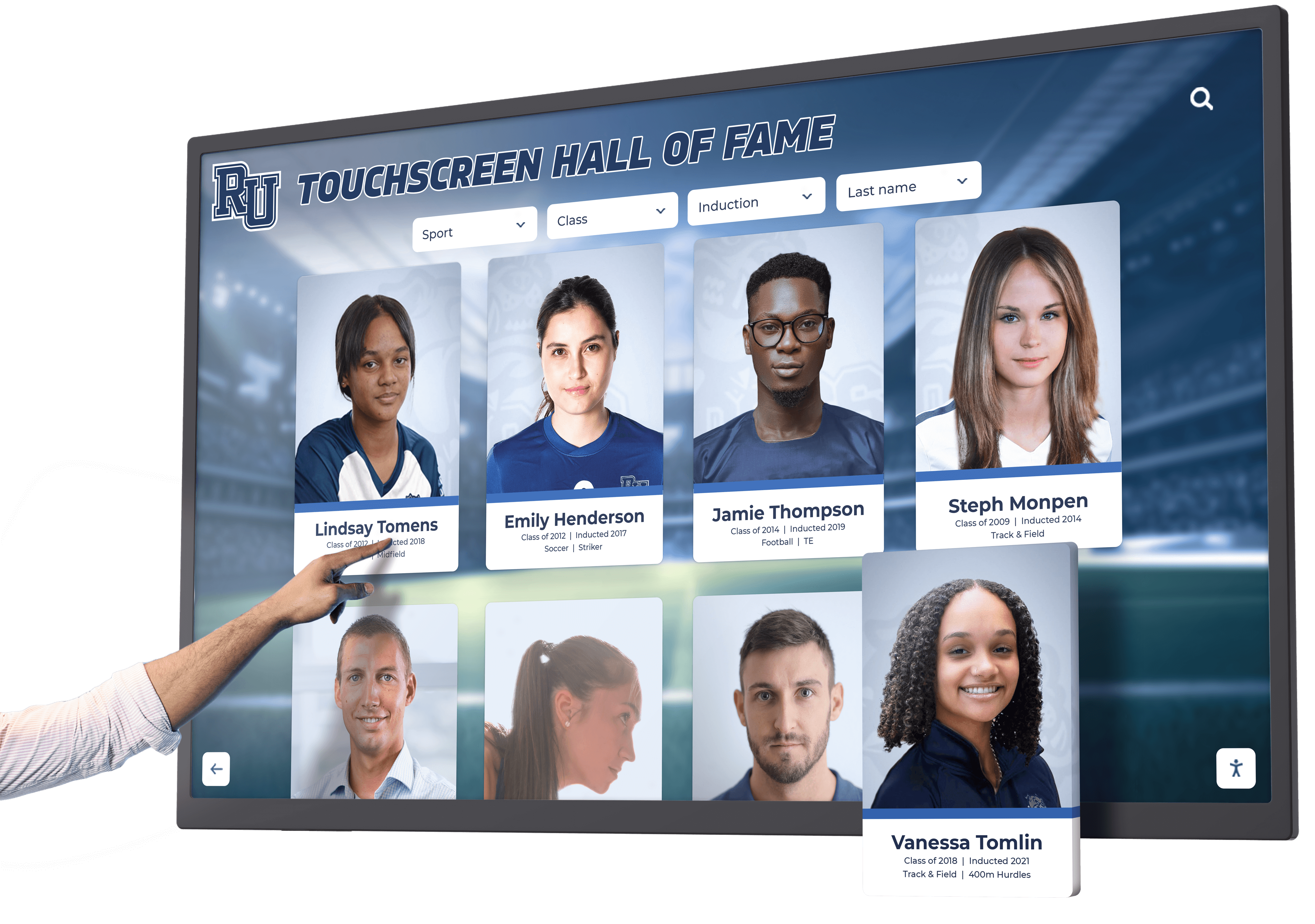
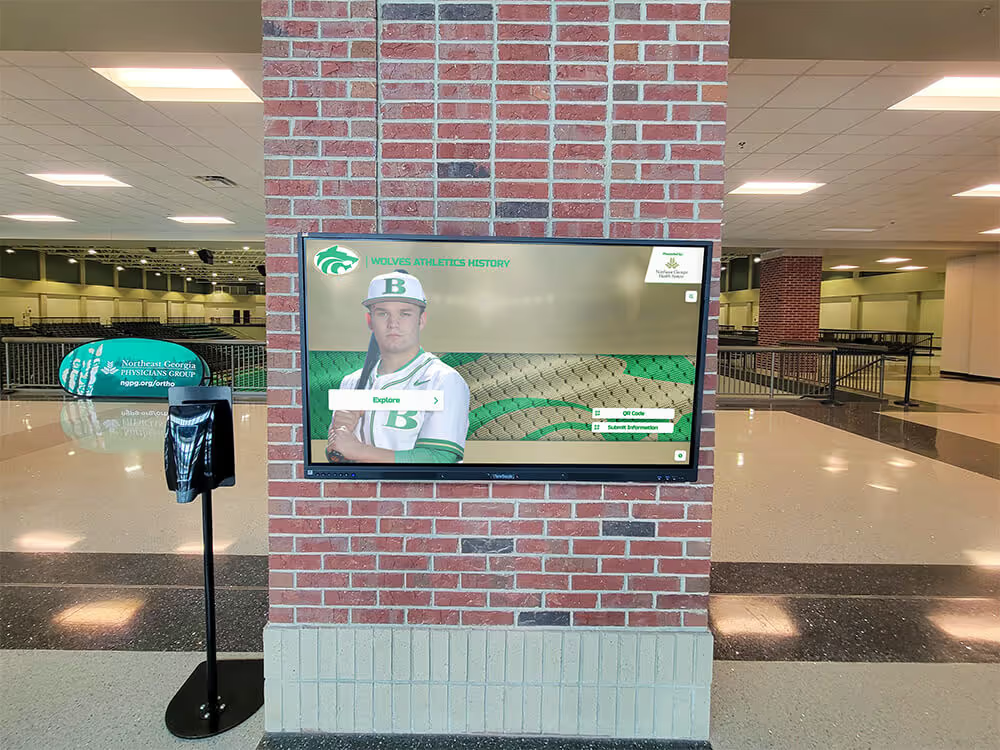
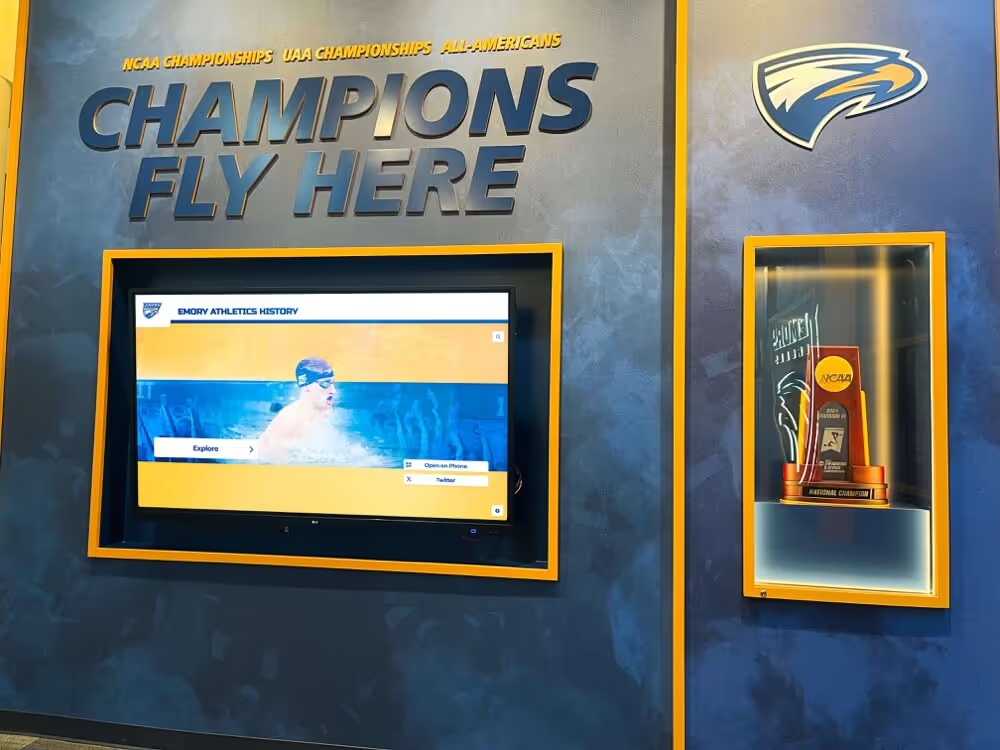
Modern recognition systems showcase guard play excellence and individual skill development achievements that contribute to [team success beyond traditional statistics](https://touchhalloffame.us/blog/academic-recognition-programs-guide/?utm_source=organic&utm_medium=seo-auto&utm_content=digitaltrophycase&utm_campaign=basketball-ball-handling-drills&utm_term=seo)
Drill 13: Two-Ball Combo Moves
Purpose: Master complex combinations with elite ball control
Setup:
- Two basketballs
- Stationary initially, then add movement
- Focus on coordination and rhythm
Execution:
- Start with both balls dribbling simultaneously
- Cross both balls simultaneously (both go left to right)
- Pound dribble twice with both balls
- Between-the-legs with one ball while pound dribbling the other
- Switch which ball goes between-legs
- Create your own combinations for 60 seconds
Key Teaching Points:
- Two-ball combinations are the ultimate hand coordination challenge
- Forces equal development of both hands
- Builds confidence that translates to single-ball mastery
- Most NBA guards incorporate two-ball work in their training
- If you can control two balls simultaneously, one ball feels easy
Drill 14: Live Defender Ball Handling
Purpose: Execute moves against actual defensive pressure
Setup:
- Work with a partner who plays defense
- Start at half court attacking toward the basket
- Defender provides moderate pressure initially, increasing intensity
Execution:
- Attacker attempts to get past defender using ball handling moves
- Defender cuts off lanes and applies token pressure (not full game speed)
- Attacker must use 2-3 moves to create separation
- Complete 5 attempts, then switch roles
- Progress to full-speed defense as skills develop
Key Teaching Points:
- This is where practice transfers to game application
- Defenders reveal which moves you execute confidently versus tentatively
- You must attack the defender’s shoulder or hip, not dribble in place
- Combination moves (crossover-to-between-legs) work better than single moves
- Reading the defender’s positioning matters more than the move itself
Drill 15: Pressure Ball Handling Circuit
Purpose: Maintain control under extreme pressure and fatigue
Setup:
- Partner provides constant defensive pressure
- Complete various ball handling challenges for 2-3 minutes continuously
- Focus on protecting the ball when exhausted
Execution:
- Defender applies intense ball pressure (hand on ball, no reaching fouls)
- Ball handler must maintain control while completing tasks:
- 10 successful crossovers without losing the ball
- 10 between-the-legs dribbles
- 10 behind-the-back moves
- Navigate through cone course
- Continue until all tasks complete or turnover occurs
- Switch roles and repeat
Key Teaching Points:
- Simulates end-of-game situations when fatigue increases turnovers
- Forces you to protect the ball with your body and off-arm
- Tests your ball handling under maximum physical and mental pressure
- Builds confidence that your handles work even against aggressive defense
- This drill separates players who can dribble from those who can handle pressure
Tracking Ball Handling Development
Systematic improvement requires measurement. Elite ball handlers don’t just practice—they track specific metrics revealing progress, identifying weaknesses, and building accountability.
Key Metrics to Monitor
Basic Ball Handling Statistics
- Turnovers per game or per possession
- Assist-to-turnover ratio
- Ball handling drill completion times
- Consecutive makes on specific drills without error
- Weak hand versus strong hand proficiency gaps
Advanced Ball Handling Metrics
- Pressure situation turnover rates
- Decision speed (time from catch to decision)
- Move completion percentage against live defense
- Ball handling under fatigue percentages
- Video analysis of move effectiveness in games
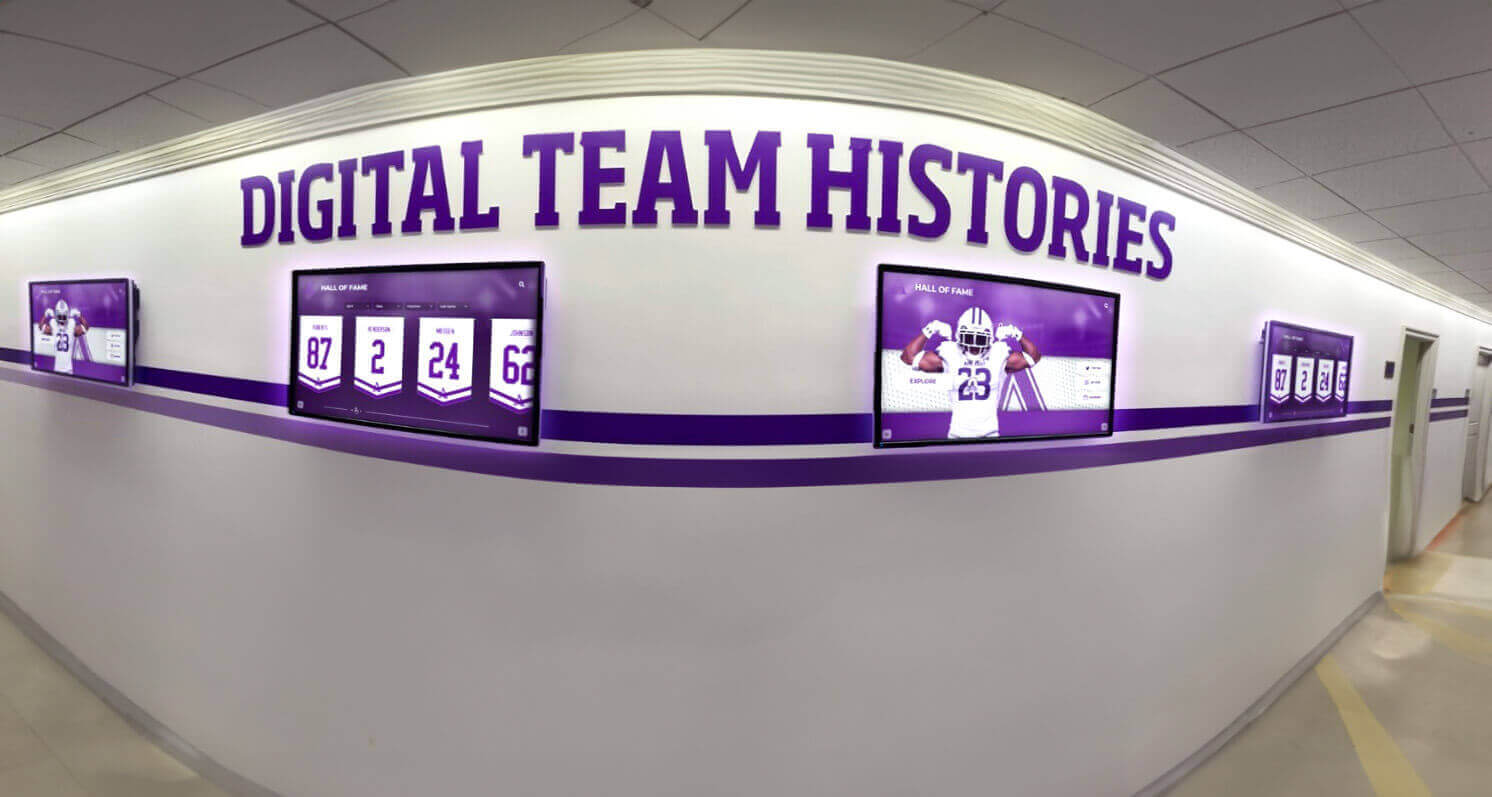
Programs track guard development metrics over time through [digital displays that celebrate both statistics and skill improvement](https://touchwall.us/blog/big-xii-college-basketball-hall-of-fame-display/?utm_source=organic&utm_medium=seo-auto&utm_content=digitaltrophycase&utm_campaign=basketball-ball-handling-drills&utm_term=seo)
Many basketball programs display current leaders in assists, assist-to-turnover ratio, and other playmaking statistics through digital recognition systems, creating accountability and motivation for guards to invest in systematic ball handling development.
Creating a Practice Log
Document every ball handling session with structured tracking:
Session Information
- Date, time, and duration of practice
- Specific drills completed and repetition counts
- Which hand felt stronger/weaker
- New moves attempted or mastered
- Notes on form adjustments or technical corrections
Progress Indicators
- Week-over-week drill time improvements
- Reduction in drill errors or ball losses
- Game situation success rates (assists, turnovers)
- Weak hand catching up to strong hand
- Ability to execute moves at increased speeds
Players who track ball handling development create data coaches can reference when making lineup decisions or designing practice plans. Programs celebrating measurable improvement recognize a broader range of contributions than just scoring statistics.
Building Team Ball Handling Culture
Individual ball handling improvement accelerates within team cultures that prioritize, celebrate, and systematically develop ball control across the entire roster—not just primary ball handlers.
Establishing Ball Handling Standards
Successful programs define clear expectations for ball handling development:
Minimum Skill Thresholds
- Every player must handle both right and left hand competently
- Position-specific ball handling requirements (guards versus posts)
- Required drill proficiency before advancing to next skill level
- Team-wide ball handling sessions separate from position work
- Recognition for guards who achieve turnover reduction targets
Practice Time Allocation
- Dedicated 15-20 minutes of ball handling work in every practice
- Individual ball handling sessions with skill development coaches
- Pre-practice or post-practice optional ball handling workouts
- Summer and off-season ball handling development camps
- Position group competitions emphasizing ball security
Programs emphasizing ball handling development often display statistical leaders and most-improved ball handlers through recognition systems that update throughout the season, creating visible motivation for players at every position.
Competitive Ball Handling Games
Transform ball handling practice from monotonous repetition to engaging competition:
Individual Competition Formats
- Timed cone weave competitions (fastest time with no errors)
- Consecutive drill challenges (most in a row without mistakes)
- “Beat Your Best” personal record competitions
- Weak hand versus strong hand improvement challenges
- Pressure dribbling survival (last player standing)
Team Competition Formats
- Guard group versus forward group ball handling challenges
- Grade level competitions with combined scores
- Partner two-ball competitions
- Full team ball handling circuits with cumulative scoring
- Monthly ball handling skill testing with recognition for improvement
Many coaches incorporate team mottos emphasizing ball control and valuing the ball, creating cultural emphasis that extends beyond individual practice sessions and into game situations where turnovers determine outcomes.
Addressing Common Ball Handling Problems
Even dedicated players encounter persistent ball handling issues requiring targeted correction rather than simply more practice volume.
Diagnosis and Correction Guide
Problem: Dribbling Too High
- Cause: Lack of confidence, poor wrist control, standing too upright
- Correction: Conscious focus on knee-height dribbling, athletic stance
- Drill focus: Stationary pound dribbles, two-ball low dribbling
- Checkpoint: Film yourself and compare dribble height to elite guards
Problem: Watching the Ball Constantly
- Cause: Lack of feel/touch, insufficient repetition volume, fear of losing control
- Correction: Force eyes-up practice even if initially uncomfortable
- Drill focus: Eyes-up cone weave, dribbling while reading numbers held up by partner
- Checkpoint: Can you maintain control without looking for 10+ dribbles?
Problem: Weak Non-Dominant Hand
- Cause: Natural hand dominance, insufficient weak hand volume
- Correction: Triple the weak hand practice volume for 2-4 weeks
- Drill focus: Weak hand only circuits, two-ball forcing equal development
- Checkpoint: Can you execute moves equally well with both hands?
Problem: Turnovers Under Pressure
- Cause: Panic decisions, insufficient live defender practice, predictable patterns
- Correction: More pressure practice against live defenders
- Drill focus: Chair defender reactions, live one-on-one, pressure circuits
- Checkpoint: Turnover rate decreases in game situations month over month
Problem: Ball Handling Deteriorates When Tired
- Cause: Lack of conditioning, form breakdown under fatigue, mental errors
- Correction: Practice ball handling exclusively under fatigue conditions
- Drill focus: Pressure circuits, full-court combinations, sprint-then-handle drills
- Checkpoint: Can you maintain form and control in the fourth quarter?
Developing a Personal Ball Handling Workout
Transform these 15 drills into structured, progressive workout plans tailored to your specific position and development goals.
Sample 20-Minute Ball Handling Workout
Beginner/Youth Level
- Warm-up: Around the world stationary (2 minutes)
- Drill 1: Stationary pound dribbles both hands (3 minutes)
- Drill 2: Side-to-side crossovers (3 minutes)
- Drill 3: Figure-eight dribbling (4 minutes)
- Drill 4: Front V-dribbles both hands (3 minutes)
- Cool-down: Free dribbling both hands (5 minutes)
- Total: 20 minutes, fundamental control focus
Intermediate Level
- Warm-up: Stationary two-ball dribbling (3 minutes)
- Drill 1: Cone weave with crossovers (4 minutes, timed)
- Drill 2: Between-the-legs series full court (4 minutes)
- Drill 3: Behind-the-back continuous (3 minutes)
- Drill 4: Two-ball alternating patterns (3 minutes)
- Drill 5: Hesitation moves with cones (3 minutes)
- Total: 20 minutes, movement and combinations focus
Advanced/Competitive Level
- Warm-up: Two-ball simultaneous and alternating (2 minutes)
- Drill 1: Full-court ball handling circuit (5 minutes, timed)
- Drill 2: Chair defender reaction drill (4 minutes)
- Drill 3: Two-ball combo moves (3 minutes)
- Drill 4: Live defender one-on-one (4 minutes)
- Drill 5: Pressure circuit (2 minutes maximum intensity)
- Total: 20 minutes, game-speed pressure focus
Weekly Ball Handling Development Schedule
Structure your weekly practice to balance skill work, conditioning, pressure application, and recovery:
Monday: Fundamental Form
- Emphasis on technique perfection with both hands
- Stationary drills, two-ball work, form focus
- Lower intensity, higher volume of perfect repetitions
- Film yourself for weekly form review
Tuesday: Movement and Speed
- Full-court ball handling at game speed
- Cone weave circuits, sprint combinations
- Build ball handling stamina and conditioning
- Track times and work to improve weekly
Wednesday: Combination Moves
- Linking multiple moves together
- Two-ball combinations, complex sequences
- Decision-making with chair defenders
- Creative move development
Thursday: Live Pressure
- All drills against live defensive pressure
- One-on-one, pressure circuits, contested situations
- Lower volume, maximum game-realistic intensity
- Focus on move effectiveness versus defense
Friday: Weak Hand Emphasis
- Entire session with non-dominant hand only
- All basic drills completed left-handed (or right if left-handed)
- Identifies and eliminates hand strength gaps
- Builds confidence in weak hand
Weekend: Game Application
- Apply practice work to actual game situations
- Post-game: Identify which moves worked versus live defense
- Recovery and mental preparation for next week
Celebrating Ball Handling Excellence
Basketball programs that recognize ball handling development create cultures where players invest in skill improvement beyond what coaches require.
Recognition Ideas for Ball Handling Achievement
Programs celebrating ball handling excellence might recognize:
Statistical Achievement Awards
- Highest assist-to-turnover ratio (season or career)
- Most assists in a season or career
- Fewest turnovers per game for primary ball handlers
- Best pressure situation ball security
- Career assist milestone achievements (100, 250, 500 assists)
Improvement Recognition
- Most improved ball handler (coach evaluation)
- Greatest turnover reduction year-over-year
- Weak hand development achievement
- Ball handling drill mastery progression
- Practice dedication and systematic development
Many basketball programs display playmaking statistics and ball handling achievement recognition through digital systems updating throughout the season. These interactive displays create engaging connections between practice dedication and public recognition, motivating guards to track progress and celebrate both individual and team development.
Transform Your Basketball Program’s Recognition System
While systematic ball handling practice builds player skills, modern recognition systems transform how programs celebrate achievement and track development. Digital platforms allow coaches to showcase assist leaders, turnover reduction, and skill development alongside traditional scoring statistics—creating comprehensive recognition that motivates guards and playmakers at every level.
Rocket Alumni Solutions provides touchscreen recognition systems designed specifically for athletic programs looking to celebrate both statistical achievement and measurable improvement. Our platforms allow you to display current playmaking leaders, track season-long development, and recognize the ball handling dedication that drives team success.
Conclusion
Ball handling mastery separates good basketball players from elite playmakers, but improvement doesn’t happen through random dribbling. The 15 drills outlined in this guide provide structured, progressive frameworks for developing confident ball control at every skill level—from youth players establishing fundamental technique to competitive guards refining complex combinations under defensive pressure.
The most successful ball handlers don’t just practice more; they practice smarter. They isolate specific techniques through focused drills, build equal proficiency with both hands, incorporate live defense progressively, track measurable metrics documenting improvement, and develop mental toughness through pressure situations replicating game conditions.
Your ball handling development journey requires three commitments: consistent practice (daily 15-20 minute sessions using structured drills), measurement (tracking turnovers, assists, and drill proficiency), and patience (understanding that elite ball handling develops over months and years through perfect repetition). Whether you dedicate 15 minutes daily to stationary fundamentals or structure 45-minute sessions multiple times weekly, systematic practice always outperforms mindless dribbling.
Start with beginner drills if you’re establishing fundamentals, progress to intermediate exercises as your control solidifies, and challenge yourself with advanced drills once you’ve built consistent technique with both hands. Most importantly, track your development—because improvement you can measure creates motivation that sustains long-term dedication to becoming the ball handler your team needs you to be.