



Youth basketball programs face a unique challenge: how do you recognize achievement in ways that motivate young players without creating excessive pressure or making sports feel overly competitive? The right basketball awards for youth celebrate improvement, effort, and sportsmanship while keeping the game fun and age-appropriate.
Many youth programs default to simple participation trophies for everyone or overly serious competitive awards that mirror high school or college athletics. Neither approach serves young players well. Participation-only recognition can feel meaningless, while hyper-competitive awards may discourage players who are still developing their skills and confidence.
This comprehensive guide explores age-appropriate basketball awards for youth that celebrate diverse contributions, acknowledge improvement at all skill levels, and help young players develop genuine love for basketball while building confidence, teamwork skills, and healthy competitive spirit.
Effective youth basketball recognition balances celebrating achievement with encouraging continued participation. The goal isn’t identifying future college prospects—it’s creating positive experiences that keep kids engaged in sports while teaching valuable life lessons about dedication, teamwork, and perseverance. Programs that excel at youth recognition create environments where every player feels valued and motivated to keep improving.

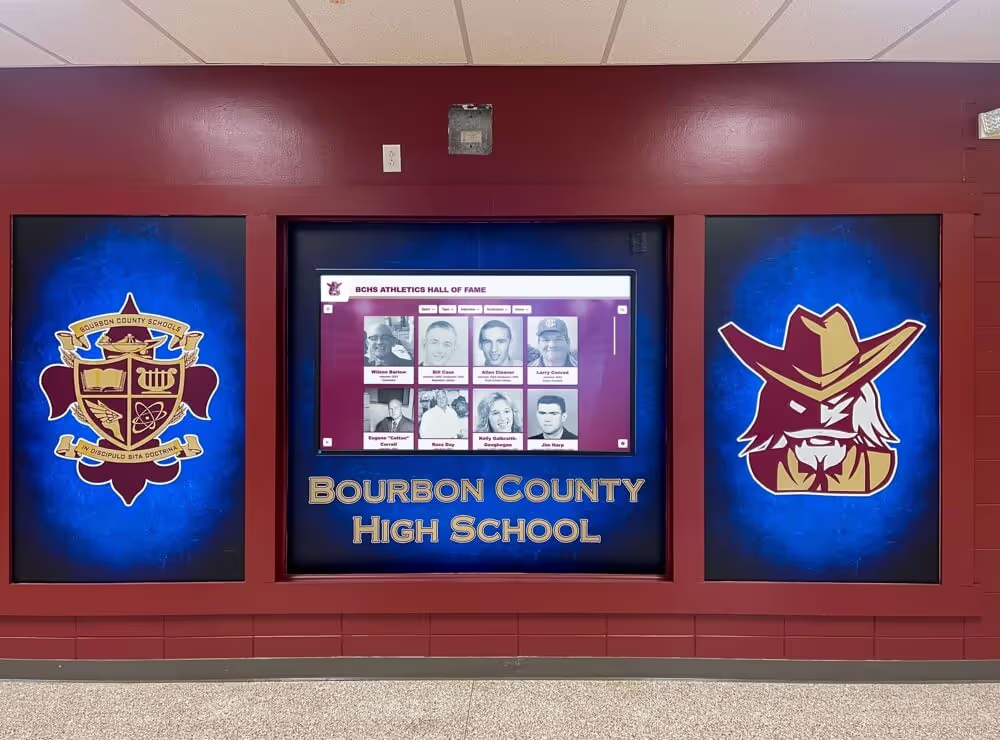
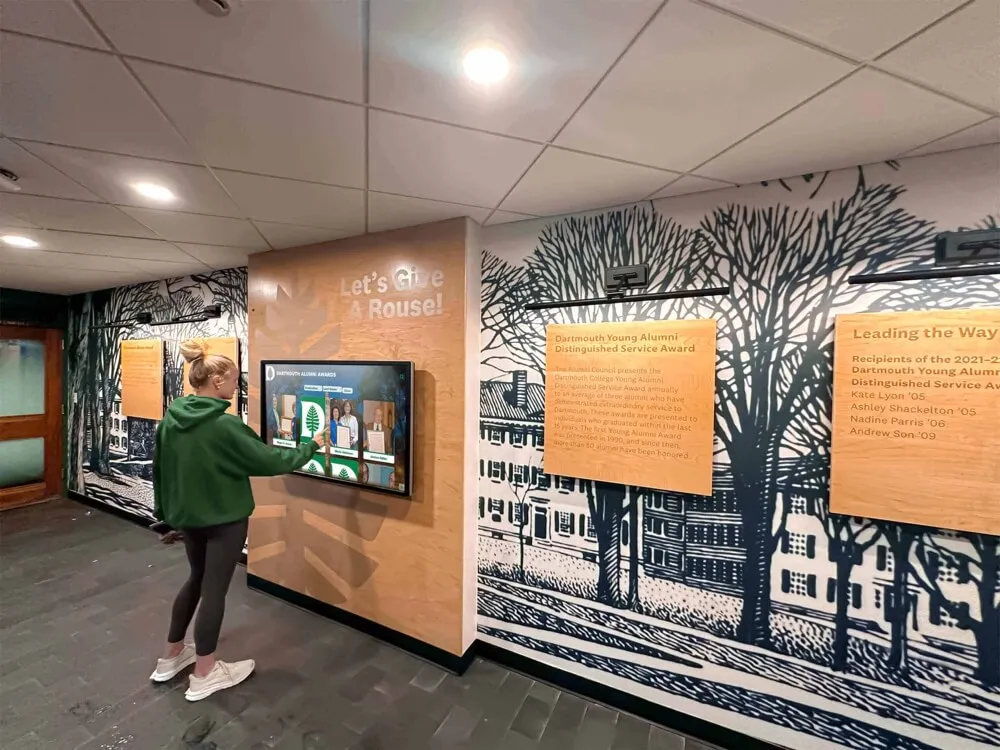
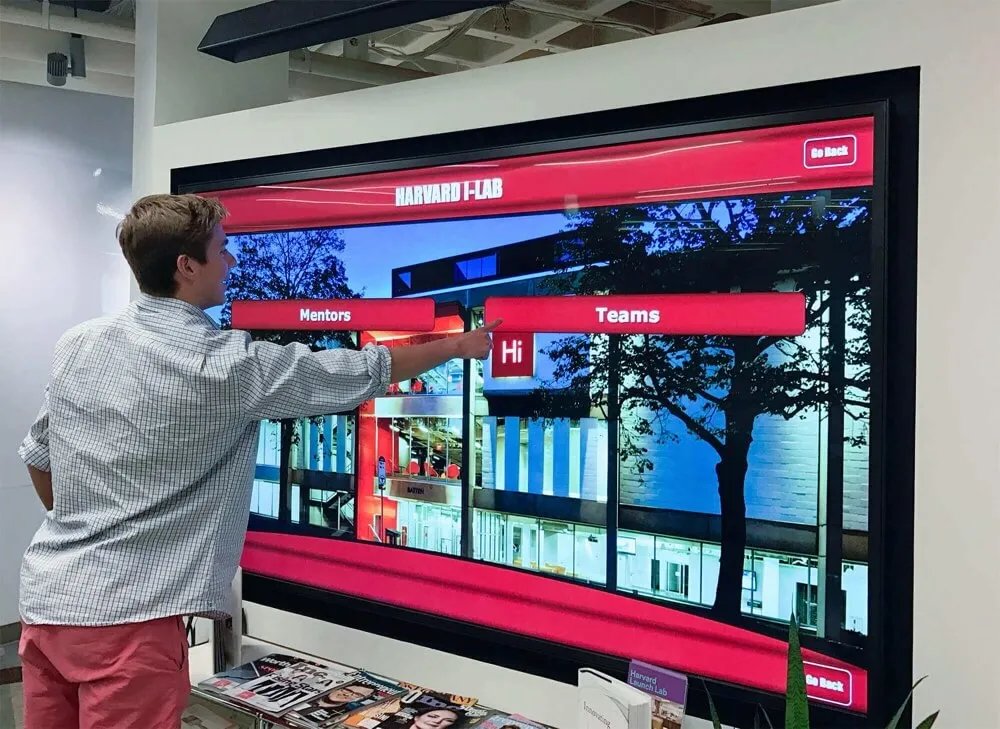
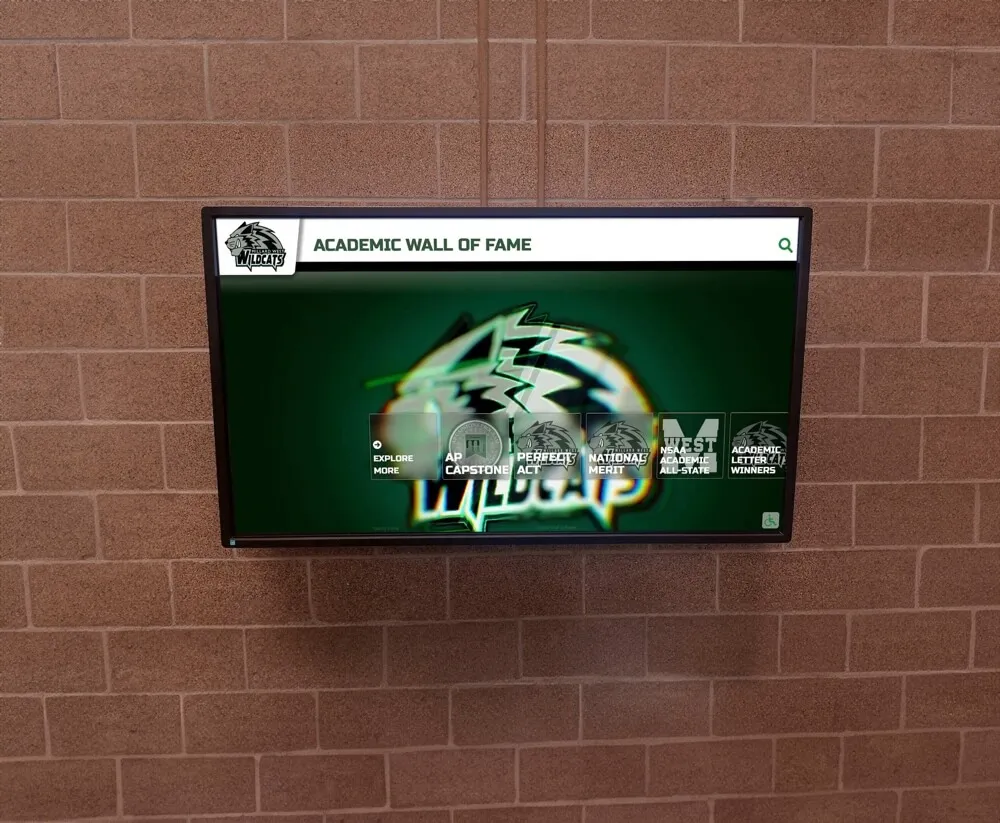
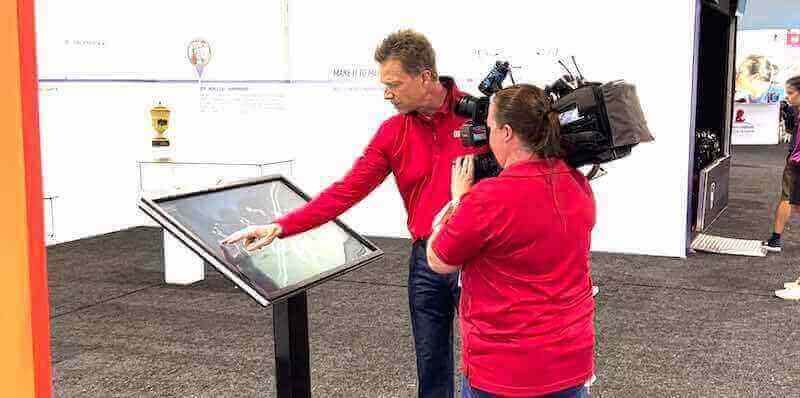
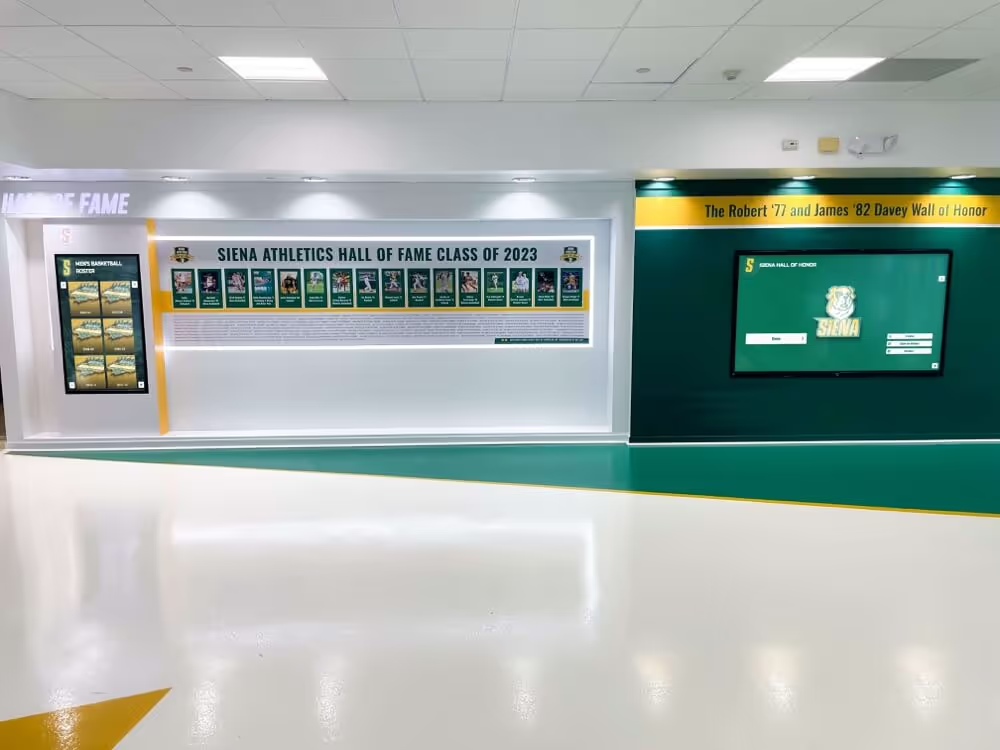
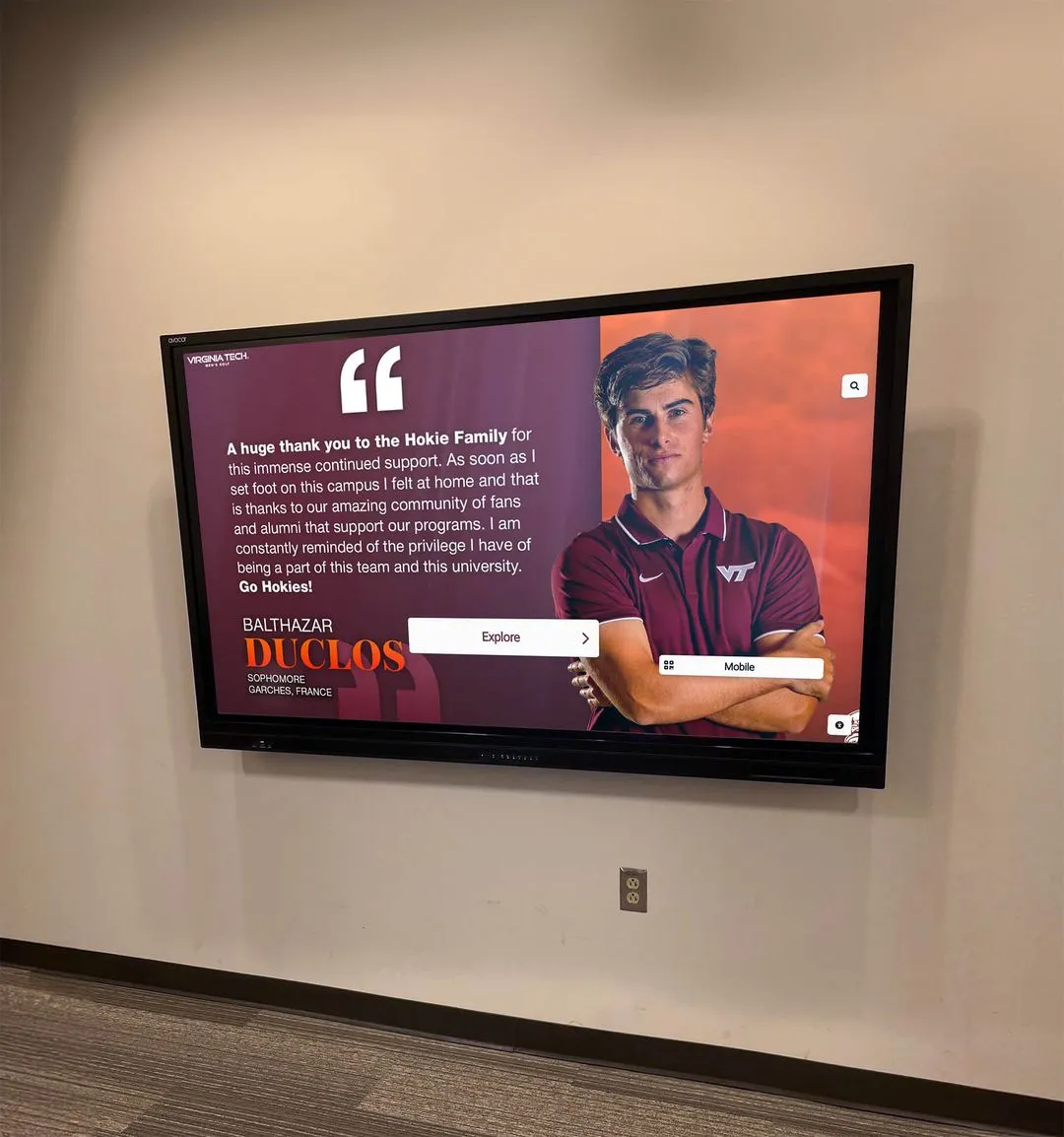
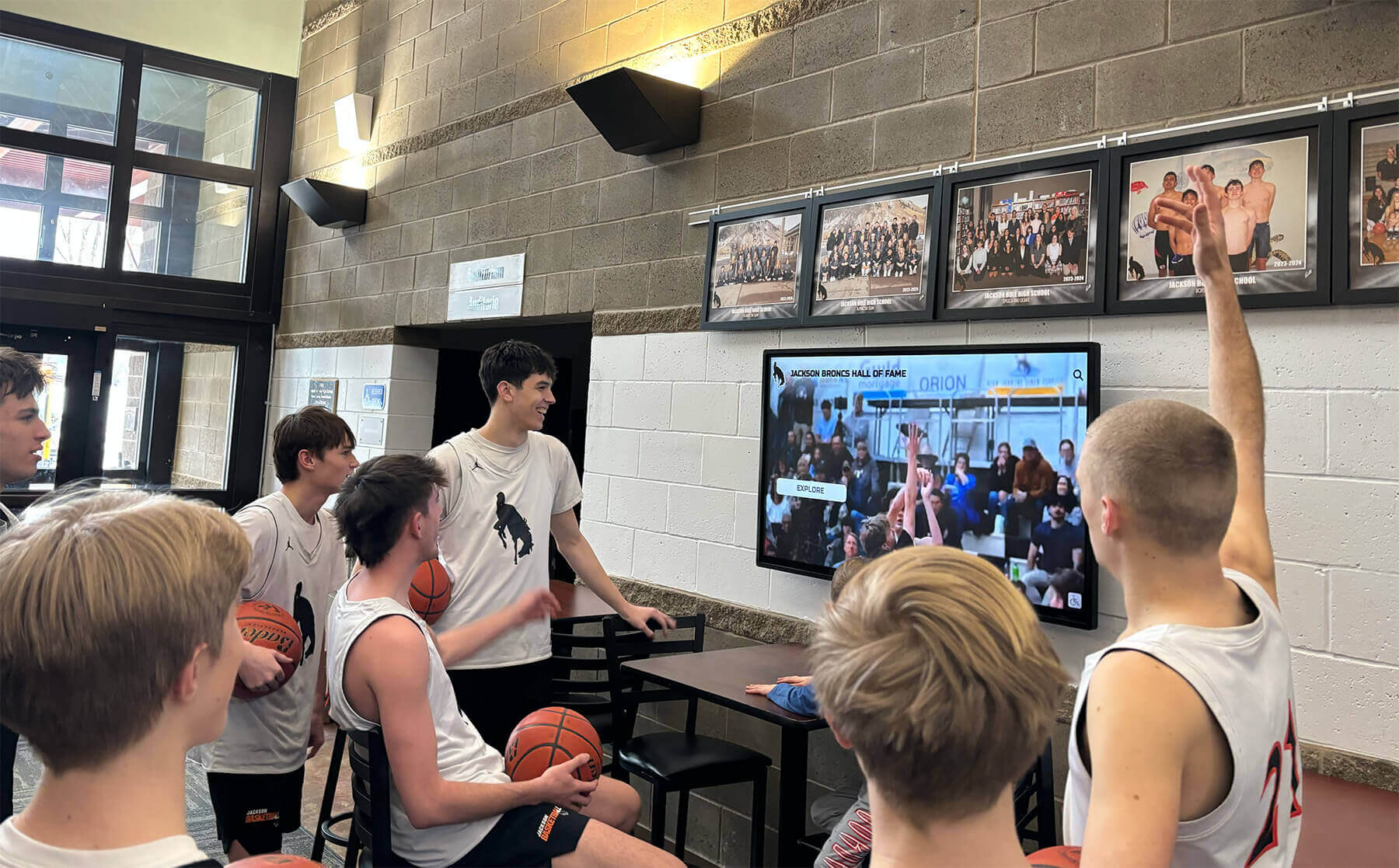
Digital displays showcase basketball achievements at all levels, creating engaging recognition for youth programs
Understanding Youth Basketball Recognition Needs
Youth basketball awards require fundamentally different approaches than high school or competitive travel programs.
Age-Appropriate Recognition Philosophy
Recognition for young basketball players should prioritize development over competition:
Elementary Age (6-10 years)
- Focus on participation, effort, and enjoyment
- Celebrate skill development milestones and improvement
- Recognize positive attitude and good sportsmanship
- Acknowledge teamwork and supporting teammates
- Minimize competitive comparisons between players
- Create broad recognition opportunities ensuring inclusion
Middle School Age (11-14 years)
- Balance participation recognition with performance acknowledgment
- Introduce more specific skill-based awards
- Recognize leadership development and team contribution
- Acknowledge both on-court performance and practice dedication
- Begin recognizing statistical achievements appropriately
- Maintain emphasis on character and sportsmanship
Developmental Considerations
Youth basketball recognition should align with developmental stages:
Skill Development Focus Young players develop at vastly different rates. Recognition systems should:
- Celebrate individual improvement regardless of starting point
- Acknowledge effort and practice dedication
- Recognize fundamental skill mastery
- Validate players who may not be top performers
- Create pathways to recognition for all skill levels
- Avoid early specialization pressure
Emotional and Social Development Youth recognition impacts self-esteem and social dynamics:
- Awards should build confidence, not create anxiety
- Recognition should strengthen team bonds
- Public acknowledgment must feel positive for all players
- Categories should avoid embarrassing less-skilled players
- Awards should reinforce program values and culture
- Recognition creates memories shaping lifelong sports attitudes
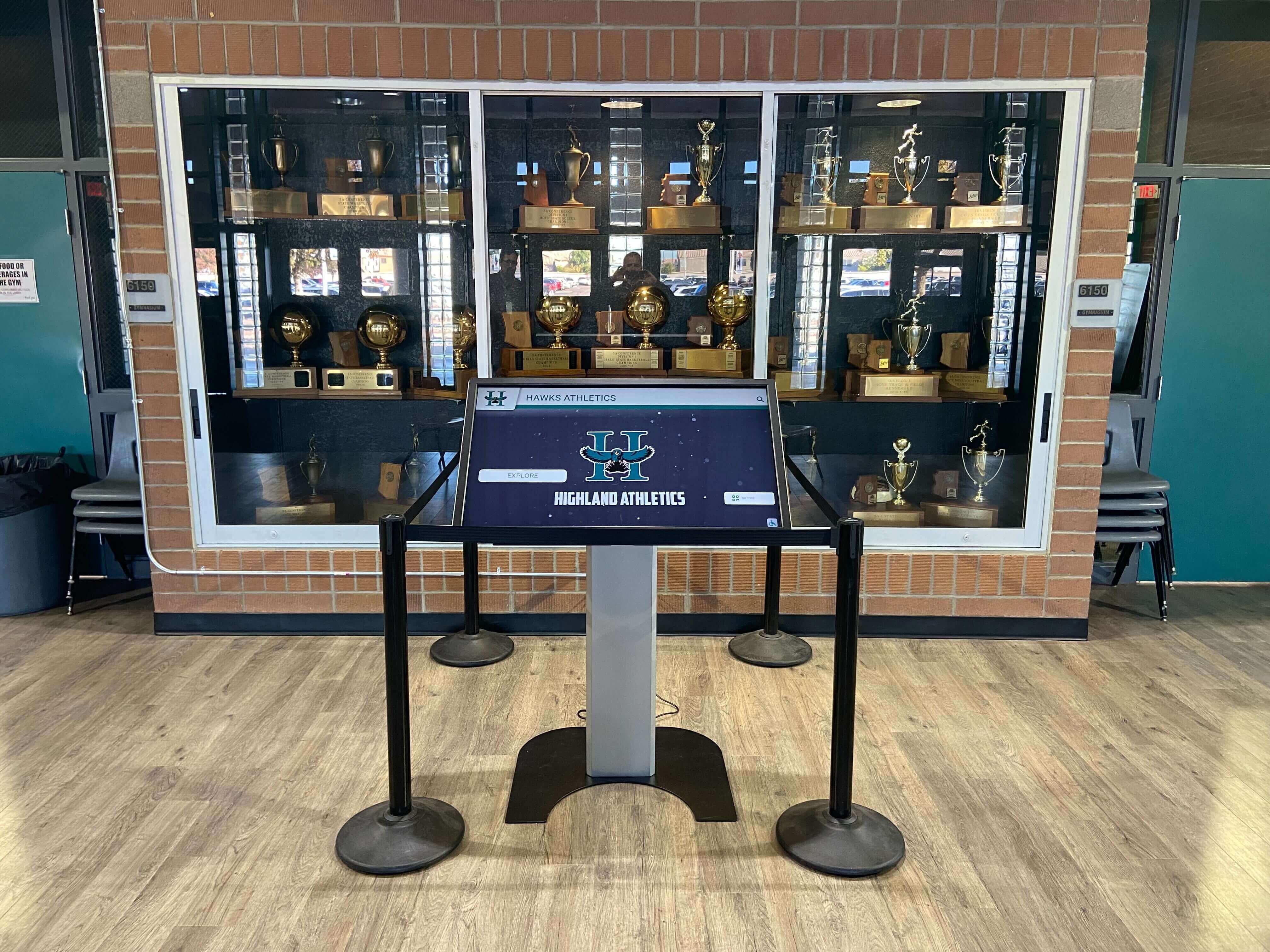
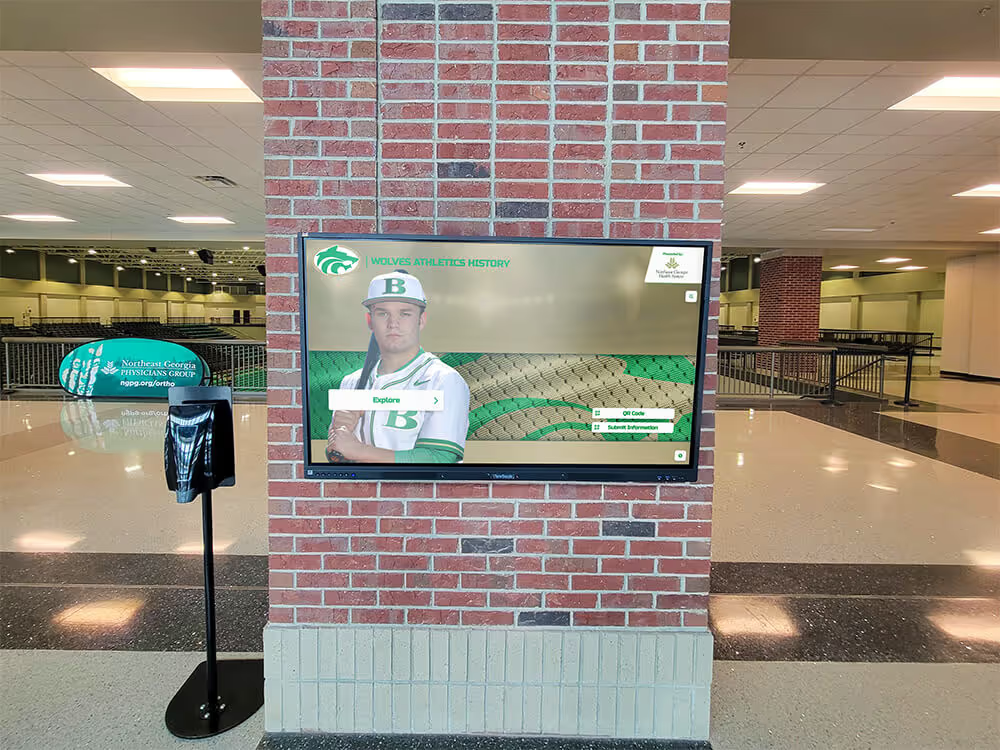
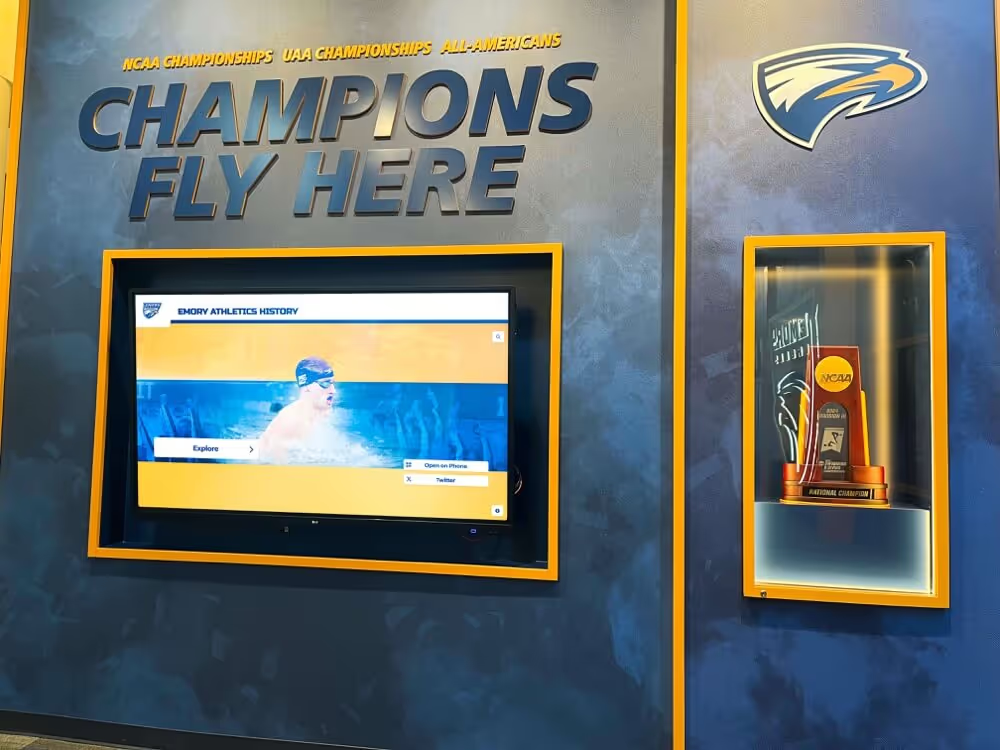
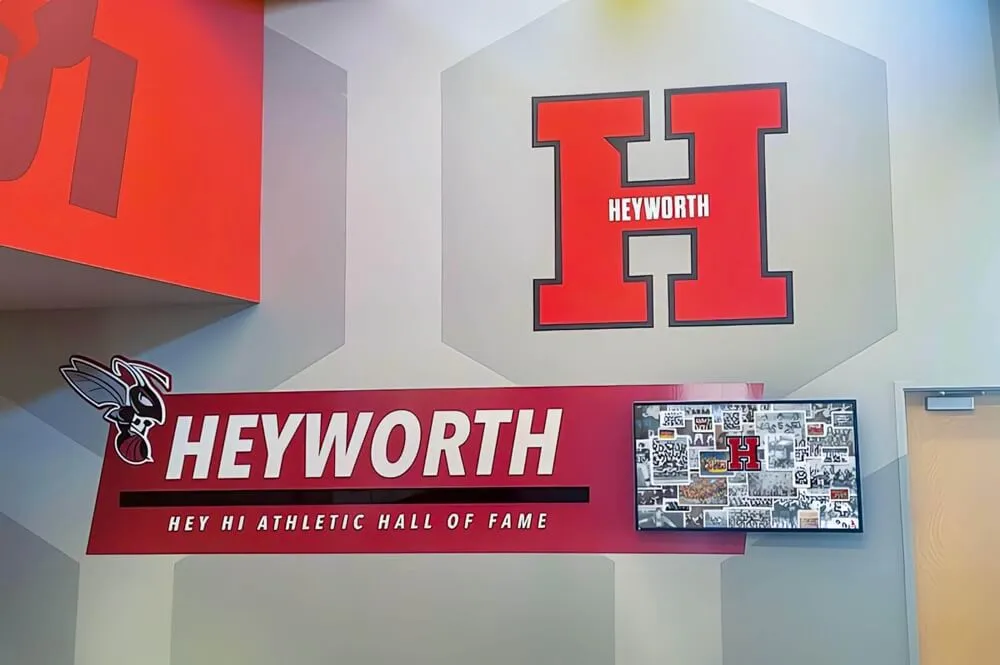
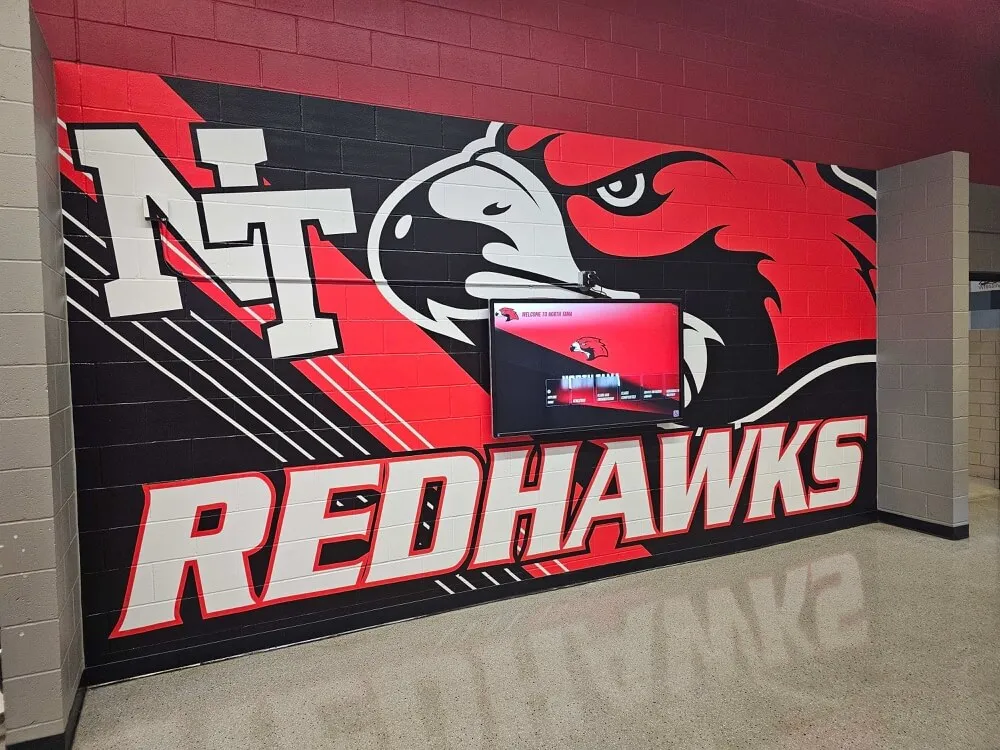
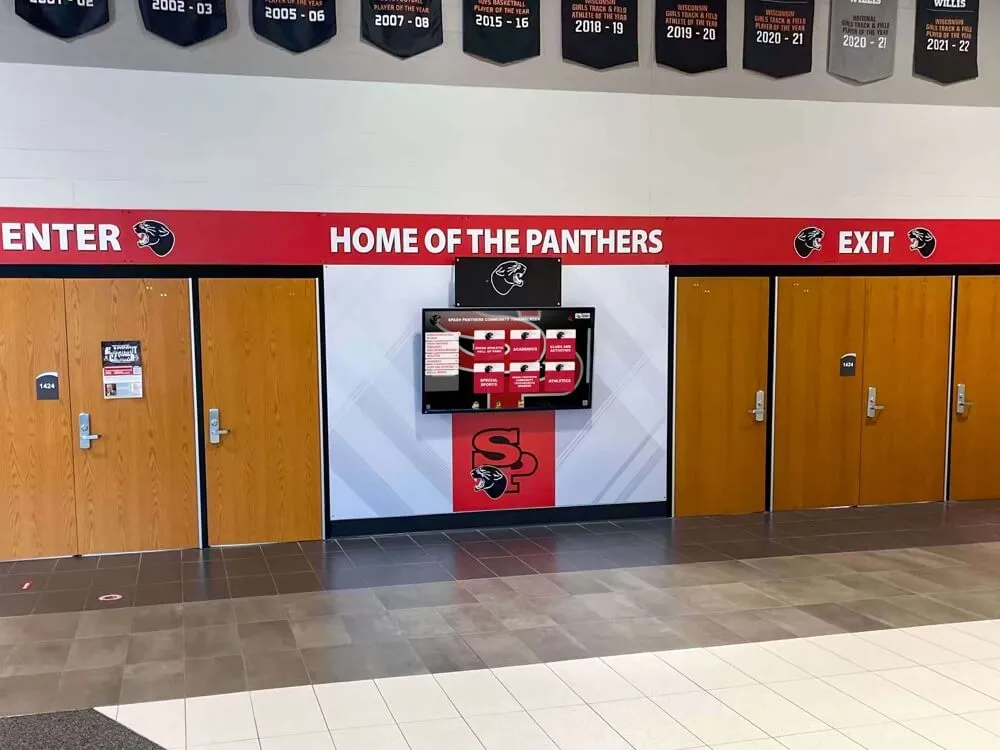
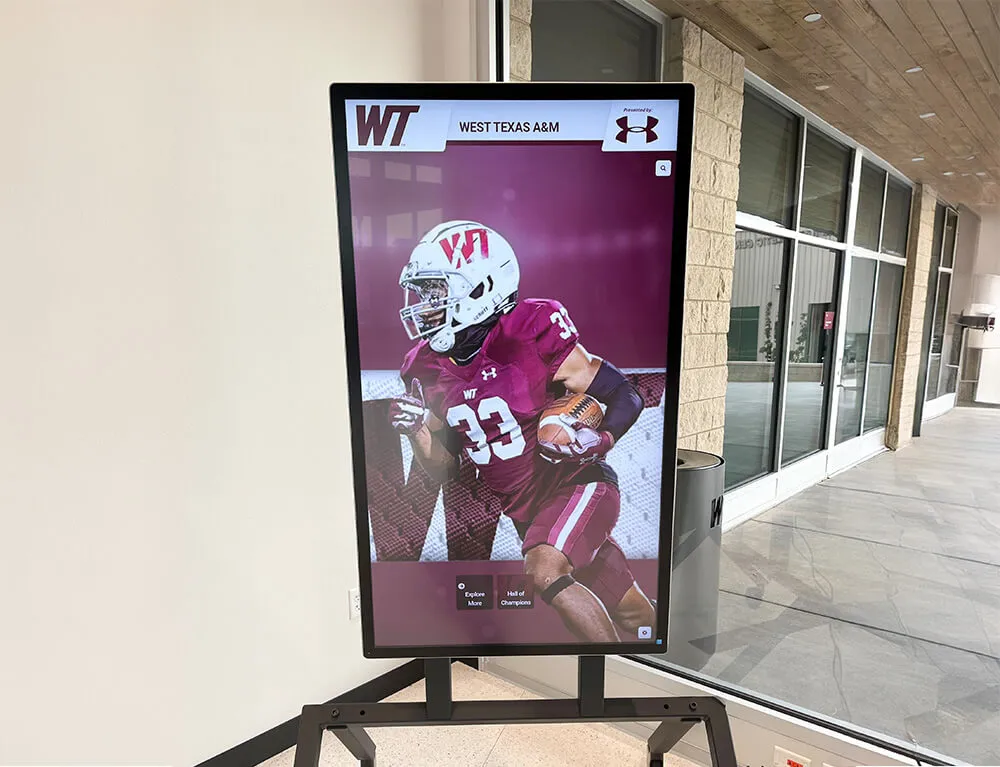
Modern recognition displays work for programs at all levels, from youth leagues to high school athletics
Programs implementing age-appropriate athletic recognition understand that youth awards create foundational experiences shaping how children relate to sports throughout their lives.
Fundamental Skill Development Awards
Recognizing specific skill improvement motivates young players while validating progress.
Basic Skills Recognition
Ball-Handling Awards
- Best Dribbler Award
- Most Improved Ball-Handling
- Dribbling Drill Champion
- Ball Control Excellence
- Crossover Master Award
- Speed Dribble Leader
Shooting Development Awards
- Most Improved Shooter
- Free Throw Improvement Award
- Best Shooting Form
- Three-Point Progress Award
- Layup Technique Excellence
- Shot Consistency Recognition
Skill-specific awards acknowledge that young players excel in different areas. A player who dramatically improves their shooting deserves recognition even if they’re not the team’s leading scorer.
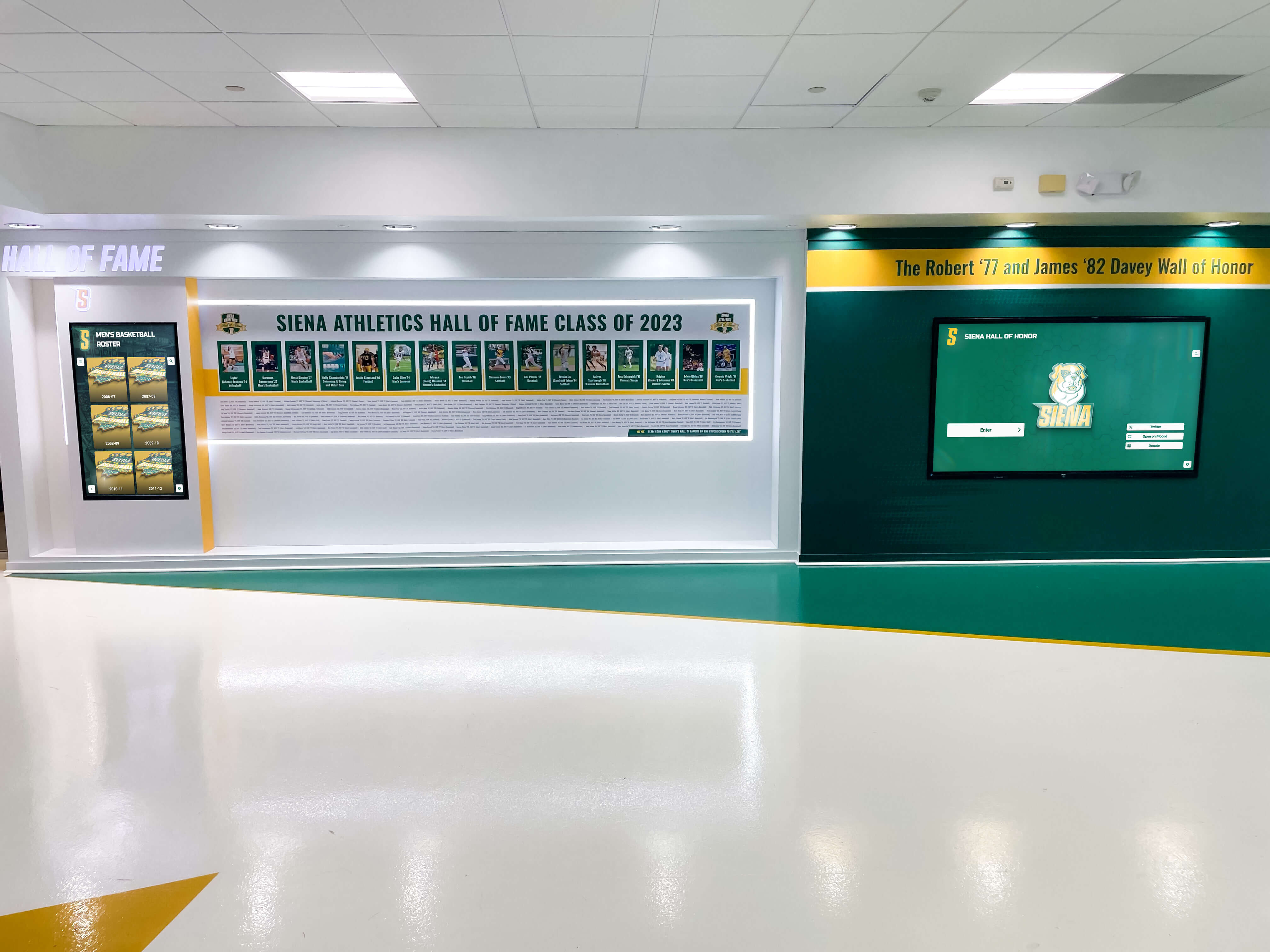
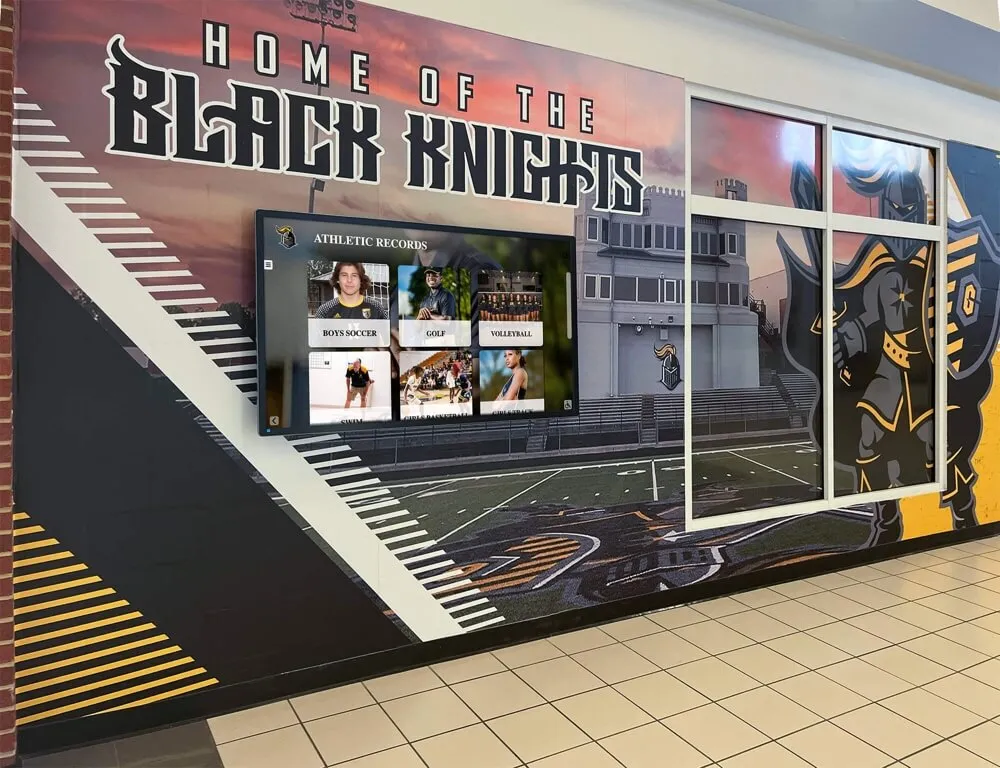
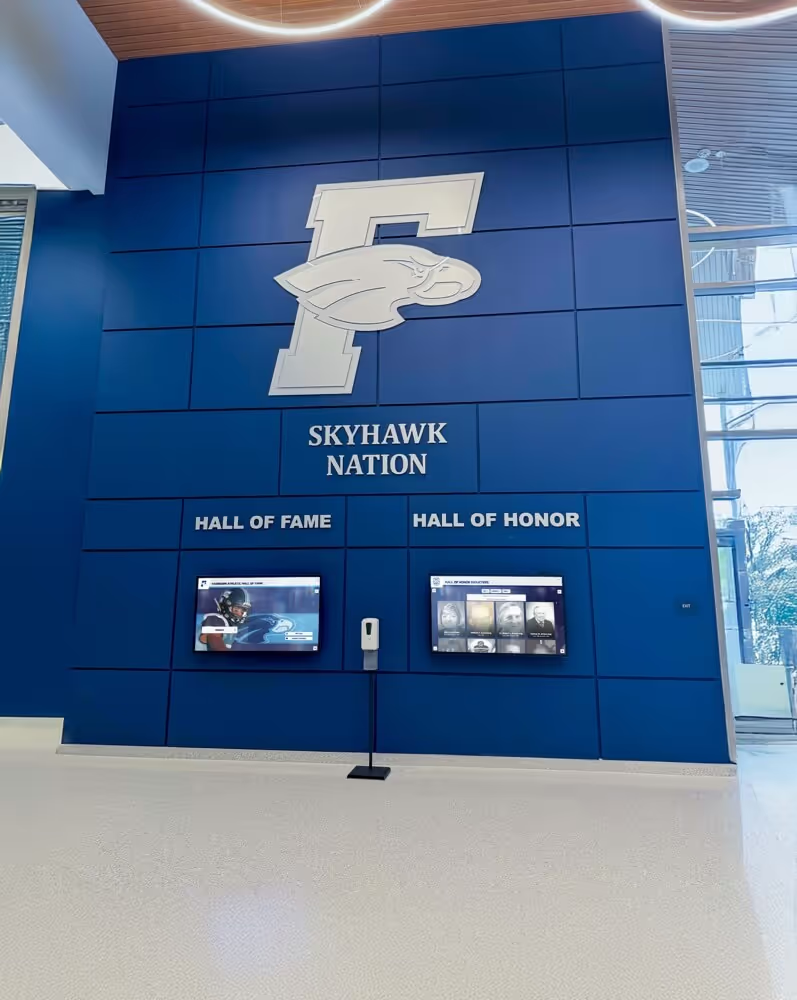
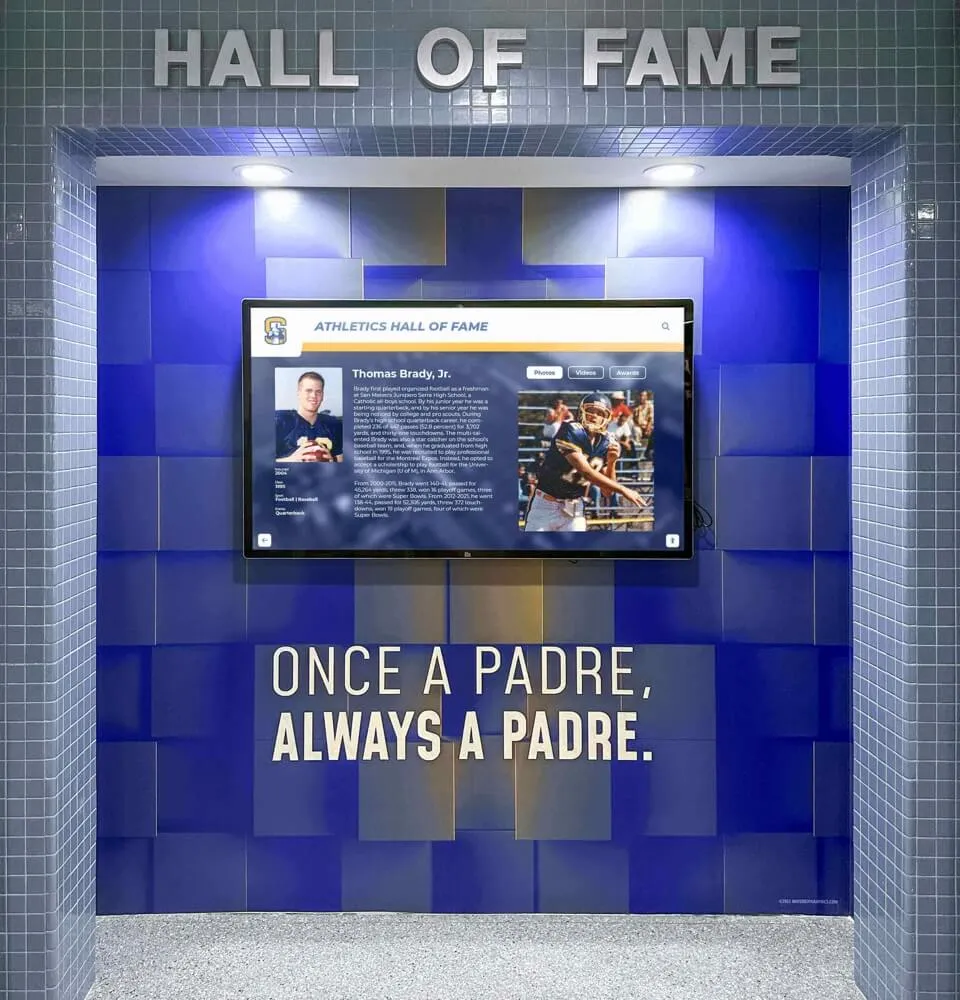
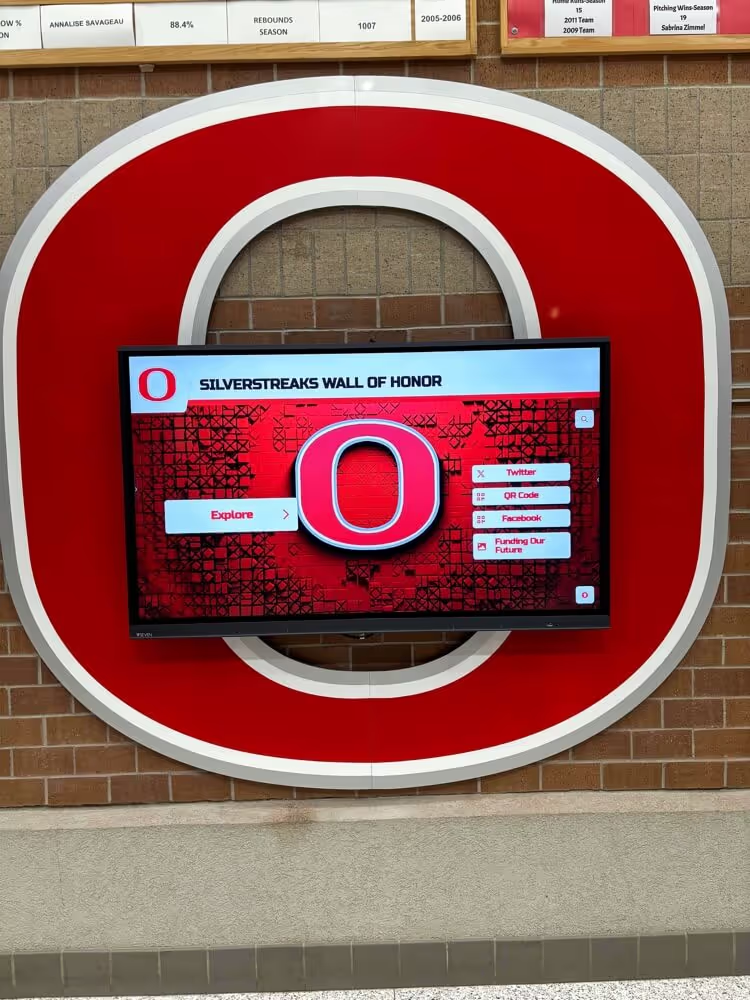
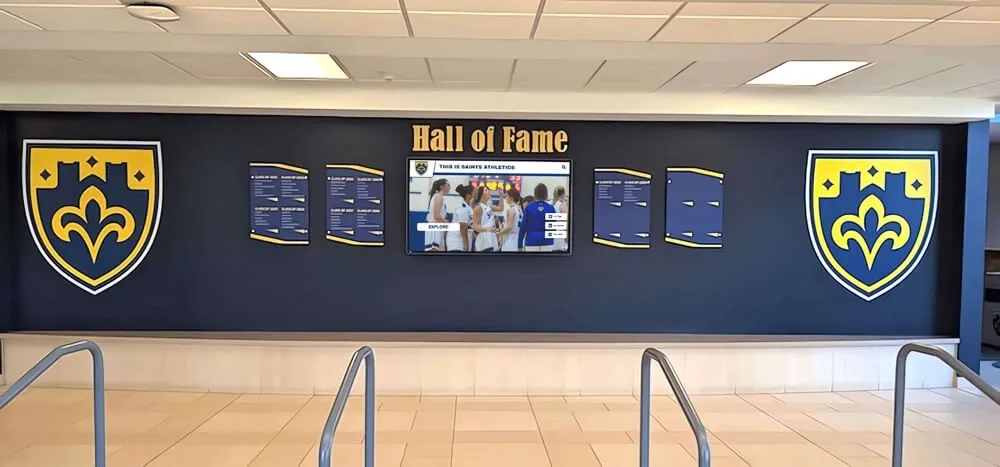
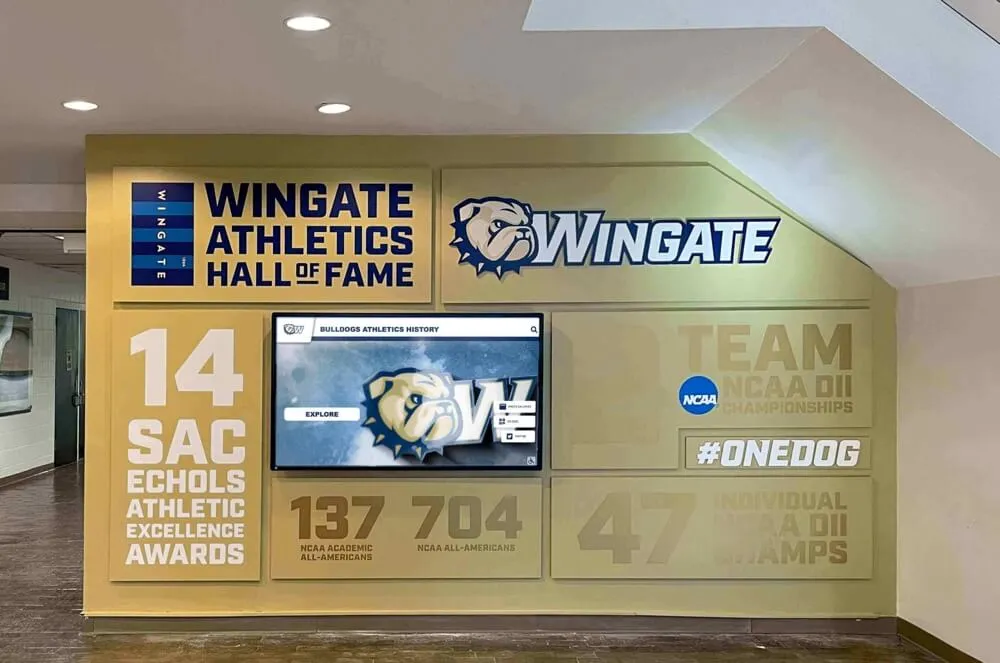
Recognition displays showcase achievements across all sports and age groups, celebrating youth through varsity accomplishments
Defensive Skills Recognition
Defensive Development Awards
- Best Defender Award
- Hustle and Energy Award
- Defensive Improvement Award
- Steals Leader (with appropriate emphasis on good positioning, not aggressive play)
- Rebounding Excellence
- Shot Blocking Achievement
Defensive Character Awards
- Best Help Defense
- Communication on Defense Award
- Boxing Out Excellence
- Transition Defense Award
- Taking Charges Recognition (with safety emphasis)
Defensive recognition ensures players understand that basketball excellence extends beyond scoring. Many youth programs over-emphasize offensive statistics, but defense and rebounding require equal celebration.
Fundamental Excellence Awards
Basketball IQ Recognition
- Best Court Vision
- Smart Play Award
- Understanding the Game Recognition
- Passing Excellence Award
- Decision-Making Award
- Basketball Knowledge Award
These awards validate young players who may not be the fastest or most athletic but demonstrate exceptional understanding of basketball fundamentals and game concepts.
Effort and Improvement Awards
Growth-focused recognition creates motivation for players at all skill levels.
Practice and Dedication Recognition
Practice Excellence Awards
- Perfect Practice Attendance
- Practice Player of the Year
- Outstanding Practice Effort
- Drill Dedication Award
- Off-Season Training Recognition
- Skill Session Commitment Award
Practice awards teach young players that success comes from consistent effort rather than natural talent alone. Players who attend every practice but get limited game time deserve specific acknowledgment.
Work Ethic Recognition
- Hardest Worker Award
- Never Give Up Award
- Extra Effort Recognition
- Most Determined Player
- Conditioning Excellence Award
- Training Dedication Recognition
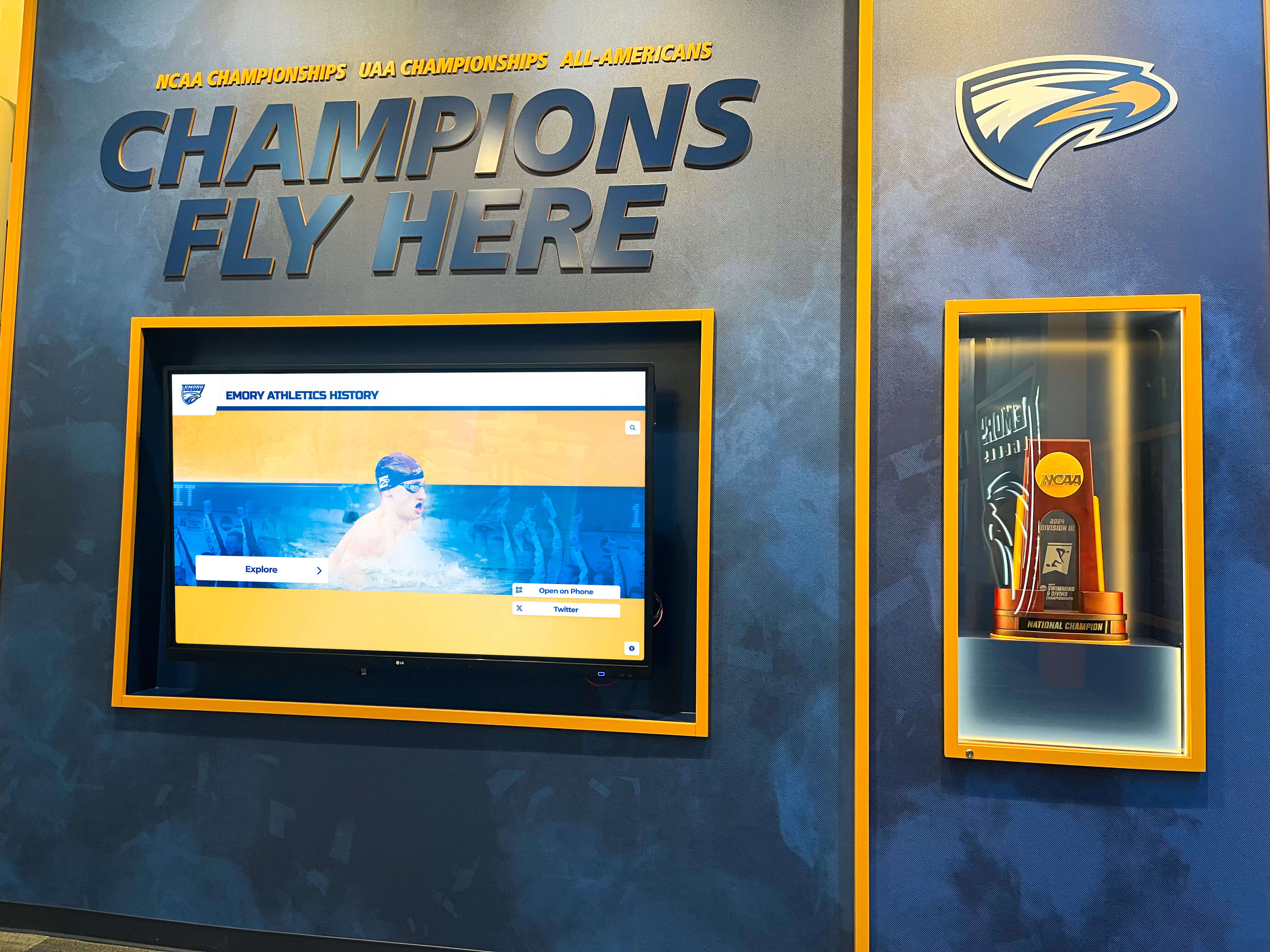
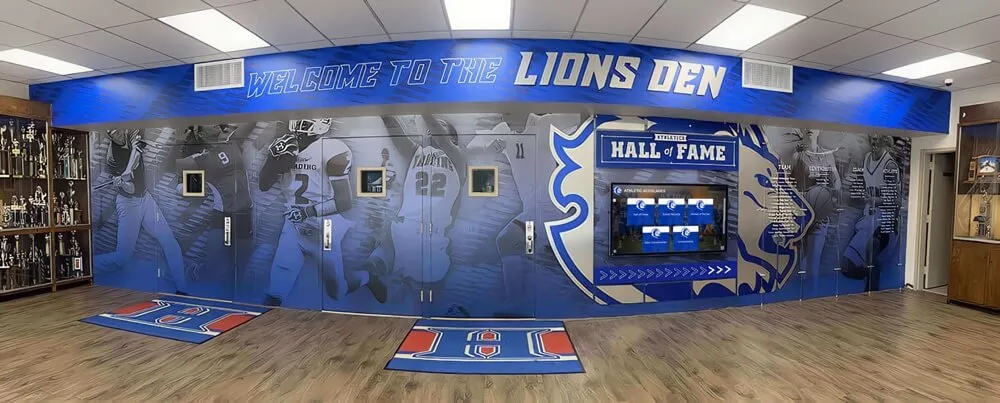
Trophy displays preserve achievements permanently, creating inspiration for young athletes entering programs
Improvement-Based Awards
Season Improvement Recognition
- Most Improved Player
- Biggest Jump in Skills
- Breakthrough Performance Award
- From Bench to Contributor Award
- Skill Development Champion
- Greatest Growth Award
Improvement awards democratize recognition. A player who improved dramatically but remains on the team’s second unit deserves celebration equal to naturally gifted players who started the season with advanced skills.
Youth programs implementing comprehensive improvement recognition create environments where players understand that effort and growth matter more than current skill levels.
Character and Sportsmanship Awards
Character recognition teaches young athletes that how they play matters as much as whether they win.
Sportsmanship Recognition
On-Court Character Awards
- Outstanding Sportsmanship Award
- Respect for Officials Award
- Respect for Opponents Award
- Fair Play Recognition
- Integrity Award
- True Sportsman/Sportswoman Award
Sportsmanship awards validate youth players who consistently demonstrate positive behavior, shake hands enthusiastically after losses, and treat referees and opponents with respect.
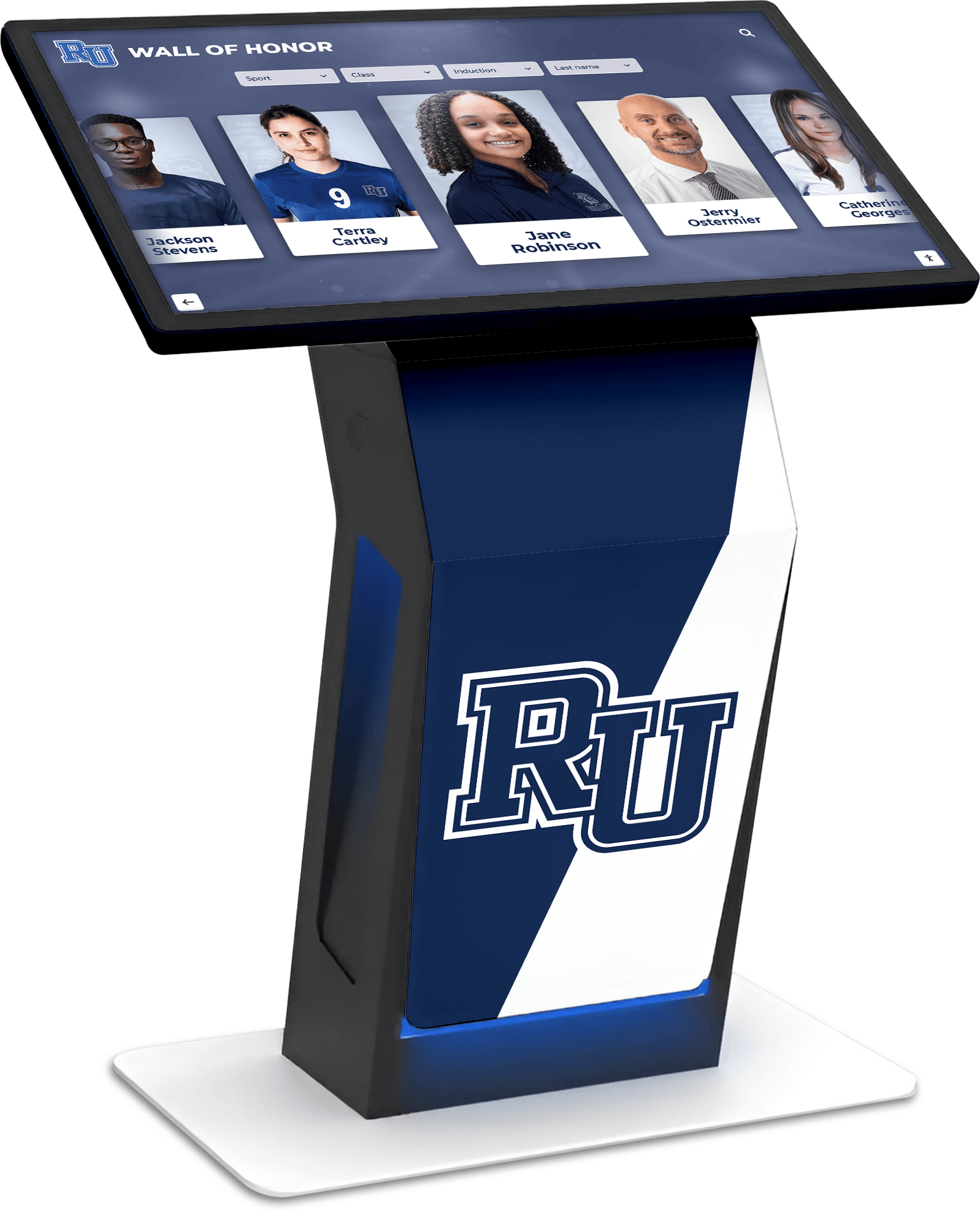
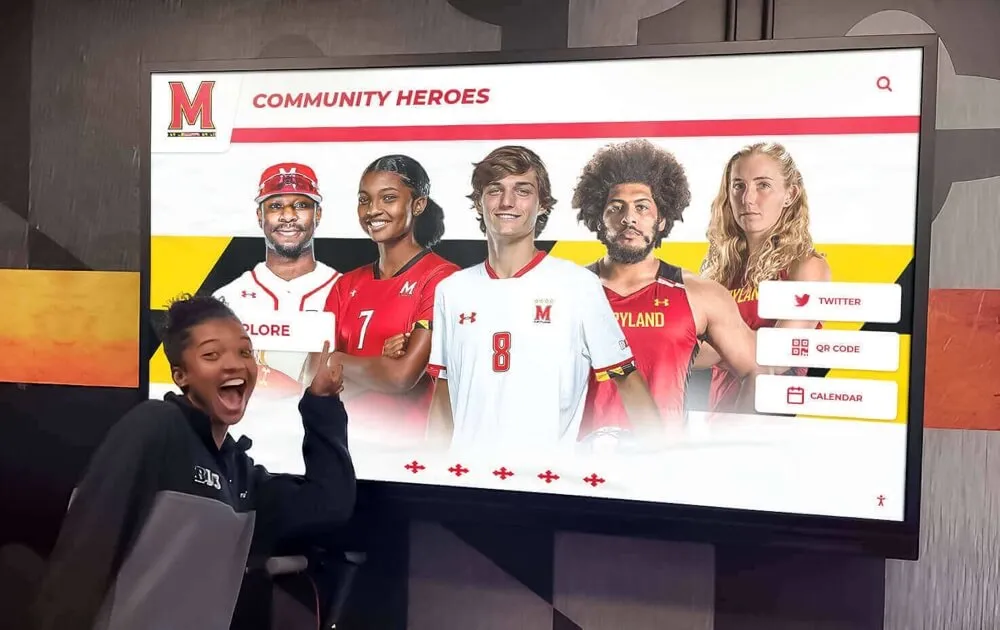
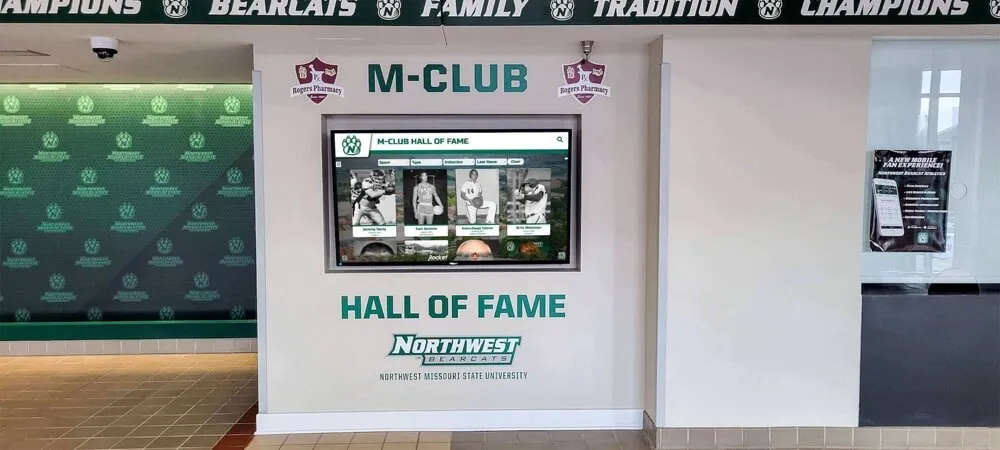
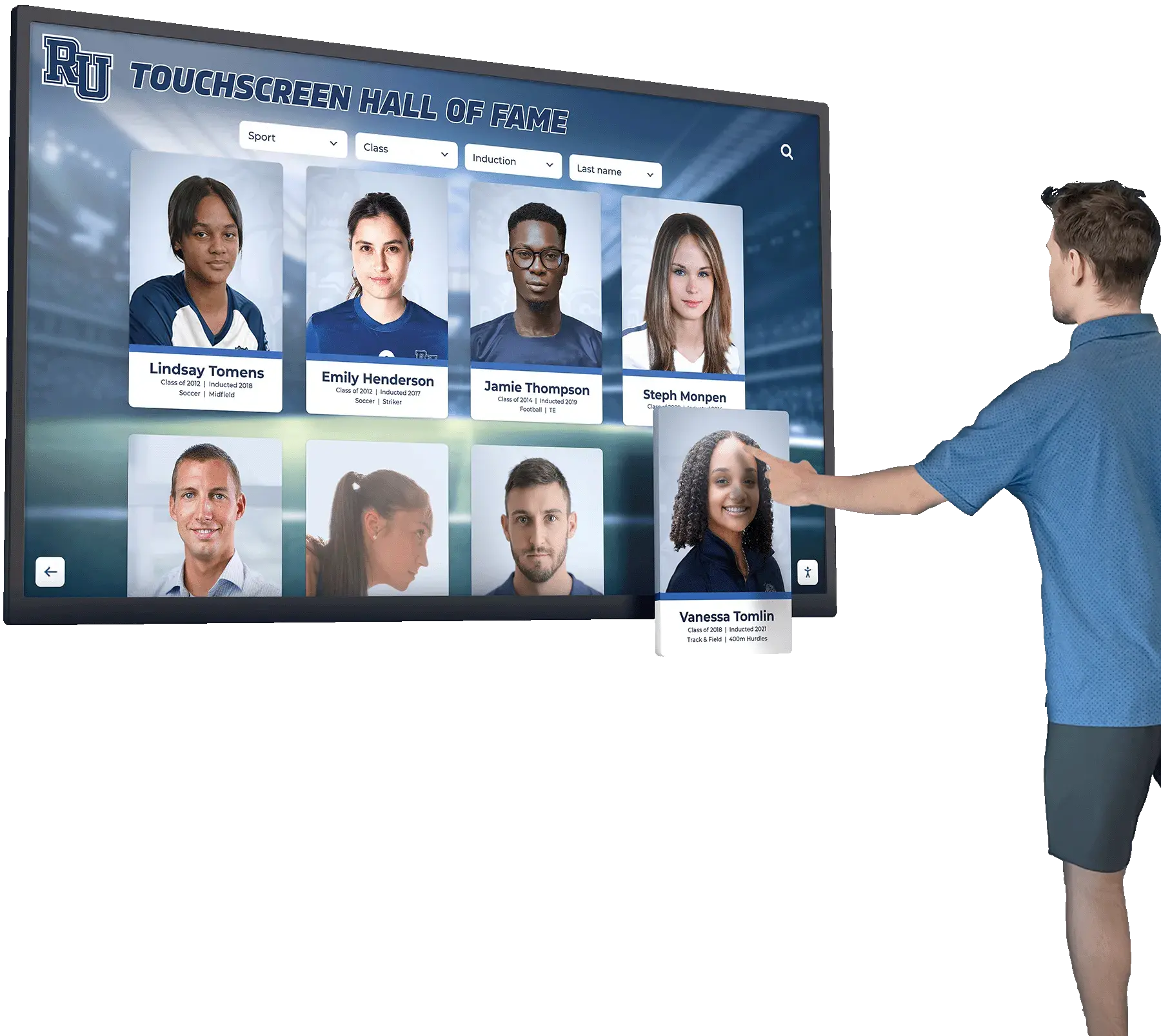
Digital recognition kiosks showcase award recipients with professional presentations appropriate for all age groups
Teammate and Team Culture Awards
Team Contribution Recognition
- Best Teammate Award
- Team Spirit Award
- Encouraging Others Award
- Helping Others Improve Award
- Positive Attitude Award
- Team Player Recognition
Support and Energy Awards
- Best Bench Energy
- Loudest Cheerleader (for teammates)
- Spirit and Enthusiasm Award
- Team Encourager Recognition
- Bringing Energy Award
- Making Practice Fun Award
These awards acknowledge that basketball teams function best when players actively support each other. Young players who enthusiastically cheer for teammates from the bench contribute meaningfully to team success even if they get limited playing time.
Programs implementing comprehensive character recognition find that youth players internalize values emphasized through recognition programs.
Leadership Development Awards
Youth Leadership Recognition
- Team Captain Award
- Leading by Example Award
- Vocal Leader Recognition
- Peer Mentorship Award
- Captain’s Choice Award (teammates vote)
- Future Leader Recognition
Leadership awards for youth should emphasize positive influence and encouraging teammates rather than purely performance-based captaincy. Young players demonstrating exceptional support for struggling teammates deserve leadership recognition.
Fun and Encouraging Award Categories
Creative categories keep recognition lighthearted while validating diverse contributions.
Personality and Character Awards
Positive Personality Recognition
- Biggest Smile Award
- Most Enthusiastic Player
- Team Comedian (appropriate humor)
- Best High-Five Giver
- Most Positive Player
- Fun-Maker Award
- Happiest Player Award
Lighthearted awards acknowledge that youth basketball should remain fun. Players who consistently bring positive energy deserve recognition even if they’re not top statistical performers.
Memorable Moment Awards
- Best Celebration Award
- Most Creative Play
- Clutch Performance Award
- Best Game Face Award
- Most Improved Game Day Confidence
- Best Pre-Game Energy Award
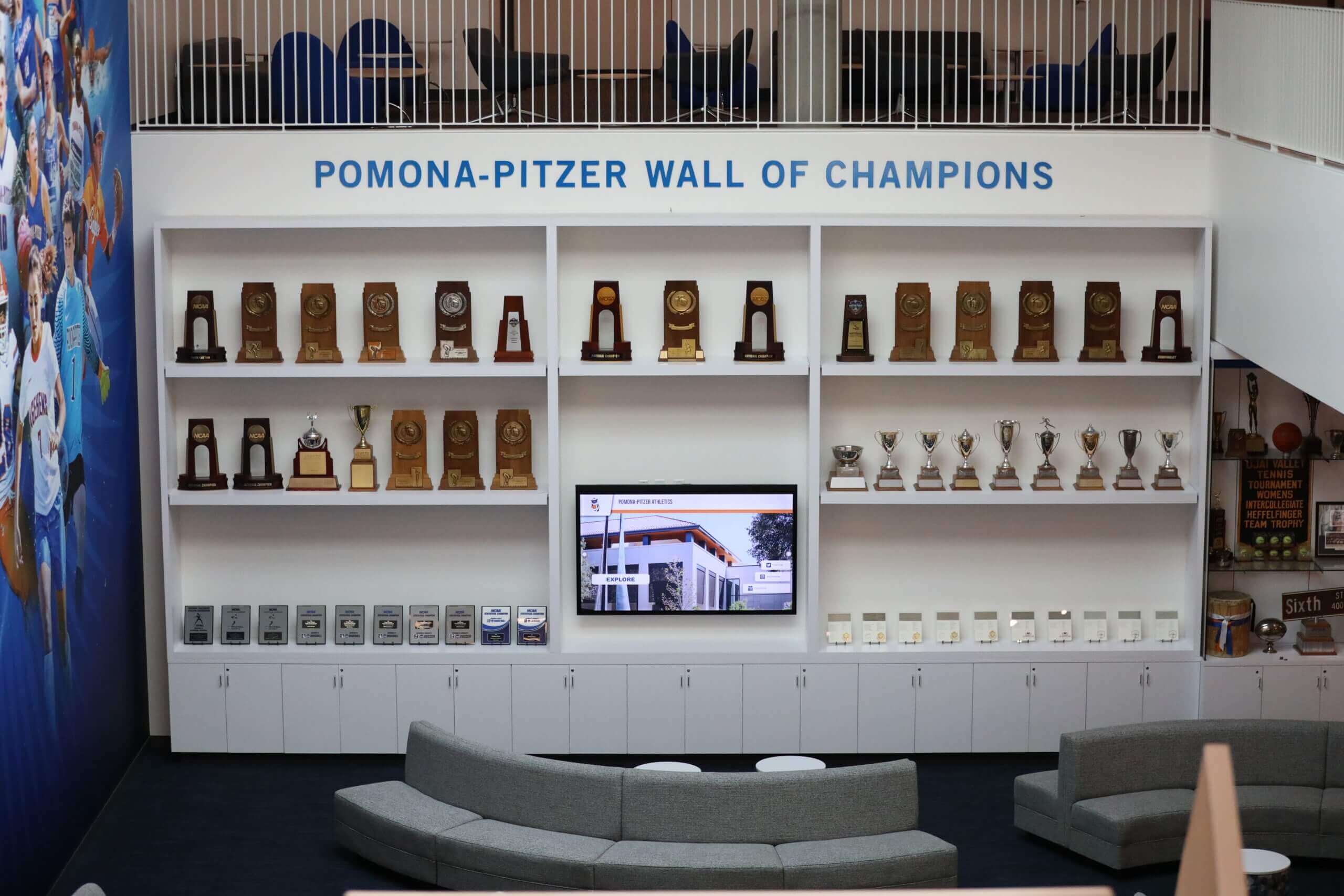
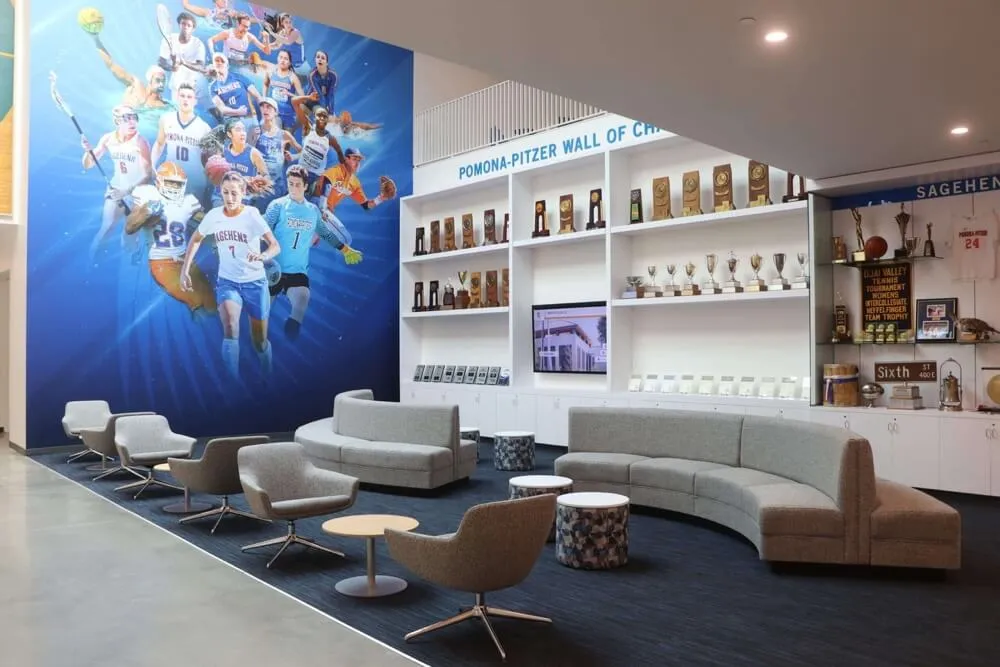
Recognition displays create gathering spaces celebrating basketball tradition and inspiring young athletes
Effort and Hustle Awards
Hustle Recognition
- Diving for Loose Balls Award
- Fastest Runner Award
- Hustle Plays Leader
- Never Quits Award
- Heart of a Champion Award
- Warrior Spirit Recognition
Hustle awards validate players who may not have advanced skills but demonstrate exceptional effort, energy, and determination. These awards teach young athletes that effort alone deserves celebration.
Team Achievement Recognition
Collective recognition builds team unity and celebrates shared success.
Team Success Awards
Team Accomplishment Recognition
- Tournament Team Awards
- Season Championship Recognition
- Tournament Bracket Advancement
- Team Improvement Award
- Best Record Achievement
- Undefeated Game Streak Award
Team awards create shared celebration moments while teaching young players about collective achievement. Even teams with losing records can celebrate specific victories or improvement streaks.
Unity and Chemistry Awards
Team Bonding Recognition
- Best Team Chemistry
- Strongest Team Bond Award
- Most United Team
- Best Team Communication
- Friendships Built Award
- Family-Like Team Award
Team chemistry awards acknowledge intangible qualities creating positive experiences beyond game outcomes. Youth programs succeed when players form genuine friendships and support systems.
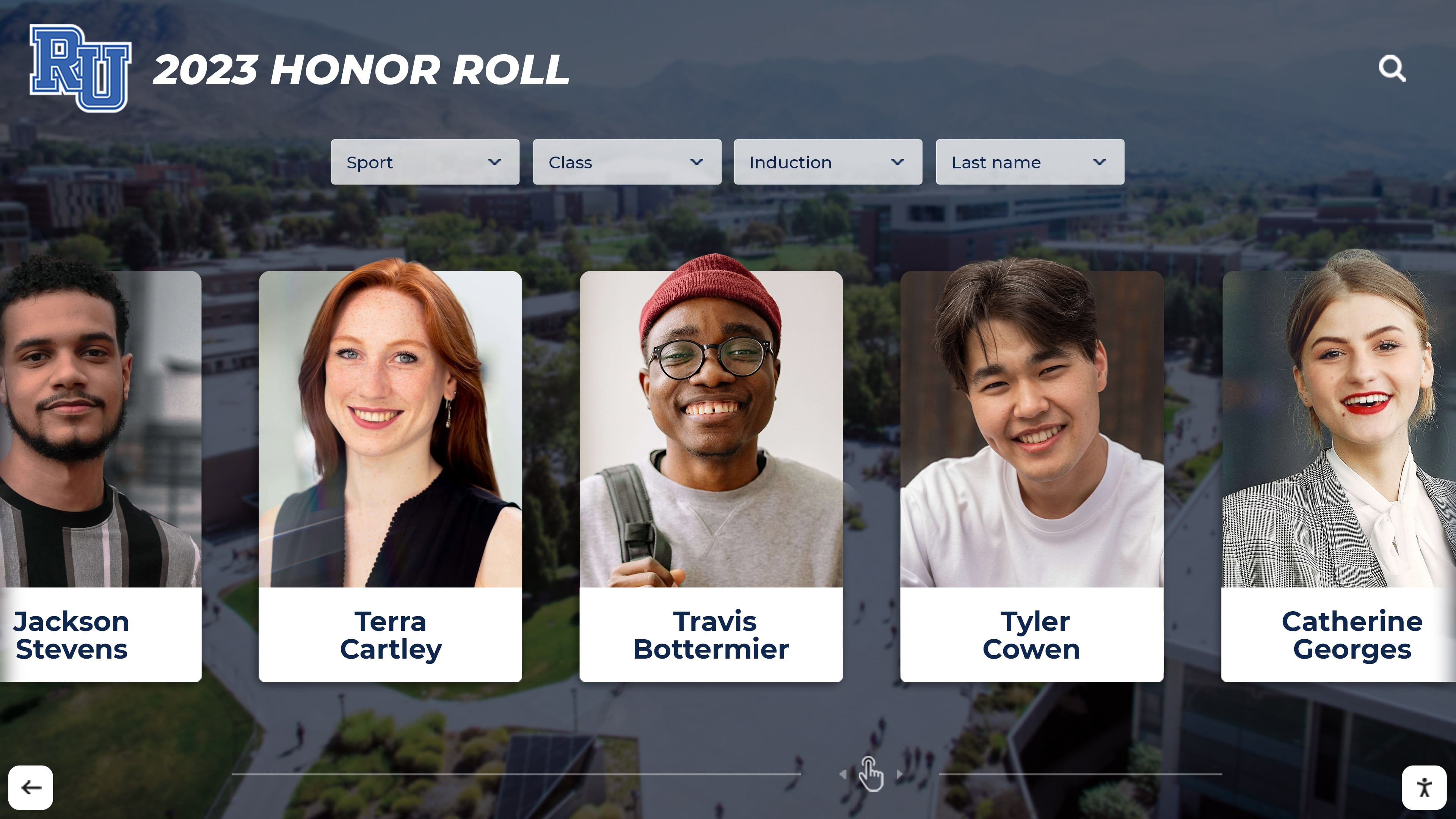
Digital displays showcase youth award recipients with professional presentations that honor accomplishments prominently
Position-Specific Youth Recognition
Acknowledging different roles helps young players understand basketball’s diverse requirements.
Guard Recognition
Backcourt Youth Awards
- Point Guard Leadership Award
- Best Ball-Handler Award
- Passing Excellence Recognition
- Court Vision Award
- Perimeter Defense Award
- Speed and Quickness Award
Position-specific awards for youth should focus on role appreciation rather than statistical dominance. Young guards learning to facilitate deserve recognition even if assist numbers remain modest.
Forward and Post Player Recognition
Frontcourt Youth Awards
- Best Rebounder Award
- Paint Defender Recognition
- Inside Scorer Award
- Physical Play Award (within appropriate rules)
- Box-Out Excellence
- Versatility Award (players filling multiple roles)
Position awards help young players understand that basketball requires different skills in different roles. Post players who do the hard work inside deserve specific recognition.
Academic and Student-Athlete Recognition
Youth programs connected to schools should recognize academic achievement alongside athletic participation.
Scholar-Athlete Awards
Academic Achievement Recognition
- Honor Roll Athlete Award
- Academic Excellence in Basketball
- Student-Athlete Balance Award
- Homework Champion Award
- Academic Improvement Award
- School Pride Award
Academic recognition teaches young athletes that education remains the priority while sports provide valuable supplemental experiences.
Classroom Citizenship Awards
- Best Student-Athlete Behavior
- Representing Basketball Positively Award
- Ambassador Award (positive school representation)
- Academic Character Award
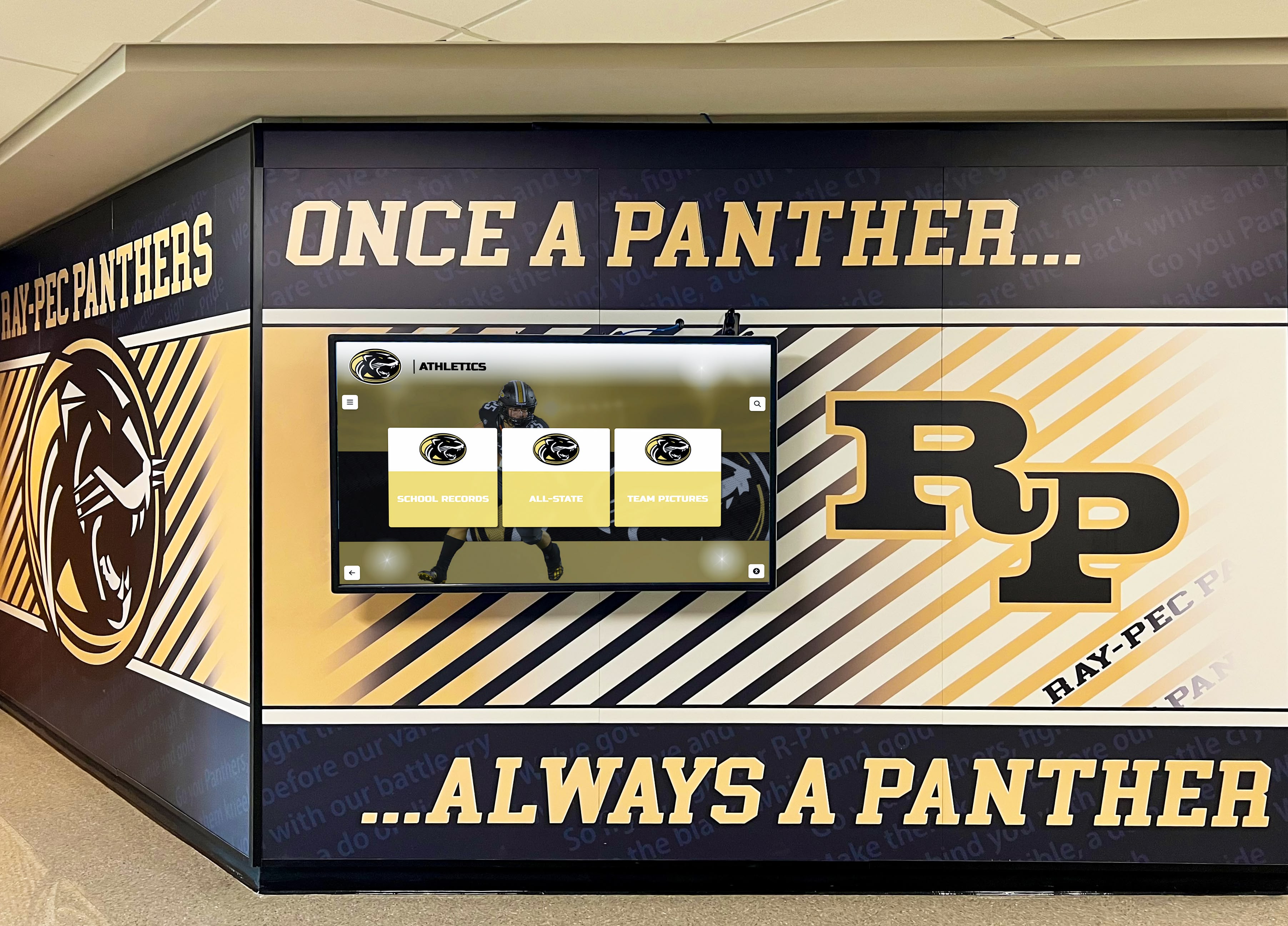
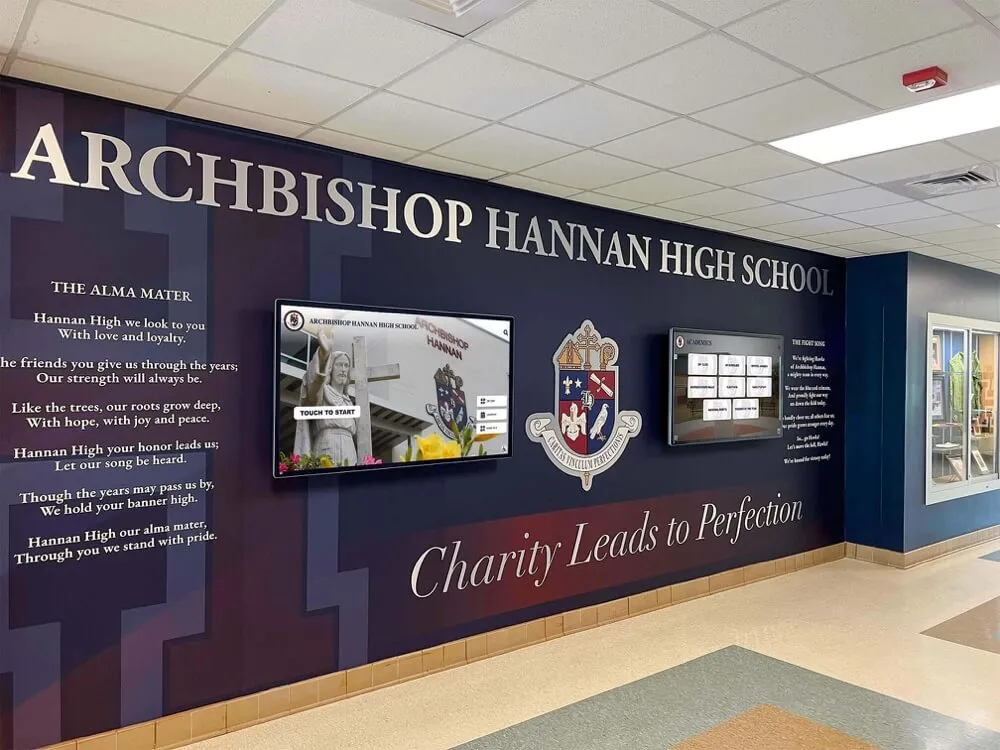
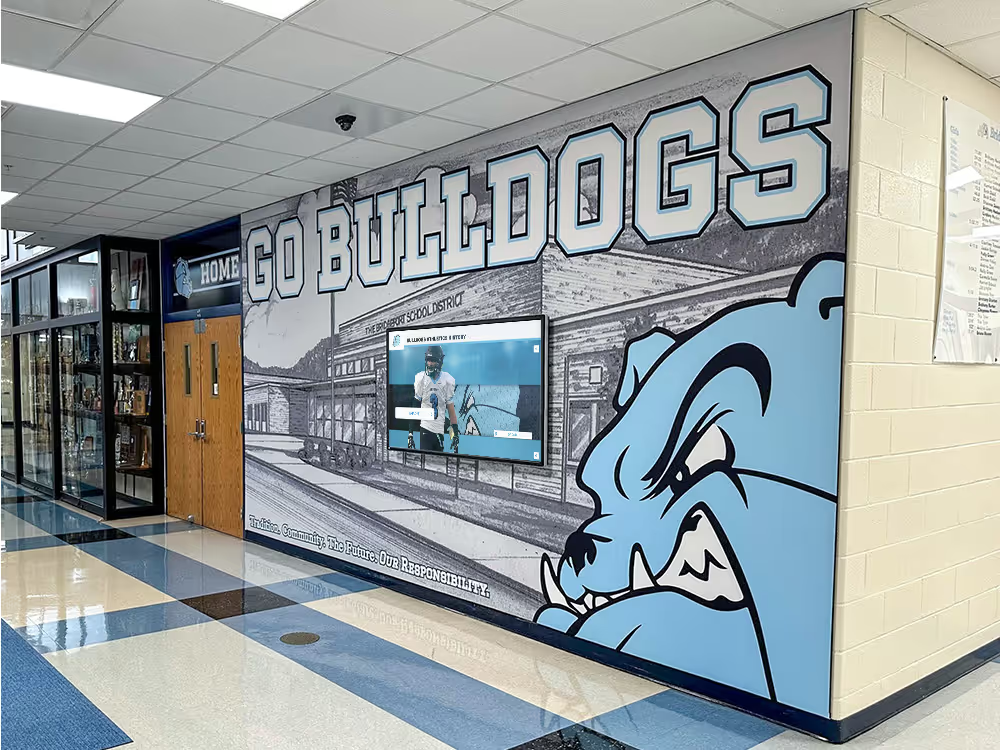
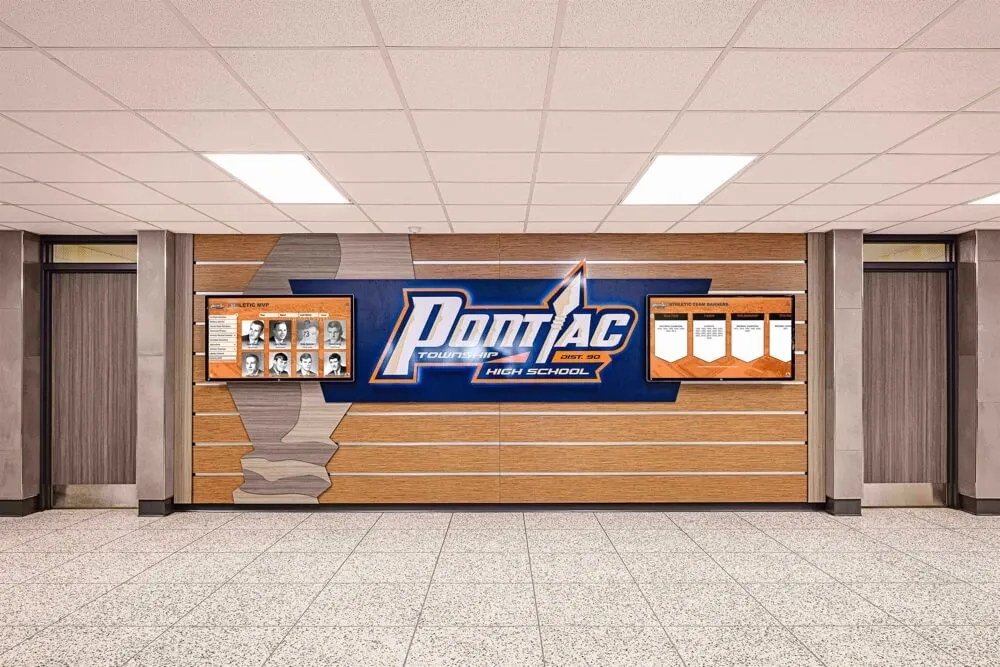
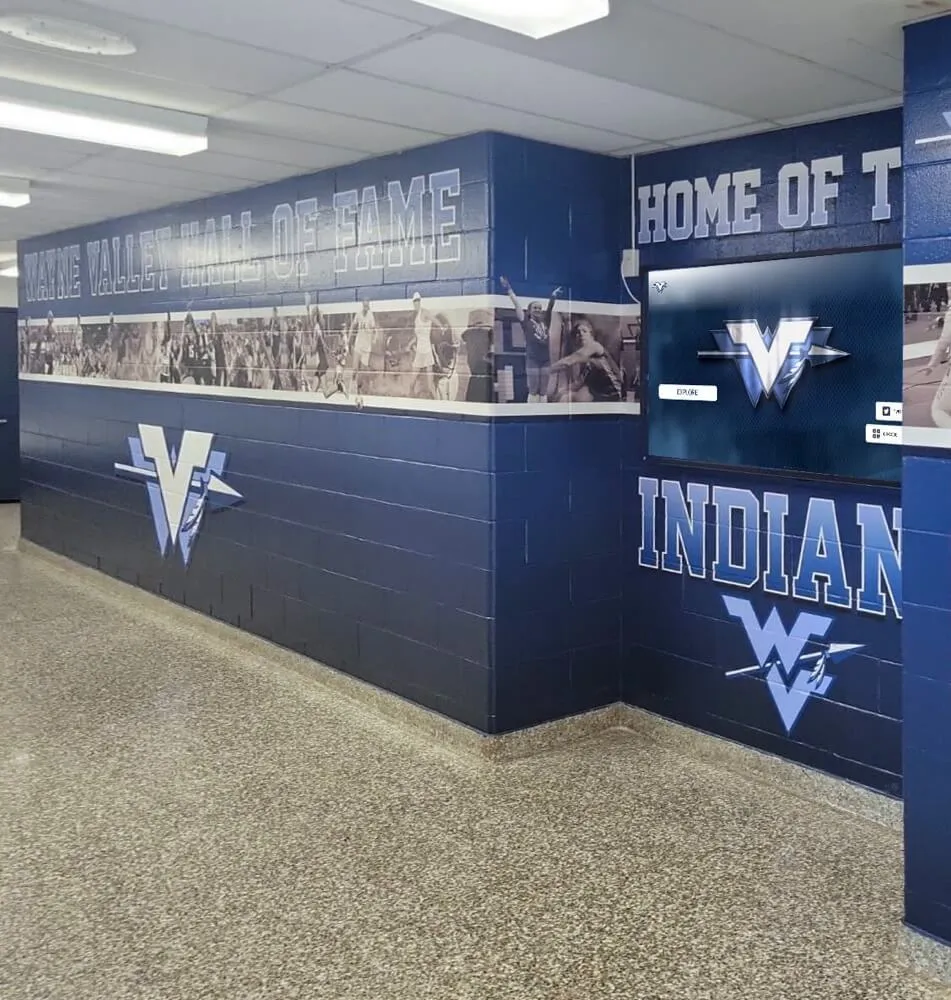
Hallway displays showcase youth athletic achievements alongside older students, building program pride
Programs implementing comprehensive academic recognition demonstrate that youth sports programs value well-rounded development beyond basketball courts.
Planning Youth Basketball Award Ceremonies
Age-appropriate ceremonies create memorable experiences without excessive formality.
Ceremony Format for Youth
Elementary Age Ceremony Approaches
- Keep ceremonies short (30-45 minutes maximum)
- Create participation-focused environments
- Ensure every player receives meaningful recognition
- Include parents actively in celebrations
- Make ceremonies fun with music and energy
- Provide tangible awards all players can take home
Middle School Ceremony Approaches
- Slightly longer ceremonies (45-60 minutes)
- Balance individual achievement with team recognition
- Include player speeches or reflections
- Incorporate season highlight videos
- Maintain positive, encouraging atmosphere
- Recognize both competitive achievement and character
Award Selection Processes
Coach Selection Guidelines
- Involve all coaching staff in award decisions
- Consider creating player voting for select categories
- Document clear criteria for each award
- Avoid favoring starters or high-scoring players
- Ensure diverse recognition across entire roster
- Consider creating first-time recipient priority for some awards
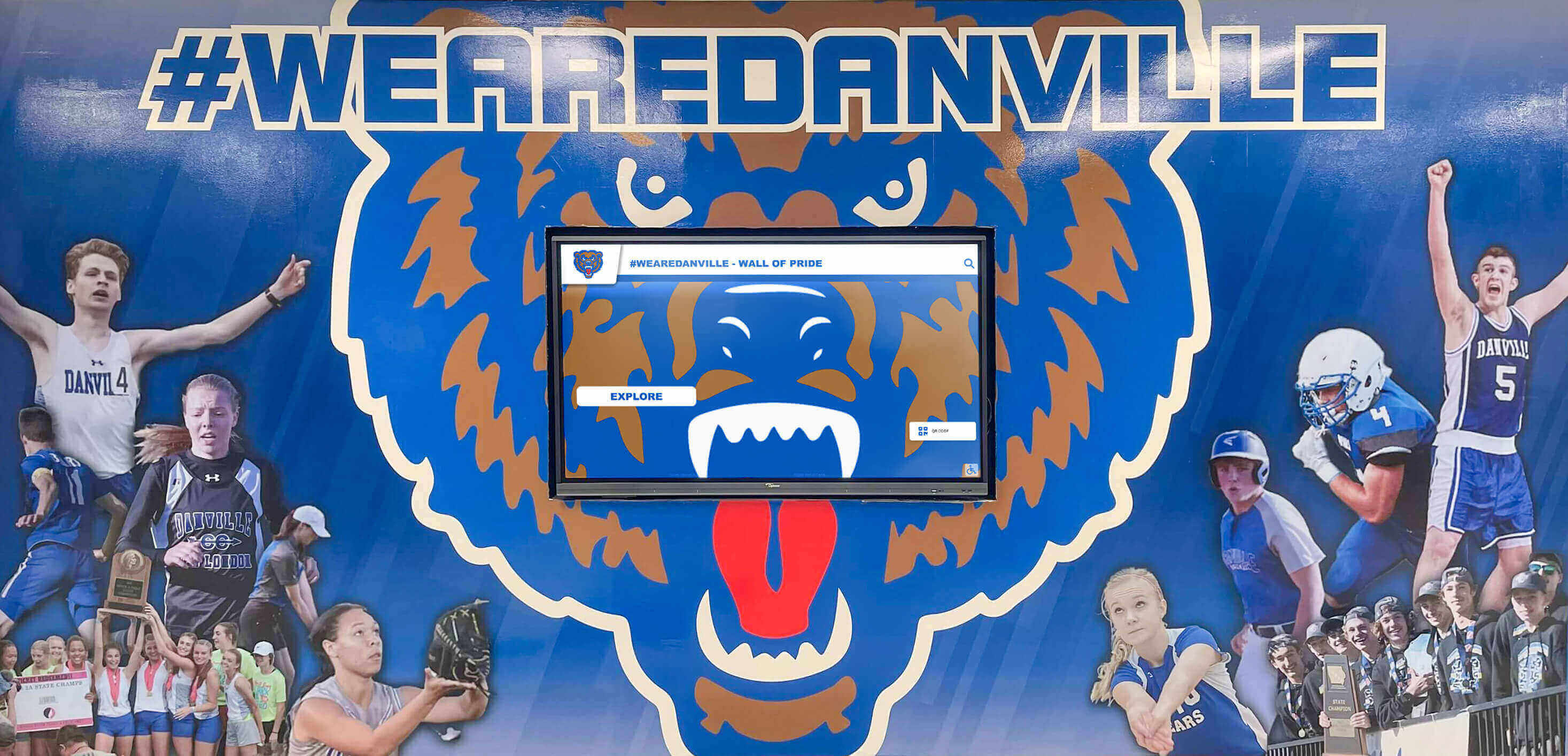
Athletic facility displays showcase basketball recognition alongside other sports, validating youth program importance
Creating Inclusive Recognition
Ensuring Broad Participation
- Design enough award categories that most players receive recognition
- Create improvement-based categories accessible to all skill levels
- Include character awards valuing behavior over performance
- Recognize practice contributions and team support
- Acknowledge players who overcome obstacles or challenges
- Avoid public recognition that embarrasses any player
Youth programs can reference comprehensive recognition strategies for creating inclusive ceremonies where all young athletes feel valued.
Physical Award Options for Youth Programs
Tangible recognition creates lasting memories for young players.
Traditional Trophy and Medal Options
Physical Award Choices
- Participation trophies ($5-15 per player)
- Individual achievement trophies ($10-25)
- Medal sets with ribbons ($3-8 per medal)
- Certificate and frame combinations ($8-15)
- Team championship trophies ($75-200)
- Custom medals with team/league branding ($5-12)
Creative Physical Recognition
Beyond Traditional Trophies
- Custom basketballs signed by teammates
- Personalized shooting shirts or warm-ups
- Photo plaques with action shots
- Certificate books with multiple recognitions
- Team composite photos with individual callouts
- Engraved water bottles or equipment bags
Physical awards create proud moments for young players while providing tangible evidence of achievement they display at home for years.
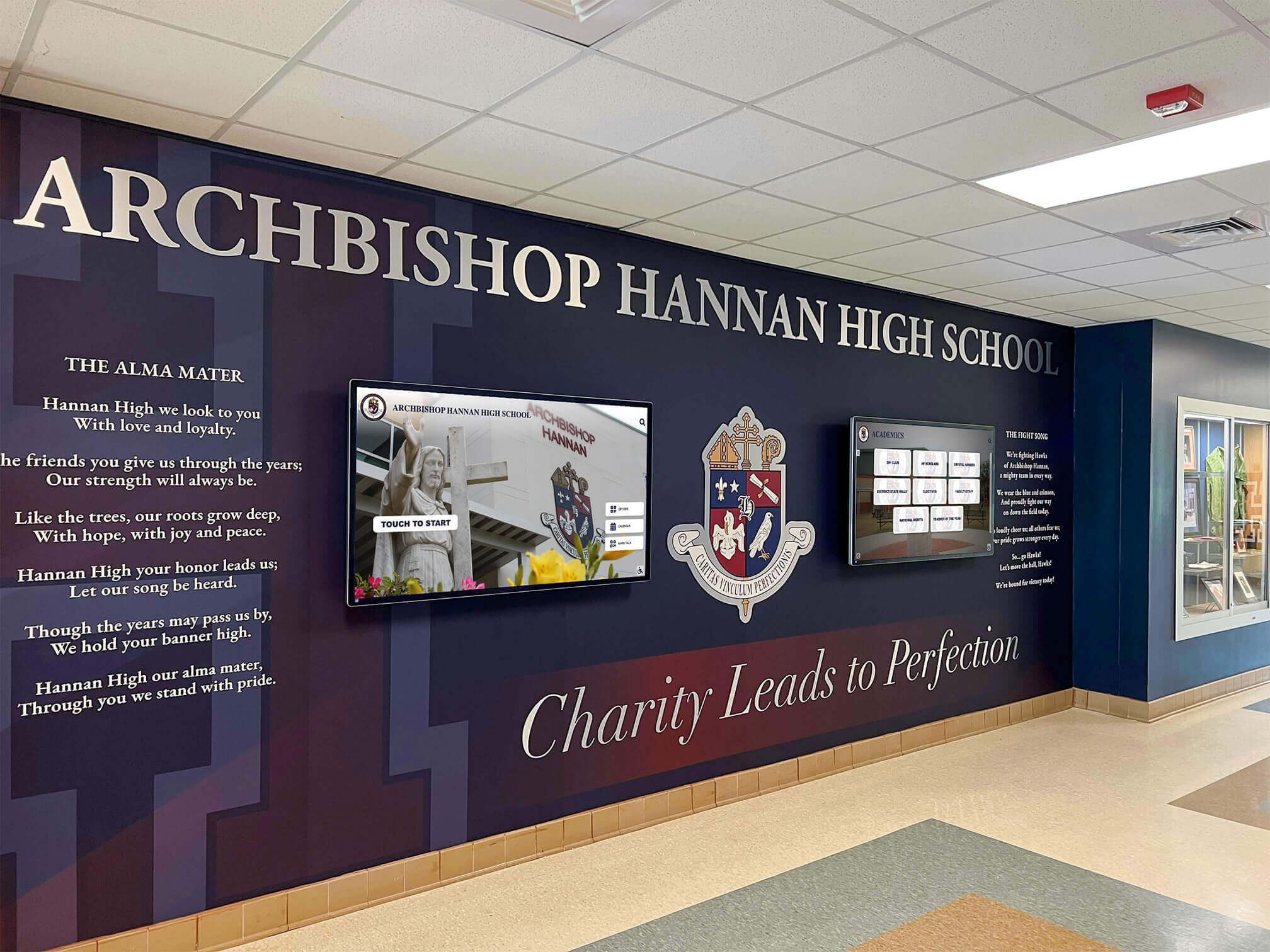
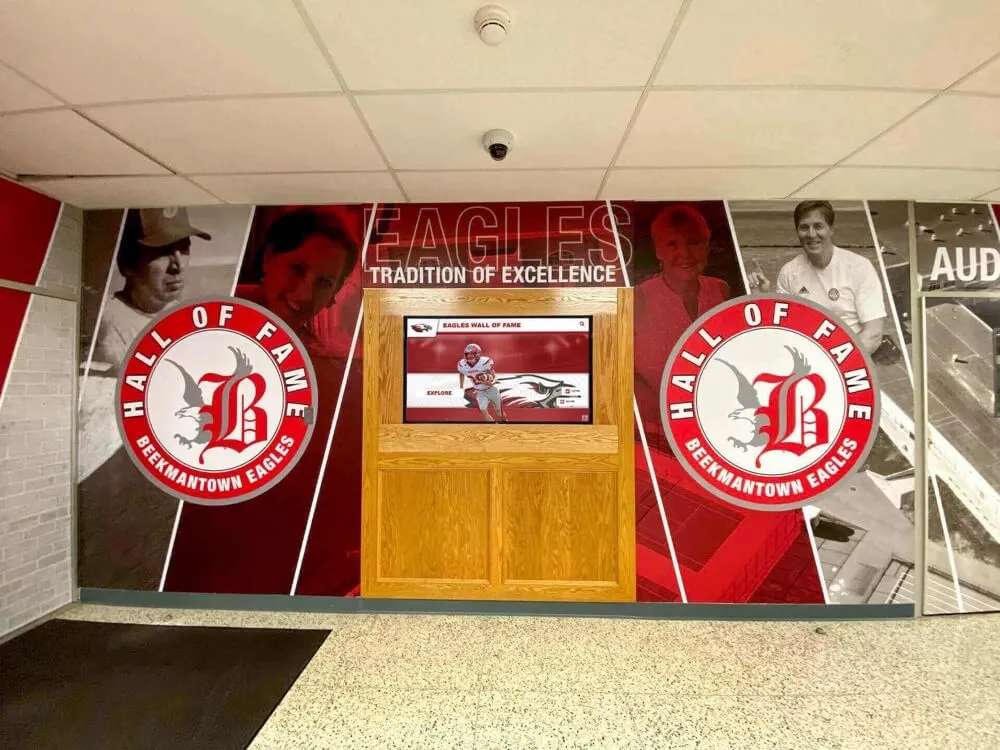
Lobby recognition displays showcase youth athletic achievements in high-traffic areas ensuring ongoing visibility
Modern Digital Recognition for Youth Programs
Digital displays provide unlimited recognition capacity while creating professional presentations.
Digital Recognition Benefits
Advantages for Youth Programs
- Unlimited showcase capacity without physical space constraints
- Professional presentations enhancing award prestige
- Easy updates as new seasons create new award recipients
- Searchable databases allowing families to find specific players
- Photo galleries and highlight video integration
- Mobile accessibility extending recognition beyond facility
Solutions like Rocket Alumni Solutions provide platforms appropriate for youth programs through professional organizations, schools with youth basketball, and recreation departments managing multiple age groups.
Implementing Digital Youth Recognition
Digital Display Features
- Season-by-season award recipient showcases
- Individual player profiles with photos and achievements
- Team rosters and season summaries
- Statistical leaders across different age divisions
- Character award winners with descriptions
- Historical program achievements and records
Programs implementing digital recognition displays create permanent records preserving youth achievements while providing engaging displays current and future players explore.
Extended Recognition Features
Digital Platform Capabilities
- QR codes enabling mobile access to expanded content
- Parent sharing through social media integration
- Alumni connections linking former youth players
- Season archives preserving historical recognition
- Remote content updates from any device
- Cloud-based management requiring no technical expertise
Digital recognition extends youth basketball award impact beyond single ceremony events, creating year-round visibility while enabling families to revisit accomplishments long after seasons end.
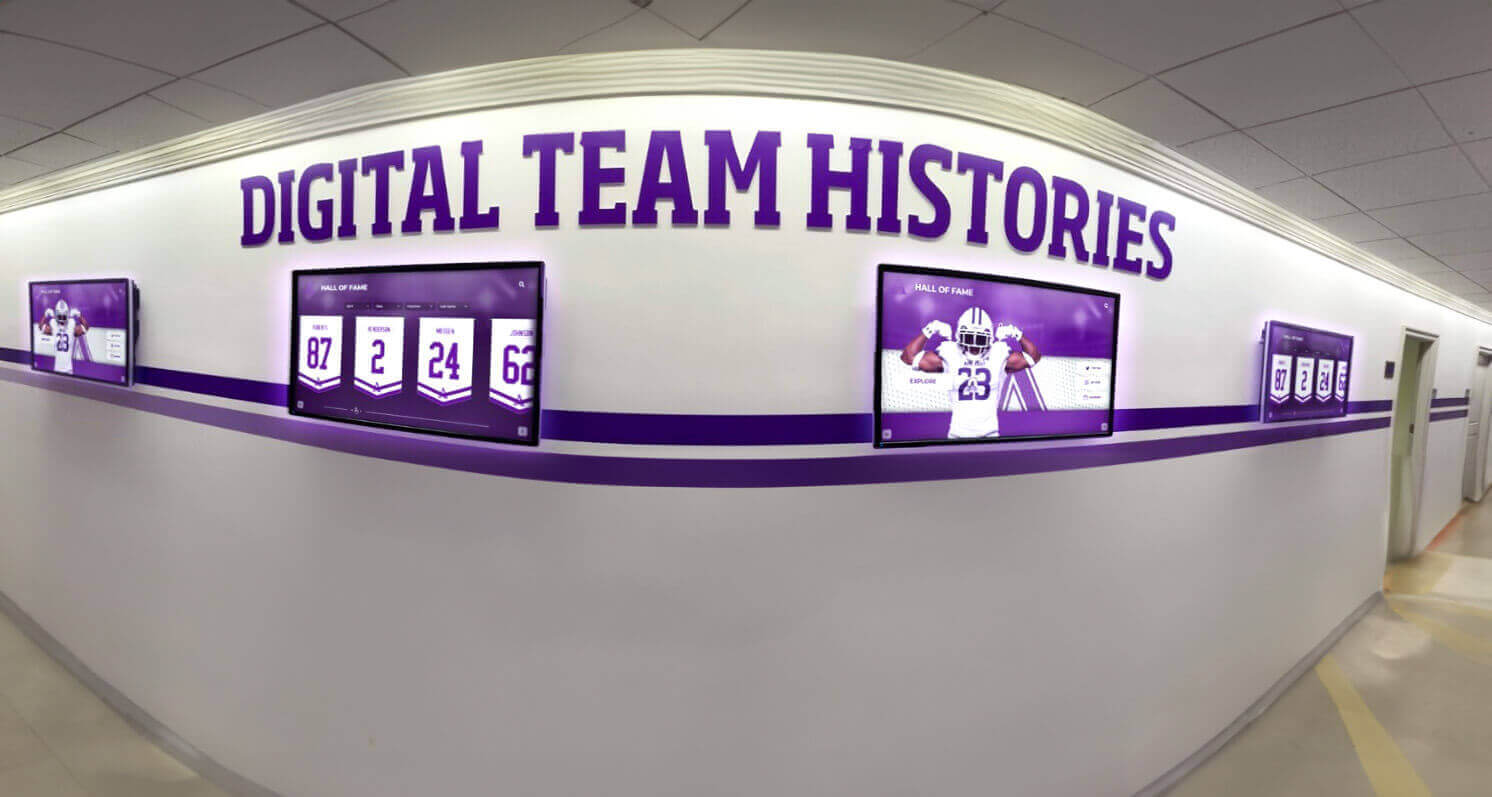
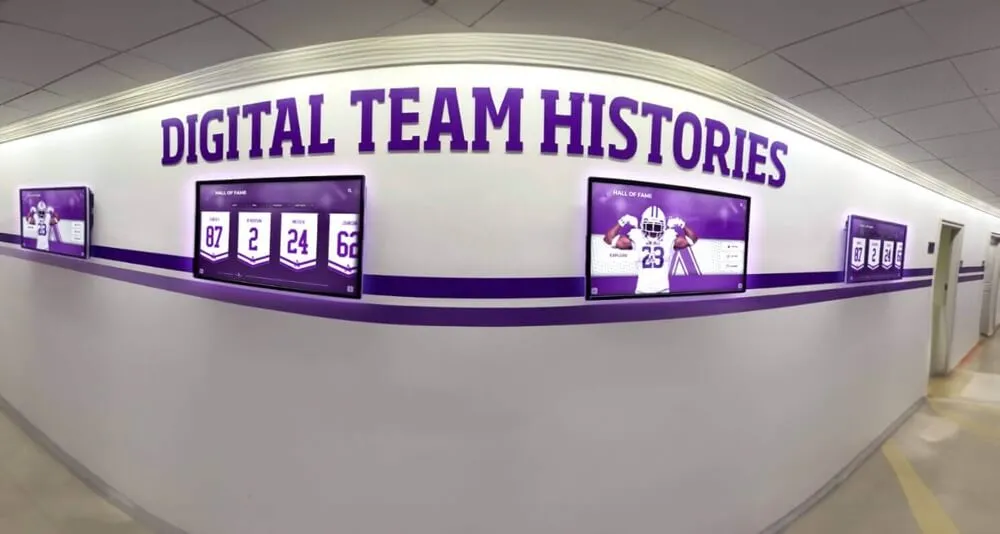
Digital team history displays preserve youth program achievements across multiple seasons and age groups
Parent Involvement and Family Engagement
Youth recognition programs should actively engage families in celebration.
Family-Friendly Recognition Approaches
Involving Parents in Awards
- Schedule ceremonies at times maximizing parent attendance
- Invite parents to present awards to their children
- Include parent testimonials about player growth
- Create photo opportunities for families
- Provide certificates parents display at home
- Share digital recognition parents access remotely
Communication with Families
- Announce award categories early in season
- Communicate selection criteria transparently
- Notify families when players receive awards
- Share ceremony recordings with absent families
- Create season summaries highlighting individual achievements
- Provide resources explaining award philosophy
Parent engagement transforms awards from player-focused events into family celebrations strengthening youth program community bonds.
Building Program Traditions
Creating Memorable Annual Events
- Consistent ceremony timing (end of season)
- Traditional award names connecting seasons
- Signature ceremony elements repeated annually
- Former player appearances as award presenters
- Season highlight videos becoming anticipated traditions
- Post-ceremony celebrations with refreshments
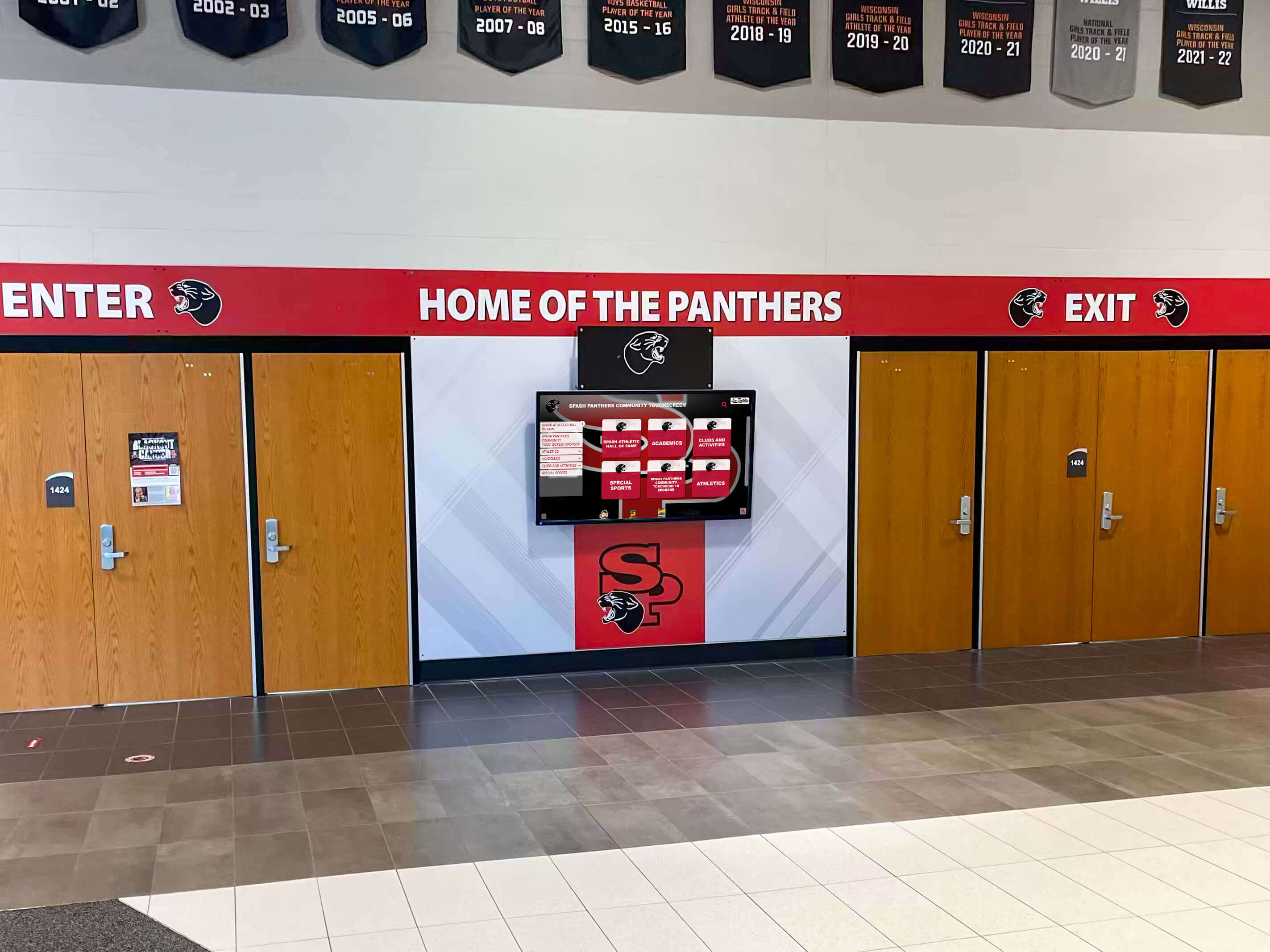
Entrance displays welcome families to youth basketball facilities while showcasing program recognition traditions
Age-Specific Award Category Guidelines
Different age groups require different recognition approaches.
Ages 6-8 (Introductory Basketball)
Appropriate Recognition Categories
- Participation and effort awards for all players
- Fundamental skill milestone achievements
- Following directions and coachability
- Making new friends and teamwork
- Improvement in specific basic skills
- Positive attitude and having fun
At this age, recognition should emphasize participation, fun, and basic skill development. Avoid competitive awards or statistical leaders.
Ages 9-11 (Developmental Basketball)
Appropriate Recognition Categories
- Fundamental skill excellence awards
- Most improved player recognition
- Sportsmanship and character awards
- Team contribution and support awards
- Leadership by example recognition
- Practice dedication awards
- Beginning to introduce limited statistical awards (handled sensitively)
This age begins balancing participation recognition with skill-based achievement while maintaining strong emphasis on character and improvement.
Ages 12-14 (Competitive Youth Basketball)
Appropriate Recognition Categories
- Position-specific achievement awards
- Statistical excellence recognition (handled appropriately)
- Leadership and team captain awards
- Advanced skill development recognition
- Tournament performance awards
- Scholar-athlete recognition
- Character awards maintaining continued emphasis
Middle school age can handle more competitive recognition while still emphasizing character, sportsmanship, and improvement alongside performance.

Hallway honor boards showcase youth achievements creating visible inspiration for younger players entering programs
Budget Considerations for Youth Programs
Resource-constrained youth programs require cost-effective recognition approaches.
Cost-Effective Recognition Strategies
Low-Budget Recognition Options
- Printed certificates in affordable frames ($3-8 per player)
- DIY awards using purchased components ($5-12)
- Digital-only recognition displays eliminating physical costs
- Bulk trophy/medal purchases reducing per-unit expense
- Volunteer-designed certificates and programs
- Parent donations of specific award sponsorships
Fundraising for Recognition Programs
- Local business sponsorships of specific awards
- Parent booster club support for ceremony costs
- Community organization grants for youth programs
- Tournament fundraisers supporting recognition budgets
- Concession stand proceeds designated for awards
- Registration fee portions allocated to recognition
Digital Recognition Investment
Long-Term Value Analysis While initial costs for digital displays may seem significant for youth programs:
- Initial display investment: $3,000-7,000
- Annual subscription fees: $2,000-5,000
- Eliminates ongoing trophy and engraving costs
- Provides unlimited recognition capacity for multiple seasons
- Creates professional presentations enhancing program prestige
- Typical payback period of 4-6 years for active programs
Youth programs with multiple age divisions and teams benefit most from digital recognition, as single displays accommodate unlimited teams across all age groups.
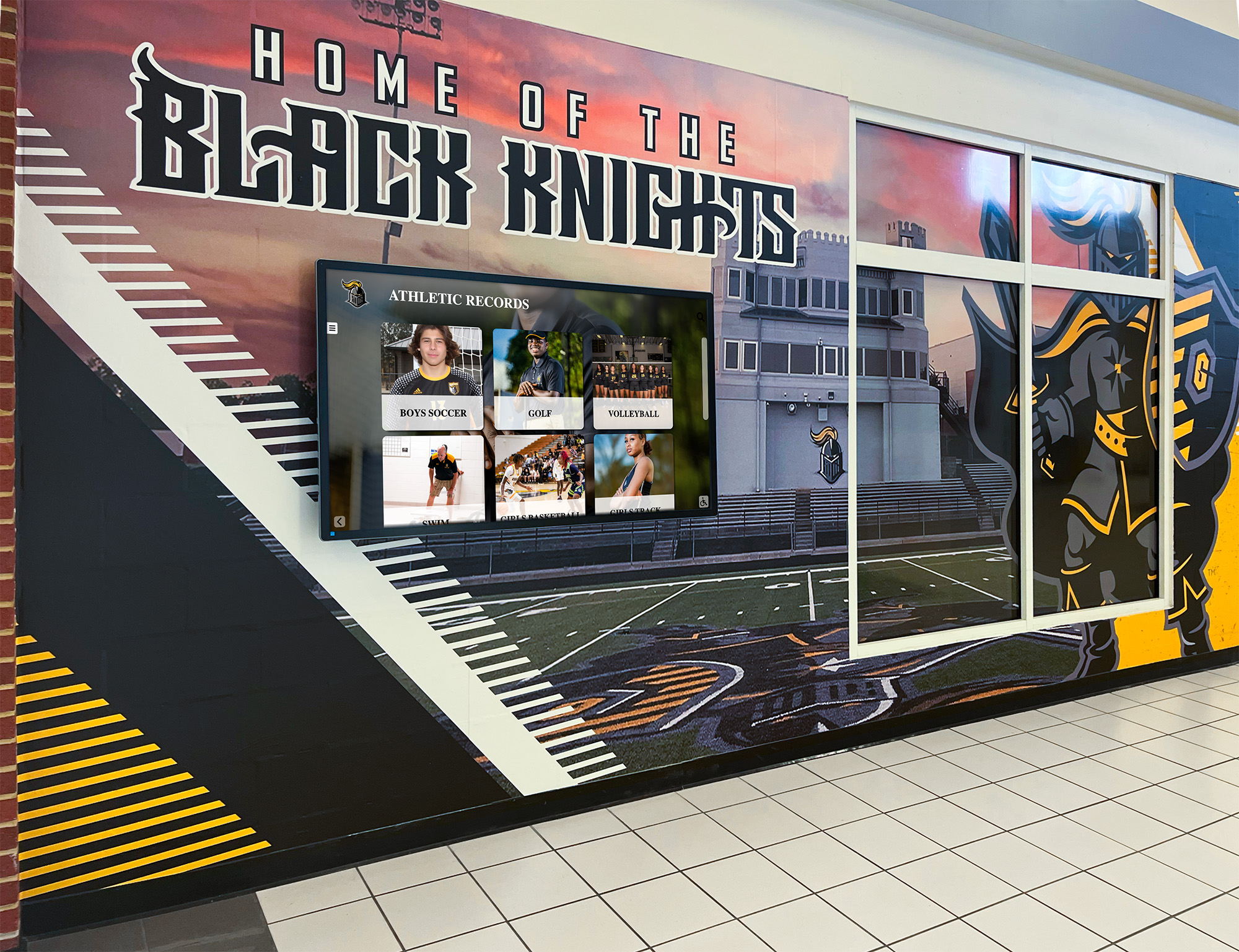
Digital record boards track youth program achievements across multiple seasons and age divisions
Integrating Youth Recognition with Broader Programs
Youth basketball recognition should connect with broader athletic program recognition.
Multi-Level Program Integration
Connecting Youth to Varsity Programs For school-based youth programs:
- Shared recognition displays spanning youth through varsity
- Similar award categories creating progression pathways
- Former varsity players presenting youth awards
- Youth players attending varsity recognition ceremonies
- Unified program messaging about values and culture
- Recognition systems connecting all program levels
Community Program Connections For recreation department or independent youth programs:
- Partnership with local schools for shared recognition
- Community center displays showcasing youth achievements
- Local business displays of youth recognition
- Municipal facility recognition walls
- Website recognition extending beyond physical displays
Programs implementing comprehensive recognition systems create visible pathways showing youth players how their participation connects to broader basketball traditions.
Building Program Alumni Networks
Connecting Former Youth Players
- Track former youth players as they progress through programs
- Feature successful former youth players in current recognition
- Create mentor relationships between current and former players
- Develop alumni directories connecting program participants
- Host alumni events bringing back former youth participants
- Showcase college and career achievements of program graduates
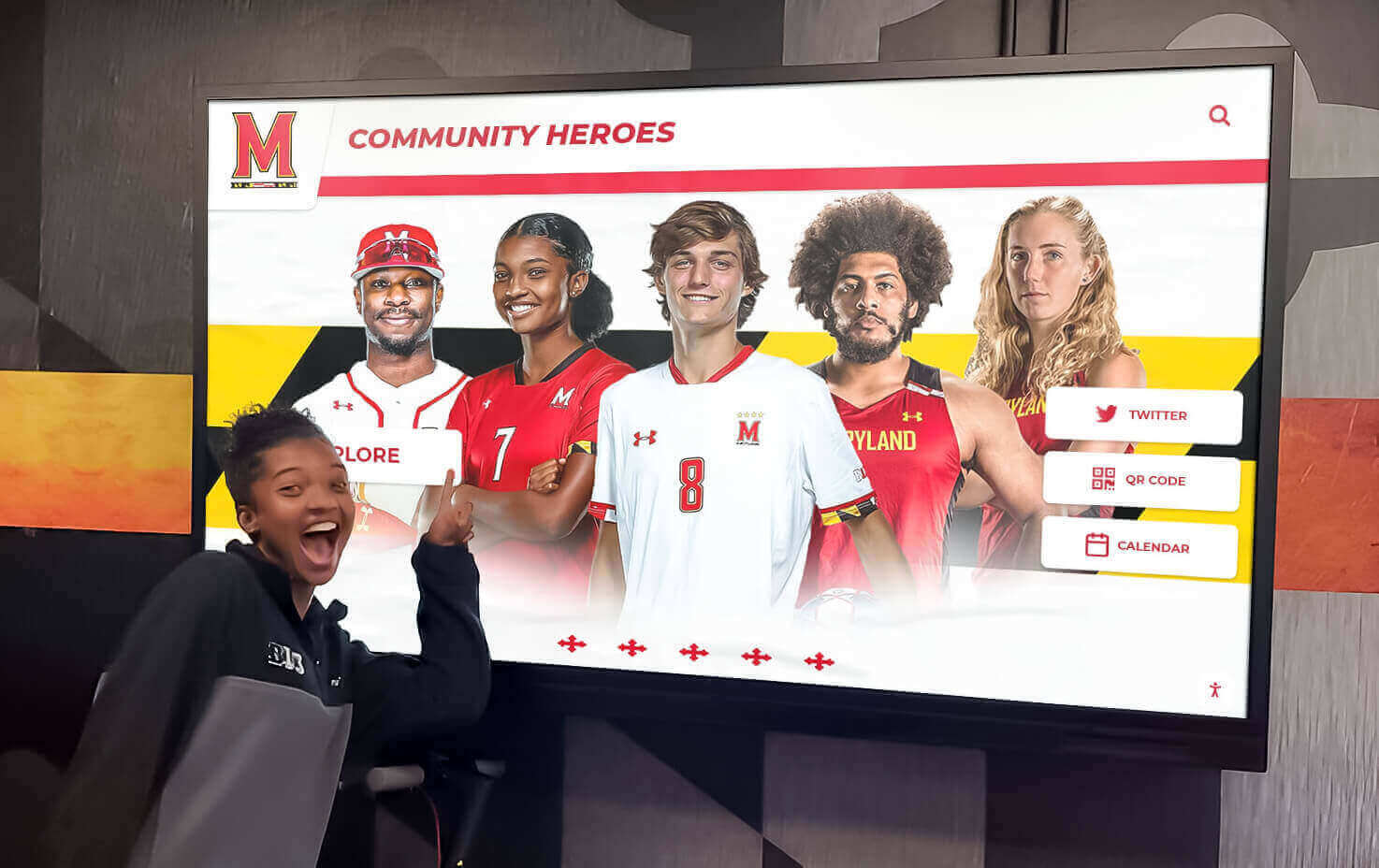
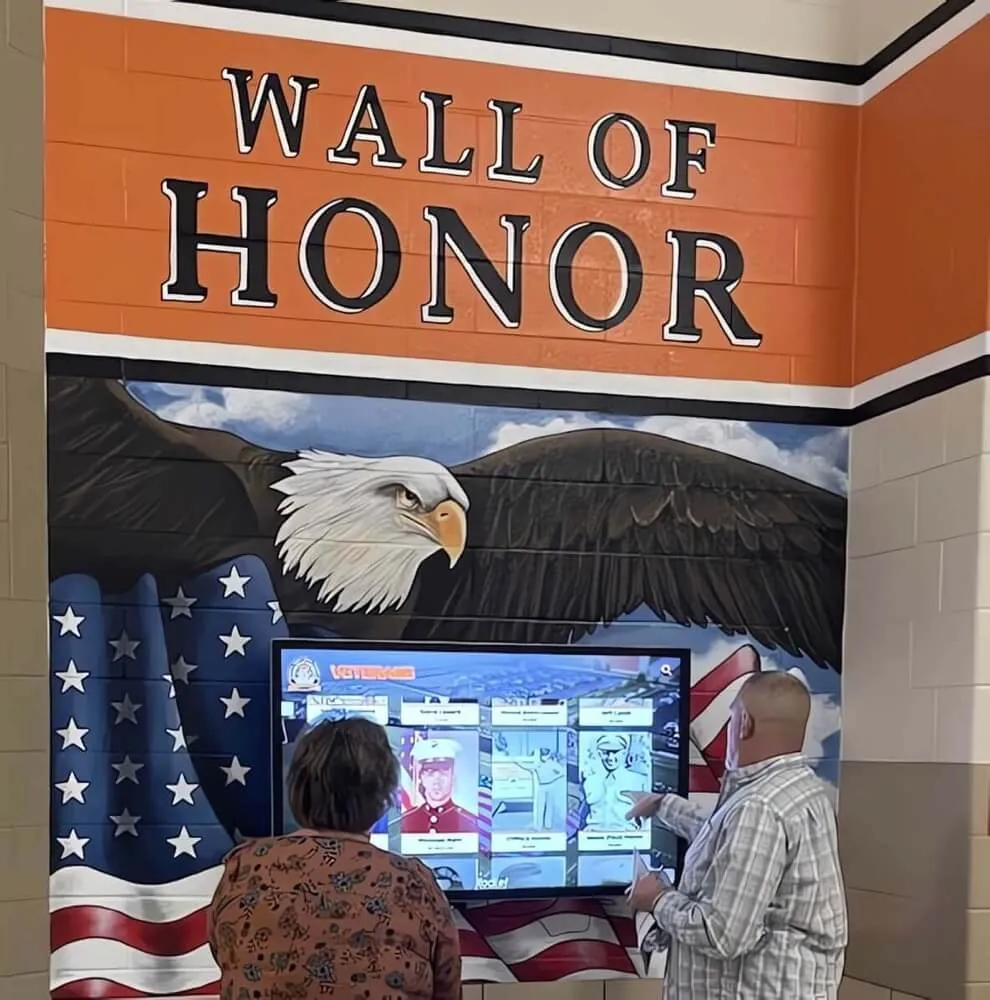
Interactive displays engage young athletes with recognition programs, creating lasting impressions about program values
Avoiding Common Youth Recognition Pitfalls
Thoughtful program design prevents recognition from creating negative experiences.
Pitfall: Excessive Competitive Emphasis
Problem: Statistical awards dominate recognition, making less-skilled players feel unsuccessful
Solutions:
- Balance competitive awards with character recognition
- Create improvement categories accessible to all players
- Recognize effort and practice dedication equally with performance
- Avoid public rankings or leaderboards for young players
- Ensure recognition distribution across entire roster
- Emphasize that basketball excellence includes diverse contributions
Pitfall: Participation-Only Recognition
Problem: Every player receives identical recognition, making awards feel meaningless
Solutions:
- Create universal baseline recognition (participation certificates)
- Add specific achievement awards acknowledging genuine excellence
- Recognize improvement and effort beyond simple participation
- Acknowledge specific skill development milestones
- Validate diverse forms of contribution beyond showing up
- Design tiered recognition reflecting different achievement levels
Pitfall: Excluding Parents from Recognition
Problem: Families feel disconnected from award programs and don’t understand selection
Solutions:
- Schedule ceremonies accommodating parent work schedules
- Communicate award categories and criteria to families early
- Involve parents in ceremony presentations
- Share digital recognition parents access remotely
- Create photo opportunities for family celebrations
- Explain award philosophy helping parents support program goals
Pitfall: Insufficient Recognition Distribution
Problem: Small percentage of players receive awards while majority go unrecognized
Solutions:
- Design enough award categories ensuring broad participation
- Create improvement-based categories accessible to all skill levels
- Include character awards valuing intangible contributions
- Recognize practice excellence and team support
- Ensure equitable recognition across positions and roles
- Track distribution patterns identifying recognition gaps
Creating Lasting Impact Through Youth Recognition
Award programs succeed when recognition extends beyond ceremonies to influence program culture.
Year-Round Visibility Strategies
Ongoing Recognition Approaches
- Gymnasium and facility displays showcasing current season awards
- Team meeting spaces featuring historical youth recognition
- Social media recognition throughout season and offseason
- Program website features on award recipients
- Newsletter recognition keeping community informed
- Lobby displays visible to families and visitors
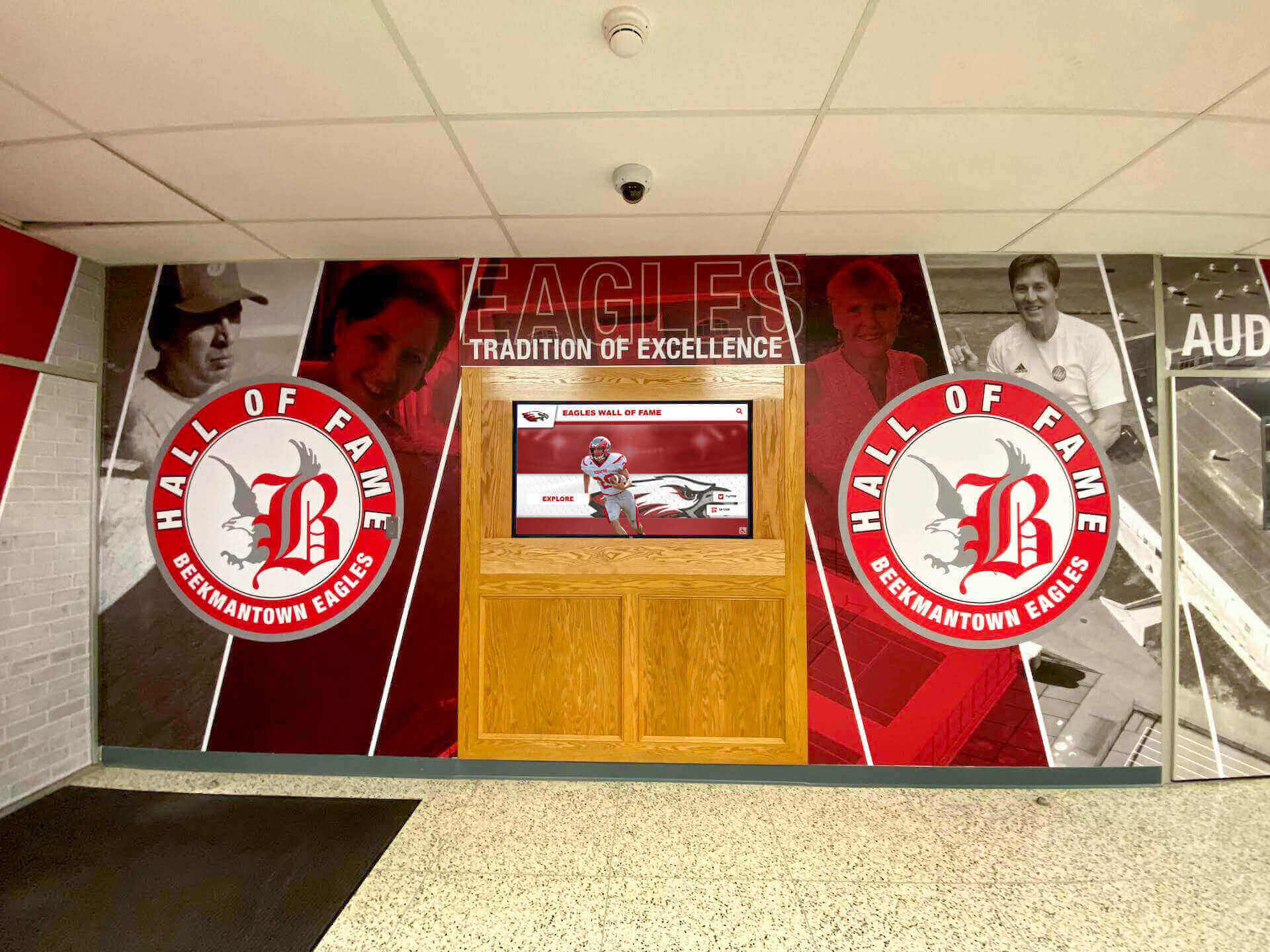
Prominent lobby displays ensure youth basketball awards remain visible throughout the year, reinforcing program values
Recognition Impact on Recruitment and Retention
Attracting and Retaining Youth Players Visible recognition programs influence participation decisions:
- Prospective families see program investment in player acknowledgment
- Recognition demonstrates program values beyond winning
- Award history shows pathways to achievement for different player types
- Comprehensive recognition signals inclusive, positive environment
- Historical achievement displays demonstrate program longevity
- Alumni success stories inspire prospective players
Youth programs with prominent recognition report higher player retention rates and increased new player enrollment, as families gravitate toward organizations clearly invested in celebrating participant development.
Measuring Recognition Program Effectiveness
Systematic evaluation ensures youth award programs achieve intended goals.
Quantitative Impact Metrics
Participation and Engagement Indicators
- Youth basketball program enrollment trends
- Player retention rates from season to season
- Award ceremony attendance by families
- Recognition display interaction frequency
- Social media engagement with recognition content
- Parent satisfaction survey responses
Program directors should track participation patterns before and after recognition program enhancements, identifying correlations between improved recognition and program growth.
Qualitative Feedback Assessment
Stakeholder Perspectives
- Player feedback about recognition meaning and motivation
- Parent observations about child responses to awards
- Coach insights on program culture impacts
- Community awareness of program and achievements
- Player reflections on memorable recognition moments
Regular feedback gathering identifies recognition gaps and opportunities while ensuring programs honor achievements young players find genuinely meaningful.
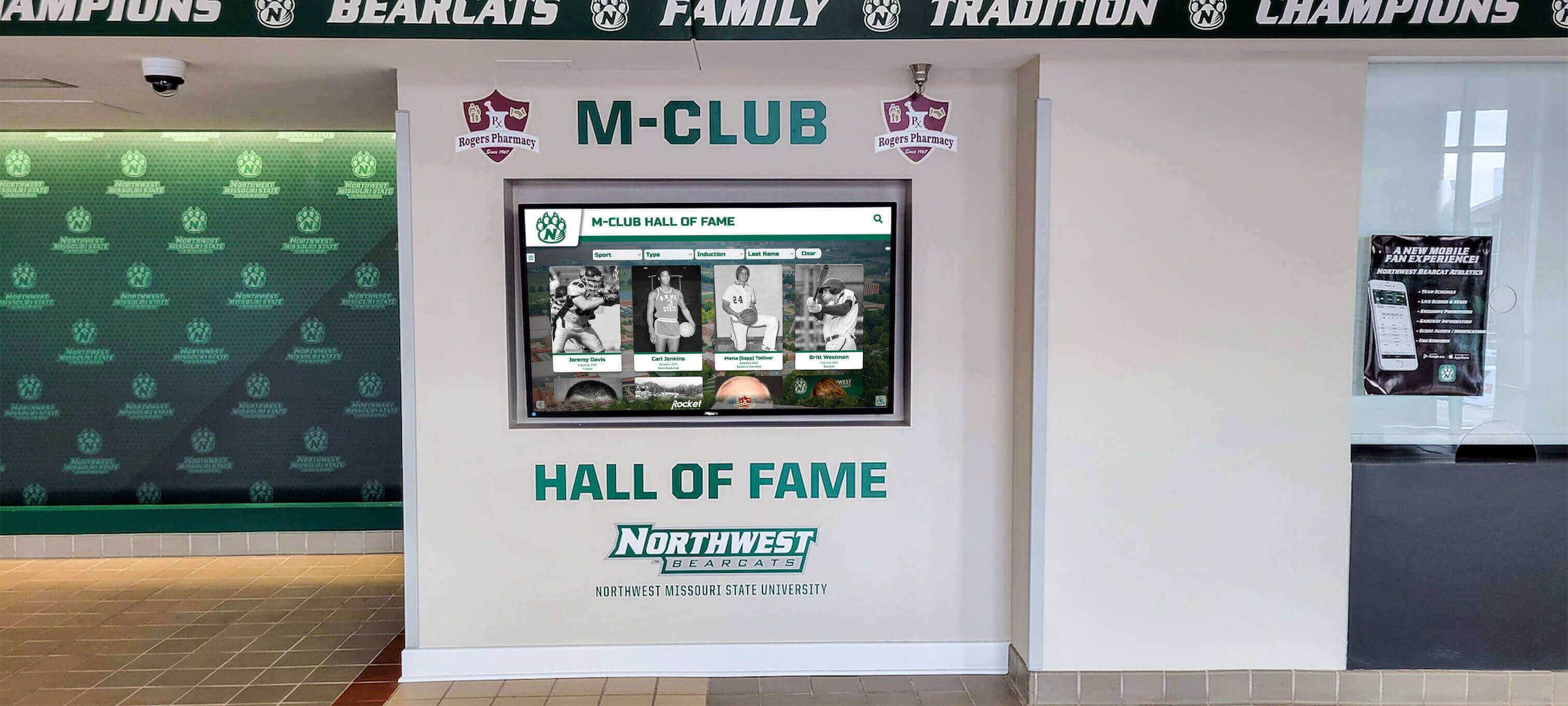
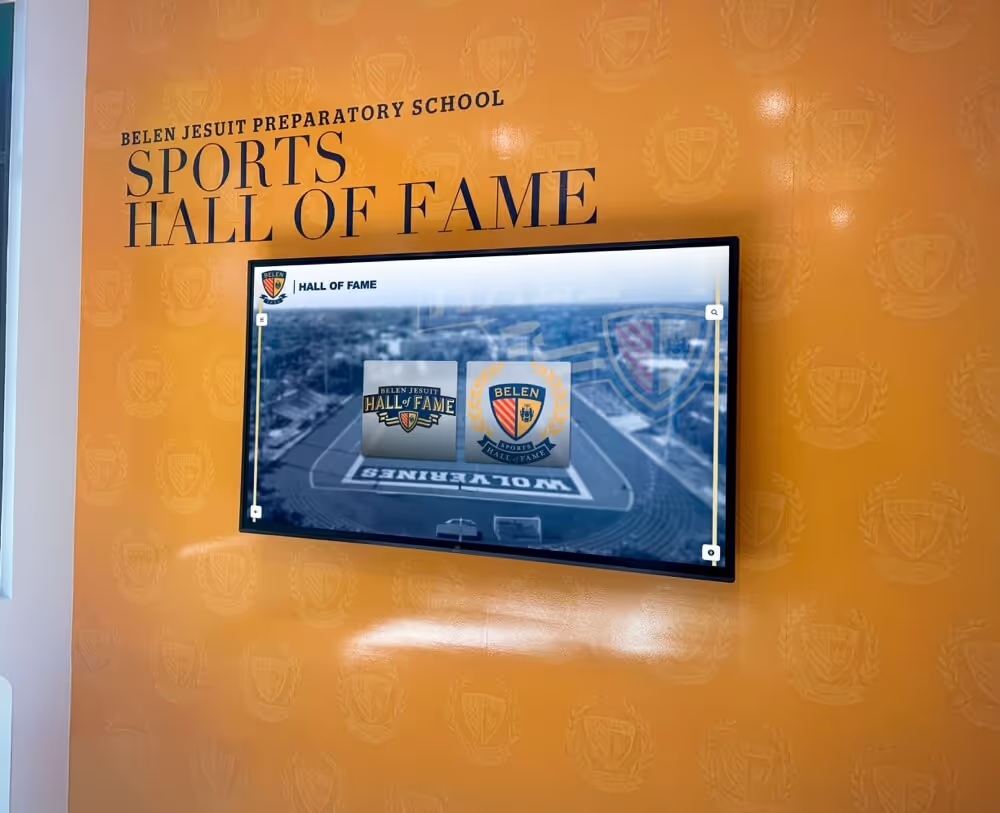
Digital displays provide unlimited capacity for recognizing youth basketball achievements across multiple age divisions
Conclusion: Building Basketball Passion Through Thoughtful Recognition
Basketball awards for youth represent strategic opportunities to build lifelong love for sports while teaching valuable lessons about dedication, teamwork, and character. When youth programs celebrate achievement in age-appropriate ways that balance performance acknowledgment with character recognition, they create environments where young players develop confidence, skills, and genuine passion for basketball.
The most effective youth recognition programs avoid both extremes—the meaningless participation-only approach and the excessively competitive model that discourages developing players. Instead, successful programs create comprehensive recognition systems acknowledging diverse contributions across skill development, effort, improvement, sportsmanship, and team support.
Showcase Your Youth Basketball Program
Discover how digital recognition displays provide unlimited capacity to celebrate youth basketball achievements across all age groups. See how programs nationwide showcase awards, highlight videos, and player profiles with professional presentations that young athletes and families explore interactively.
Book A DemoTraditional approaches including trophies, medals, and certificates create tangible recognition young players treasure. However, physical displays eventually reach capacity as seasons accumulate and rosters grow. Digital recognition platforms like Rocket Alumni Solutions overcome these limitations through unlimited showcase capacity, professional presentations, multimedia integration, and simple administration enabling instant updates when new award recipients emerge.
Programs succeeding at youth basketball recognition maintain focus on development over competition, celebrate improvement alongside absolute achievement, honor character and sportsmanship equal to performance, and create sustained visibility ensuring recognition motivates players throughout seasons rather than only during brief ceremony moments.
Start by assessing your current youth recognition honestly, identifying whether awards truly celebrate diverse achievement dimensions across your entire roster. Engage coaches and parents gathering input about meaningful recognition opportunities resonating with program culture and community values. Then implement systematically with attention to age-appropriate criteria, inclusive opportunities across skill levels, and sustained visibility extending recognition impact throughout youth program culture.
Your youth basketball players deserve recognition reflecting the courage required to try new sports, the dedication demonstrated through practice attendance, the character shown through supporting teammates, and the improvement achieved through persistent effort. With thoughtful planning, diverse award categories acknowledging statistical and intangible contributions, and appropriate recognition technology providing unlimited capacity, you can create programs that build confident, motivated young athletes who develop lasting love for basketball.
Ready to showcase your youth basketball program’s achievements with professional recognition extending beyond physical trophy limitations? Explore how digital recognition displays help youth programs celebrate unlimited achievements while creating engaging experiences that strengthen program culture, motivate player development, and build positive associations with sports that influence children throughout their lives.