



Award ceremonies represent pivotal moments in any organization’s calendar—occasions when achievement receives formal recognition, contributions are publicly celebrated, and communities gather to honor excellence. Whether you’re planning an athletic awards banquet, academic honors ceremony, employee recognition event, or end-of-season celebration, the difference between a perfunctory obligation and a memorable experience that recipients treasure lies entirely in thoughtful planning and execution.
Too many award ceremonies default to predictable formats that feel rushed and impersonal—generic speeches, rapid-fire name readings, and forgettable presentations that fail to convey the genuine significance of recipients’ accomplishments. Athletes who dedicated months to training, students who persevered through academic challenges, or employees who exceeded expectations deserve recognition moments reflecting the magnitude of their achievements, while families and supporters merit meaningful opportunities to celebrate these milestones together.
This comprehensive guide explores how to plan award ceremonies that create lasting impact through strategic venue selection, engaging program design, effective presentation techniques, and modern recognition technology. From initial planning through post-ceremony follow-up, these proven strategies help schools, organizations, and businesses transform routine awards events into memorable celebrations that recipients and attendees genuinely value.
Successful award ceremonies balance formality with warmth, efficient pacing with meaningful individual recognition, and immediate celebration with lasting visibility that extends beyond the event itself. The most impactful recognition combines thoughtful event planning with permanent displays ensuring achievements receive ongoing celebration long after the ceremony concludes.

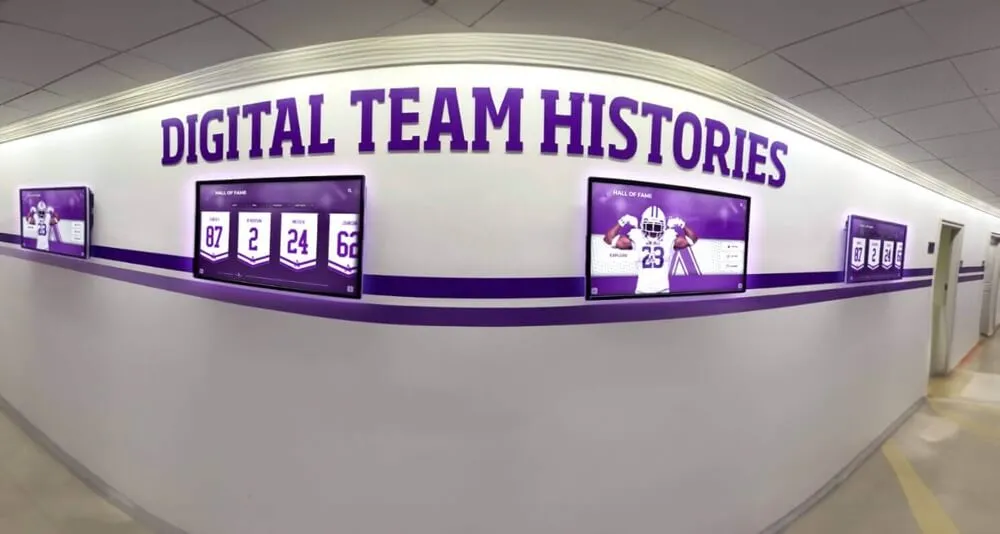
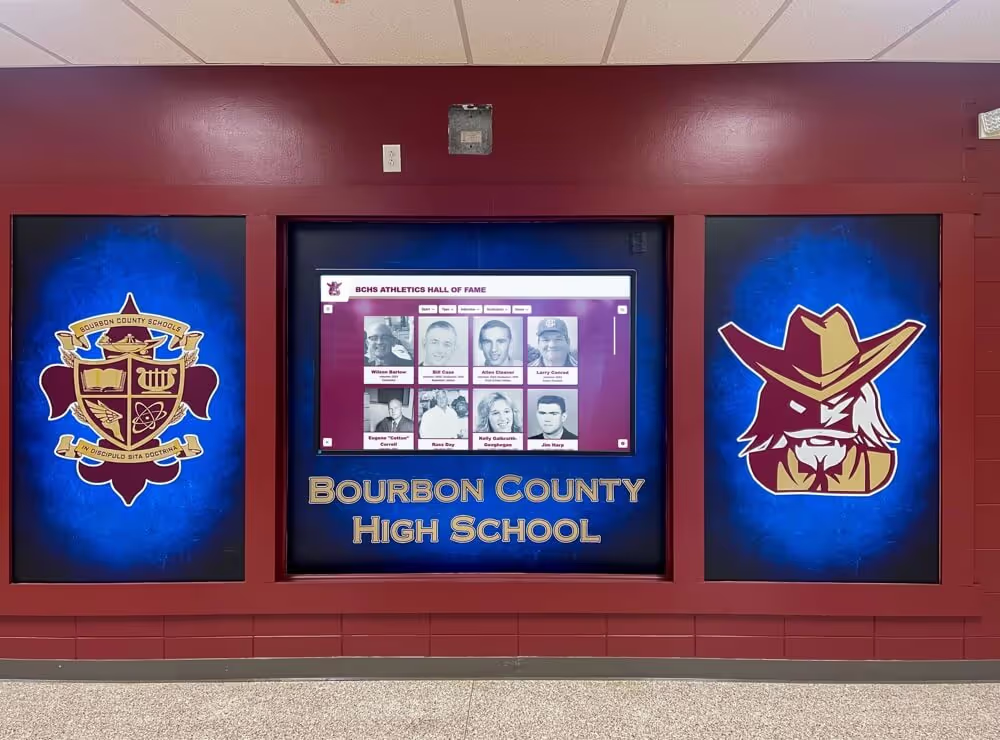
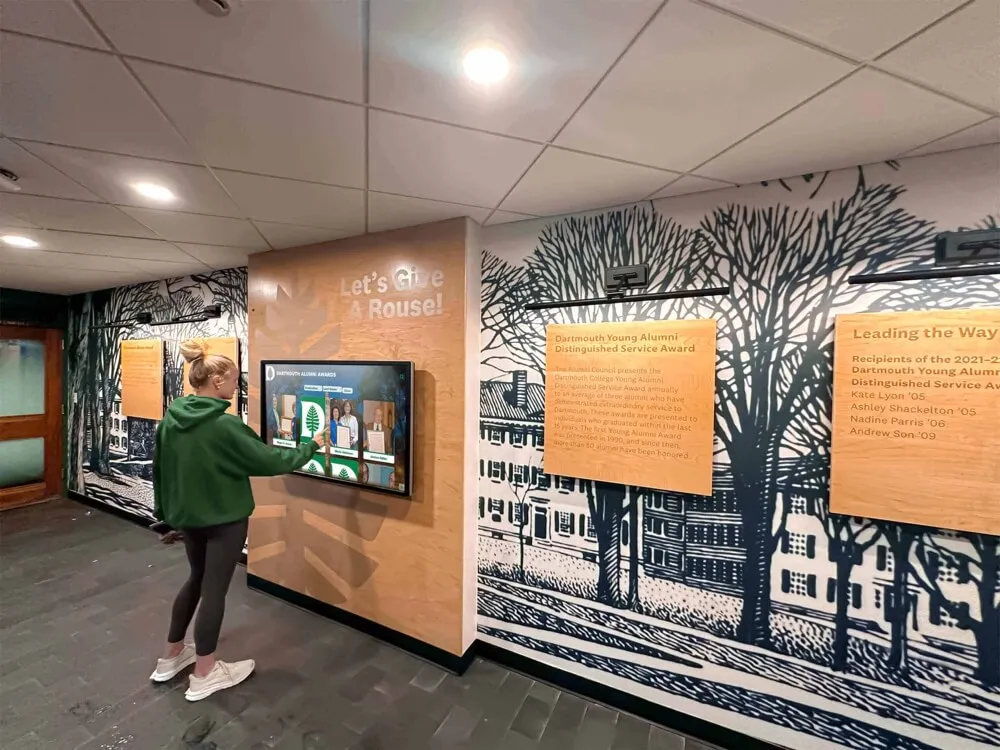
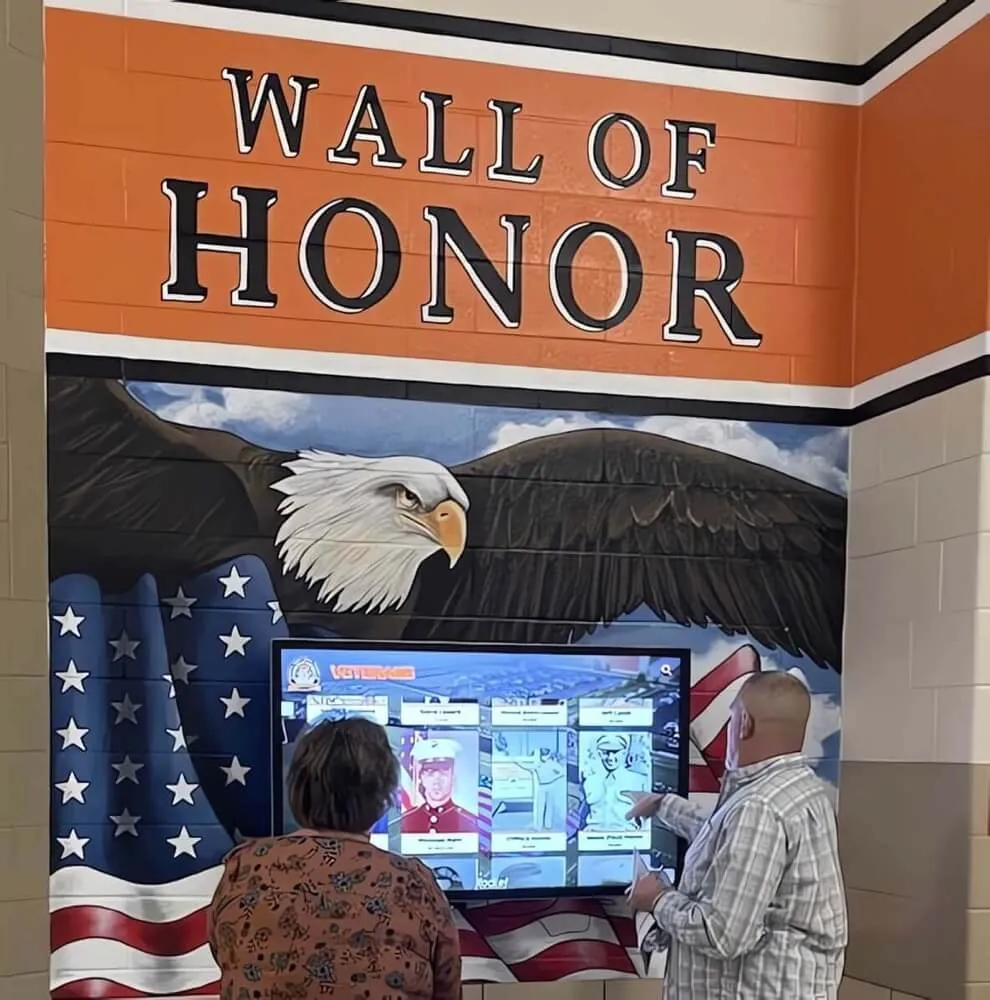
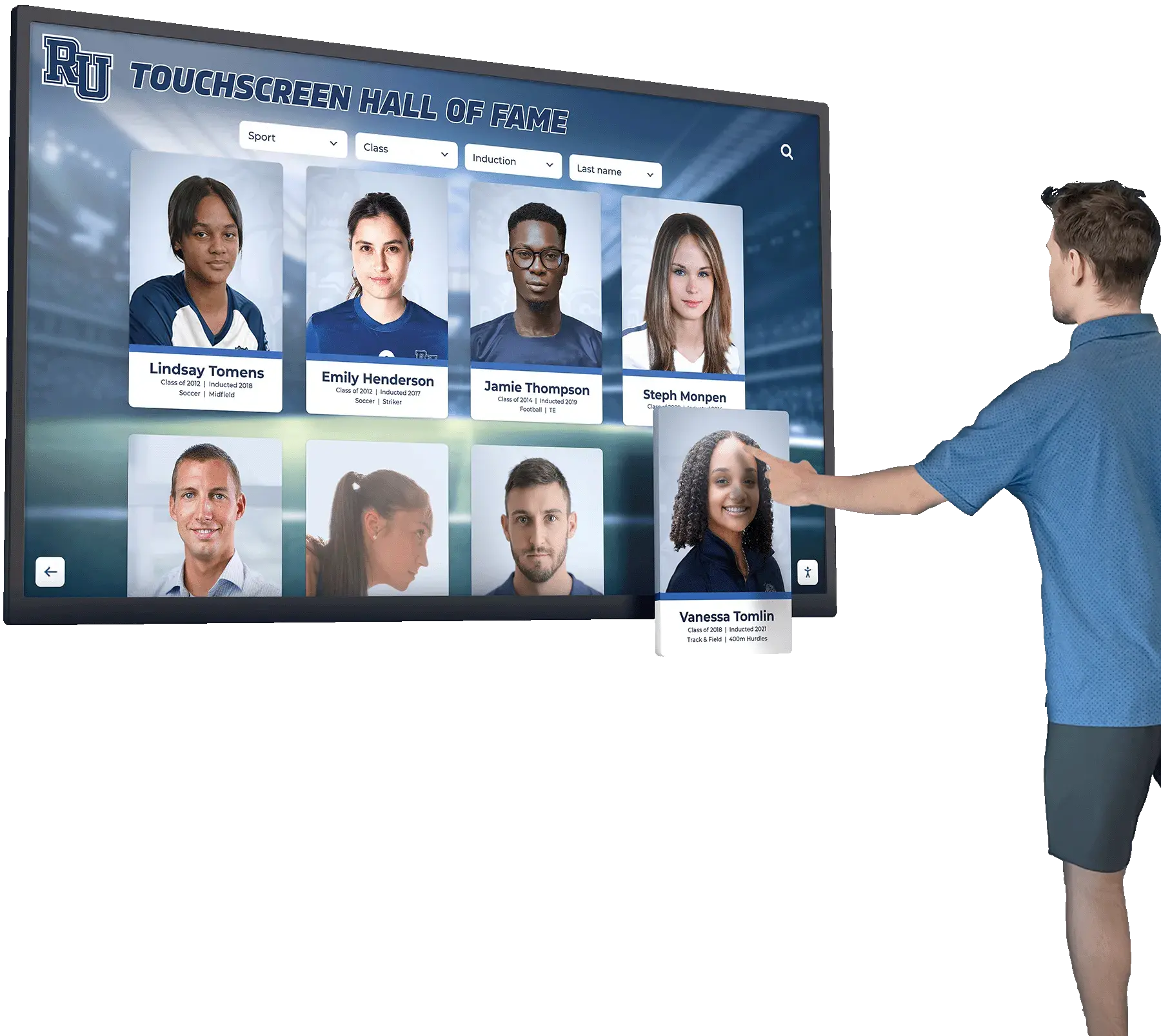
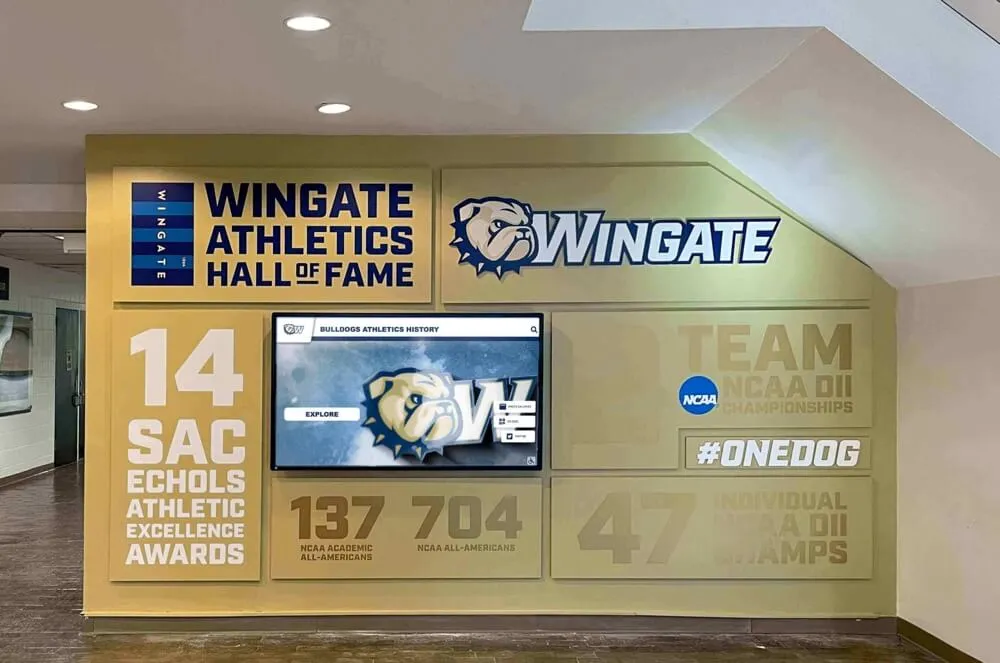
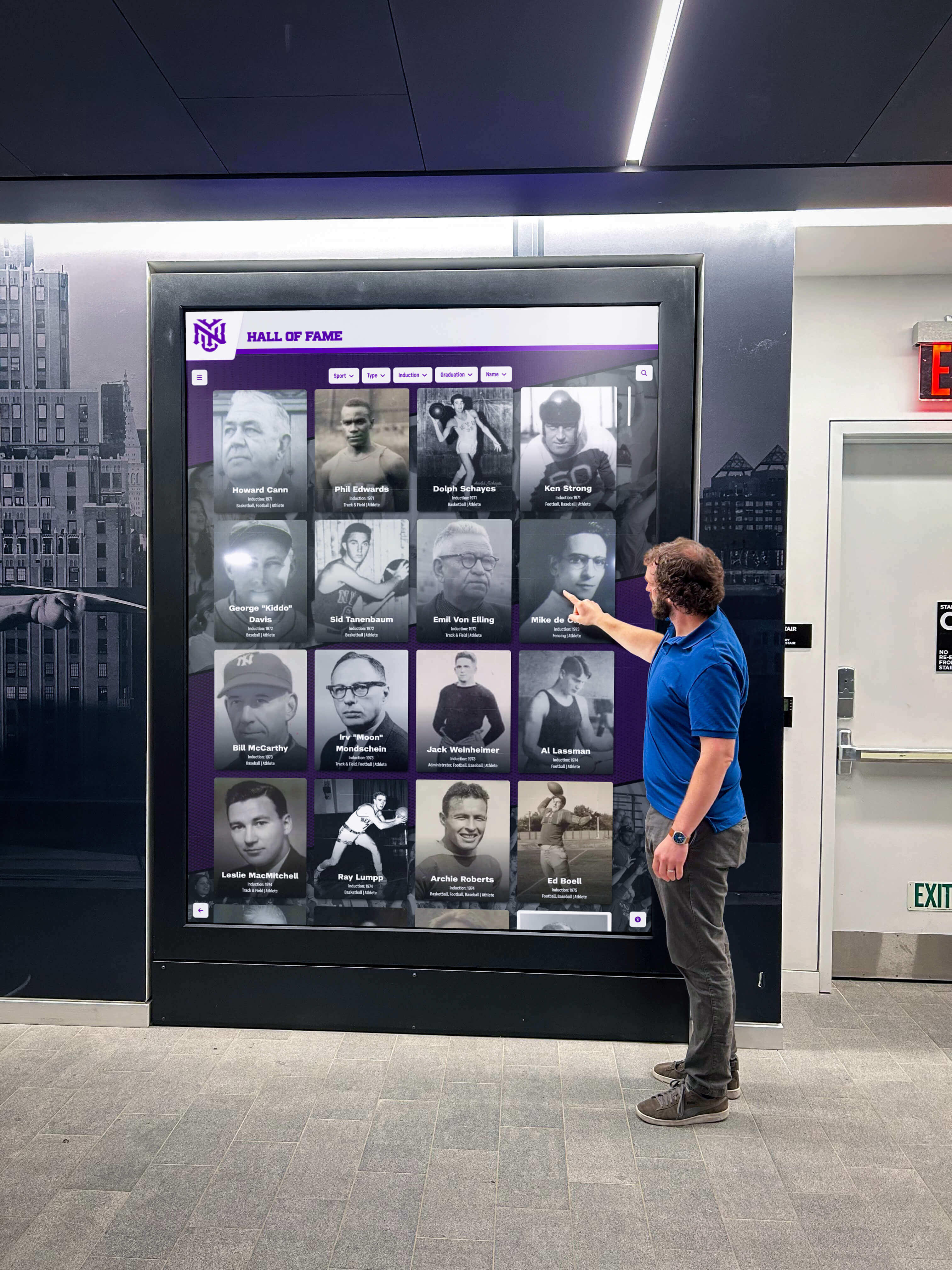
Interactive recognition displays create engaging experiences where ceremony attendees explore award recipients and achievements
Why Award Ceremony Planning Matters
Before diving into logistics, understanding what makes award ceremonies impactful helps planners prioritize elements that create meaningful experiences.
The Psychological Impact of Formal Recognition
Research in organizational psychology and educational motivation consistently demonstrates that formal, public recognition produces measurably different outcomes compared to private acknowledgment or informal praise.
Social Validation and Peer Recognition
When achievements receive recognition in front of peers, families, and community members, recipients experience validation extending far beyond the award itself. Students whose academic achievements are celebrated in front of classmates internalize stronger academic identities. Athletes recognized before teammates and supporters develop enhanced commitment to their sport. Employees acknowledged in front of colleagues feel increased organizational belonging and motivation.
The public nature of award ceremonies signals to recipients that their community values and appreciates their contributions, creating powerful emotional connections that influence long-term motivation and continued excellence.
Creating Memorable Milestone Moments
Award ceremonies mark transitions and milestones in ways that daily recognition cannot achieve. High school seniors remember their awards banquets decades later. Championship teams recall season-ending celebrations as defining moments of their athletic careers. These ceremonial experiences become part of personal narratives recipients carry throughout their lives.
Building Organizational Culture
Beyond individual impact, award ceremonies shape collective culture by demonstrating what organizations value. Schools hosting comprehensive academic recognition events signal that scholarly achievement matters equally to athletic success. Companies celebrating diverse contributions beyond sales numbers foster cultures where multiple types of excellence receive appreciation.
Regular, well-executed recognition ceremonies normalize achievement celebration as central to organizational identity rather than exceptional or rare occurrence.
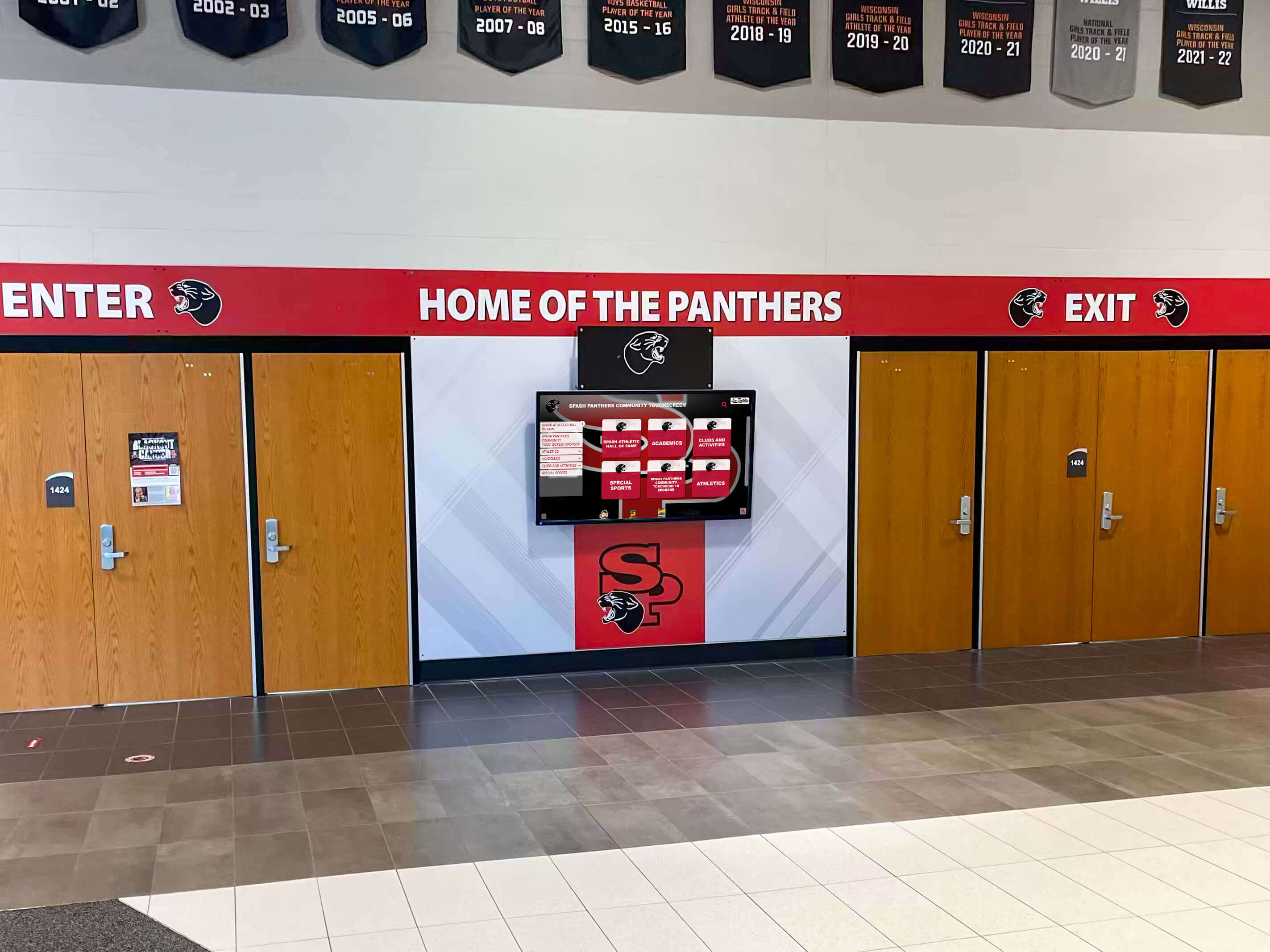
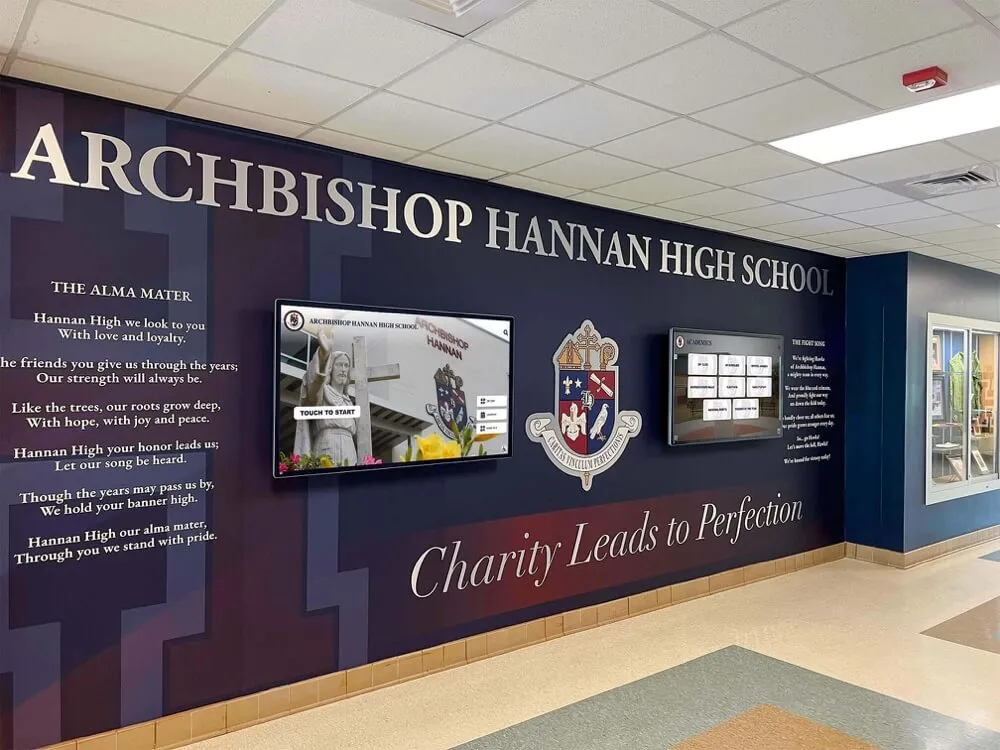
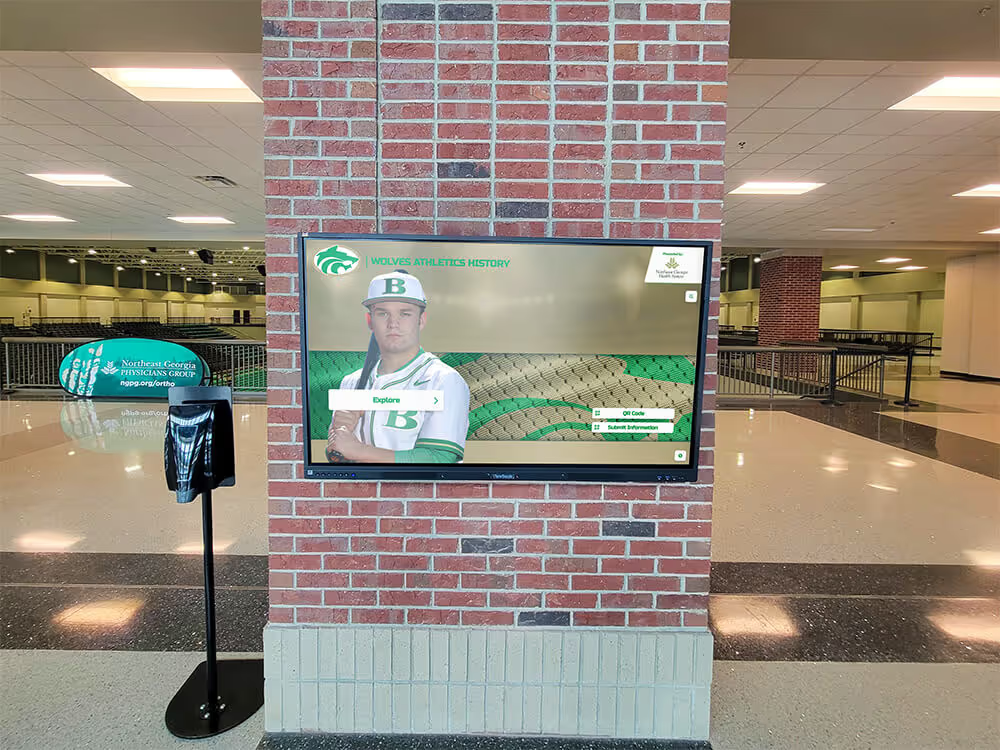
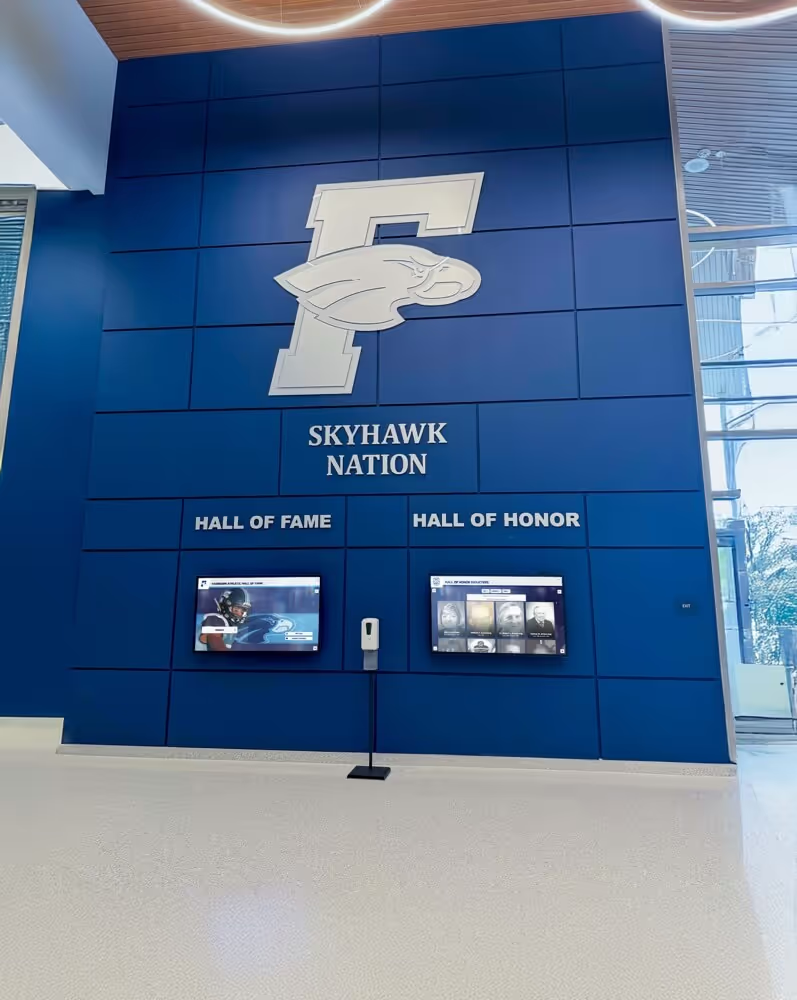
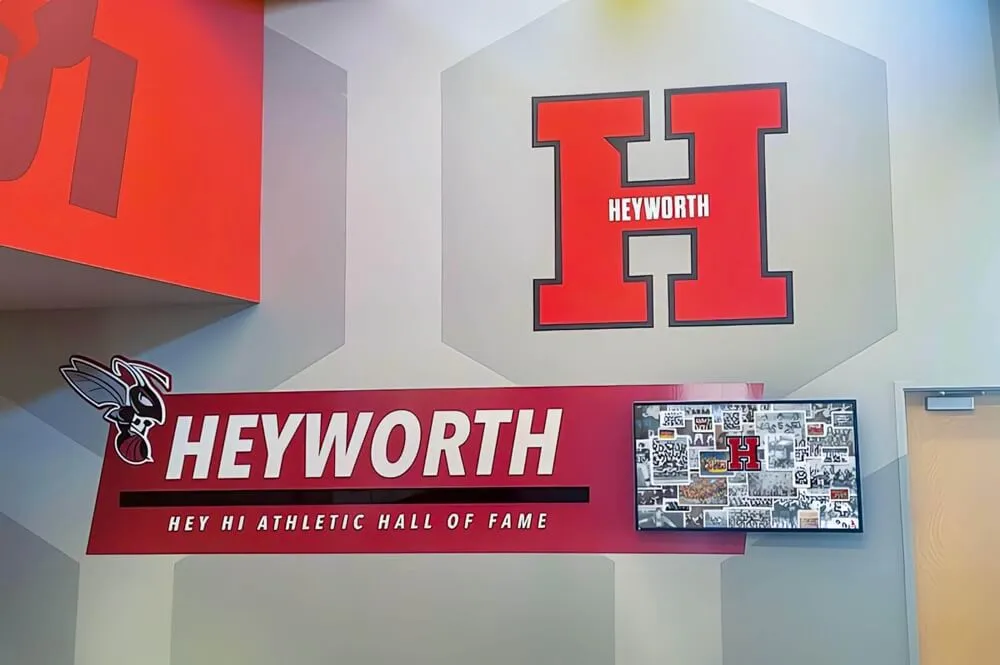
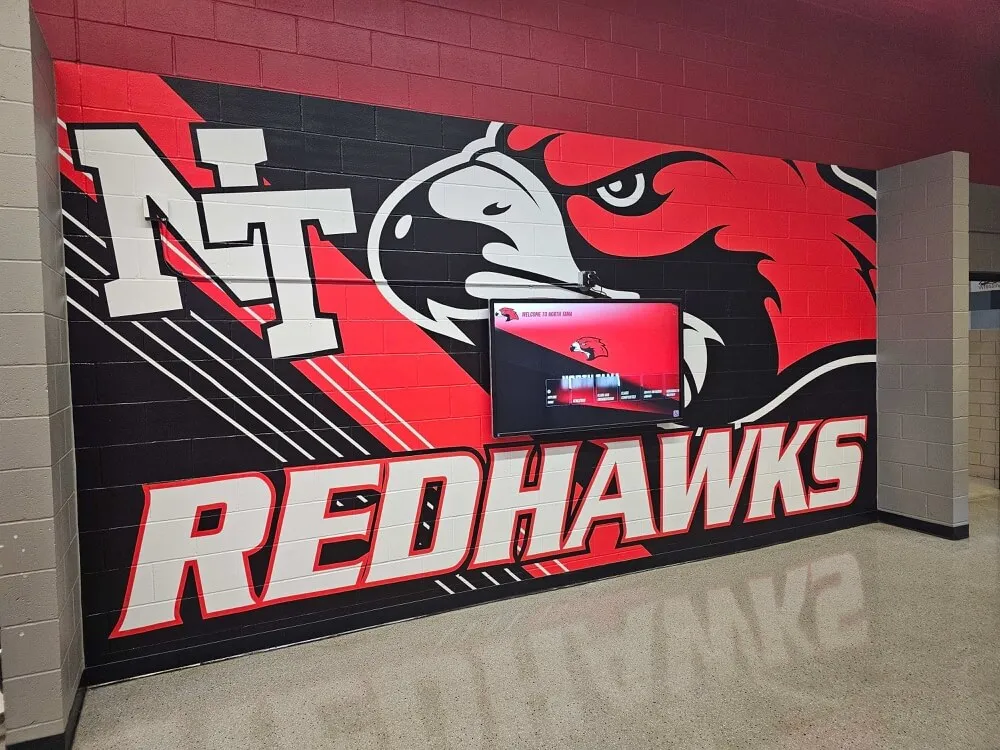
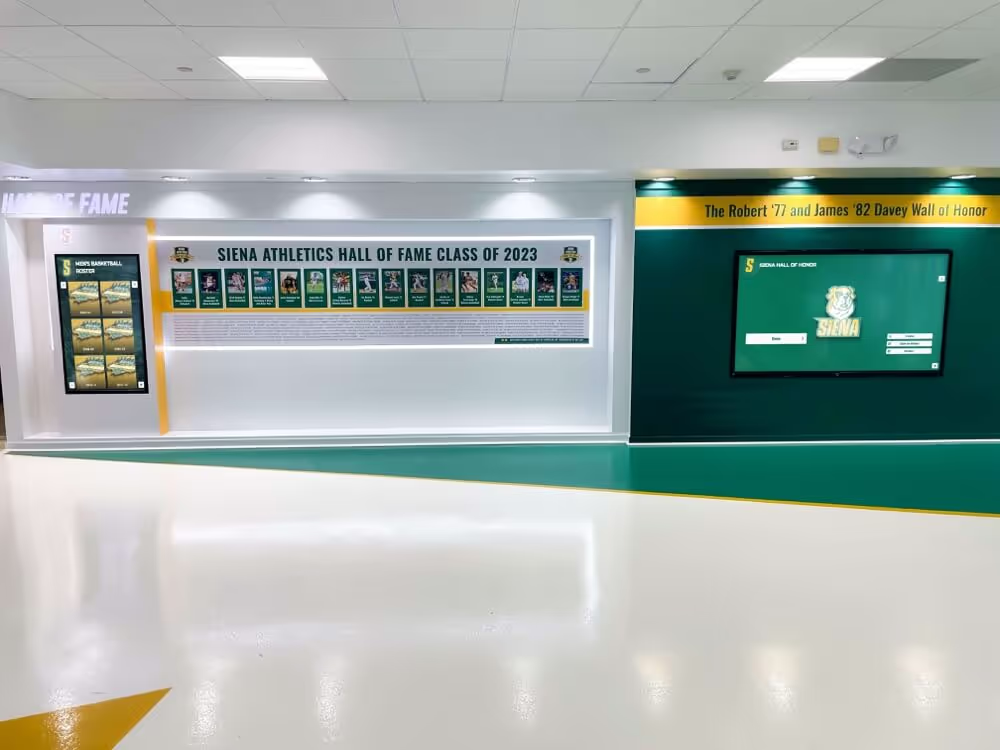
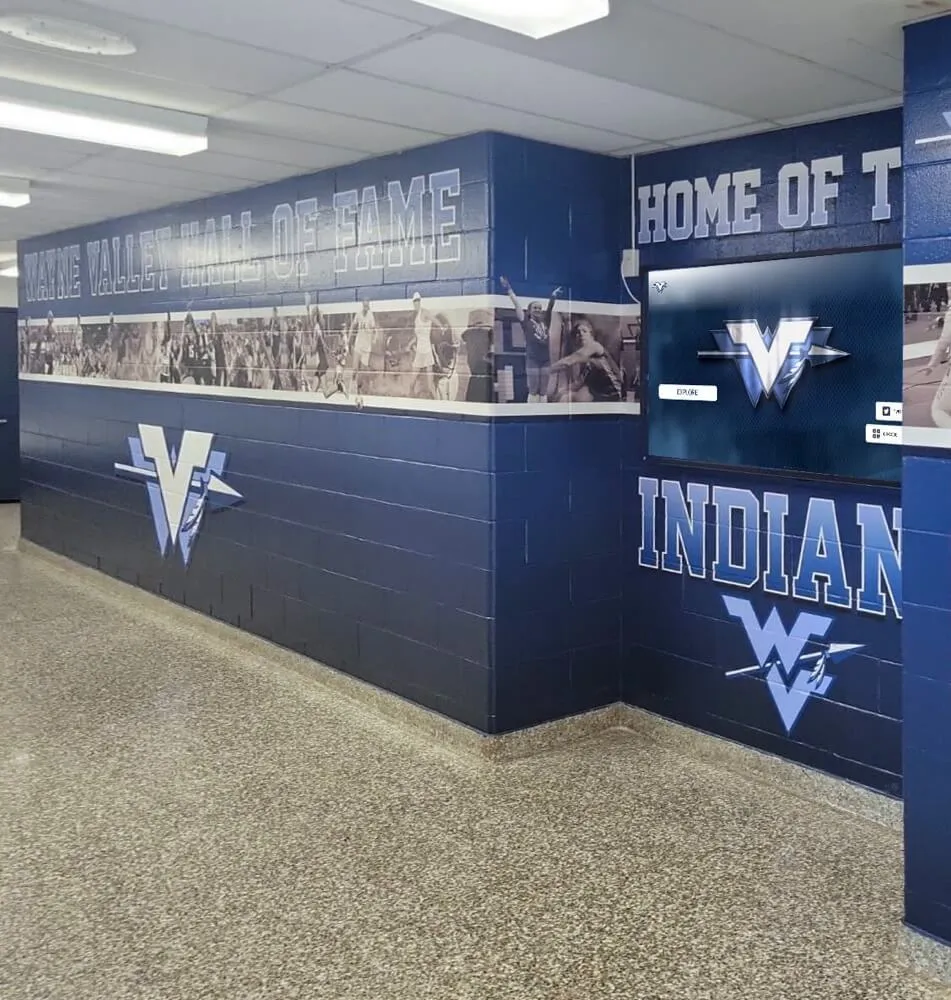
Entrance displays welcome ceremony attendees while showcasing ongoing recognition programs
Common Award Ceremony Pitfalls to Avoid
Understanding what makes ceremonies fall flat helps planners avoid predictable mistakes:
Poor Pacing and Excessive Length
The most common complaint about award ceremonies centers on excessive length and poor time management. Events that drag on lose audience engagement, diminish recognition impact, and create negative associations with what should be celebration moments. Recipients waiting hours for their brief recognition moment experience frustration rather than honor.
Generic, Impersonal Recognition
Ceremonies where presenters rapidly read names from lists with no context about recipients’ achievements feel perfunctory and meaningless. Award recipients deserve specific acknowledgment of what they accomplished rather than cursory mentions that audiences immediately forget.
Inadequate Family Accommodation
Recognition events scheduled during work hours that families cannot attend, held in venues with insufficient seating, or lacking basic amenities create barriers preventing loved ones from sharing celebration moments. Families unable to attend miss opportunities to witness achievements, while recipients feel disappointment that important people couldn’t participate.
Lack of Permanent Follow-Up
Awards ceremonies end, physical trophies eventually get stored or discarded, and recognition fades from memory without systems ensuring achievements receive ongoing visibility. The most impactful programs extend recognition beyond the single event through permanent displays that continue celebrating recipients.
Setting Clear Ceremony Objectives and Scope
Effective planning begins with defining what you want your award ceremony to accomplish and who should be recognized.
Defining Your Award Categories
Award categories should align with organizational values while recognizing diverse types of achievement:
Academic Recognition Ceremonies
- Subject-specific excellence awards
- Honor roll and GPA-based recognition
- Most improved student awards
- Perfect attendance acknowledgment
- Academic achievement program recognition
- Scholarship recipient announcements
Athletic Award Ceremonies
- Season MVP and all-conference selections
- Championship team recognition
- Sportsmanship and character awards
- Most improved player acknowledgment
- Career achievement and senior athlete honors
- Coaches’ awards for dedication and leadership
Employee Recognition Events
- Years of service milestones
- Performance excellence awards
- Innovation and initiative recognition
- Team contribution acknowledgment
- Leadership development honors
Special Occasion Ceremonies
- Retirement celebration events
- Hall of fame inductions
- Lifetime achievement recognition
- Memorial and tribute presentations
Determining Appropriate Scale and Budget
Right-sizing your event ensures resources match objectives:
Intimate Classroom or Department Recognition
- 20-50 attendees
- Classroom or meeting room venues
- Simplified presentation format
- Lower budget requirements ($200-500)
- Focus on personal, detailed recognition
School-Wide or Multi-Team Ceremonies
- 100-300 attendees
- Gymnasium, auditorium, or cafeteria venues
- Structured program with multiple presenters
- Moderate budget needs ($1,000-3,000)
- Balance between personal touch and efficient pacing
Large-Scale Organizational or Community Events
- 300+ attendees
- Professional venues or large facilities
- Formal programs with multimedia presentations
- Substantial budget allocation ($3,000-10,000+)
- Professional production values and catering
Understanding event scale from the outset guides all subsequent planning decisions about venues, programs, catering, and technology needs.
Strategic Venue Selection for Award Ceremonies
The right venue significantly impacts ceremony atmosphere, attendee experience, and logistical execution.
Evaluating Venue Options
Different spaces offer distinct advantages and limitations:
On-Campus or In-House Venues
School Gymnasiums and Auditoriums
- Advantages: No rental costs, familiar to attendees, accommodates large groups, often has basic audiovisual equipment
- Considerations: May feel institutional, acoustics sometimes challenging, requires significant setup/decoration, competing schedule demands
- Best For: School award ceremonies with large attendance, athletic team recognition, graduation-adjacent events
Conference Rooms and Cafeterias
- Advantages: Accessible, controllable environment, no rental fees, easy setup
- Considerations: Limited capacity, may lack formal atmosphere, minimal built-in audiovisual capabilities
- Best For: Department-level recognition, smaller team ceremonies, intimate employee appreciation events
External Venue Options
Banquet Halls and Hotels
- Advantages: Professional atmosphere, catering included, dedicated event support, impressive setting
- Considerations: Rental costs, deposit requirements, potentially distant for attendees, contractual minimums
- Best For: Major organizational recognition events, hall of fame inductions, fundraising galas with recognition components
Community Centers and Restaurants
- Advantages: Mid-range pricing, combination of food and space, relaxed atmosphere
- Considerations: Variable quality and professionalism, limited customization, potential noise from other activities
- Best For: Team banquets, seasonal awards dinners, casual recognition celebrations
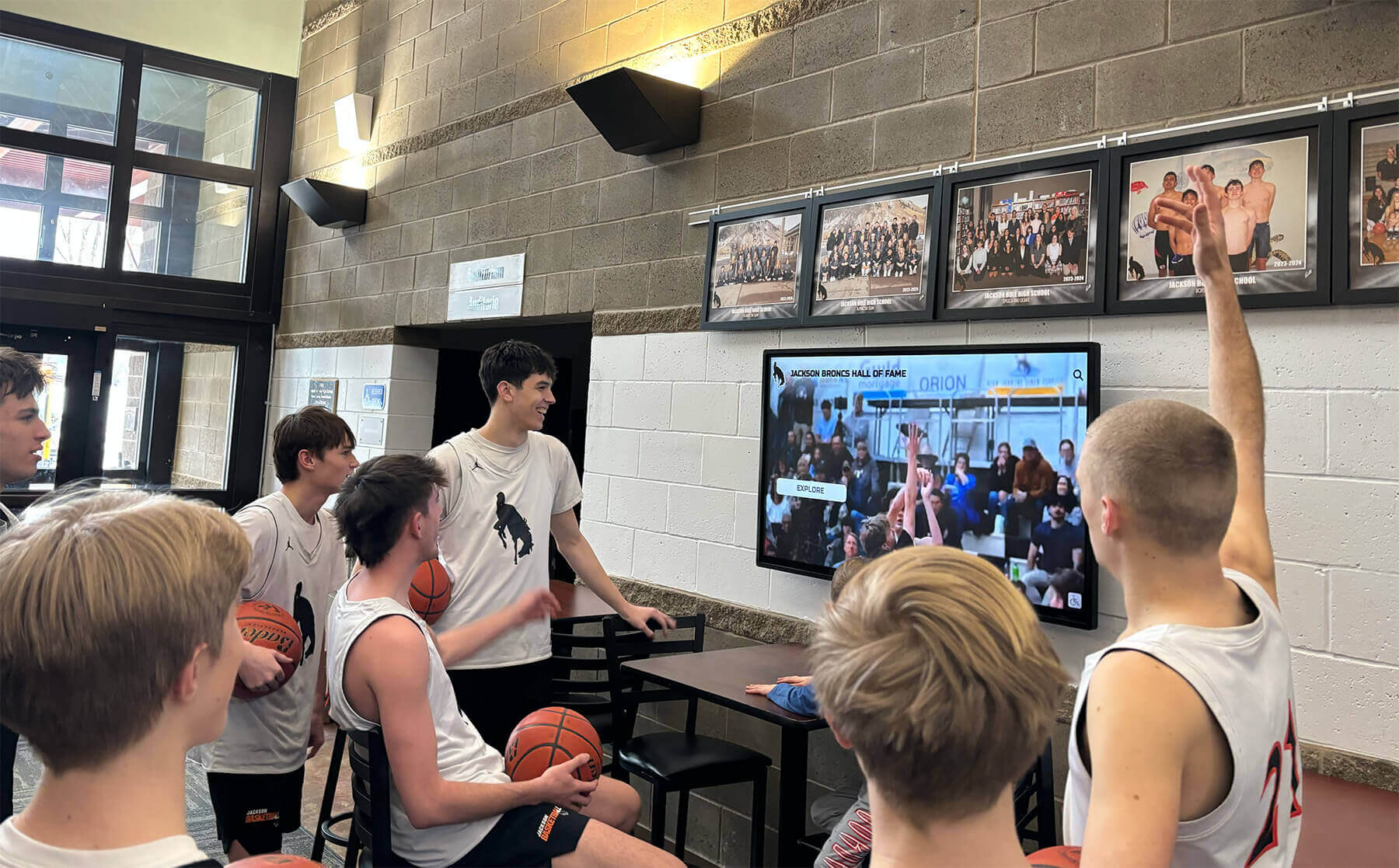
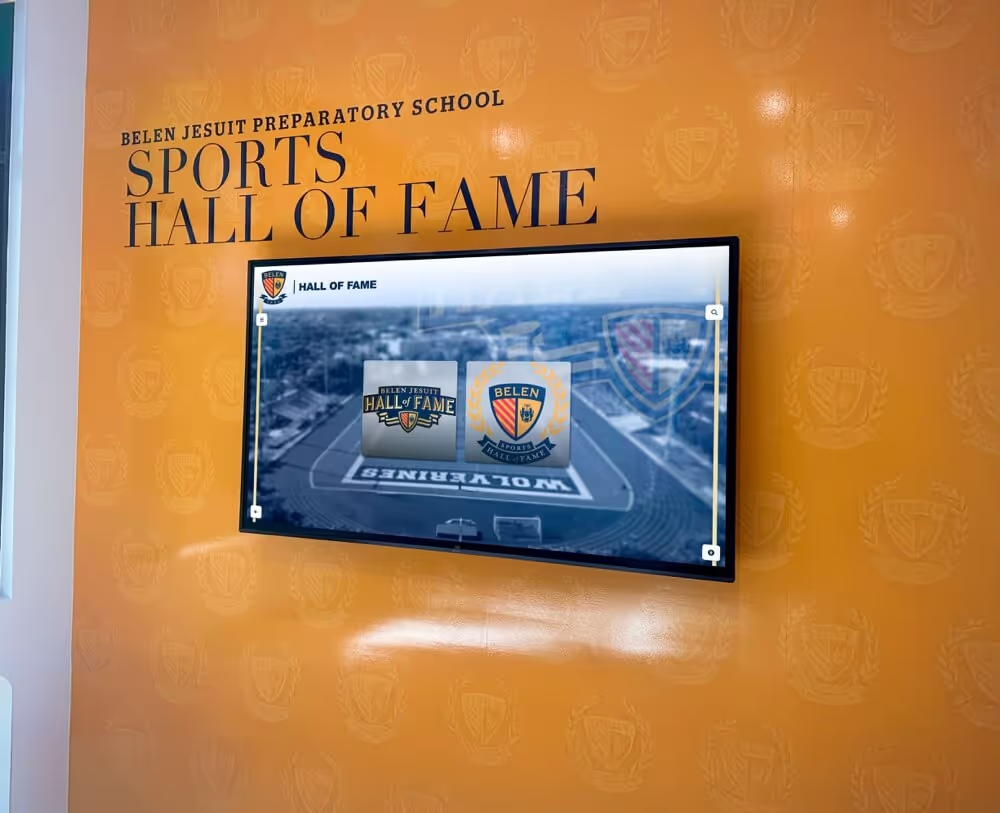
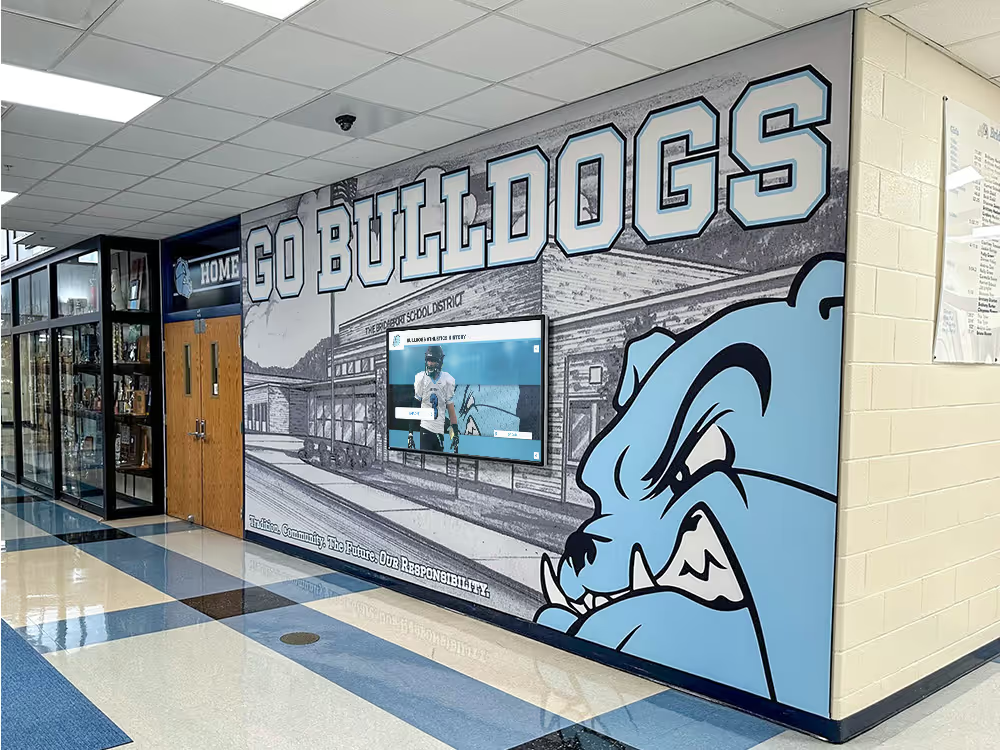
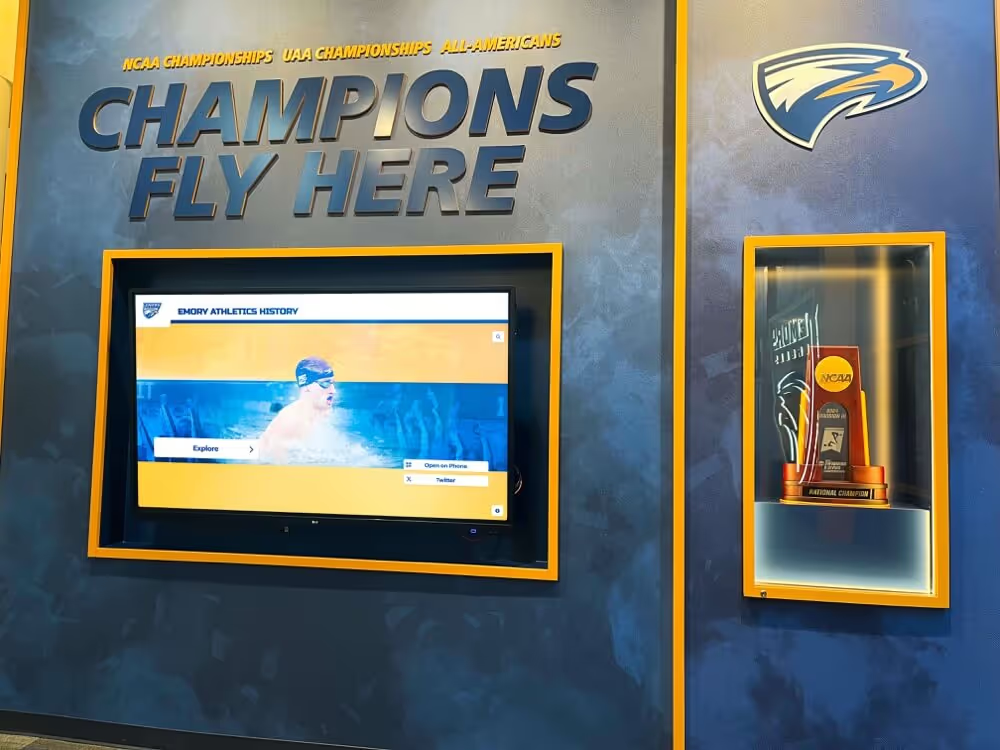
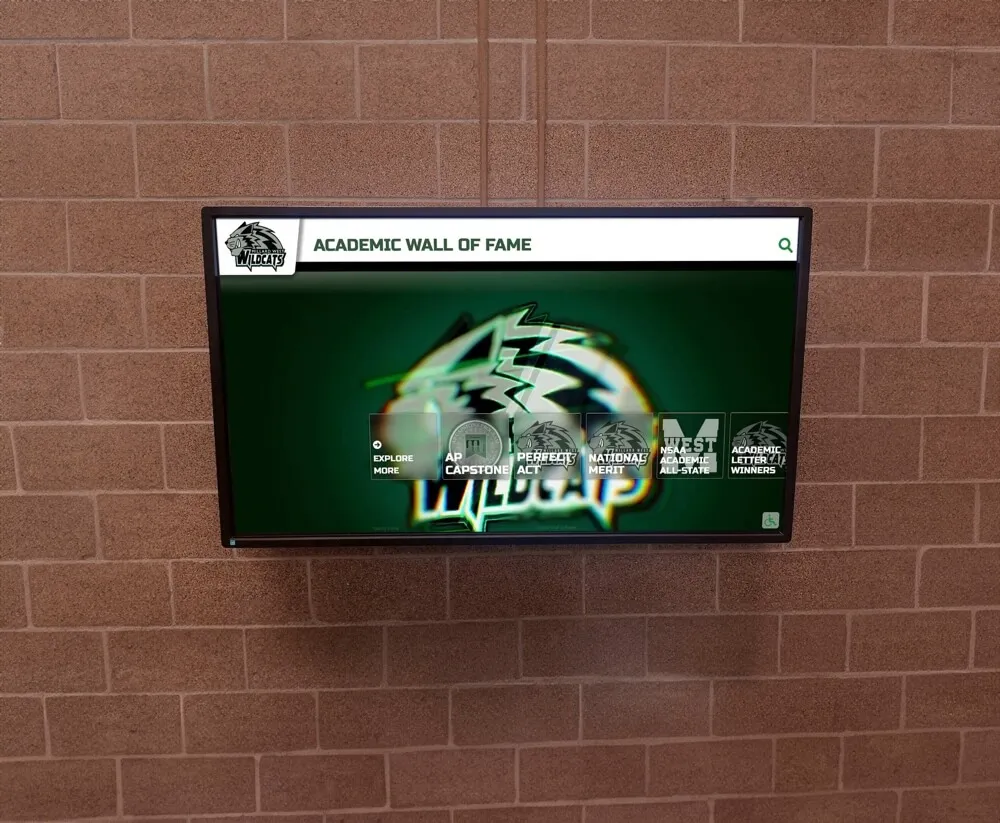
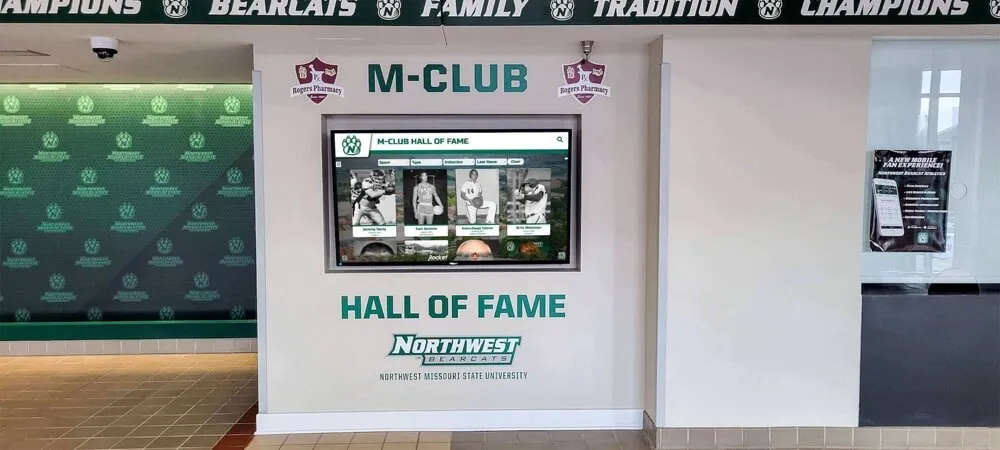
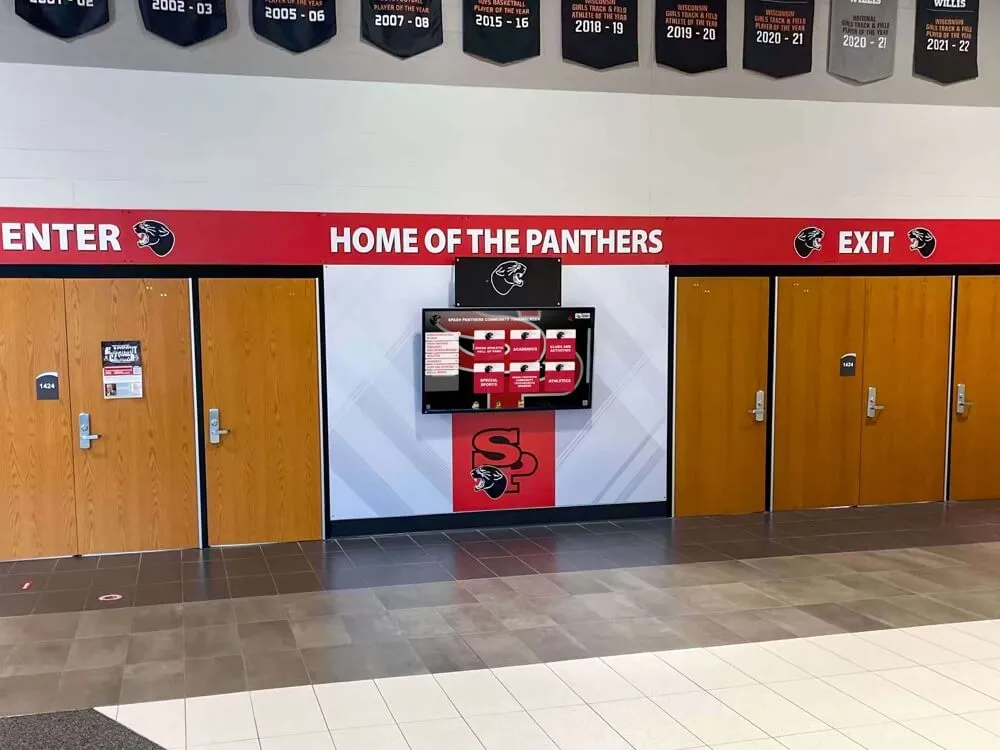
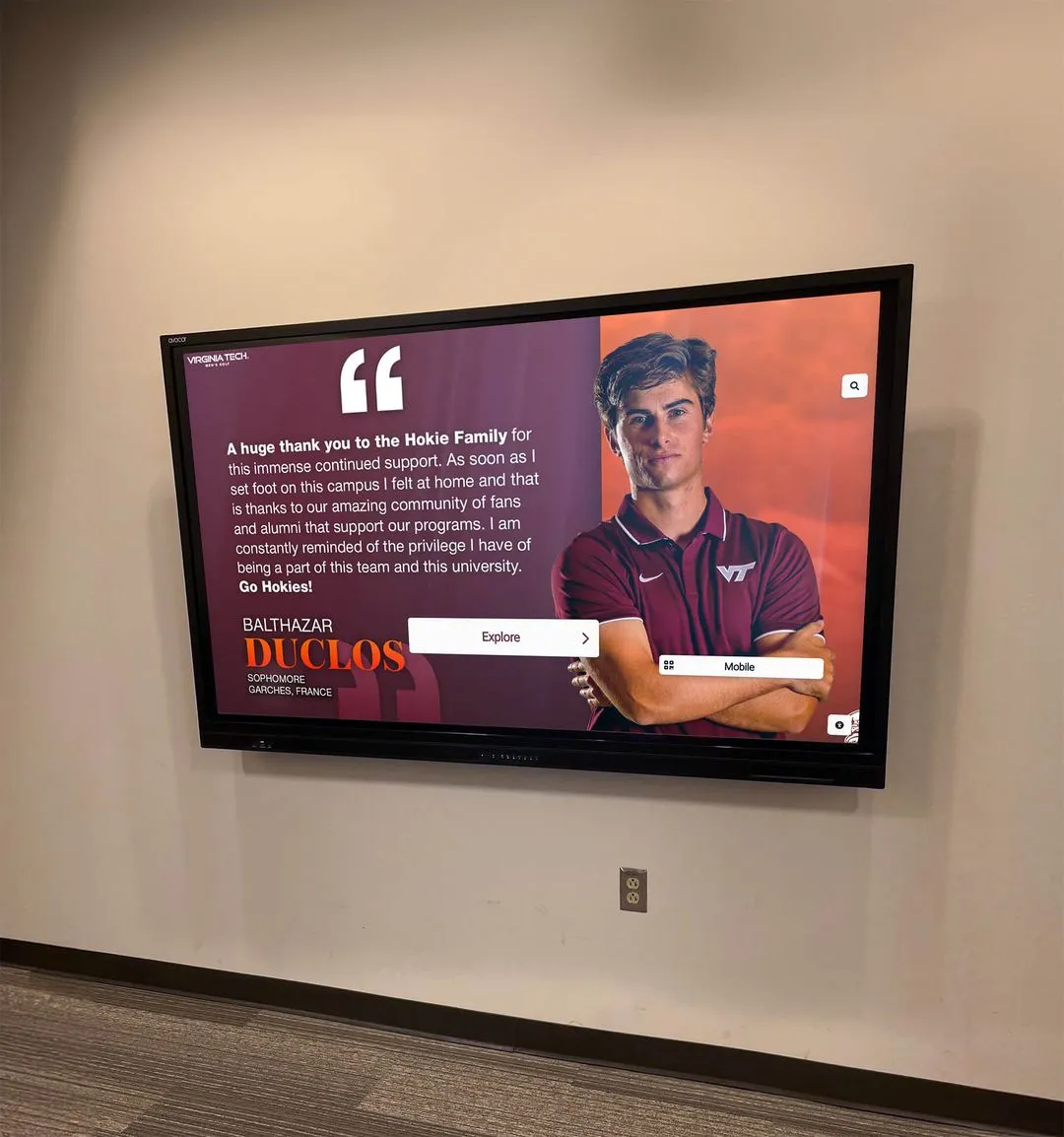
Digital displays enhance ceremony venues by showcasing recipient highlights and achievement documentation
Essential Venue Requirements Checklist
Regardless of venue type, ensure these critical elements are available:
Capacity and Layout
- Seating for all expected attendees plus 15-20% buffer
- Clear sightlines to presentation area from all seats
- Accessibility compliance for attendees with mobility needs
- Adequate aisle space for recipient movement during presentations
Technology Infrastructure
- Reliable audiovisual system with microphones and speakers
- Screen or projection capabilities for multimedia presentations
- Sufficient electrical outlets and technical support
- Internet connectivity if incorporating live streaming
Logistical Necessities
- Adequate parking accommodating expected attendance
- Climate control appropriate for season and crowding
- Restroom facilities proportional to attendee numbers
- Loading access for equipment, catering, and setup needs
Atmosphere and Ambiance
- Lighting control enabling both presentation visibility and formal atmosphere
- Acoustics allowing clear audio throughout space
- Professional appearance reflecting event significance
- Decoration and customization possibilities
Timing and Scheduling Considerations
Event timing significantly affects attendance and overall success:
Optimal Scheduling for Different Audiences
School Award Ceremonies
- Evening events (6:00-8:00 PM) maximize family attendance
- Weeknight scheduling (Tuesday-Thursday) generally works better than Fridays
- Avoid conflicts with major school events, testing periods, or holidays
- Consider multiple ceremony dates if recognizing large numbers prevents reasonable length
Athletic Team Recognition
- Senior night celebrations during final home competitions
- End-of-season banquets 1-2 weeks after season conclusion
- Sunday afternoon or weekday evening timing
- Build excitement through advance promotion while season is fresh
Employee Recognition Events
- Quarterly or annual recognition aligned with fiscal cycles
- Avoid peak business periods when staff availability is limited
- Consider lunch events for shorter, efficient recognition
- Reserve comprehensive celebrations for major milestones
Designing an Engaging Ceremony Program
Program structure determines whether ceremonies feel meaningful and engaging or tedious and forgettable.
Optimal Program Length and Pacing
Target Duration Guidelines
- Elementary school events: 45-60 minutes maximum
- Middle and high school ceremonies: 60-90 minutes
- Adult professional events: 75-120 minutes
- Large organizational galas: 2-3 hours including meal service
Audiences maintain engagement more easily when programs respect these timeframes. Events exceeding recommended durations experience declining attention, restlessness, and reduced impact of later recognition moments.
Essential Program Components
Structure your ceremony flow to balance efficiency with meaningful recognition:
Opening and Welcome (5-8 minutes)
- Welcome remarks from organizational leader or ceremony host
- Brief context about the ceremony’s purpose and significance
- Acknowledgment of special guests, supporters, or sponsors
- Overview of program structure so attendees know what to expect
Recognition Segments (50-70% of total time)
The core ceremony should dedicate the majority of time to actual award presentations rather than lengthy speeches:
Individual Award Recognition Format
- Call recipient name and invite to presentation area
- Share 2-3 specific sentences about why they’re receiving recognition
- Present award with handshake or appropriate ceremonial gesture
- Allow time for applause and photo before next recipient
- Average 45-90 seconds per individual recipient
Group or Team Recognition
- Introduce entire group or team
- Highlight collective achievement or season summary
- Call individuals forward as group
- Group photo opportunity
- 3-5 minutes per team depending on size
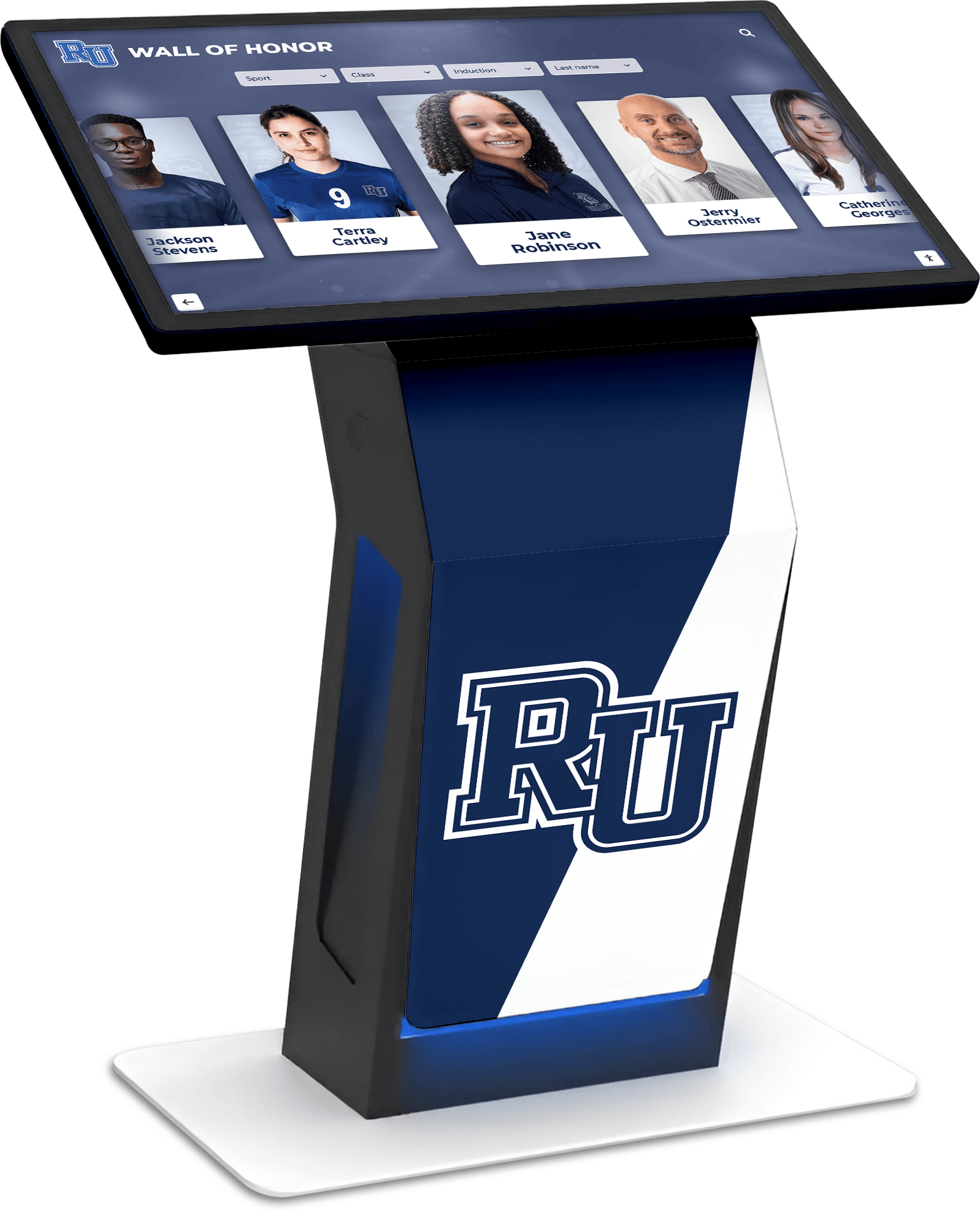
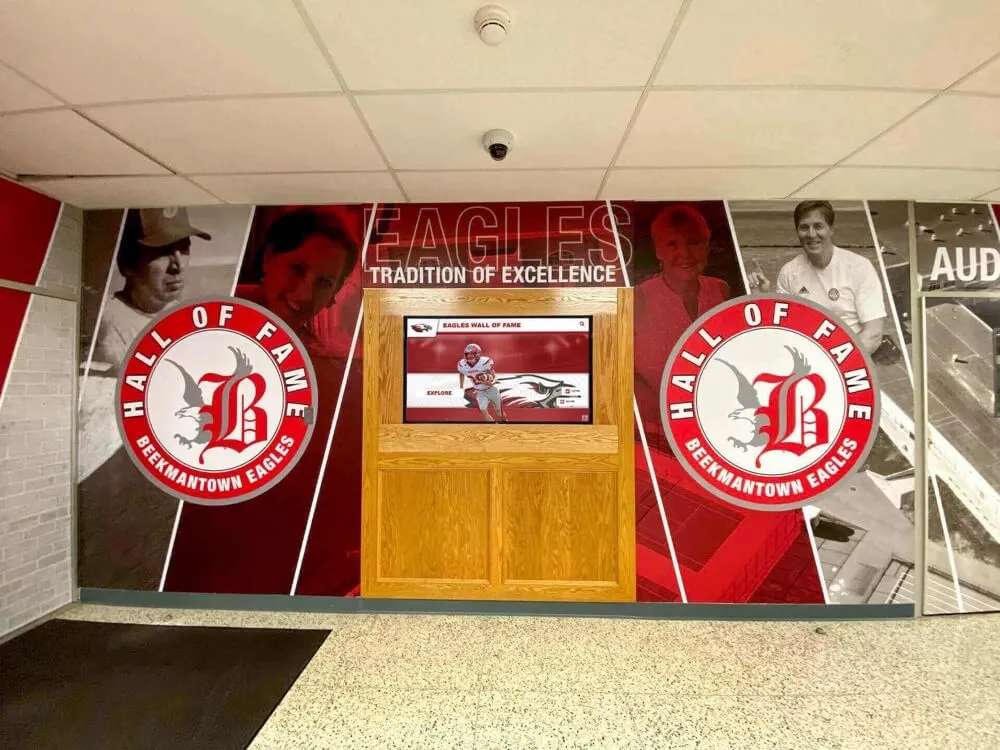
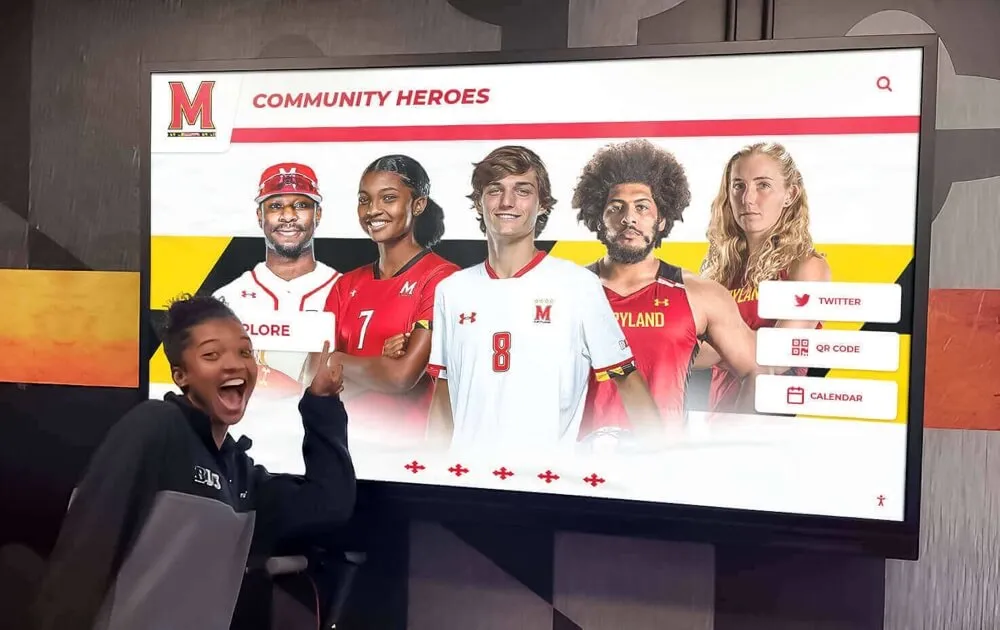
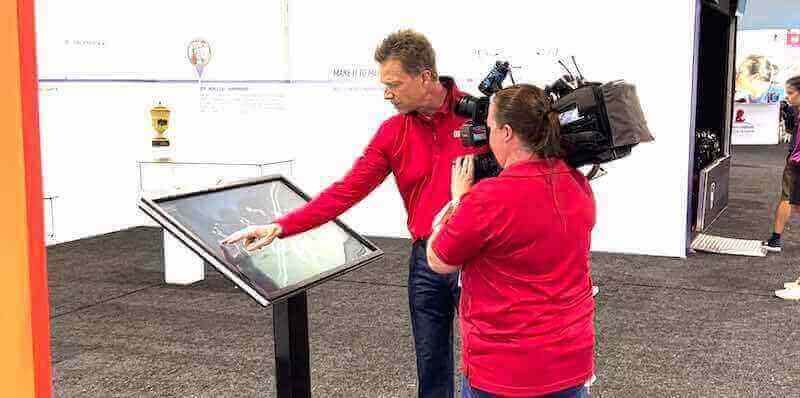
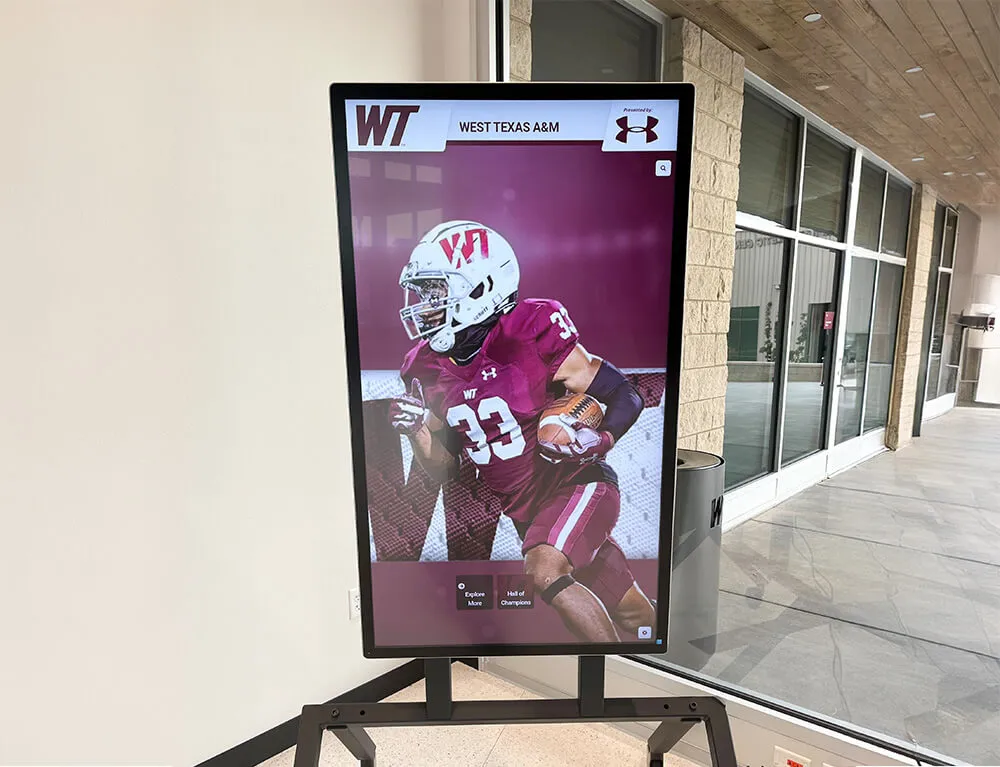
Touchscreen kiosks in ceremony venues let attendees explore award recipient profiles and achievements
Special Features and Highlights (15-25% of total time)
- Keynote or motivational speaker (if included, 8-12 minutes maximum)
- Multimedia presentations celebrating recipients or season highlights
- Special recognition for retiring personnel, major milestone achievements
- Student, athlete, or employee testimonials (brief, pre-selected, time-limited)
Closing (3-5 minutes)
- Final acknowledgments and appreciation
- Information about post-ceremony reception or activities
- Group photo opportunities announcement
- Clear dismissal so attendees understand program conclusion
Making Recognition Personal and Meaningful
The difference between perfunctory and impactful recognition lies in specificity and personalization:
Writing Effective Recognition Citations
Generic: “Sarah Johnson - Academic Excellence Award”
Specific: “Sarah Johnson - Science Excellence Award. Sarah’s innovative experiment testing soil composition effects on plant growth earned state science fair recognition and demonstrated exceptional scientific inquiry. Her peer tutoring in biology helped five struggling students pass the course.”
The specific version tells a story attendees remember, validates Sarah’s particular contributions, and creates a moment she’ll treasure rather than a forgettable name mention.
Training Presenters for Effective Delivery
- Pronounce recipient names correctly (verify pronunciation in advance)
- Make eye contact during presentation
- Speak enthusiastically and genuinely rather than reading monotonously
- Pause for applause between recipients rather than rushing through
- Shake hands or offer appropriate congratulatory gesture to each recipient
Incorporating Technology and Digital Recognition
Modern award ceremonies benefit significantly from technology that enhances presentations and extends recognition beyond the event.
Multimedia Presentation Elements
Highlight Videos and Slideshows
Create visual presentations that showcase recipients:
- Season highlight reels for athletic award ceremonies
- Academic achievement montages with student photos
- Employee contribution videos demonstrating impact
- “Then and now” retrospectives for hall of fame inductions or career milestone celebrations
Keep videos concise (3-5 minutes maximum per segment) to maintain pacing while adding emotional depth to recognition.
Live Recognition Displays
Project recipient information during presentations:
- Professional photo of award winner displayed during recognition
- Achievement statistics, accomplishments, or biographical details
- Visual documentation of what recipient accomplished
- QR codes linking to comprehensive digital profiles
This visual reinforcement helps audiences connect names with faces while creating photo opportunities for recipients with their information displayed prominently.
Digital Recognition That Extends Beyond the Ceremony
The most innovative schools and organizations implement permanent digital recognition displays that ensure ceremony-recognized achievements receive ongoing visibility:
Unlimited Recognition Capacity
Traditional trophy cases and wall plaques face severe space limitations, forcing difficult decisions about which award recipients receive lasting recognition. Digital recognition platforms eliminate these constraints:
- Showcase every ceremony award recipient across all years
- Include comprehensive profiles with photos, achievements, and biographical information
- Add new recipients immediately after each ceremony without physical installation
- Preserve complete organizational recognition history without space limitations
Interactive Exploration Features
Solutions like Rocket Alumni Solutions transform recognition through touchscreen displays enabling:
- Searchable databases where ceremony attendees explore all recipients
- Detailed achievement profiles expanding on ceremony presentations
- Photo galleries preserving recognition moments
- Year-by-year browsing showing organizational recognition patterns
- Category filtering (athletic awards, academic honors, service recognition)

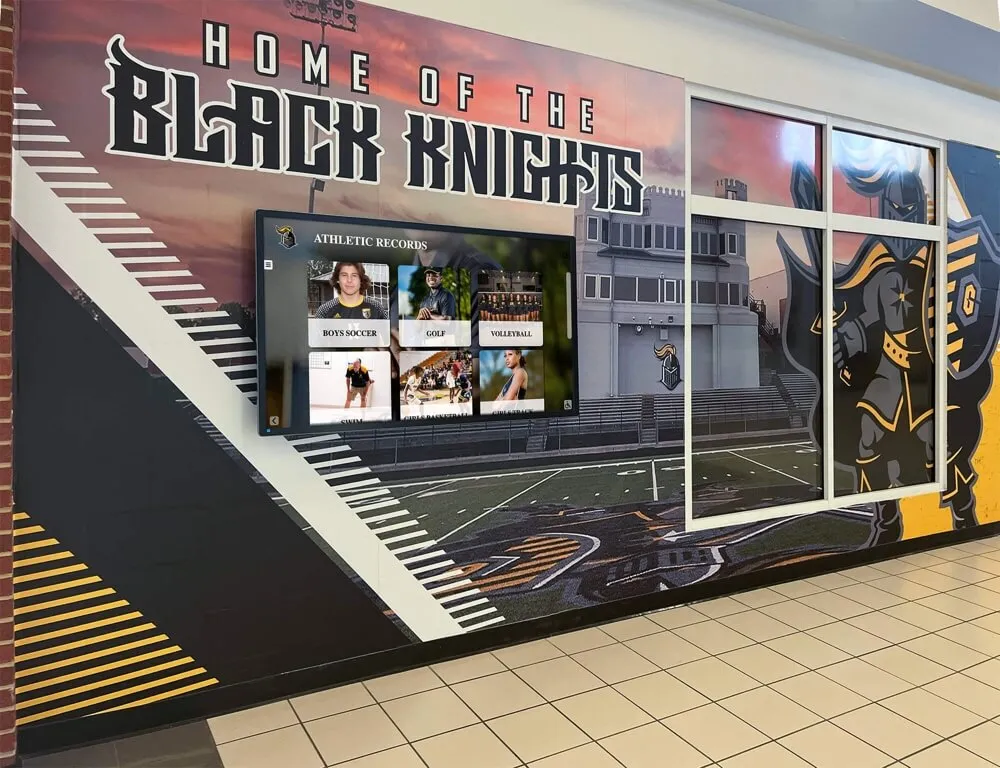
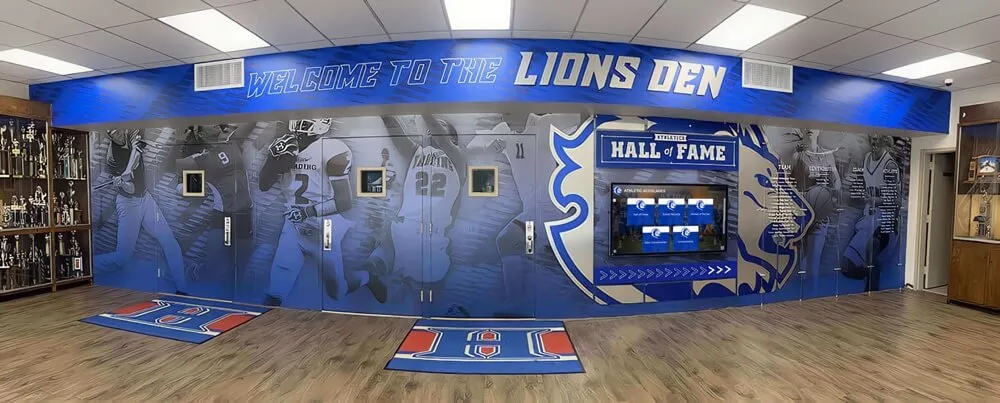
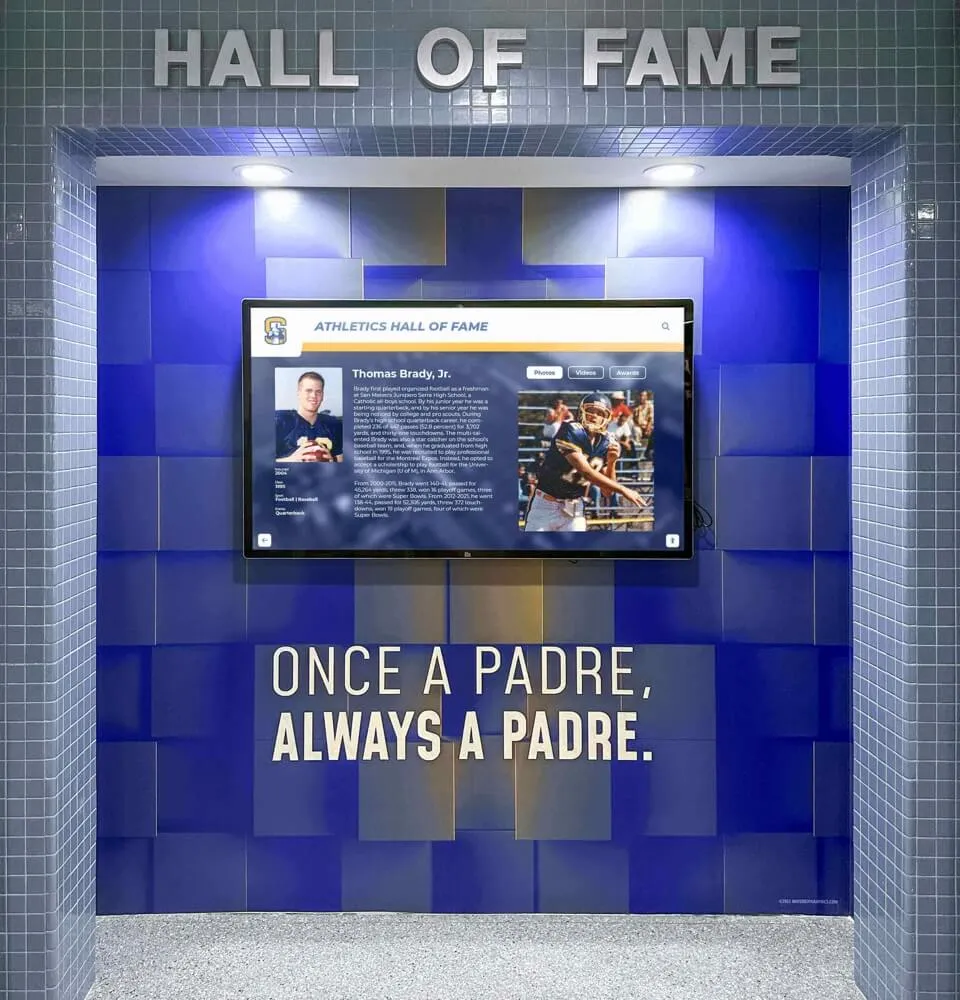
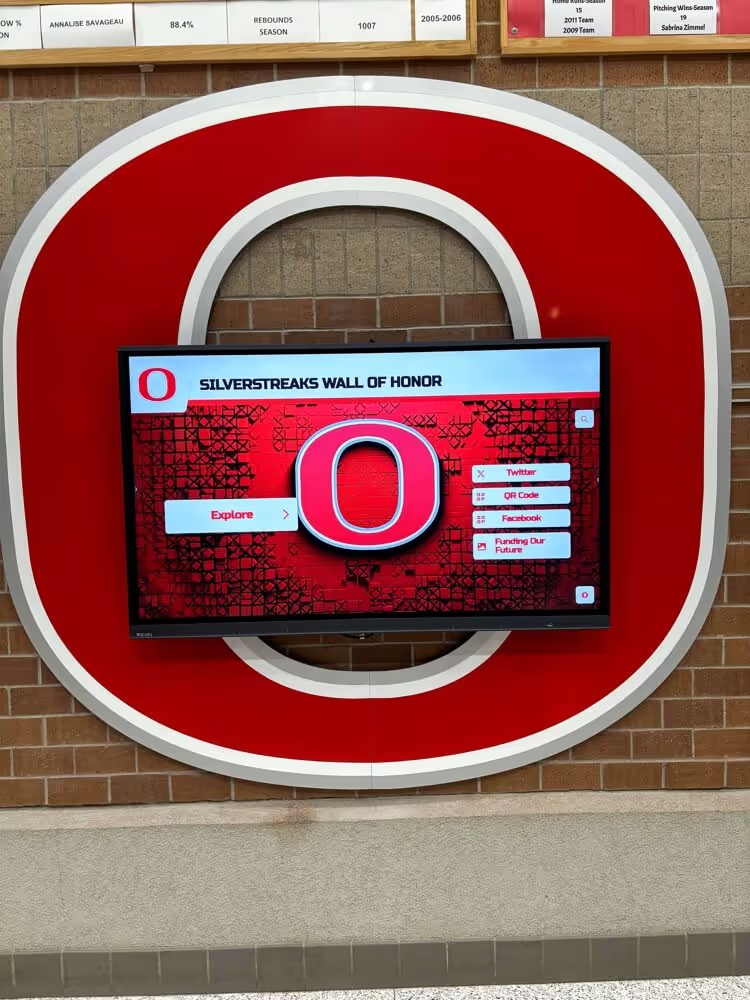
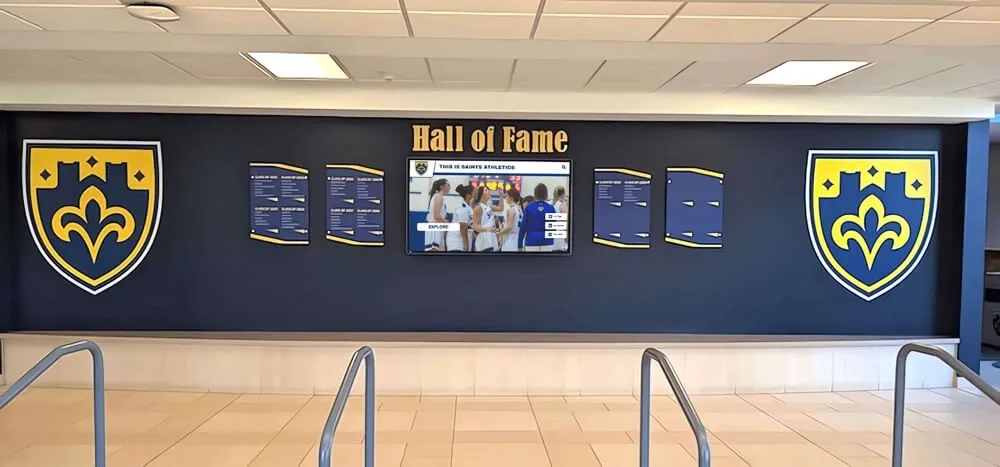
Lobby recognition displays create professional presentations celebrating ceremony award recipients permanently
Mobile and Remote Accessibility
Digital recognition extends beyond physical locations:
- QR codes at ceremony venues linking to comprehensive online profiles
- Web-based access enabling family members unable to attend in person to view recognition
- Social media integration amplifying ceremony celebration
- Alumni and former recipients connecting with current award winners
- College application supplements documenting formal recognition
Administrative Efficiency
Cloud-based recognition systems overcome traditional update challenges:
- Remote content management requiring no technical expertise
- Updates from any internet-connected device in minutes
- Scheduled publishing coordinating with ceremony dates
- Always-current information without physical replacement costs
- Integration with school or organizational communications
Schools and organizations planning comprehensive award programs should explore event planning strategies that incorporate both memorable ceremonies and permanent recognition systems.
Physical Awards and Recognition Materials
The tangible items recipients take home carry symbolic significance requiring thoughtful selection:
Types of Physical Recognition
Certificates and Plaques
- Professional certificates printed on quality cardstock or parchment
- Framed certificates for major awards adding displayability
- Engraved plaques for significant achievements
- Custom designs reflecting organizational branding
Trophies and Medals
- Traditional trophies for competitive awards and championships
- Custom medals for individual achievement recognition
- Engraved awards with recipient names and accomplishment details
- Varied sizes reflecting award level and significance
Practical Recognition Items
- School or organization-branded apparel (jackets, hoodies, polo shirts)
- Professional portfolio items (padfolios, business card holders, desk accessories)
- Recognition pins or badges recipients can wear
- Custom awards reflecting specific achievements (art portfolios, athletic equipment)
Balancing Quality with Budget
Award materials should feel substantial and professional while remaining financially sustainable:
Cost-Effective Quality Strategies
- Bulk certificate ordering reduces per-unit costs significantly
- Standard trophy styles with custom engraving provide professional appearance at reasonable prices
- Selective use of premium awards for highest honors maintains special significance
- Parent organization, booster club, or sponsor support can fund recognition materials
- Multi-year purchasing agreements with vendors reduce costs
When to Invest in Premium Recognition
- Hall of fame inductions and lifetime achievement awards
- Championship recognition and major competitive achievements
- Milestone celebrations (retirement, 20+ years service)
- Awards recipients may reference in college applications or professional contexts
The goal is ensuring recognition feels valued and professional rather than cheap or perfunctory, with investment proportional to achievement significance.
Catering and Reception Planning
For ceremonies including food service, strategic planning ensures smooth execution:
Determining Appropriate Catering
Simple Refreshment Receptions
Suitable for:
- Afternoon or evening ceremonies without dinner component
- Budget-conscious events
- Shorter programs focusing primarily on recognition
Typically includes:
- Light appetizers and finger foods
- Beverages (punch, water, coffee)
- Simple desserts or cookies
- Self-service setup enabling informal socializing
Full Meal Service
Appropriate for:
- Major annual recognition events
- Ceremonies where meal is central gathering element
- Organizations with catering budget allocation
- Events lasting 2+ hours
Options include:
- Buffet service offering variety and efficient serving
- Plated dinners providing formal atmosphere
- Box meals or pre-ordered selections for efficient service
- Dessert receptions following separate dinner
Timing Catering Strategically
Pre-Ceremony Social Hour
- Allows arrivals at staggered times without missing program
- Provides informal networking and socializing opportunity
- Reduces restlessness if ceremony begins promptly at scheduled time
- Light appetizers and beverages only
Post-Ceremony Reception
- Enables focused ceremony without meal service interruption
- Allows attendees to depart after recognition if needed
- Creates informal celebration atmosphere
- Facilitates congratulations and photo opportunities
Split Format with Meal During Ceremony
- Serves meal during opening portions of program
- Dedicates formal recognition time after eating concludes
- Requires careful sound management during meal service
- Works well for large events where food service efficiency matters
Special Considerations for Different Ceremony Types
Various recognition events require tailored approaches:
Academic Award Ceremonies
Inclusive Recognition Approaches
Academic ceremonies should balance celebrating top achievement with acknowledging growth at all levels:
- Multiple honor roll tiers ensuring recognition across achievement ranges
- Subject-specific awards recognizing strength in particular areas
- Most improved recognition celebrating significant growth
- Character and citizenship awards acknowledging non-academic contributions
- Perfect attendance and participation recognition
Comprehensive end-of-year award ceremony planning ensures all student achievement levels receive appropriate acknowledgment.
Timing and Format Considerations
- Schedule during final weeks when excitement about recognition peaks
- Consider separate ceremonies by grade level if recognizing large numbers
- Incorporate student speakers or performances adding engagement
- Allow time for family photos after ceremony concludes
Athletic Team Award Banquets
Seasonal Recognition Approaches
Sports banquets typically include:
- Season recap with highlight video or coach summary
- Team statistics and accomplishment summary
- Individual award presentations (MVP, most improved, coaches’ awards)
- Senior athlete recognition with career highlights
- Coach acknowledgments and assistant coach appreciation
Balancing Competition with Team Unity
Individual awards within team settings require careful handling:
- Clearly communicate that awards recognize specific achievements without diminishing other contributions
- Ensure every team member receives meaningful recognition
- Balance competitive awards (MVP, all-conference) with inclusive recognition (commitment awards, teammate awards)
- Celebrate team accomplishments before individual honors
Employee and Professional Recognition Events
Career Milestone Celebrations
Professional recognition often centers on longevity and sustained contribution:
- Years of service awards at 5, 10, 15, 20, 25+ year intervals
- Retirement celebrations honoring career-long commitment
- Promotion announcements and leadership transitions
- Innovation and initiative recognition
Performance-Based Recognition
Merit-based awards acknowledge exceptional contribution:
- Top performer or sales achievement awards
- Customer service excellence recognition
- Project completion and goal achievement acknowledgment
- Team collaboration and leadership awards
Post-Ceremony Follow-Up and Extended Recognition
The ceremony represents one moment in comprehensive recognition programs:
Immediate Post-Event Activities
Photography and Documentation
- Professional photographer or designated volunteers capturing ceremony moments
- Group photos with award recipients and presenters
- Individual photos with awards for recipients to share
- Video recording of entire ceremony for archival and absent family viewing
Social Media and Communications
- Ceremony highlights shared on organizational social media
- Individual recipient spotlights with photos and achievement details
- Thank you messages to supporters, sponsors, and volunteers
- Photo galleries available for recipients and families to download
Creating Lasting Recognition Visibility
Physical Display Updates
- Trophy cases updated with new awards and recipient names
- Hallway bulletin boards featuring ceremony photos and recipient lists
- Entrance displays welcoming visitors with recognition celebration
Digital Recognition Integration
The most forward-thinking organizations extend ceremony recognition through permanent digital displays:
- Ceremony award recipients added to searchable recognition databases
- Comprehensive profiles preserving achievement documentation
- Interactive touchscreen kiosks in lobbies enabling ongoing exploration
- Web-based directories accessible to extended families and alumni
- Mobile-friendly viewing through QR codes and responsive design
Extend Award Ceremony Recognition Beyond Event Day
Transform award ceremonies from single-day events into lasting recognition that continues celebrating recipients year-round. Digital recognition displays provide unlimited capacity to showcase every award winner through interactive profiles, searchable databases, and professional presentations—ensuring ceremony honorees receive the ongoing visibility their achievements deserve. Modern recognition technology integrates seamlessly with ceremony planning, creating comprehensive programs that honor excellence permanently.
Explore Recognition SolutionsMeasuring Ceremony Success and Gathering Feedback
Effective evaluation ensures continuous improvement:
Success Indicators
Attendance and Participation
- Actual attendance compared to expected numbers
- Family and supporter presence at ceremonies
- Recipient attendance rates
- Presenter and volunteer participation
Engagement Metrics
- Audience attention and responsiveness during program
- Social media engagement and sharing of ceremony content
- Photo downloads and content requests
- Feedback from recipients about their experience
Operational Execution
- Program pacing and adherence to timeline
- Technology and audiovisual performance
- Venue suitability and logistics
- Food service quality and efficiency
Gathering Constructive Feedback
Post-Event Surveys
Brief surveys (5-7 questions) sent to attendees capture immediate impressions:
- Overall satisfaction rating
- Program length appropriateness
- Venue and logistics effectiveness
- Recognition presentation quality
- Suggestions for future improvements
Informal Feedback Collection
- Conversations with recipients and families after ceremony
- Staff and volunteer debriefing within days of event
- Social media comments and reactions
- Parent organization or booster club feedback
Continuous Improvement Planning
- Document lessons learned while details remain fresh
- Identify specific changes for next ceremony
- Update planning templates and checklists
- Preserve what worked well while addressing weaknesses
Budget Planning and Resource Allocation
Comprehensive award ceremonies require strategic financial planning:
Typical Award Ceremony Budget Components
Venue and Facilities: 20-30% of budget
- Rental fees (if applicable)
- Setup and cleanup services
- Technology and audiovisual equipment rental
Recognition Materials: 25-35% of budget
- Certificates, trophies, medals, plaques
- Award presentation folders or packaging
- Printing and customization costs
Catering and Refreshments: 30-40% of budget
- Meal service or refreshments
- Service staff and gratuity
- Rental equipment (tables, linens, serving pieces)
Program Materials and Decorations: 5-10% of budget
- Printed programs
- Decorations and table centerpieces
- Banners and signage
- Photography services
Contingency Reserve: 5-10% of budget
- Unexpected expenses
- Last-minute additions or changes
- Emergency needs
Funding Sources and Sponsorship
Organizational Budget Allocation
- Annual budget line items for recognition programs
- Department or program-specific funding
- Activity fees or event charges when appropriate
External Support
- Parent organization or booster club funding
- Local business sponsorships with appropriate acknowledgment
- Alumni association contributions
- Grant opportunities for recognition program development
Cost-Saving Strategies
- Utilize in-house venues avoiding rental fees
- Volunteer setup and serving reducing labor costs
- Digital programs instead of printed materials
- Strategic sponsor partnerships providing goods or services
Conclusion: Creating Award Ceremonies That Matter
Award ceremonies represent far more than routine obligations or perfunctory recognition requirements. Thoughtfully planned recognition events validate achievement, create lasting memories, build organizational culture celebrating excellence, and provide ceremonial milestones that recipients remember throughout their lives. The difference between ceremonies that genuinely impact participants and events that feel like tedious obligations lies entirely in strategic planning, personal touches, efficient execution, and systems ensuring recognition extends beyond the single ceremony day.
Effective award ceremony planning balances formality with warmth, celebrates individual achievement while building community, respects attendees’ time through efficient pacing, personalizes recognition rather than offering generic acknowledgment, and creates permanent visibility ensuring achievements receive lasting celebration.
Organizations implementing comprehensive recognition programs discover that ceremonies become anticipated highlights rather than dreaded obligations. Recipients feel genuinely valued when recognition reflects the significance of their accomplishments. Families appreciate opportunities to celebrate achievements together. Communities build stronger cultures where excellence receives consistent celebration and ongoing visibility.
The most innovative approach combines memorable ceremony experiences with permanent digital recognition systems that continue showcasing award recipients long after events conclude. Modern digital recognition platforms provide unlimited capacity to honor every award winner through interactive displays, detailed achievement profiles, and professional presentations accessible to extended families and alumni—ensuring ceremony recognition endures permanently rather than fading after brief celebration moments.
Ready to transform how your organization celebrates achievement? Discover comprehensive solutions that combine memorable award ceremonies with lasting digital recognition, creating programs where excellence receives the ongoing celebration it truly deserves.