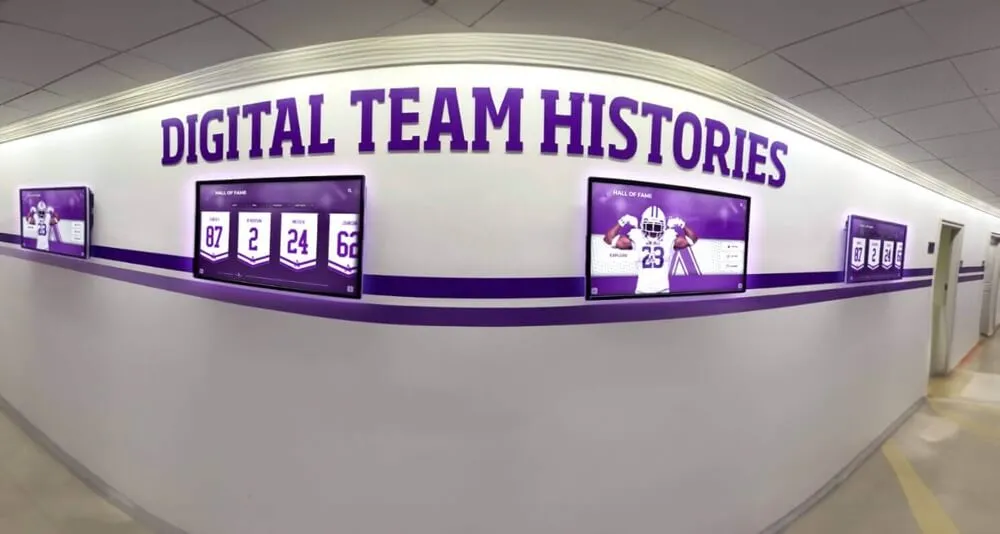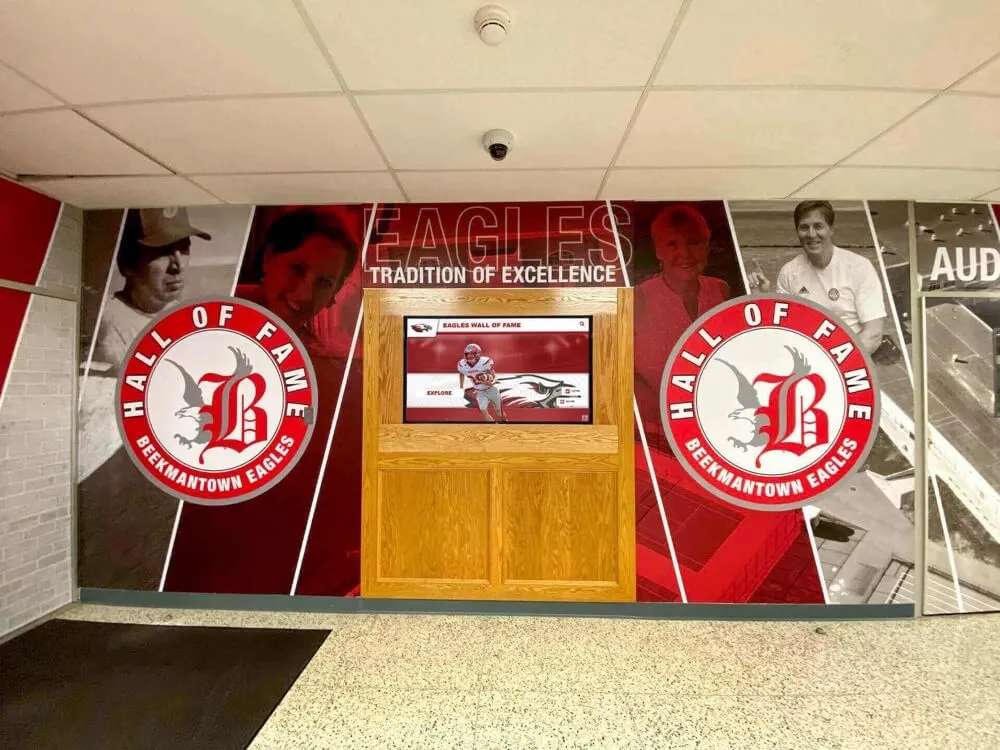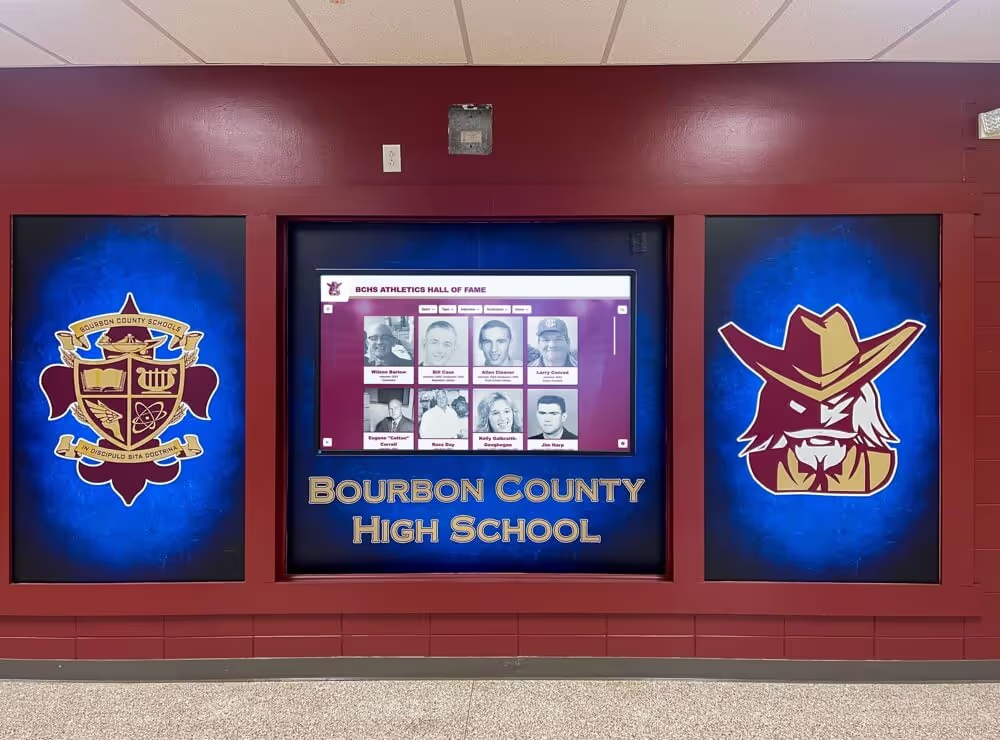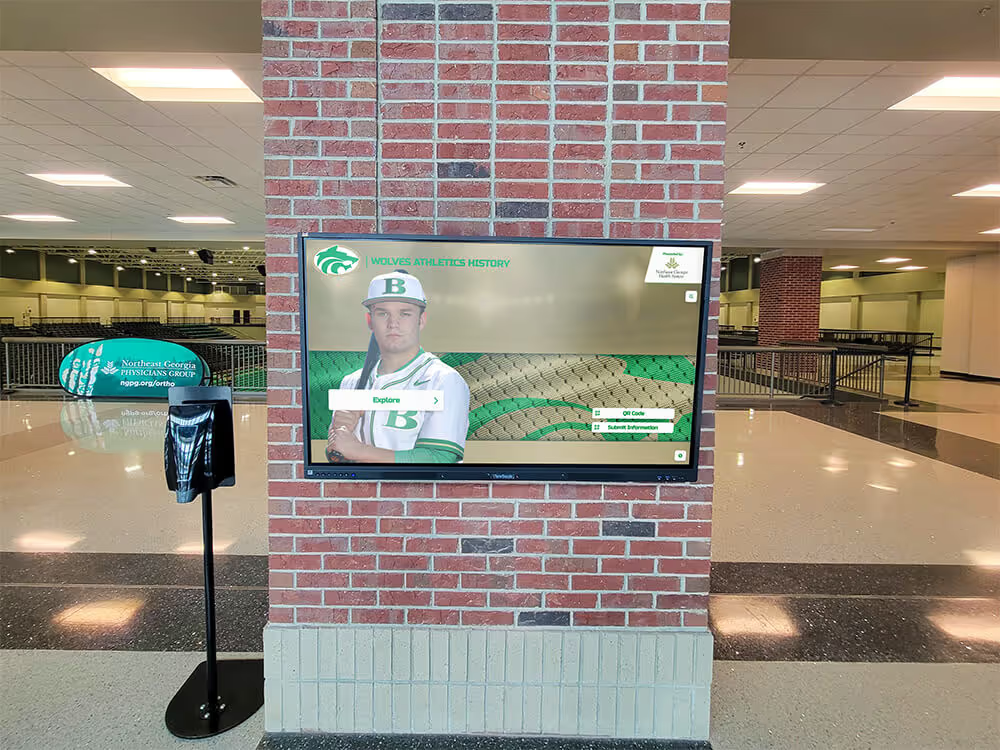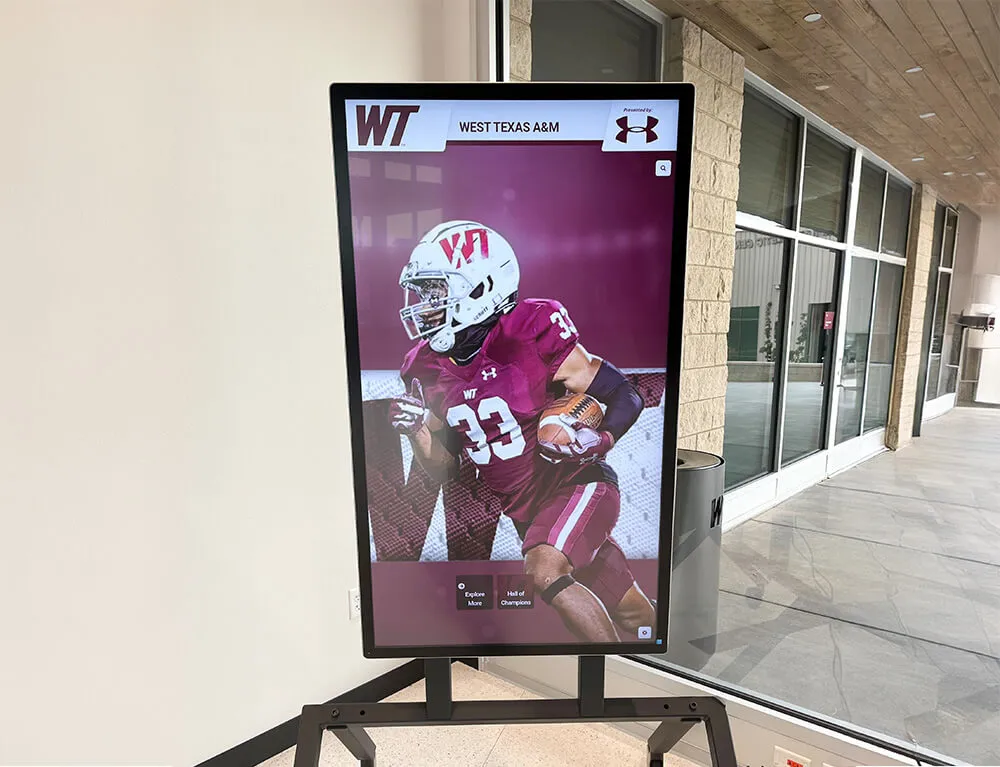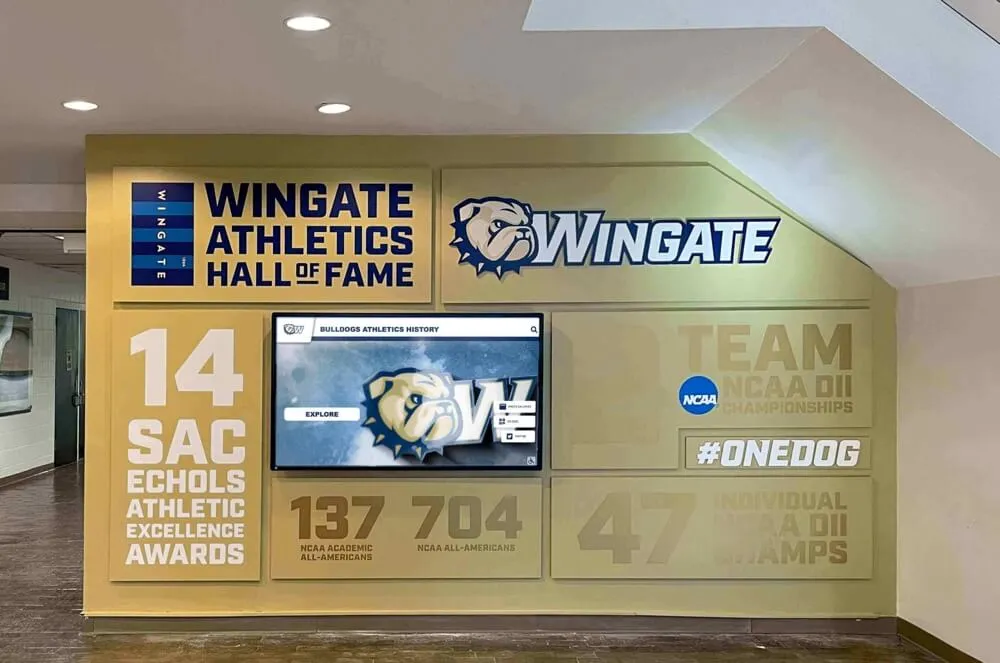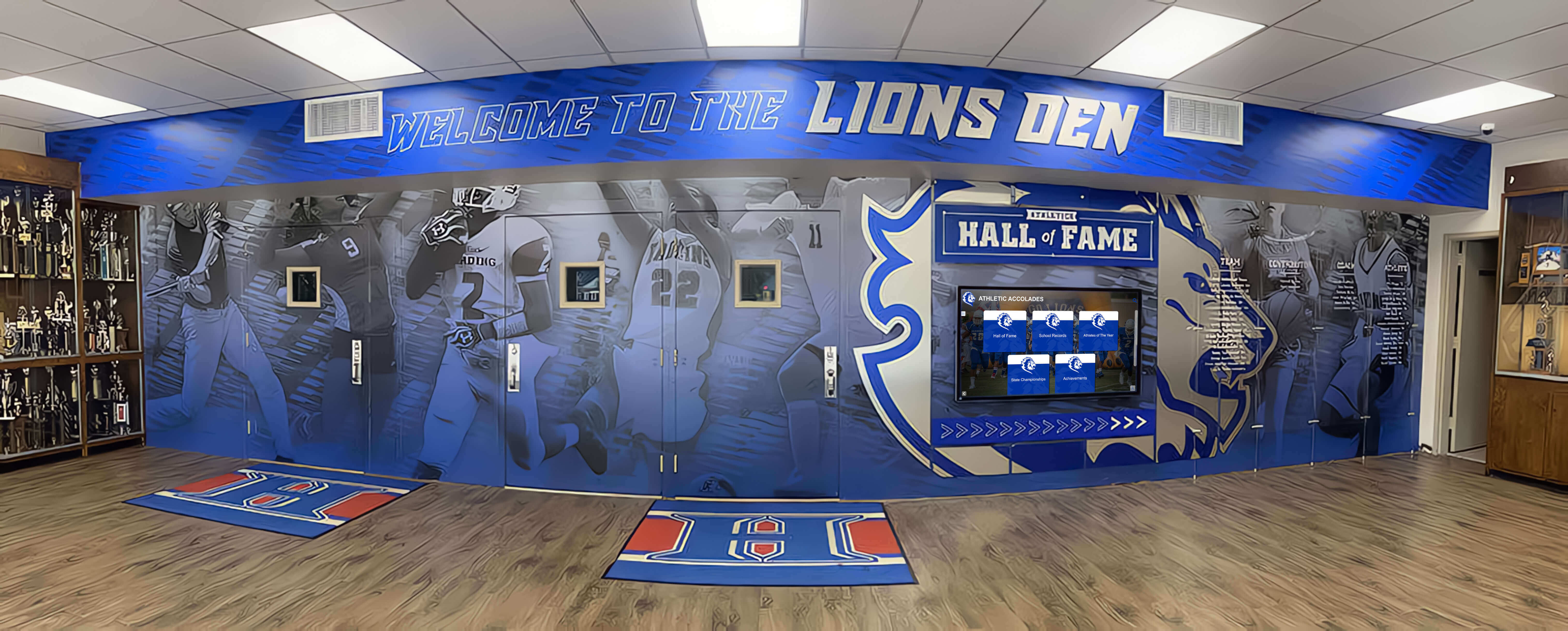




Intent: research — an athletic memorabilia chain of custody form is a structured document that records every person, location, and condition change associated with a piece of school athletic memorabilia from acquisition through its current location. Schools use these forms to protect jersey collections, championship trophies, game balls, photographs, and retired equipment from loss, unauthorized removal, or provenance disputes — especially when items move between storage, display cases, loan agreements, and off-site exhibitions. This guide provides a complete field table you can adapt into a working form, a numbered seven-step workflow for completing it correctly, and guidance on how a digital trophy case system reinforces chain-of-custody accountability.
A retired championship jersey sits in your athletic director’s storage closet. A local historical society asks to borrow it for a six-week exhibit. Six months later, the jersey is back in your building — but nobody recorded who transported it, what condition it was in when it left, or whether the same staff member who signed it out received it on return.
This scenario plays out at schools across the country. Without a formal chain-of-custody process, athletic departments lose track of where significant items are, who last handled them, and whether condition changes occurred during a transfer. The result is ambiguity about ownership, inability to file insurance claims for damaged pieces, and gaps in the institutional record that matter most when items are historically significant.
An athletic memorabilia chain of custody form closes that gap. It is not bureaucratic overhead — it is the paper trail that preserves both the physical object and its story.

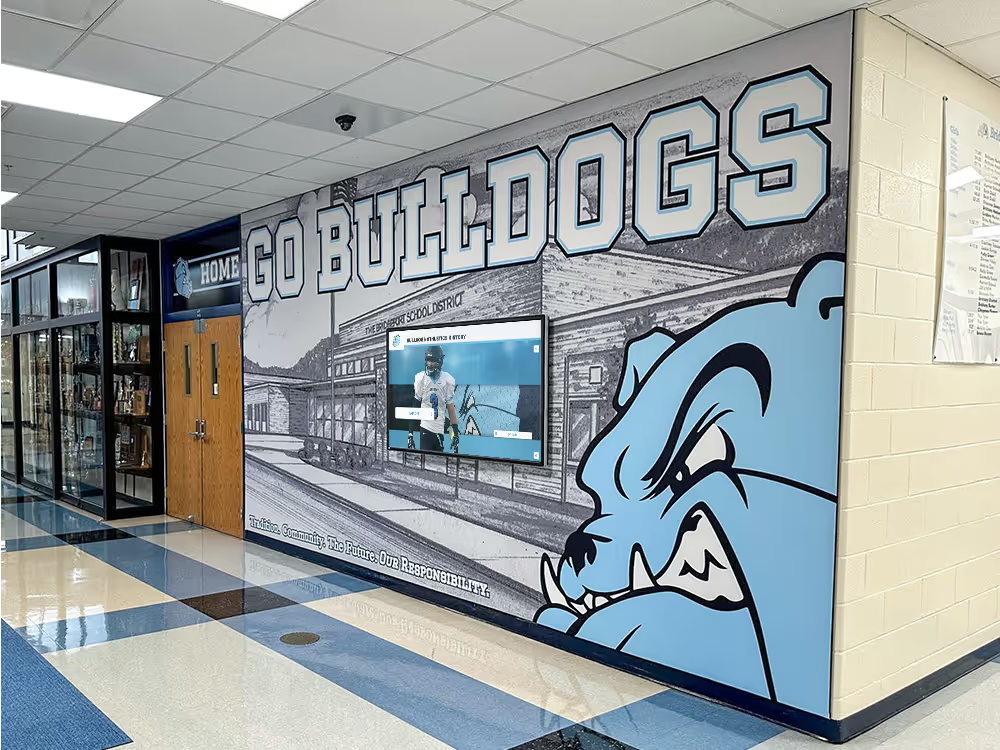
Every jersey, trophy, photograph, and plaque in a school's display cases has a story — chain of custody documentation ensures that story stays accurate as items move
What an Athletic Memorabilia Chain of Custody Form Covers
A chain of custody form for athletic memorabilia documents four types of events:
- Loans: an item leaves your facility for a defined period and returns
- Permanent transfers: an item moves to a different department, building, or organization permanently
- Display handling: an item moves within your facility (from storage to case, from case to cleaning, from exhibit to archive)
- Condition assessments: a formal record of an item’s physical state at a specific date
Each event creates a new line in the item’s custody record. Over time, that record becomes the authoritative provenance document — useful for insurance purposes, historical research, and any dispute about an item’s origin or current status.
Field Table: Athletic Memorabilia Chain of Custody Form
The following table describes every field a school’s chain of custody form should include. You can replicate this structure in a spreadsheet, a printed binder sheet, or a digital records system.
| Field | Description | Notes |
|---|---|---|
| Item ID | Unique alphanumeric identifier assigned at acquisition | Matches label affixed to item; never reused |
| Item Name | Common name of the item | e.g., “1987 State Championship Football Trophy” |
| Item Category | Trophy / Jersey / Banner / Photograph / Game Ball / Equipment / Other | Select one; drives storage and handling protocols |
| Sport / Activity | Sport or activity associated with the item | Football, Basketball, Swim, Band, etc. |
| Year / Season | Year or academic season of the achievement | e.g., “1987–88” or “Spring 2023” |
| Current Custodian | Name and title of person currently responsible for the item | Updated with every transfer |
| Current Location | Physical location: building, room, case number, or storage shelf | Be specific; “AD office” is not sufficient |
| Event Type | Loan / Transfer / Display Move / Condition Assessment | Required for each new entry |
| Event Date | Date the event occurred | MM/DD/YYYY format |
| Releasing Party Name | Full name of person releasing the item | Signature required on printed form |
| Releasing Party Title | Job title of releasing party | Athletic Director, Archivist, Head Coach, etc. |
| Receiving Party Name | Full name of person receiving the item | Signature required on printed form |
| Receiving Party Organization | School, museum, team, or department receiving the item | Especially important for loans |
| Condition at Release | Excellent / Good / Fair / Poor | Use consistent rating scale |
| Condition Notes at Release | Specific description of any damage, discoloration, or missing components | Photograph attached? Y / N |
| Expected Return Date | Date the item should return (loans only) | Leave blank for permanent transfers |
| Return Date (Actual) | Date the item was actually returned | Loans only; compare against expected date |
| Condition at Return | Excellent / Good / Fair / Poor | Compare against condition at release |
| Condition Notes at Return | Specific description of any new damage or changes | Photograph attached? Y / N |
| Purpose / Description | Brief statement explaining why this transfer or loan occurred | e.g., “On loan for district centennial exhibit” |
| Insurance Coverage | Is this item covered under school policy during transfer? | Yes / No / Borrower’s policy / Review required |
| Appraisal Value | Dollar value assigned at last formal appraisal | Update when appraisals are refreshed |
| Digital Record Link | URL or file path to digital photograph and catalog entry | Links physical and digital records |
| Authorization Signature | Signature of authorizing official (principal, AD, or archivist) | Required before any loan or transfer |
| Notes | Any additional information not captured in other fields | Open text |
Use one row per event. A single item will accumulate multiple rows over its lifetime, each recording one event in its history.
7-Step Workflow for Completing the Form
Step 1: Assign a Permanent Item ID at Acquisition
Every piece of memorabilia entering the school’s collection receives a unique identifier at the moment of acquisition. A simple alphanumeric format works well: SPORT-YEAR-SEQ (for example, FB-1987-001 for the first football item acquired from 1987). Affix a physical label — a small archival adhesive tag — to the item and record the same ID in your master inventory.
Never reuse an ID, even if an item is retired from the collection. The ID is the anchor point connecting every future custody record to the specific object.
Step 2: Complete the Opening Condition Assessment
Before an item moves anywhere, document its current condition in a formal assessment entry. Photograph the front, back, and any notable features or damage areas. Note any existing damage clearly: a crack in a trophy base, a faded area on a jersey number, a torn corner on a photograph. This baseline protects the school in two directions — it demonstrates responsible stewardship to lenders and provides the reference point for any future damage dispute.
Historic athletic artifacts carry significance that extends beyond their physical condition. Rivalry trophies, conference championship hardware, and artifacts tied to landmark moments in a program’s history deserve especially careful baseline documentation. The history behind college football trophy games and the rivalries they represent illustrates just how layered the provenance of athletic hardware can be — the same level of care that applies to those storied objects applies to your school’s local championship history.
Step 3: Record Every Display Move Within Your Facility
Internal moves — taking a jersey out of a storage box to place it in a display case, moving a trophy from the main lobby case to a traveling exhibit cart — count as custody events. Record the releasing party, the receiving party (even if it’s the same person in a different role), the reason for the move, and the condition at the time of the move.
Athletic directors who skip internal custody events often regret it. When an item is discovered missing or damaged, the lack of internal records makes it impossible to identify when or where the problem occurred.
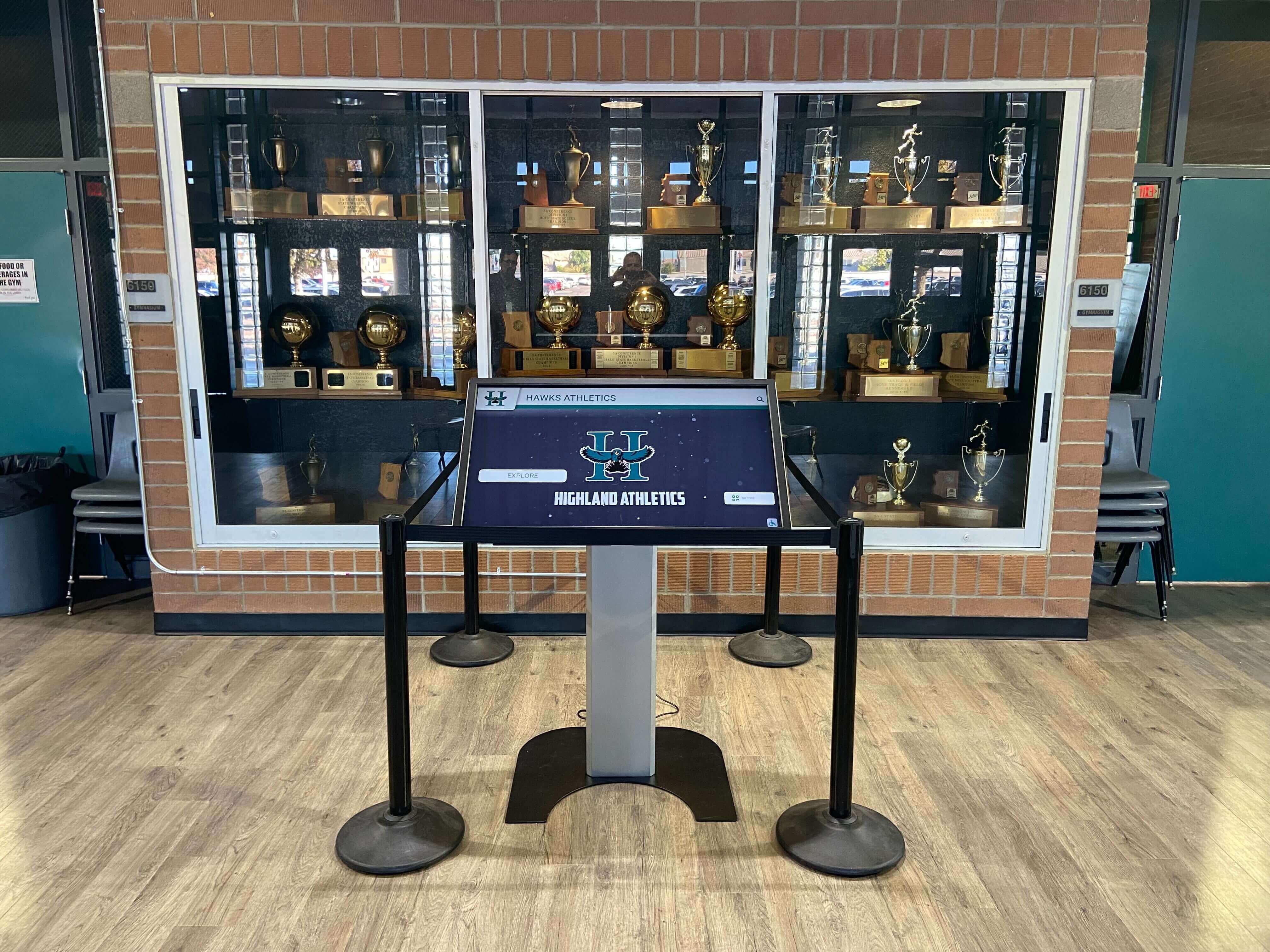
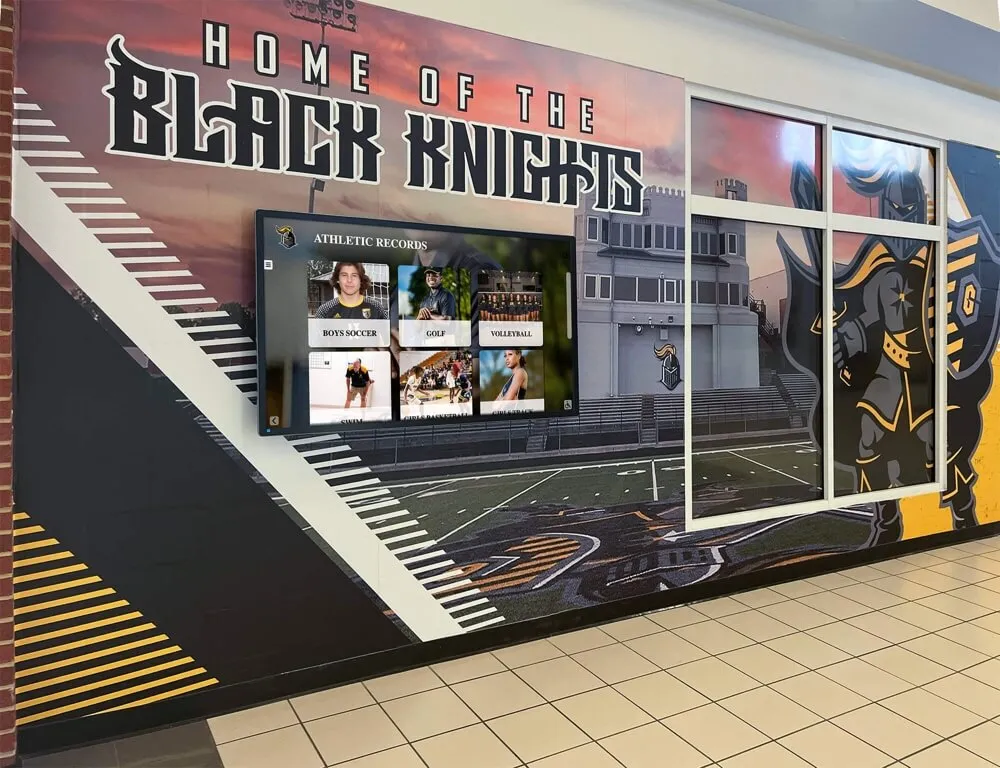
Digital records and physical chain of custody forms work together — the digital system holds the catalog entry while the paper form tracks physical handling events
Step 4: Obtain Authorization Before Any Loan or Transfer
Loans and permanent transfers require written authorization from a designated official — typically the athletic director, school principal, or archivist. Authorization should be obtained and documented before the item changes hands, not after the fact. Many schools establish a tiered authorization policy:
- Item appraisal value under $500: Athletic director can authorize independently
- Item appraisal value $500–$5,000: Athletic director plus principal signature required
- Item appraisal value above $5,000 or historically significant: School board or administration approval required
If your school’s athletic collection includes items from programs with significant histories — retired jersey numbers, championship banners spanning decades, or items connected to alumni who went on to professional careers — the authorization threshold should reflect the significance of what you are releasing, not just its appraisal dollar value.
Step 5: Execute the Loan or Transfer with Dual Signatures
When an item physically leaves your custody, both the releasing party and the receiving party sign the form at the moment of transfer. Do not allow items to leave based on verbal agreements, emails, or promises to sign later. The signature at transfer is the legally meaningful record of who accepted responsibility.
For loans, include the expected return date and confirm the borrower’s insurance coverage in writing before the transfer. Reputable institutional borrowers — museums, historical societies, school districts — will carry their own coverage and should be able to provide a certificate of insurance.
Recognizing the difference between responsible institutional borrowers and informal arrangements is important. Guidance on evaluating institutional partners and avoiding informal agreements that create liability appears in discussions of the digital hall of fame vendor and partner landscape, where the same principles of accountability and documented agreements apply.
Step 6: Inspect and Document Condition on Return
When a loaned item returns to your facility, inspect it immediately in the presence of the person returning it. Do not let the returning party leave before you complete and sign the return condition entry. Photograph the item on return and compare the photographs directly against the photographs taken at release.
Note any changes, no matter how minor. A minor scuff that you do not document on return becomes ambiguous — the school cannot prove it happened during the loan rather than during your own storage. Complete documentation on both ends protects all parties.
Step 7: Update the Digital Catalog Entry
After each custody event, update the item’s entry in your digital records system to reflect the current location and condition. The chain of custody form is the authoritative paper record; the digital system is the searchable, accessible reference that staff can query without pulling physical files.
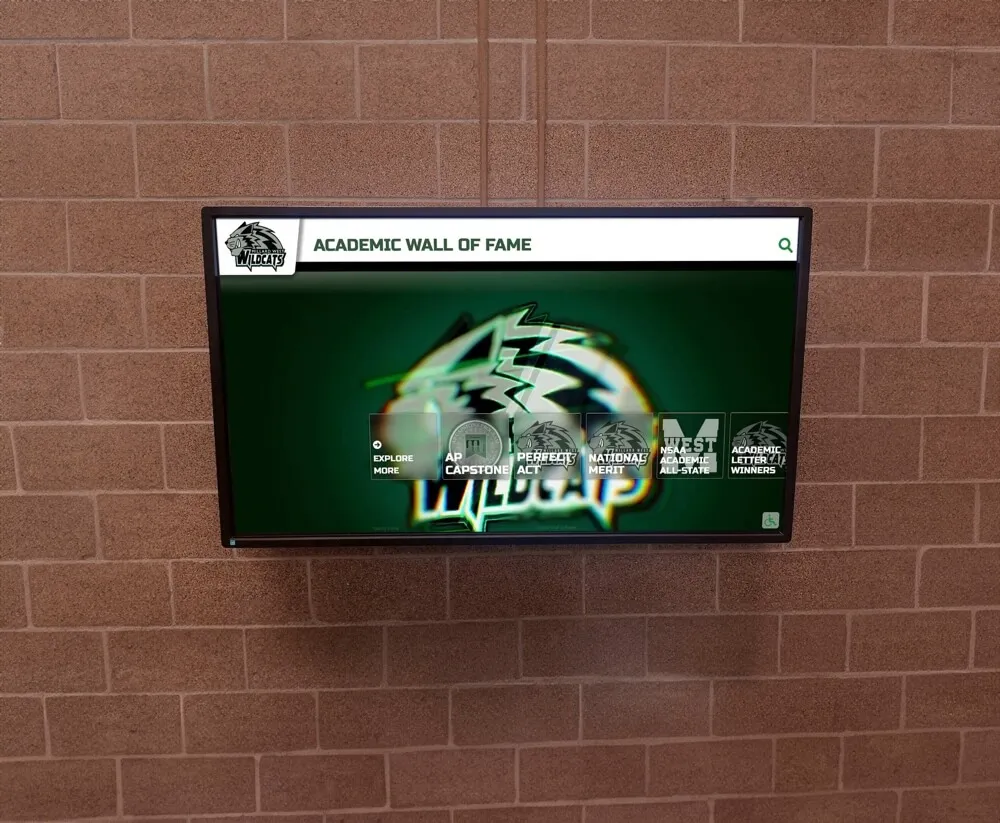
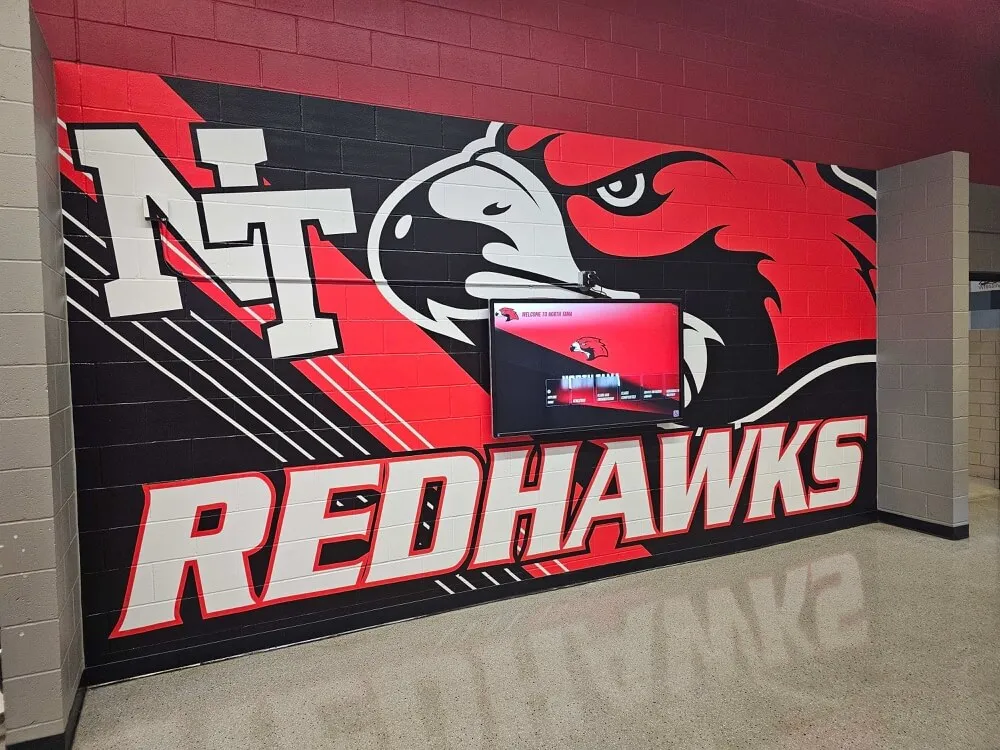
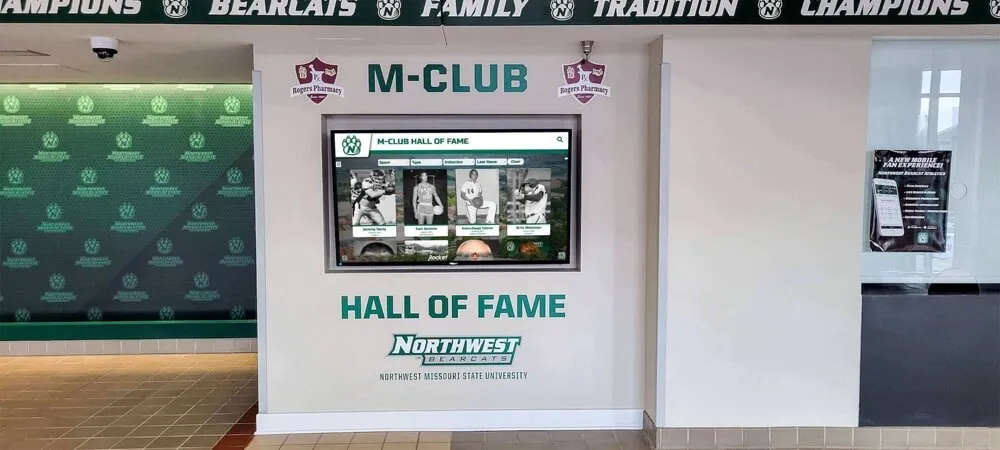
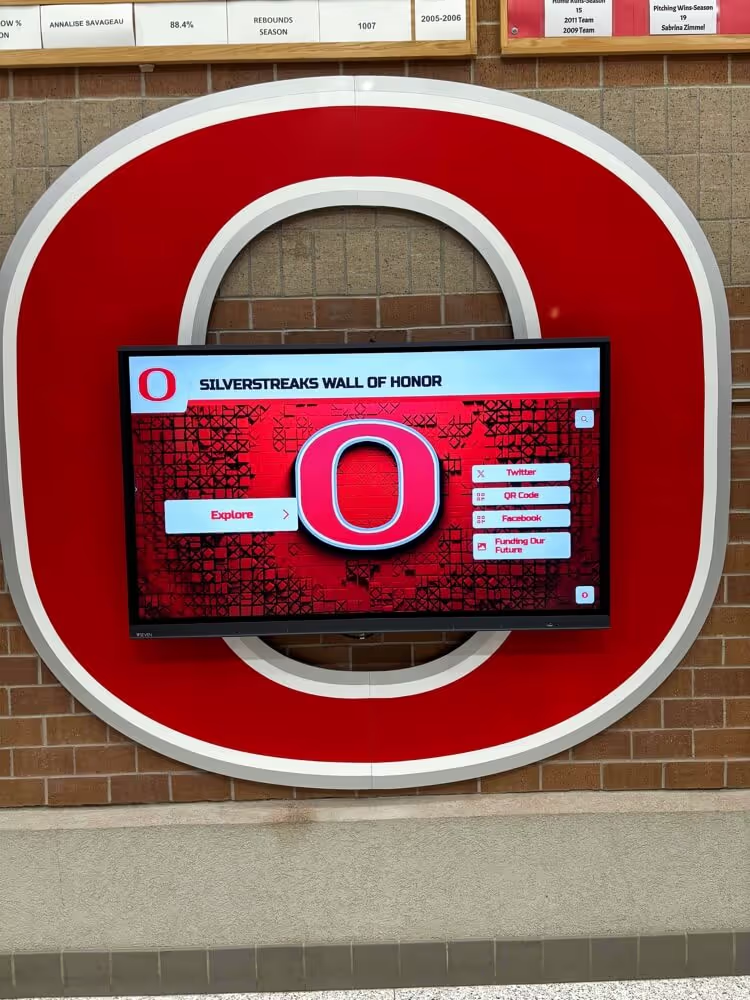
Schools using a cloud-managed digital trophy case platform maintain both systems in parallel: the digital record holds the catalog entry, photographs, and historical context, while the paper chain of custody form tracks physical handling. When an item is displayed on the digital platform, the display entry links to the custody record — providing full provenance visibility to any staff member who needs it.
Handling Three Common Transfer Scenarios
Scenario A: Loan to a Local Museum or Historical Society
Confirm the borrower’s insurance coverage and obtain a certificate before transfer. Set a maximum loan duration — most schools cap loans at 90 days with an optional renewal. Require return shipping in the same packaging materials used for outbound shipment. Record every condition detail on both ends and keep copies of all signed forms in a dedicated loan file for each borrower.
Scenario B: Display Rotation Within the Athletic Complex
Schools that maintain multiple display areas — a main trophy case, a lobby digital display, a hallway exhibit, an athletic office — frequently rotate items. Each rotation is a custody event. Assign a staff member to own the rotation log and sign every movement. This is especially important when student workers, custodial staff, or volunteers handle items during rotations.
Halls of fame and recognition displays across all levels of athletics — from high school programs to professional organizations — operate with documented item accountability. The comprehensive history of the Boston Bruins organization illustrates how professional organizations manage decades of artifacts; the discipline they apply scales directly to a school athletic department with its own championship legacy.
Scenario C: Transfer to an Outgoing Athletic Director
When athletic directors change — a situation that creates significant accountability risk — every item in the collection should be inventoried and transferred formally before the departing director’s last day. The incoming director signs as receiving party for every item in the collection. This transfer protects both individuals and ensures no items are lost in the transition.
Who Should Maintain the Chain of Custody Records
In most schools, primary responsibility falls on the athletic director, with a secondary custodian designated for coverage during absences. Some schools establish a memorabilia committee — a small group including the athletic director, a faculty archivist, a booster organization representative, and an administrator — that reviews and authorizes significant loans or transfers.
Schools with formal hall of fame programs or active alumni recognition initiatives often build chain of custody management into the broader recognition workflow. Digital tools that support class officer recognition, alumni athlete displays, and achievement archives — like those used in class president and student leader recognition programs — apply the same documentation discipline to non-athletic memorabilia, creating consistency across an institution’s entire recognition collection.
The goal is not to create friction — it is to ensure that any staff member who needs to answer “where is the 1994 state championship banner right now?” can find that answer in under five minutes.
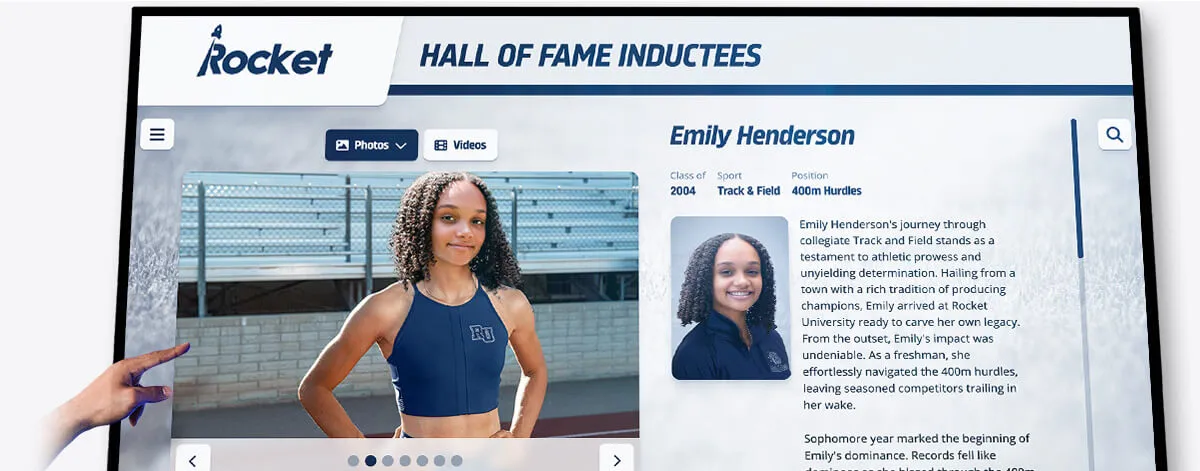
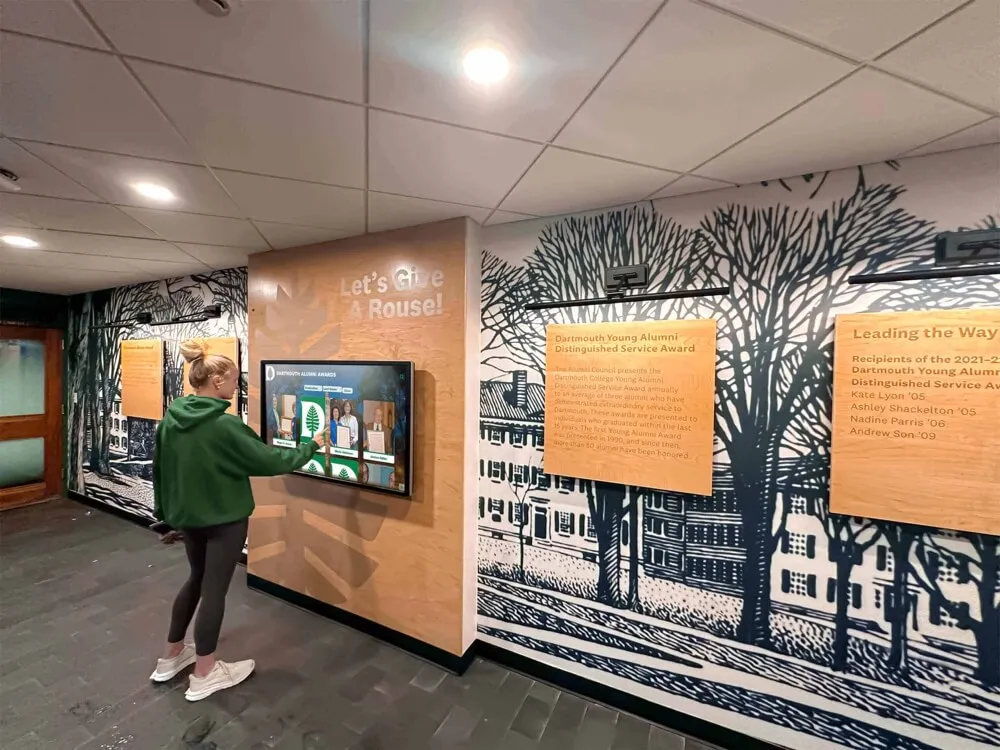
Digital recognition systems hold the catalog record while chain of custody forms document physical handling — together they create complete provenance
How a Digital Trophy Case Reinforces Chain of Custody
A chain of custody form documents what happened to the physical object. A digital trophy case ensures the historical record survives regardless of what happens to the physical object.
Schools that maintain digital catalog entries for every item in their collection — including high-resolution photographs, achievement descriptions, athlete names, and historical context — protect the institutional record against the scenarios that physical memorabilia cannot survive: fire, flood, theft, or accumulated physical deterioration.
The practical connection between physical chain of custody and digital records works in both directions:
Physical-to-digital: when an item is photographed for the chain of custody opening assessment, those same photographs feed directly into the digital catalog entry. The documentation step creates the digital record simultaneously.
Digital-to-physical: when a staff member queries the digital system and finds a record for an item, the digital entry links to the physical chain of custody file, confirming where the physical object is currently located and who is responsible for it.
Recognition programs that track athletic excellence across multiple sports — including competitive soccer all-star programs and regional travel leagues with long histories — apply the same documentation discipline across diverse collections. The ECNL soccer all-star recognition programs illustrate how multi-year athletic achievement records benefit from systematic documentation.
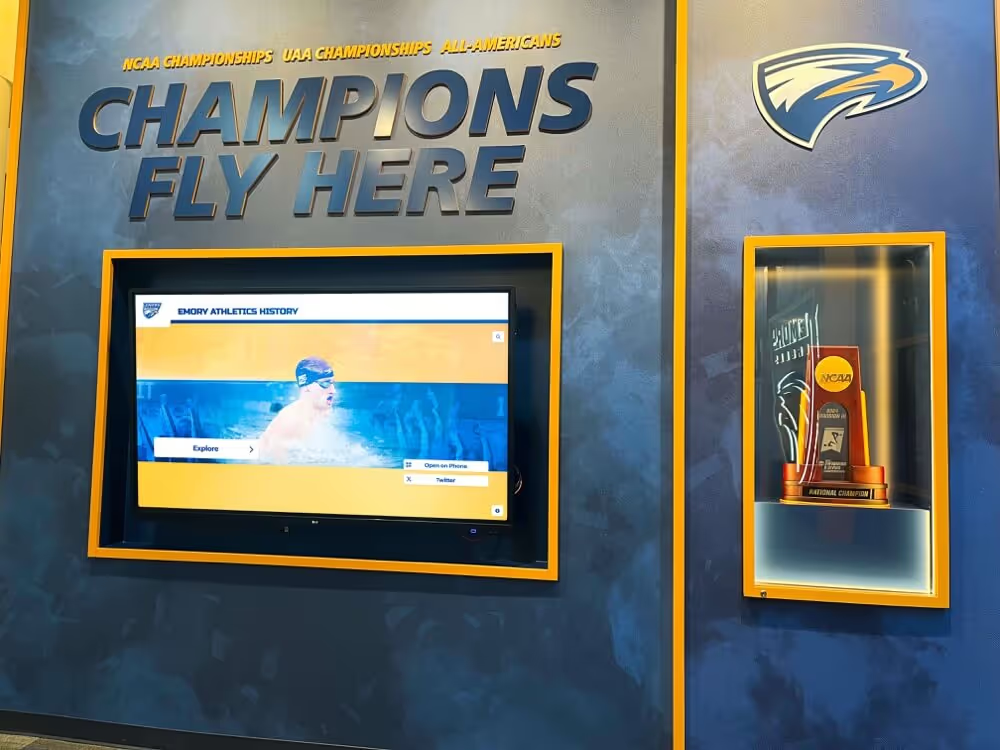
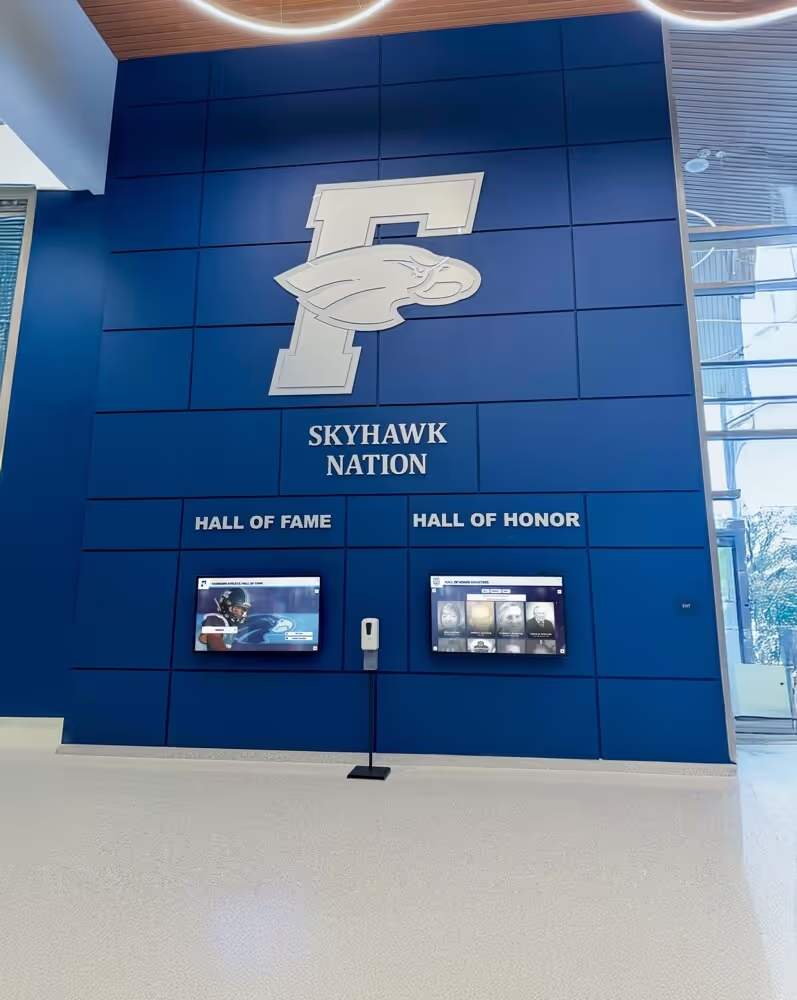
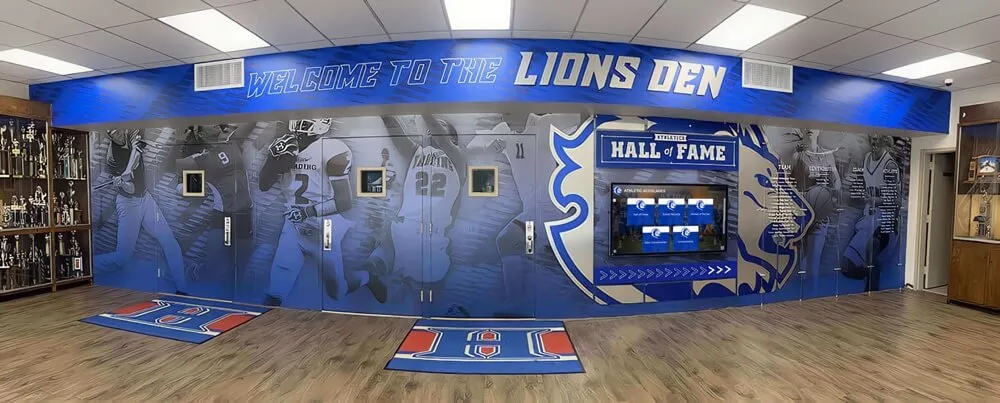
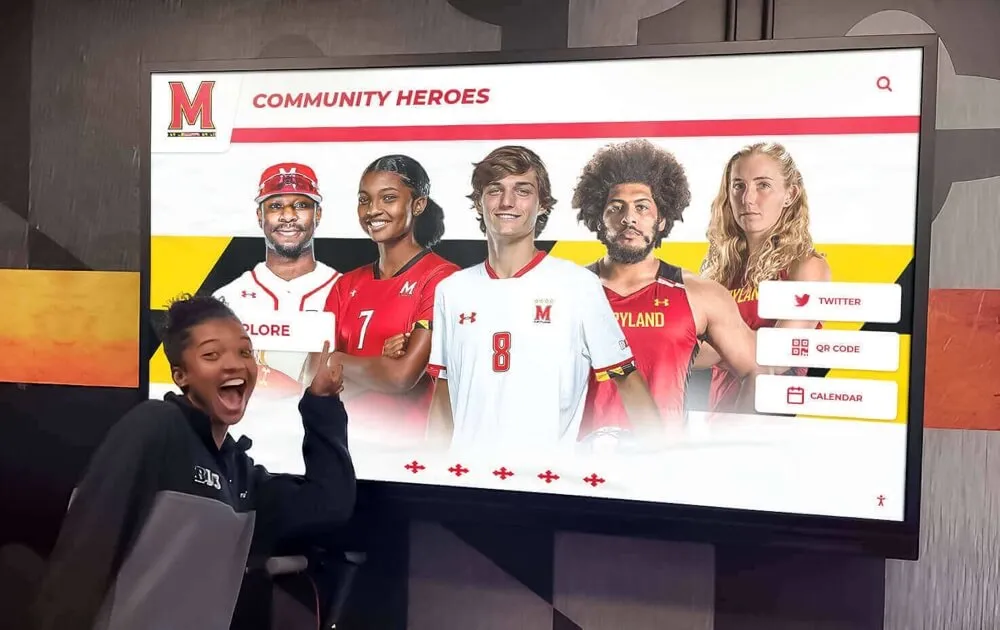
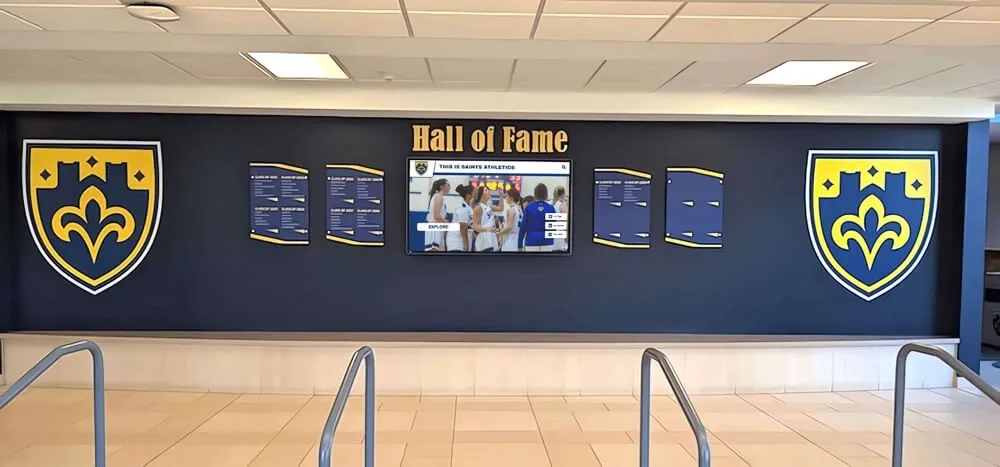
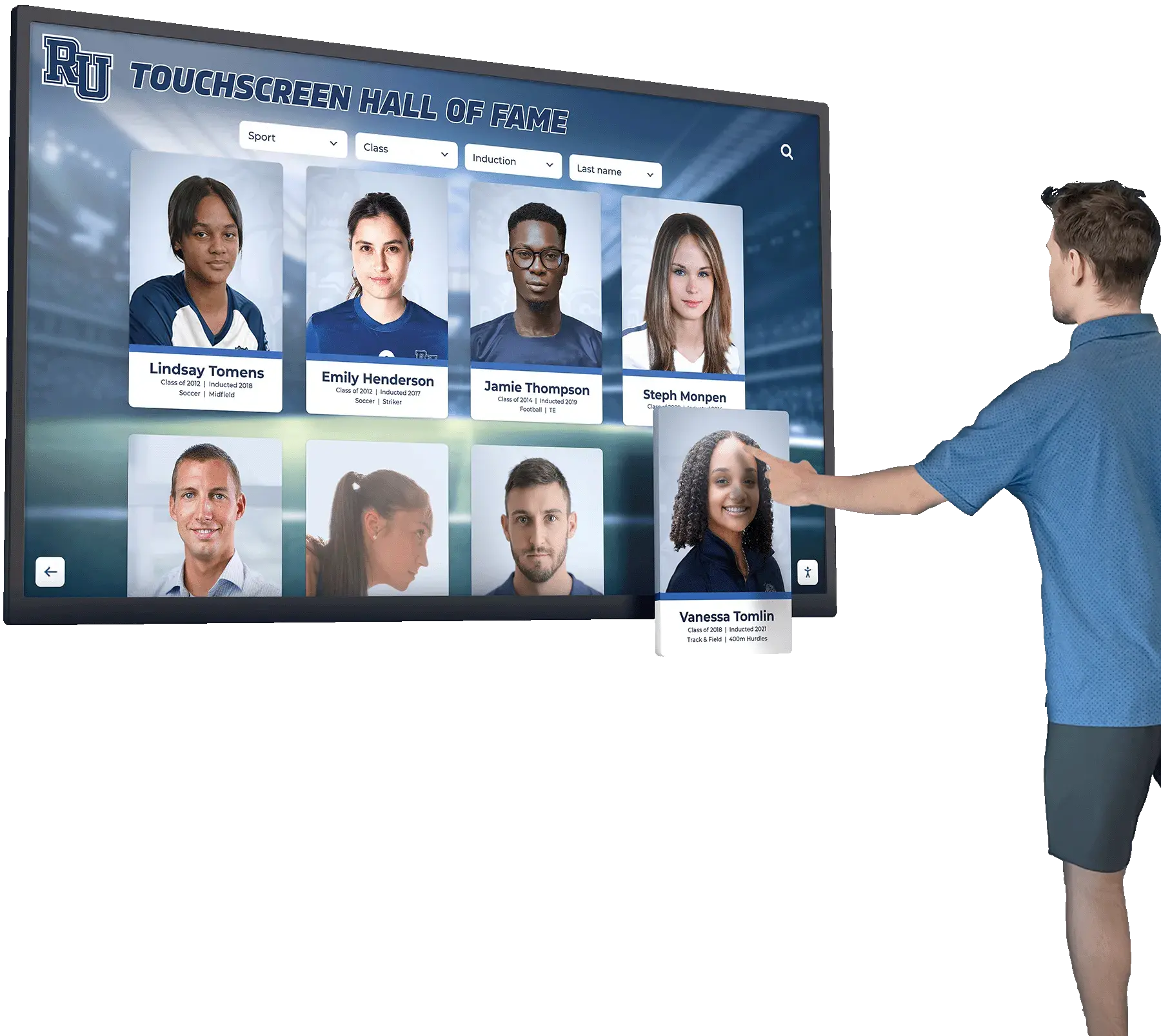
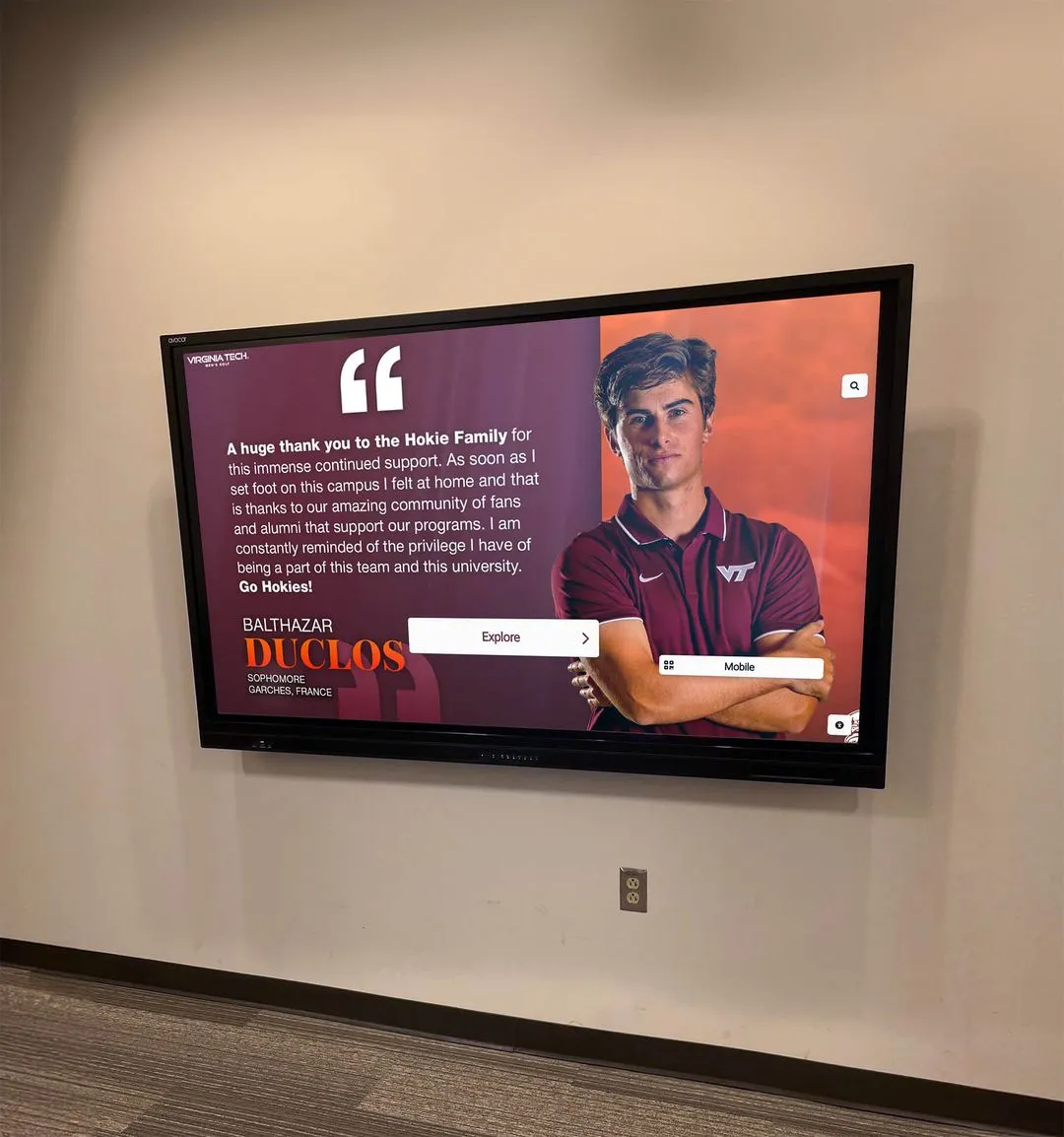
A cloud-managed digital trophy case platform holds unlimited records, updates remotely in minutes without IT tickets, meets ADA WCAG 2.1 AA accessibility standards, and generates QR codes that give alumni and visitors mobile access to the complete record. Schools implementing a full recognition system — physical documentation plus digital display — can explore the breadth of what a digital hall of fame platform covers to understand how the catalog and display functions integrate.
Frequently Asked Questions
What is an athletic memorabilia chain of custody form? It is a structured document that records every person, location, condition assessment, and transfer event associated with a piece of athletic memorabilia. The form creates a continuous record — from acquisition through the item’s current location — that supports insurance claims, historical research, and accountability for loans and transfers.
Which items require a chain of custody record? Every item that the school considers part of its official athletic collection warrants documentation. Priority items include championship trophies, retired jerseys and numbers, game balls from significant contests, championship banners, photographs of historical significance, individual awards for record-holders, and any item on loan to or from another organization.
How long should chain of custody records be retained? Retain records for the life of the item plus a minimum of seven years after permanent disposal. For historically significant items — state championship trophies, items connected to alumni with professional careers, or artifacts predating current staff — retain records indefinitely. Cloud-based digital archives make indefinite retention practical and low-cost.
What happens if an item is returned damaged and the borrower disputes responsibility? The chain of custody form is the governing document. Photographs taken at release and return, combined with signed condition assessments by both parties, establish when and under whose care the damage occurred. Schools without this documentation have limited recourse. Schools with complete documentation can file insurance claims and, if necessary, pursue reimbursement through the borrower’s coverage.
Can a school use a digital spreadsheet instead of printed forms? Yes, with caveats. A digital spreadsheet is searchable and easier to query than printed forms, but it requires a reliable backup strategy and access controls preventing unauthorized edits. Best practice is a hybrid approach: digital entry for searchability and a printed, signed copy for each loan or transfer event. The signed physical copy provides legal standing that an editable digital record cannot always match.
What should a school do if it discovers a gap in its custody records? Reconstruct as much as possible from emails, photographs, purchase records, and staff recollections. Document the reconstruction effort and its basis. Going forward, establish the current condition and location as the new baseline and maintain clean records from that point. A gap is not a reason to abandon the process — it is a reason to restart it with more discipline.
How does a chain of custody form differ from a general inventory? An inventory lists what the school owns and where it is located at a single point in time. A chain of custody form tracks every event that changes an item’s location, condition, or responsible custodian. Both are necessary: the inventory gives you a current snapshot, and the chain of custody form gives you the complete history of how each item reached its current state.
Protect Every Championship, Every Name, Every Record — Permanently
Rocket Alumni Solutions builds interactive digital trophy cases and halls of fame for schools nationwide. Cloud-managed updates, unlimited record capacity, ADA WCAG 2.1 AA compliant touchscreens, and QR code access — so your complete recognition history stays accessible and documented, even when physical memorabilia moves, transfers, or deteriorates. See how schools are building permanent digital archives alongside their physical collections.
Book A Demo