



Intent: decide — an athletic artifact sign-out sheet is the custody record that tracks every trophy, jersey, plaque, and piece of memorabilia temporarily removed from a school’s displays or storage. Without one, a championship ring loaned for a signing-day table or a retired jersey pulled for a banquet centerpiece becomes unaccountable the moment it leaves its case. This guide provides a copyable sign-out table, a numbered eight-step custody workflow, and guidance on connecting loan records to your digital catalog so every artifact returns to its rightful place — and your recognition display stays complete.
Athletic artifacts move more than most administrators expect. A state championship trophy gets borrowed for a booster dinner table display. A retired jersey number hangs in the gymnasium lobby for homecoming week. A coach’s hall-of-fame plaque travels to a district office for a recognition ceremony. A signed game ball goes home with a donor for a weekend fundraiser. Each of these loans is legitimate — and each one creates a custody gap if no one documents it.
An athletic artifact sign-out sheet closes that gap. It is not a bureaucratic formality; it is the difference between knowing where your school’s irreplaceable recognition items are at all times and discovering, weeks after a major event, that a 1987 state championship trophy is missing from its shelf.

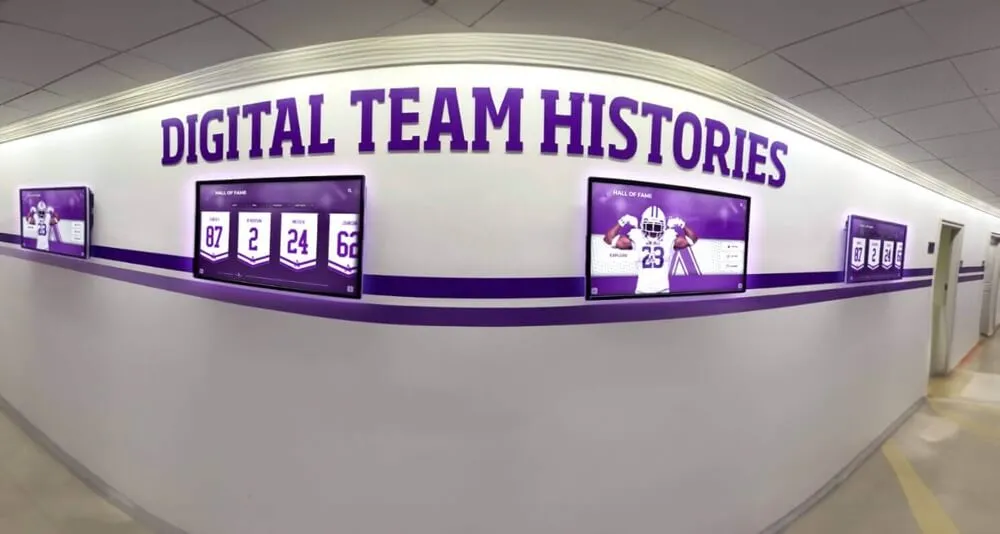
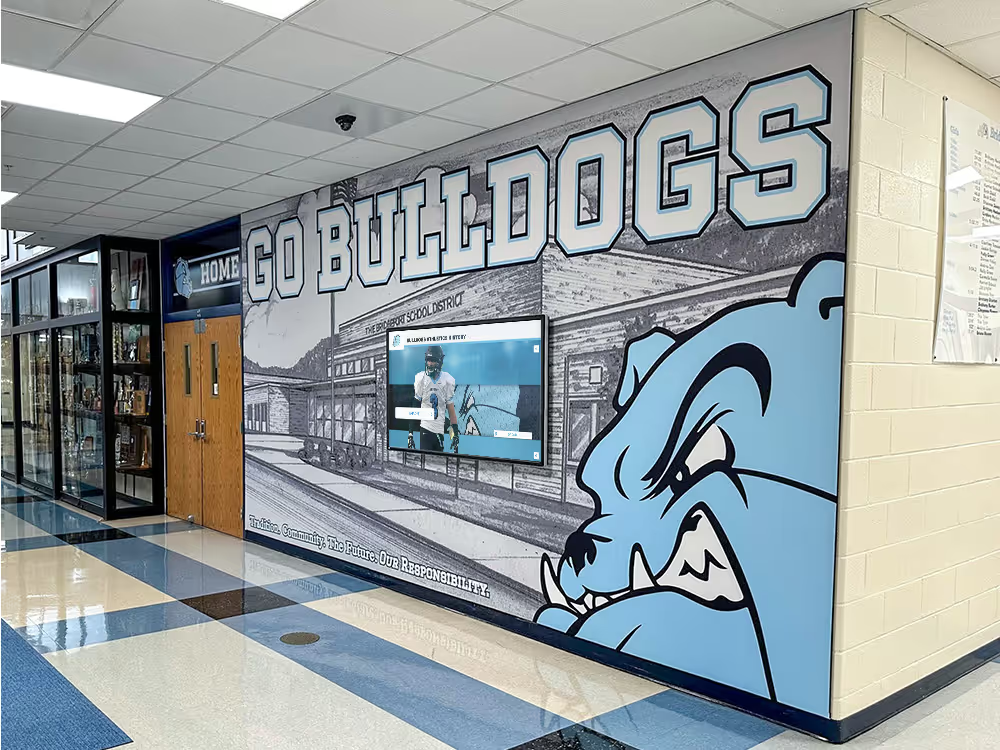
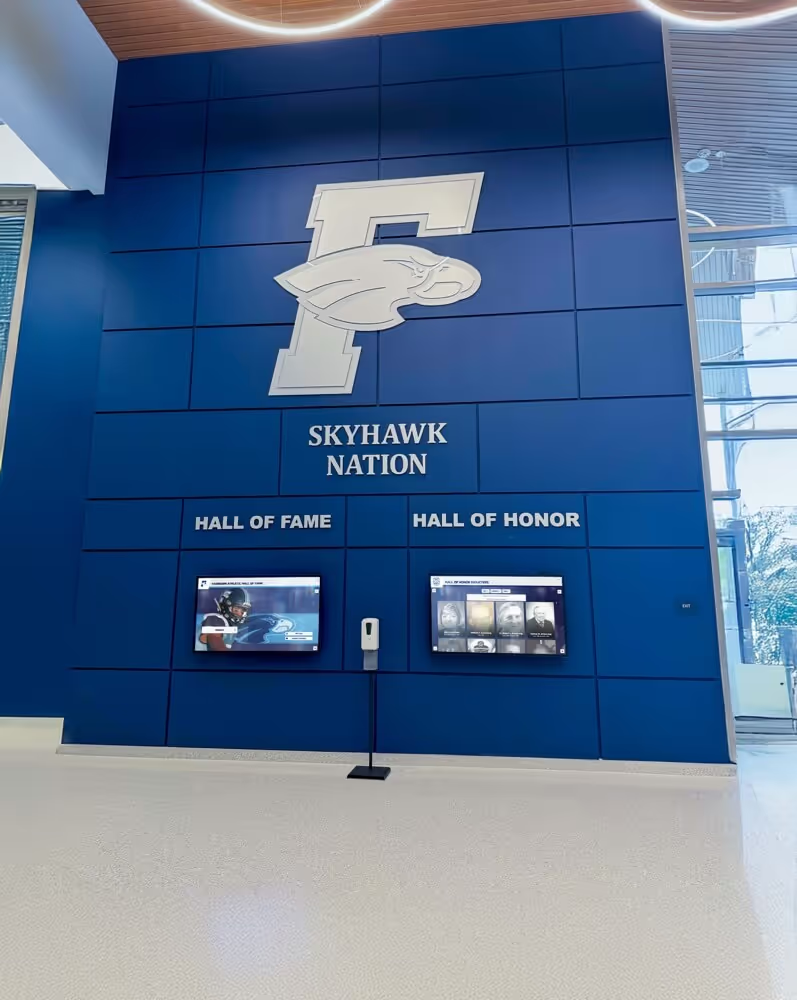
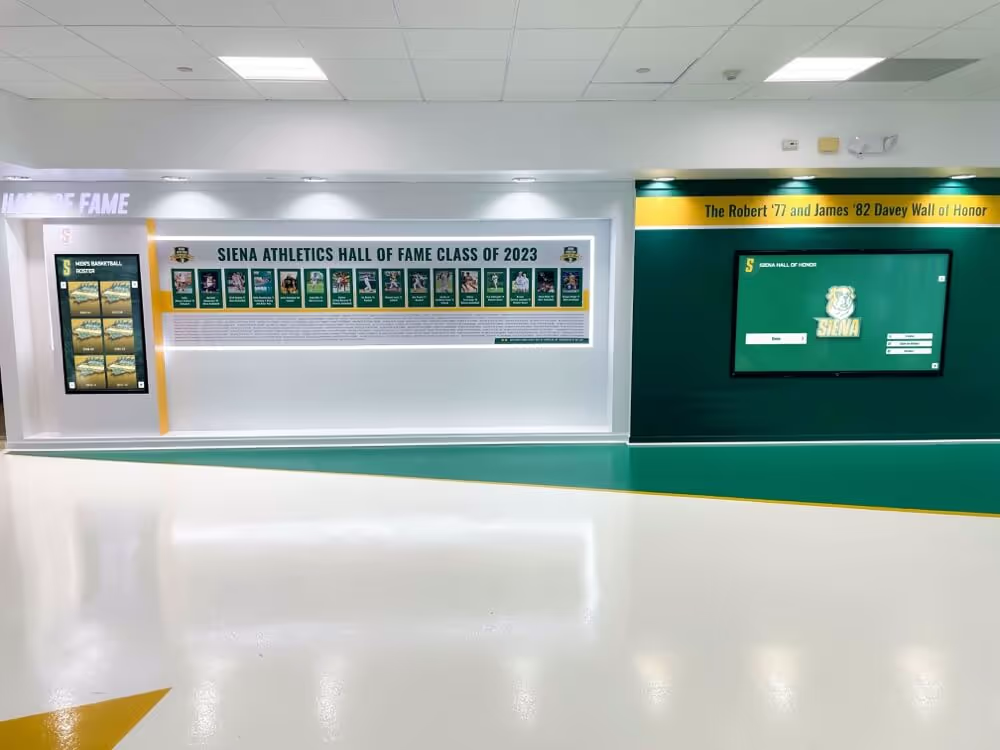
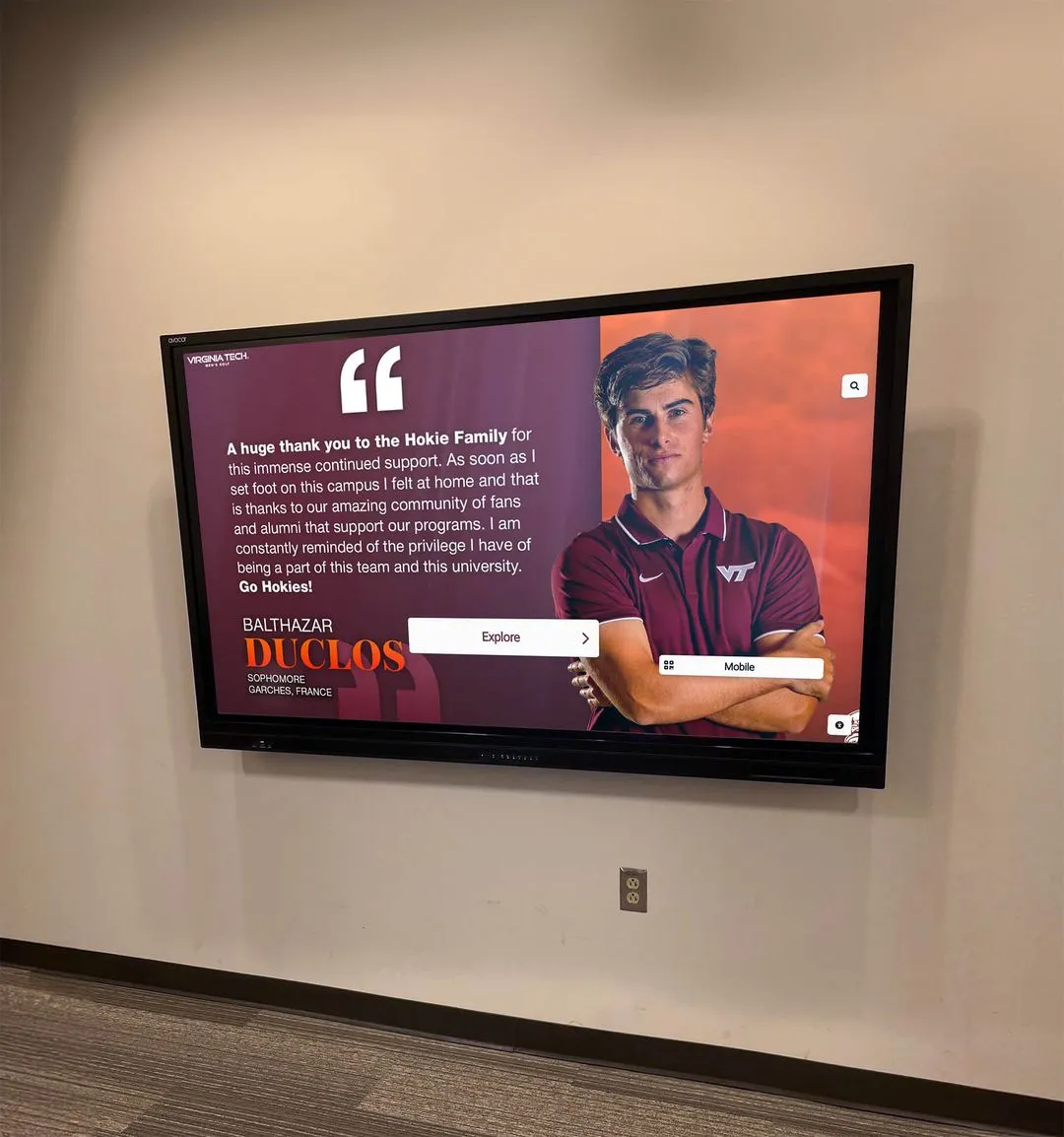
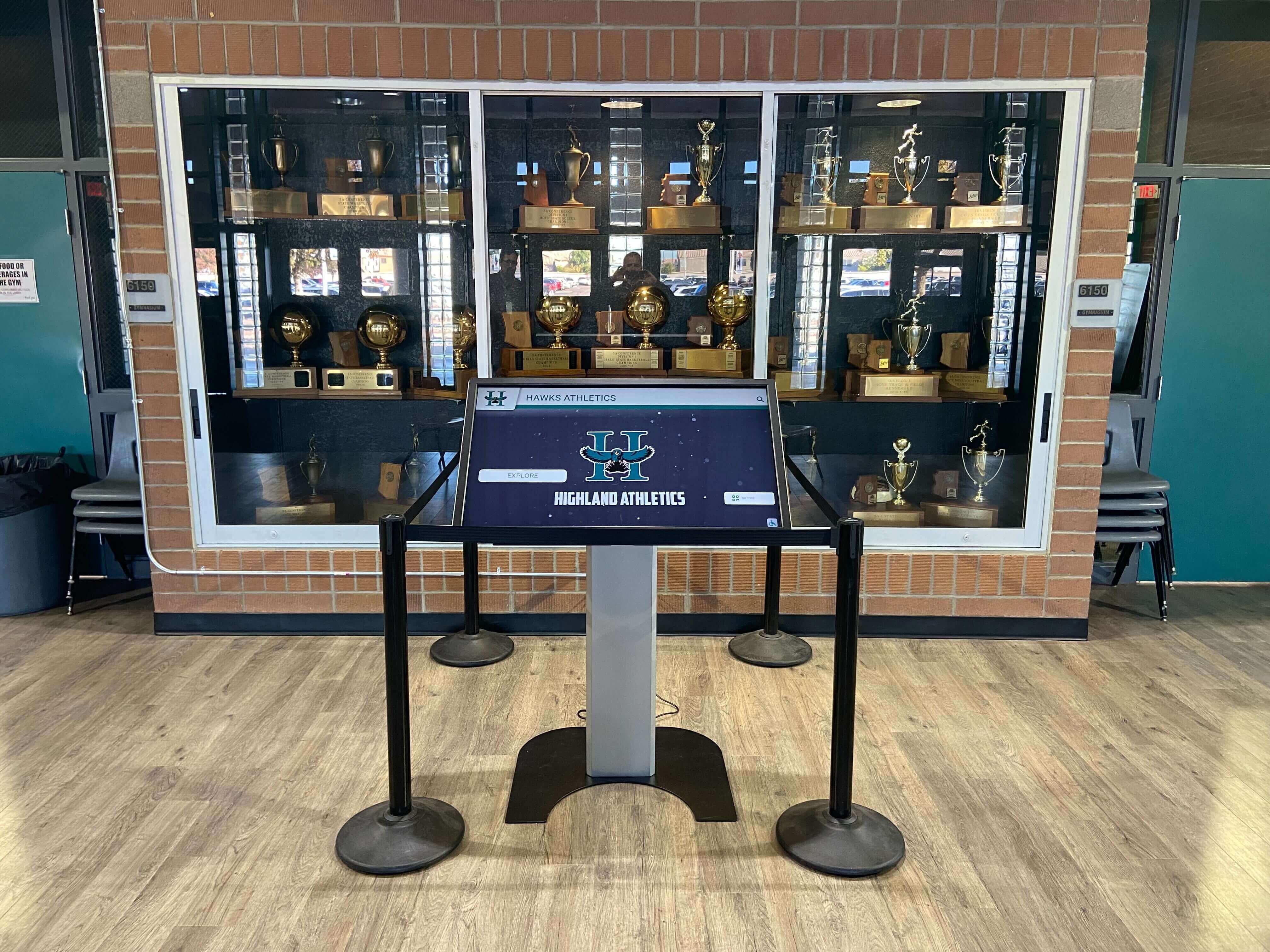
Athletic displays housing trophies, plaques, and memorabilia are living archives — an artifact sign-out system ensures every loaned item returns without gaps in the collection
Why Athletic Artifacts Leave Displays — and Why That Creates Risk
Athletic directors and facilities staff who work with athletic displays in schools, gyms, lobbies, and hallways understand that a display is not a static environment. Seasons change, recognition ceremonies create demand, and community events pull objects off shelves regularly. The most common reasons artifacts leave a display include:
Recognition events and banquets. End-of-season banquets, hall-of-fame inductions, and awards galas frequently feature physical artifacts as centerpieces or presentation props. The same trophy that lives in the main hallway case gets set on the podium table at the athletic awards banquet and returned — sometimes — the following morning.
Letter ceremonies and signing events. Schools honoring varsity athletes at letter ceremonies and year-end recognition events sometimes display championship hardware alongside current year recognition. National signing day celebrations pull related memorabilia from cases to decorate signing tables.
Visiting alumni and donor requests. An alum visiting campus for a reunion may ask to photograph a retired jersey number. A major donor may request temporary custody of a named award for a family event. These requests are reasonable — and they require documentation.
Photography and media sessions. Athletic departments producing content for recruitment, social media, or anniversary publications regularly pull artifacts for shoots and return them after.
Facility maintenance and renovation. Painting, refinishing, or reorganizing display areas requires temporary removal and storage of all contents — often by facilities staff unfamiliar with individual artifact significance.
Off-campus display loans. Local businesses, district offices, or alumni organizations occasionally request artifact loans for their own recognition displays.
Each scenario is valid. Each one becomes a liability without a documented checkout record.
The Athletic Artifact Sign-Out Sheet: A Copyable Template
The table below represents a complete field set for a school athletic artifact sign-out sheet. Copy it into a spreadsheet, print it as a paper form, or build it into your school’s administrative document system. The key is consistent use — every removal, regardless of duration, should generate a completed row.
| Field | What to Record |
|---|---|
| Artifact Name | Official name as labeled: “IHSA Class 3A State Championship Trophy — Boys Basketball 2019” |
| Artifact Type | Trophy / Plaque / Jersey / Banner / Certificate / Equipment / Other Memorabilia |
| Catalog ID | Reference number from physical inventory or digital catalog entry |
| Display Location | Where the artifact normally lives: “Main Case — Center Shelf” or “Gym Lobby Case 2” |
| Borrower Name | Full name of the person taking custody |
| Borrower Role | Athletic Director / Head Coach / Teacher / Booster Club Member / Facilities Staff / Other |
| Borrower Contact | Phone or email for the borrowing party |
| Purpose | Reason for removal: banquet display / event decoration / photo shoot / maintenance / off-campus loan |
| Destination | Location where the artifact will be held: “Cafeteria — Banquet Setup” or “Coach Miller’s Office” |
| Check-Out Date | Date and time of removal |
| Expected Return Date | Agreed return date, signed off by borrower |
| Authorizing Staff | Name and signature of staff member approving the loan |
| Condition at Check-Out | Excellent / Good / Fair / Damaged — with specific notes on any pre-existing damage |
| Check-In Date | Date and time artifact was returned to its display location |
| Condition at Check-In | Post-return condition assessment, compared to check-out notes |
| Digital Record Updated | Yes / No — confirms the catalog entry reflects the loan and return |
| Notes | Any additional context: donor sensitivity, special handling instructions, required return escort |
Print this form double-sided — the top half for check-out fields, the bottom half for check-in fields — so a single paper record covers the entire loan lifecycle. For digital workflows, a Google Sheet or shared spreadsheet with one row per loan transaction serves the same purpose.
Eight-Step Custody Workflow for Athletic Artifact Loans
A sign-out sheet is only useful if staff follow a consistent process for using it. The numbered workflow below applies to any loan — a two-hour event setup or a two-week off-campus display.
Step 1: Identify the artifact and its catalog entry. Before any artifact leaves its location, confirm its exact identity against your school’s artifact inventory. If you have not yet built a complete inventory, this is the moment to create an entry. Note the catalog ID that will appear on the sign-out sheet.
Step 2: Assess condition and photograph. Before removal, photograph the artifact from multiple angles under good lighting. Document any pre-existing chips, cracks, missing components, or faded engraving. This photo record establishes the baseline for the condition-at-check-out field and protects all parties if damage occurs during the loan.
Step 3: Confirm authorization. Every artifact loan should have a staff member sign off before the item leaves its display. Establish clear authority tiers: who can approve routine same-day loans (event setup by department staff) versus multi-day or off-campus loans (athletic director or principal approval required). Knowing what athletic directors manage day to day makes clear why a simple approval threshold saves significant administrative burden later.
Step 4: Complete the sign-out form in full. All fields above should be completed at the time of check-out — not reconstructed from memory afterward. The borrower should confirm the expected return date in writing (signature or initials on a paper form; a timestamp in a digital record).
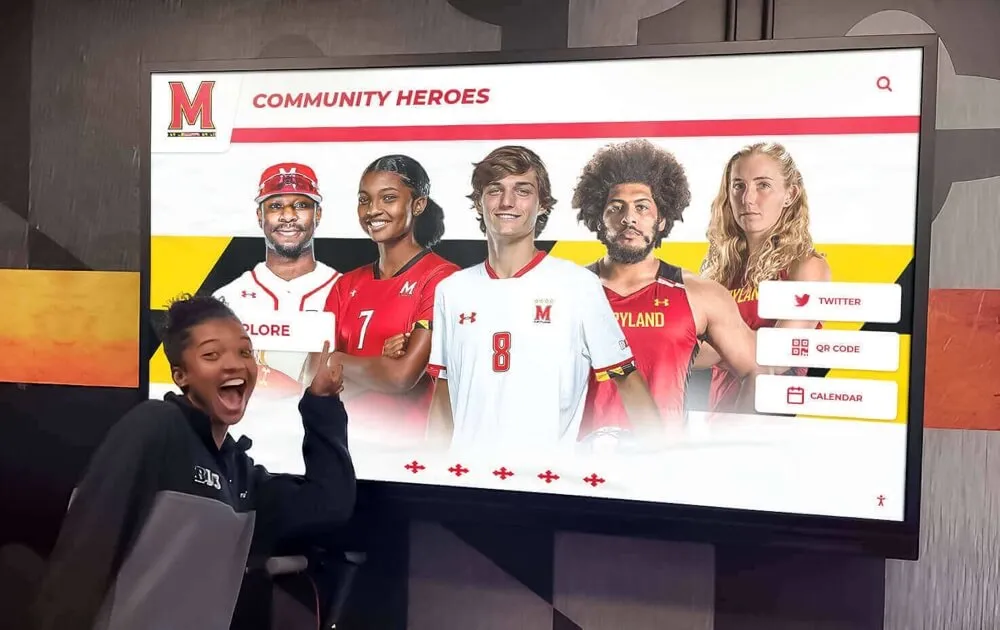
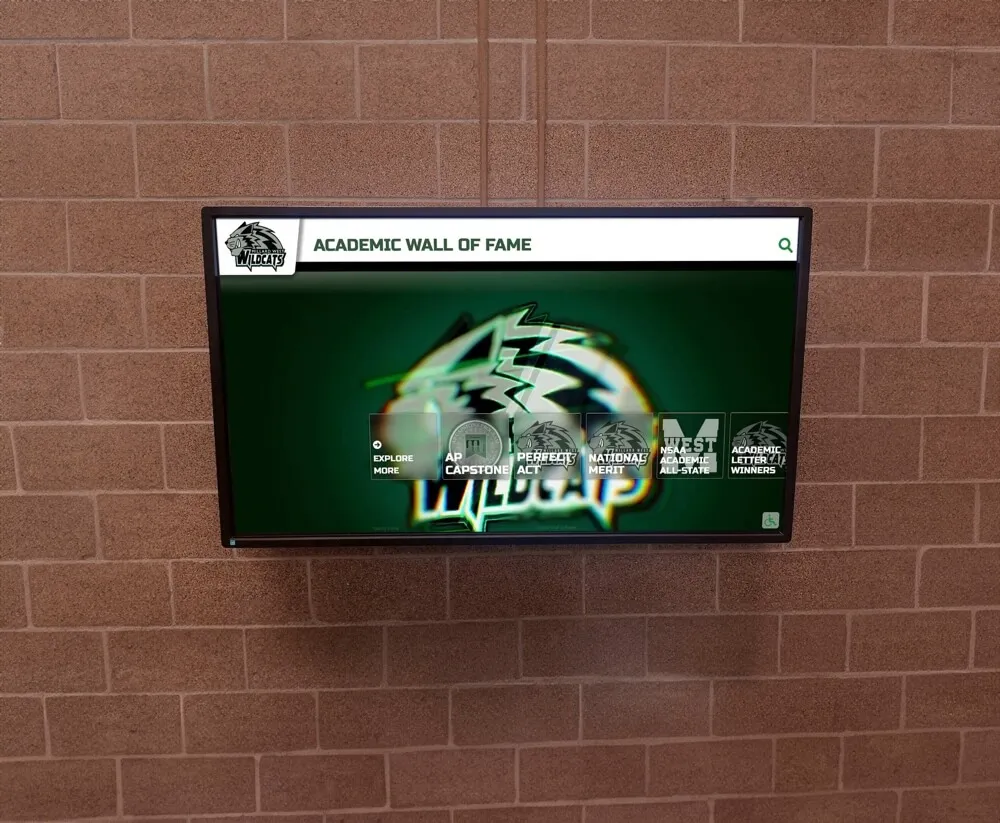
Step 5: Update the catalog entry to “On Loan.” Any school maintaining a digital inventory or connected display system should update the artifact’s status immediately. This prevents staff from searching for an item that has simply been documented as out, and it keeps any public-facing digital record accurate. Schools using a digital athletic recognition program to surface their award history benefit especially from real-time status flags.
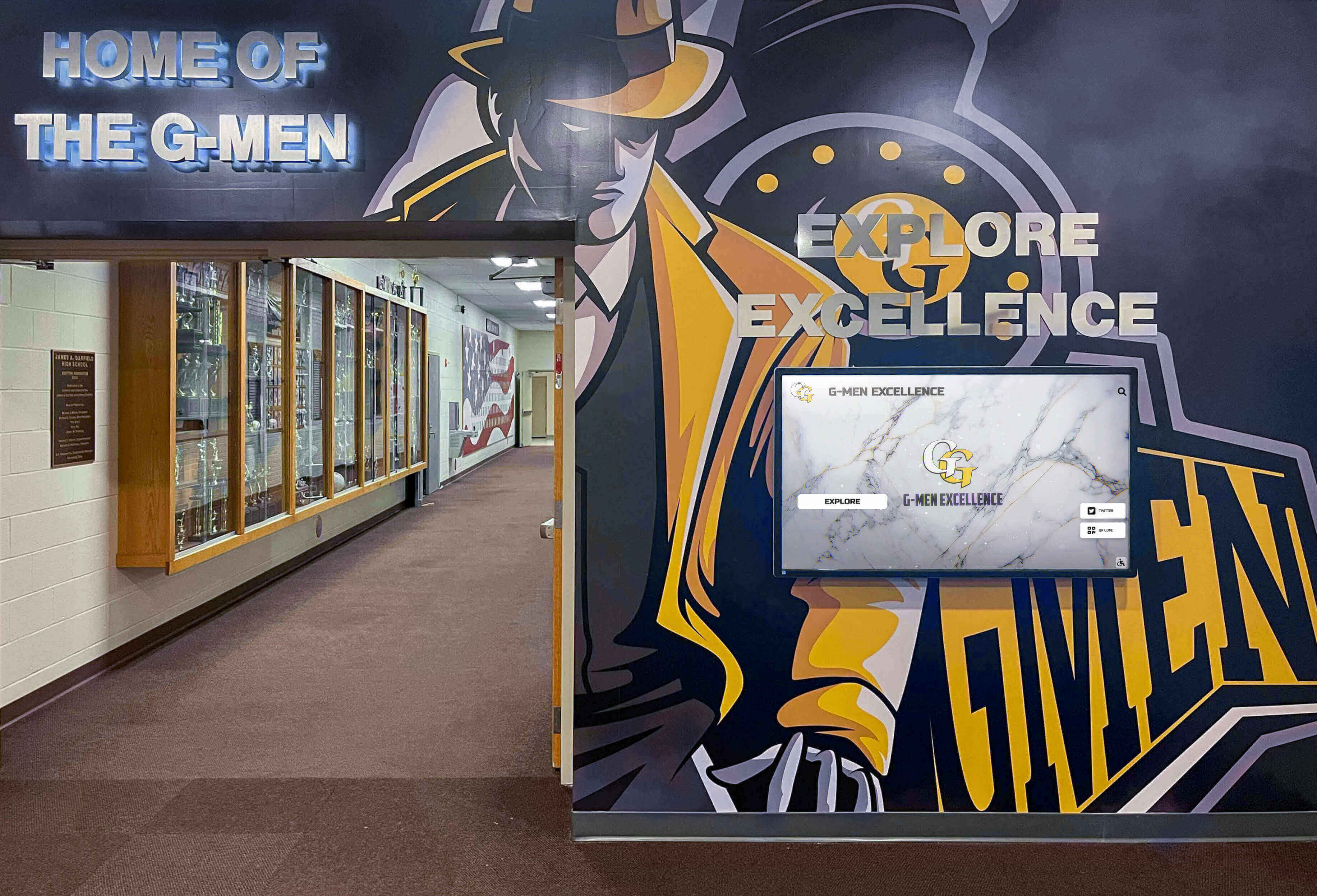
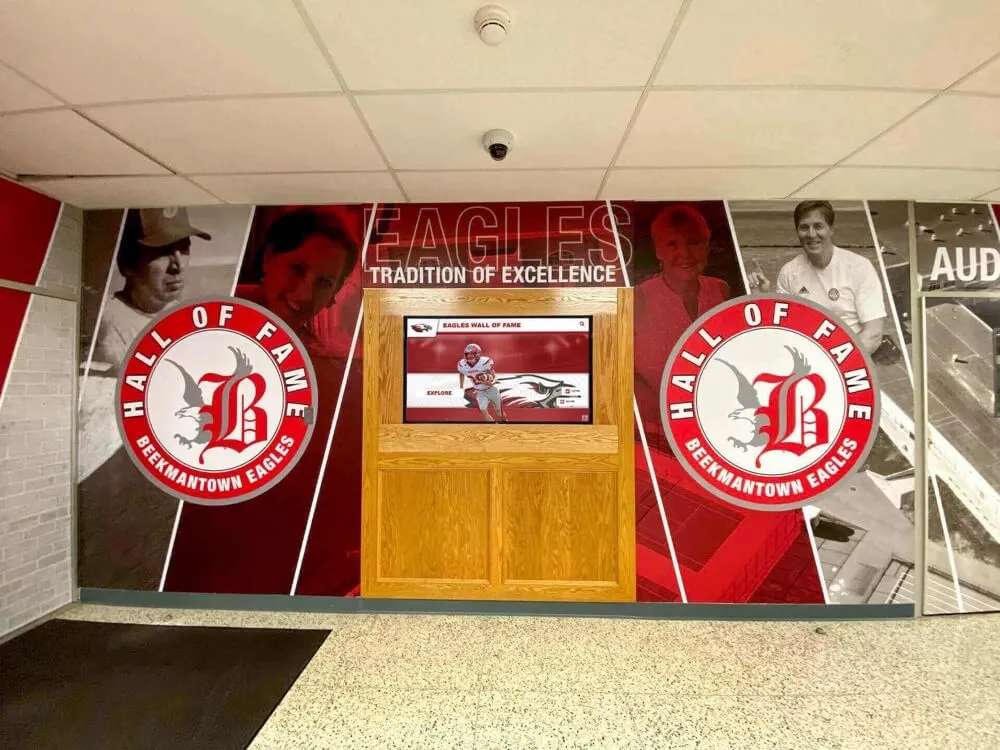
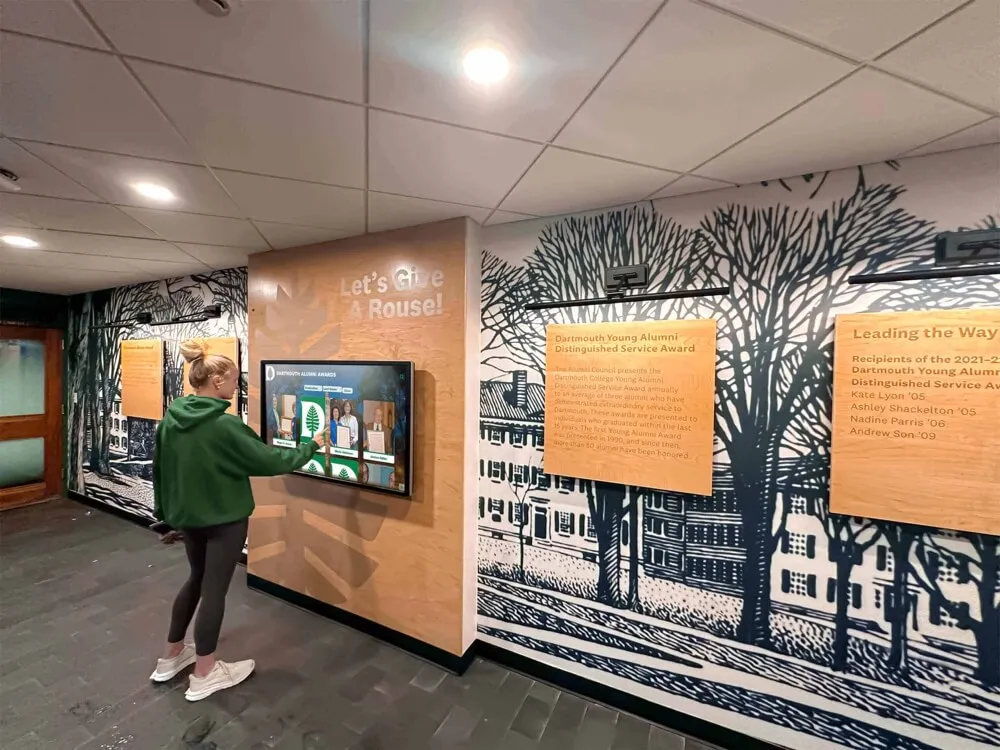
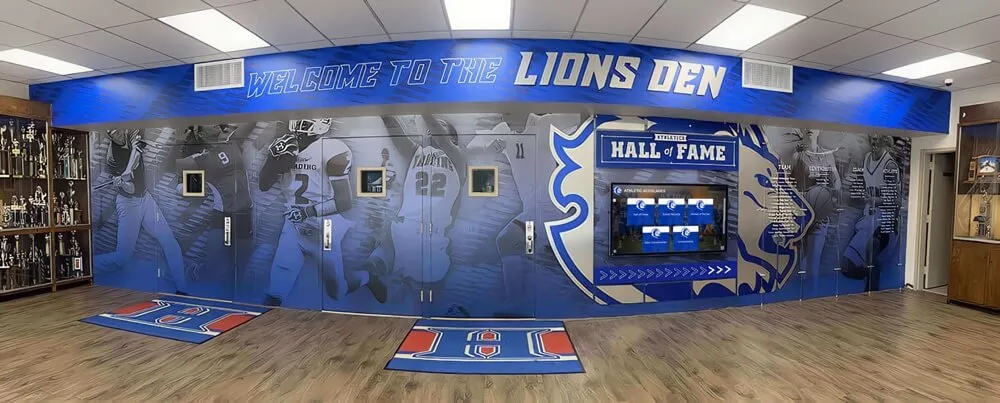
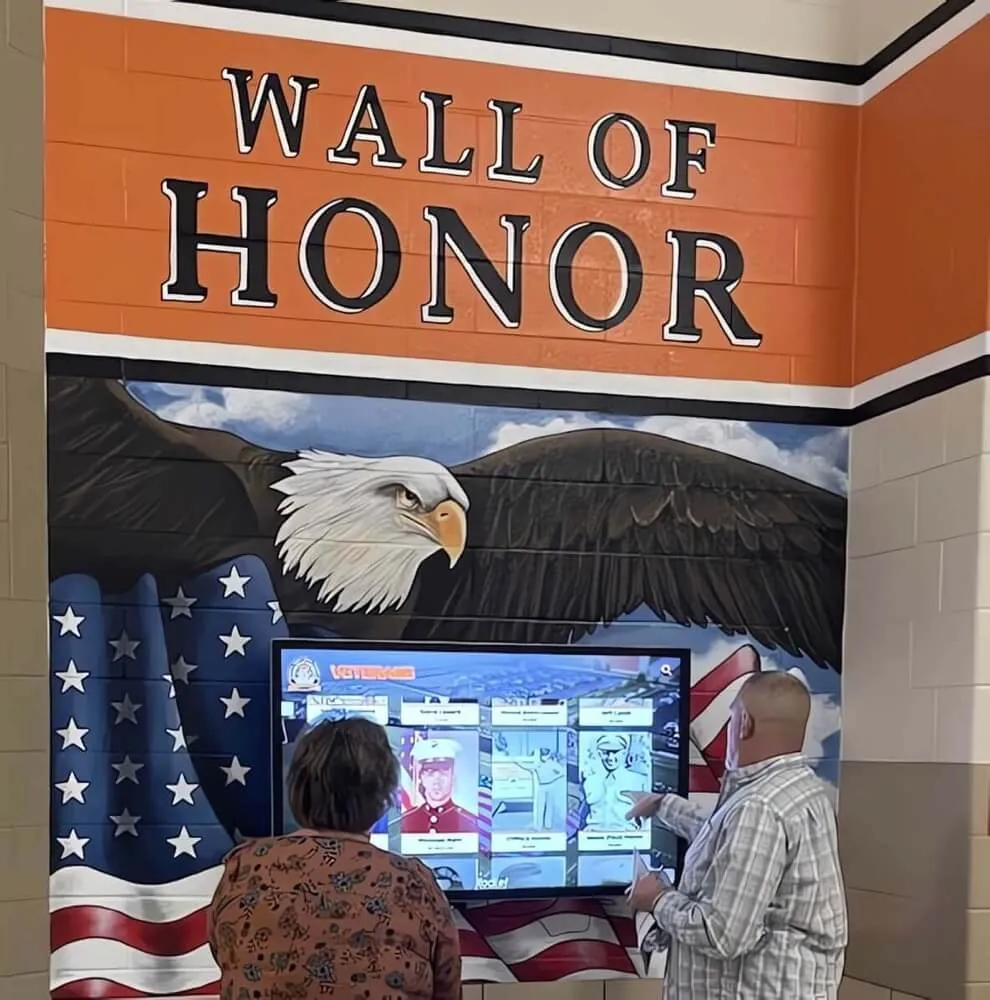
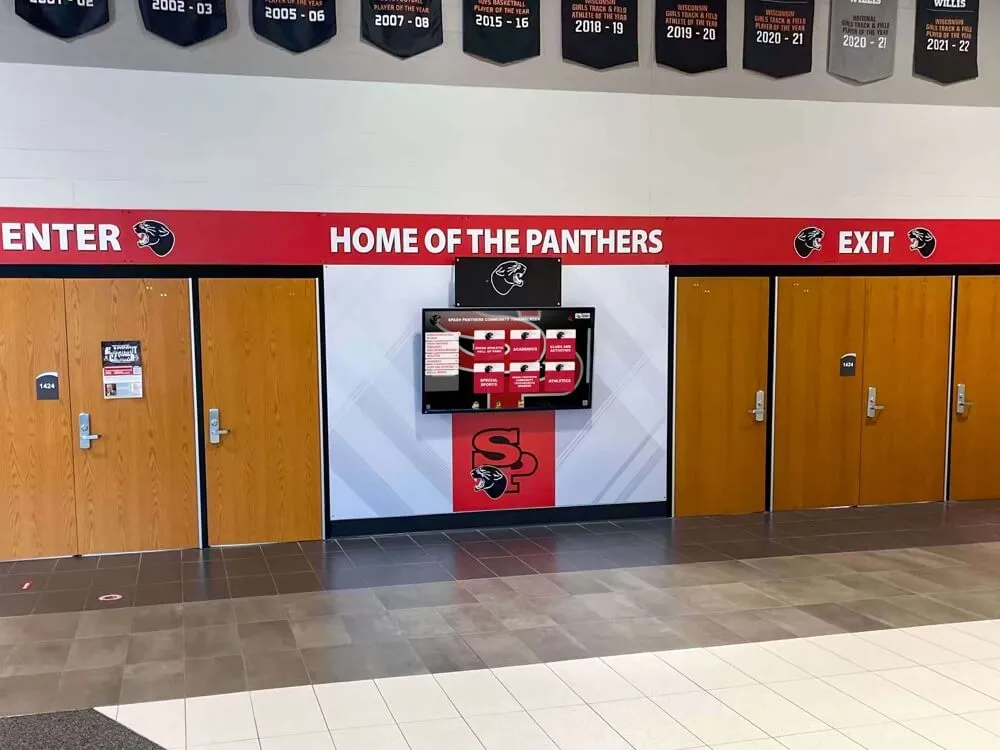
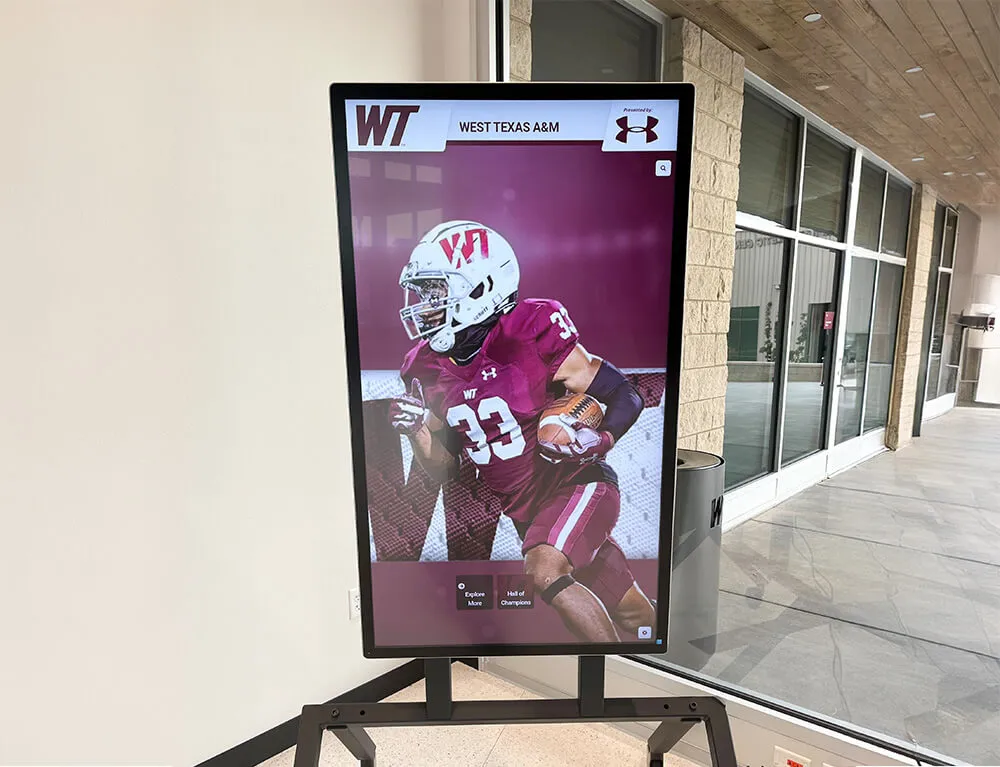
Physical trophy cases and digital displays work together — a sign-out system ensures the physical collection matches the digital record at all times
Step 6: Set a return reminder. Do not rely on the borrower to remember the return date. Set a calendar reminder two days before the agreed return date. For multi-week loans, send a midpoint courtesy check-in. High-value or historically significant artifacts — first championships, retired numbers with named alumni — warrant closer tracking than a seasonal plaque.
Step 7: Inspect the artifact on return. Compare the returned artifact to the condition-at-check-out photographs before signing off on the check-in. Look for new chips, missing parts, or any damage that occurred during the loan period. If damage is found, document it immediately with photographs before addressing it with the borrower. Do not return the item to its display location until the condition discrepancy is resolved.
Step 8: Complete the check-in fields and update the catalog. Date and time of return, condition at return, and any notes go into the sign-out form. The catalog entry reverts from “On Loan” to its normal status. File the completed form — paper forms in a binder organized by academic year; digital records in a shared folder accessible to the athletic director and front office.
Connecting Artifact Loans to Your Digital Catalog
An athletic artifact sign-out sheet works in isolation, but it works far better when connected to a broader digital catalog system. Schools that maintain digital records of their athletic displays — including athletic record boards tracking all-time performance marks — already have the infrastructure to add a loan-status field to every artifact entry.
The connection between a physical sign-out form and a digital catalog entry produces three practical benefits:
Gap detection. When staff review the display after an event, comparing physical case contents against catalog “On Loan” flags immediately identifies any items that were not officially checked out — and any that were checked out but not yet returned.
Insurance and liability documentation. If an artifact is damaged during a loan, the sign-out form provides a documented chain of custody and a condition baseline. For artifacts with significant replacement value — a custom championship ring, a framed signed jersey, an engraved traveling trophy — this documentation supports an insurance claim or an internal accountability conversation.
Public display accuracy. Schools operating a digital recognition wall or touchscreen display can note when a featured artifact is temporarily off-site, so visitors to the physical display are not confused by an empty case shelf.
Your physical artifacts deserve a digital record that survives every loan cycle. Rocket Alumni Solutions builds cloud-managed digital trophy cases that keep your full recognition history accessible — even when individual items are temporarily off the shelf.
Special Scenarios That Require Modified Sign-Out Procedures
Most artifact loans follow the standard eight-step workflow. A few scenarios benefit from adjusted procedures.
Hall-of-Fame Induction Ceremonies
Induction events frequently pull multiple artifacts simultaneously — retired jerseys, personal trophies, championship hardware associated with the inductee’s era. For these multi-item loans, use a batch checkout form that lists all items on a single sign-out sheet with a shared authorization, purpose, and return date. Each item still gets its own catalog status update. Recognizing the impact that quality display programs have on sustained athletic recognition underscores why ceremony loans deserve careful documentation — these events often attract alumni who will notice if a piece of history is missing.
Off-Campus Loans to Alumni or Community Organizations
Loans that leave school grounds carry higher risk than on-campus movement. For off-campus loans, add two fields to the standard form: a borrower-signed acknowledgment of responsibility for loss or damage, and a specific return method (in-person delivery, not mail). Some schools require administrative approval at the principal or superintendent level for off-campus loans of items above a defined replacement-value threshold. Confirm your school district’s specific policies before establishing this threshold; general guidance is to keep it conservative.
Maintenance-Driven Removals
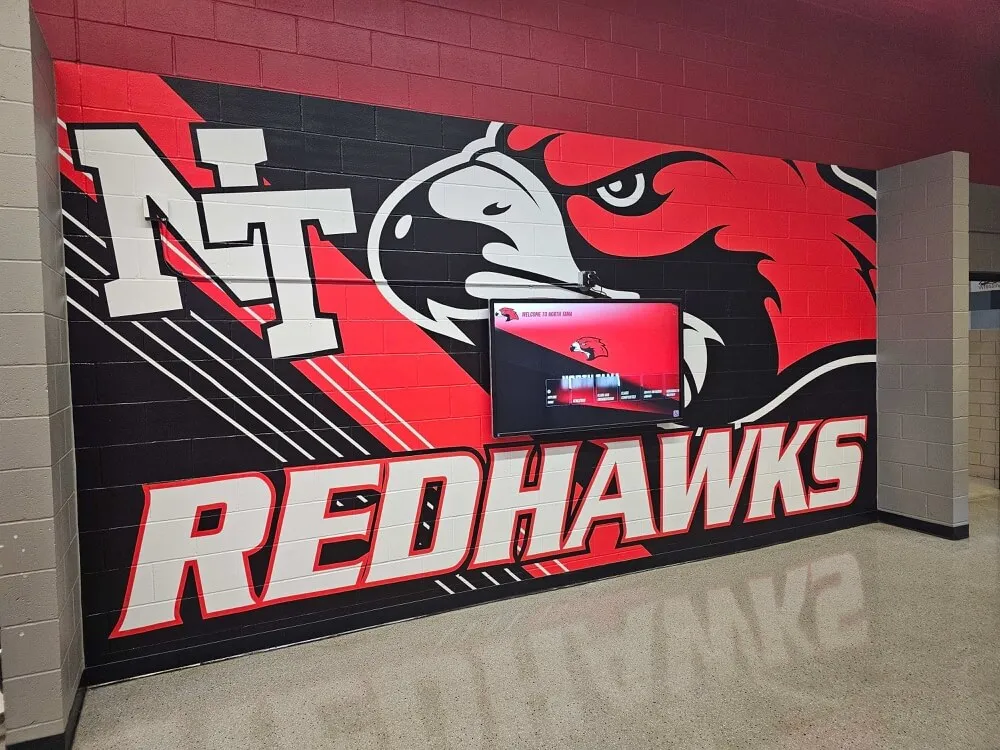
When facilities staff remove artifacts during painting, renovation, or display reconfiguration, the sign-out process still applies — but the borrower and the authorizing staff may be the same department. The key fields are: who removed the items, where they are stored during the work, and the confirmed return date tied to the project completion timeline. Gymnasium maintenance projects in particular can affect large artifact collections simultaneously; reviewing gymnasium wall graphic and display planning resources before a renovation helps athletic directors anticipate which display items need pre-removal documentation.
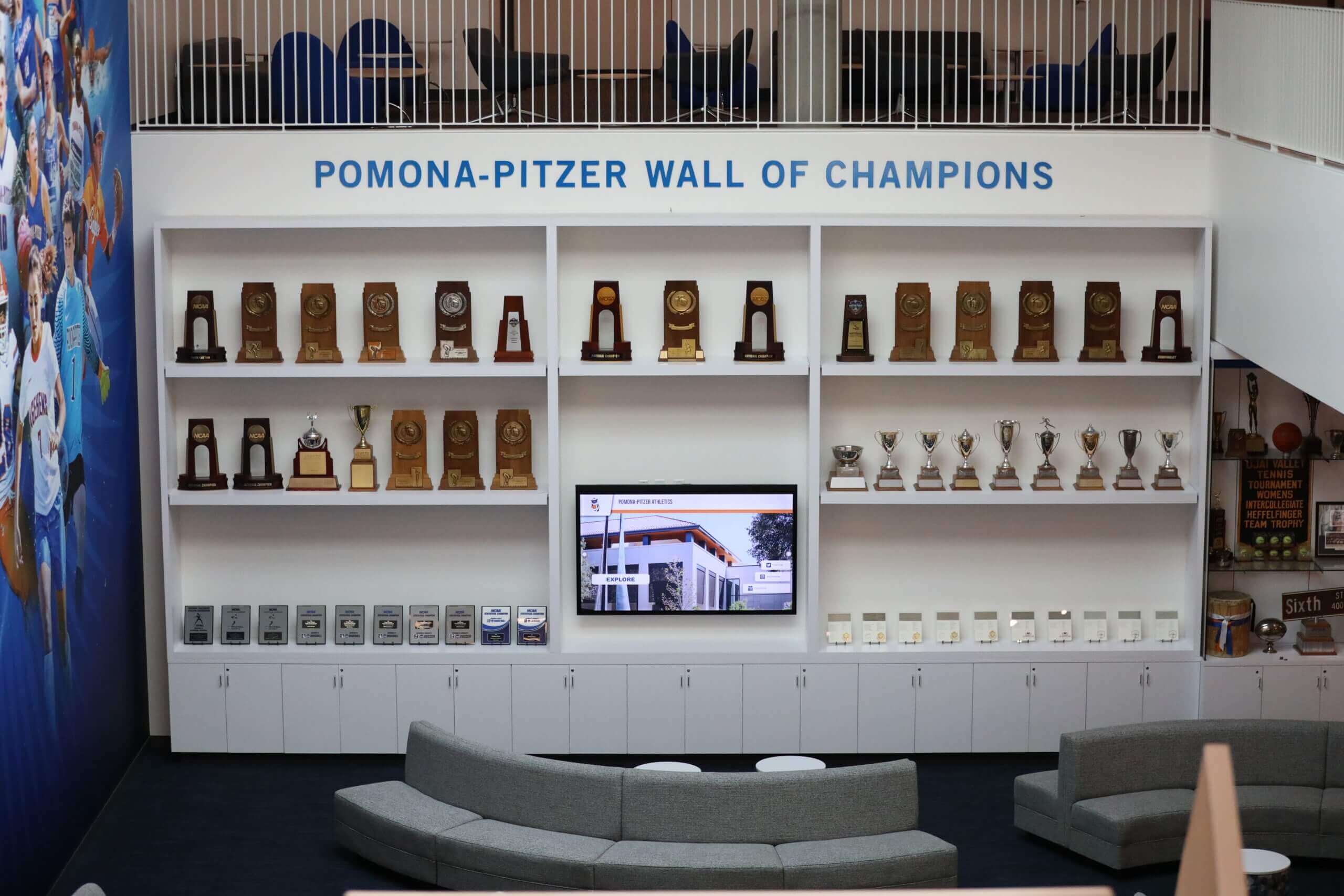
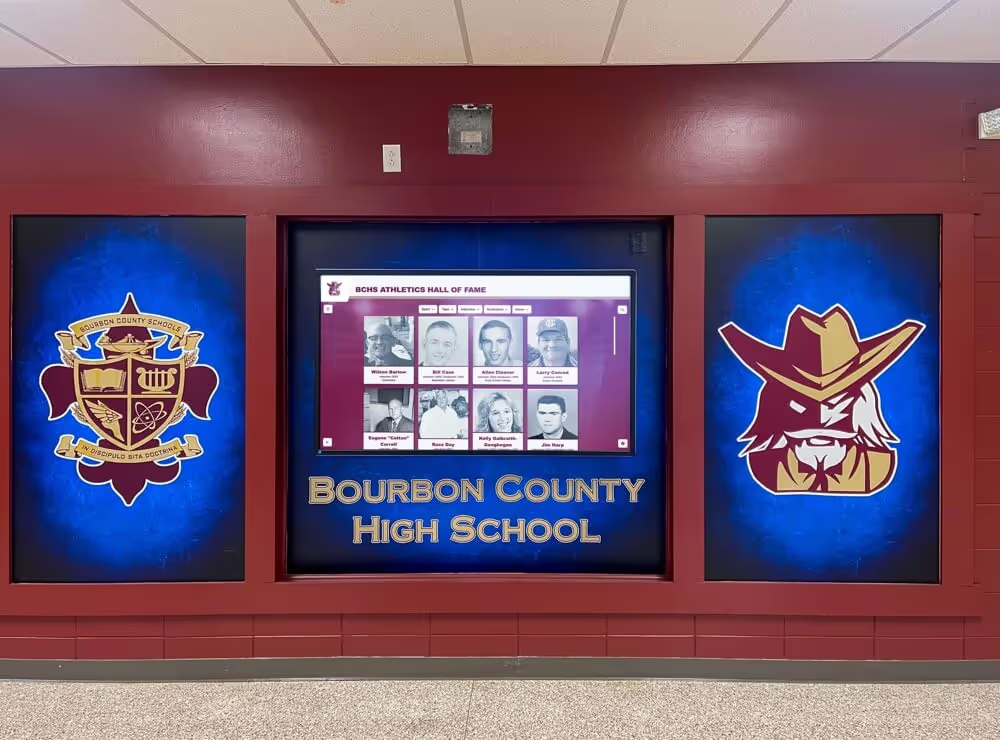
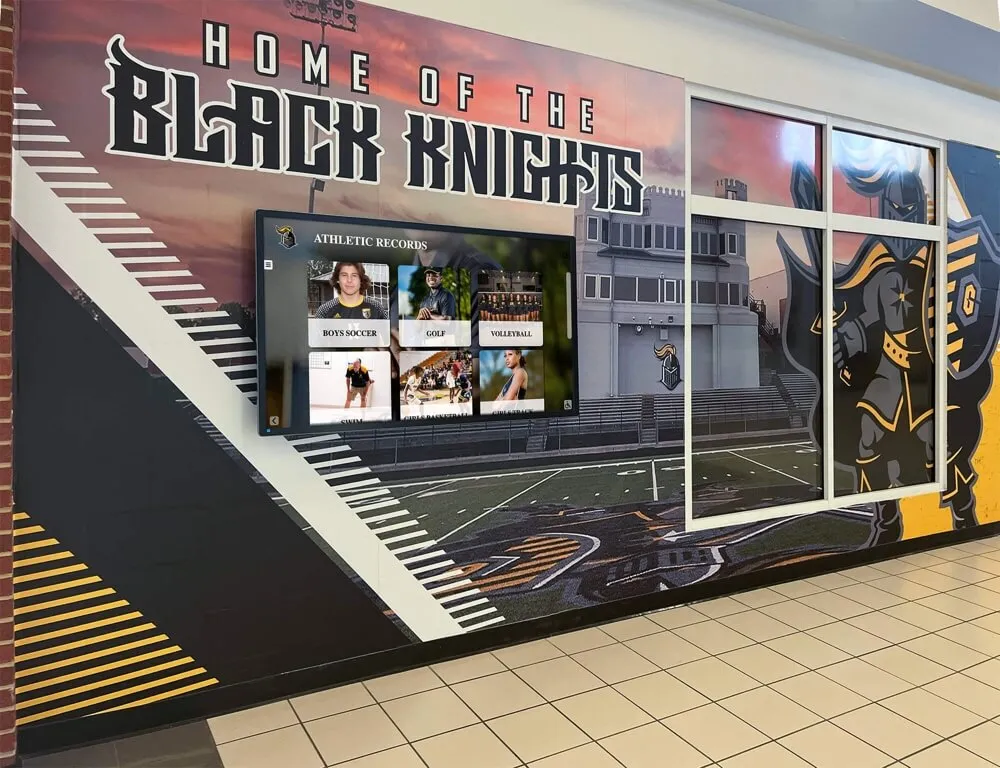
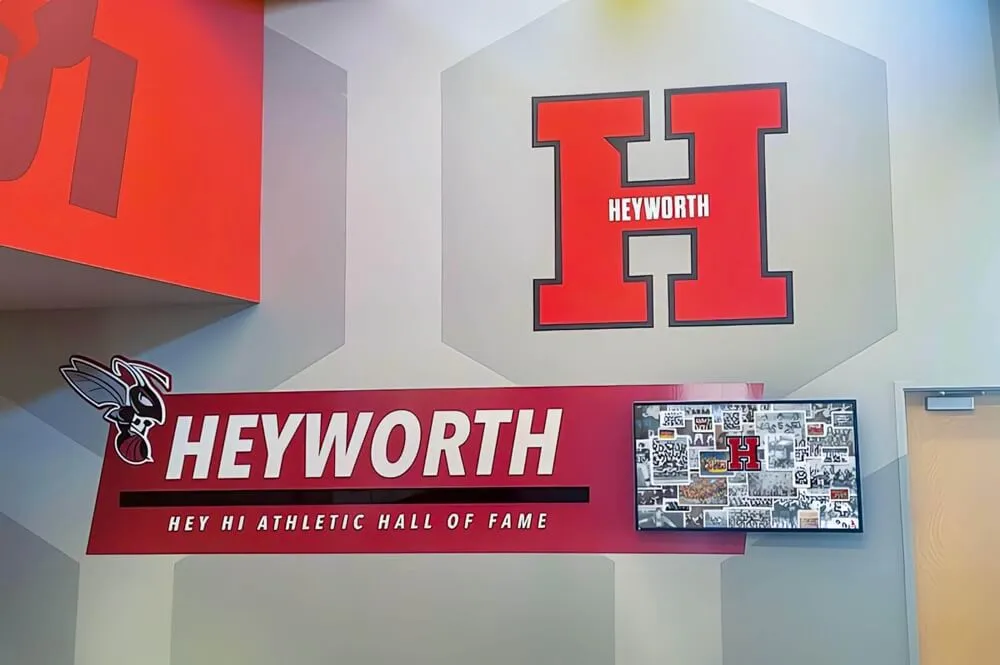
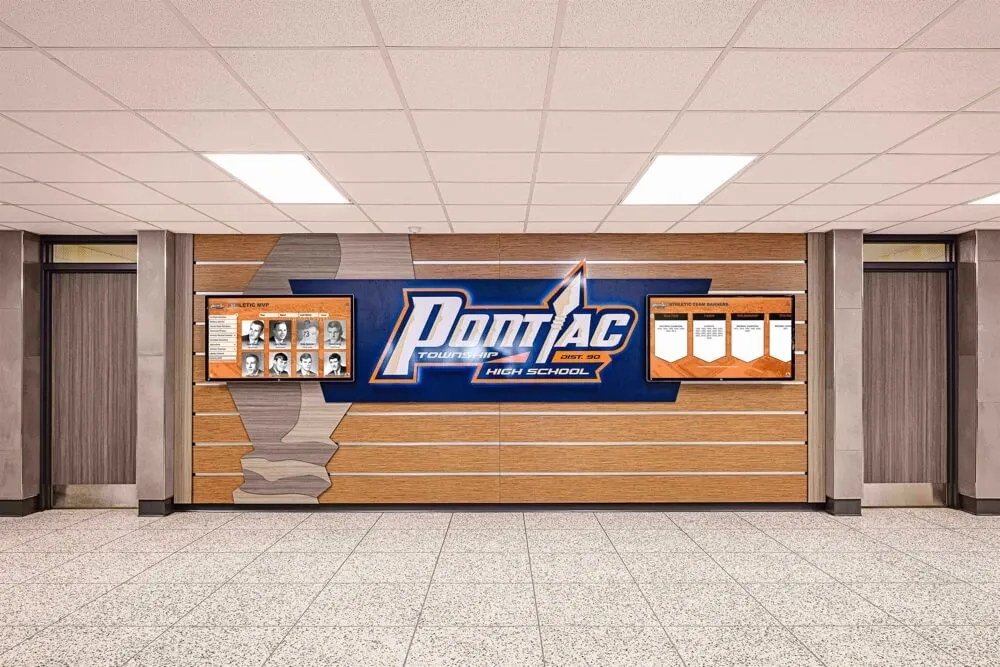
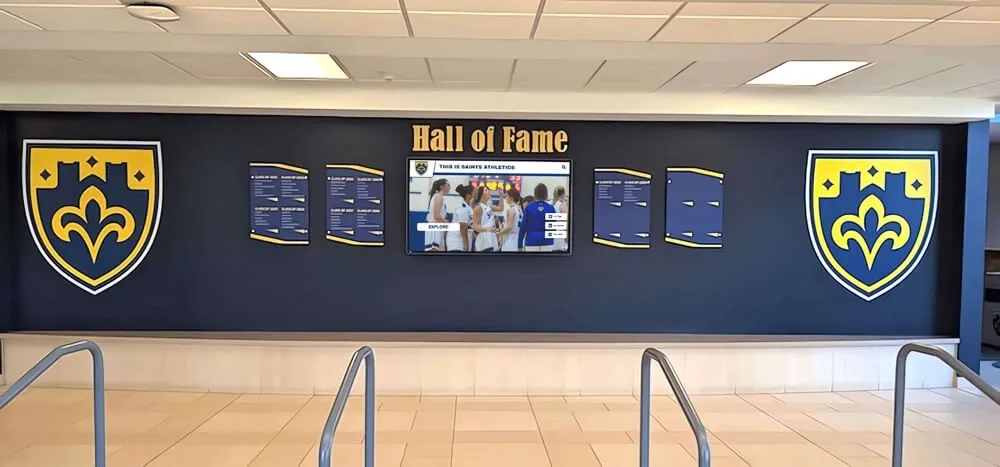
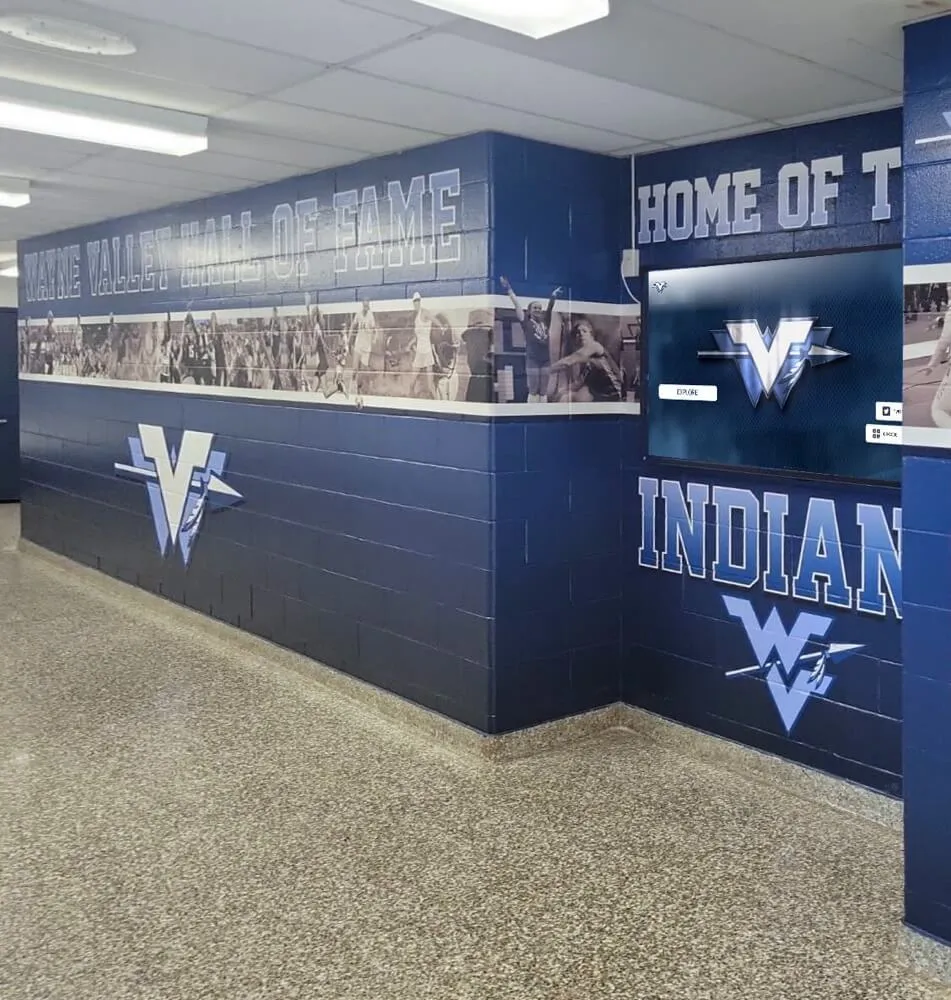
Trophy lounges and shared display spaces across multiple areas of a campus make centralized artifact tracking especially important
Photography and Content Production Sessions
Artifact loans for photography require the same documentation as any other loan — but because sessions often happen quickly and return the same day, the check-in step is frequently skipped under time pressure. Build the habit of completing the form even for same-day returns. The condition fields matter most here: photographic props get handled extensively, and minor damage that occurs during a shoot is easiest to document immediately after the session.
Traveling Trophy Rotations
Some schools share traveling trophies with rival institutions following competitive events. If your school is temporarily holding a shared trophy awarded to the competition winner, the sign-out sheet applies in reverse: document when the trophy arrived, its condition on arrival, its expected departure date, and the recipient institution’s contact. Schools featuring compelling athletic displays alongside inspirational coach recognition often incorporate traveling trophies into their narrative displays — accurate custody records ensure those pieces are present and accounted for when visitors expect to see them.
Organizing and Filing Completed Sign-Out Records
A sign-out form that disappears into a desk drawer after use provides limited protection. Completed forms — paper or digital — belong in an organized, accessible system.
For paper forms: Keep a three-ring binder in the athletic office divided by academic year. File completed forms chronologically within each year. At the start of each academic year, review all “open” forms from the prior year and investigate any loans that show no check-in date.
For digital records: A shared Google Sheet with restricted editing permissions (only staff who execute checkouts can add rows) and view access for the athletic director and front office provides accountability with accessibility. Archive each academic year’s records in a separate tab or folder rather than deleting them — loan history occasionally matters months after the fact.
Annual reconciliation: Once per year, typically at the start of a new school year, conduct a physical walk-through of all display locations and compare items present against catalog records. Any discrepancy between the physical count and the catalog triggers an investigation using sign-out records to trace the artifact’s last documented location.
FAQ: Athletic Artifact Sign-Out Sheets
What is an athletic artifact sign-out sheet? An athletic artifact sign-out sheet is a custody tracking document that records every time a trophy, plaque, jersey, banner, or piece of memorabilia is temporarily removed from a school display or storage area. It captures borrower identity, destination, purpose, expected return date, and condition at both check-out and check-in, creating a documented chain of custody for each loan.
Who should maintain the athletic artifact sign-out system? The athletic director or a designated staff member in the athletic office should own the process. Facilities staff and any department that regularly borrows artifacts should know who to contact to initiate a checkout. The authorizing staff member should be a consistent role — not ad hoc — so accountability is clear.
Do short, same-day loans need to be documented? Yes. Most artifact damage and loss occurs during seemingly low-risk, same-day movements. A trophy set on an event table and returned four hours later is still an undocumented loan if no form is completed. The condition baseline matters regardless of duration.
How does an artifact sign-out sheet differ from a general inventory spreadsheet? An inventory spreadsheet records what you own and where it normally lives. A sign-out sheet records when an item is temporarily somewhere else. They are complementary systems: the inventory tells you what exists, the sign-out sheet tells you where things are at any given moment.
What should happen if a borrowed artifact is returned damaged? Document the damage with photographs immediately upon discovery. Compare to the check-out condition photos. Notify the borrower in writing and retain all documentation. For significant damage, consult your school district’s policies on property liability before determining next steps. General guidance is to document first, then communicate — not the reverse.
How do digital trophy cases handle artifact loan tracking? A well-configured digital trophy case platform allows administrators to update artifact status fields — including a loan flag and expected return date — through the cloud-based CMS. This means a display visitor searching for a particular item can see that it is temporarily off-site rather than experiencing an unexplained gap in the display record.
Are there legal requirements for artifact custody documentation? Public school districts generally follow board policies on property accountability that cover physical assets, including award hardware and memorabilia. Requirements vary by state and district. This guide provides general educational guidance; consult your district’s property management policies and, where applicable, legal counsel for requirements specific to your institution.

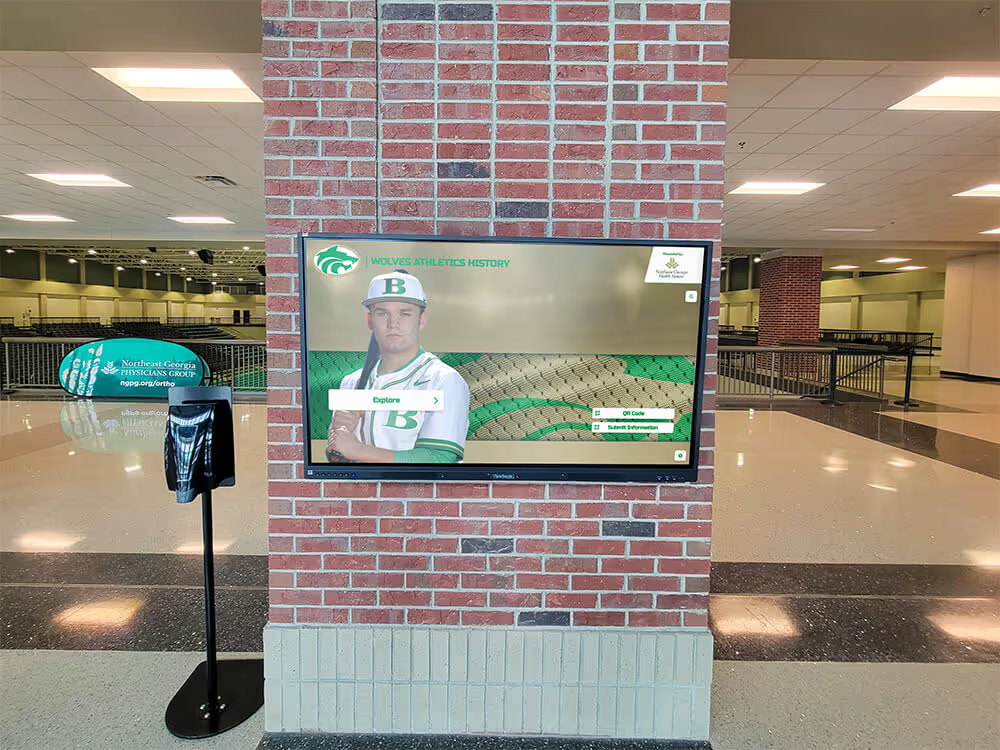
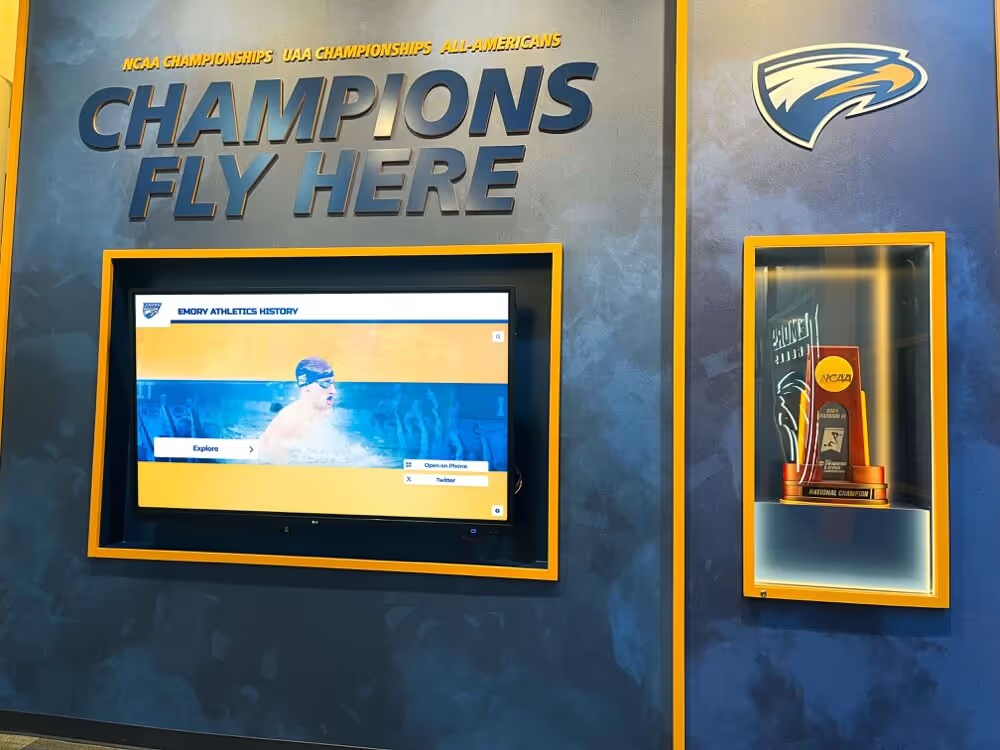
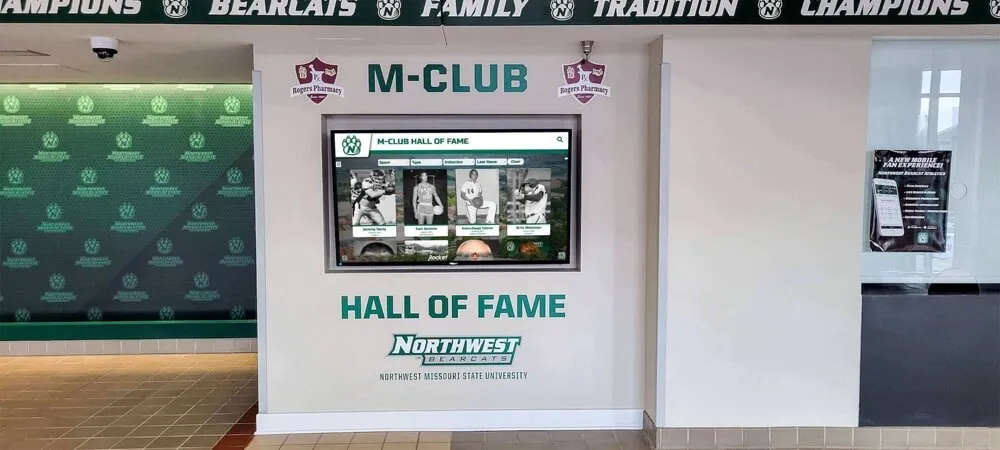
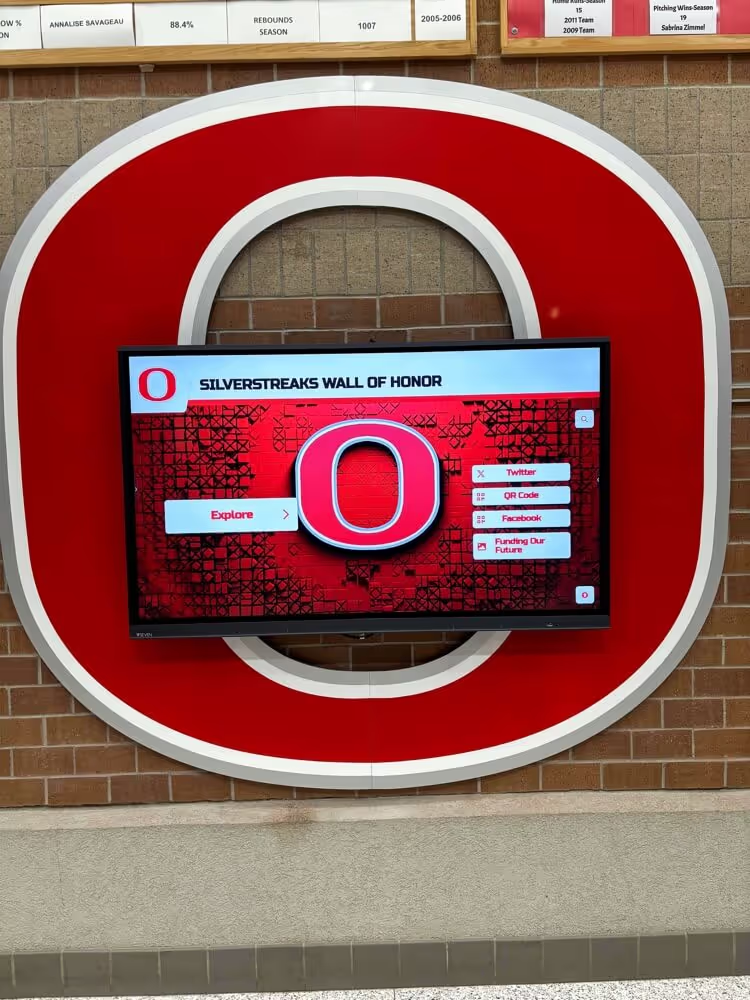
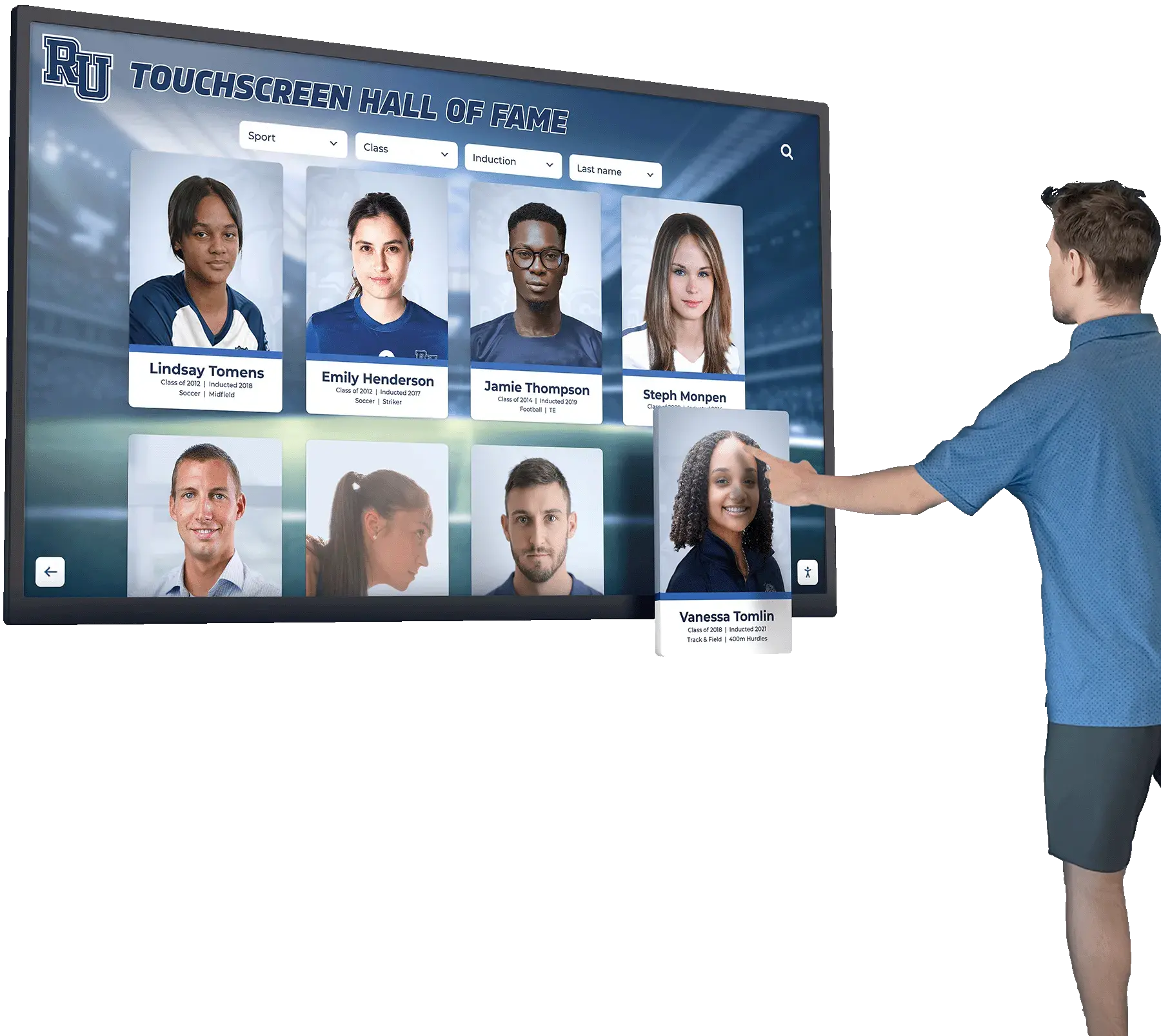
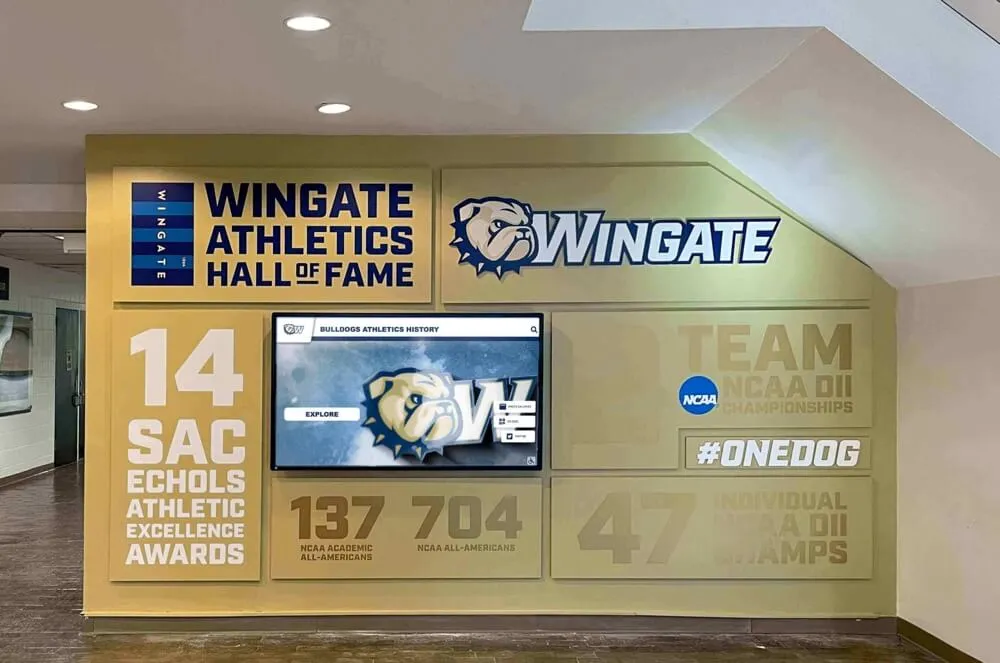
Digital recognition systems maintain complete records of every artifact in your collection — providing a permanent catalog that physical sign-out sheets can reference for catalog IDs and condition baselines
From Paper Sign-Out Sheets to a Complete Digital Recognition System
An athletic artifact sign-out sheet solves the immediate custody problem. It does not solve the broader challenge that most school athletic departments face: a recognition collection that has outgrown the physical space available to display it, with historical records scattered across binders, spreadsheets, and memory.
The longer-term solution integrates loan tracking into a comprehensive digital trophy case — a platform where every trophy, plaque, jersey, and record exists as a searchable digital entry. When an artifact is loaned for an event, the catalog entry updates in minutes through a cloud-based CMS. When the item returns, the entry reverts. No gap in the display, no confusion about what’s missing, no reliance on institutional memory for a piece of history that belongs to the whole school community.
Digital platforms also solve the physical-space problem entirely. Championship trophies from 1978 and signed jerseys from retiring coaches coexist in the same display with current-season achievements — without competing for shelf space. Every visitor who stops at a touchscreen display has access to the complete archive, not just what fits in the glass case.
Ready to Build a Complete Athletic Artifact System?
Rocket Alumni Solutions builds interactive digital trophy cases and touchscreen walls of fame for schools nationwide. Unlimited record capacity, cloud-managed updates, loan-status tracking, and ADA WCAG 2.1 AA compliant displays — all managed remotely without IT tickets. See how schools are replacing physical trophy case headaches with a recognition platform that tracks every artifact, every achievement, and every athlete permanently.
Book A DemoA borrowed trophy with no paper trail is a liability. A complete sign-out system — connected to a digital catalog that keeps your full recognition history accessible regardless of what is physically on display — gives athletic directors, administrators, and facilities staff the accountability they need and the history their schools deserve to preserve.