



Alumni associations face a persistent challenge: how do you bring together graduates who’ve scattered across continents, built careers in different industries, and established lives far from campus? Too often, alumni events default to predictable wine-and-cheese receptions where attendees engage in surface-level small talk before slipping out early. Meanwhile, development offices struggle to build the deep relationships that transform occasional donors into committed advocates.
The most successful alumni programs create varied, purposeful gatherings that go beyond simple socializing. These events provide genuine networking value, showcase institutional achievements, celebrate alumni accomplishments, and create meaningful experiences that alumni remember and appreciate. Whether you’re planning intimate gatherings for recent graduates or large-scale homecoming celebrations bringing together multiple classes, strategic event planning transforms obligatory alumni programming into experiences graduates eagerly anticipate.
This comprehensive guide explores creative alumni event ideas spanning professional networking, social celebrations, educational programming, and recognition ceremonies. From small-scale chapter events to campus-wide celebrations, these proven strategies help alumni relations professionals create gatherings that strengthen lifelong connections while advancing institutional priorities.
Effective alumni engagement extends beyond annual giving campaigns and occasional newsletters—it requires consistent programming creating regular touchpoints where graduates reconnect with each other, engage with their alma mater, and build relationships supporting both personal networks and institutional advancement goals. Organizations excelling at alumni relations view events as strategic investments in community building rather than obligatory programming.

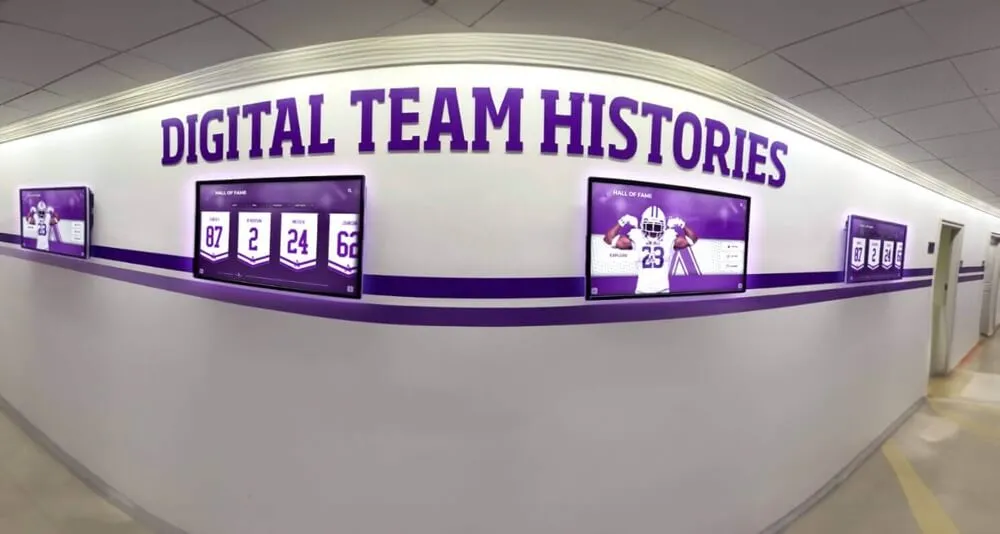
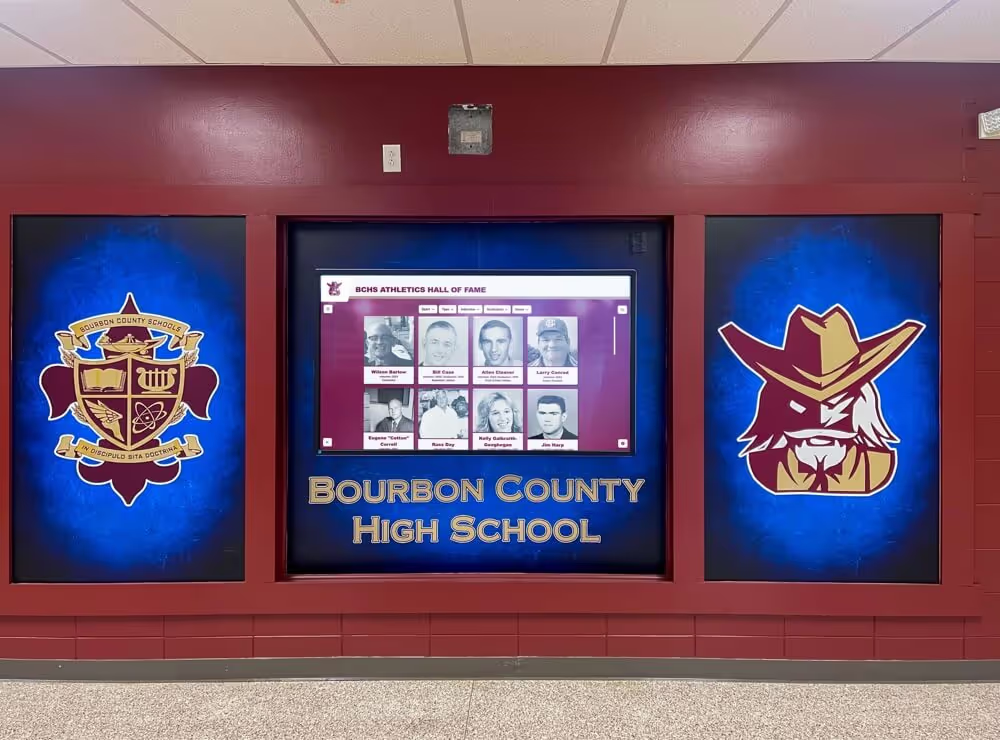
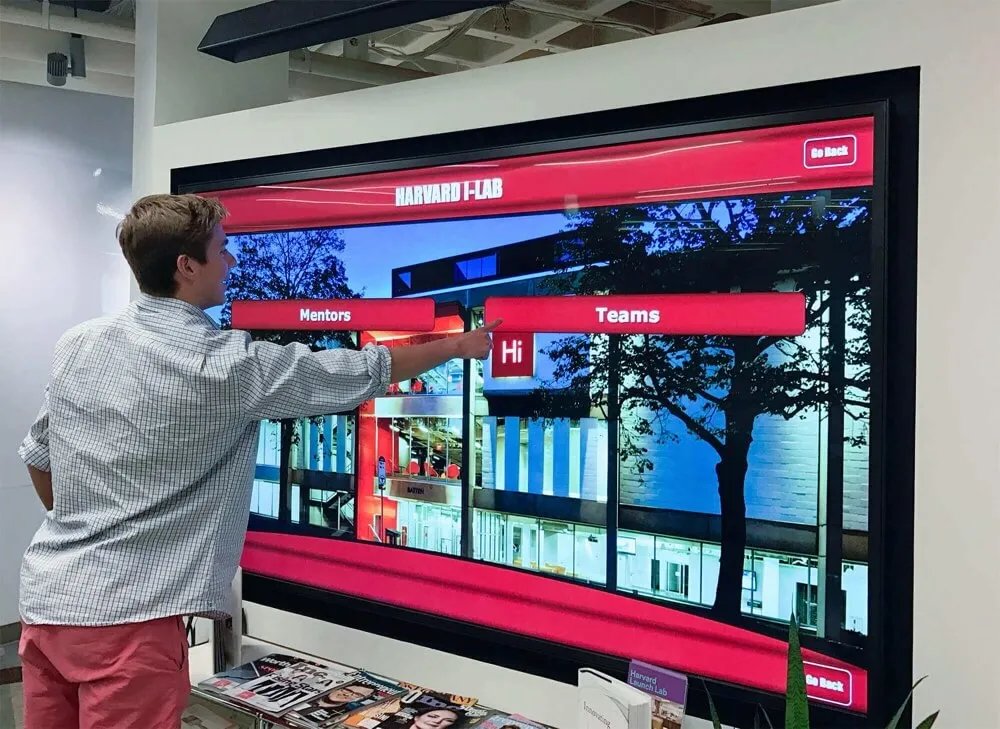
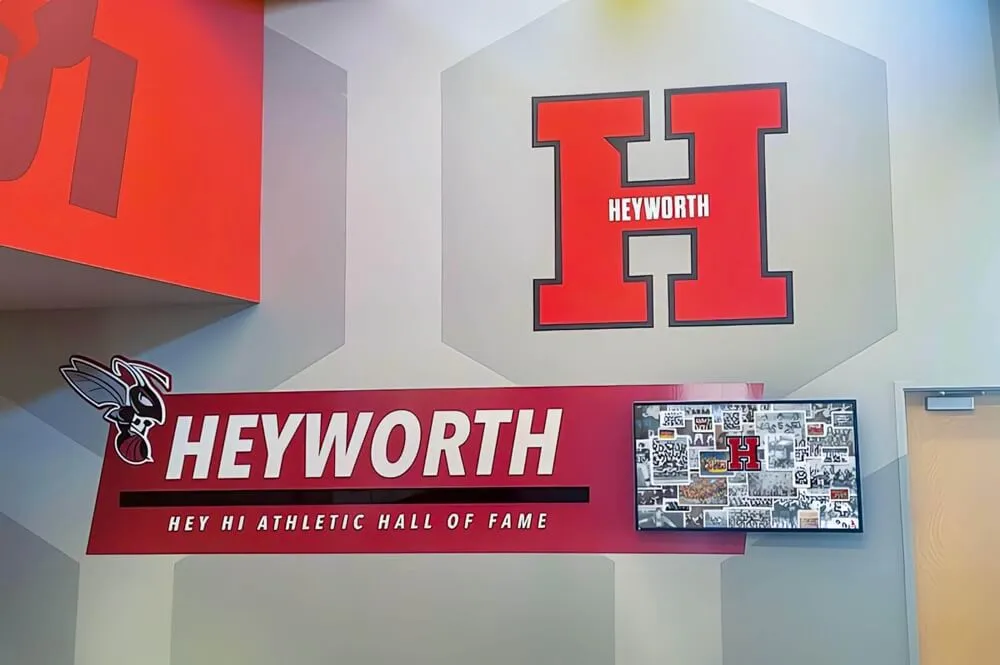
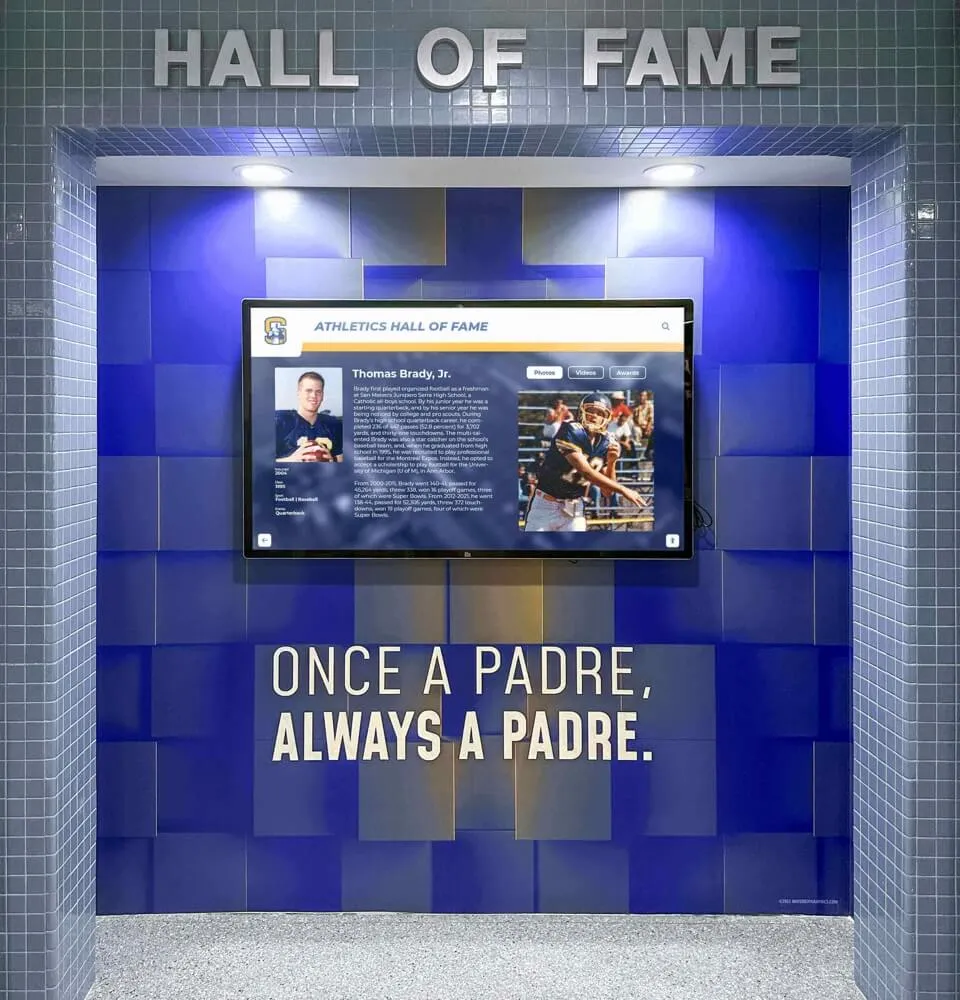
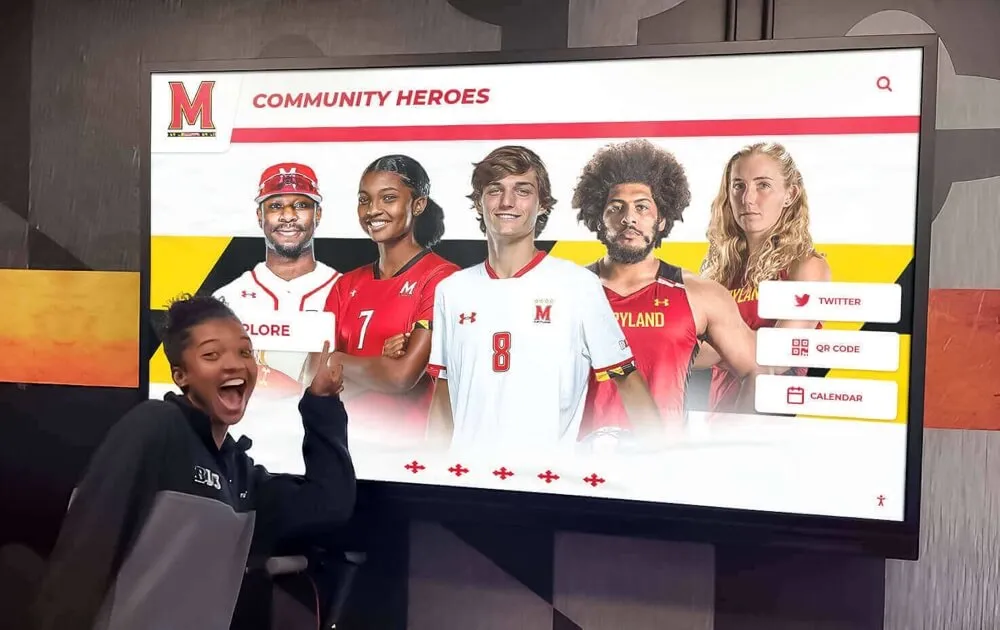
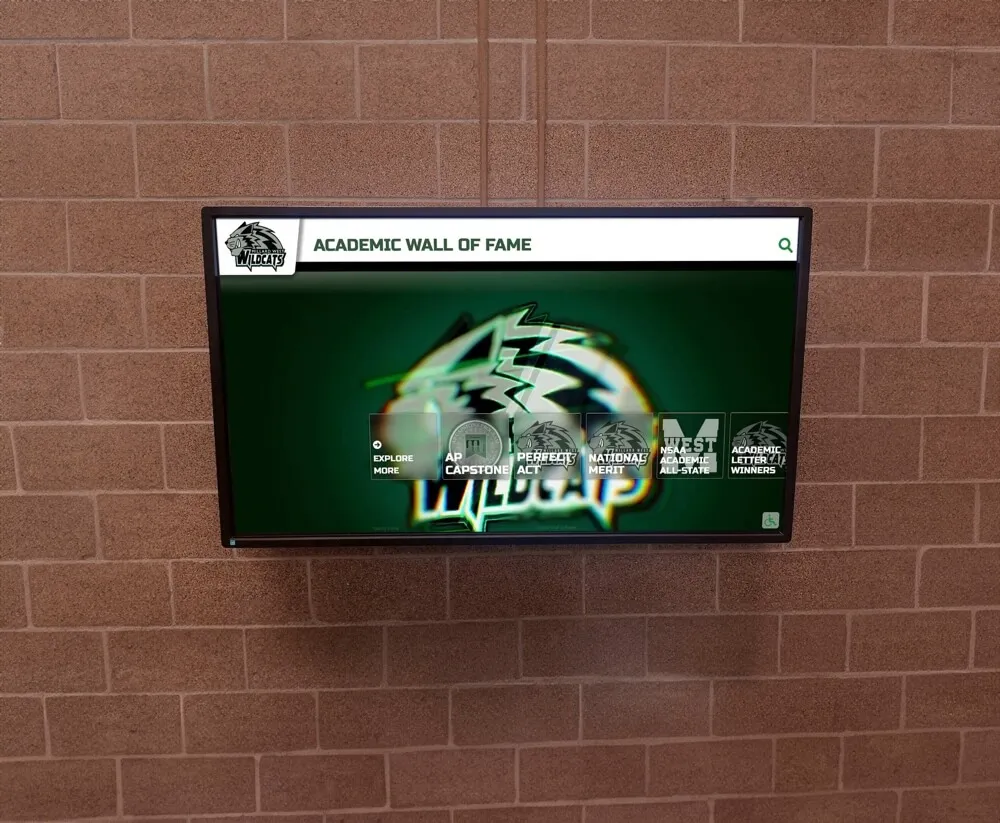
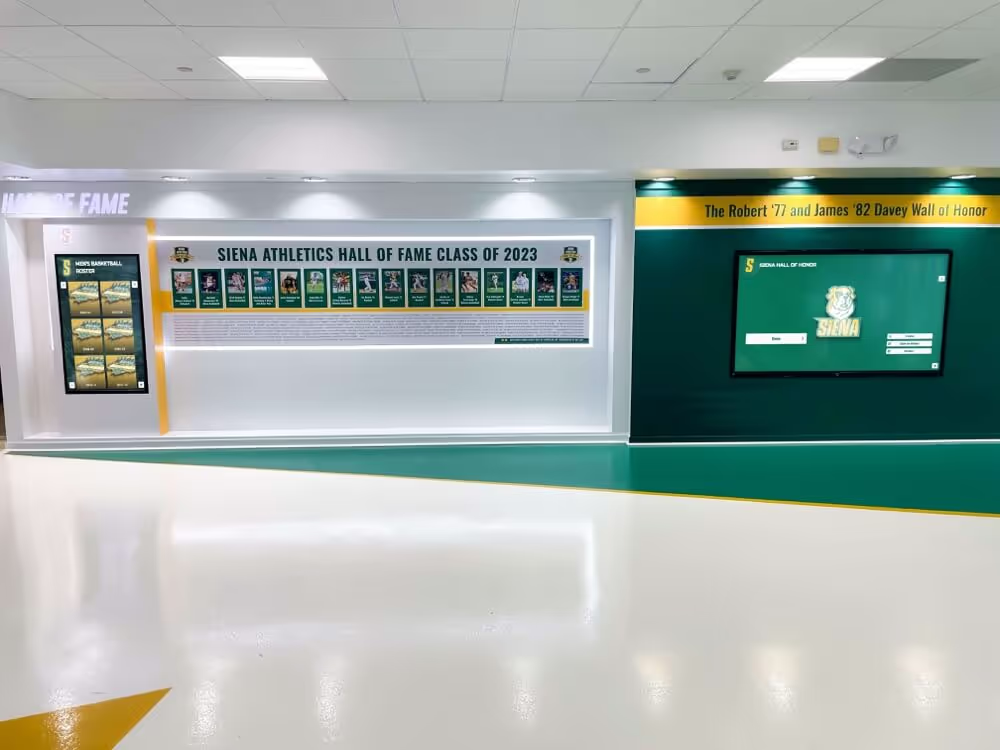
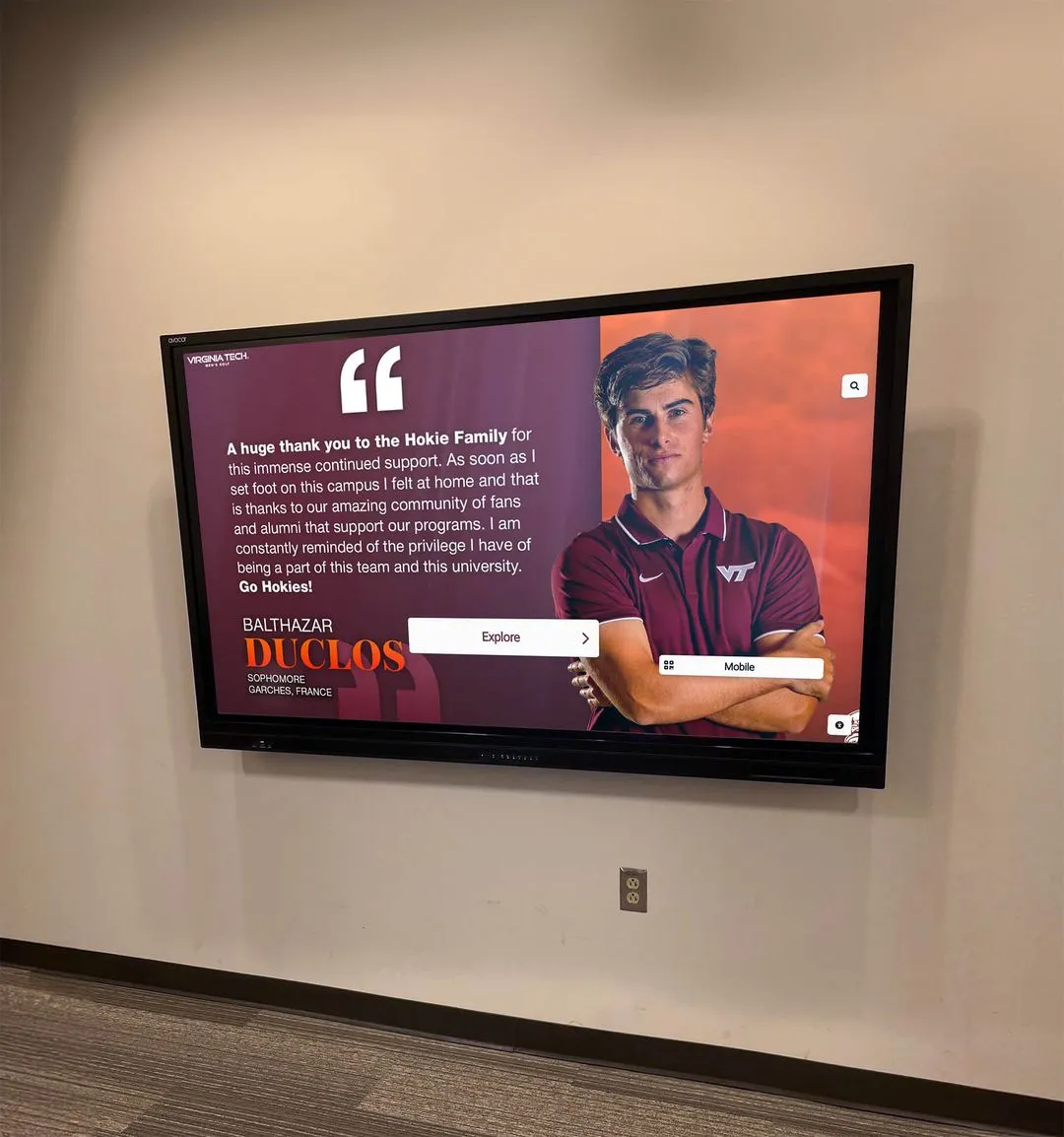
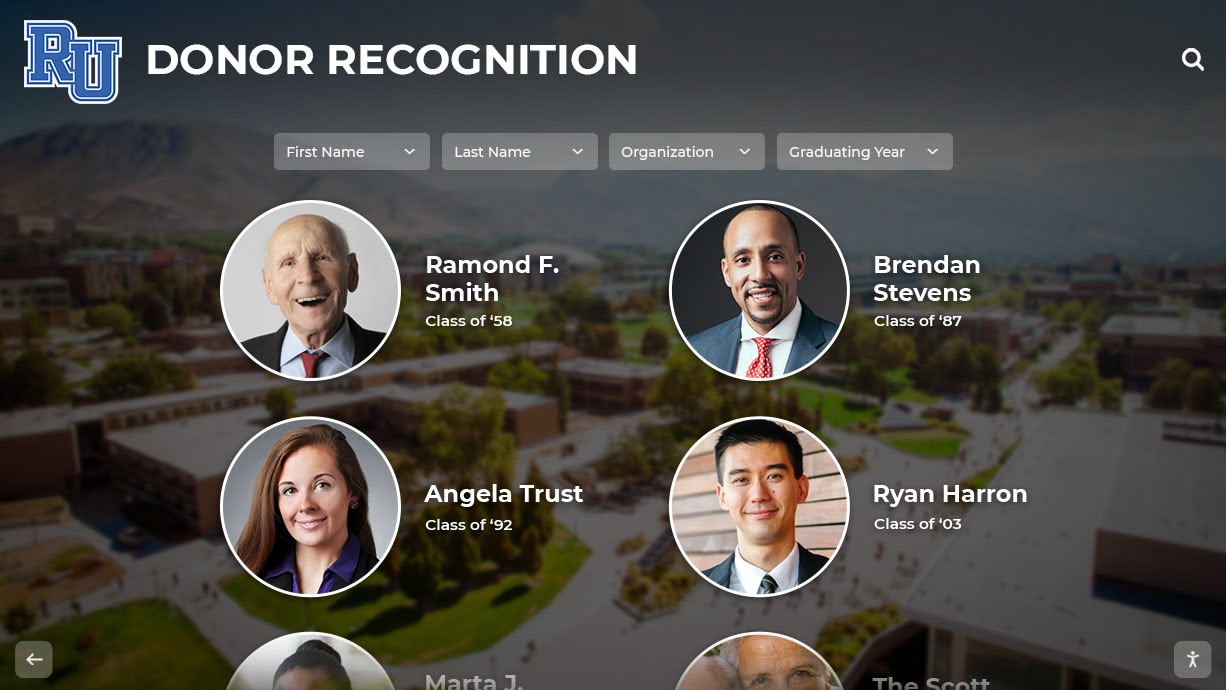
Modern alumni events blend traditional networking with recognition displays celebrating graduate achievements and institutional pride
Understanding Alumni Event Goals and Strategy
Before diving into specific event ideas, clarifying how alumni programming serves broader institutional objectives guides effective planning decisions.
Defining Event Objectives
Relationship Building and Community Primary goals for alumni engagement:
- Strengthen emotional connections between alumni and institution
- Create networking opportunities among graduates across generations
- Build peer relationships motivating continued involvement
- Cultivate sense of belonging extending beyond graduation
- Foster alumni pride in institutional accomplishments
- Facilitate mentor-mentee connections supporting career development
Development and Fundraising Support Strategic advancement objectives:
- Cultivate major gift prospects through relationship building
- Increase annual giving participation rates
- Identify legacy and planned giving prospects
- Showcase institutional impact demonstrating donation effectiveness
- Connect donors with programs they support
- Build volunteer pipelines for campaign committees
Alumni development research consistently demonstrates that event attendance correlates strongly with giving behavior—alumni who attend two or more events annually show 3-4 times higher giving rates compared to non-participants.
Enrollment and Student Support Recruitment and retention benefits:
- Alumni testimonials influencing prospective student decisions
- Mentor programs connecting students with career professionals
- Internship and job placement support through alumni networks
- Geographic recruitment assistance through chapter events
- Transfer of institutional pride from alumni to prospective families
- Scholarship fundraising supporting current students
Segmenting Alumni for Targeted Programming
Demographic Segmentation Create events serving specific populations:
- Recent graduates (1-5 years) building early career networks
- Mid-career professionals (10-25 years) in leadership positions
- Senior alumni (25+ years) with established careers and giving capacity
- Young alumni families with children
- Geographic chapters based on metropolitan areas
- Affinity groups by major, sport, activity, or shared interest
Engagement Level Targeting Tailor programming to involvement history:
- Highly engaged volunteers and donors receiving premium experiences
- Moderately engaged alumni invited to accessible programming
- Non-engaged graduates receiving welcoming, low-barrier invitations
- First-time attendees benefiting from structured networking support
- Lapsed alumni reconnecting through targeted outreach
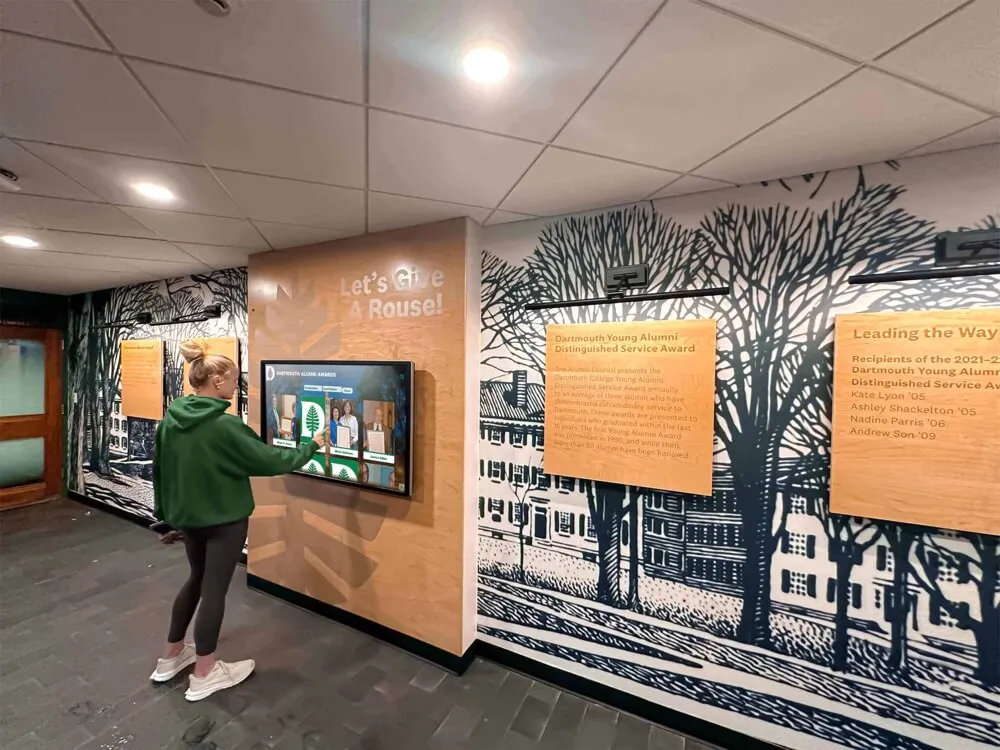
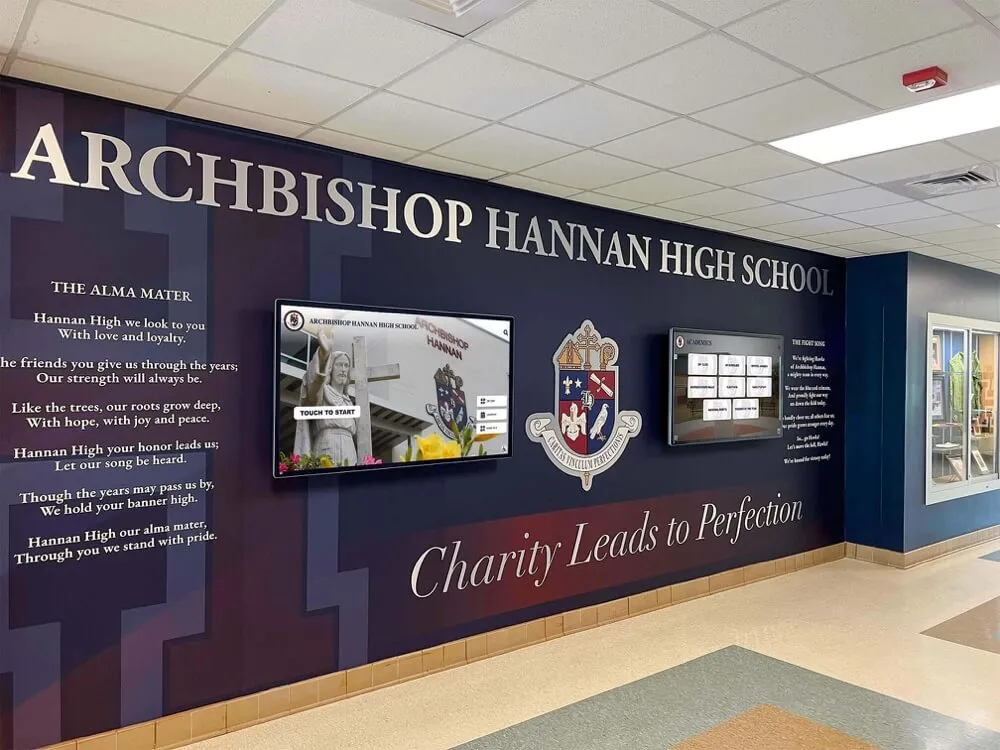
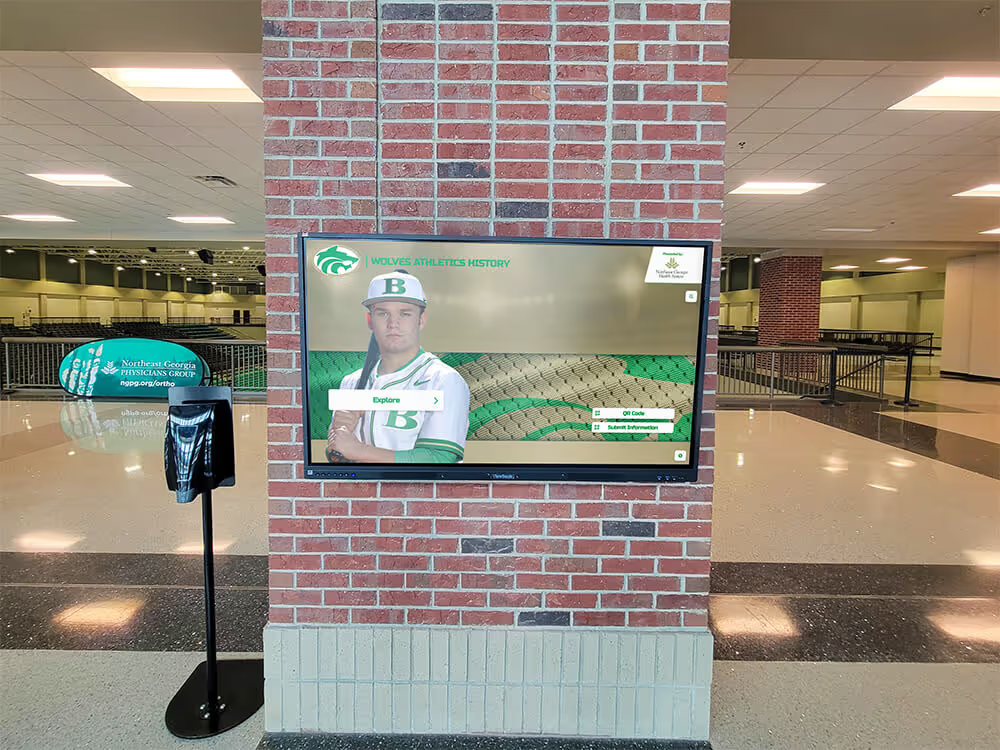
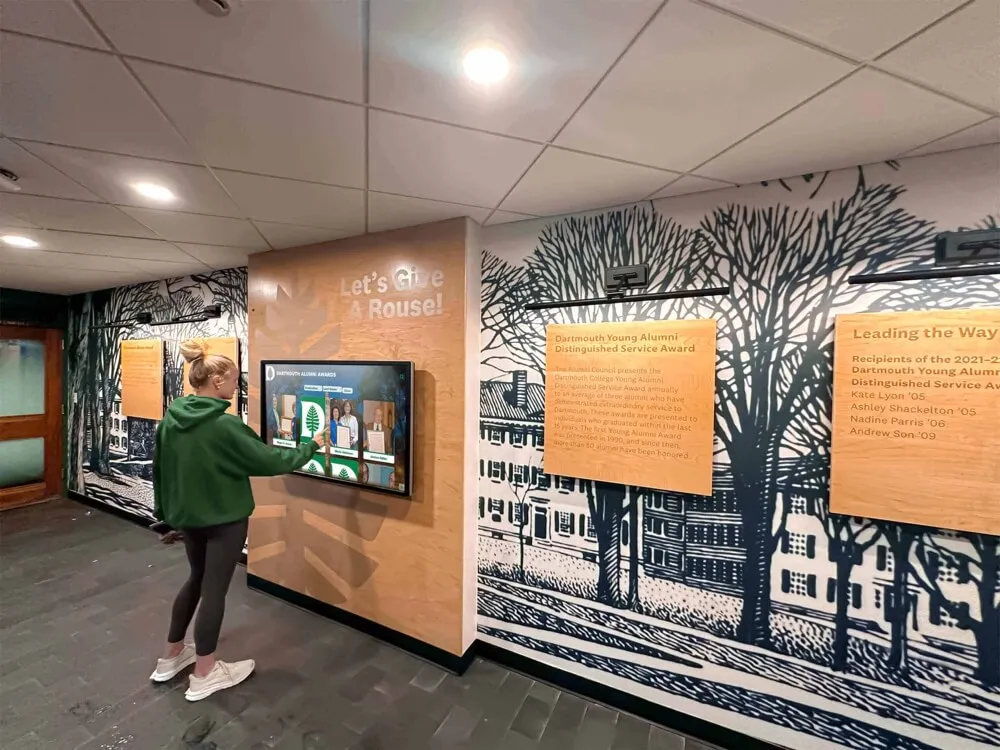
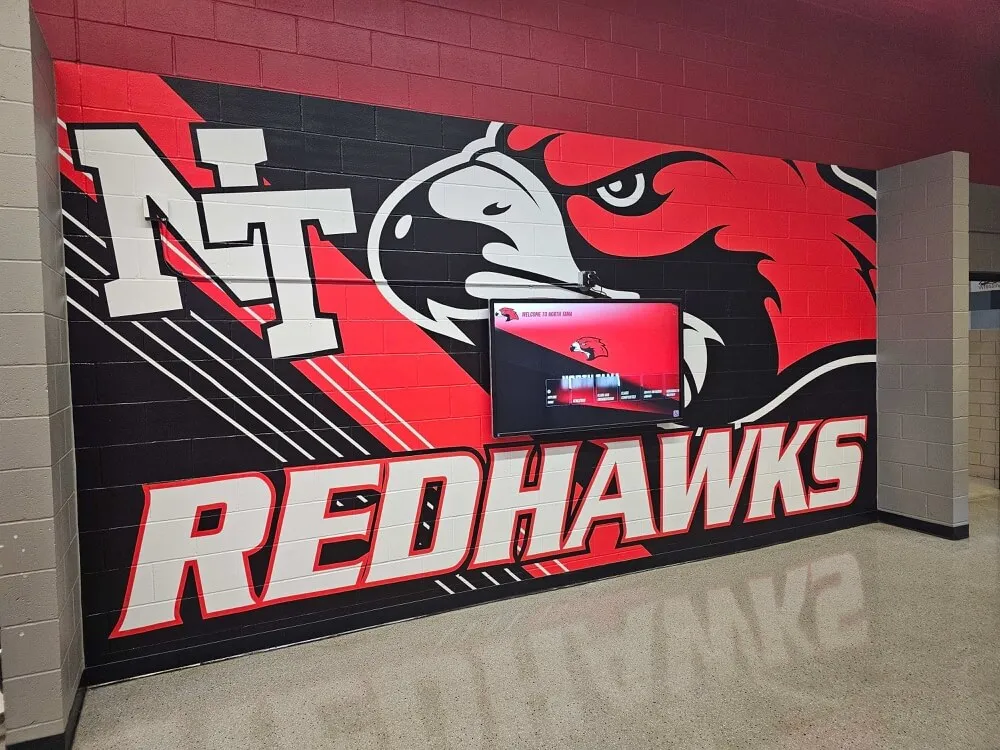
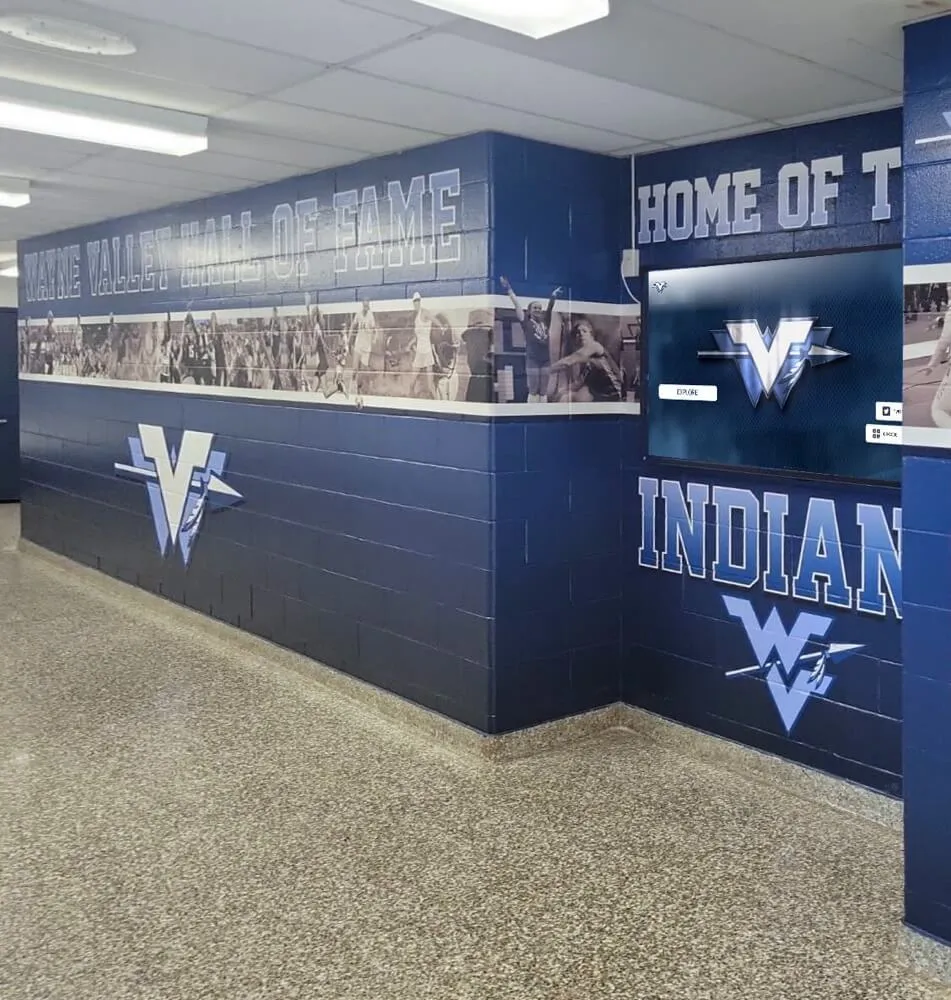
Interactive displays provide natural conversation starters at alumni gatherings while showcasing graduate accomplishments
Schools implementing comprehensive alumni engagement strategies find that segmented programming with clear objectives generates significantly higher participation and satisfaction compared to one-size-fits-all approaches.
Professional Networking and Career Development Events
Career-focused programming provides tangible value attracting busy professionals to alumni gatherings.
Industry-Specific Networking Events
Sector Affinity Gatherings Connect alumni working in common fields:
- Technology and innovation networking receptions
- Healthcare professional gatherings
- Legal profession alumni events
- Education and academic career mixers
- Financial services and banking connections
- Entrepreneurship and startup founder meetups
- Arts and creative industry celebrations
- Engineering and technical professional events
Event Structure Elements Create productive networking experiences through:
- Structured introductions and ice breakers
- Name tags including industry, company, and graduation year
- Small group facilitated discussions on industry trends
- Alumni spotlight presentations from accomplished professionals
- Open networking time with conversation starters
- Business card exchange systems
- Digital directories enabling connection after events
Organizations report that industry-specific events generate 40-60% higher attendance rates among target populations compared to general alumni receptions, as career benefit provides compelling attendance motivation.
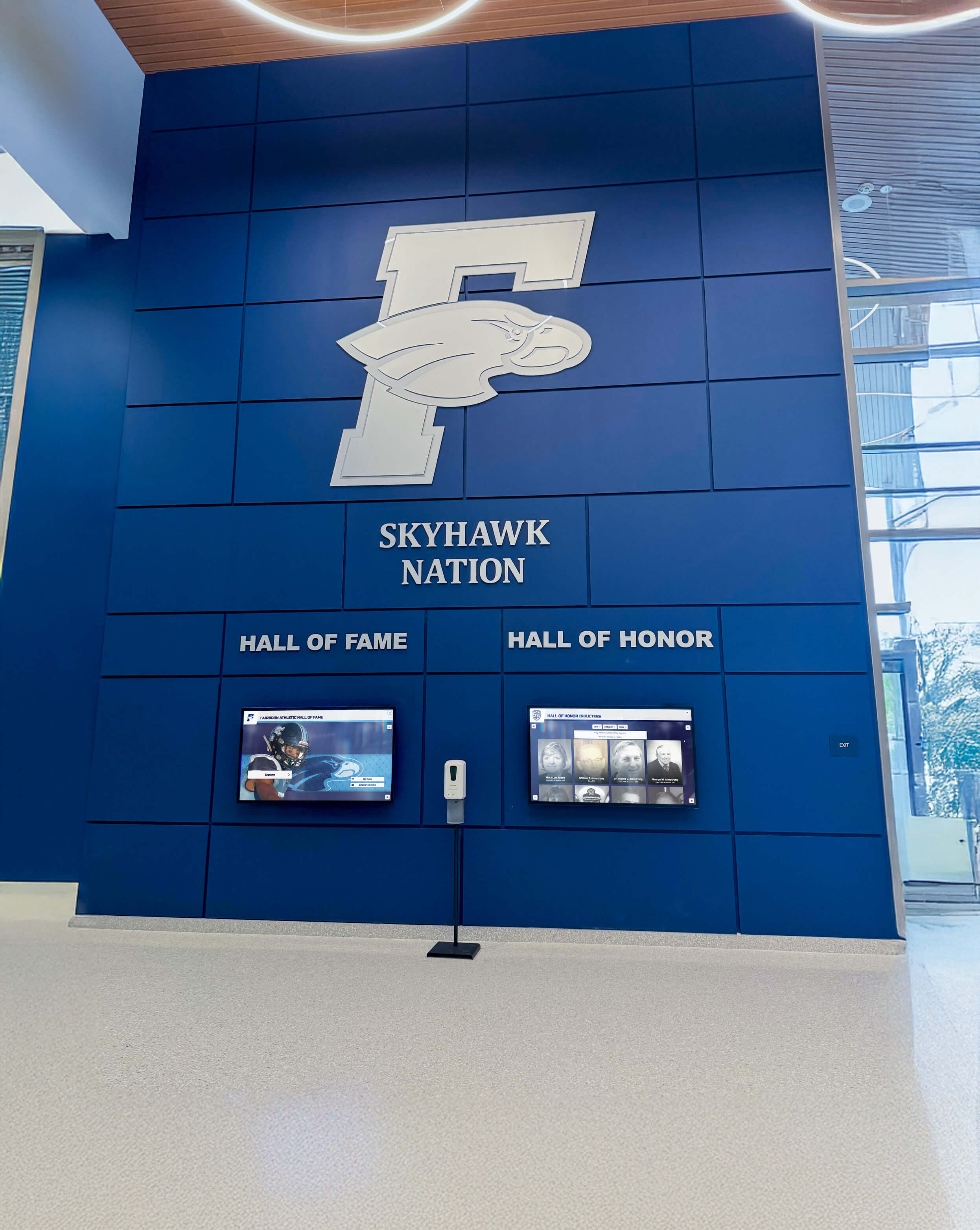
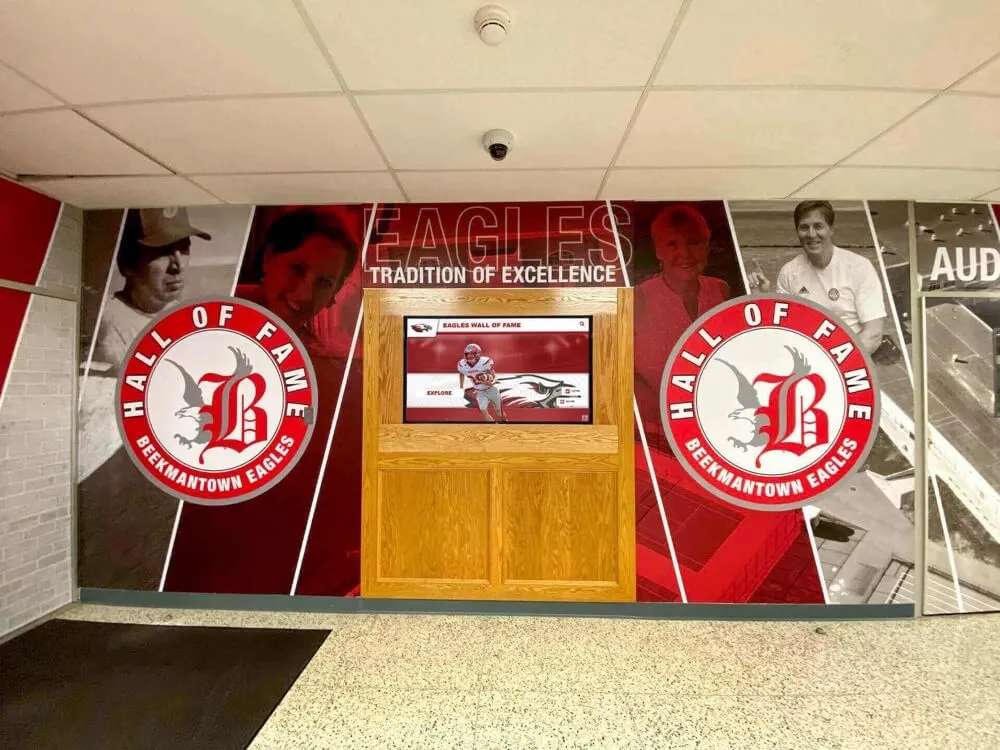
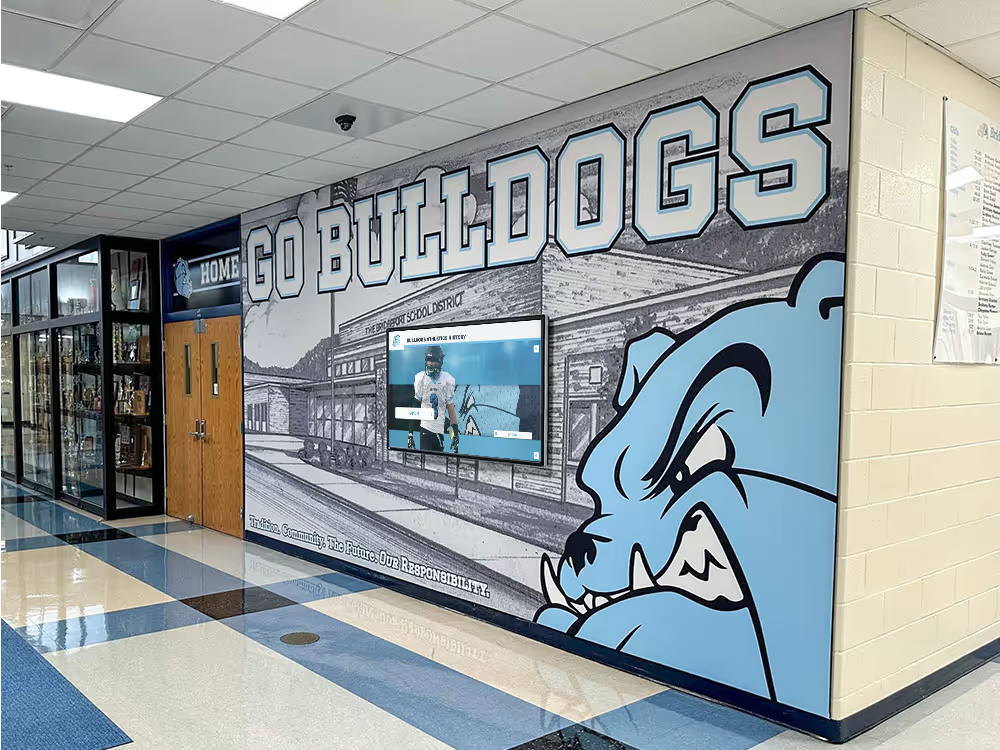
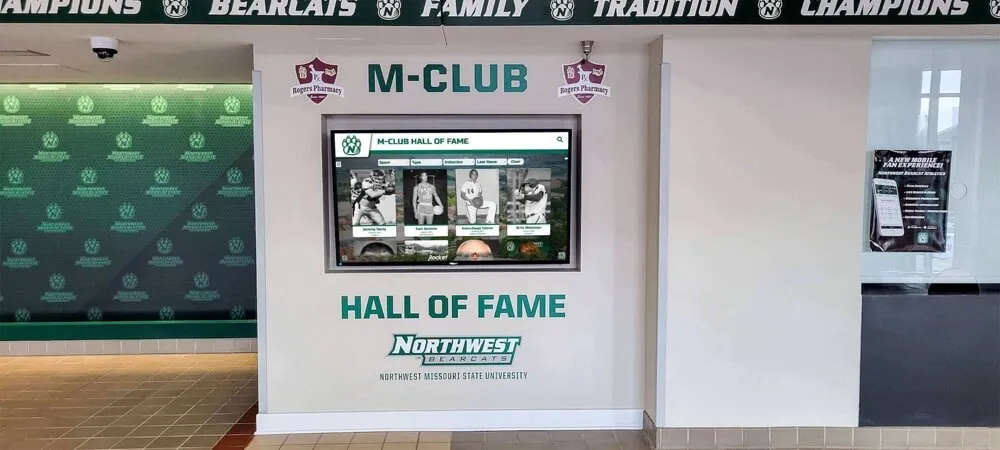
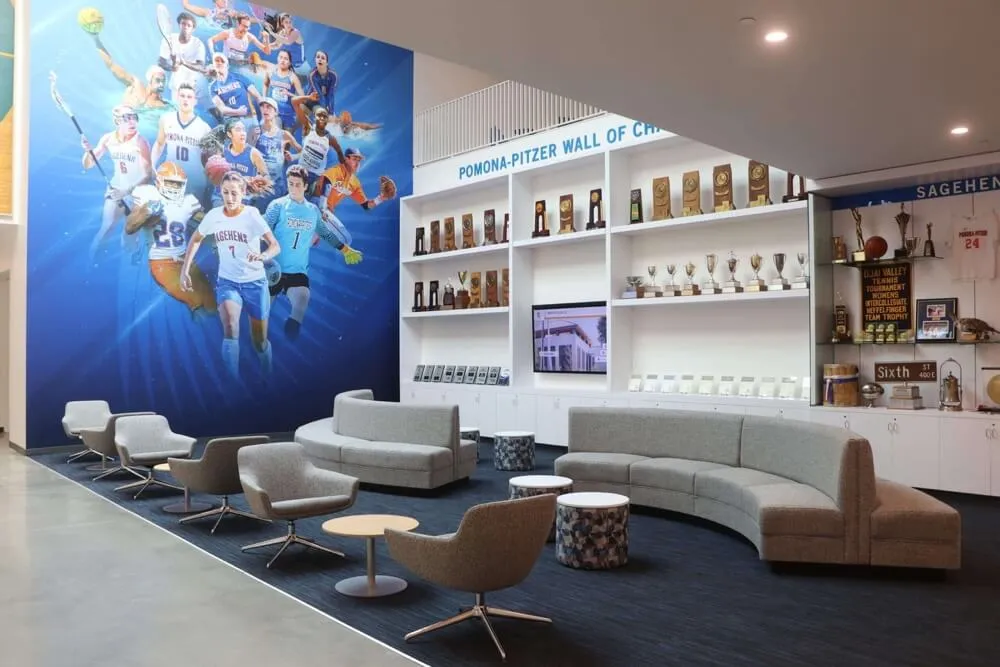
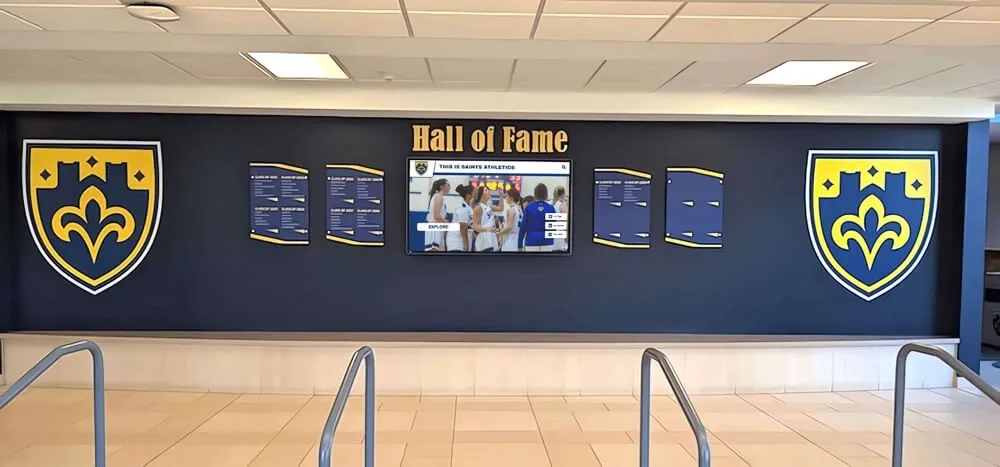
Lobby gathering spaces with recognition displays create impressive venues for networking events and professional receptions
Career Panels and Educational Programs
Expert Panel Programming Alumni speakers sharing professional insights:
- “Navigating Career Transitions” featuring alumni who changed industries
- “Entrepreneurship Journey” with alumni business founders
- “Leadership in Your First Management Role” for early-career professionals
- “Work-Life Balance Strategies” addressing common challenges
- “Industry Outlook” discussing trends and opportunities
- “International Career Paths” with globally-focused alumni
Format Recommendations Structure panel events for maximum engagement:
- 3-4 panelists providing diverse perspectives
- Professional moderator guiding discussion
- 30-40 minutes of moderated conversation
- 20-30 minutes for audience Q&A
- Small group breakout sessions after formal program
- Reception networking following presentation
- Virtual attendance options for distant alumni
Skills Development Workshops Practical training sessions:
- LinkedIn profile optimization workshops
- Salary negotiation strategies
- Interview preparation coaching
- Public speaking and presentation skills
- Personal branding for career advancement
- Networking effectiveness training
- Resume review and feedback sessions
Organizations implementing alumni mentoring programs often coordinate events introducing mentors and mentees while providing structure supporting ongoing relationships.
Virtual Career Connection Events
Digital Networking Solutions Technology-enabled professional programming:
- Video conference networking sessions with breakout rooms
- Recorded webinar series on career topics
- Online office hours with accomplished alumni
- Virtual speed networking events
- LinkedIn live discussions with featured guests
- Digital career fairs connecting students and employers
- Asynchronous networking through discussion forums
Advantages of Virtual Formats Digital events overcome traditional barriers:
- Geographic accessibility for international alumni
- Lower time commitment reducing attendance barriers
- Reduced costs enabling more frequent programming
- Recorded content providing ongoing value
- Screen sharing facilitating presentations
- Chat features enabling real-time questions
- Attendance data tracking engagement patterns
While virtual events lack in-person connection intensity, they enable participation from alumni who wouldn’t travel for campus events, significantly expanding programming reach.
Social and Celebratory Alumni Events
Relationship-focused gatherings create community through shared experiences and celebration.
Traditional Reunion Programming
Multi-Class Reunions Large-scale homecoming celebrations:
- All-alumni homecoming weekend events
- Multi-decade reunions (10th, 20th, 30th, 40th, 50th)
- Athletic event weekend gatherings around football or basketball
- Commencement weekend celebrations
- Campus open houses showcasing facilities
- Historic anniversary celebrations
Schools planning comprehensive reunion experiences can reference high school reunion planning guides for detailed implementation strategies.
Reunion Event Components Multi-day programming elements:
- Friday evening welcome reception
- Saturday morning campus tours highlighting changes
- Afternoon tailgate or pre-game celebration
- Athletic event attendance with class seating sections
- Saturday evening banquet and recognition ceremony
- Sunday breakfast or brunch before departures
- Class gift announcements and scholarship presentations
Reunion Success Factors Maximize participation through:
- 12-18 month advance planning
- Active volunteer planning committees from reunion classes
- Early save-the-date communications
- Tiered pricing accommodating varied budgets
- Child care or family programming enabling parent attendance
- Diverse programming appealing to different interests
- Prominent recognition displays celebrating class achievements
Development offices report that reunion years generate 2-3 times higher giving compared to non-reunion years when programming effectively engages returning alumni.
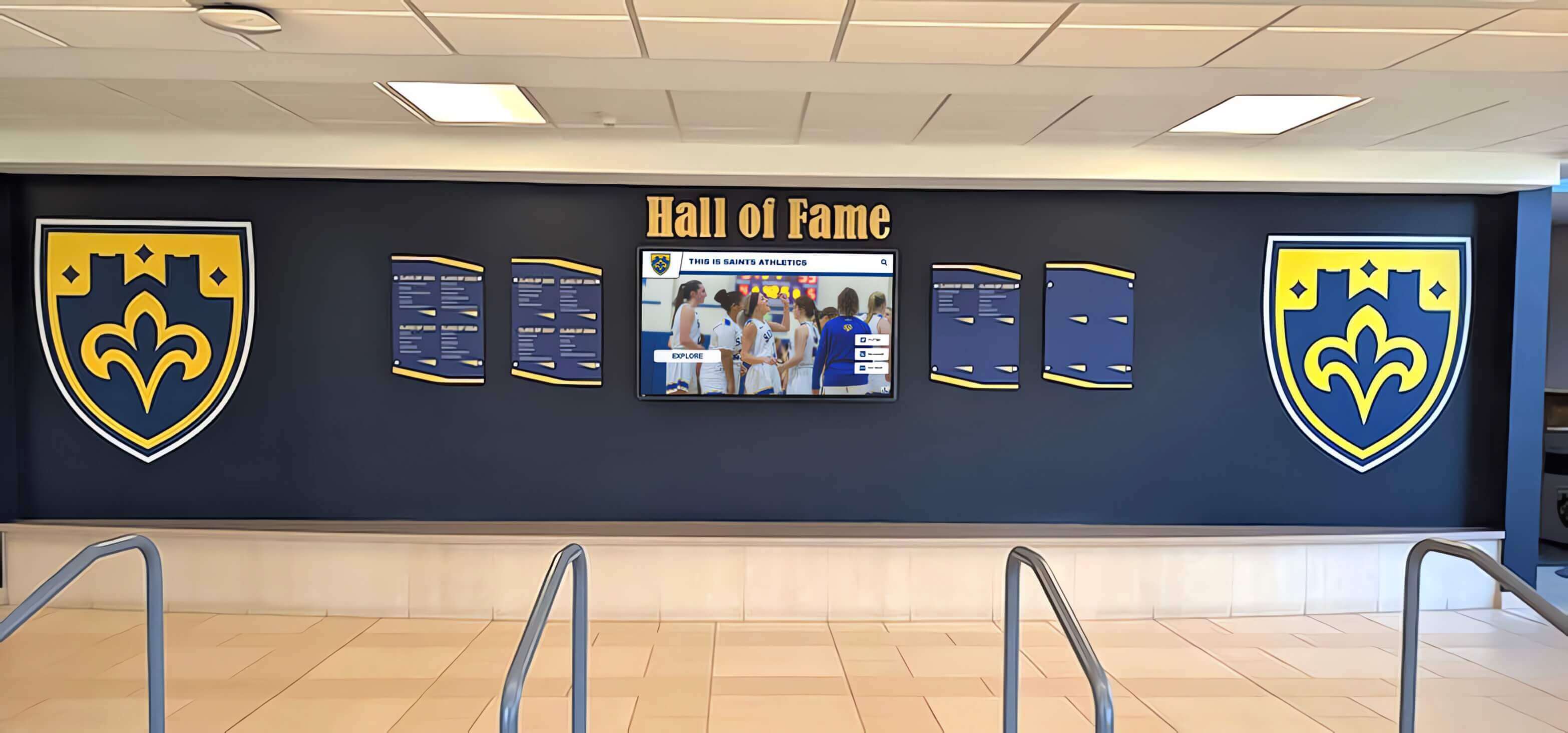
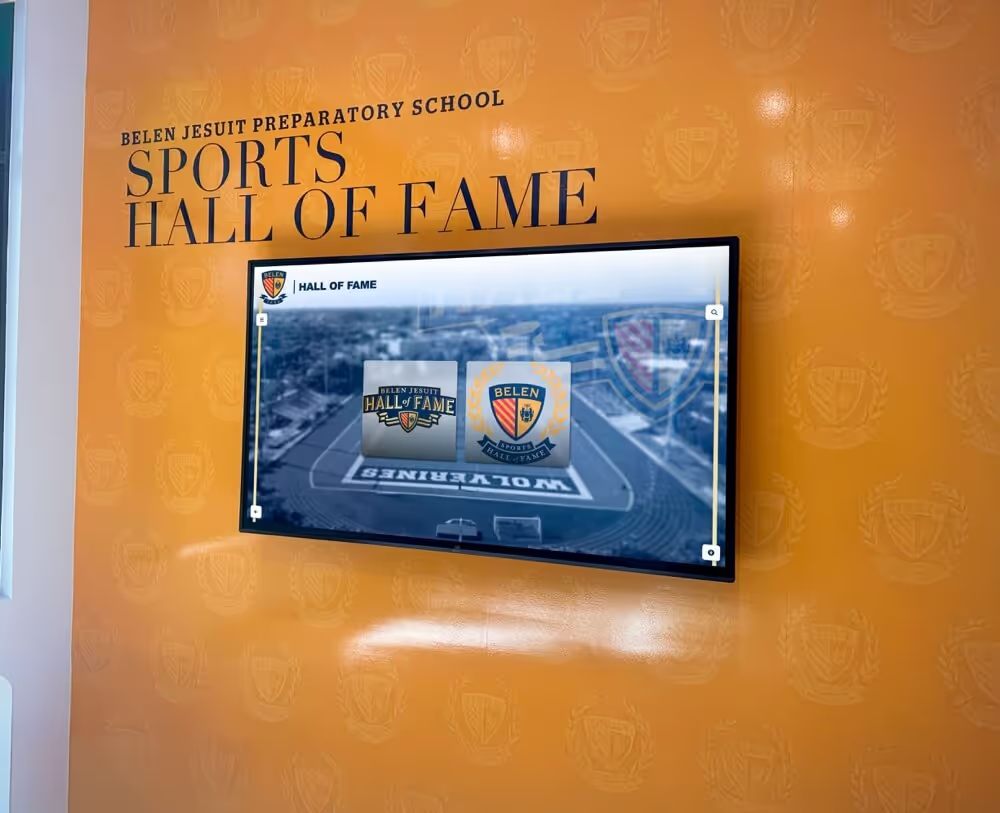
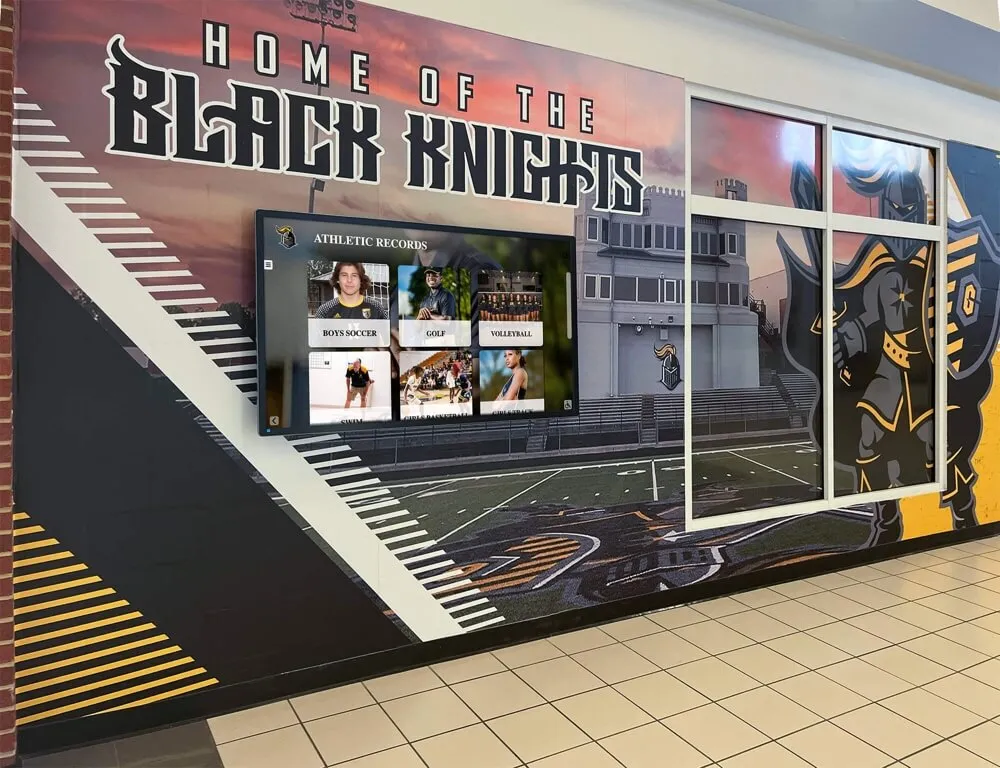
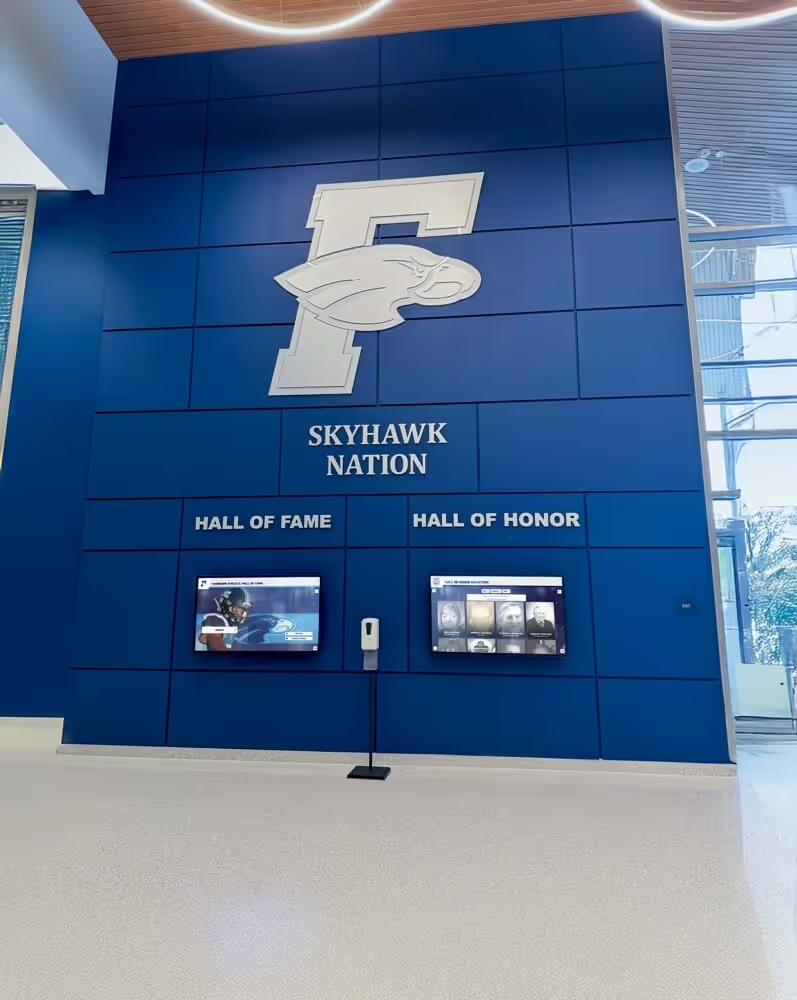
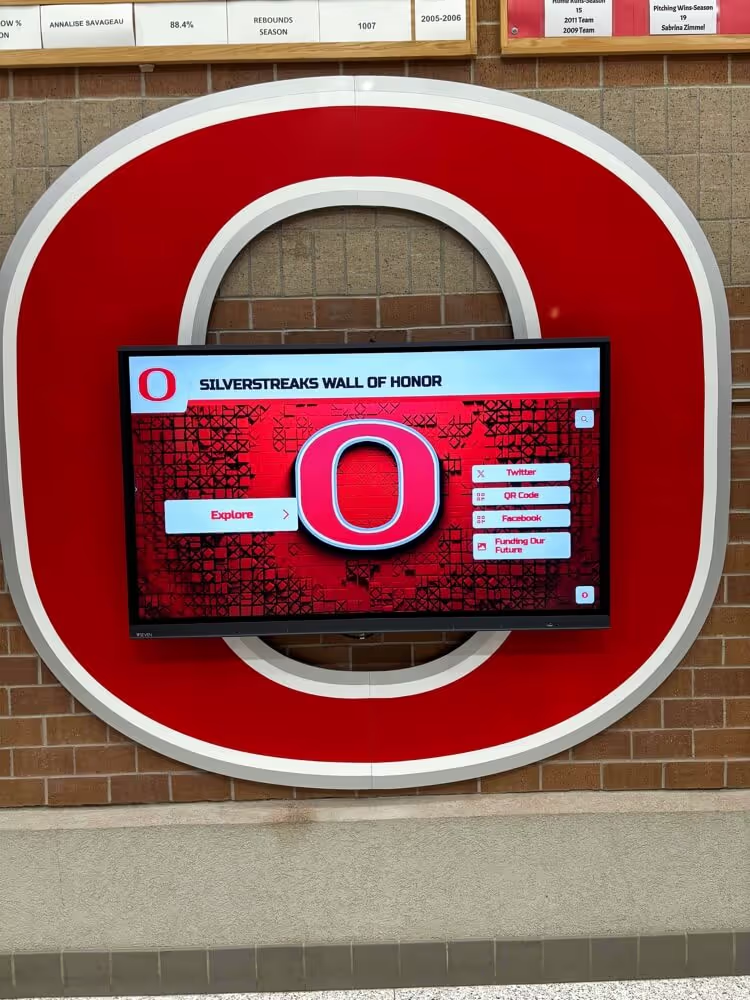
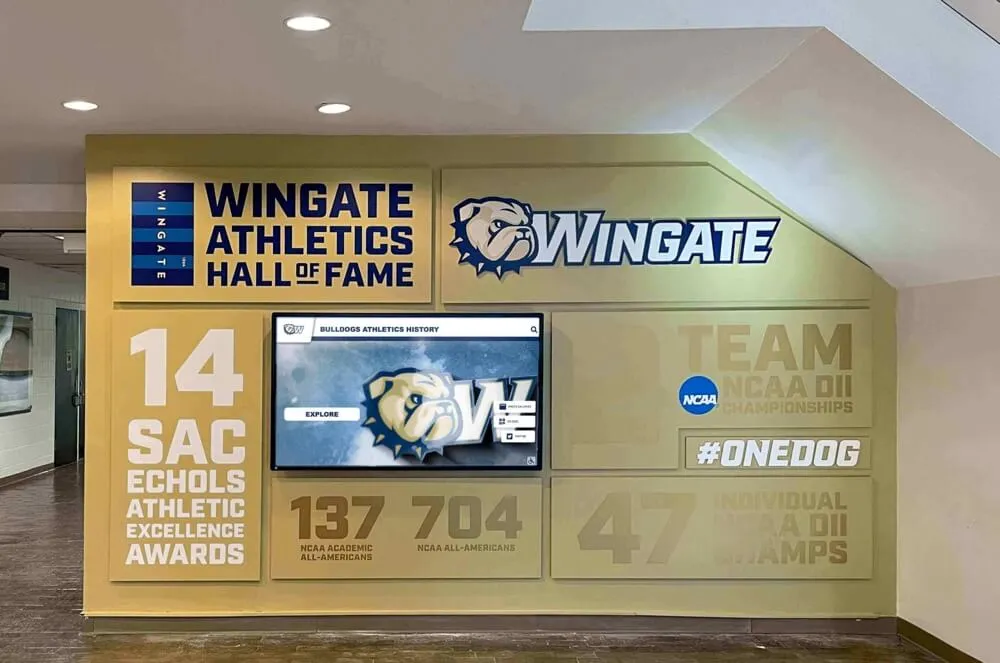
Hall of fame displays in lobbies create natural gathering spaces during reunions while showcasing class accomplishments
Geographic Chapter Events
Regional Alumni Gatherings Local programming serving dispersed populations:
- Major metropolitan area happy hours and receptions
- Regional networking breakfasts or lunches
- Chapter-specific service projects
- Local athletic viewing parties
- Professional sports outings to games
- Cultural event group attendance (theater, museums, concerts)
- Family-friendly picnics and casual gatherings
Chapter Event Planning Successful regional programming through:
- Local volunteer chapter leadership
- Consistent annual event calendars
- Modest budgets focusing on accessibility
- Venue selection in convenient central locations
- Partnership with local alumni-owned businesses
- Institutional staff support for logistics
- Digital recognition displays traveling to chapter events
Low-Barrier Chapter Activities Accessible programming encouraging participation:
- Coffee connections in informal settings
- Restaurant group dinners with no-host bars
- Park meetups for families with children
- Volunteer days supporting local causes
- Book clubs discussing faculty or alumni authors
- Walking or running groups building fitness communities
Affinity Group Celebrations
Shared Interest Programming Events connecting alumni through common bonds:
- Greek life organization reunions and celebrations
- Athletic team alumni gatherings for specific sports
- Performing arts alumni concerts or showcases
- Student government and leadership alumni events
- Academic department reunions by major
- Cultural and identity-based affinity celebrations
- Military veteran alumni recognition events
Affinity Event Benefits Specialized programming advantages:
- Immediate connection through shared experiences
- Natural conversation topics and memories
- Mentor opportunities within specific fields
- Professional networking in concentrated industries
- Deep institutional knowledge among participants
- Strong emotional connections to specific programs
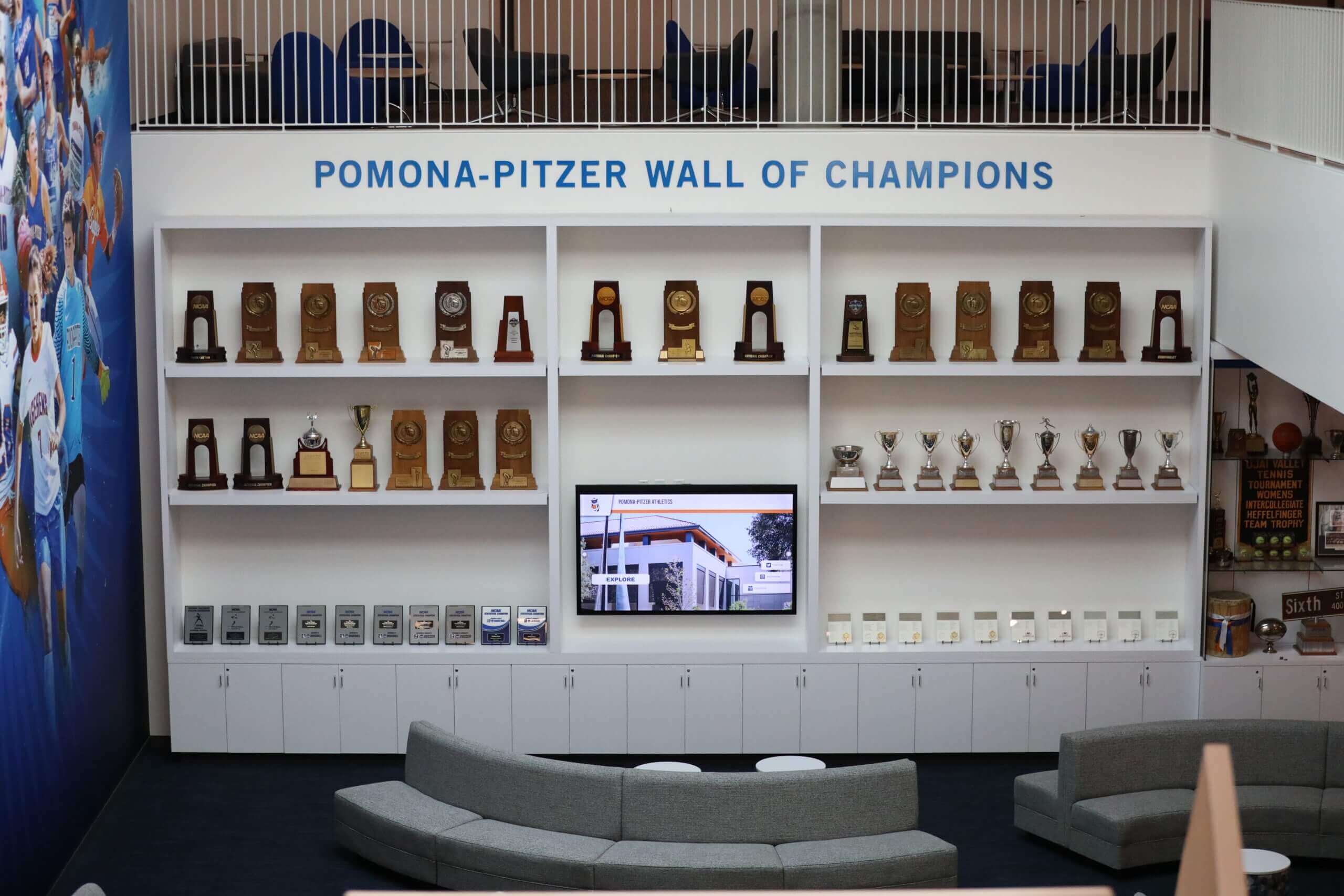
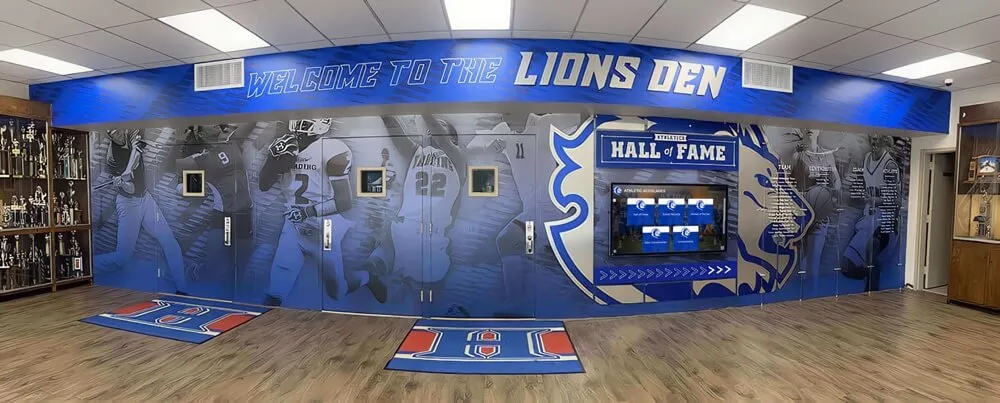
Athletic lounge spaces showcase team achievements while providing ideal venues for sports alumni gatherings
Family-Friendly Alumni Events
Multi-Generational Programming Events welcoming alumni families:
- Family day on campus with activities for children
- Athletic department kids’ camps with alumni parent networking
- Science or arts workshops for children alongside adult programming
- Campus scavenger hunts engaging whole families
- Holiday celebrations with family activities
- Outdoor movie nights on campus
- Family service projects supporting institutions
Family Event Considerations Create welcoming experiences through:
- Age-appropriate activities for various child developmental stages
- Child supervision or care enabling adult conversation
- Family-friendly venues with space and amenities
- Accessible timing and reasonable duration
- Affordable pricing for family attendance
- Parking and facility accessibility
- Safety protocols and emergency planning
Alumni with young families represent valuable long-term engagement prospects but face significant participation barriers—family-inclusive programming removes obstacles while building next-generation institutional connections.
Educational and Intellectual Engagement Events
Learning-focused programming leverages institutional academic strengths while providing alumni value.
Faculty Lecture Series and Academic Programs
Expert Presentations Faculty sharing research and insights:
- Distinguished faculty lecture series
- Research symposiums showcasing discoveries
- Book talks featuring faculty authors
- Timely topic discussions addressing current events
- Emerging technology and innovation presentations
- Historical perspectives on contemporary issues
- Interdisciplinary panel discussions
Lecture Event Formats Structure intellectual programming for engagement:
- 30-40 minute presentations with visual support
- 20-30 minute moderated Q&A sessions
- Pre-event reception for socializing
- Post-lecture discussion groups
- Book signing opportunities for faculty authors
- Hybrid in-person and virtual attendance
- Recorded lectures available for later viewing
Topic Selection Strategies Choose subjects attracting alumni interest:
- Current events and policy discussions
- Industry trends affecting alumni careers
- Scientific breakthroughs with real-world impact
- Arts and culture explorations
- Historical analysis with contemporary relevance
- Local community issues
- Personal development and wellness topics
Alumni surveys consistently show that intellectually stimulating programming ranks among top-rated event types, particularly for older alumni with established careers seeking continuous learning.
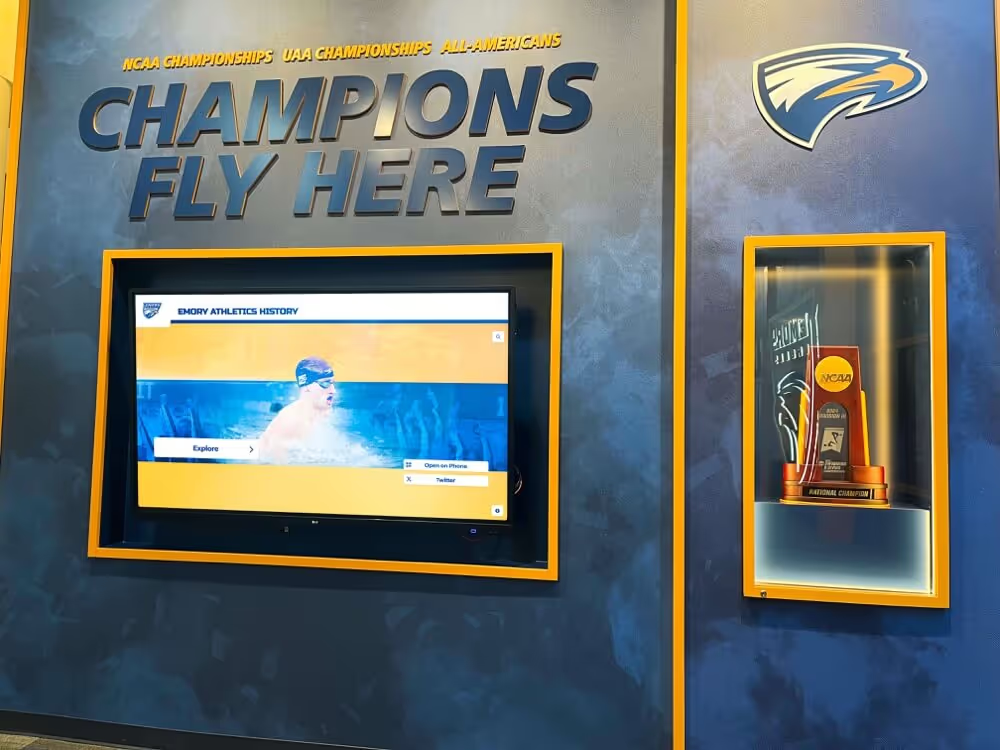
University venues with athletic recognition provide impressive settings for educational programming and intellectual gatherings
Behind-the-Scenes Tours and Exclusive Access
Campus Facility Tours Exclusive access creating special experiences:
- New building tours showcasing construction and design
- Research laboratory visits with faculty explanations
- Athletic facility tours including locker rooms and training areas
- Arts facility visits with performance or exhibit access
- Library special collections viewing
- Campus sustainability initiative tours
- Historic building renovations and preservation projects
Organizations planning campus events can reference school lobby design guides for insights on creating welcoming spaces for gatherings and tours.
Off-Campus Exclusive Experiences Special access alumni appreciate:
- Museum curator-led tours with alumni groups
- Backstage theater or concert hall access
- Corporate facility tours at alumni-led companies
- Government building visits with alumni officials
- Professional sports facility tours
- Architectural or historic site explorations
- Winery or brewery tours at alumni businesses
Experience Value Factors Exclusive access appeals through:
- Insider perspectives not available publicly
- Limited capacity creating exclusivity
- Connection to institutional excellence
- Professional development insights
- Unique experiences worth traveling for
- Social media-worthy memorable moments
Lifelong Learning Programs
Continuing Education Opportunities Alumni skill development programming:
- Professional certificate programs
- Executive education courses
- Technology skills workshops
- Creative arts classes
- Wellness and fitness programs
- Financial planning education
- Retirement preparation workshops
Program Delivery Options Flexible learning formats:
- In-person intensive workshops
- Multi-week course series
- Online learning modules
- Hybrid blended instruction
- Self-paced recorded content
- Coaching and mentoring components
- Cohort-based learning communities
Recognition and Celebration Events
Honoring alumni achievements strengthens institutional pride while motivating continued excellence.
Annual Alumni Awards Ceremonies
Distinguished Alumni Recognition Formal celebration of exceptional graduates:
- Career achievement awards by field
- Service to institution awards
- Community service and humanitarian awards
- Young alumni achievement recognition
- Lifetime achievement honors
- Rising star awards for recent graduates
- Alumni volunteer leadership recognition
Schools implementing comprehensive awards programs can reference athletic recognition best practices for ceremony planning insights.
Award Ceremony Elements Create memorable recognition events through:
- Formal gala or banquet setting
- Video tributes for each award recipient
- Acceptance speeches from honorees
- President or chancellor presentation
- Peer testimonials celebrating achievements
- Professional photography and videography
- Media coverage and public relations
- Digital recognition displays showcasing all honorees
Post-Event Recognition Extend celebration impact through:
- Permanent display of award recipients on campus
- Website and social media features
- Alumni magazine coverage
- Press releases to media and employers
- Addition to institutional archives
- Digital hall of fame inclusion
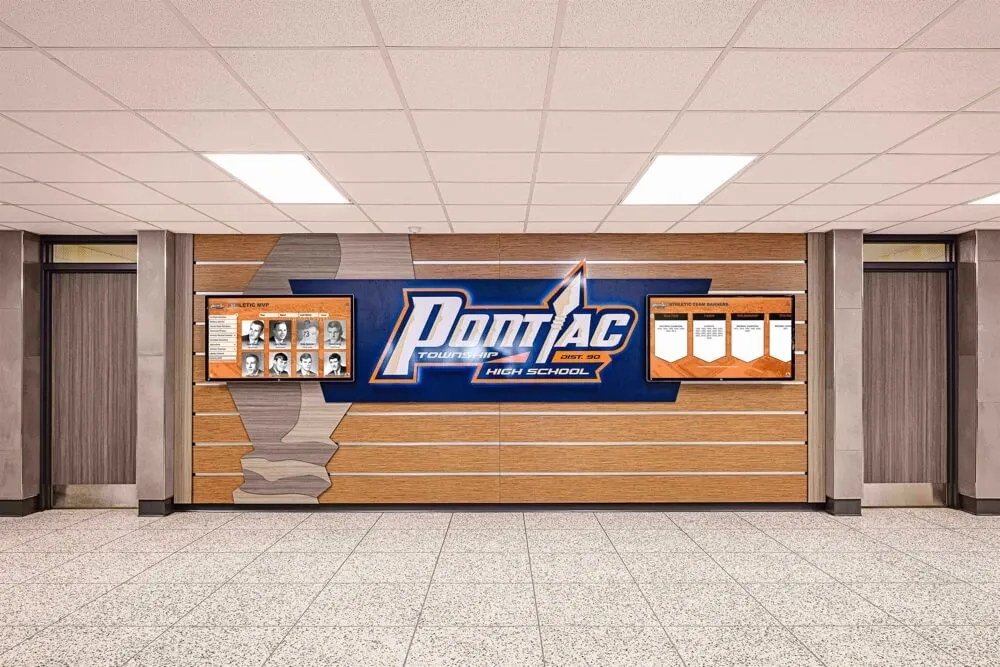
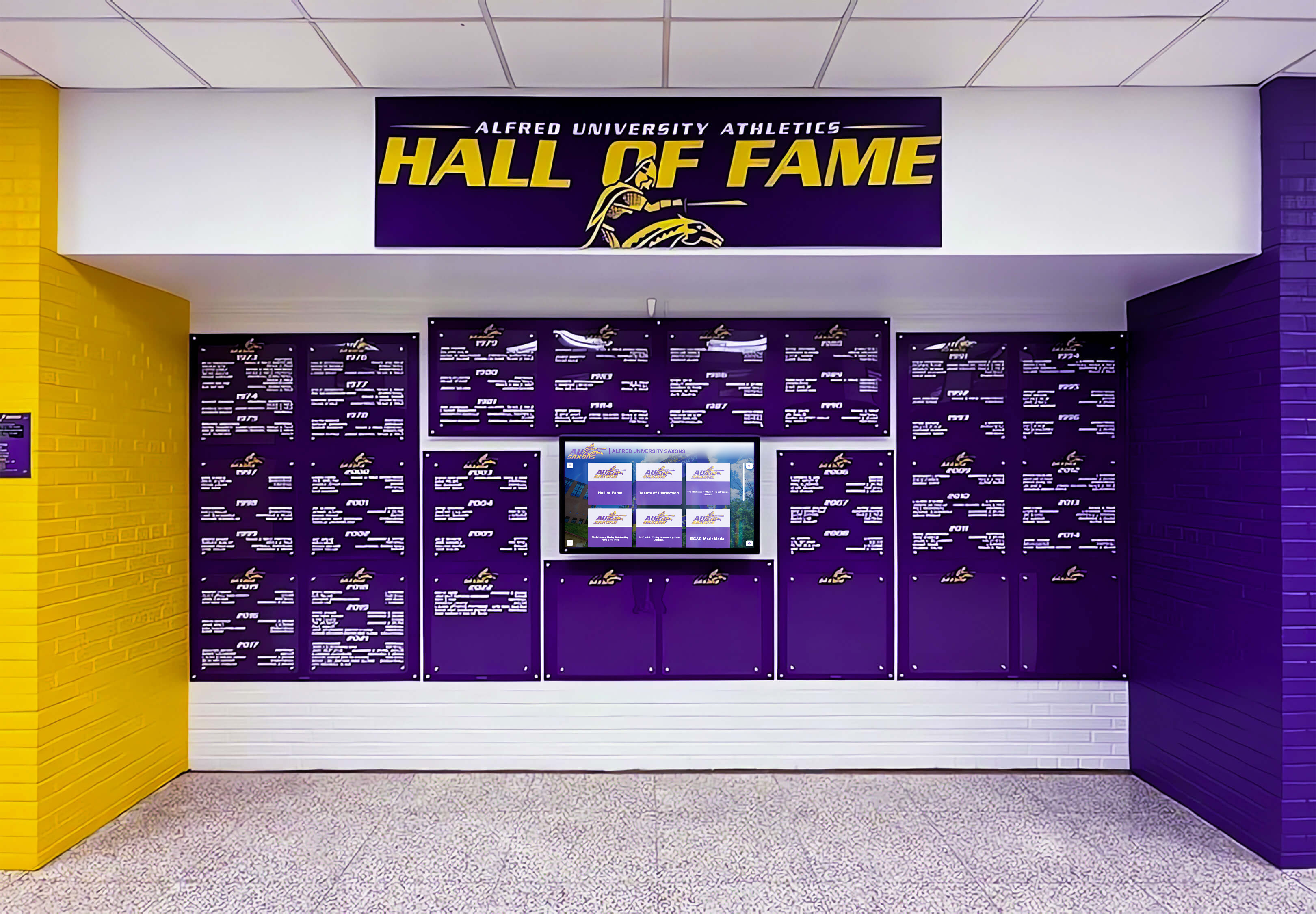
Hallway recognition displays preserve award recipients permanently while celebrating alumni excellence year-round
Hall of Fame Induction Ceremonies
Athletic Hall of Fame Events Celebrating sports excellence:
- Annual induction weekends during athletic seasons
- Formal ceremony recognizing new inductees
- Athletic event attendance with public recognition
- Reunion of past inductees
- Interactive displays showcasing all hall of fame members
- Reception with current student athletes
- Legacy scholarship fundraising
Academic and Professional Halls of Fame Recognition beyond athletics:
- Business hall of fame for accomplished entrepreneurs
- Arts hall of fame for creative professionals
- Education hall of fame for teaching excellence
- Science and research hall of fame
- Military service hall of fame
- Community leadership hall of fame
Milestone Celebration Events
Anniversary and Commemoration Institutional milestone celebrations:
- Founding anniversary galas
- Building dedication ceremonies
- Program or department anniversaries
- Championship anniversary reunions
- Historic moment commemorations
- Campaign victory celebrations
- Accreditation and ranking achievements
Participation Strategies Engage alumni in milestone events through:
- Reunion coordination with anniversary years
- Alumni storytelling and testimonials
- Historical displays and timeline exhibitions
- Naming opportunities and major gift announcements
- Student and faculty participation
- Media coverage and documentation
- Legacy campaign launches
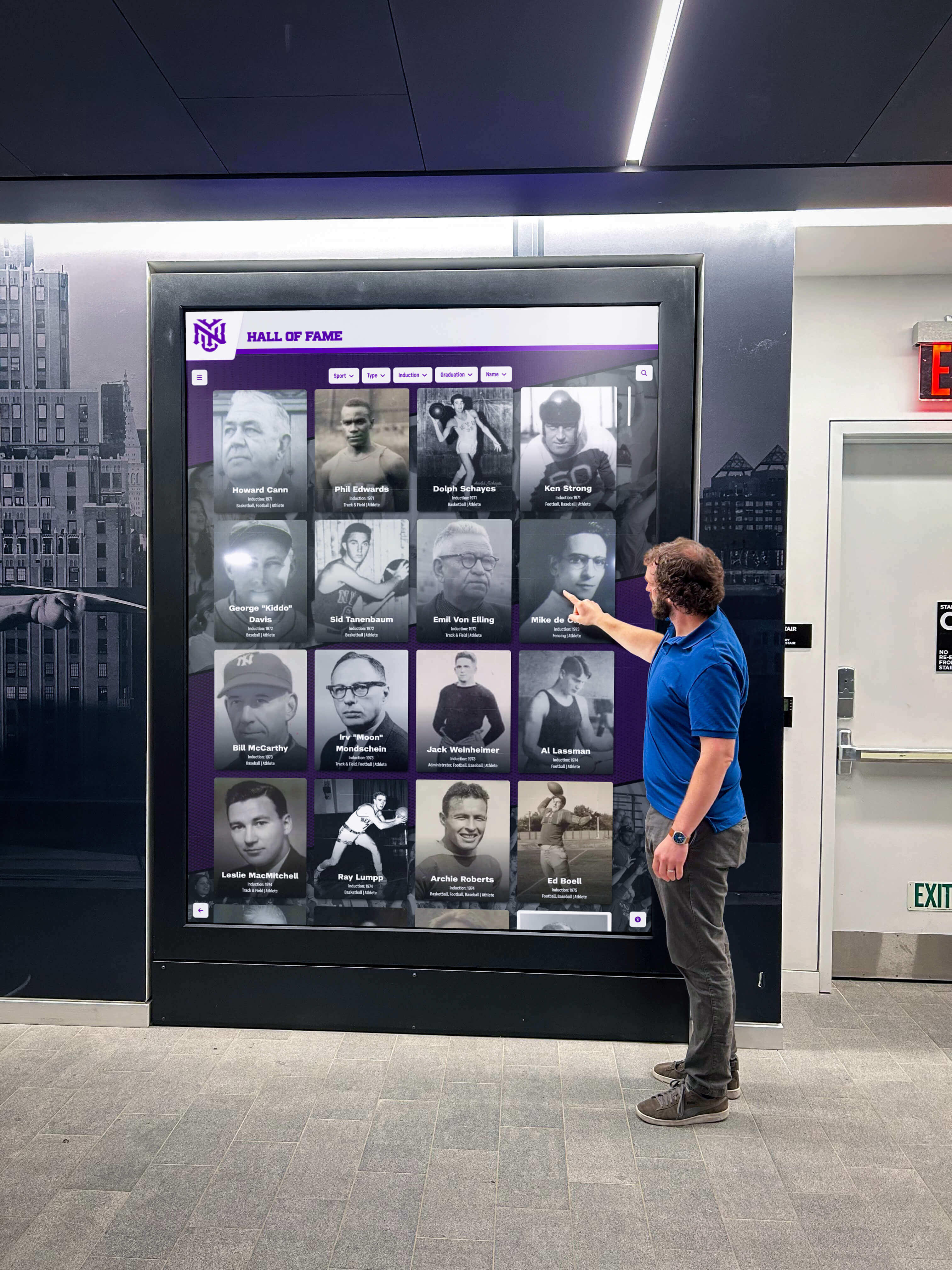
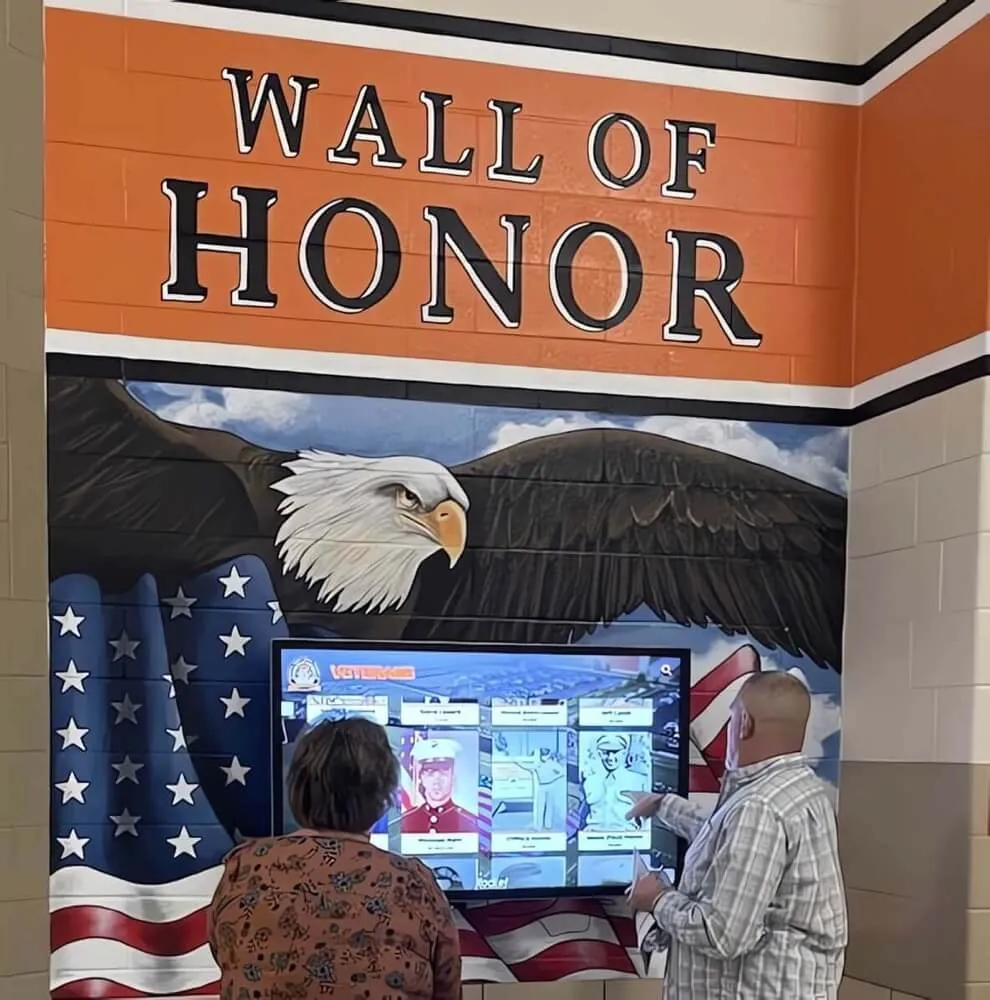
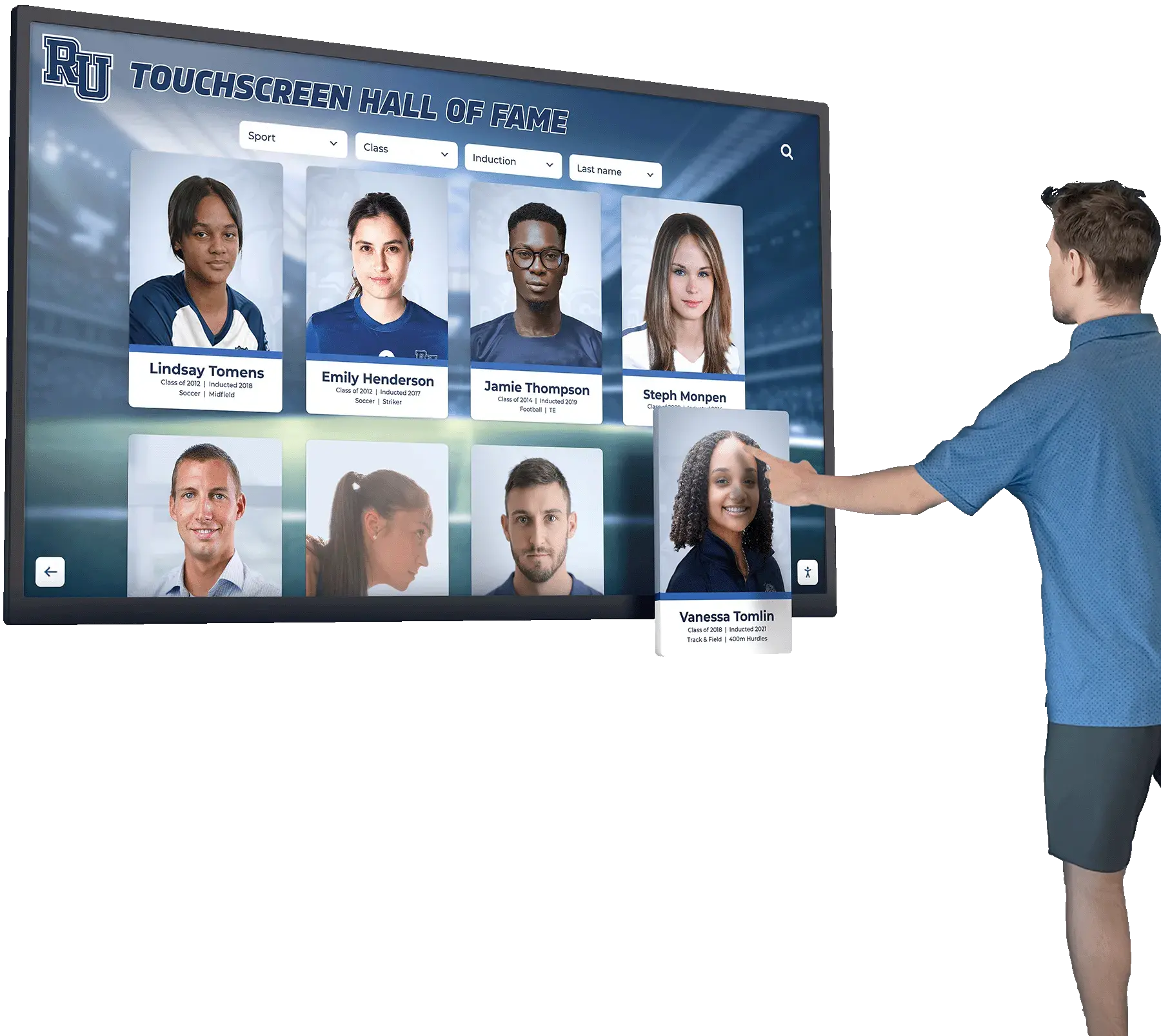
Interactive touchscreen displays engage event attendees with comprehensive alumni profiles and achievement histories
Service and Giving-Focused Events
Volunteer and philanthropic programming builds community while advancing institutional needs.
Alumni Volunteer Service Days
Community Service Projects Collective impact through organized volunteering:
- Campus beautification and improvement projects
- Community organization partnership days
- Habitat for Humanity builds
- Food bank or shelter volunteer events
- Environmental cleanup initiatives
- Tutoring and mentoring programs
- Athletic facility support and maintenance
Service Day Benefits Volunteer events strengthen connections through:
- Shared purpose and meaningful work
- Natural relationship building during activities
- Demonstrated institutional values
- Low-cost high-impact programming
- Family participation opportunities
- Press coverage showcasing alumni commitment
- Connection to institutional service mission
Organizations report that alumni participating in volunteer events show 50-70% higher subsequent giving rates compared to non-volunteers, demonstrating service’s power in building philanthropic commitment.
Fundraising Campaign Events
Major Gift Prospect Cultivation Strategic events advancing development goals:
- Intimate dinners with president and donors
- Facility tours showcasing donation impact
- Student scholarship recipient meetings
- Research presentation demonstrating program needs
- Capital campaign kickoff celebrations
- Campaign milestone recognition events
- Legacy society induction ceremonies
Annual Giving Events Broad-based participation programming:
- Giving day competitions and challenges
- Phonathon kickoff celebrations
- Class giving competitions and recognition
- Matching gift announcement events
- Reunion class gift presentations
- Young alumni giving challenges
- Crowdfunding campaign celebrations
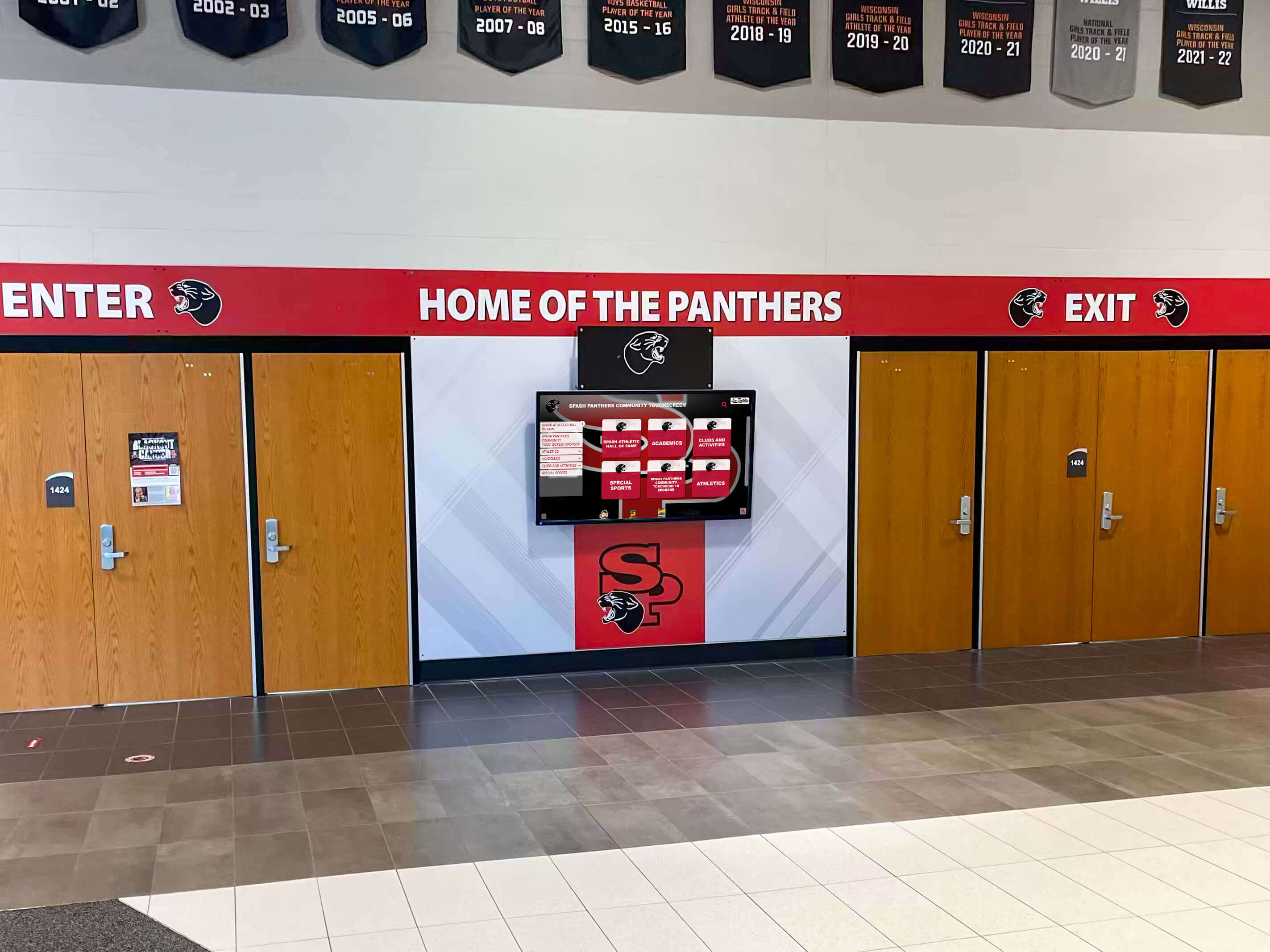
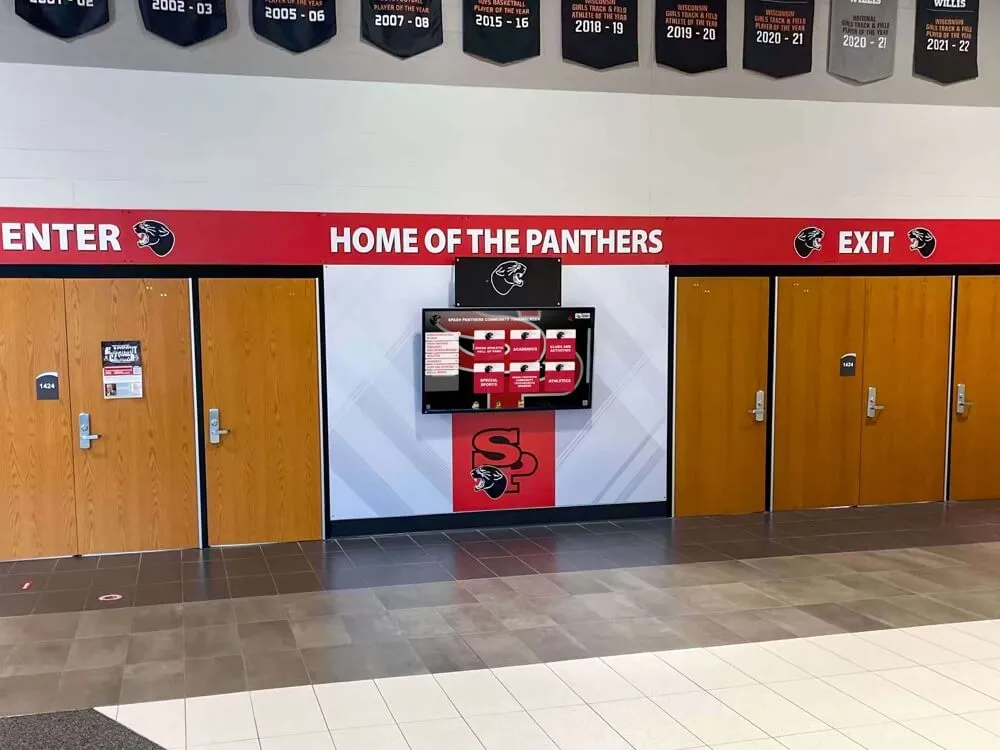
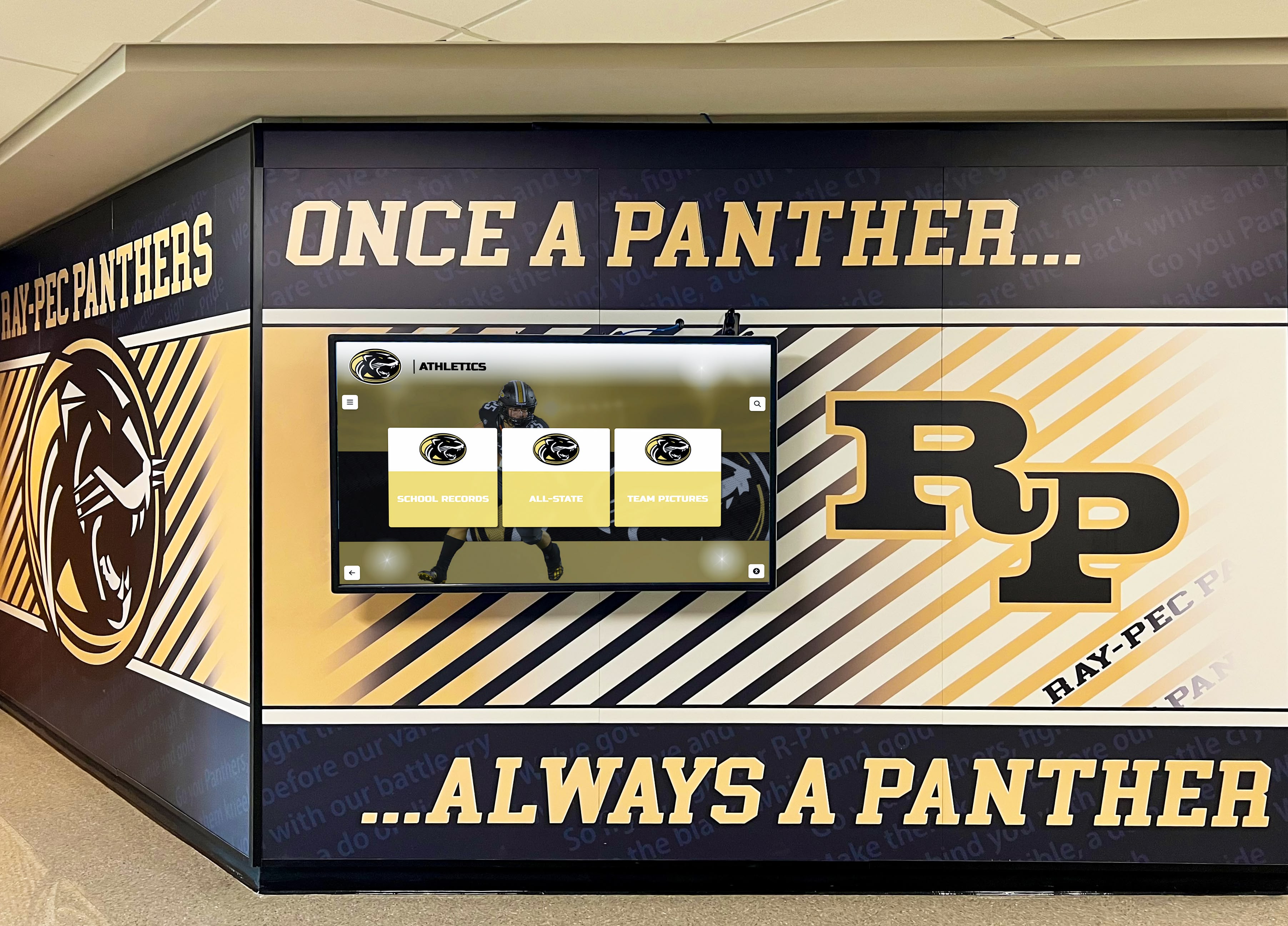
School entrance displays welcome alumni to fundraising events while showcasing institutional pride and donor recognition
Donor Recognition Events
Appreciation Programming Thank donors through special experiences:
- Annual donor appreciation receptions
- Major donor exclusive dinners
- Scholarship donor and recipient connections
- Facility naming dedications
- Donor wall unveiling ceremonies
- Society induction events
- Presidential circle gatherings
Recognition Event Elements Create meaningful donor experiences through:
- Personal acknowledgment from leadership
- Impact stories demonstrating gift outcomes
- Student testimonials showing gratitude
- Exclusive access and special experiences
- Peer recognition and celebration
- Professional event quality reflecting gift significance
- Permanent recognition displays
Technology Integration for Enhanced Alumni Events
Digital tools solve traditional event challenges while creating engaging contemporary experiences.
Event Registration and Management Systems
Digital Event Platforms Streamline planning and attendance tracking:
- Online registration with payment processing
- Automated confirmation and reminder communications
- Waitlist management for capacity-constrained events
- Attendance tracking and check-in systems
- Post-event survey distribution
- Integrated CRM data updates
- Analytics tracking engagement patterns
Mobile Event Apps Enhance attendee experiences through:
- Digital event programs and schedules
- Interactive maps and wayfinding
- Attendee directories enabling networking
- Live polling and Q&A during presentations
- Social media integration and photo sharing
- Session feedback collection
- Push notifications for schedule changes
Digital Alumni Recognition Displays at Events
Interactive Achievement Showcases Transform event spaces with comprehensive alumni recognition:
Solutions like Rocket Alumni Solutions provide touchscreen platforms enabling:
- Unlimited alumni profiles with biographical information
- Career accomplishment showcases across all fields
- Searchable databases allowing attendees locating specific classmates
- Photo galleries spanning undergraduate years through current careers
- Video testimonials featuring alumni discussing experiences
- Geographic distribution maps showing where alumni live and work
- Professional networking facilitation connecting alumni by industry
- QR code access enabling mobile exploration
Event Implementation Strategies Integrate digital recognition into programming:
- Welcome area displays greeting arriving alumni
- Reception spaces with interactive exploration
- Banquet hall displays during meal service
- Corridor installations throughout event venues
- Mobile displays traveling to chapter events
- Projected displays during formal programs
- Tablet stations at multiple locations
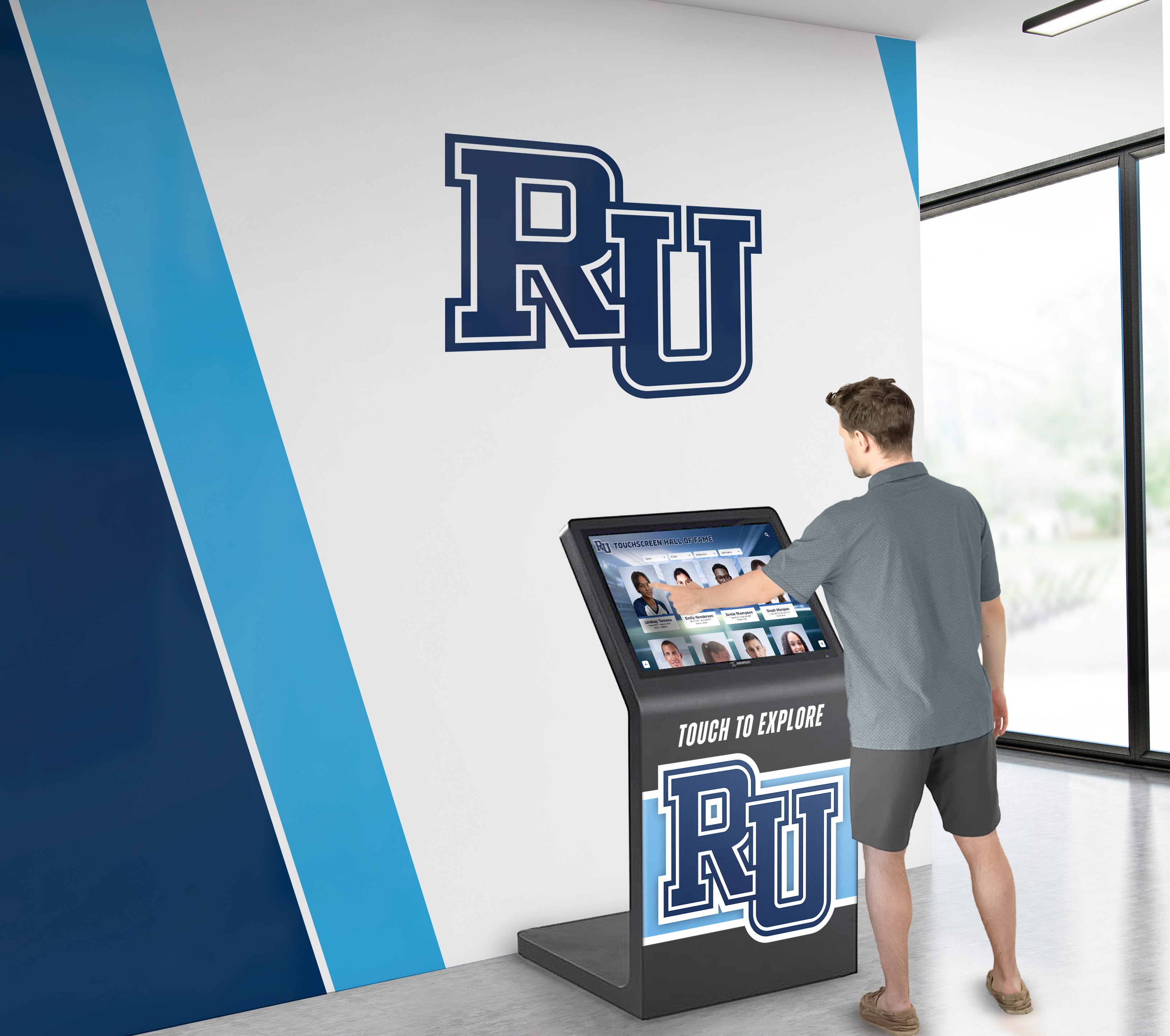
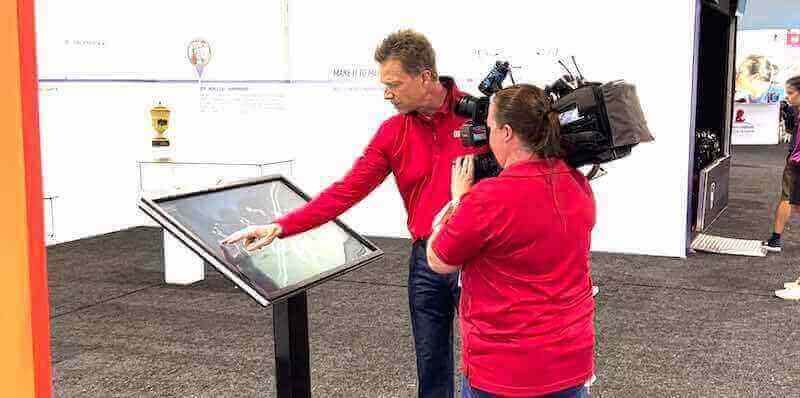
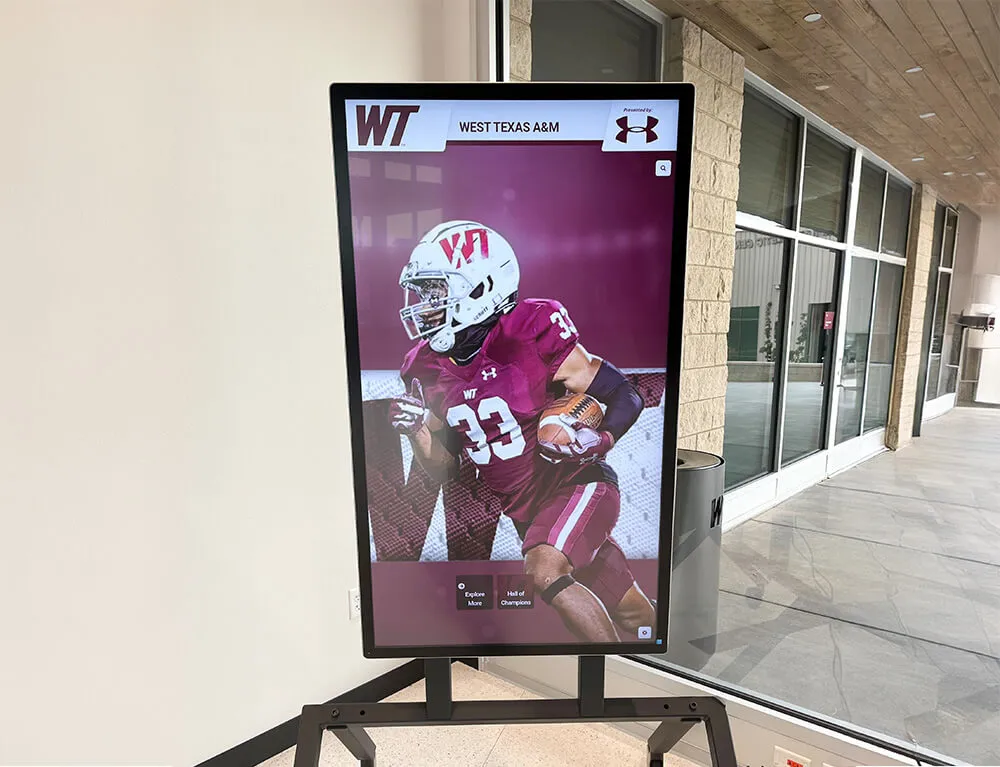
Interactive kiosks at events enable alumni exploring comprehensive directories and achievements through intuitive touchscreen interfaces
Content Strategies for Event Displays Maximize engagement through:
- Featured profiles of event speakers and honorees
- Attendee directory showing who’s present at gatherings
- Historical timelines connecting past and present
- Achievement highlights by graduation decade
- Industry or geographic distribution visualization
- Real-time social media feed integration
- Custom content for specific event themes
Alumni relations professionals report that digital recognition displays generate significantly longer event engagement times compared to traditional photo boards, creating meaningful interaction opportunities while providing natural conversation starters during networking periods.
Virtual and Hybrid Event Solutions
Digital Event Technology Enable remote participation through:
- Professional livestreaming platforms
- Interactive video conferencing with breakout rooms
- Virtual networking sessions with structured introductions
- Recorded presentations for on-demand viewing
- Live polling and Q&A enabling participation
- Virtual exhibit halls and sponsor showcases
- Integrated chat enabling real-time discussion
Hybrid Event Best Practices Simultaneously serve in-person and remote audiences:
- Dedicated staff managing virtual attendee experience
- Professional audio-visual equipment ensuring quality
- Interactive elements engaging both audience types
- Separate pricing tiers for attendance formats
- Recording distribution after event conclusion
- Follow-up engagement for both participant groups
Budget Planning and Resource Management
Strategic financial planning ensures quality events without excessive expense.
Event Budget Categories
Typical Expense Components Understand where event budgets go:
Venue and Facility Costs
- Space rental fees: $200-2,000+ depending on venue
- Setup and breakdown charges: $100-500
- Equipment rental (tables, chairs, staging): $200-1,000
- Audio-visual equipment: $300-2,000
- Parking fees or validation: $100-500
Food and Beverage
- Reception appetizers: $15-30 per person
- Plated meal service: $30-75 per person
- Buffet service: $25-50 per person
- Bar service: $15-40 per person or consumption-based
- Coffee and dessert only: $8-15 per person
Staffing and Services
- Event planner or coordinator: $500-3,000
- Registration and hospitality staff: $200-800
- Security personnel: $200-600
- Professional photographer: $300-1,500
- Videographer: $500-2,500
Marketing and Communications
- Printed invitations: $200-800
- Digital marketing: $100-500
- Event website or registration platform: $50-300
- Signage and materials: $100-400
- Photography and video editing: $300-1,000
Cost Reduction Strategies
Venue Savings Reduce facility expenses through:
- Campus venues eliminating rental fees
- Off-peak timing securing lower rates
- Sponsor-provided venues
- Alumni-owned space donations
- Public parks or community centers
- Virtual events eliminating facility costs
Sponsor Partnership Development Offset costs through:
- Corporate sponsors funding specific elements
- Alumni business donations
- Vendor partnerships providing services
- In-kind donations reducing cash expenses
- Media sponsorships providing publicity
- Recognition opportunities for sponsors
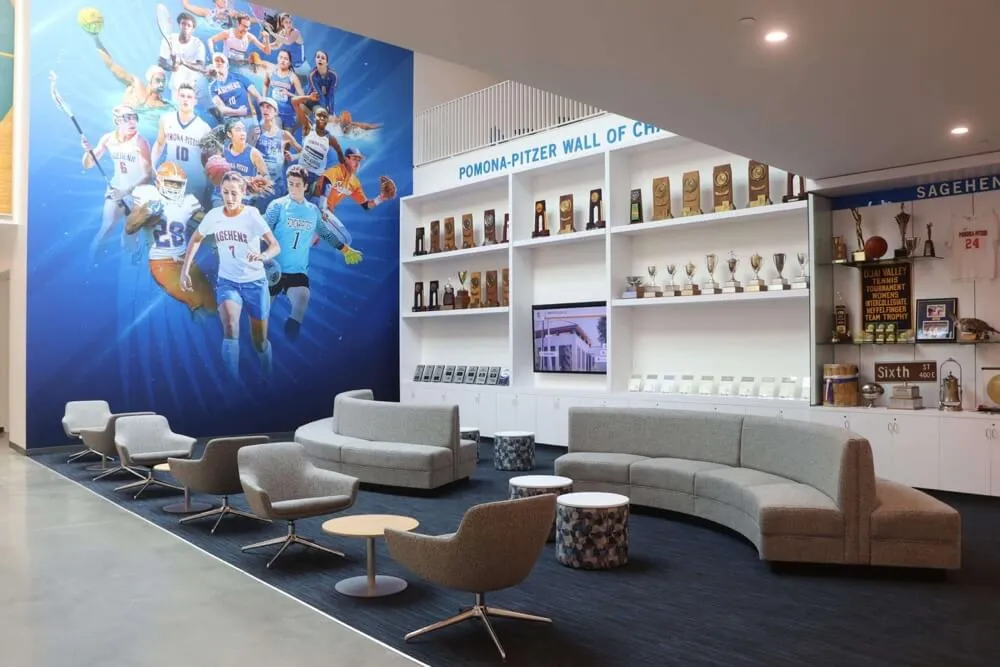
Campus athletic facilities provide cost-effective venues while showcasing institutional pride and achievement
Volunteer Utilization Reduce staffing costs through:
- Alumni volunteer committees planning events
- Student organization support with logistics
- Board member hosting responsibilities
- Peer-to-peer invitation and outreach
- Setup and breakdown assistance
- Registration and hospitality volunteers
Revenue Generation Approaches
Ticket Sales and Registration Fees Event income sources:
- Tiered pricing by attendance level
- Early bird discounts encouraging commitment
- Member vs. non-member pricing
- Corporate table purchases
- Young alumni reduced rates
- Scholarship tickets for financial need
Sponsorship Packages Structured partnership opportunities:
- Presenting sponsor ($5,000-20,000+)
- Reception sponsor ($2,500-10,000)
- Program sponsor ($1,000-5,000)
- Table sponsor ($500-2,500)
- Supporting sponsor ($250-1,000)
- Recognition in materials and signage
- Logo placement in digital displays
Measuring Event Success and Continuous Improvement
Systematic assessment improves future programming while demonstrating value to stakeholders.
Key Performance Indicators
Attendance Metrics Quantitative measures of participation:
- Total attendance numbers
- Registration rate (registered vs. invited)
- Attendance rate (attended vs. registered)
- First-time attendee percentage
- Demographic representation
- Geographic distribution
- Attendance trends over time
Engagement Indicators Qualitative participation measures:
- Average attendance duration
- Interactive element participation
- Social media engagement and shares
- Survey response rates
- Post-event action completion (donations, volunteer signups)
- Networking connections made
- Content consumption metrics for digital elements
Financial Performance Budget and revenue analysis:
- Cost per attendee
- Revenue generated
- Sponsorship secured
- Return on investment
- Budget variance analysis
- Comparison to previous events
- Cost efficiency trends
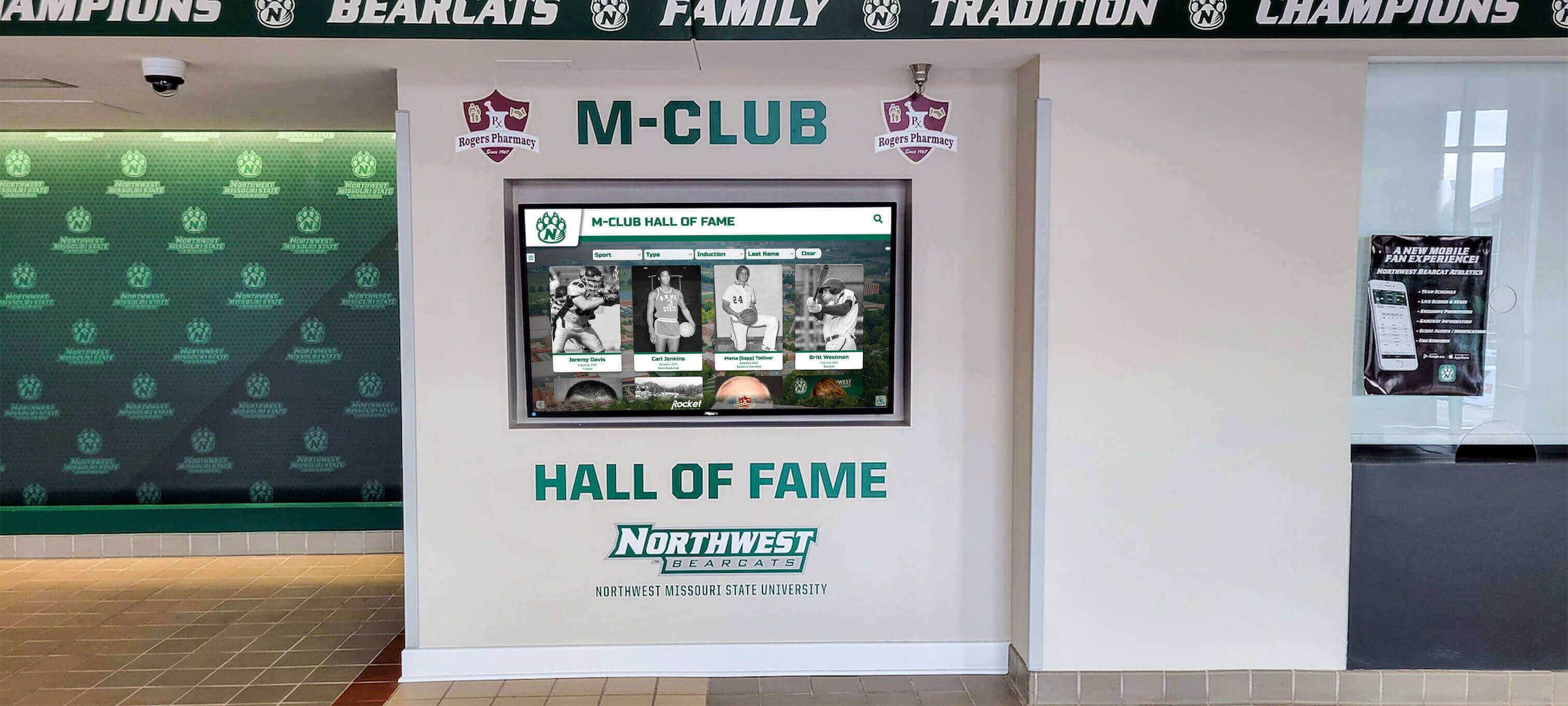
Digital displays in athletic facilities track event attendance and participant recognition supporting measurement and improvement
Post-Event Assessment
Attendee Surveys Gather participant feedback through:
- Online surveys distributed immediately after events
- Satisfaction ratings across event dimensions
- Open-ended feedback collecting suggestions
- Likelihood to attend future events
- Willingness to recommend to other alumni
- Specific element ratings (venue, food, program, networking)
- Demographic data enabling segmented analysis
Staff and Volunteer Debriefs Internal evaluation examining:
- Planning process effectiveness
- Timeline adequacy
- Budget management
- Vendor performance
- Technology functionality
- Unexpected challenges encountered
- Opportunities for improvement
Development Impact Analysis Advancement outcome assessment:
- Donations received within 30-90 days post-event
- Major gift prospect identification and qualification
- Volunteer recruitment outcomes
- Pledge fulfillment from prior commitments
- Pipeline advancement for prospects
- Long-term giving behavior changes
Continuous Improvement Strategies
Data-Driven Decision Making Use assessment to inform future planning:
- Identify highest-rated event elements to repeat
- Address consistently criticized aspects
- Test alternative approaches to problematic elements
- Optimize timing, location, and format based on data
- Tailor marketing to highest-response channels
- Refine target audiences based on participation patterns
Innovation and Experimentation Evolve programming through:
- Pilot testing new event formats with receptive audiences
- Benchmark against peer institutions
- Survey non-attendees about barriers and preferences
- Incorporate emerging technologies thoughtfully
- Adapt successful approaches from other sectors
- Balance tradition with innovation
Transform Your Alumni Events With Digital Recognition
Discover how interactive alumni displays elevate event experiences by showcasing unlimited graduate achievements, enabling networking through searchable databases, creating engaging conversation starters, and providing year-round access to alumni community information. See how institutions nationwide enhance gatherings with professional recognition systems accessible at events and remotely.
Explore Alumni Recognition SolutionsBest Practices for Alumni Event Success
Implementing proven strategies increases programming effectiveness across event types.
Clear Communication and Marketing
Multi-Channel Promotion Reach alumni through diverse platforms:
- Email invitations with compelling subject lines
- Social media promotion across platforms
- Alumni magazine advertising
- Website event calendars
- Text message reminders for registered attendees
- Direct mail for major events
- Personal outreach from peers and leaders
Message Timing and Frequency Strategic communication schedule:
- Initial save-the-date 3-6 months advance
- Formal invitation 6-8 weeks before event
- Early registration deadline reminder
- General registration deadline reminder
- Final attendance confirmation
- Day-before reminder with logistics
- Post-event thank you and follow-up
Inclusive and Accessible Planning
Reducing Participation Barriers Create welcoming experiences through:
- Geographic distribution of events
- Virtual attendance options
- Affordable or subsidized pricing
- Accessible venues for physical disabilities
- Dietary accommodation
- Child care provision or family-friendly programming
- Flexible timing accommodating work schedules
Welcoming First-Time Attendees Help new participants feel comfortable:
- First-time attendee orientation sessions
- Buddy program pairing newcomers with volunteers
- Clear signage and wayfinding
- Name tags with conversation starters
- Structured networking reducing awkwardness
- Follow-up outreach thanking attendance
Strategic Volunteer Engagement
Committee Utilization Leverage alumni leadership through:
- Event planning committees for major gatherings
- Ambassador programs for peer-to-peer outreach
- Host committees for regional events
- Volunteer hospitality teams at events
- Student-alumni collaboration on programming
- Volunteer recognition and appreciation
Volunteer Benefits Engagement advantages for institutions:
- Extended planning capacity without additional staff
- Peer credibility in marketing and invitations
- Personal networks expanding event reach
- Leadership development pipeline
- Increased volunteer giving rates
- Succession planning for board positions
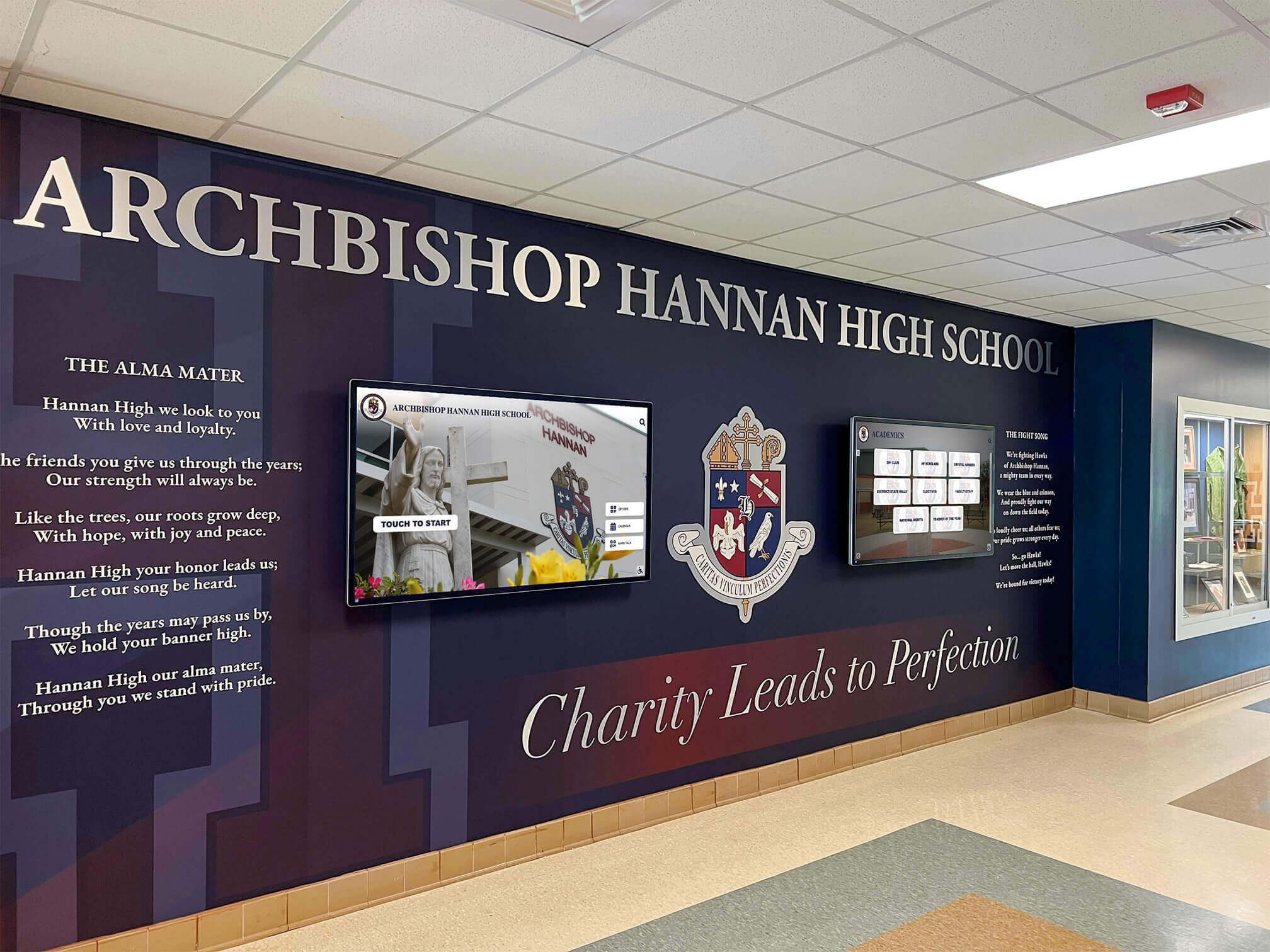
School lobbies with coordinated displays and recognition create impressive spaces for welcoming alumni to events
Conclusion: Building Engagement Through Meaningful Events
Alumni event programming represents far more than obligatory relationship maintenance—strategic gatherings create genuine value for participants while advancing institutional priorities spanning enrollment, development, volunteer recruitment, and community building. When schools invest thoughtfully in varied, purposeful event planning addressing diverse alumni needs and interests, they transform scattered graduates into engaged communities actively supporting institutional missions.
The most successful alumni programs reject one-size-fits-all approaches in favor of segmented programming serving specific populations with tailored experiences. Professional networking events provide career value attracting busy mid-career alumni, educational programming leverages institutional academic strengths, social celebrations build community through shared experiences, and recognition events honor achievements while inspiring continued excellence.
Modern technology transforms event experiences through interactive digital recognition displays showcasing unlimited alumni accomplishments, virtual attendance options expanding geographic reach, and sophisticated event management systems streamlining planning while tracking engagement patterns. Solutions like Rocket Alumni Solutions enable institutions to create compelling recognition experiences at events while maintaining year-round digital alumni directories accessible to entire communities.
Effective alumni engagement requires sustained commitment to quality programming consistently creating touchpoints where graduates reconnect with institutions and each other. By implementing diverse event strategies, measuring outcomes systematically, incorporating feedback for continuous improvement, and investing in technologies enhancing experiences, alumni relations professionals build the deep relationships transforming occasional attendees into lifelong advocates and committed donors.
Your alumni community represents powerful assets—accomplished professionals, potential donors, volunteer leaders, student mentors, and brand ambassadors demonstrating institutional impact across generations and geographies. With strategic event planning focused on genuine value creation, inclusive accessibility, and meaningful recognition, you can activate this distributed network transforming scattered graduates into engaged communities enthusiastically supporting institutional excellence for decades to come.
Ready to enhance your alumni event programming with interactive recognition displays celebrating graduate achievements? Discover comprehensive solutions helping institutions nationwide strengthen alumni networks through engaging digital platforms accessible at gatherings and beyond, learn about implementing alumni volunteer programs connecting graduates in service to institutions, explore fundraising event strategies maximizing development outcomes, and discover how digital recognition systems provide compelling content for events while maintaining year-round alumni engagement between gatherings.