



High school academic awards carry weight far beyond the certificates students receive at recognition ceremonies. These honors signal to colleges that a student has demonstrated sustained intellectual achievement, academic discipline, and the capability to excel in rigorous educational environments. While athletic trophies often fill prominent display cases in school hallways, academic recognition equally deserves celebration—yet many students and families remain uncertain about which honors matter most and how to position these accomplishments effectively.
The landscape of academic awards has expanded dramatically beyond traditional honor roll designations and valedictorian rankings. From National Merit recognition to subject-specific departmental awards, today’s high school students navigate numerous recognition pathways that colleges evaluate during admissions. Understanding which honors carry the most significance, how to earn them, and how schools can celebrate these achievements helps students maximize their college application strength while motivating intellectual excellence throughout school communities.
This comprehensive guide explores the academic awards that truly influence college admissions decisions, reveals how schools effectively recognize scholarly achievement, and examines modern recognition systems that give academic honors the same visibility and prestige traditionally reserved for athletic accomplishments.
Academic recognition in high school serves dual purposes: validating student accomplishment while creating cultural emphasis on intellectual achievement. Schools that systematically celebrate academic excellence through visible, permanent recognition discover that scholarly achievement becomes aspirational throughout student populations.

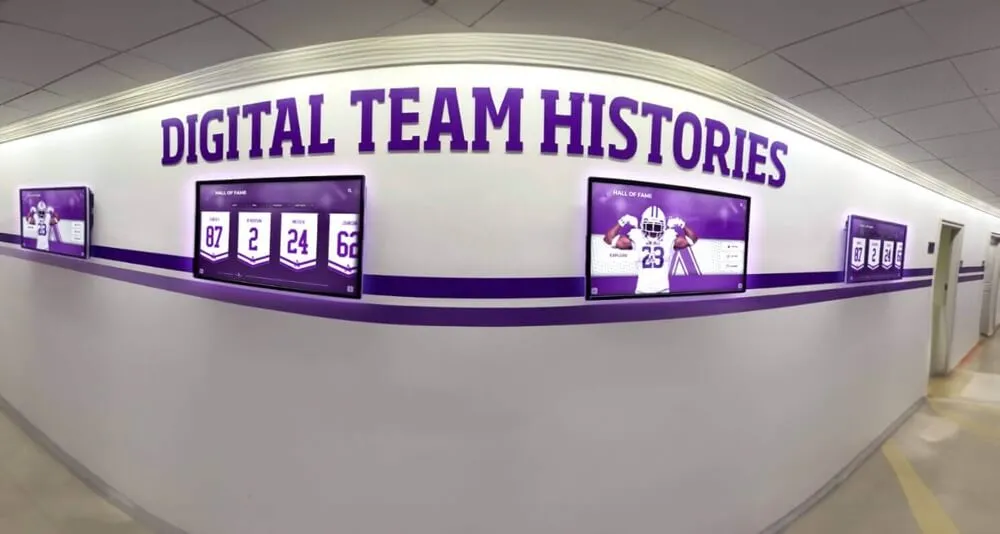
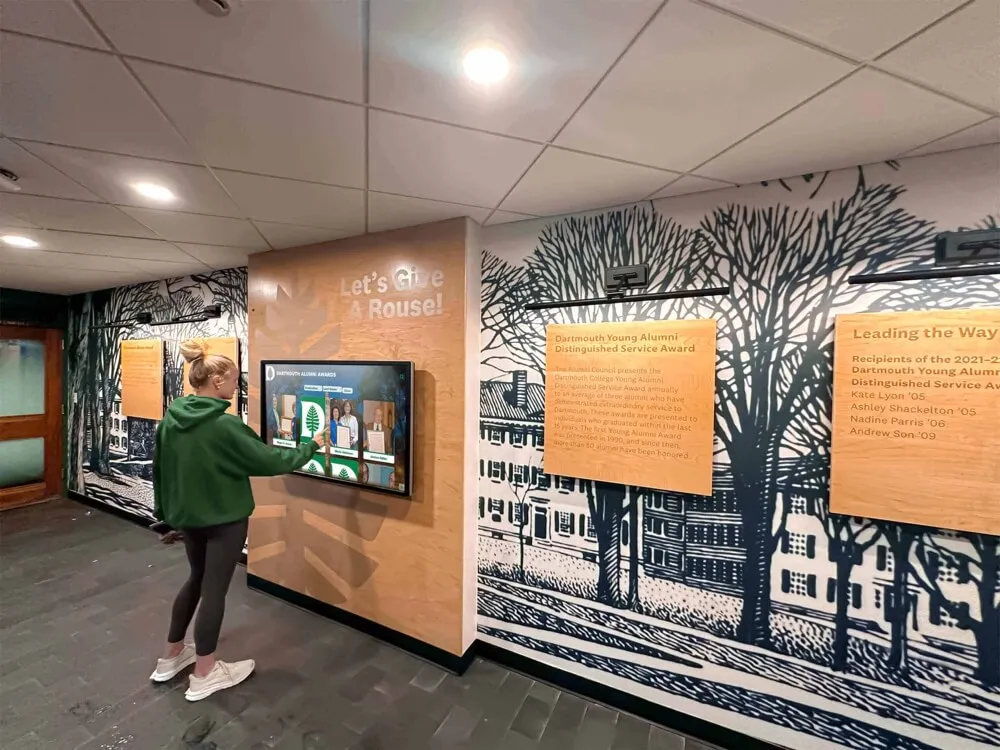
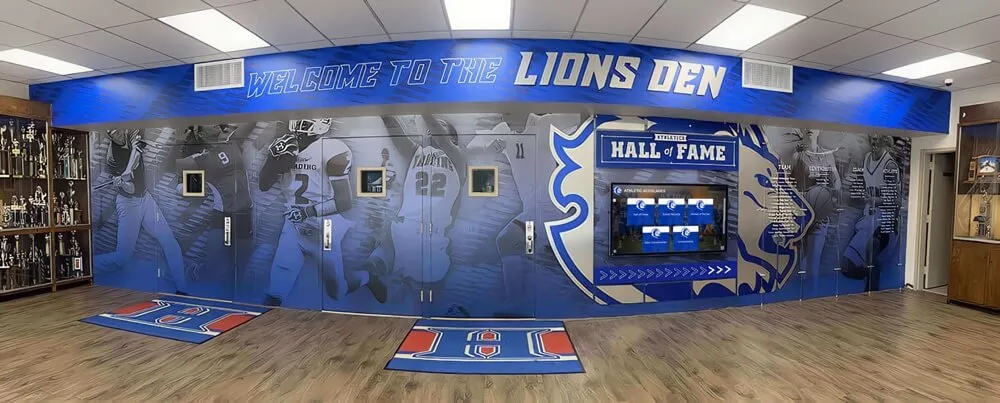
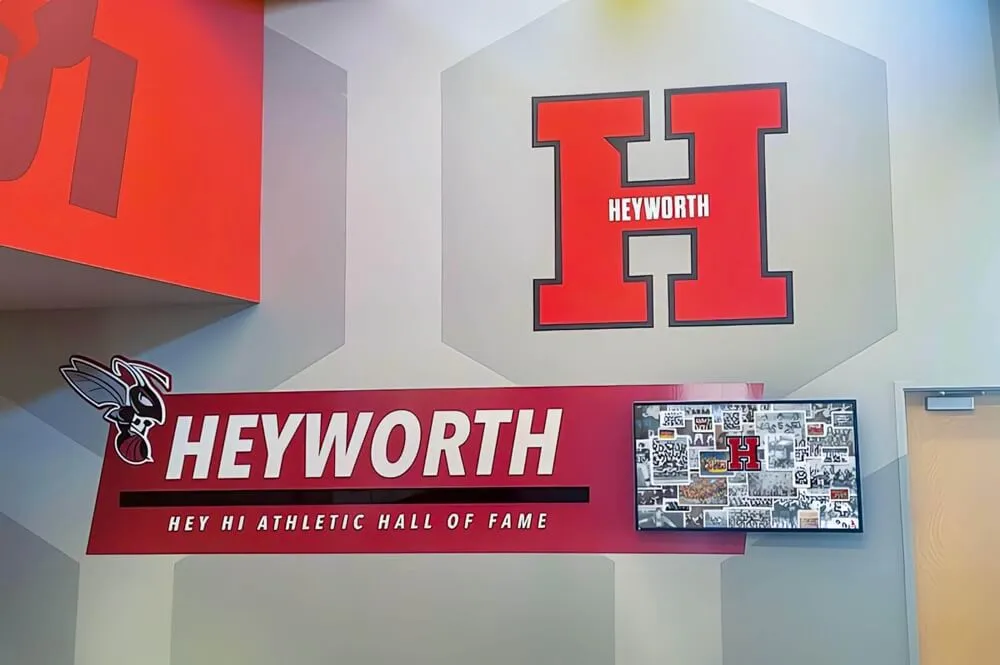
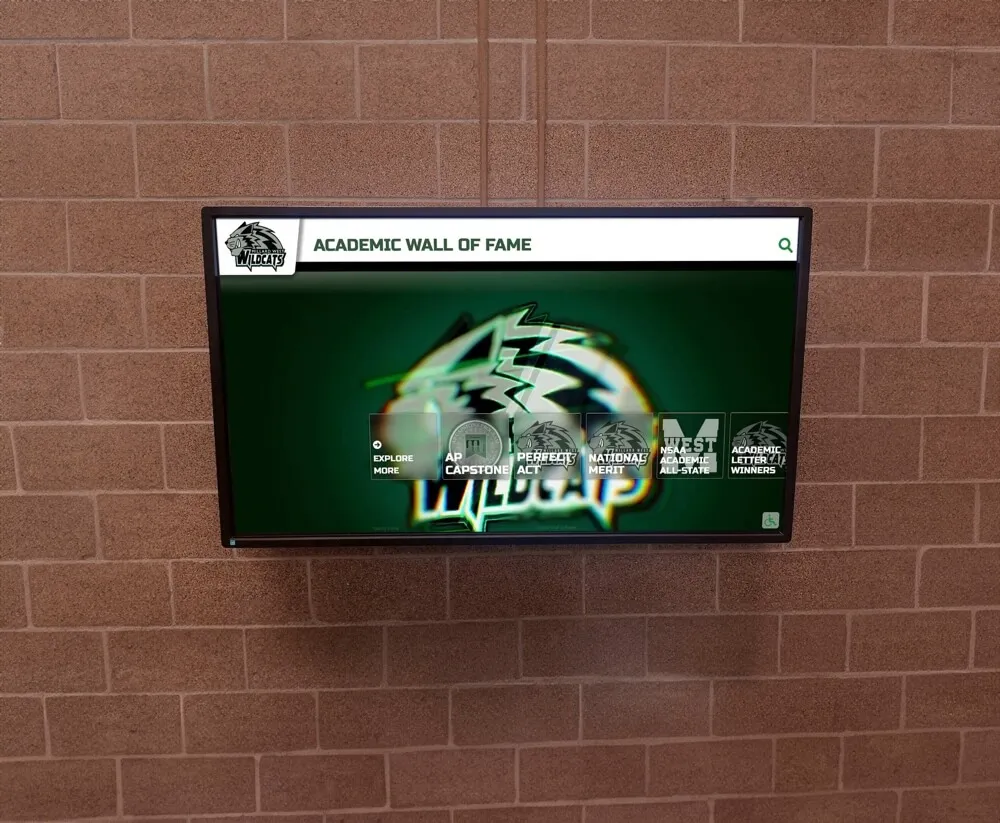
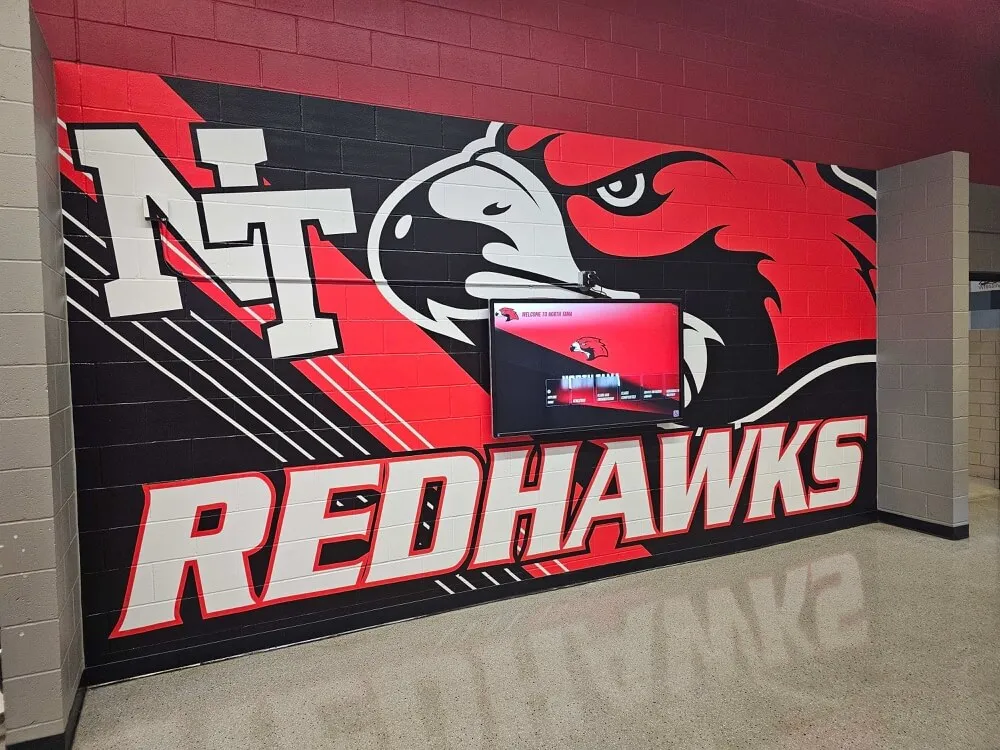
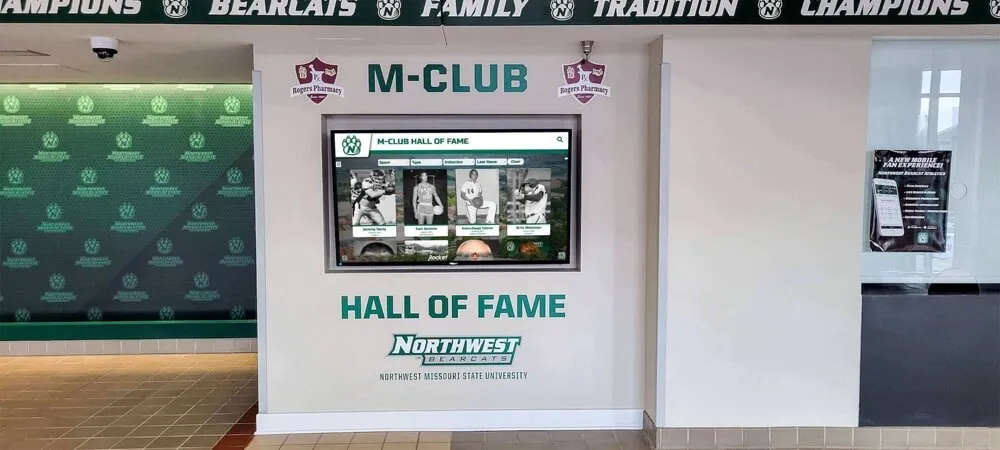
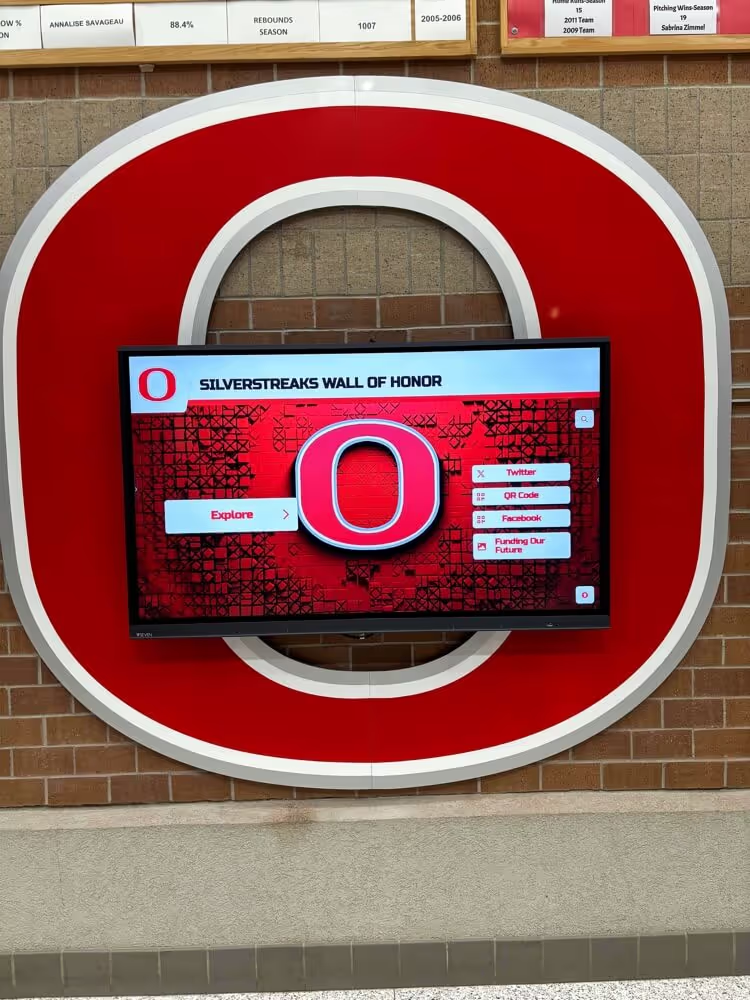
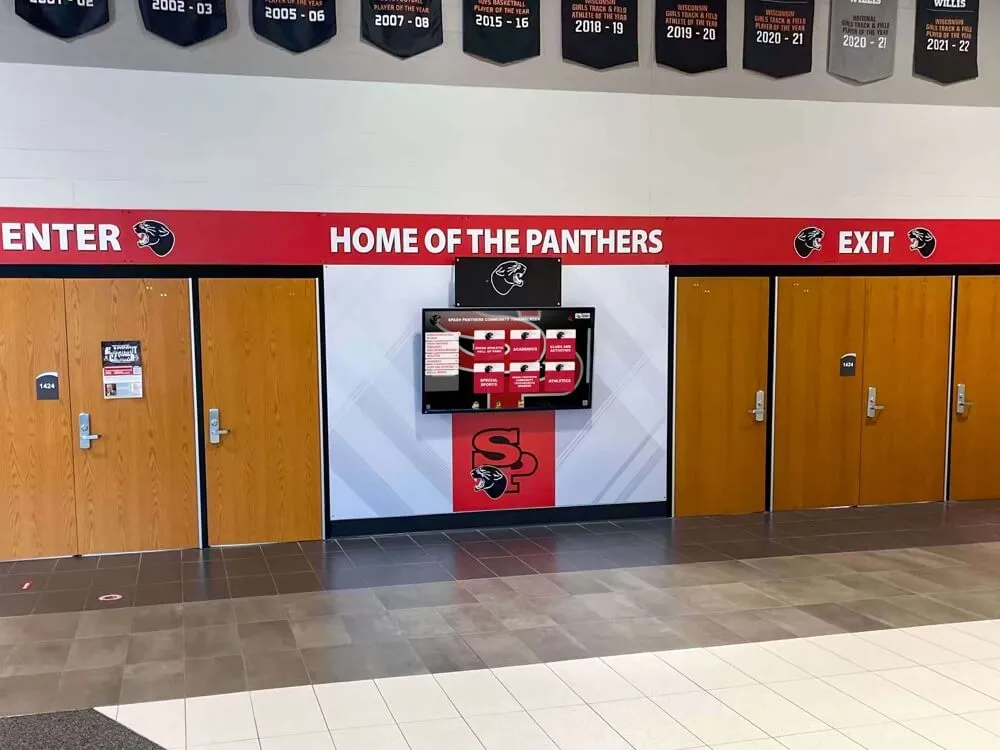
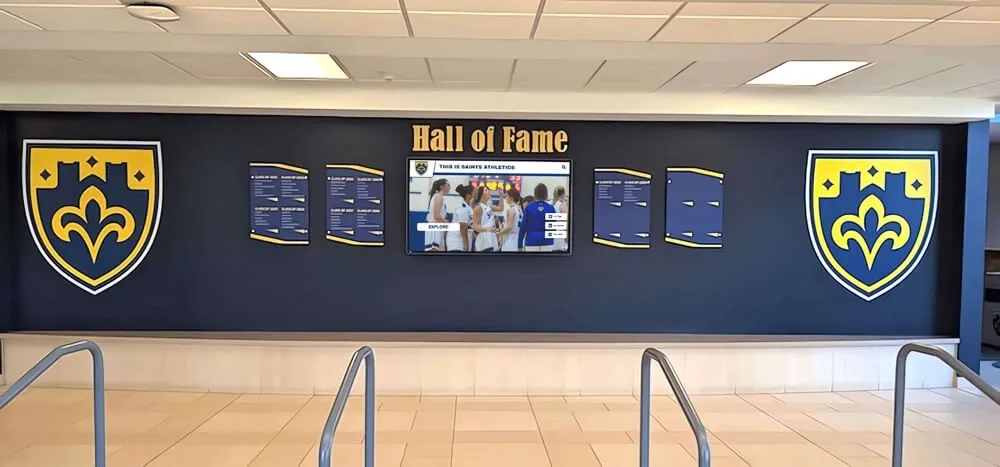
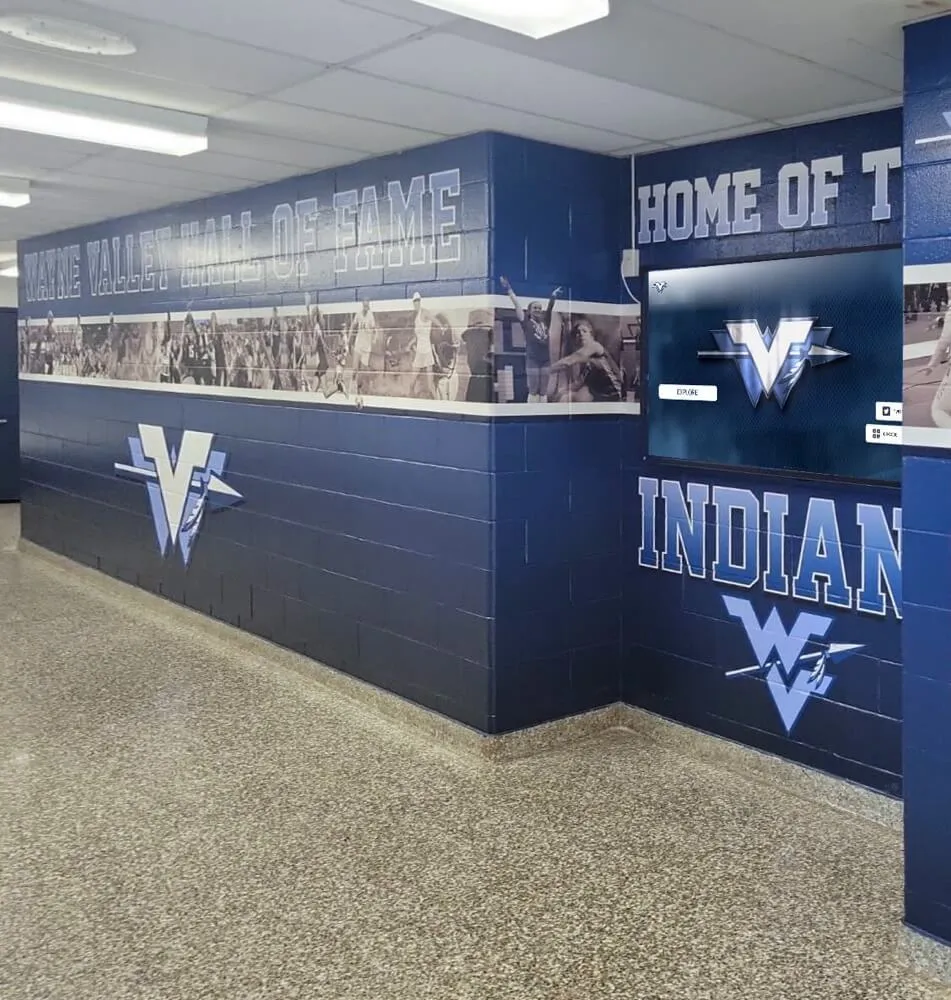
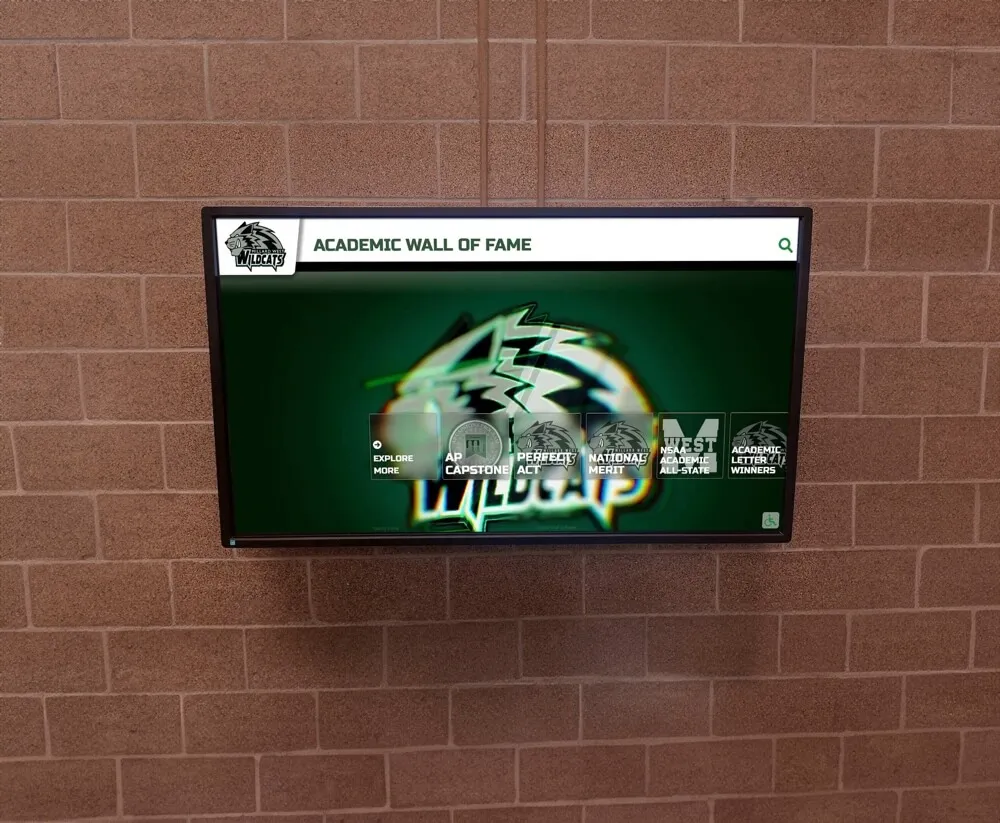
Modern schools showcase academic achievement through prominent displays that give scholarly excellence the same visibility as athletic success
Why Academic Awards Matter for College Applications
Admissions officers reviewing thousands of applications annually seek clear signals distinguishing exceptional candidates from strong ones. Academic awards provide standardized markers that help colleges quickly identify students demonstrating sustained excellence beyond grades alone.
How Colleges Evaluate Academic Honors
University admissions teams assess academic awards through specific lenses:
National and State-Level Recognition
- National Merit Scholarship Program recognition carries significant weight at selective institutions
- AP Scholar designations signal advanced coursework mastery and exam performance
- State-level academic competitions and honors demonstrate regional distinction
- Presidential Scholar nominations indicate exceptional national-level achievement
These broad recognition programs provide standardized benchmarks that admissions officers understand across diverse school contexts. A National Merit Semifinalist designation means the same thing regardless of whether a student attends a large suburban school or small rural institution.
Subject-Specific Excellence
- Departmental subject awards validate specialized academic strengths
- Science fair achievements and STEM competition recognition
- Writing awards and literary recognition
- Mathematics competition success and honors
- Social studies research achievements
Subject awards help students demonstrate “spiky” profiles—exceptional strength in specific academic areas that indicate potential for significant college-level contribution in particular fields.
School-Based Achievement Recognition
- Honor roll consistency demonstrates sustained academic performance
- Class rank positioning provides context-specific achievement markers
- GPA-based recognition shows cumulative academic success
- Academic improvement awards signal growth trajectory and work ethic
- Perfect attendance in advanced courses indicates dedication
Schools implementing comprehensive honor roll recognition displays provide students with visible validation of consistent academic performance that carries weight in holistic admissions review.

Individual recognition profiles celebrate specific academic achievements with detailed accomplishment documentation
The Cumulative Impact on Admissions Decisions
Academic awards rarely serve as singular deciding factors but contribute meaningfully within comprehensive application reviews:
Admissions Impact Hierarchy Research by higher education admissions experts indicates recognition carries varying weight:
- Highest Impact: National Merit recognition, Presidential Scholar nominations, international competition achievements
- Strong Impact: State-level academic honors, AP Scholar awards with distinction, significant STEM competition success
- Moderate Impact: Regional competition achievements, departmental subject awards, sustained honor roll recognition
- Supporting Impact: School-level recognition, subject-specific certificates, improvement awards
While lower-tier recognition won’t compensate for weak academic fundamentals, they provide valuable supporting evidence within strong overall profiles. Students with multiple award categories demonstrate well-rounded academic excellence that strengthens applications considerably.
Major Academic Awards and National Recognition Programs
Understanding the most prestigious academic honors helps students target recognition opportunities that maximize college application strength.
National Merit Scholarship Program
The National Merit Scholarship Program represents one of the most recognized and respected academic honor systems in American education.
Program Structure and Qualification
- Based on PSAT/NMSQT scores taken during junior year
- Approximately 1.5 million students enter the competition annually
- Top 50,000 students receive recognition
- 34,000 Commended Students receive academic recognition
- 16,000 Semifinalists qualify for potential scholarship awards
- 15,000 Finalists advance to final competition
- 7,500 students receive scholarship awards
College Application Impact National Merit recognition significantly enhances college applications, with many universities offering substantial automatic scholarships for Finalists and even Semifinalists. Highly selective institutions view National Merit status as validation of standardized test strength and academic capability.
School Recognition Strategies Schools should prominently celebrate National Merit recognition through multiple channels. Digital displays like those from Rocket Alumni Solutions enable comprehensive National Merit Scholar showcases that inspire younger students while honoring current achievers.
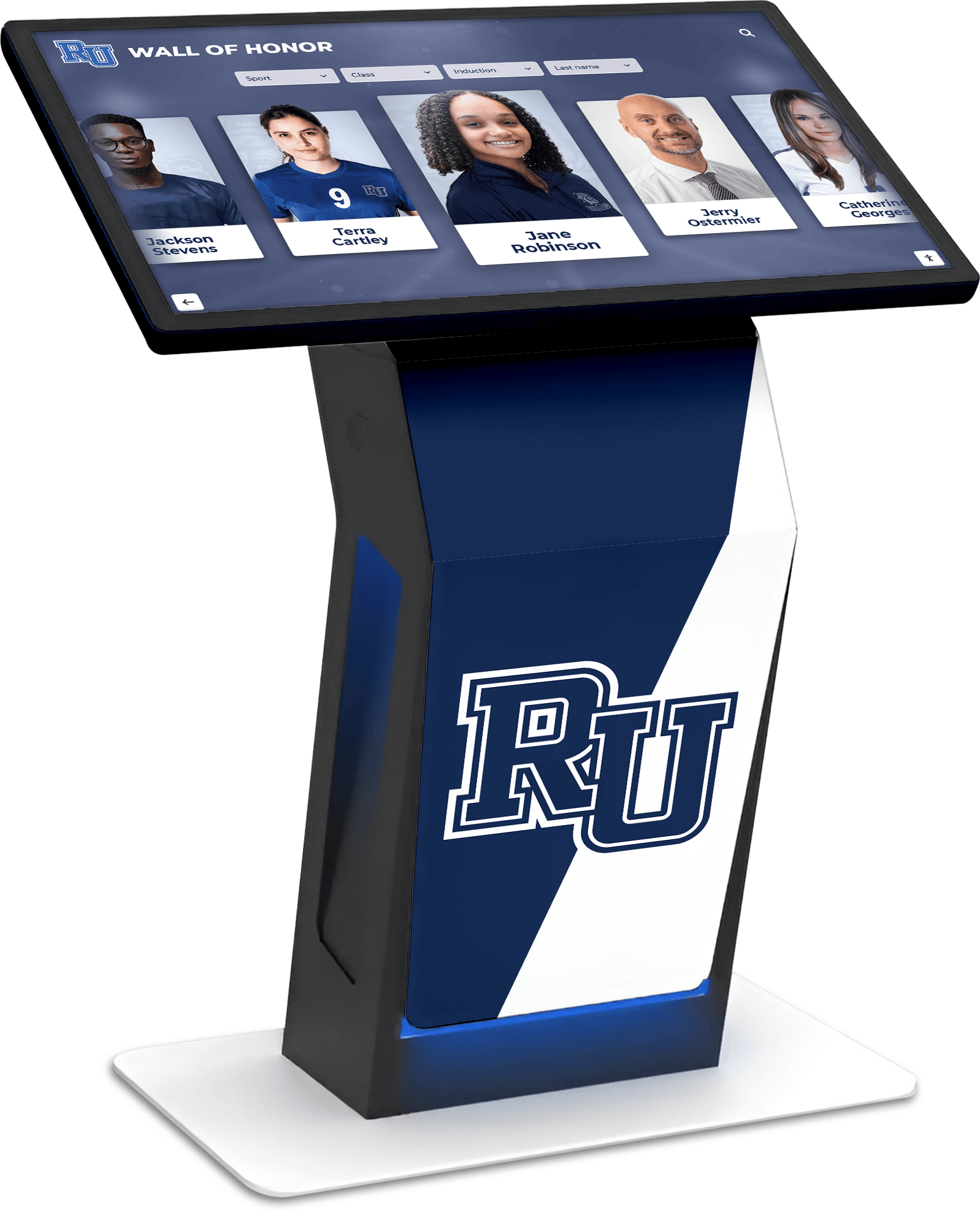
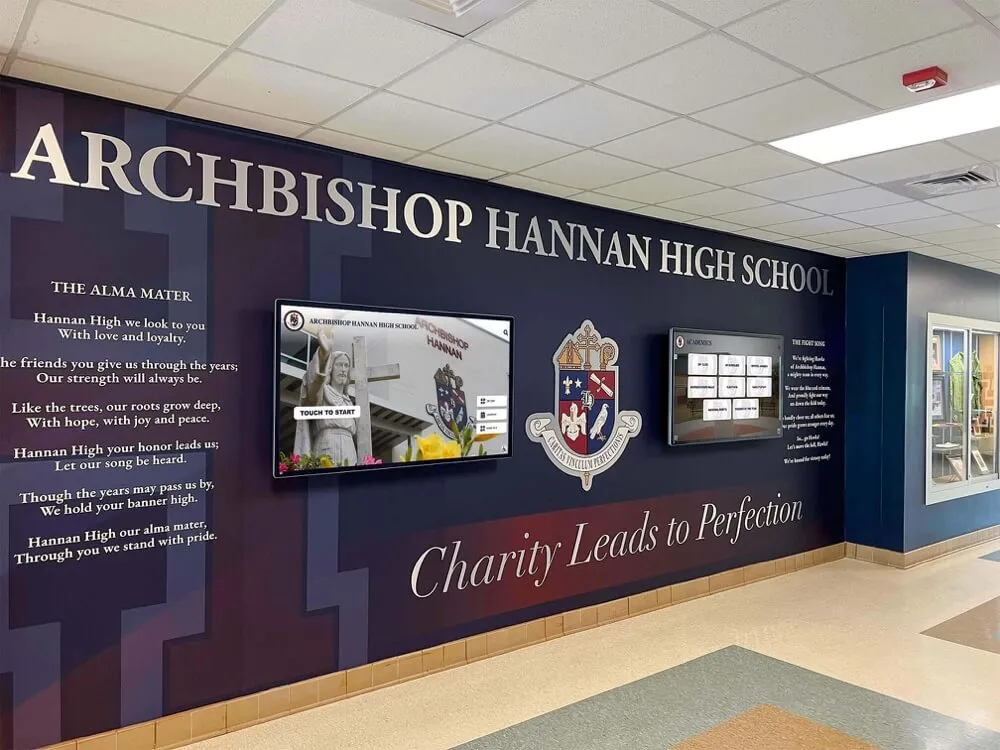
Interactive kiosks enable detailed exploration of academic achievements including National Merit recognition and other prestigious honors
College Board National Recognition Programs
The College Board National Recognition Programs identify academically exceptional students from underrepresented backgrounds and communities.
Recognition Categories
- National African American Recognition Award: Honoring Black students with strong academic records
- National Hispanic Recognition Award: Celebrating Latino/Hispanic student achievement
- National Indigenous Recognition Award: Recognizing Native American and Alaska Native academic excellence
- National Rural and Small Town Recognition Award: Elevating students from smaller communities
- First-Generation College Student Recognition: Honoring students whose parents didn’t complete four-year degrees
Eligibility Requirements Students must achieve a GPA of 3.5 or higher and score in the top 10% on PSAT/NMSQT, PSAT 10, or earn scores of 3+ on two or more AP Exams in 9th or 10th grade. These recognitions help colleges identify talented students from diverse backgrounds and communities often underrepresented in higher education.
Advanced Placement Scholar Awards
The College Board recognizes students demonstrating exceptional achievement in AP coursework through tiered scholar designations:
AP Scholar Award Levels
- AP Scholar: Scores of 3 or higher on three or more AP Exams
- AP Scholar with Honor: Average score of 3.25 on all AP Exams taken and scores of 3 or higher on four or more exams
- AP Scholar with Distinction: Average score of 3.5 on all AP Exams and scores of 3 or higher on five or more exams
- National AP Scholar: Average score of 4 on all AP Exams and scores of 4 or higher on eight or more exams
These designations automatically appear on AP score reports sent to colleges, providing standardized evidence of advanced coursework mastery. Schools should celebrate AP Scholars through recognition ceremonies and permanent displays acknowledging these significant accomplishments.
Presidential Scholars Program
The U.S. Presidential Scholars Program represents one of the nation’s highest honors for graduating high school seniors, recognizing approximately 161 students annually.
Selection Criteria
- Academic achievement based on SAT/ACT scores or arts portfolio review
- Essays and recommendations demonstrating character and leadership
- School nomination requirement
- Community service and leadership activities
- 20 scholars selected from each state plus D.C. and international families
- Additional scholars in arts and career/technical education categories
Presidential Scholar recognition provides exceptional college application distinction and includes a medallion ceremony in Washington, D.C. While most students won’t achieve this rare honor, those nominated should prominently feature it on applications.
Subject-Specific Academic Recognition
Beyond broad academic honors, subject-specific awards demonstrate depth of achievement in particular disciplines.
STEM Competition Awards
Science, technology, engineering, and mathematics competitions provide measurable achievement recognition:
National and International Competitions
- International Science and Engineering Fair (ISEF): Premier global pre-college science competition
- USA Biology Olympiad (USABO): National biology competition and team selection
- USA Computing Olympiad (USACO): Computer programming competition with tiered divisions
- American Mathematics Competitions (AMC): Progressive math competitions leading to International Math Olympiad
- Science Olympiad: Team-based STEM competition across multiple disciplines
- FIRST Robotics Competition: Engineering and robotics team competition
Success at regional, state, and especially national levels in these competitions demonstrates exceptional STEM capability that highly selective colleges value tremendously, particularly in science and engineering admissions.

Touchscreen displays allow students to explore comprehensive academic achievement databases including competition results and honors
Humanities and Social Sciences Recognition
Literary and social science achievements deserve equal celebration:
Writing and Literature Awards
- Scholastic Art & Writing Awards: National creative writing and art competition with Gold Key recognition
- National English Honor Society: Recognition of English language arts excellence
- Poetry Out Loud: National poetry recitation competition
- Essay contests: Various subject-specific and general essay competitions
History and Social Studies Honors
- National History Day: Research-based history competition with national finals
- We The People: Constitutional knowledge and civic engagement competition
- Model United Nations: Distinguished delegate awards at competitive conferences
- National Social Studies Honor Society: Recognition of social studies achievement
These humanities awards demonstrate critical thinking, research capability, and communication skills that liberal arts programs particularly value during admissions review.
World Language and Cultural Achievement
Language proficiency recognition validates multicultural capability:
Language Recognition Programs
- National Spanish Examinations: Awards for Spanish language proficiency testing
- National Latin Exam: Recognition for classical language achievement
- French, German, and other language honor societies: Specialized language achievement recognition
- Seal of Biliteracy: State-issued recognition of proficiency in English plus additional language
- Study abroad program completion: Academic achievement in immersive cultural experiences
Colleges increasingly value multilingual capability and cultural competence, making language recognition particularly relevant in competitive admissions contexts.
School-Level Academic Recognition Programs
While national honors carry specific cache, consistent school-based recognition demonstrates sustained achievement that colleges value considerably.
Honor Roll Recognition Systems
Honor roll programs provide the most consistent academic recognition opportunity for strong students:
Common Honor Roll Structures
- Principal’s Honor Roll / High Honor Roll: Typically requires 3.75+ or 4.0+ GPA
- Honor Roll: Generally requires 3.0-3.5+ GPA depending on school standards
- Quarterly vs. Annual Recognition: Some schools recognize each marking period while others emphasize yearly achievement
Sustained honor roll recognition across multiple years demonstrates consistency that matters more to colleges than occasional spikes. Students should highlight honor roll achievement in application academic sections, particularly when consistent across all semesters.
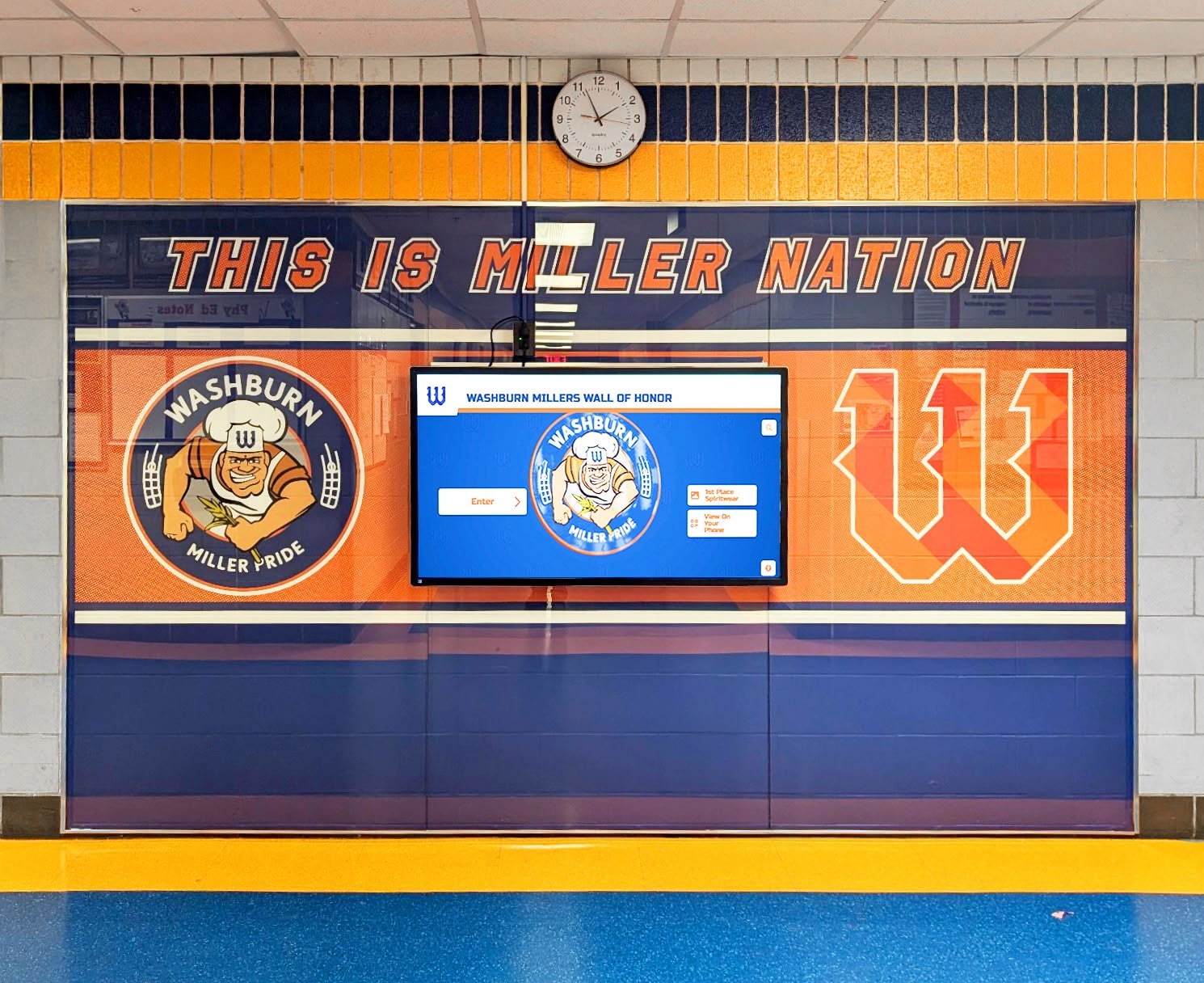
Hallway recognition displays ensure honor roll achievement receives ongoing visibility that motivates continued excellence
Departmental Academic Awards
Subject-specific departmental awards recognize exceptional achievement within individual academic disciplines:
Typical Departmental Award Categories
- Outstanding achievement in Mathematics, English, Science, Social Studies, World Languages
- Most improved student in subject areas
- Subject-specific excellence for underclassmen vs. upperclassmen
- Research and project-based learning recognition
- Interdisciplinary achievement awards
These awards particularly strengthen applications when aligned with intended college majors. A student applying to engineering programs benefits significantly from consistent mathematics and science department recognition throughout high school.
Class Rank Recognition
While many schools have moved away from strict class ranking, position-based recognition remains meaningful:
Ranking-Based Honors
- Valedictorian and Salutatorian: Top academic achievers receive highest recognition
- Top 10% / Top 25% Recognition: Percentage-based achievement acknowledgment
- Latin Honors: Cum laude designation levels based on GPA thresholds
- Honor Graduate Recognition: Meeting specific cumulative achievement standards
Class rank provides context-specific achievement markers that help admissions officers understand student performance relative to peers in their specific school environment.
Academic Honor Societies
National and school-based honor societies recognize students meeting specific academic and character criteria.
National Honor Society (NHS)
The National Honor Society represents the most widely recognized honor society, existing in approximately 85% of American high schools.
NHS Selection Criteria
- Minimum GPA requirement (typically 3.5+, varies by school chapter)
- Demonstrated leadership in school and community
- Significant service hour requirements
- Character evaluation through teacher recommendations
- Faculty council selection process
NHS membership provides meaningful recognition though it’s relatively common at competitive high schools. Students strengthen NHS credentials by pursuing leadership positions within the chapter and documenting substantial service contributions. Colleges particularly value NHS students who serve as chapter officers or lead significant service initiatives.
Understanding how to position NHS experience effectively helps students maximize its application value. Those seeking guidance can explore resources about writing compelling NHS essays that strengthen membership applications.
Subject-Specific Honor Societies
Specialized honor societies demonstrate focused academic passion:
Academic Subject Societies
- Mu Alpha Theta: Mathematics honor society
- Science National Honor Society: Multi-discipline science recognition
- National English Honor Society: Literature and language arts achievement
- Rho Kappa: Social studies honor society
- National Art Honor Society: Visual arts recognition
- Tri-M Music Honor Society: Musical achievement and service
Membership in multiple honor societies demonstrates well-rounded academic excellence, while deep involvement in subject-specific societies signals focused passion aligned with potential college majors.
International Baccalaureate Diploma Recognition
Students completing full IB Diploma programmes receive internationally recognized academic credentials:
IB Diploma Distinction
- Completion of comprehensive two-year rigorous curriculum
- Performance on external examinations
- Extended Essay research requirement
- Theory of Knowledge coursework
- Creativity, Activity, Service (CAS) hours
IB Diploma achievement represents one of the most rigorous pre-college academic credentials available, carrying substantial weight in selective college admissions particularly at international universities.

Interactive displays enable students to explore diverse achievement categories from academic honors to community recognition
Maximizing Academic Awards on College Applications
Strategic presentation of academic recognition strengthens application impact considerably.
Application Section Placement
Understanding where to position academic awards ensures maximum visibility:
Common Application Honors Section The Common App provides five spaces for academic distinctions and honors:
- Prioritize national and state-level recognition first
- Include level designation (International, National, State, Regional, School)
- Specify grade levels when awards were received
- Use clear, recognizable award names colleges understand
Additional Award Documentation Beyond the honors section, reference significant academic recognition in:
- Personal statement when awards reflect meaningful achievement narratives
- Supplemental essays for university-specific prompts about academic interests
- Additional information section for awards requiring explanation or context
- Resume/activity list when awards relate to extracurricular involvements
Contextualizing School-Specific Recognition
Awards from individual schools require context for admissions officers unfamiliar with institution-specific honors:
Providing Helpful Context
- Indicate selection criteria and competitive nature of school awards
- Note percentage of students receiving recognition when possible
- Explain unique aspects of school-specific programs
- Connect school awards to broader achievement patterns
A “Departmental Excellence Award” becomes more meaningful when students note it recognizes “top 3 students in each discipline” or is “awarded annually to students demonstrating exceptional achievement in advanced coursework.”
Documenting Sustained Achievement
Consistency matters more than individual recognition points:
Building Achievement Narratives
- Highlight honor roll recognition maintained across all high school years
- Show progression through tiered recognition levels (AP Scholar → AP Scholar with Distinction)
- Document advancement in competitive programs (regional → state → national competition success)
- Connect academic recognition with intellectual curiosity and specific academic interests
Colleges seek students who will contribute meaningfully to campus academic culture. Sustained recognition across multiple years signals capability and commitment more effectively than isolated achievement spikes.
How Schools Can Celebrate Academic Excellence
Just as schools showcase athletic championships through banners, trophies, and recognition displays, academic achievement deserves equivalent prominence.
Creating Visible Academic Recognition
Traditional approaches to academic recognition—brief honor roll announcements and annual awards ceremonies—provide minimal ongoing visibility compared to athletic displays filling gyms and hallways.
Modern Recognition Approaches Schools transforming academic recognition visibility implement:
- Prominent hallway displays showcasing honor roll students and academic award recipients
- Digital recognition walls providing unlimited capacity for comprehensive academic achievement celebration
- Academic hall of fame sections alongside athletic halls recognizing scholarly excellence
- Department-specific recognition areas highlighting subject achievement throughout academic spaces
- Entrance displays welcoming visitors with immediate academic accomplishment visibility
Solutions like Rocket Alumni Solutions enable schools to create professional academic recognition displays that match the quality and prominence of athletic trophy cases, ensuring intellectual achievement receives deserved celebration throughout school communities.

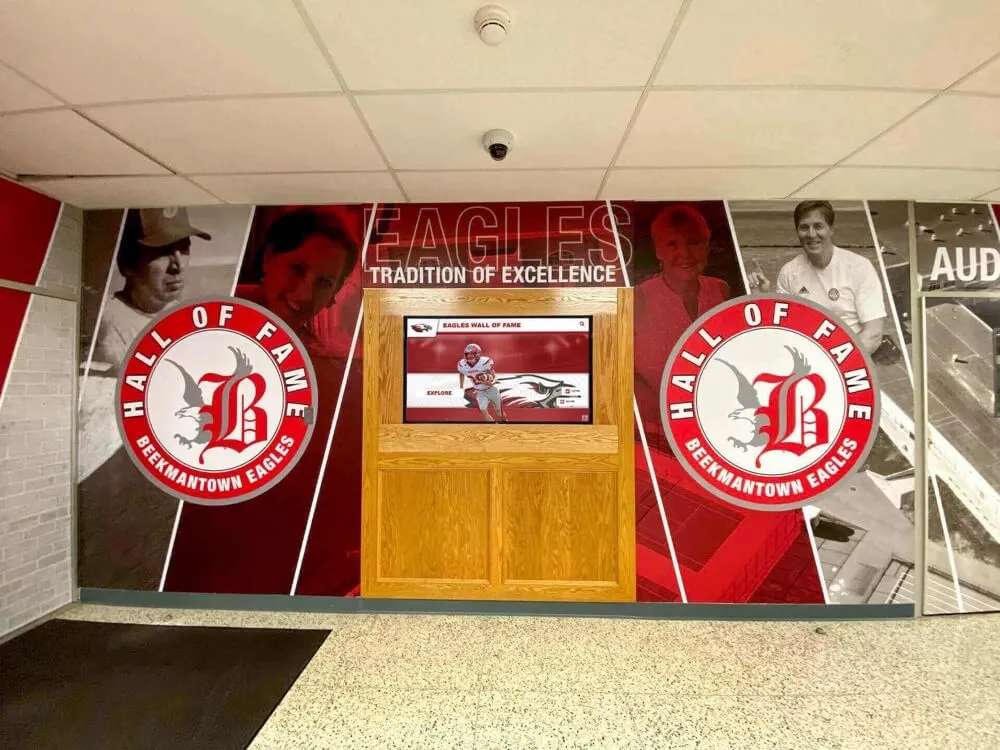
Integrated recognition systems combine digital displays with traditional elements for comprehensive academic celebration
Academic Recognition Ceremony Best Practices
Awards ceremonies create meaningful recognition moments when thoughtfully designed:
Effective Ceremony Elements
- Schedule academic recognition events separate from athletic banquets ensuring focused attention
- Invite families to celebrate academic achievement together
- Feature keynote speakers who achieved academic success professionally
- Provide recipient profiles explaining specific accomplishments being honored
- Create photo opportunities with school leadership and recognition displays
- Livestream ceremonies for family members unable to attend in person
Schools hosting dedicated academic recognition ceremonies signal institutional commitment to scholarly achievement that resonates throughout communities.
Leveraging Digital Recognition Technology
Physical trophy cases fill quickly, creating difficult decisions about which achievements display prominently and which relegate to storage. Digital recognition systems solve these limitations.
Digital Recognition Advantages
- Unlimited capacity: Showcase every academic award recipient without space constraints
- Searchable databases: Enable students, families, and visitors to explore achievements
- Rich media integration: Include photos, accomplishment details, and achievement narratives
- Easy updates: Add new recipients and update information remotely without physical modifications
- Extended reach: QR codes and web access enable recognition viewing beyond campus
- Professional presentation: High-quality displays rival physical trophy cases aesthetically
Schools implementing comprehensive digital recognition displays find that academic achievement receives ongoing attention that motivates current students while honoring past recipients permanently.
Academic Recognition Program Implementation
Schools seeking to strengthen academic recognition culture should develop systematic approaches ensuring consistent, meaningful celebration.
Establishing Clear Recognition Criteria
Transparent award criteria builds trust and motivation:
Program Development Elements
- Define specific GPA thresholds for honor roll tiers
- Establish departmental award selection processes and criteria
- Create nomination procedures for competitive recognitions
- Document evaluation rubrics for subjective awards
- Communicate criteria to students and families at year beginning
- Review and adjust recognition standards ensuring continued appropriateness
Clear criteria enable students to understand recognition requirements and work systematically toward achievement goals.
Creating Multiple Achievement Pathways
Effective recognition programs celebrate diverse academic strengths:
Comprehensive Recognition Categories
- Absolute achievement (GPA-based honors)
- Relative improvement (most improved awards)
- Subject-specific excellence (departmental awards)
- Character-based academic recognition (persistence, intellectual curiosity)
- Competition and performance achievement (debate, science fair, math competitions)
- Research and project-based accomplishment
- Leadership in academic contexts
Multiple pathways ensure recognition opportunities exist for students with varied strengths and backgrounds, creating inclusive academic culture that motivates excellence across populations.
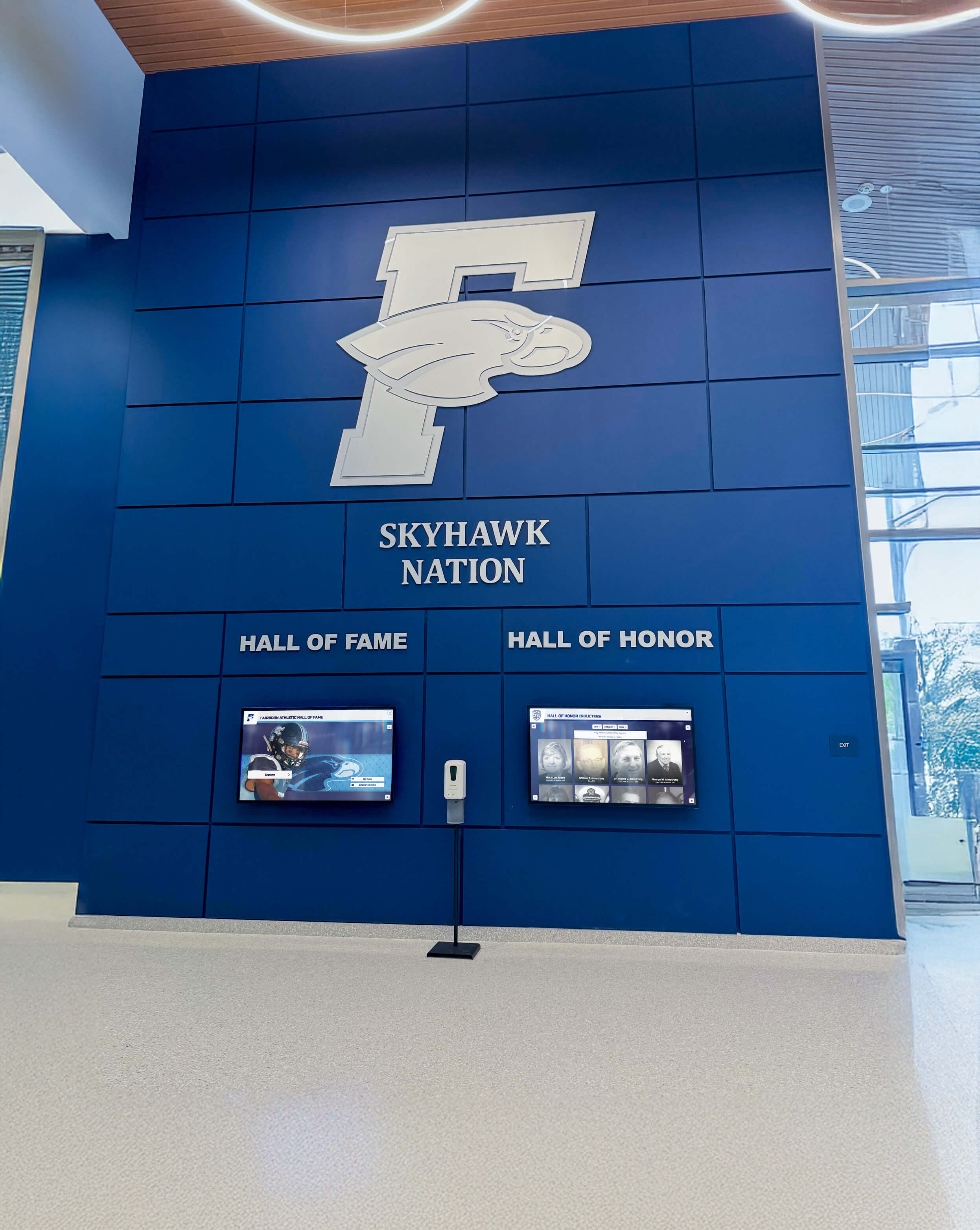
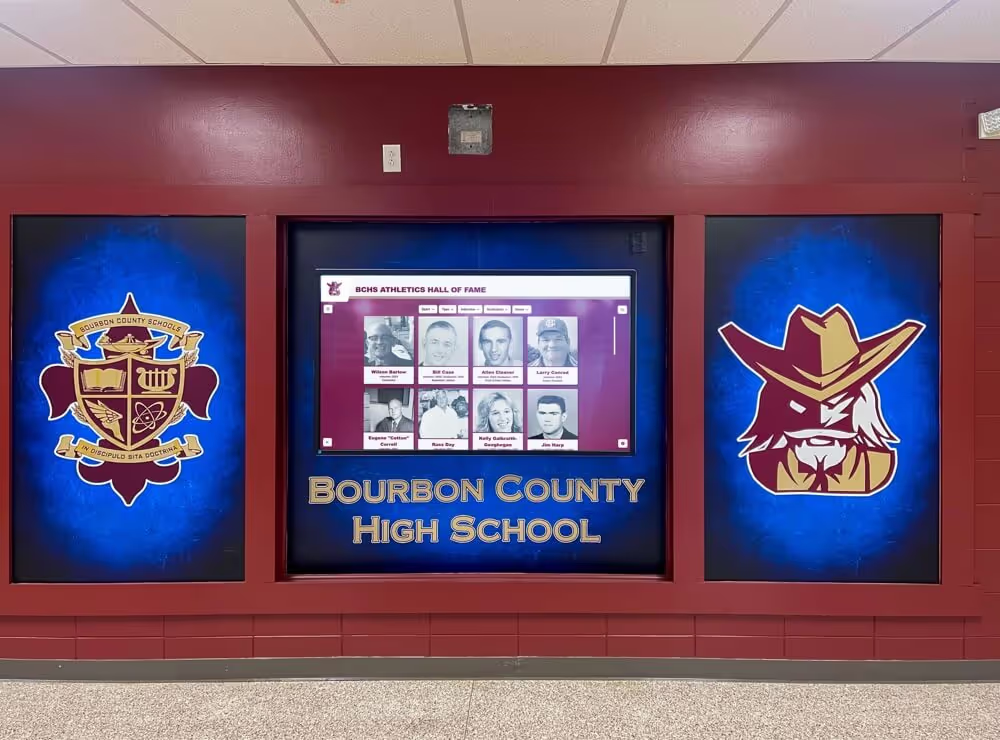
Prominent entrance displays make academic achievement immediately visible to everyone entering school facilities
Connecting Academic Recognition with College Success
Schools should explicitly connect academic recognition to college admission outcomes:
Making College Connections Explicit
- Feature college-accepted students in recognition displays noting their academic honors
- Host information sessions explaining how academic awards strengthen applications
- Invite alumni back to discuss how high school recognition influenced their college experiences
- Provide guidance department resources about positioning awards strategically
- Celebrate National Merit Scholars and other prestigious recognition with college destination information
These connections help students understand that academic recognition carries real-world college admission value beyond ceremonial acknowledgment.
Supporting Students Pursuing Academic Recognition
Schools and families play crucial roles helping students access recognition opportunities.
Academic Planning and Award Awareness
Many students miss recognition opportunities simply because they don’t know programs exist:
Proactive Information Sharing
- Provide incoming freshmen with comprehensive academic recognition program overview
- Create academic calendar marking key dates for competitions, applications, and testing
- Host information sessions about National Merit, AP Scholar designations, and major recognition programs
- Offer guidance counselor consultations about academic award strategies
- Maintain updated websites and resources documenting all available recognition programs
Early awareness enables students to make informed decisions about coursework, testing, and involvement that positions them for recognition throughout high school.
Balancing Recognition Pursuit with Healthy Achievement
While academic awards provide valuable motivation, excessive pressure proves counterproductive:
Maintaining Healthy Perspectives
- Emphasize learning and intellectual curiosity over award collection
- Help students understand that recognition validates but doesn’t define achievement
- Encourage challenging coursework even when it might affect GPA-based recognition
- Support balanced development including social, emotional, and creative growth
- Model healthy attitudes about achievement and competition
Schools and families should frame academic recognition as celebration of accomplishment rather than singular definition of student worth.
Providing Equitable Access to Recognition
Recognition programs should ensure that achievement opportunities exist regardless of student backgrounds:
Equity Considerations
- Ensure fee-free pathways to recognition don’t exclude economically disadvantaged students
- Provide test preparation resources supporting access to score-based recognition
- Offer flexible recognition criteria accommodating diverse student circumstances
- Create awards recognizing achievement from different baseline starting points
- Address systematic barriers preventing underrepresented students from accessing recognition opportunities
Inclusive recognition programs celebrate achievement across entire student populations rather than benefiting only advantaged subgroups.
Academic Awards Beyond High School
The impact of high school academic recognition extends past college admissions into scholarship opportunities and long-term success.
Scholarship Connections
Academic awards directly influence merit scholarship eligibility:
Scholarship Opportunities Linked to Recognition
- National Merit Scholars receive substantial automatic scholarships at numerous universities
- State scholar programs often provide tuition benefits at public universities
- Private scholarships frequently prioritize academically recognized students
- Departmental scholarships in college often target students with high school subject recognition
- Honor society membership sometimes provides exclusive scholarship access
Cumulative scholarship value for highly recognized academic achievers can reach tens or hundreds of thousands of dollars across four undergraduate years.

Recognition displays throughout school facilities normalize academic achievement as central to institutional identity
Professional and Personal Development Impact
Academic recognition influences long-term trajectories:
Lasting Recognition Value
- Resume inclusion appropriate throughout early career stages
- Graduate school application enhancement years after high school
- Professional networking connections through honor societies and recognition programs
- Personal confidence and achievement orientation development
- Connection to lifelong learning values and intellectual community
While specific high school awards become less prominent over time, the habits, confidence, and achievement patterns they represent influence trajectories for decades.
Common Questions About Academic Awards
Students and families frequently seek clarification about academic recognition programs.
Which Academic Awards Matter Most for College?
Highest Priority Recognition National and state-level honors including National Merit, Presidential Scholar nominations, significant competition achievements, and AP Scholar designations carry most weight. These standardized programs allow admissions officers to quickly assess achievement levels.
Important Supporting Recognition Sustained honor roll achievement, departmental awards from rigorous courses, and honor society leadership provide valuable supporting evidence of academic capability and commitment.
Lesser Impact Recognition School-specific certificates and participation-based awards offer minimal admissions benefit unless they come from highly competitive, well-known institutions or represent truly exceptional achievement.
Should Students Focus on Awards or Learning?
The most successful students focus primarily on genuine learning and intellectual curiosity, with awards emerging as natural byproducts rather than primary goals. Colleges seek students passionate about learning rather than those merely collecting recognition for application purposes.
Students should pursue challenging coursework aligned with genuine interests even when it might affect GPA-based recognition, demonstrate authentic intellectual curiosity through projects and research, participate in competitions related to true academic passions, and select activities based on interest rather than award potential.
How Do Schools with Limited Recognition Programs Compare?
Colleges evaluate students within their specific school contexts. Students from schools offering fewer formal recognition programs aren’t penalized when this context is clear. These students can strengthen applications by explaining their school’s recognition structure, highlighting achievements within available programs, documenting self-directed academic pursuits, and emphasizing standardized achievements like AP scores and SAT/ACT results that provide common reference points.
Context matters tremendously in holistic admissions review, and colleges understand that recognition opportunities vary widely across schools.
Future of Academic Recognition
Academic honor systems continue evolving to reflect changing educational priorities and technological capabilities.
Digital Credentials and Micro-Credentials
Educational institutions increasingly issue digital badges and micro-credentials for specific skill mastery:
Emerging Recognition Formats
- Digital badges for competency-based achievement
- Online portfolio systems showcasing academic work
- Blockchain-verified academic credentials
- Skill-specific certifications beyond traditional course grades
- Industry-recognized technical credentials earned during high school
These alternative recognition forms may increasingly complement or supplement traditional academic awards in college evaluation.
Personalized Recognition Systems
Technology enables more individualized achievement tracking:
Personalization Trends
- Student dashboards tracking progress toward recognition goals
- Customized achievement pathways based on student strengths and interests
- Real-time recognition updates replacing delayed annual awards
- Integration of in-school and external achievement documentation
- Portfolio-based comprehensive achievement demonstration
These innovations promise more responsive recognition systems that celebrate diverse achievement patterns more effectively than one-size-fits-all traditional approaches.
Transform Academic Recognition at Your School
Discover how modern digital recognition displays can showcase academic awards and honors with the same prominence traditionally reserved for athletic achievements. Give scholarly excellence the visibility it deserves through professional systems that celebrate unlimited students across all academic recognition categories.
Explore Recognition SolutionsConclusion: Celebrating Academic Excellence That Matters
Academic awards in high school serve purposes far beyond decorative certificates stored in desk drawers. These honors strengthen college applications, open scholarship opportunities, validate student effort, and signal to entire school communities that intellectual achievement deserves celebration equal to any other accomplishment.
Understanding which recognition programs carry the most significance helps students make strategic decisions about coursework, testing, and involvement throughout high school. National Merit recognition, AP Scholar designations, significant competition achievements, and sustained honor roll success provide the strongest application enhancement, while school-based departmental awards and honor society membership offer valuable supporting evidence of academic commitment.
Schools play crucial roles creating recognition cultures where academic excellence receives visibility and celebration comparable to athletic achievement. Through prominent displays, dedicated ceremonies, and modern digital recognition systems, institutions can transform scholarly accomplishment from occasional acknowledgment to central elements of school identity and culture.
Whether you’re a student planning your high school academic trajectory, a family supporting achievement goals, or a school administrator designing recognition programs, remember that authentic learning and intellectual curiosity should drive decisions rather than award collection. The most meaningful recognition validates genuine accomplishment and passion rather than serving as ends unto themselves.
For schools ready to give academic awards the permanent, professional showcase they deserve, modern digital recognition solutions provide unlimited capacity to celebrate scholarly excellence while inspiring current students with visible examples of valued achievement. Academic honors that boost college applications deserve recognition systems that ensure these accomplishments remain prominently celebrated throughout school communities for years to come.