



The end-of-year awards ceremony approaches, and once again you face the challenge of recognizing academic excellence across your entire student body. Beyond the obvious valedictorian and honor roll certificates, hundreds of students demonstrate remarkable achievement that deserves acknowledgment—the junior who transformed from struggling in math to mastering calculus, the senior who mentored younger students every lunch period, or the sophomore whose curiosity drove an independent research project that impressed university professors.
Many high schools default to limited recognition categories, inadvertently sending the message that only the highest GPAs or most visible achievements matter. This narrow approach overlooks students who excel in specific subjects, demonstrate extraordinary growth, contribute to classroom culture, or achieve excellence in non-traditional academic areas that don’t appear prominently on transcripts.
This comprehensive guide explores 50+ academic award categories that celebrate diverse dimensions of student achievement. Whether you’re an administrator planning your recognition program, a teacher nominating deserving students, or a counselor seeking ways to acknowledge student growth, these award ideas help you design recognition systems where every form of academic excellence receives appropriate celebration.
Effective academic recognition extends beyond identifying students with the highest grades. It creates comprehensive systems honoring intellectual curiosity, character development, collaborative excellence, and the diverse pathways through which students demonstrate learning, growth, and contribution to your school’s academic community.

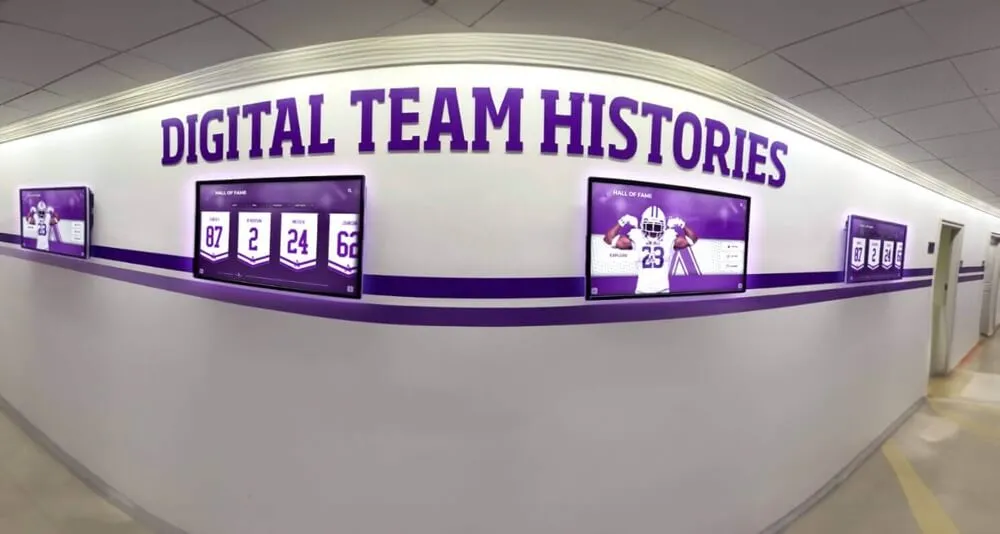
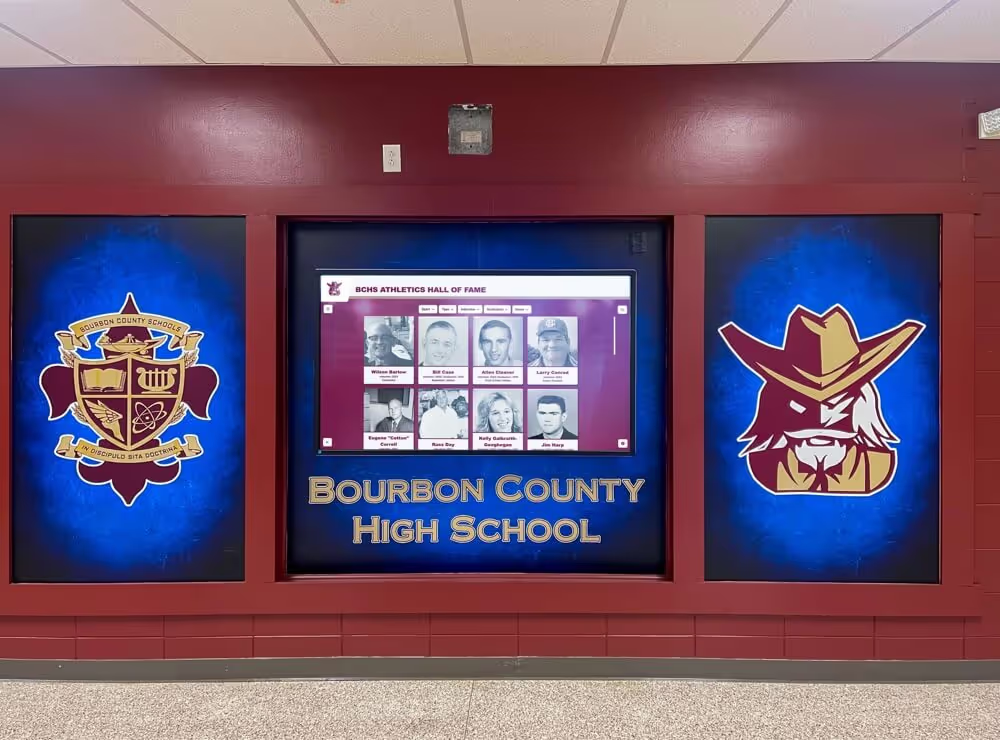
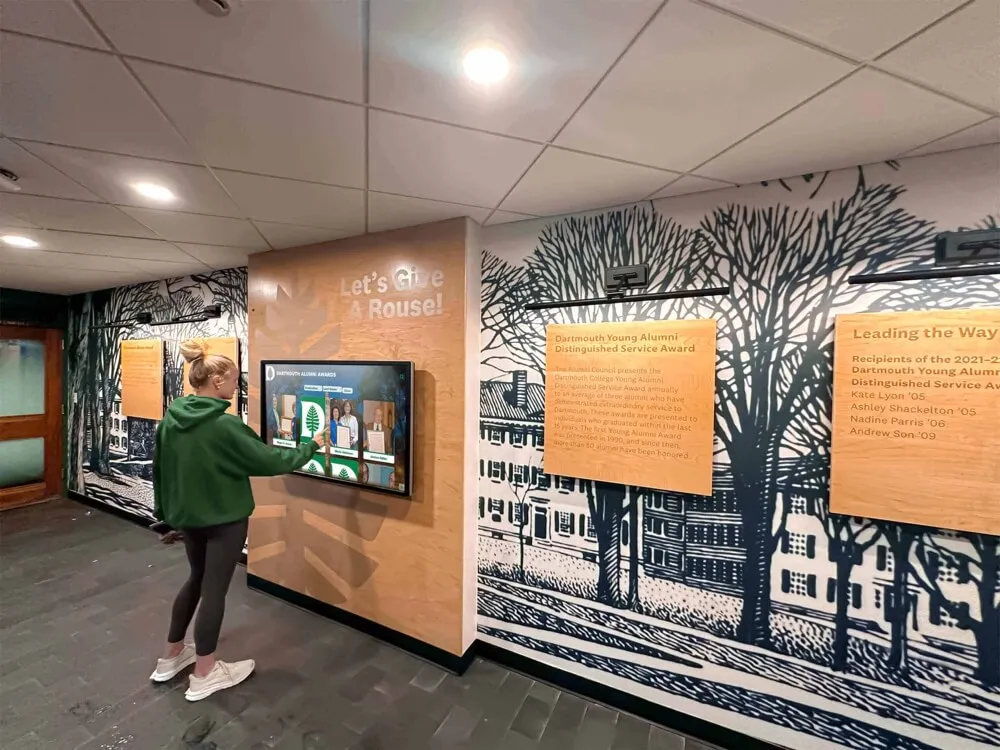
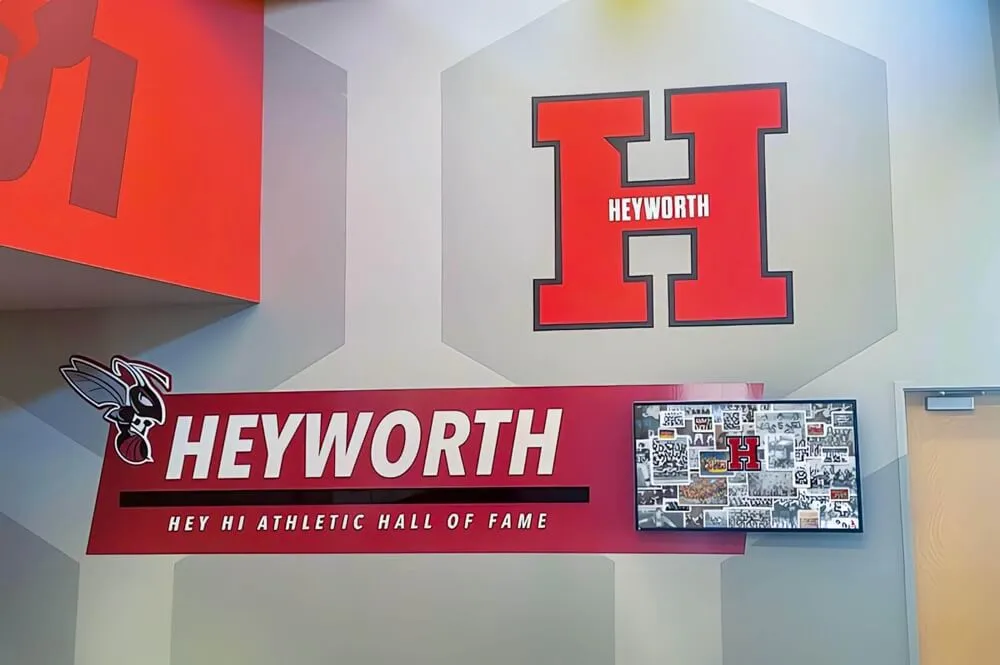
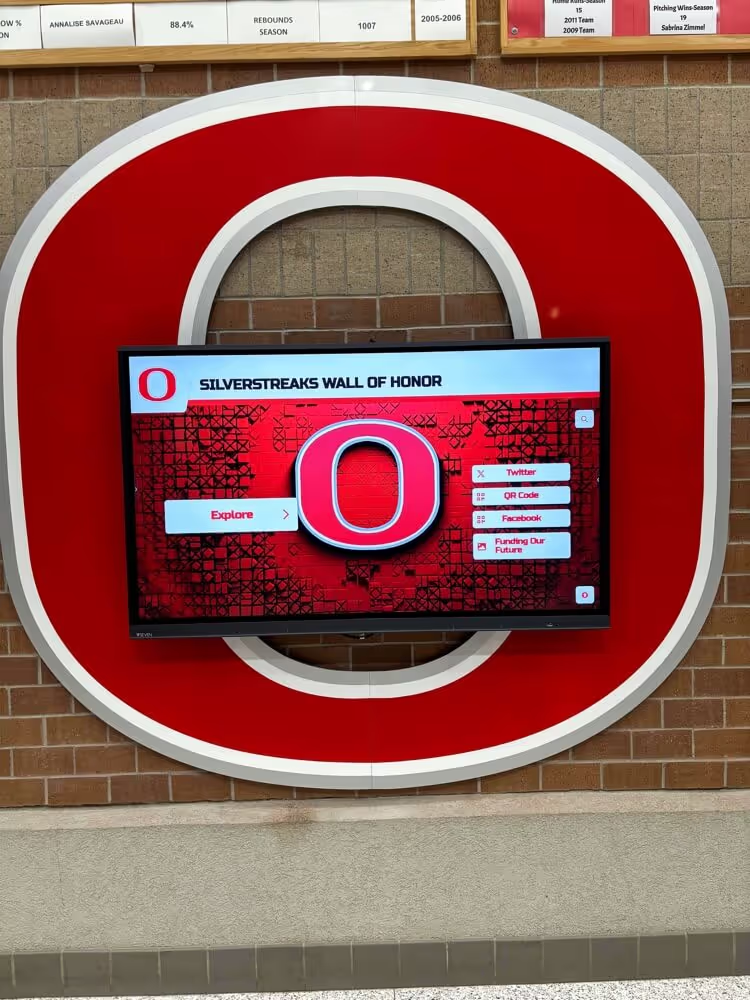
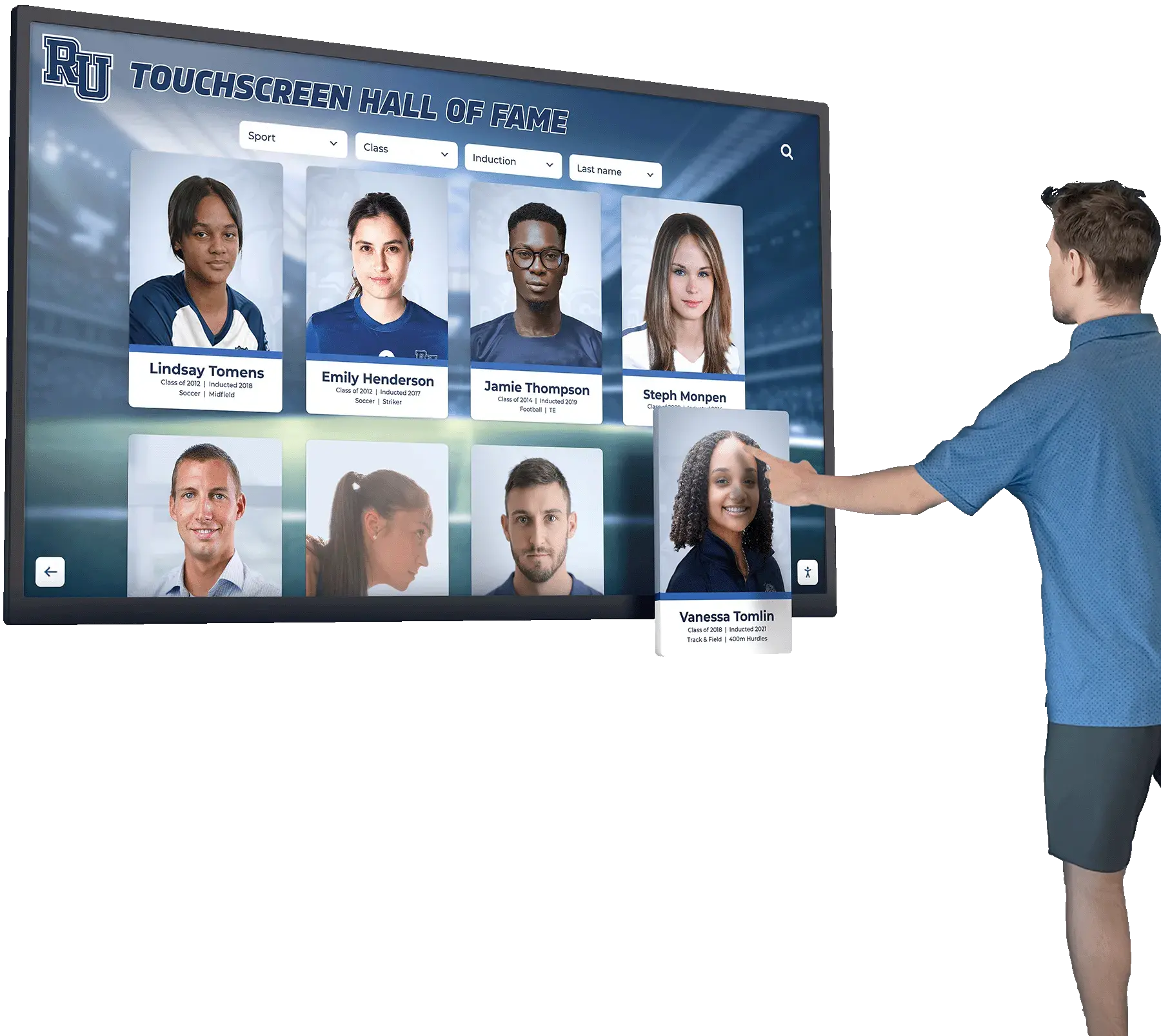
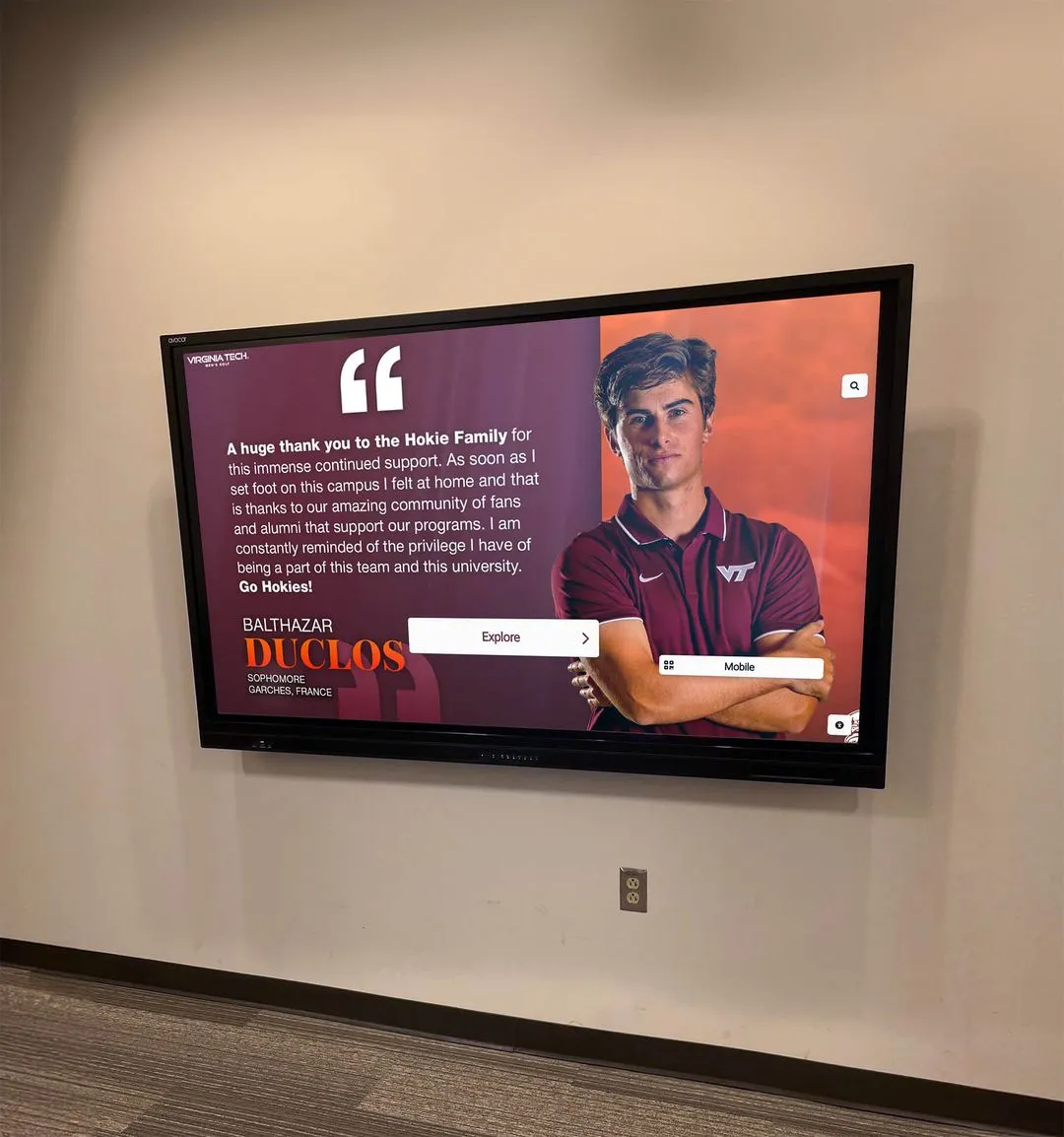
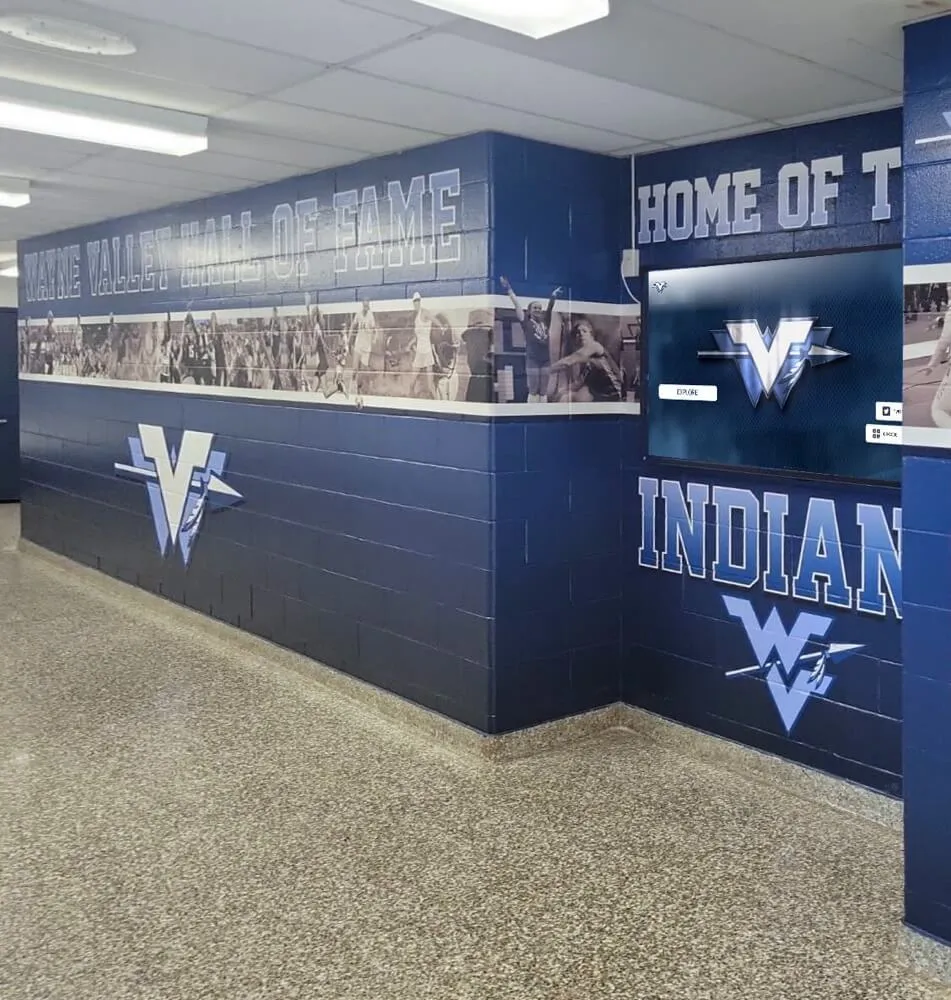
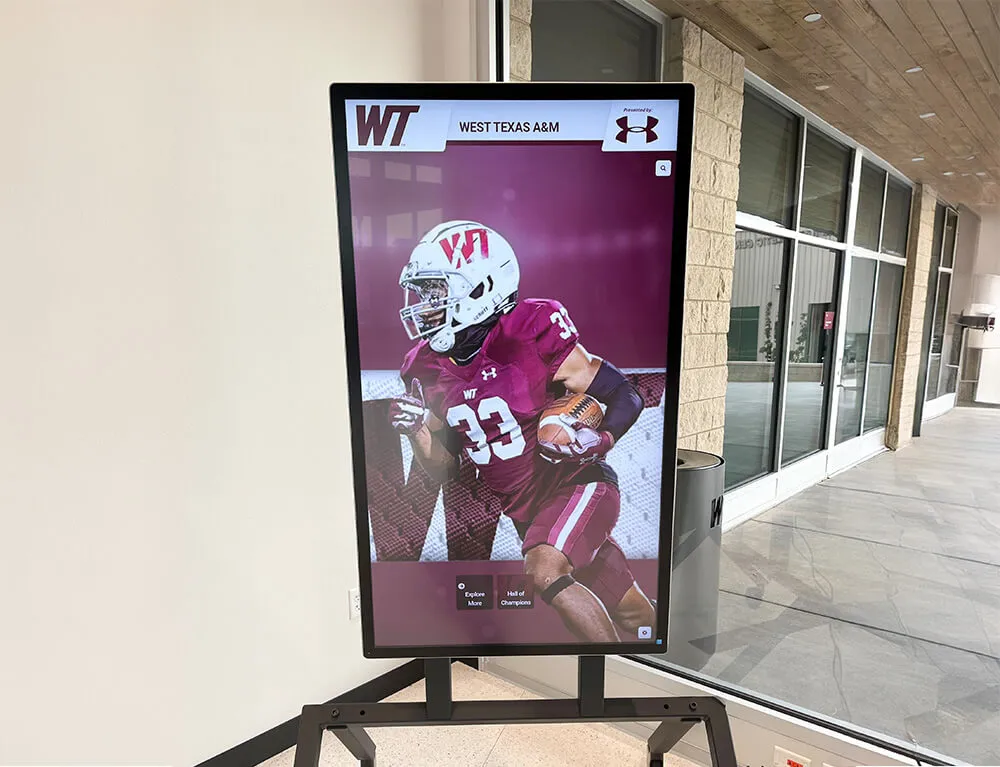
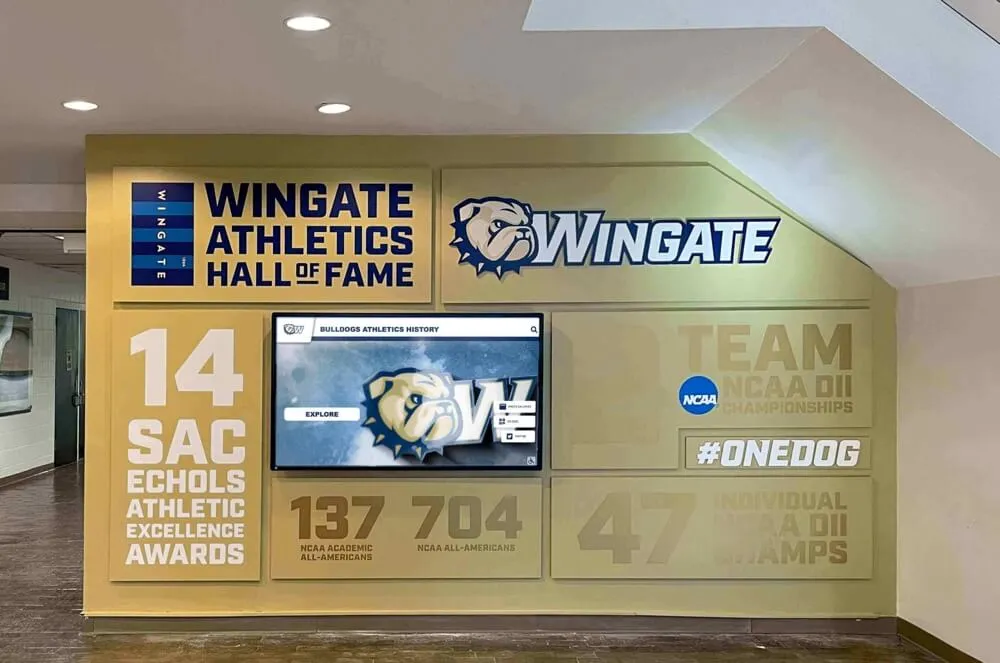
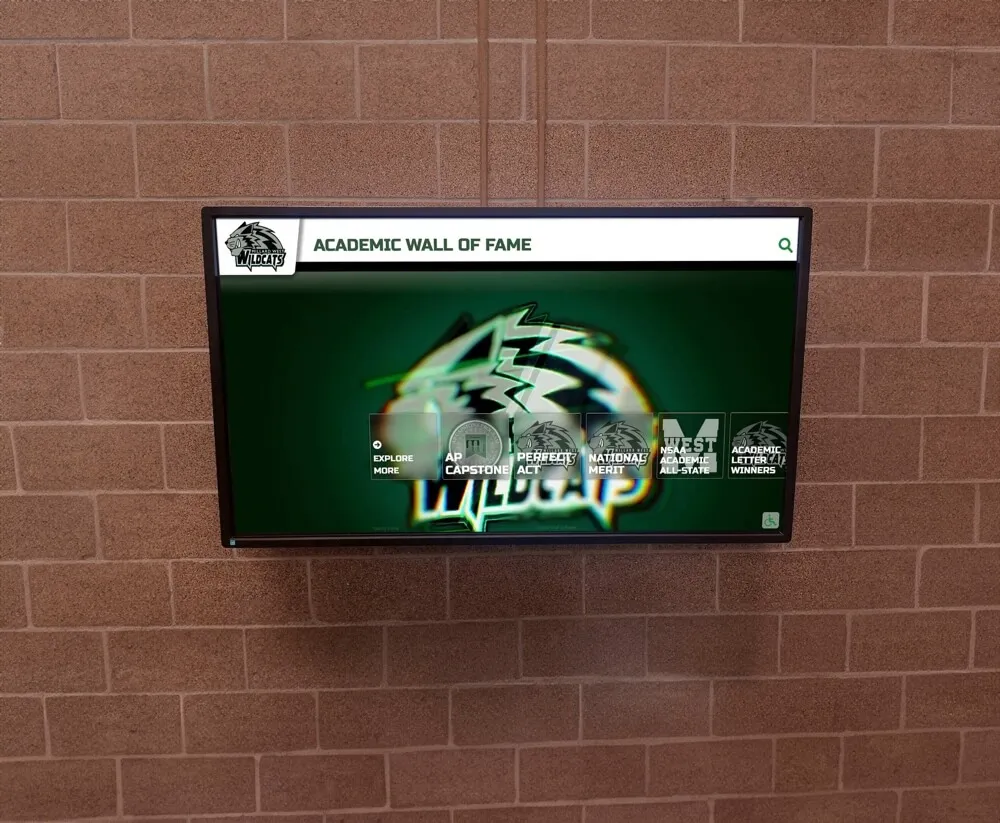
Digital academic recognition displays showcase student achievements prominently, creating visible celebrations of intellectual excellence
Why Comprehensive Academic Recognition Matters
Before exploring specific award categories, understanding the broader impact of thoughtful academic recognition helps frame why diverse acknowledgment matters for student development and school culture.
Academic Motivation and Student Engagement
Recognition serves as powerful motivation influencing student behavior and academic engagement:
Reinforcing Academic Values Strategic recognition communicates what your school community values:
- Effort and improvement matter as much as innate ability
- Multiple pathways to excellence exist beyond GPA alone
- Character and collaboration enhance individual achievement
- Intellectual curiosity deserves celebration alongside grades
- Academic growth represents significant accomplishment
Schools implementing comprehensive academic recognition programs report increased student engagement across diverse achievement levels, as students recognize multiple attainable excellence pathways rather than viewing recognition as accessible only to the highest-performing few.
Motivating Sustained Effort Public acknowledgment influences ongoing academic commitment:
- Recognition validates hard work encouraging continued effort
- Peer acknowledgment creates positive academic peer pressure
- Family pride strengthens parent support for academic priorities
- Teacher nomination demonstrates that effort gets noticed
- Award visibility creates aspirational goals for younger students
Equity and Inclusion in Recognition
Thoughtful award categories ensure diverse students see achievement pathways:
Acknowledging Multiple Intelligences Traditional GPA-based recognition may overlook:
- Students excelling in specific subjects but not all areas
- Learners with creative or practical intelligence strengths
- Those demonstrating social or emotional intelligence excellence
- Students whose strengths emerge through projects vs. tests
- Learners whose achievements don’t translate to traditional metrics
Growth-Focused Recognition Improvement awards provide opportunities for:
- Students overcoming learning challenges
- Those developing skills from lower starting points
- Learners making dramatic academic turnarounds
- Students showing persistence despite obstacles
- Individuals whose growth exceeds expectations
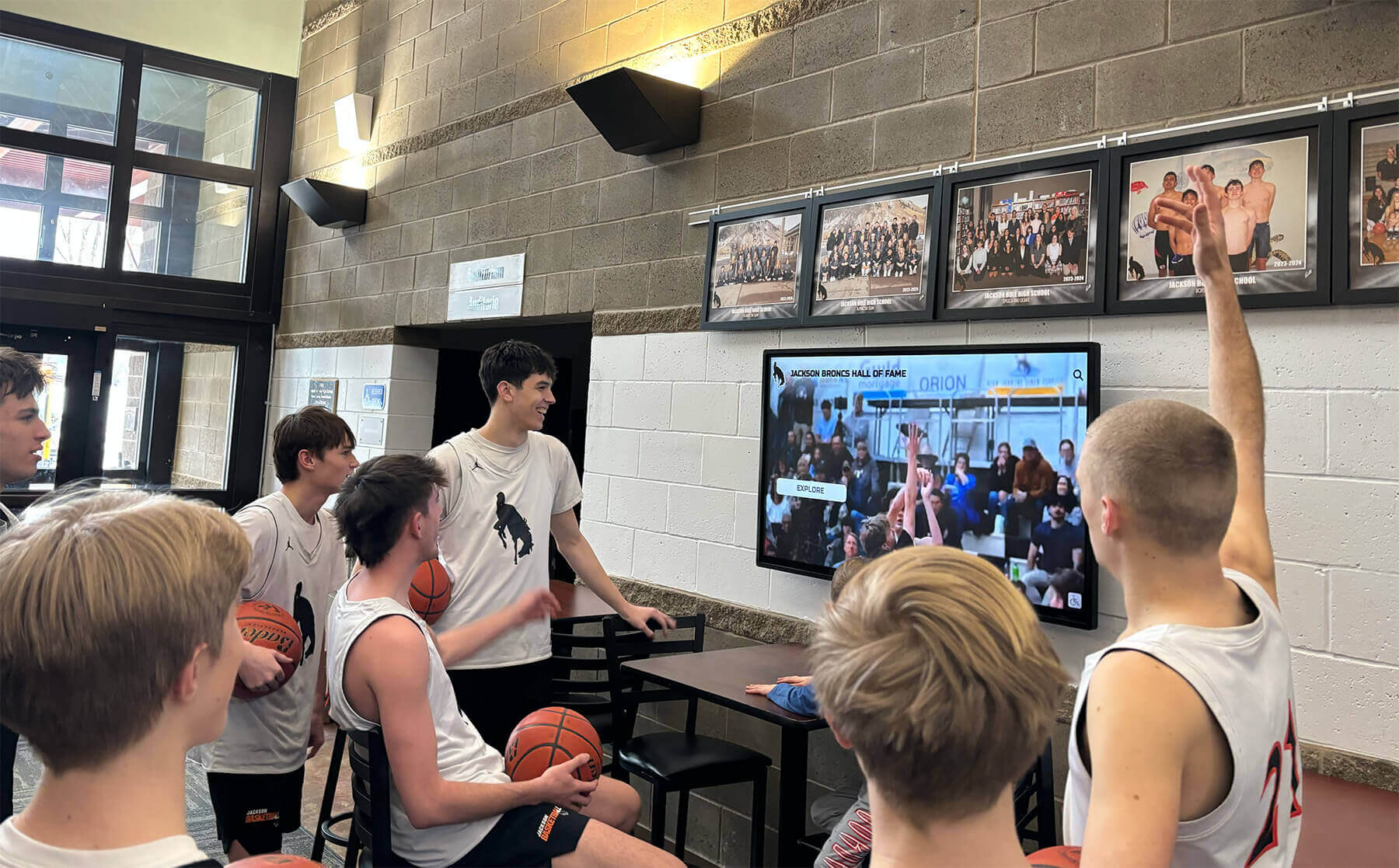
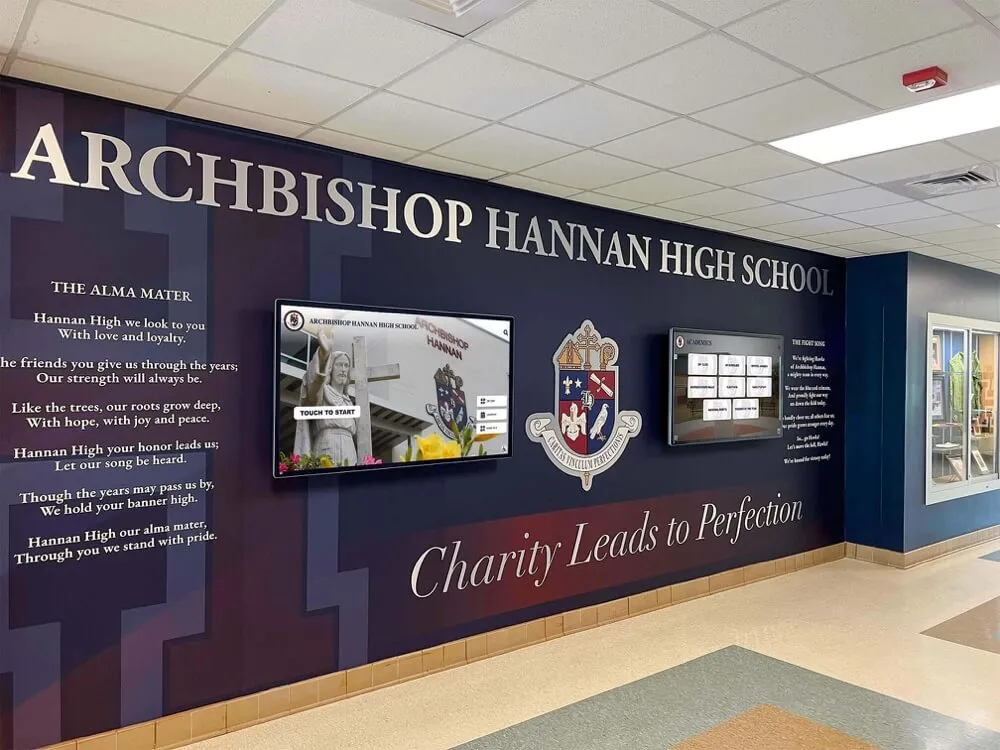
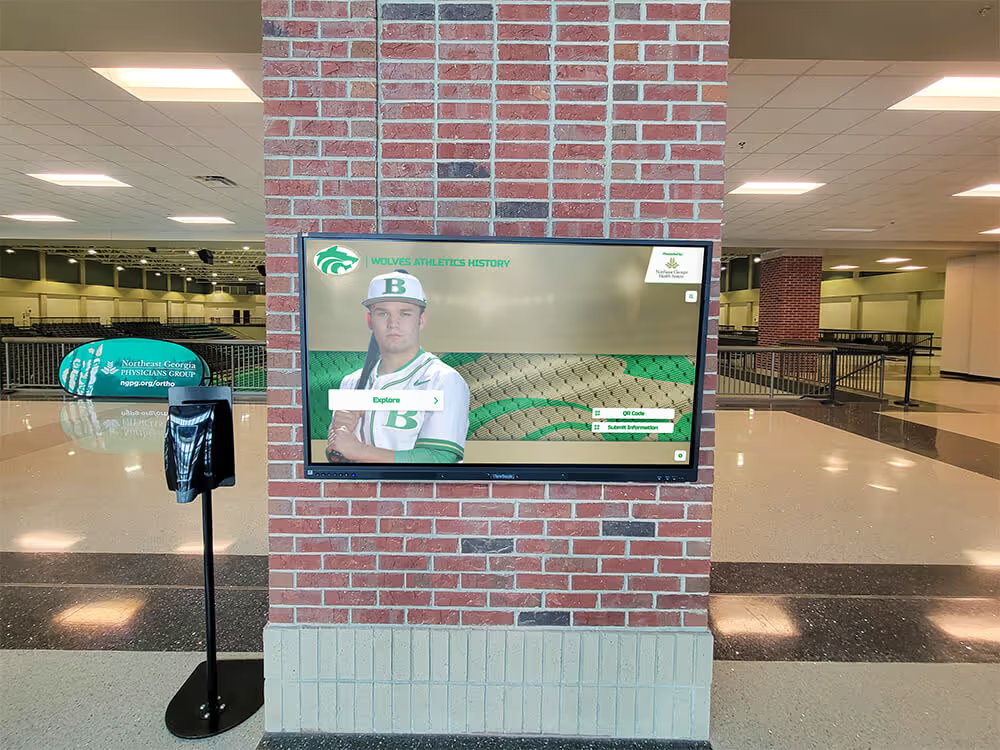
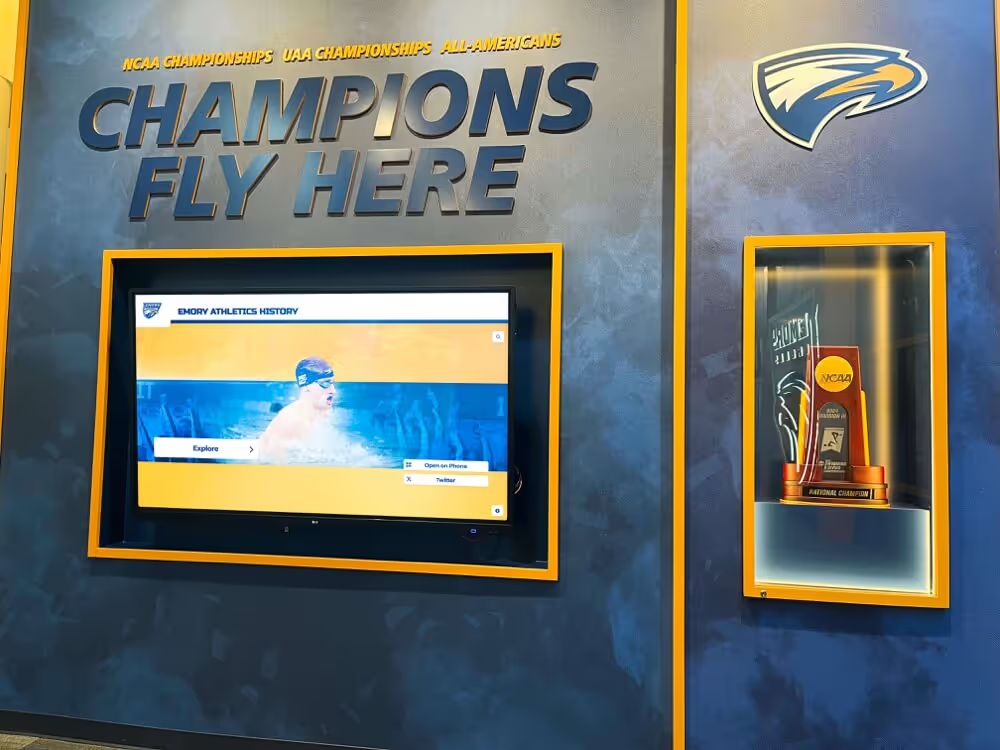
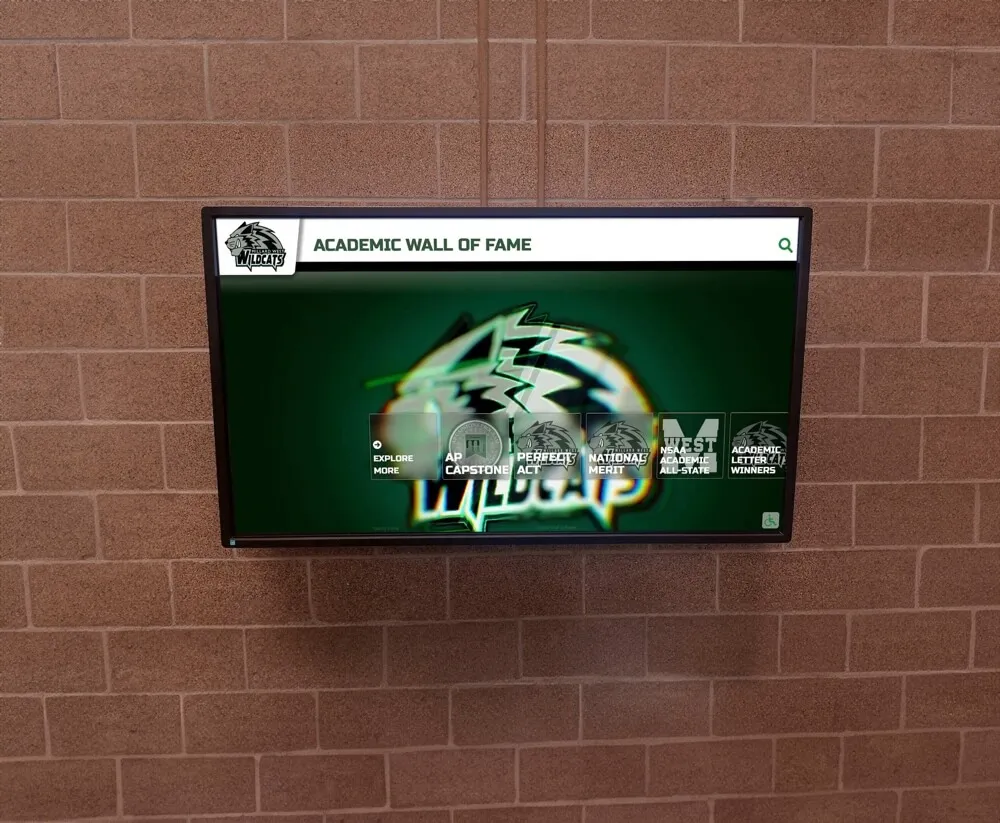
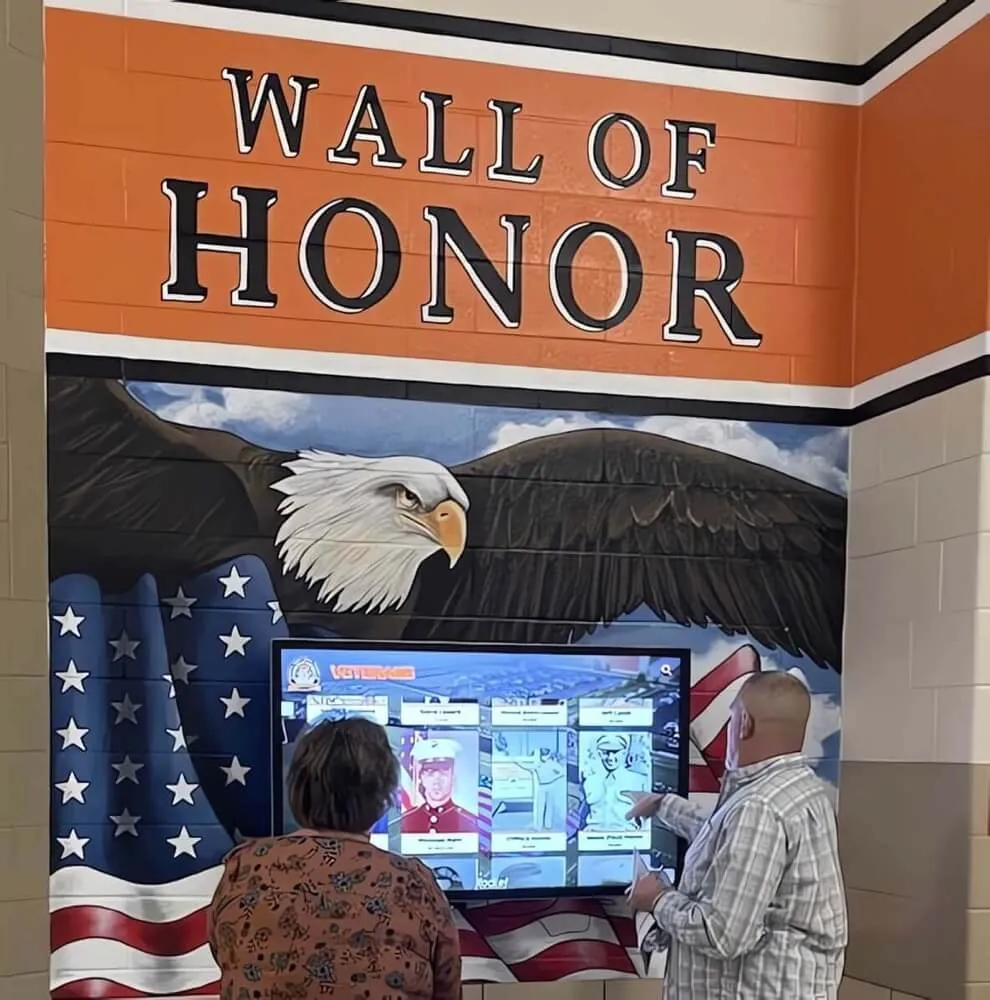
Interactive displays engage students with achievement recognition, creating moments of pride and inspiration
Building Positive Academic Culture
Recognition shapes the academic environment and community values:
Creating Academic Pride
- Visible recognition elevates academic achievement status
- Peer celebration normalizes intellectual excellence
- Public acknowledgment reduces stigma around academic success
- Award ceremonies create memorable milestone moments
- Historical recognition connects current students to legacy
Schools that prominently showcase academic achievements—through ceremonies, displays, and digital platforms—create environments where intellectual achievement receives celebration equal to athletic accomplishments.
Traditional Academic Honor Awards
Classic recognition categories form the foundation of most academic award programs, acknowledging overall excellence and sustained achievement.
Cumulative Achievement Recognition
Valedictorian and Salutatorian The highest academic honors recognizing overall excellence:
- Valedictorian: Highest cumulative GPA in graduating class
- Salutatorian: Second-highest cumulative GPA
- Co-valedictorians when multiple students tie for highest honors
- Weighted vs. unweighted GPA considerations
- Academic rigor factors for tie-breaking
Top Scholar by Class Recognizing highest achievers in each grade level:
- Freshman Scholar: Highest GPA in 9th grade
- Sophomore Scholar: Highest GPA in 10th grade
- Junior Scholar: Highest GPA in 11th grade
- Senior Scholar: Highest GPA in 12th grade (often valedictorian)
These honors create recognition opportunities across all grade levels rather than reserving highest acknowledgment exclusively for seniors.
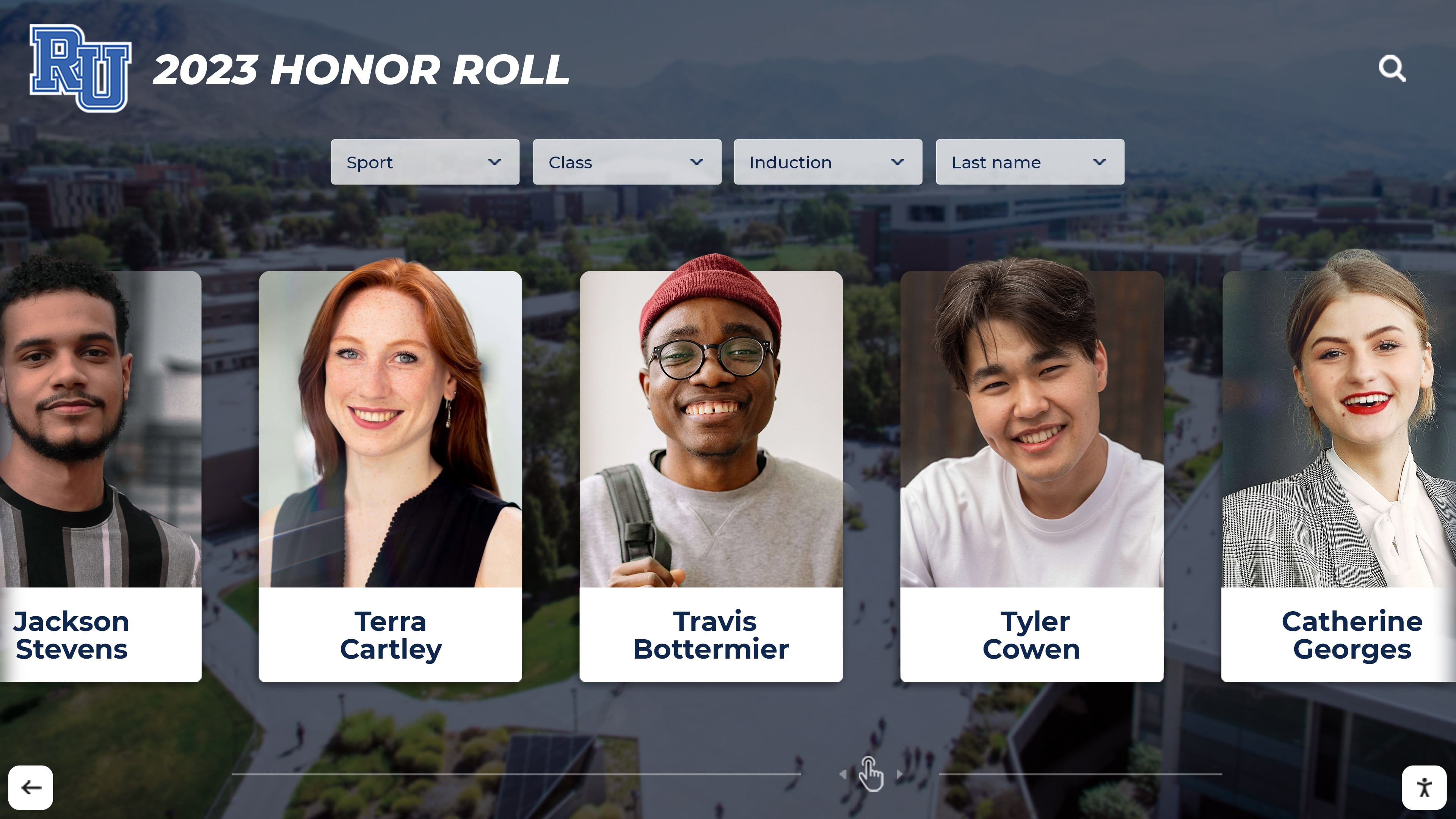
Individual student recognition cards celebrate honor roll achievements, providing personal acknowledgment of academic excellence
Honor Roll and Dean’s List Recognition
Academic Honor Distinctions Tiered recognition acknowledging strong overall performance:
- High Honors: GPA of 4.0 or equivalent (all A’s)
- Honors: GPA of 3.5-3.99 or equivalent (A’s and B’s)
- Merit Roll: GPA of 3.0-3.49 or equivalent (B average or better)
- Principal’s List: School-specific threshold for exceptional achievement
- Perfect GPA Award: Maintaining 4.0 across multiple semesters or years
Sustained Excellence Recognition Multi-year achievement acknowledgment:
- Four-Year Honor Roll: Achieving honor roll status all eight semesters
- Three-Year Honor Roll: Six consecutive semesters of honors
- Never Below Honor Roll: Maintaining consistent academic excellence
- Consecutive Semester Honors: Recognizing sustained high performance
Advanced Academic Program Recognition
Advanced Placement Distinction Acknowledging rigorous course completion and examination success:
- AP Scholar: Scores of 3 or higher on three or more AP exams
- AP Scholar with Honor: Average score of 3.25 on all AP exams, with 3+ on four exams
- AP Scholar with Distinction: Average score of 3.5 on all AP exams, with 3+ on five exams
- National AP Scholar: Average score of 4 on all AP exams, with 4+ on eight exams
- AP Capstone Diploma: Completing AP Seminar, AP Research, and four additional AP exams
International Baccalaureate Recognition IB program achievement acknowledgment:
- IB Diploma recipient with distinction (40+ points)
- IB Diploma recipient (24+ points)
- IB Certificate in specific subjects
- Extended Essay excellence recognition
- Theory of Knowledge achievement awards
Programs implementing diverse recognition through scholastic walls of honor showcase these achievements prominently alongside other forms of excellence.
Subject-Specific Academic Excellence Awards
Departmental awards recognize students demonstrating exceptional achievement in specific academic disciplines.
English and Language Arts Awards
Outstanding English Student Recognizing excellence in language arts:
- Exceptional writing ability across multiple formats
- Deep literary analysis and critical thinking
- Strong reading comprehension and interpretation
- Effective oral communication and presentation skills
- Creative expression through written work
Creative Writing Excellence Acknowledging literary creativity:
- Fiction writing achievement
- Poetry composition recognition
- Personal essay and memoir excellence
- Playwriting and dramatic writing
- Publication in literary magazines or journals
Speech and Debate Recognition Competitive communication excellence:
- State or national speech and debate championships
- Outstanding debater or forensics competitor
- Impromptu speaking excellence
- Public speaking achievement
- Parliamentary debate distinction
Mathematics and STEM Awards
Outstanding Mathematics Student Mathematical excellence recognition:
- Advanced problem-solving ability
- Conceptual understanding beyond computation
- Success in higher-level mathematics courses
- Mathematical reasoning and proof skills
- Application of mathematics to real problems
Math Competition Excellence Competitive mathematics achievement:
- Math Olympiad participation and placement
- Regional or state math competition victories
- Mathcounts or AMC recognition
- Problem-solving team contributions
- Individual mathematical contest success
Computer Science and Technology Digital literacy and programming achievement:
- Coding excellence and program development
- Cybersecurity knowledge and skills
- Database design and management
- Web development and design
- Artificial intelligence and machine learning projects

Students engage proudly with recognition displays showcasing their peers' achievements
Science Department Awards
Outstanding Science Student Overall scientific excellence:
- Laboratory skills and experimental design
- Scientific reasoning and analysis
- Understanding across multiple science disciplines
- Science fair participation and success
- Research methodology and documentation
Discipline-Specific Science Awards Subject area recognition:
- Biology Excellence: Living systems understanding and research
- Chemistry Achievement: Molecular science and laboratory skills
- Physics Distinction: Understanding of physical principles and mathematics
- Environmental Science: Ecology and sustainability achievement
- Anatomy and Physiology: Medical science understanding
Science Fair and Research Recognition Original investigation acknowledgment:
- Regional or state science fair placement
- Original research project excellence
- Scientific poster and presentation quality
- Experimental design sophistication
- Publication or presentation at conferences
Social Studies and Humanities Awards
Outstanding Social Studies Student Excellence in historical and social sciences:
- Historical analysis and interpretation
- Understanding of government and civics
- Geographic and cultural literacy
- Economic reasoning and analysis
- Current events knowledge and engagement
History Excellence Awards Specific historical achievement:
- American history expertise
- World history comprehensive understanding
- Primary source analysis skills
- Historical research project excellence
- Historical essay writing achievement
Government and Economics Recognition Civic and economic understanding:
- Exceptional government and civics knowledge
- Economic analysis and understanding
- Mock trial or Model UN participation
- Political science reasoning
- Constitutional knowledge and interpretation
Programs developing academic history archiving use recognition displays to connect current students with historical academic achievements.
World Language and Global Studies
Outstanding World Language Student Language acquisition excellence:
- Exceptional proficiency in target language
- Cultural understanding and appreciation
- Communication skills in speaking and writing
- Comprehension and listening excellence
- Application through travel or exchange programs
Language-Specific Awards Individual language recognition:
- Outstanding Spanish Student
- Exceptional French Learner
- Distinguished Mandarin Chinese Achievement
- German Language Excellence
- Latin Scholarship and Achievement
Global Citizenship Recognition Cultural awareness acknowledgment:
- International exchange program participation
- Cultural awareness and sensitivity demonstration
- Global perspective in coursework
- International service or advocacy
- Multilingual proficiency across multiple languages
Arts and Humanities Recognition
Visual Arts Excellence Creative visual achievement:
- Exceptional artistic skill and technique
- Creative vision and original expression
- Portfolio quality and diversity
- Art competition success and recognition
- Contribution to school art programs and culture
Performing Arts Achievement Theatre, music, and dance excellence:
- Outstanding theatrical performance
- Musical instrument or vocal excellence
- Dance technique and performance quality
- All-state music or theatre selection
- Leadership in performing arts productions
While often considered separately from academic awards, arts recognition deserves equal prominence in comprehensive achievement programs celebrating diverse intelligences and talents.
Character and Leadership in Academics
Academic achievement intertwines with character development, making these awards particularly meaningful.
Academic Character Recognition
Academic Integrity Award Honoring ethical scholarship:
- Consistent demonstration of honesty in academic work
- Proper citation and attribution in research
- Resistance to shortcuts or plagiarism
- Ethical behavior during assessments
- Modeling integrity for peers
Intellectual Curiosity Award Celebrating learning for its own sake:
- Asking insightful questions that deepen discussions
- Pursuing independent research beyond requirements
- Reading extensively across multiple subjects
- Seeking additional challenges and enrichment
- Demonstrating genuine passion for knowledge
Academic Perseverance Recognition Acknowledging sustained effort despite challenges:
- Overcoming learning difficulties or disabilities
- Maintaining academic focus despite personal hardship
- Consistent effort even when material proves difficult
- Resilience after academic setbacks
- Growth mindset demonstration
Collaborative Learning Excellence Recognizing teamwork in academic contexts:
- Outstanding group project contributions
- Peer tutoring and mentorship
- Collaborative problem-solving skills
- Generous sharing of knowledge
- Supporting classmates’ academic success
Students can explore connections to programs like the National Honor Society essay requirements that emphasize character alongside academics.
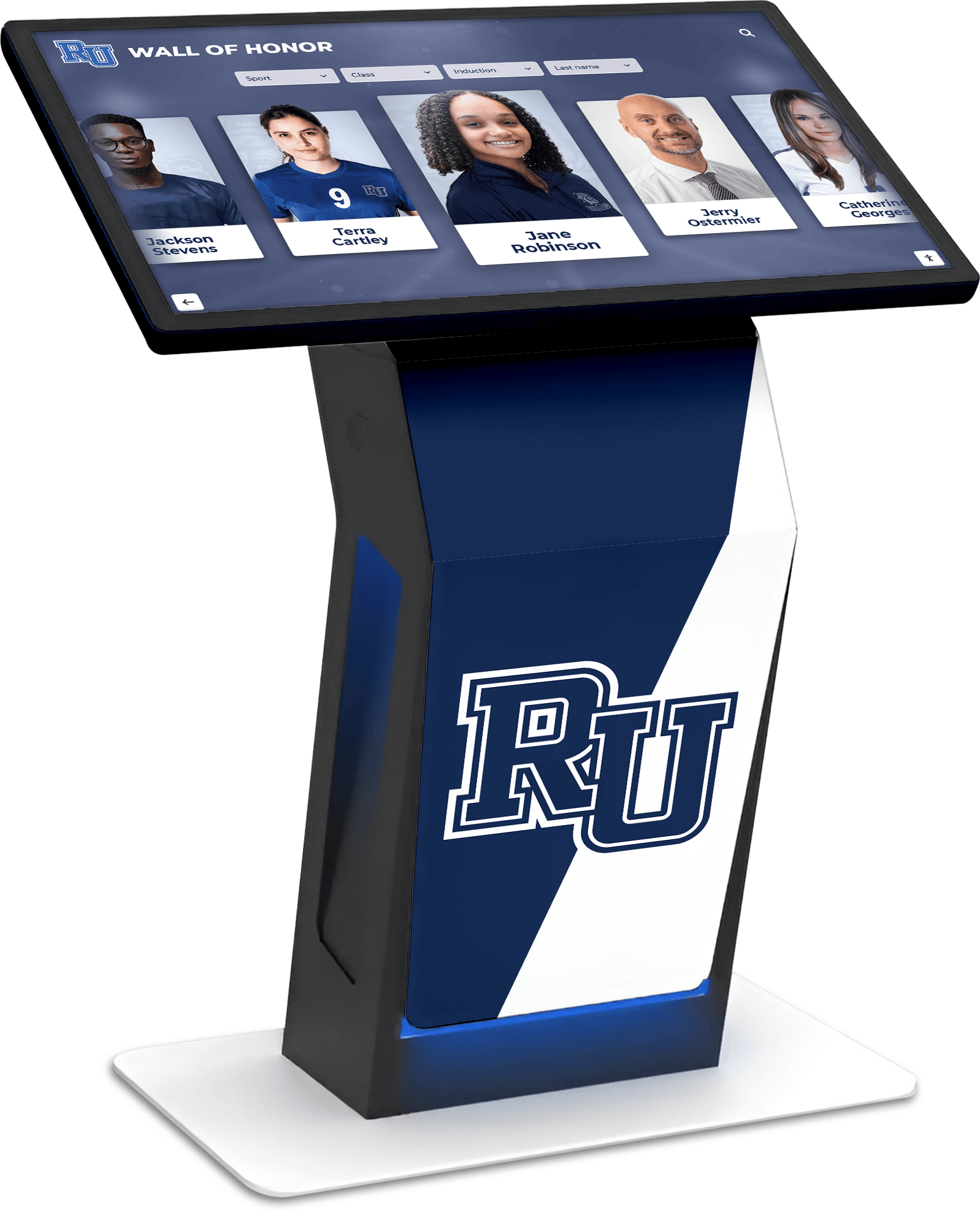
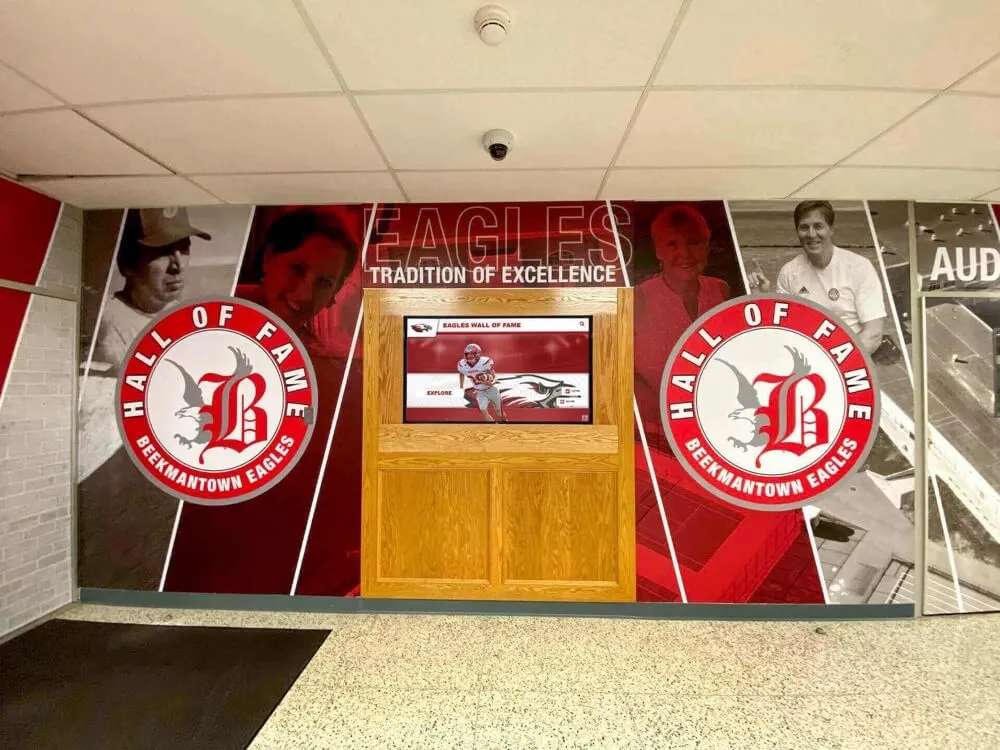
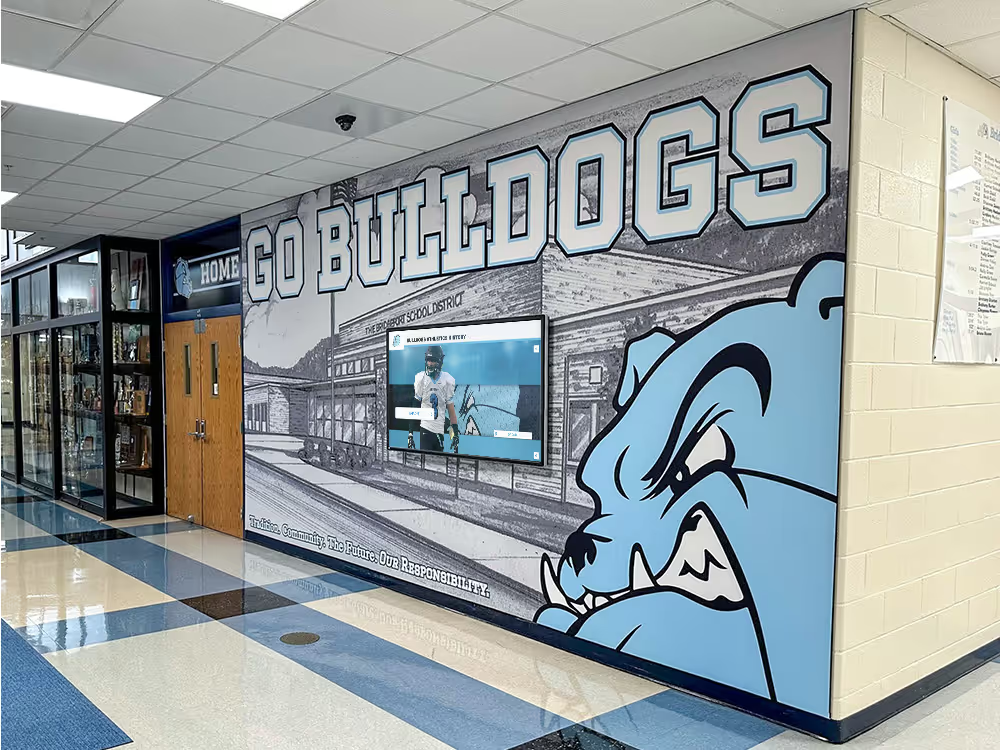
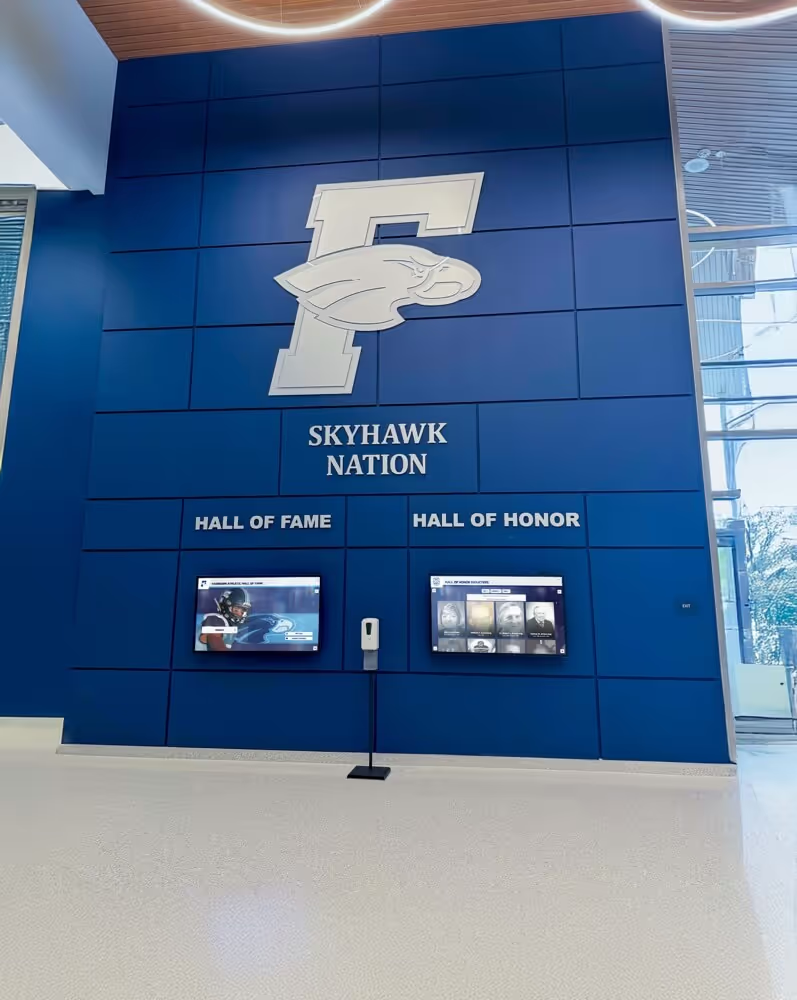
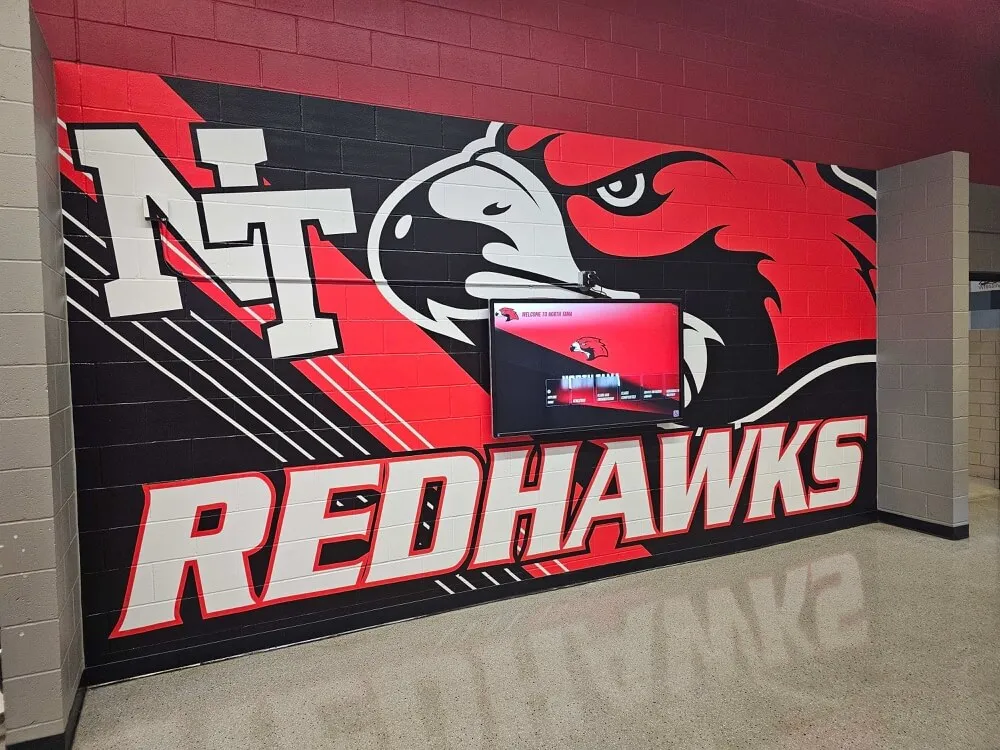
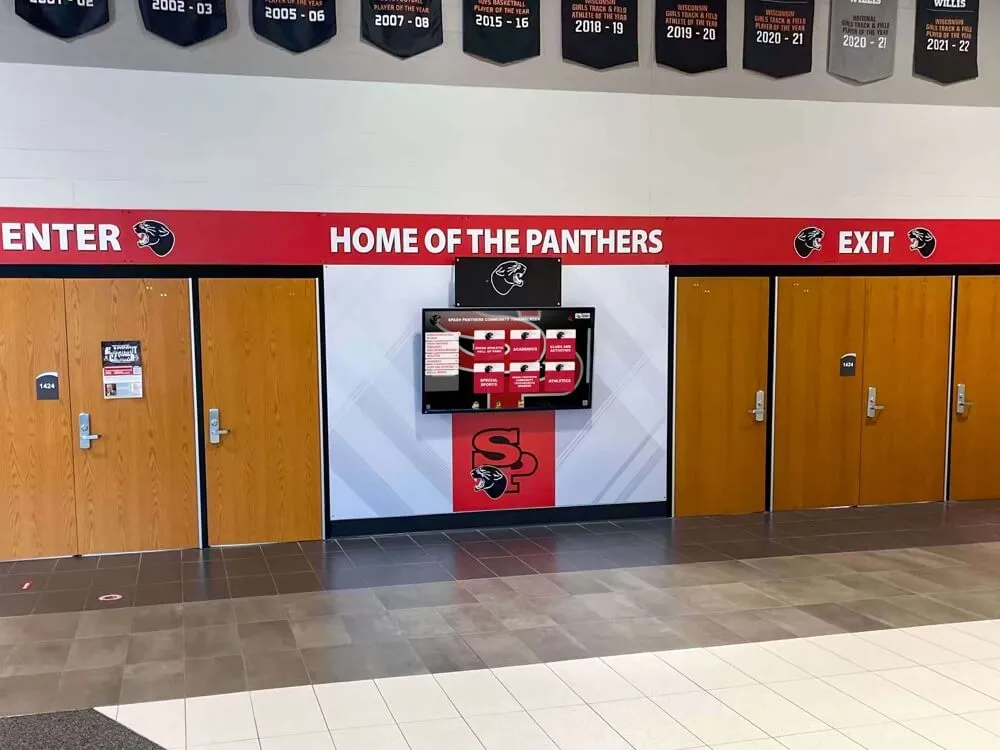
Digital recognition kiosks provide unlimited capacity to celebrate academic achievements across all categories
Academic Leadership Awards
Peer Tutoring Excellence Acknowledging educational mentorship:
- Consistent volunteer tutoring contributions
- Effectiveness in helping peers understand concepts
- Patience and encouragement with struggling students
- Creative explanation and teaching approaches
- Hours of service to tutoring programs
Study Group Leadership Facilitating collaborative learning:
- Organizing effective study sessions
- Creating inclusive learning environments
- Maintaining academic focus during group work
- Explaining concepts clearly to peers
- Elevating group academic performance
Academic Club Leadership Organization and initiative recognition:
- Leadership in National Honor Society
- Science Olympiad team captainship
- Math team or academic competition leadership
- Debate team or forensics captainship
- Academic club founding or significant contribution
Improvement and Growth Awards
Growth-focused recognition democratizes acknowledgment, ensuring students starting from different points receive celebration for progress.
Academic Improvement Recognition
Most Improved Student Overall Dramatic academic transformation:
- Significant GPA improvement year-over-year
- Transformation from failing to passing or struggling to succeeding
- Demonstrable skill development across subjects
- Changed academic habits and work quality
- Trajectory suggesting continued upward growth
Subject-Specific Improvement Awards Department-level growth acknowledgment:
- Most Improved in Mathematics
- Greatest English Progress
- Science Achievement Growth
- Social Studies Advancement
- World Language Development
Semester-to-Semester Growth Short-term improvement recognition:
- First semester to second semester improvement
- Junior year to senior year transformation
- Individual quarter growth acknowledgment
- Progress following intervention or support
- Improvement following academic probation
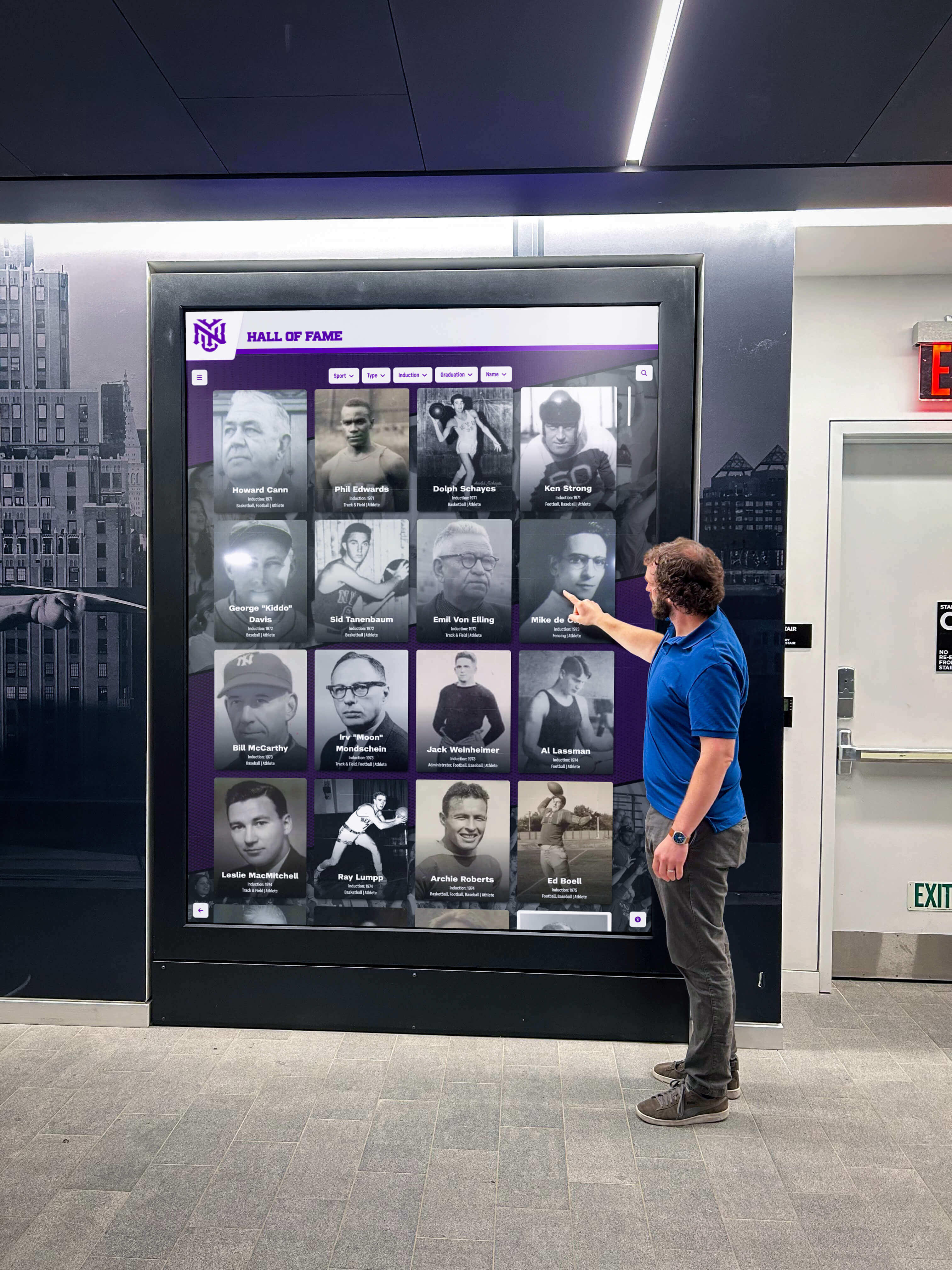
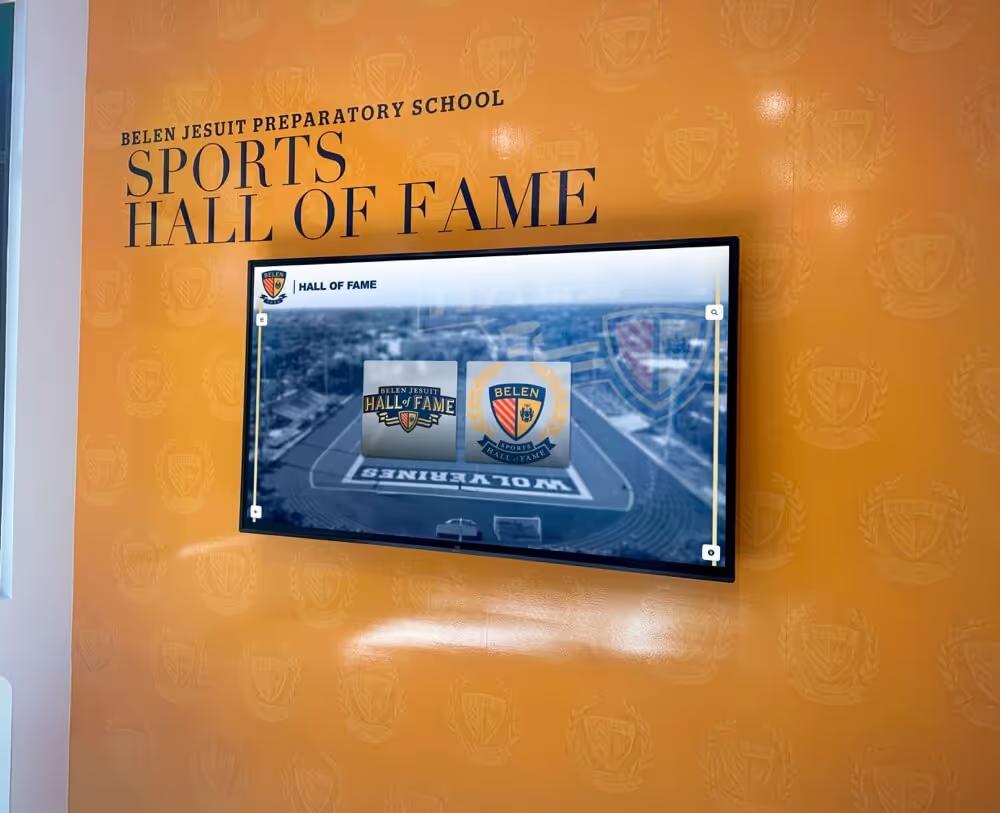
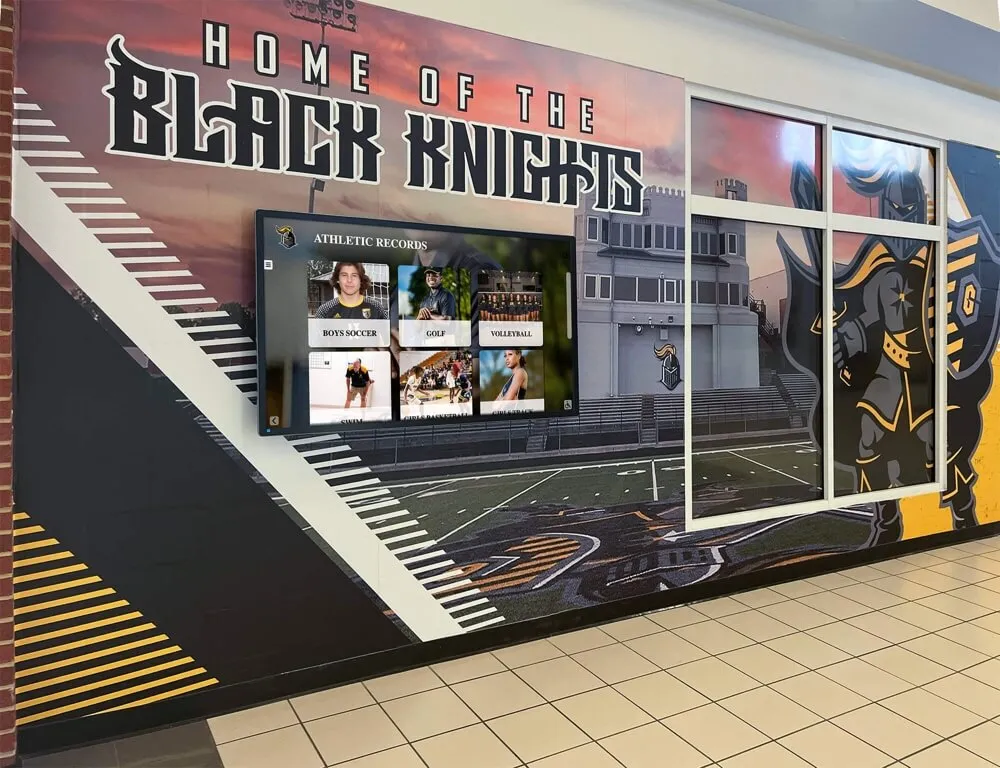
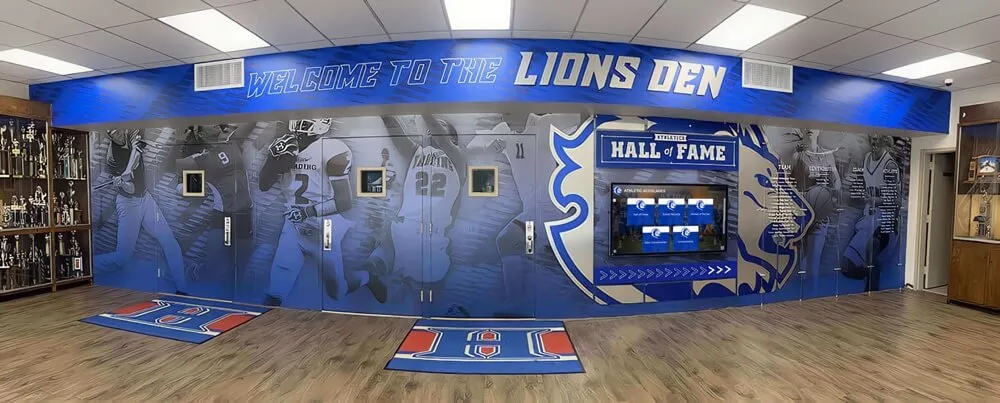
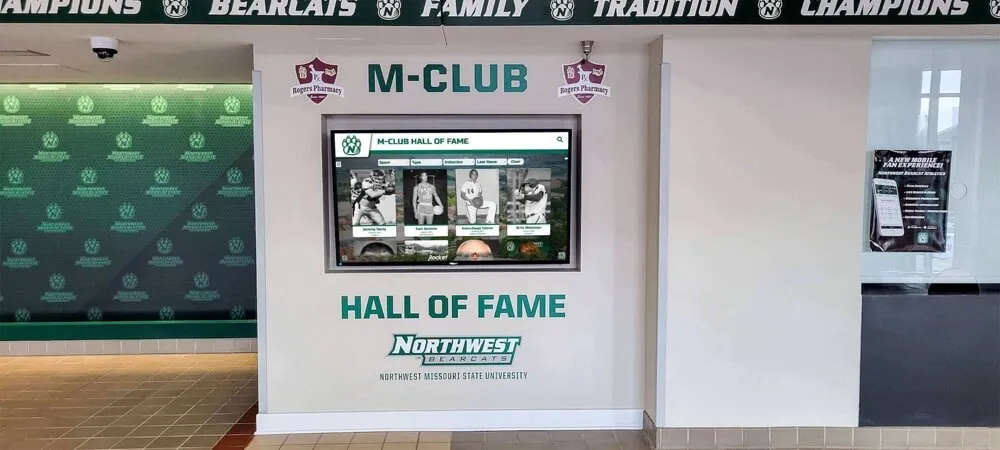
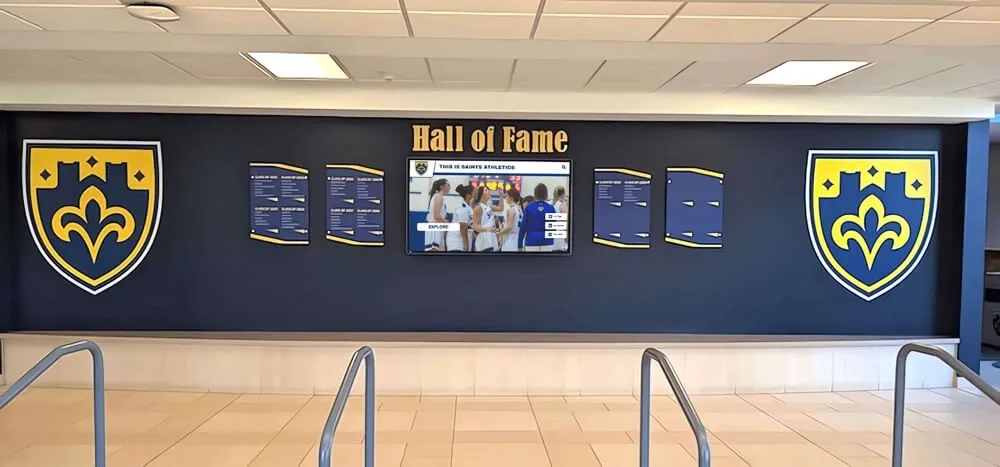
Interactive displays invite exploration of student achievements, creating engaging recognition experiences
Skill Development Recognition
Critical Thinking Development Analytical skill advancement:
- Growth in analytical reasoning ability
- Enhanced problem-solving approaches
- Improved evaluation and synthesis skills
- Deeper questioning and inquiry development
- Progression from concrete to abstract thinking
Research Skills Excellence Investigation methodology achievement:
- Information literacy and source evaluation
- Proper research methodology development
- Citation and attribution excellence
- Original research project completion
- Presentation of research findings
Study Skills and Organization Academic habit development:
- Transformation in organizational systems
- Time management improvement
- Note-taking and study technique development
- Test preparation strategy enhancement
- Self-advocacy and help-seeking growth
Special Achievement and Recognition Categories
Unique circumstances and achievements deserve acknowledgment beyond standard categories.
Milestone and Threshold Achievements
First Generation College-Bound Acknowledging barrier-breaking achievement:
- First in family to attend college
- Navigating application process independently
- Overcoming resource limitations
- Role model for younger siblings or community
- Persistence despite limited family college experience
4-Year Perfect Attendance Exemplary commitment recognition:
- Never missing a day across entire high school career
- Demonstrating exceptional dedication
- Prioritizing education consistently
- Overcoming illness or challenges to maintain attendance
- Setting example of commitment for peers
Academic Comeback Award Celebrating remarkable turnarounds:
- Recovery from academic probation to honor roll
- Overcoming significant personal or family challenges
- Academic success despite major obstacles
- Transformation in attitude and effort
- Demonstrating resilience and determination
Specialized Program Achievement
Career and Technical Education Excellence CTE program recognition:
- Industry certification attainment
- Technical skill mastery
- Work-based learning excellence
- Portfolio or capstone project quality
- Preparation for technical career pathways
Dual Enrollment Achievement College-level coursework acknowledgment:
- Successful completion of college courses while in high school
- Strong performance in dual enrollment programs
- Accumulation of significant college credits
- Balancing college and high school coursework
- Academic preparation for college transition
Independent Study Excellence Self-directed learning recognition:
- Completion of significant independent projects
- Self-designed learning experiences
- Online course completion beyond school offerings
- Learning outside traditional classroom structures
- Initiative in pursuing educational interests
Schools implementing modern recognition through digital recognition boards can showcase these diverse achievement categories effectively.
Cross-Disciplinary Achievement
STEAM Excellence Award Integration of science, technology, engineering, arts, and mathematics:
- Success across STEM and arts disciplines
- Projects combining technical and creative skills
- Holistic problem-solving approaches
- Design thinking and innovation
- Interdisciplinary project completion
Well-Rounded Scholar Comprehensive achievement recognition:
- Strong performance across all academic disciplines
- No significant weakness in any subject area
- Consistent excellence in diverse subjects
- Intellectual breadth and curiosity
- Renaissance learner characteristics
Academic and Athletic Scholar-Athlete Balancing athletics and academics:
- Maintaining high GPA while participating in sports
- Time management excellence with dual commitments
- Academic and athletic achievement balance
- Role model for student-athletes
- Demonstrating that athletics and academics can coexist
Departmental and Teacher-Nominated Awards
Subject teachers often have unique award categories recognizing specific contributions or characteristics valued in their disciplines.
Teacher’s Choice Awards
Subject Area Teacher’s Award Individual teacher recognition of excellence:
- Selected by teacher for outstanding contribution to class
- Criteria unique to each teacher’s values and priorities
- May recognize achievement, effort, character, or combination
- Personal acknowledgment from educator
- Often includes written explanation of selection
Department Awards by Subject Collective department recognition:
- English Department Award for Literary Excellence
- Mathematics Department Award for Problem-Solving
- Science Department Research Award
- Social Studies Critical Thinking Award
- World Language Communication Excellence
Special Recognition Awards Unique departmental acknowledgments:
- Best Lab Partner (Science)
- Most Insightful Questions (any subject)
- Outstanding Discussion Contributor
- Exceptional Presentation Skills
- Creative Problem-Solver
Classroom Contribution Recognition
Class Participation Excellence Engagement and contribution acknowledgment:
- Consistent constructive participation in discussions
- Questions that deepen class understanding
- Contributions that help peers learn
- Engagement that elevates class quality
- Respectful disagreement and diverse perspectives
Peer Support and Collaboration Helping classmates succeed:
- Consistently helping peers understand concepts
- Patient explanation and teaching of material
- Creating inclusive collaborative environments
- Encouraging reluctant participants
- Sharing resources and study materials
Technology and Innovation Recognition
Modern academic achievement increasingly involves technological proficiency and innovative approaches.
Digital Learning Excellence
Online Learning Achievement Success in digital environments:
- Self-directed learning in online courses
- Effective use of learning management systems
- Digital collaboration and communication skills
- Navigating blended or hybrid learning successfully
- Technology-enhanced project completion
Coding and Programming Excellence Software development achievement:
- Original program or application development
- Participation in coding competitions
- Contribution to open-source projects
- Creation of useful digital tools
- Advanced programming skill demonstration
Digital Citizenship Award Responsible technology use:
- Ethical online behavior and communication
- Digital literacy and information evaluation
- Cybersecurity awareness and practice
- Respectful social media and online interaction
- Leadership in promoting positive digital culture
Innovation and Creativity Awards
Innovation in Learning Award Novel approaches to education:
- Creative problem-solving in projects
- Innovative application of concepts
- Original approaches to assignments
- Entrepreneurial thinking and initiative
- Novel connections between disciplines
Maker and Design Excellence Creation and fabrication achievement:
- Makerspace or fab lab project excellence
- 3D printing and digital fabrication
- Engineering design process mastery
- Product development and prototyping
- Integration of technology and creativity
Community Service and Civic Engagement
Academic achievement extends beyond classroom walls into community contribution.
Service Learning Recognition
Community Service Scholar Balancing academics and service:
- Significant volunteer hours while maintaining strong academics
- Service projects demonstrating learning application
- Community impact through academic skills
- Leadership in service organizations
- Sustained commitment to community improvement
Service Learning Project Excellence Integrated service and education:
- Projects connecting coursework to community needs
- Reflection and learning from service experiences
- Measurable community impact
- Professional documentation and presentation
- Sustained engagement beyond minimum requirements
Global Citizenship and Advocacy Broader impact recognition:
- International service or exchange participation
- Advocacy for important causes
- Awareness-raising initiatives
- Cultural bridge-building efforts
- Social justice work and activism
Planning and Implementing Academic Award Programs
Creating effective recognition requires strategic planning and thoughtful implementation.
Establishing Award Criteria
Objective vs. Subjective Criteria Balancing measurable and judgment-based awards:
- Objective awards: GPA thresholds, test scores, quantifiable achievements
- Subjective awards: Teacher nomination, demonstrated character, contribution quality
- Combination approaches: Meeting minimum criteria plus nomination
- Clear documentation of selection processes
- Transparent communication of requirements
Ensuring Equity and Accessibility Recognition opportunities for all:
- Multiple pathways to acknowledgment
- Awards accessible to students at different starting points
- Recognition not limited to traditionally high-performing students
- Consideration of resources and opportunities in criteria
- Attention to implicit bias in nomination processes
Award Ceremony Planning
Format and Timing Considerations Effective recognition events:
- End-of-year academic awards ceremonies
- Subject-specific recognition nights
- Integration with graduation activities
- Monthly or quarterly recognition programs
- Assembly presentations for major awards
Thoughtful ceremony design creates meaningful experiences while respecting time constraints and maintaining student engagement throughout presentations.
Presentation Best Practices Making recognition memorable:
- Personal comments explaining each award
- Student accomplishment descriptions beyond titles
- Family invitation and inclusion
- Photography and documentation
- Certificate or physical award presentation
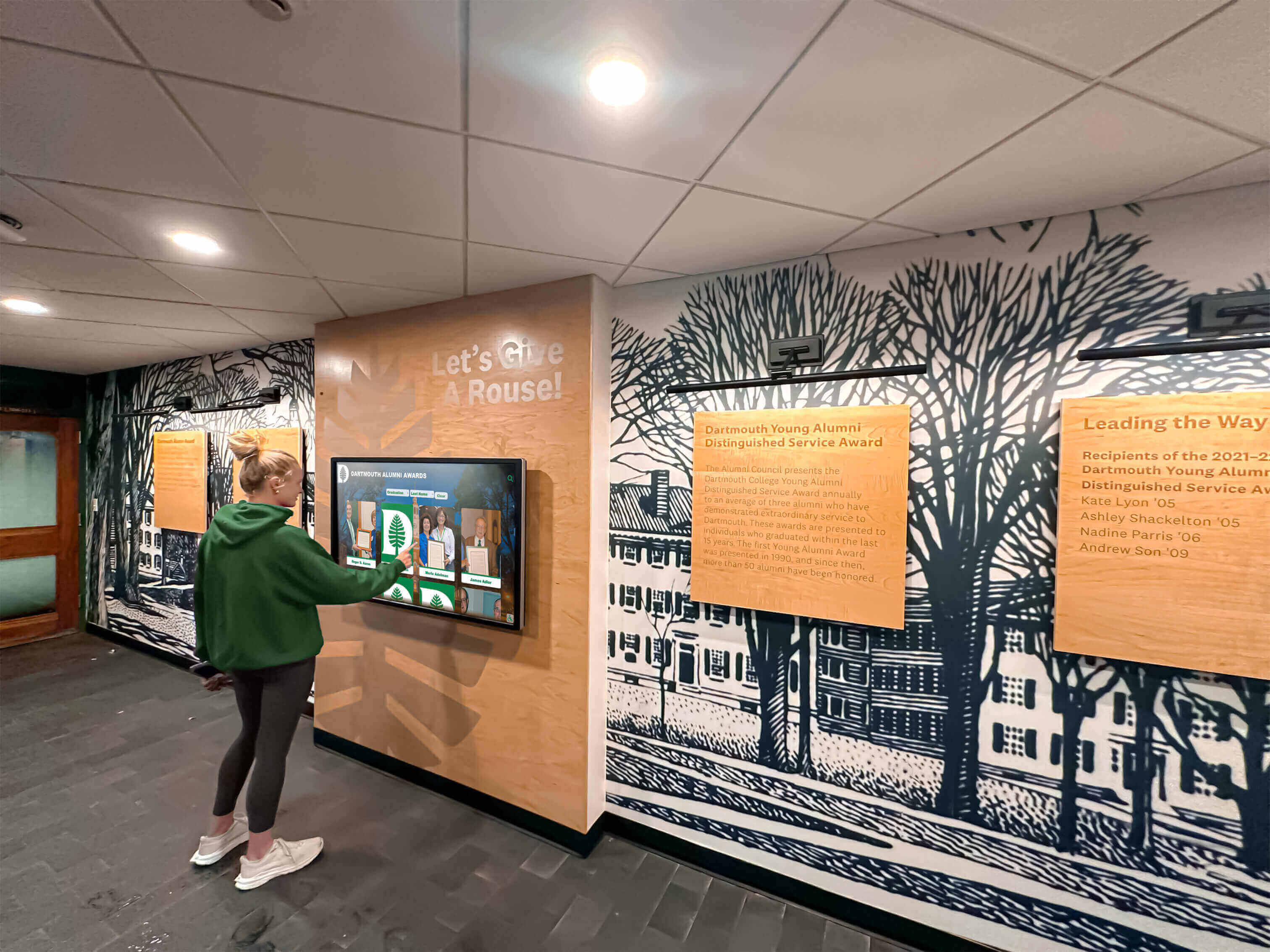
Students engage naturally with digital recognition, exploring academic achievements and inspiring future excellence
Selection Process Development
Nomination and Evaluation Fair selection procedures:
- Teacher nomination processes with deadlines
- Student self-nomination options where appropriate
- Administrative review and verification
- Committee evaluation for subjective awards
- Documentation of rationale for selections
Communication and Transparency Clear process explanation:
- Publication of award categories and criteria
- Timeline communication for nominations
- Notification of recipients with adequate lead time
- Recognition of all nominees where appropriate
- Appeals or questions process
Modern Digital Recognition Solutions
Contemporary technology enhances academic recognition visibility and accessibility beyond traditional certificate presentations.
Interactive Recognition Displays
Digital Academic Honor Walls Technology-enhanced recognition:
- Searchable databases of award recipients across years
- Photograph and achievement description integration
- Current and historical award winner showcases
- Statistical information and trends over time
- Mobile accessibility extending beyond campus
Solutions like Rocket Alumni Solutions provide platforms specifically designed for academic recognition, offering professional presentation with cloud-based management enabling administrators to update honors instantly without physical plaques or engraving delays.
Benefits of Digital Recognition Advantages over traditional approaches:
- Unlimited capacity without physical space constraints
- Easy updates adding current year recipients
- Enhanced engagement through multimedia integration
- Cost-effectiveness over time compared to physical awards
- Accessibility from anywhere via web connection
- Preservation of achievement records indefinitely
Virtual and Hybrid Recognition
Online Award Ceremonies Digital celebration options:
- Live-streamed recognition events for remote viewing
- Virtual award presentations for online programs
- Recorded ceremonies accessible afterward
- Interactive elements for viewer engagement
- Broader family participation regardless of distance
Social Media Integration Extending recognition reach:
- Announcement of award recipients on school platforms
- Student achievement features and spotlights
- Community engagement with academic excellence
- Broader awareness of school academic culture
- Student and family sharing of recognition
Modern platforms can showcase connections between recognition programs and school design ideas that celebrate achievement.
Budget Considerations for Academic Recognition
Creating meaningful recognition within financial constraints requires strategic resource allocation.
Cost-Effective Recognition Strategies
Budget-Friendly Options Quality recognition without significant expense:
- Printed certificates on quality paper or cardstock ($2-5 per student)
- Digital certificates via email (minimal cost)
- Recognition displays using existing school screens (no per-award cost)
- Student-designed awards using art department resources
- 3D-printed trophies via school maker spaces
Mid-Range Recognition Moderate investment options:
- Engraved plaques for major awards ($20-50 each)
- Photo recognition boards in hallways ($200-500)
- Professional ceremony programs ($1-3 per attendee)
- Small trophies or medals for department winners ($10-25 each)
- Recognition pins or cords for graduation ($5-15 per student)
Premium Recognition Investments Higher-budget options:
- Digital touchscreen recognition displays ($3,000-7,000 initial investment)
- Professional photography at ceremonies ($300-600)
- Video production of ceremony highlights ($500-1,000)
- Premium engraved awards for top honors ($50-150 each)
- Scholarship awards accompanying recognition ($500-5,000+ per award)
Funding Recognition Programs
Budget Sources Generating recognition program resources:
- School general fund allocations
- Parent-teacher organization support
- Community business sponsorships
- Alumni association contributions
- Fundraising events specifically for academic recognition
- Grant funding for innovative recognition programs
Strategic budget allocation ensures that financial limitations don’t prevent comprehensive acknowledgment of student achievement across diverse categories.
Integrating Academic Recognition with School Culture
Recognition programs work best when integrated into broader institutional values and practices.
Year-Round Recognition
Ongoing Acknowledgment Sustained recognition beyond annual ceremonies:
- Monthly “Student of the Month” academic recognition
- Quarterly honor roll announcements and displays
- Weekly features of academic achievement in announcements
- Semester recognition assemblies or events
- Real-time acknowledgment of special achievements
Visible Daily Reminders Constant reinforcement of academic values:
- Hallway displays showing current honor roll students
- Digital screens rotating student achievements
- Classroom recognition boards for subject excellence
- Library or common area achievement showcases
- Wayfinding signage highlighting academic spaces and achievements
Connecting Recognition to Future Opportunities
College and Career Applications Leveraging recognition strategically:
- Documentation for college applications and scholarships
- Resume building and professional portfolio development
- Letters of recommendation evidence and examples
- Interview talking points and achievement discussion
- Demonstration of sustained excellence and growth
Alumni Engagement and Tradition Building long-term connections:
- Historical achievement archives showing decades of excellence
- Alumni return visits discussing their own recognition
- Mentorship programs connecting past and present scholars
- Fundraising around academic recognition endowments
- Legacy and tradition building across generations
Transform Your Academic Recognition Program
Discover how digital recognition displays provide unlimited capacity to celebrate academic achievements across all 50+ categories without physical space limitations. See how schools nationwide showcase scholar excellence through engaging touchscreen platforms with simple cloud-based management, multimedia integration, and professional presentations that students and families explore interactively.
Explore Recognition SolutionsConclusion: Celebrating Every Dimension of Academic Excellence
Comprehensive academic recognition acknowledges the reality that student achievement takes many forms. While GPA and test scores provide important measures, they capture only a fraction of the intellectual growth, character development, collaborative excellence, and creative achievement that occur in high schools every day.
The 50+ award categories explored in this guide provide frameworks for creating recognition programs that serve diverse student populations, honor multiple pathways to excellence, and communicate that your school values effort, improvement, character, and contribution alongside traditional metrics of academic success.
Effective recognition requires moving beyond minimal acknowledgment of only the highest achievers to creating systems where students at all levels find attainable excellence pathways. The freshman struggling in mathematics deserves recognition for dramatic improvement just as the senior valedictorian deserves acknowledgment for sustained excellence. The student who tutors peers every day contributes as meaningfully as the one winning academic competitions. Comprehensive recognition honors these diverse forms of achievement equitably.
Traditional approaches including certificates, plaques, and ceremony presentations create meaningful moments students remember for years. However, physical awards eventually end up in storage boxes or get lost during moves. Digital recognition platforms like Rocket Alumni Solutions overcome these limitations through permanent digital archives, unlimited showcase capacity without space constraints, easy updates adding new recipients instantly, and accessible exploration that keeps achievement visible rather than forgotten in closets.
Programs succeeding at academic recognition balance ceremony significance with year-round visibility, honor quantifiable achievement alongside subjective excellence, acknowledge improvement as enthusiastically as sustained high performance, and create recognition opportunities accessible to students from all starting points and circumstances.
Start by assessing your current recognition honestly, identifying gaps where deserving students receive insufficient acknowledgment. Engage teachers gathering input about achievements they observe that don’t currently receive recognition. Then implement systematically with attention to clear criteria, transparent selection processes, meaningful presentation, and sustained visibility ensuring recognition motivates throughout the year rather than only during brief ceremony moments.
Your students’ academic achievements deserve recognition reflecting the diversity of ways humans learn, grow, and contribute to intellectual communities. With thoughtful planning, diverse award categories acknowledging excellence in all its forms, and appropriate recognition technology providing unlimited capacity, you can create programs that honor every contribution while building the academic pride and motivation that distinguish exceptional schools from merely adequate ones.
Ready to showcase your students’ academic achievements with professional recognition that extends beyond physical space limitations? Explore how digital recognition displays help schools celebrate academic excellence across all achievement dimensions while creating engaging experiences that strengthen academic culture, motivate student development, and preserve institutional memory for future generations.