The Easiest Touchscreen Solution




Live Example: Rocket Alumni Solutions Touchscreen Display
Interact with a live example (16:9 scaled 1920x1080 display). All content is automatically responsive to all screen sizes and orientations.
Fifty years is a remarkable milestone. For a graduating class celebrating its half-century mark, the 50th high school reunion carries a weight that earlier reunions simply cannot match — it is a gathering shaped by careers completed, families raised, losses mourned, and a shared history that stretches back to a world that looked very different. The 1976 graduate returning to campus in 2026 has seen more change than almost any generation in American history.
Planning a 50th reunion is therefore more than booking a banquet hall. It is an act of preservation and tribute — a chance to honor what the class accomplished, remember those who are no longer present, and connect classmates whose shared roots now feel both distant and precious. Getting the details right matters deeply to attendees who may have traveled across the country to be there.
This guide covers everything you need to create an exceptional 50th high school reunion: planning timelines, venue ideas, program activities, recognition displays, memorial tributes, and the modern display solutions that transform a single-night celebration into a lasting piece of school history.
A well-planned 50th reunion does three things simultaneously: it celebrates the class’s collective achievement, it honors individual milestones and contributions, and it preserves memories for the school community for years to come. The best 50th high school reunion ideas serve all three goals at once.

Well-designed alumni recognition displays give 50th reunion attendees a meaningful way to see their class history preserved and celebrated
Why the 50th Reunion Deserves Special Treatment
Most class reunions follow a predictable formula: dinner, a slideshow, name tags, a cash bar. That approach can work adequately for 10- or 20-year gatherings, when most classmates are still relatively connected to their high school identities. By the 50th, the stakes are higher and the formula needs to evolve.
What makes the 50th different:
- Many attendees may be attending their final reunion, making the event genuinely valedictory
- The class has now lived long enough to see its collective impact — in careers, communities, families, and contributions
- Losses are significant; the “In Memoriam” portion of the program takes on new gravity
- Attendees have more resources, more patience, and more appetite for meaning than they did at age 28
- The school itself has changed — and classmates want to see what has become of the place they grew up
For reunion committees, these factors argue for more intentionality, a longer program, richer recognition content, and displays that will outlast the evening itself.
Building Your Planning Committee and Timeline
The most common mistake in reunion planning is starting too late. A 50th reunion deserves at least 18 months of lead time. The committee also needs more depth than earlier reunions typically required.
Ideal Committee Structure
Core roles to fill:
- Chair or co-chairs: Drive overall logistics and decision-making
- Communications lead: Manages outreach, social media, and the class newsletter
- Venue and catering coordinator: Handles site selection and food
- Recognition and program chair: Builds the tribute content, awards, and display materials
- Technology lead: Manages registration website, slideshow, and digital displays
- Treasurer: Tracks deposits, invoices, and the class fund
Distributing responsibility across six to eight people prevents burnout and ensures that each pillar of the event gets real attention.
Recommended planning timeline:
- 18 months out: Form committee, set reunion weekend, begin locating classmates
- 12 months out: Book venue, open registration, launch communications campaign
- 8 months out: Confirm program agenda, begin gathering photos and bios
- 4 months out: Finalize recognition display content, order keepsakes
- 6 weeks out: Send final headcount to venue, confirm A/V arrangements
- 2 weeks out: Print name tags and programs, confirm all vendor logistics
Venue Ideas for a 50th High School Reunion
Venue choice sets the entire tone of the gathering. For a 50th reunion, consider what the setting communicates about the class’s standing and the significance of the occasion.
Back at the School
Holding the reunion at the high school itself remains the most emotionally resonant option for many classes. Walking the same hallways, seeing the gym where games were played and dances were held, and encountering the faces of the building itself creates a connection no off-site venue can replicate.
Practical tips for on-campus reunions:
- Contact the school principal or alumni relations office at least 12 months in advance
- Ask about dedicated reunion spaces: cafeteria, gymnasium, auditorium, or a renovated common area
- Coordinate with the school to access display cases, trophy rooms, or hallway recognition walls as part of the tour
- Arrange a guided tour of renovated or new areas of the building — classmates enjoy seeing what has changed
On-campus reunions also create a natural opportunity to partner with the school on a legacy gift or permanent recognition display, which many 50th-year classes choose to do.
Off-Campus Venue Options
When the school is unavailable or the class prefers a more upscale setting, several venue types work well:
Country clubs and banquet halls offer polished settings with professional catering, adequate A/V infrastructure, and staff who understand event logistics. Look for spaces with a private outdoor area for social time before dinner.
Hotel ballrooms simplify the overnight logistics for out-of-town attendees, who often book a room block for the weekend. A hotel venue also allows for a multi-day program — a Friday evening social, a Saturday formal dinner, and a Sunday farewell brunch.
Historic local venues — an old theater, a renovated mill, a community arts center — can add character and local connection appropriate to a milestone reunion. These work especially well for classes with strong ties to a particular town or region.
Program and Activities: Ideas That Work at 50 Years
The 50th reunion program should balance nostalgia, recognition, tribute, and genuine social time. Avoid over-programming: attendees want to talk with each other as much as they want to participate in structured activities.
Friday Evening: Informal Reconnection
An opening night social event without formal programming allows classmates to reconnect on their own terms before the main event. Suggestions:
- Casual cocktail reception with a photo booth and class photo slideshows running on monitors
- Hosted at a restaurant or bar with private space, or in someone’s backyard
- Optional campus tour if the school is willing to accommodate an evening visit
- No speeches, no program — just time and space to reconnect
Saturday: The Main Celebration
The Saturday dinner or luncheon is the centerpiece of the weekend. A workable structure for a 50th reunion program:
Program elements to include:
- Welcome and opening remarks (10 minutes)
- Class slideshow covering 1970s–present (15–20 minutes)
- Recognition segment: milestone awards and achievements (20–30 minutes)
- In Memoriam tribute (10–15 minutes, handled with care)
- Guest speaker — a classmate with an interesting story or the principal/superintendent
- Open social time with music from your graduation year
- Class photo
Activities that elevate the 50th experience:
- “Where Are They Now” video interviews: Ask 20–30 classmates to record short 2-minute videos about their careers, families, or most memorable school moment. Play these throughout the social hour.
- Memory tables: Arrange tables by decade, with artifacts and memorabilia from each era — yearbooks, class photos, newspaper clippings, sports programs
- Interactive timeline display: A printed or digital timeline of class milestones from high school through the present day
Recognition Categories That Resonate at 50 Years
By the 50th reunion, the class has a complete record to draw from. Awards and recognitions become more meaningful than at early reunions because there is genuine history behind them.
Popular 50th reunion recognition categories:
- Farthest Traveled: Honors the classmate who came the greatest distance to attend
- Most Changed / Least Changed: Fun categories voted on at the event
- Class Milestone Awards: Recognizing classmates who achieved notable professional, civic, or personal milestones over 50 years
- Distinguished Alumni Award: For a classmate whose career or contributions brought particular recognition
- Service to Community Award: For classmates whose life work has centered on giving back
- Legacy Award: For classmates who entered fields related to the school — education, athletics, coaching, administration
For schools looking to make these recognitions permanent, recognition program best practices offer guidance on building award systems with lasting credibility.
Recognition Displays: Making the 50th Last Beyond the Night
The most memorable 50th high school reunion ideas are the ones that produce something lasting. A single evening, however well-executed, fades. A recognition display, a permanently installed tribute, or a digitized archive gives the class something the school can reference for decades.
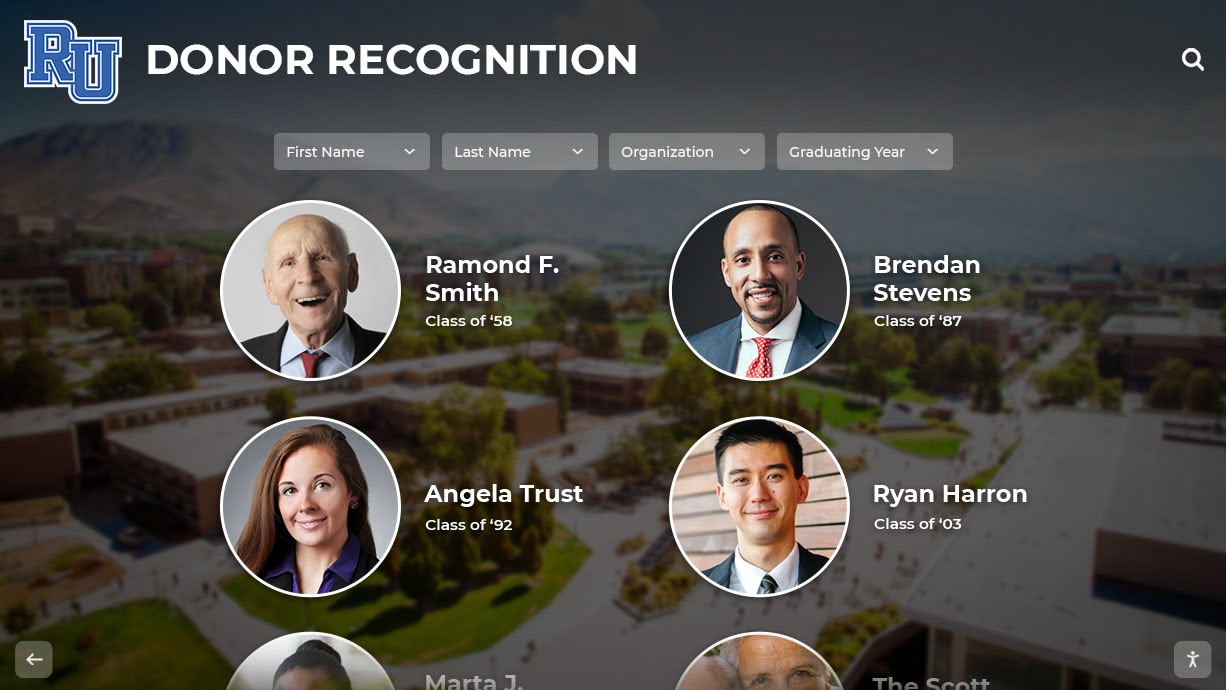
Alumni portrait displays created for a 50th reunion can become permanent fixtures that preserve class history for future generations of students
Class History Archive
One of the most meaningful 50th reunion projects is creating a comprehensive archive of the class’s history — a document (digital or physical) that captures who the class was, what they accomplished, and where they went.
Archive components:
- Digitized senior portraits and candid photos from yearbooks
- A written class history narrative covering the four years of high school
- Brief bios from classmates who choose to participate
- A record of athletic, academic, and extracurricular achievements from those years
- Obituaries or tributes for deceased classmates
Classes working on preservation projects should review yearbook photo usage and copyright considerations before reproducing images from historical yearbooks.
For schools willing to work with the reunion committee, projects that digitize old yearbooks and preserve class history can transform faded paper into searchable, shareable digital archives that benefit all future alumni.
Hallway and Trophy Case Tribute Displays
Many 50th reunion classes choose to contribute a physical tribute to the school — a plaque, a framed display, a named space, or an upgraded trophy case installation. These legacy gifts honor the class while benefiting current students.
Options for physical tribute displays:
- Commemorative plaque: A mounted plaque naming the graduating year, placed in a hallway, entrance, or gymnasium
- Trophy case refresh: Funding new display cases or lighting upgrades in existing case areas
- Named space: Donating toward a bench, garden, or seating area bearing the class year
- Hall of Fame induction: Nominating outstanding classmates for the school’s official Athletic or Academic Hall of Fame
When evaluating options for display cases and recognition walls, understanding the differences between traditional and digital display options helps committees choose solutions with lasting value.
Building a Class History Timeline
A timeline display — whether a large printed banner, a framed installation, or an interactive digital screen — gives reunion attendees and current students a visual narrative of the class’s journey.
Effective class history timelines for 50th reunions include:
- Key events in the school’s history during your four years
- National and world events that defined the era (the “this is what was happening when we were seniors” context)
- Notable classmate achievements: first in the class to achieve X, alumni in certain fields
- A visual count of the class: how many graduated, how many have been located, how many still live in the region
For guidance on structuring multi-decade narratives, resources on building history timeline displays provide frameworks adaptable to high school reunion contexts.
Digital Recognition Solutions for 50th Reunions
The most forward-thinking 50th high school reunion ideas now incorporate interactive digital displays that bring the class’s story to life in ways static displays simply cannot achieve.

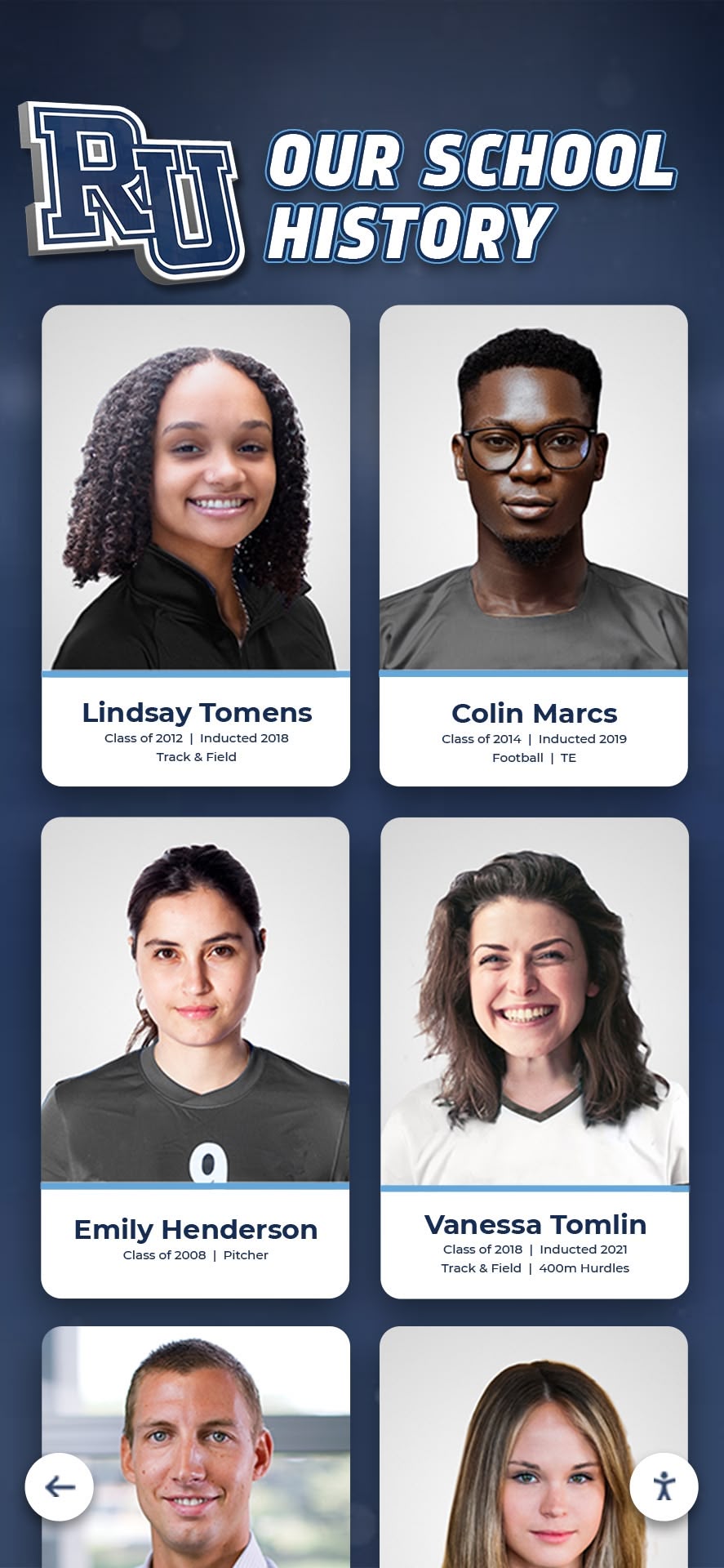
Interactive touchscreen displays allow reunion attendees to browse individual classmate profiles, browse career highlights, and explore class history
Why Digital Displays Elevate 50th Reunions
Traditional reunion displays — printed banners, poster boards, slideshows — have real limitations for a class with 50 years of history to share:
- Physical space constraints mean only a fraction of the class’s story fits on any single display
- Static content cannot be searched, filtered, or explored at a visitor’s own pace
- Printed materials fade, get damaged, and are difficult to share with classmates who couldn’t attend
- A slideshow ends; an interactive display continues engaging visitors throughout the evening
Digital recognition solutions address all of these limitations. Interactive touchscreen systems allow reunion committees to load hundreds of classmate profiles, photos, career summaries, and achievement records into a single display that attendees can browse independently.
Key capabilities of interactive reunion displays:
- Individual classmate profiles with photos, career information, and family updates
- Searchable database allowing attendees to find specific classmates quickly
- Class history timeline built into the navigation
- Athletic and academic records from the graduation year
- Memorial section for deceased classmates, handled with appropriate care
- QR code integration so attendees can access content on their own phones
Making the Display Permanent
The most powerful use of digital recognition for a 50th reunion is creating a display that stays at the school long after the reunion weekend ends. A touchscreen installed in the school’s lobby, gymnasium, or alumni hall becomes a permanent piece of class legacy — available for current students to browse, visible to visitors, and accessible via QR code to alumni who live anywhere in the world.
Schools partnering with reunion classes on permanent alumni recognition displays find that the 50th reunion provides natural momentum for upgrades that benefit every graduating class going forward.
Solutions like Rocket Alumni Solutions provide cloud-managed touchscreen platforms that allow schools and reunion committees to build professional, unlimited-capacity alumni displays. Content updates remotely via browser, no IT expertise required, and the same display can showcase athletic records, academic honors, donor recognition, and graduating class history in a single installation.
For a 50th reunion specifically:
- Load all participating classmates’ profiles before the event
- Add the class history timeline and In Memoriam content
- QR codes allow remote alumni to view the display online
- The school keeps the installation as a permanent legacy gift
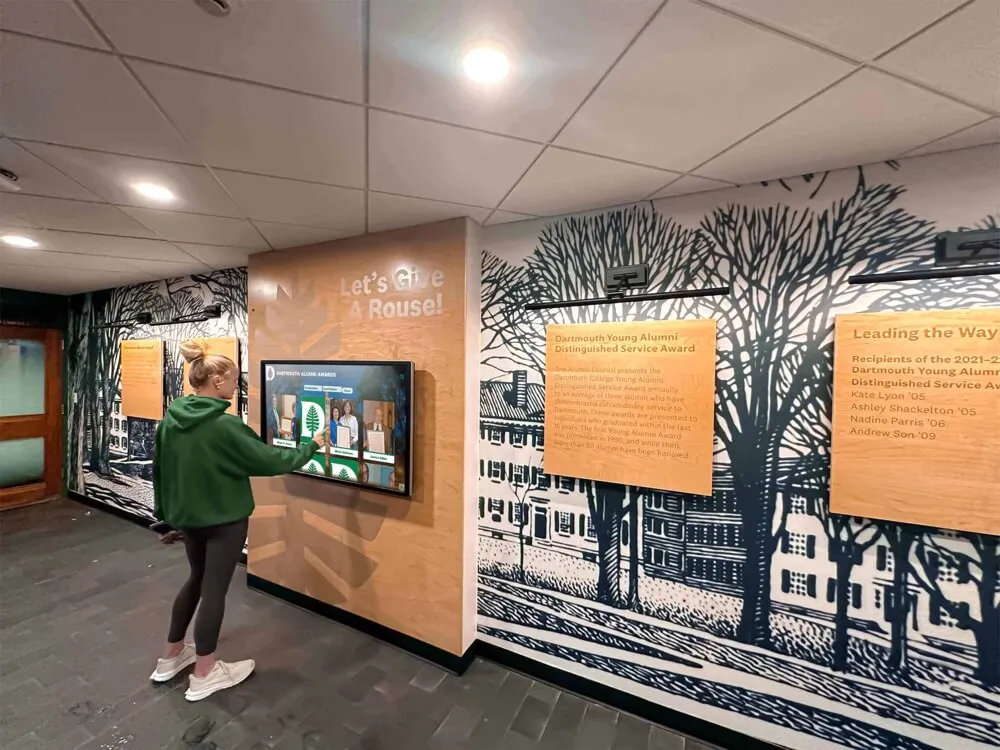
Interactive alumni hallway displays transform a reunion investment into a permanent fixture that benefits students and visitors year-round
Organizations that have worked through the process of preserving organizational history and records offer transferable lessons for reunion committees tackling decades of photos, records, and institutional memory.
Memorial Tributes: Honoring Classmates Who Have Passed
By the 50th reunion, the In Memoriam portion of the program is no longer a brief formality. It is a substantive act of collective grief and gratitude, and it deserves careful, respectful planning.
Building the Memorial List
Begin compiling a memorial list at least 12 months before the reunion. Sources include:
- Obituary databases and public records
- Social media notifications shared by classmates
- Outreach to family members of known deceased classmates
- State vital records (some are publicly accessible)
- Input from classmates who respond to early communications
When compiling memorial information:
- Confirm dates before publishing — errors cause real pain to families
- Collect a photo from the graduation year or the family for each honoree
- Invite family members to submit a brief tribute or attend the event if they wish
- Include military service and any notable achievements in memorial profiles
For guidance on the language and structure of memorial content, memorial tribute samples and approaches offer templates adaptable to reunion contexts.
In Memoriam Program Segment
The program tribute to deceased classmates should be handled with care:
- Designate a specific moment — not a background slideshow, but a pause in the program
- Dim the room; use music; allow for a moment of silence
- Read names slowly and clearly; display photos when available
- Consider a candle, a rose, or an empty chair as a physical tribute symbol
- Invite attendees who were close to those being honored to say a brief word if they wish
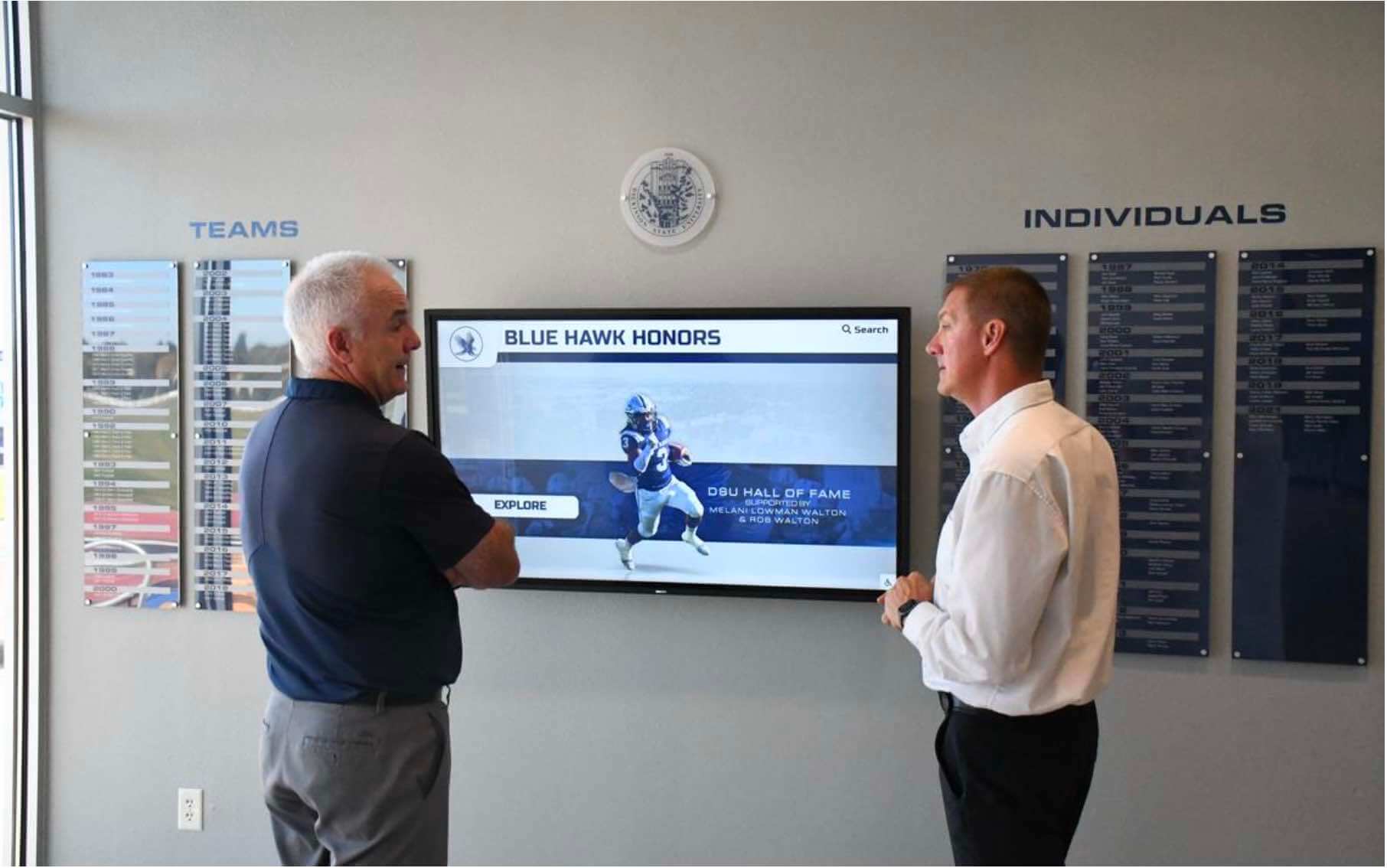
Interactive memorial displays allow reunion attendees to honor deceased classmates with photos, tributes, and biographical information preserved in permanent digital profiles
Making Memorials Permanent
A 50th reunion memorial that lives only in a printed program disappears within weeks. Building the memorial into a permanent digital display — whether on the school’s recognition wall or in a dedicated online class archive — ensures that honored classmates remain visible indefinitely.
Digital memorials can include:
- Senior portrait and additional photos provided by the family
- Career summary and community contributions
- Military service, awards, and distinctions
- A tribute paragraph written by a friend or family member
- Connection to living classmates through profile linking
Class Communications and Finding Lost Classmates
Reaching the full class is one of the hardest logistical challenges for any 50th reunion. Expect a significant portion of the graduating class to be difficult to locate — addresses change, people move, some classmates have deliberately disconnected.
Outreach Strategy
Where to search for classmates:
- Classmates.com and Reunion.com databases
- Facebook groups for the specific graduating class or high school
- LinkedIn for professional connections
- Local alumni association records maintained by the school
- Previous reunion contact lists (10th, 20th, 25th, 30th, 40th)
- Local newspaper announcements inviting classmates to register
Communication cadence:
Begin outreach 12 months before the event and send communications every 4–6 weeks as the date approaches. Use multiple channels simultaneously — email, physical mail, social media, and word-of-mouth through already-connected classmates.
What to include in outreach:
- The reunion date, venue, and registration link prominently displayed
- A request for updated contact information for unlocated classmates
- A short bio form for classmates who want to submit their update for the program
- Memorial notification (name and how to contact the committee if a classmate has passed)
For inspiration on creative celebration themes and how to build reunion energy through communications, homecoming planning resources offer transferable ideas.
Budget Planning for a 50th Reunion
Fifty-year reunions typically carry higher budgets than earlier gatherings, reflecting both the significance of the event and the financial capacity of most attendees at this stage of life.
Typical Expense Categories
Primary costs:
- Venue rental: $1,500–$8,000 depending on capacity and location
- Catering: $60–$150 per person for a sit-down dinner; less for cocktail-style events
- A/V equipment: $500–$2,000 for screens, microphone, and slideshow setup
- Photography/videography: $800–$2,500 for professional coverage
- Keepsakes: $15–$40 per person for memory books or personalized items
- Communications: $500–$1,500 for postage, printing, and website costs
- Recognition display: Varies widely ($200 for printed materials to $5,000+ for professional digital installations)
Ticket pricing approaches:
- Most 50th reunions charge $75–$175 per person, with higher prices for more elaborate events
- Early-bird pricing encourages advance registration that helps with venue headcount
- A separate “legacy fund” donation option at registration allows classmates to contribute to a permanent school gift
- Consider tiered pricing: dinner ticket vs. dinner + weekend package for multi-day events
Sponsorship options:
Local businesses with alumni connections sometimes sponsor portions of the event in exchange for program recognition. Former classmates who own businesses are natural candidates for this conversation.
Keepsakes and Take-Aways
The best 50th high school reunion keepsakes are things people will actually keep and display — not generic tchotchkes, but meaningful artifacts tied to the class’s specific story.
Keepsake ideas that work:
- Class memory book: A professionally printed book with class photos, bios submitted by classmates, In Memoriam section, and a class history narrative. This is the single most universally valued keepsake.
- Personalized name badge with senior photo: A laminated or metal name tag that includes the classmate’s senior portrait alongside their current name and where they live now. These often become cherished conversation starters.
- Commemorative print or poster: A high-quality print of the school building, class photo, or era-specific design — frameable and lasting.
- Custom merchandise: Class year apparel in school colors, mugs, or ornaments — simpler to produce and appreciated by classmates who want something casual.
- Digital access card or QR code: A card providing ongoing access to the class’s digital archive, reunion photos, and memorial display.
The memory book warrants particular investment. Classes that commission well-designed memory books often find they become the definitive archive of the reunion — circulated, shared, and referenced for years after the event.
Ensuring the Reunion Leaves a Lasting Legacy
The 50th high school reunion ideas that create the most lasting impact are those that connect the reunion investment to something permanent at the school. Whether that means a digital recognition display, a named space, a scholarship fund, or a digitized class archive donated to the school’s library, the 50th year is the natural moment for a class to make a contribution that outlasts the evening.

Modern recognition platforms are accessible across all devices, allowing classmates anywhere in the world to explore the class archive and stay connected
Legacy Gift Ideas for 50th Reunion Classes
Scholarship fund: Establishing or contributing to a scholarship in the class’s name provides an ongoing benefit to current students. Even a modest annual scholarship carries meaning if maintained over time.
Digital recognition display: A touchscreen installation in the school’s lobby or gymnasium gives the class permanent visibility while benefiting every future graduating class. These displays can showcase all alumni classes, not just the founding class, making them genuinely institutional rather than self-referential.
School history timeline display: A dedicated installation covering the school’s full history — with the class’s years prominently featured — makes a gift that current students and faculty will engage with daily.
Library or archive donation: Donating digitized yearbooks, class photos, and historical documents to the school library ensures that the class’s history is preserved and accessible in perpetuity.
Schools that have been through the process of building school history timelines celebrating class milestones note that these projects are most successful when the reunion committee and school administration plan them together from the beginning.
Conclusion: Honoring 50 Years Well
The 50th high school reunion marks a passage that most graduating classes will celebrate only once — a moment when the full arc of the class’s collective story becomes visible. Planning it well requires more time, more intentionality, and more depth than earlier reunions demanded.
The ideas in this guide — from program structure and venue selection to memorial tributes and digital recognition displays — are all oriented toward the same goal: honoring the class’s history in a way that is worthy of the milestone. The most successful 50th reunions balance nostalgia with celebration, grief with joy, and the single evening of the event with the lasting legacy it can create at the school itself.
For reunion committees weighing how to make a permanent mark, interactive digital display solutions represent one of the most practical and impactful investments available. They transform what would otherwise be a one-night slideshow into a year-round tribute that current students, future alumni, and visiting families can engage with for decades.
Create a Lasting Recognition Display for Your 50th Reunion
Rocket Alumni Solutions provides interactive touchscreen displays that allow 50th reunion classes to showcase classmate profiles, class history timelines, memorial tributes, and athletic achievements — all managed remotely via cloud CMS. Schedule a conversation to see how schools and reunion committees partner to build recognition displays that outlast the reunion weekend.
Explore Alumni Recognition SolutionsLive Example: Rocket Alumni Solutions Touchscreen Display
Interact with a live example (16:9 scaled 1920x1080 display). All content is automatically responsive to all screen sizes and orientations.